
This article contains affiliate links. Learn more in our affiliate disclosure.
We spent almost an entire year traveling around Switzerland in different seasons and under very different road conditions — from sunny summer drives through mountain passes to winter trips on snowy roads.
While we didn’t use a rental car ourselves (we had our own vehicle), this gave us extensive first-hand experience with driving in Switzerland, local road rules, and what to realistically expect on the road.
Overall, driving in Switzerland is very comfortable, well-organized, and surprisingly straightforward — but there are a few things that can catch you off guard if you’re not familiar with the system.
One of our most memorable surprises happened when Google Maps guided us to what looked like the end of the road and all we could see in front of us were train tracks. Only then did we realize we were supposed to take a car train. This is definitely something worth knowing in advance.
In this guide, we’ll share practical tips based on our experience to help you decide whether renting a car makes sense, what to expect when driving in Switzerland, and how to avoid common surprises.
Renting a car in Switzerland – Quick Overview
The most convenient places to rent a car in Switzerland are major cities such as Zurich, Geneva, Basel, or Bern, where you’ll find the largest selection of rental companies and the best prices.
In our experience, the airports usually offer the widest choice, but city locations can sometimes be slightly cheaper.
Booking your rental car in advance is highly recommended, especially during summer months and winter ski season, when demand is high and prices increase quickly.
In most cases, drivers need to be at least 19 to 21 years old, with possible additional fees for drivers under 25. Prices typically start from around CHF 80–120 per day, depending on the season, location, and type of vehicle.
Roads in Switzerland are extremely well maintained, however, many roads can be narrow, steep, or winding, especially in mountain regions.
Because of this, we usually recommend choosing a smaller but reasonably powerful car, which makes driving and parking significantly easier.
Full insurance coverage is highly recommended, as repair costs in Switzerland can be expensive. We typically use EconomyBookings to compare offers from multiple providers, check what’s included in the price, and find flexible cancellation options.
Do You Really Need a Car in Switzerland?
Switzerland is incredibly well connected by public transport. Trains, buses, and cable cars reach even remote mountain villages, and the system is reliable, clean, and easy to use.
If you plan to explore mainly one region, public transport is often more than enough and can be a very convenient option. However, if your Switzerland itinerary includes multiple regions across the country, renting a car can be more practical and sometimes even cheaper.
Train tickets in Switzerland are often quite expensive, and when traveling as a couple or a small group, the cost of a rental car can be split — which may end up costing less than buying individual train tickets.
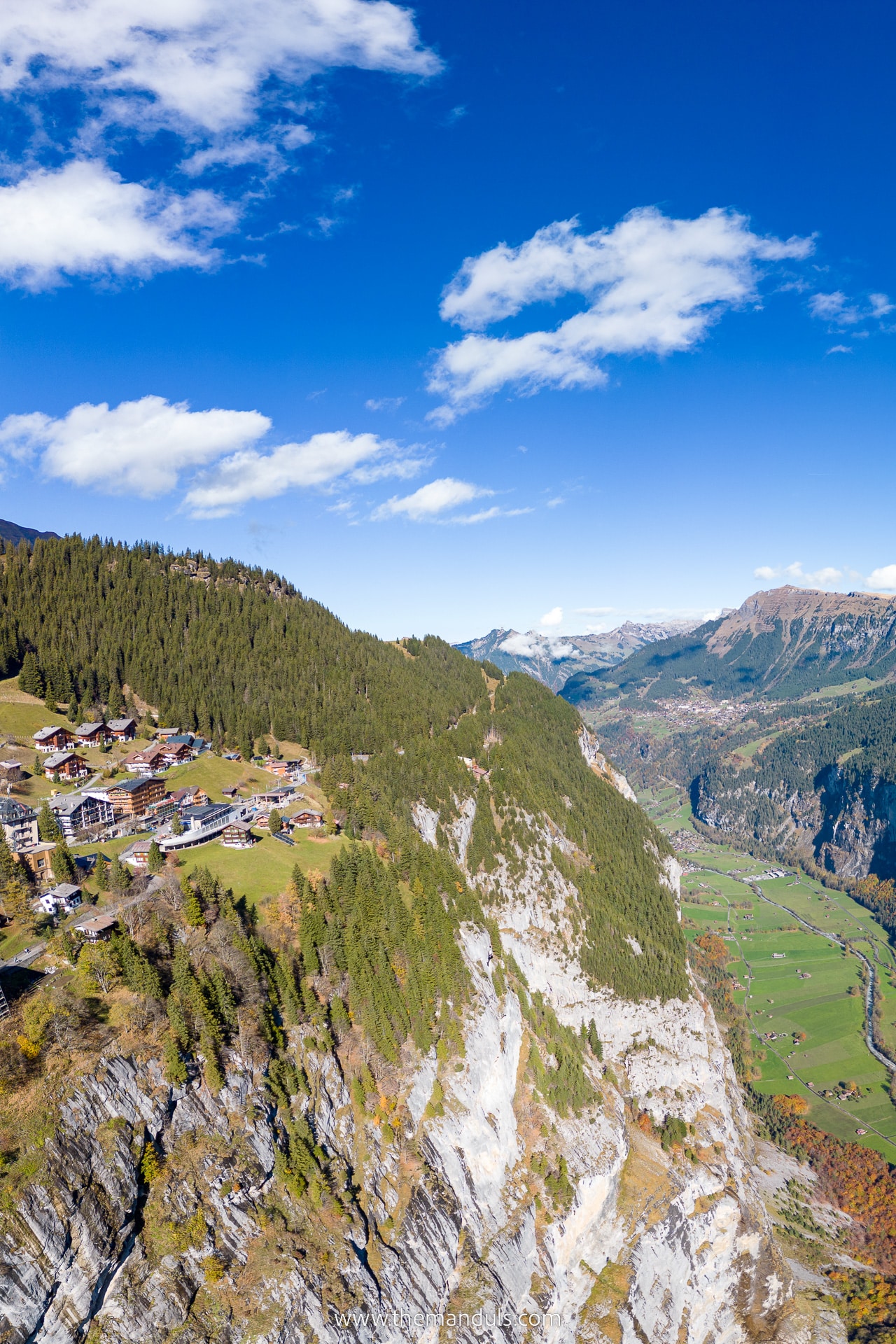
Remember that some destinations, such as Mürren, are car-free.
Car Rental Requirements
Renting a car in Switzerland is straightforward, and the requirements are similar to most European countries. Drivers usually need to be at least 21 years old and hold a valid driving licence for at least 1 year.
Sometimes drivers under 25 may need to pay a young driver fee.
If your licence is issued in the EU, it is generally accepted without any additional documents. Travelers from non-EU countries may also need an International Driving Permit (IDP), depending on the licence format.
A credit card in the main driver’s name is typically required for the security deposit. Debit cards are sometimes accepted, but this depends on the rental provider and location.
When booking through platforms like EconomyBookings, you can easily check specific requirements for each provider in advance, including age limits, deposit conditions, and accepted payment methods.
Where to rent a car
The largest selection of rental companies can be found in major cities and airports such as Zurich, Geneva, Basel, and Bern. Airport locations often offer the widest availability, while city offices may sometimes provide slightly better prices.
Booking in advance is recommended, especially during summer and ski season when availability becomes limited.
Booking a rental car
When booking a rental car in Switzerland, we recommend using one of the larger comparison platforms, such as EconomyBookings.
These platforms allow you to compare multiple suppliers and offers in one place, which makes it much easier to find a good option for your trip.
Step 1: Start by entering your travel dates and pick-up location to see all available cars. You’ll usually get a list of different suppliers, vehicle types, and prices.
Step 2: The first thing we typically do is filter out the lowest-rated suppliers, as the cheapest option isn’t always worth it if the reviews are poor.
Step 3: Next, we filter by car features that matter for the destination. For example, we often select air conditioning, transmission type (manual or automatic), and reasonable engine power, especially when planning to drive in mountain regions. You can also filter by other criteria depending on your needs, such as deposit amount, fuel policy, or included insurance coverage.
Step 4: We usually sort the results from the lowest price and then choose the cheapest option that still meets our criteria and offers enough space for our luggage.
Step 5: Once we selected the perfect deal, we add any extras we need. We also choose the best insurance coverage for our trip.
Step 6: We confirm all the details, and pay the requiered amount.
It’s important to know that when booking a rental car, you usually select a car category, not an exact model.
In most cases, we received a similar vehicle within the same class, although occasionally the providers offered a slightly different model.
Choosing the right car
A smaller car is usually the best choice for Switzerland. Many mountain roads are narrow, and parking spaces — especially in villages or popular tourist destinations — can be quite limited.
At the same time, we recommend choosing a car with enough power to comfortably handle steep alpine roads. We drove our VW Touran 2.0 TDI and it felt just right.
If you plan to travel in winter, make sure the car is equipped with winter tires (possibly snow chains), which are essential in snowy conditions.
Insurance & Coverage Explained
Insurance is an important part of renting a car in Switzerland, as repair costs can be relatively high. Basic rental prices often include mandatory coverage, but usually come with a high deductible.
For peace of mind, we almost always choose additional protection that reduces or eliminates the deductible.
When booking through EconomyBookings, Full Coverage options are clearly explained, making it easier to understand what is included and whether additional protection makes sense for your trip.
Pick-up checklist
1. Check the car for damage
Walk around the car and take photos or videos of any existing scratches, dents, or other issues. Make sure they’re all noted in the rental agreement and the company is aware of them.
2. Ask about fuel policy
Most rentals come with a full-to-full policy, meaning you return the car with the same fuel level. Make sure to confirm this so you’re not charged extra.
3. Verify what’s included
Double-check what’s included in your rental — especially insurance coverage, extra driver, and mileage limits, if any. If there are other islands you can visit by a car ferry, ask about that, too.
4. Understand the deposit and payment
Make sure you know how much will be blocked on your credit card and when it will be released. If you paid for full coverage via a booking platform, clarify how to handle damages.
5. Get contact details
Ask for a phone number you can call in case of emergencies or issues during your rental.
6. Inspect basic functions
Check that everything works: lights, AC, windows, wipers, GPS if included. Also look at the tire condition and make sure there’s a spare tire or repair kit.
7. Ask about tolls & road rules
Switzerland doesn’t have traditional toll roads, but highways require a vignette (CHF 40/year), which is usually included with rental cars. Some tunnels and car trains may have additional fees.

Driving in Switzerland – Our Experience
After spending many months driving across Switzerland in different seasons, we found the overall driving experience extremely comfortable and predictable.
Roads are very well maintained, traffic is generally calm, and signage is clear even in mountain regions. Compared to many other countries, driving here feels very organized and stress-free once you understand a few local specifics.
Road conditions
Road conditions in Switzerland are excellent — including in alpine regions. Even high mountain routes are usually paved to a very high standard, well marked, and regularly maintained.
Potholes are very rare, and we were often surprised by how smooth even remote roads felt.
Winter conditions are also well managed. Snow is cleared quickly and roads are frequently gritted, although winter tires are essential if you plan to drive between November and April, especially in higher elevations.
Mountain Passes and Car Trains
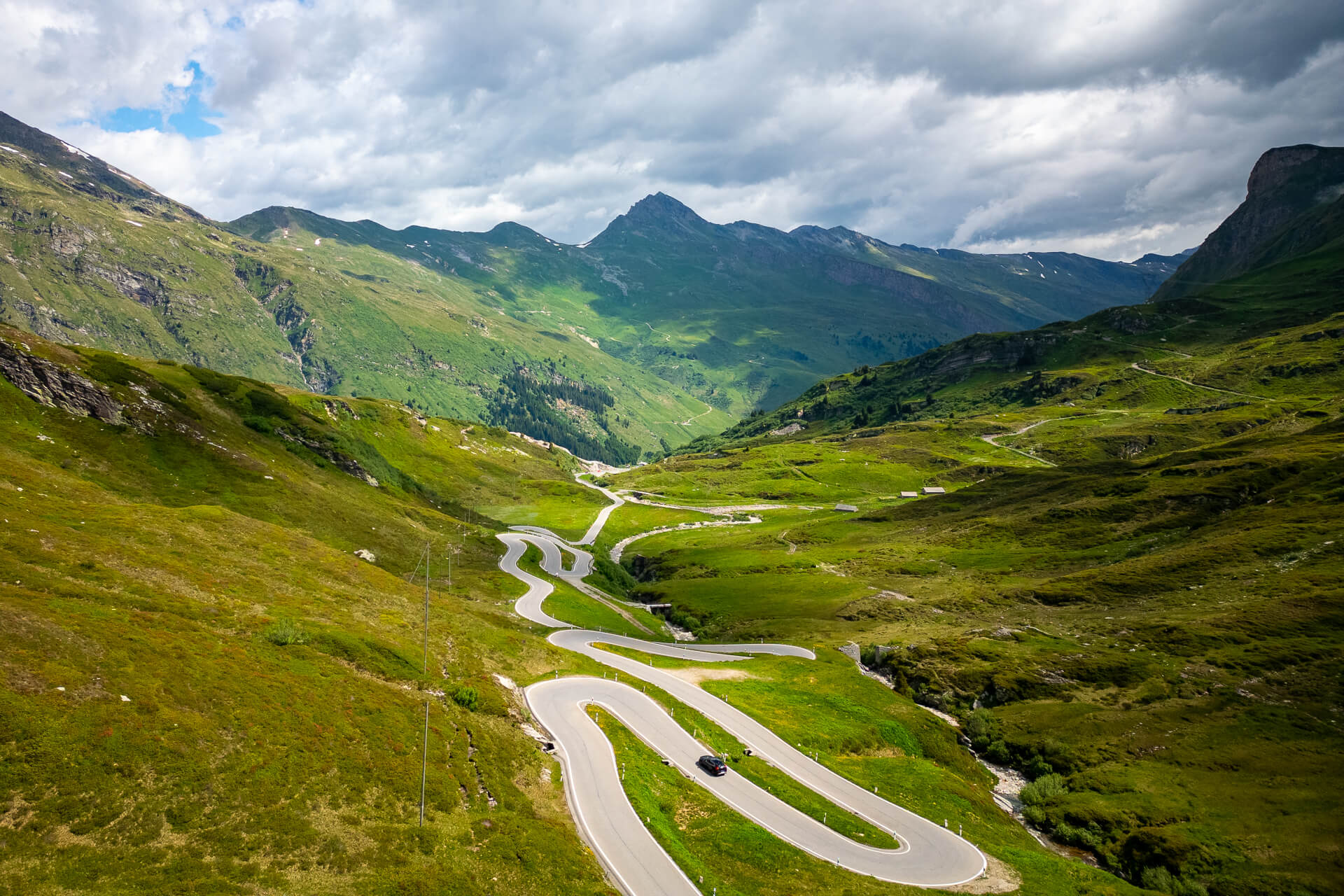
One thing to be aware of when planning a road trip in Switzerland is the number of high mountain passes, long tunnels, and car trains connecting different regions.
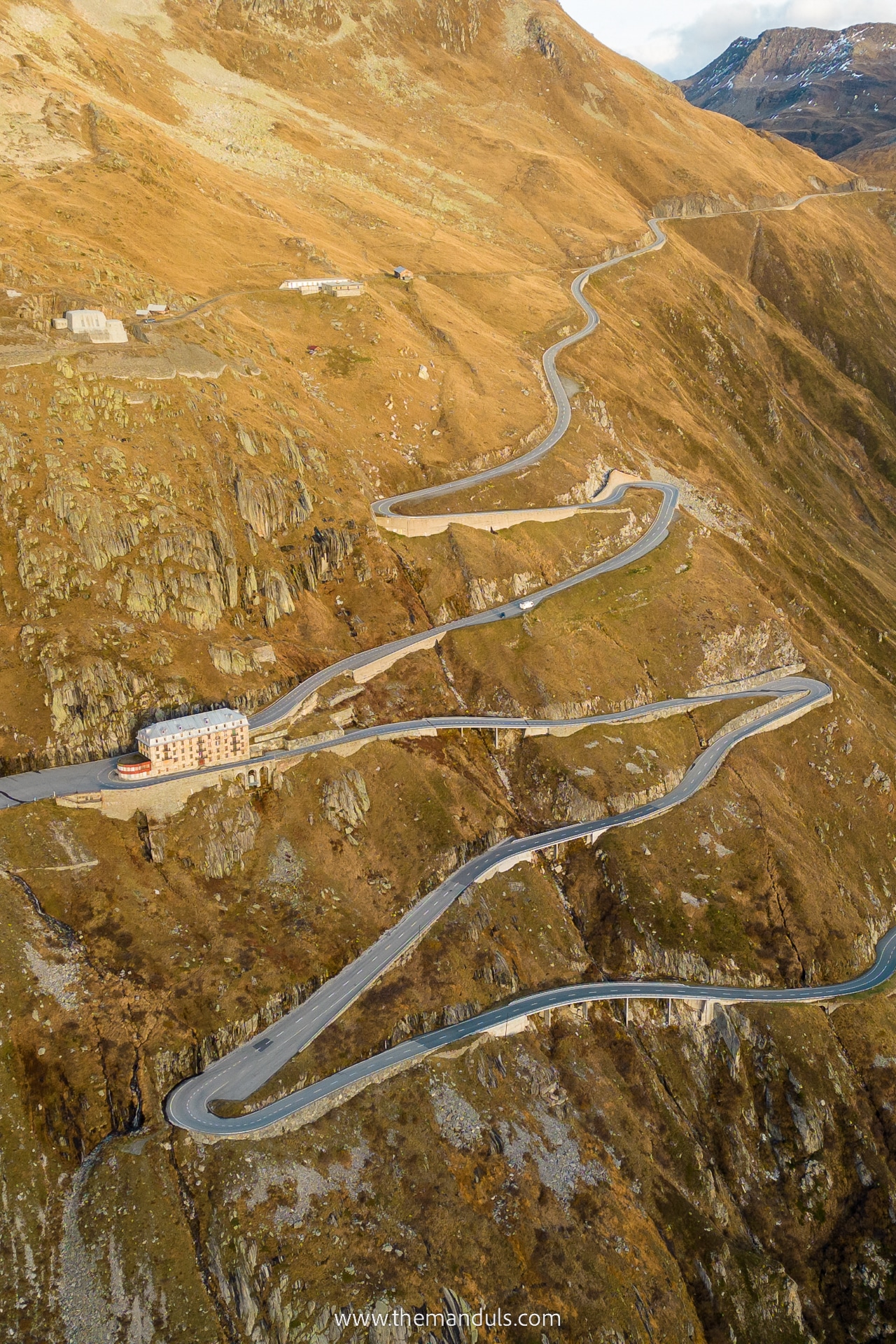
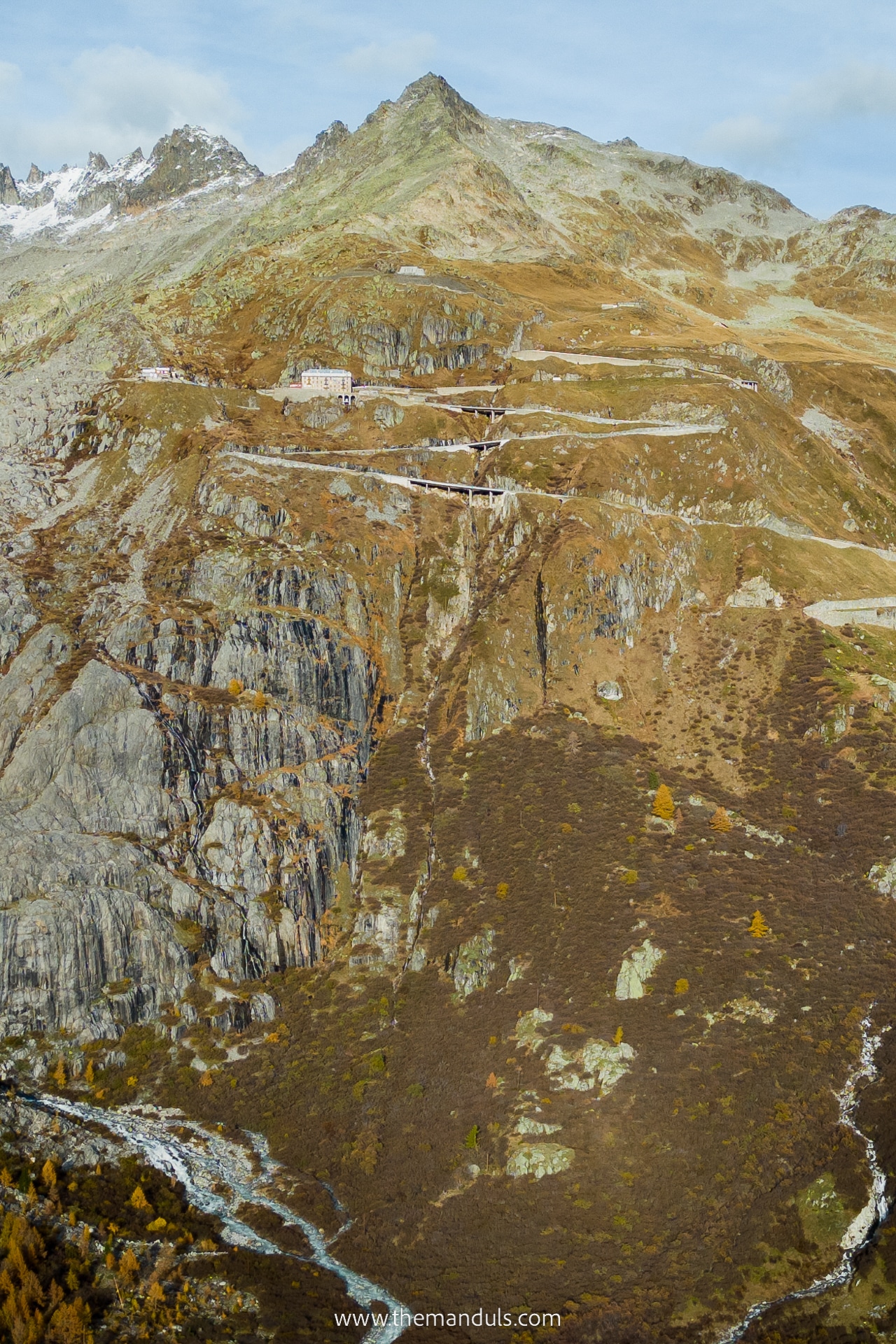
Mountain passes are incredibly scenic but not all are open year-round, as some close during winter or during bad weather. A few may also have limited opening hours overnight.
Car trains are a unique and very practical solution that allow you to drive your car directly onto a train which then transports vehicles through the mountains, saving significant driving time.
Common car train routes include:
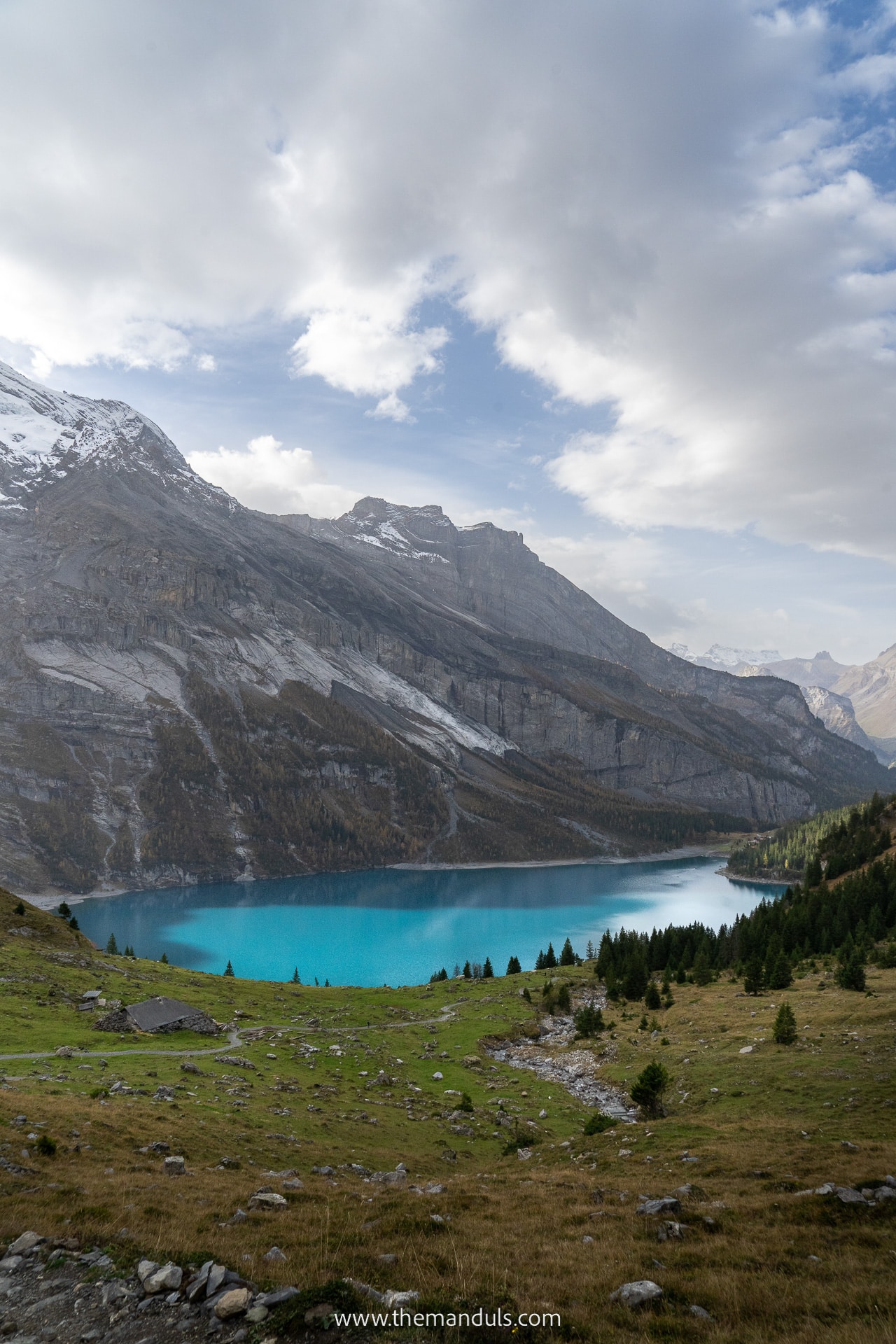
- Lötschberg Tunnel (Kandersteg – Goppenstein) near Oeschinensee
- Vereina Tunnel (Klosters – Sagliains)
- Simplon Tunnel (Brig – Iselle)
Switzerland is also known for its impressive road tunnels, which often significantly shorten travel times.
One of the most important is the Gotthard Road Tunnel, connecting northern and southern Switzerland. During peak travel periods, especially summer holidays, queues can sometimes form before the tunnel.
Because of these mountain routes, it’s very important to check your route in advance, confirm whether mountain passes are open, and verify if your journey includes a car train or tunnel.
Using GPS
Navigation apps such as Google Maps work very well in Switzerland and provide accurate directions even in mountain areas. However, mobile signal can occasionally disappear in tunnels or remote valleys, so we recommend downloading offline maps before your trip.
It’s also worth paying attention to route suggestions, as GPS may sometimes include car trains or seasonal mountain passes as the fastest option.
Toll & Road Fees
Switzerland doesn’t use traditional toll booths. Instead, highways require a motorway vignette (CHF 40 per year), which is usually already included with rental cars booked via platforms like EconomyBookings.
Some routes may include additional costs, such as certain tunnels, mountain roads, or car trains, but most scenic drives and mountain passes are free.