
This article contains affiliate links. Learn more in our affiliate disclosure.
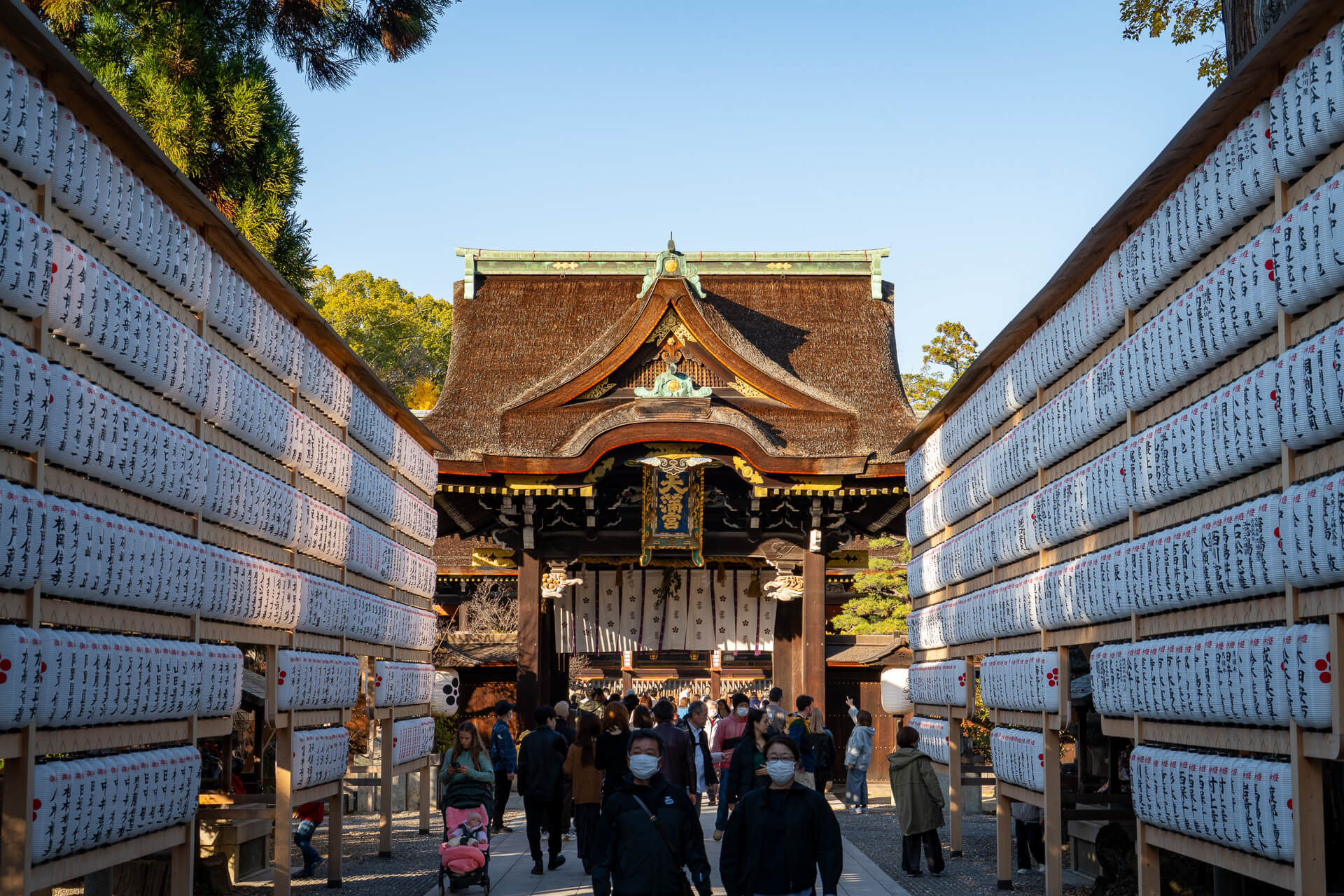
Kyoto felt like a completely different side of Japan for us. After the intensity of Tokyo — endless neighbourhoods, neon lights, and constant movement — arriving in Kyoto felt calmer, more grounded, and noticeably more compact.
Everything is still busy and well-connected, but the rhythm is slower, and history is always just around the corner.
What we loved most about Kyoto was the atmosphere. Even on busy days, there were moments of quiet — walking along narrow streets in Gion, visiting temples tucked away from the main roads, or just slowing down over a long lunch.
It feels deeply traditional without being frozen in time, and less modern than Tokyo in the best possible way.
This itinerary is ideal if you want to see Kyoto’s main sights without rushing, while still leaving space for wandering, café stops, and a few lesser-known spots along the way. We’ll focus on how to structure your days realistically, based on how we experienced the city ourselves.
If you want a deeper breakdown of individual sights, you can also check our full guide to things to do in Kyoto, or, if accommodation is still on your mind, our detailed where to stay in Kyoto guide covering the best areas and hotels.
In a hurry?
These are our top hotels in Kyoto we’d book again
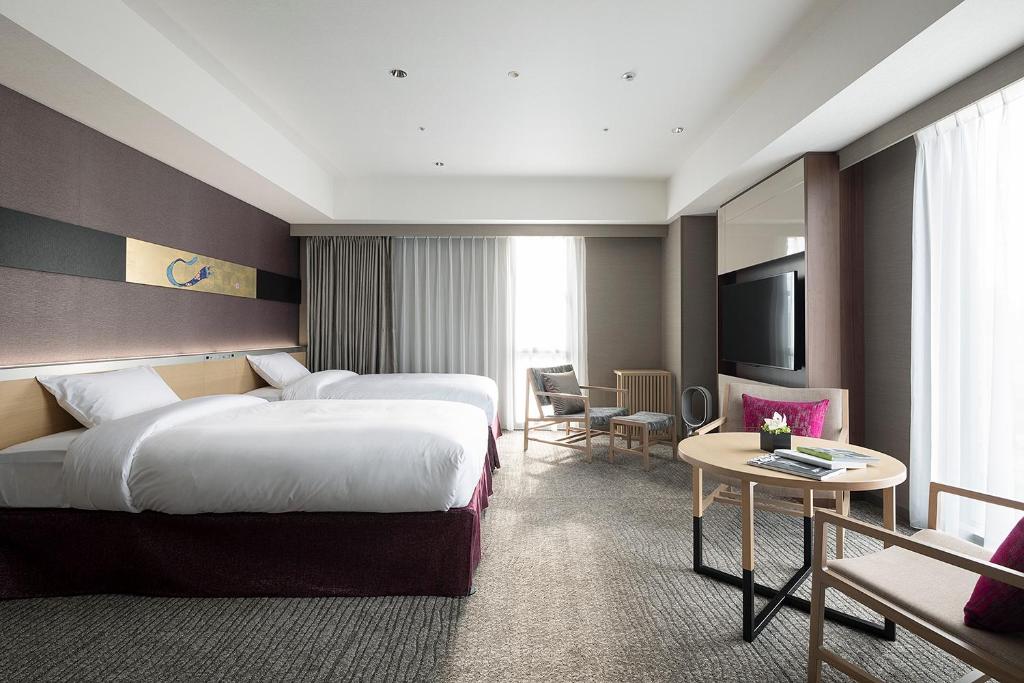
⭐️⭐️⭐️ Cross Hotel Kyoto (our top pick) – A modern mid-range stay in a central part of downtown. Comfortable rooms, great design, and an easy base for exploring.
👉 See prices & availability →
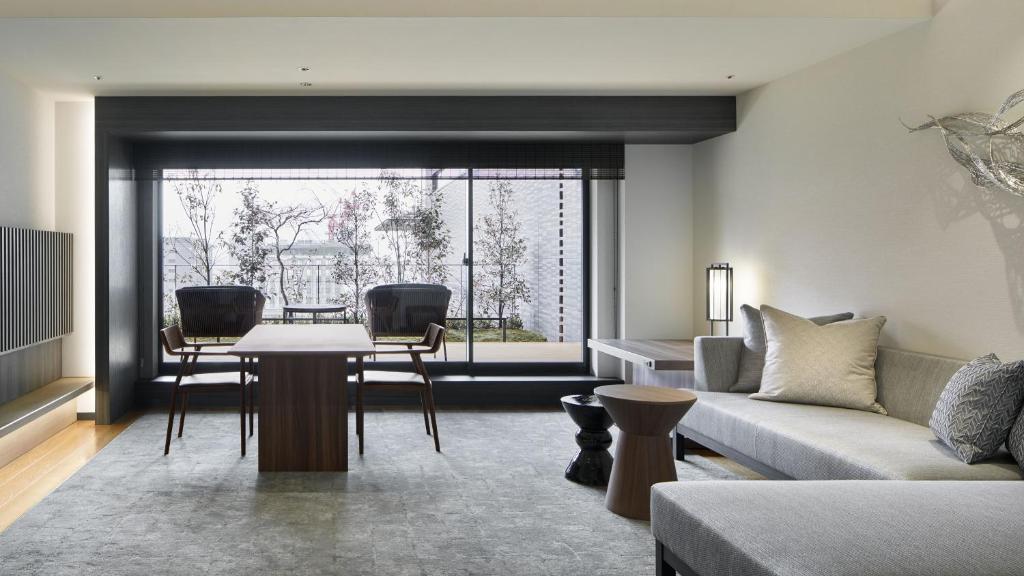
⭐️⭐️ The Thousand Kyoto – A luxury hotel with spacious, minimalist rooms and an excellent breakfast. Its location makes getting around the city incredibly easy.
👉 See prices &availability →
⭐️ Guesthouse Soi – A simple and budget-friendly guesthouse near Kiyomizu-dera with clean rooms and a genuinely warm, helpful atmosphere.
👉 See prices & availability
How many days to spend in Kyoto
3-day itinerary for Kyoto
We spent 4 days in Kyoto, and honestly, for the main city sights alone, that felt like a bit too much. Not in a bad way — it just meant we had plenty of time to slow down, revisit areas we liked, and add a few quieter, less touristy spots that weren’t “must-sees.”
For most people, we think 3 days in Kyoto is just perfect. It’s enough time to cover the iconic highlights without rushing, split your days by area, and still enjoy mornings and evenings at a relaxed pace. Kyoto is compact compared to Tokyo, so you’re not constantly crossing the city, which makes a 3-day itinerary feel very doable.
If you’re short on time, 2 days works, but it will feel more like ticking off highlights rather than really soaking in the atmosphere. On the other hand, if you’re planning to add day trips, you’ll want to factor that in.
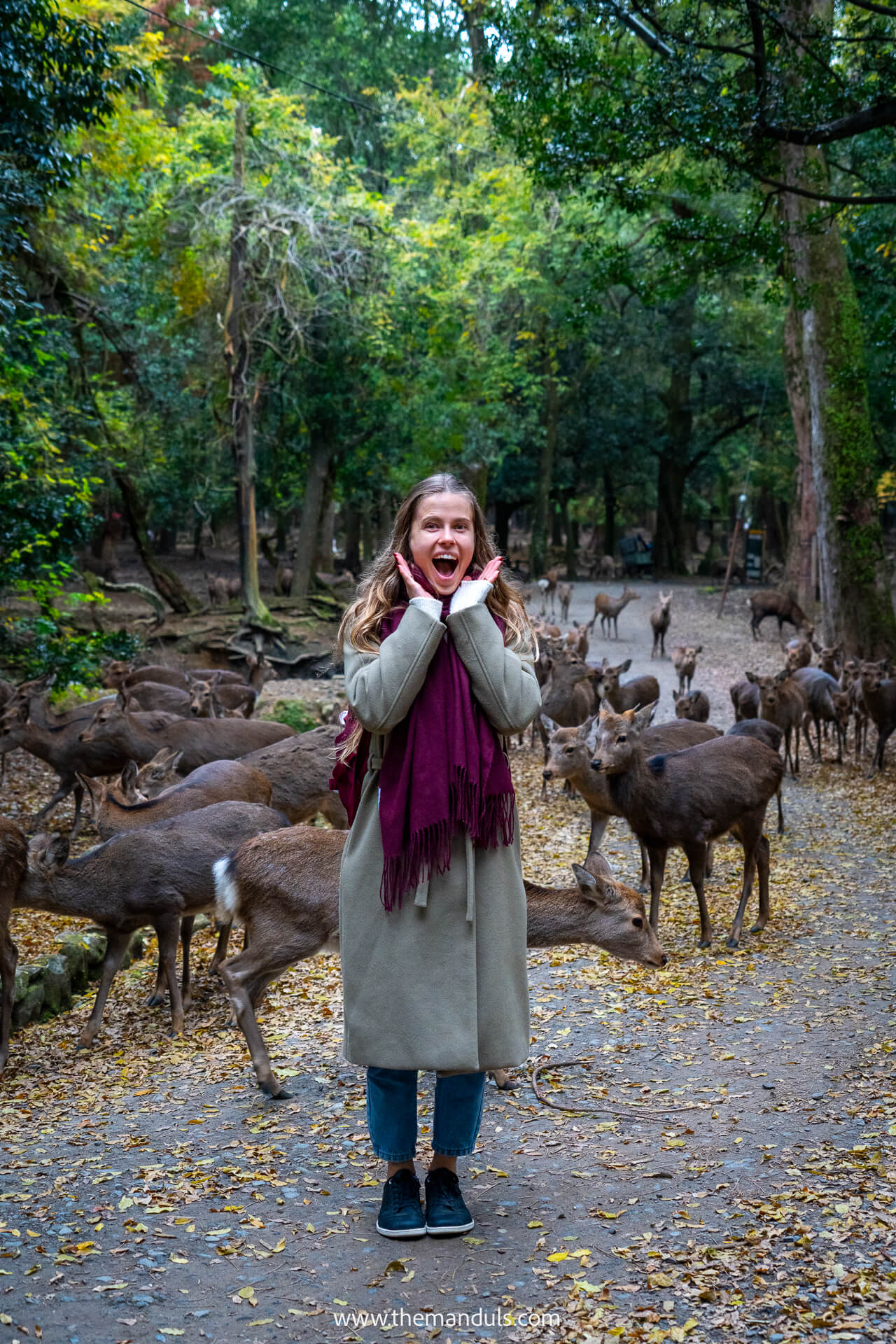
Popular options like Nara Park or Osaka are easy to reach from Kyoto, but each one realistically takes up most of a day.
Day 1: Arashiyama & Nishiki Market
- Arashiyama Bamboo Grove
- Kameyama Park
- Tenryu-Ji Garden
- Katsura River
- Togetsukyō Bridge
- Nishiki Market
Morning
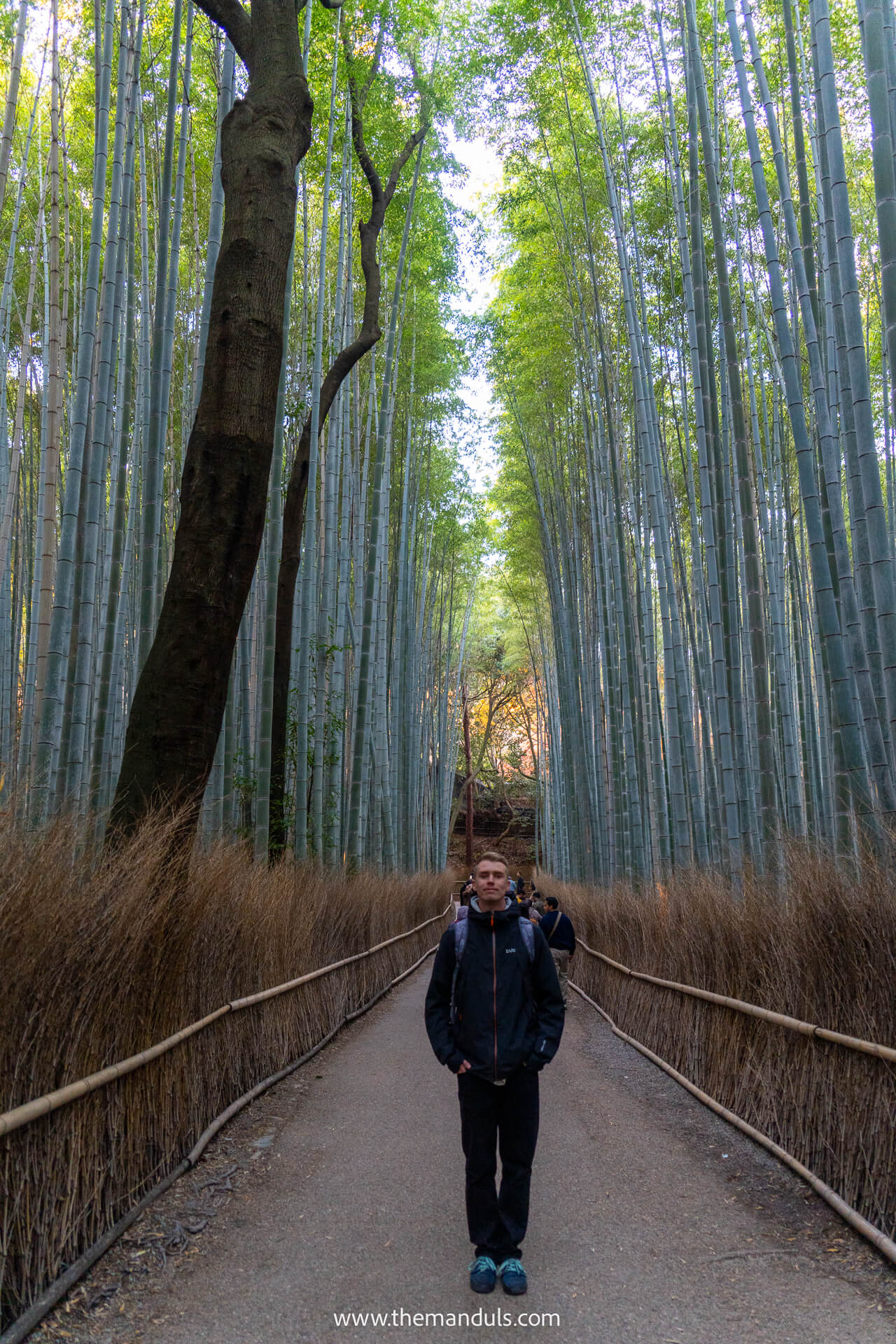
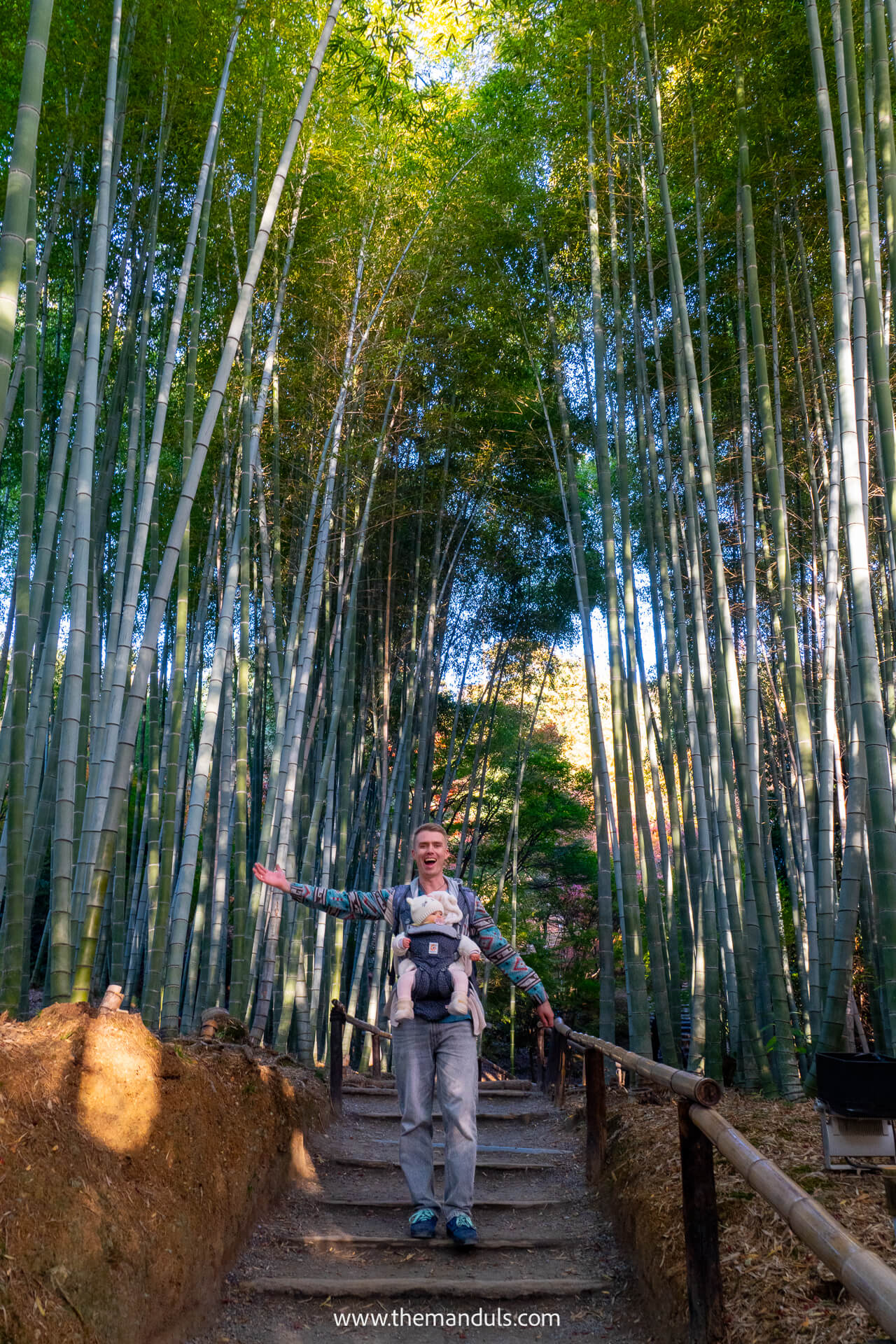
We started our first day early in Arashiyama, heading straight to the Bamboo Grove just after sunrise, when it still felt calm and uncrowded. From there, it makes sense to continue naturally up to the observation deck, which offers great views over the valley.
The path then leads through Kameyama Park, where we couldn’t get enough of the autumn colours. We went down toward one bank of the Katsura River, which was ideal for a relaxed riverside walk before the area got busier later in the day.
By late morning, we were ready for lunch and stumbled upon Sushi Naritaya — easily some of the best sushi we had in Japan, and surprisingly with no waiting list. A real gem, especially during busy hours.
Afternoon
After lunch, we crossed Togetsukyō Bridge to the other side of the river. Once you walk a few minutes away from the bridge itself, this side feels noticeably more relaxed. This is also where you can rent a boat if you want to experience Arashiyama from the water rather than on foot.
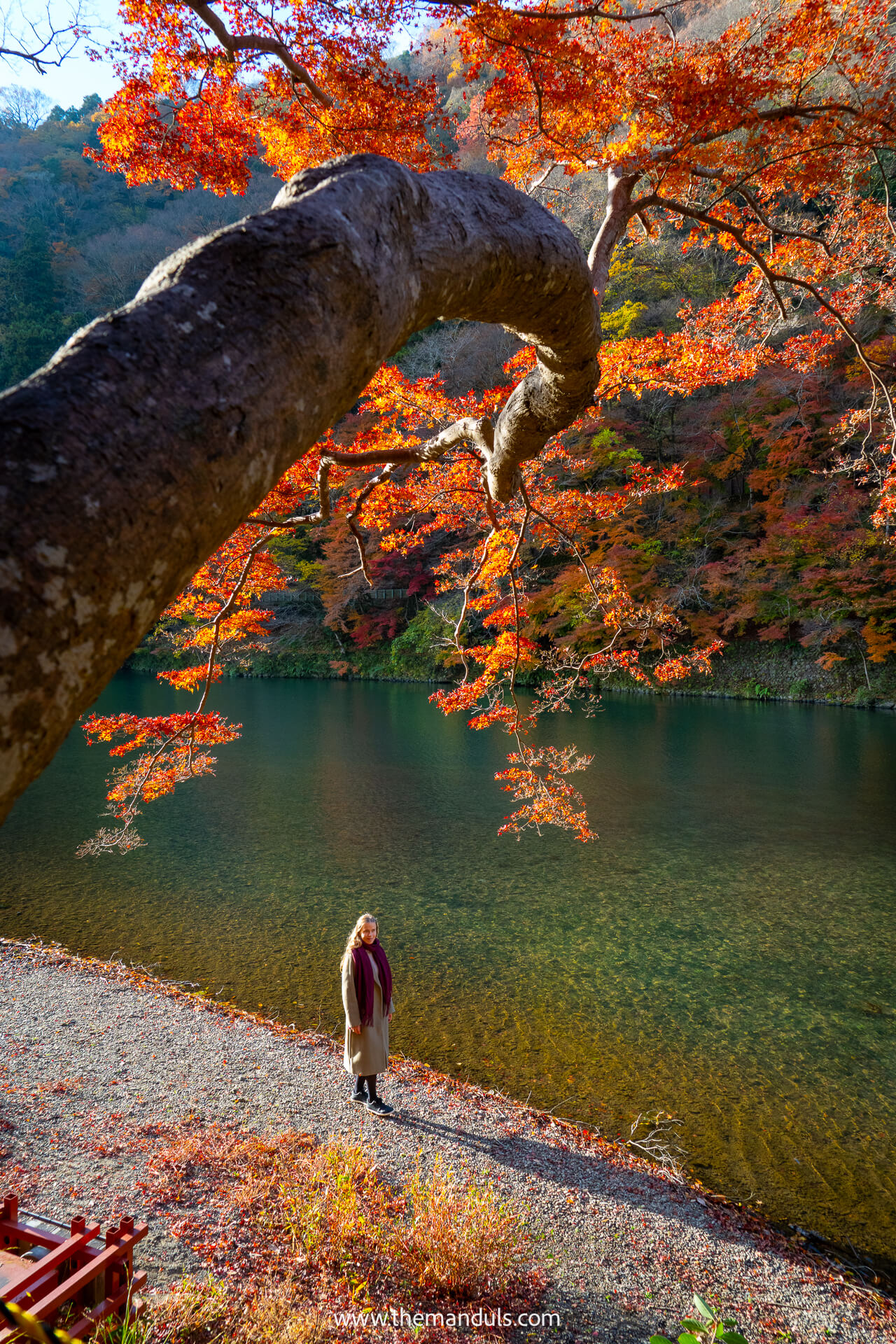
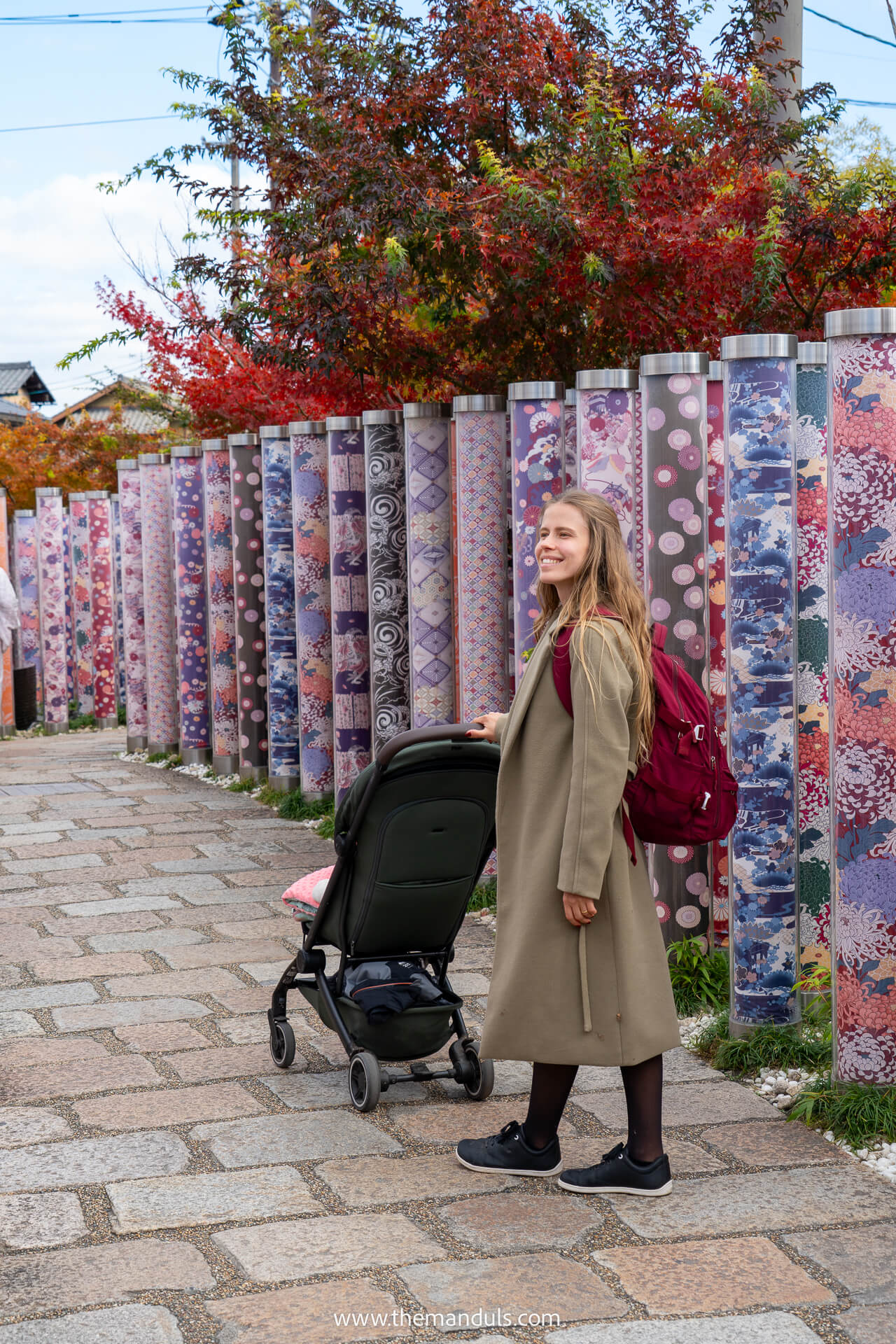
On the way back, we recommend stopping at Tenryū-ji Garden, which we personally found more interesting than the temple buildings themselves. It’s easy to walk around, peaceful, and full of beautiful flora. Before leaving the area, Kimono Forest near the station works well as a short, low-effort stop — not essential, but a nice visual break before heading back into the city.
Evening
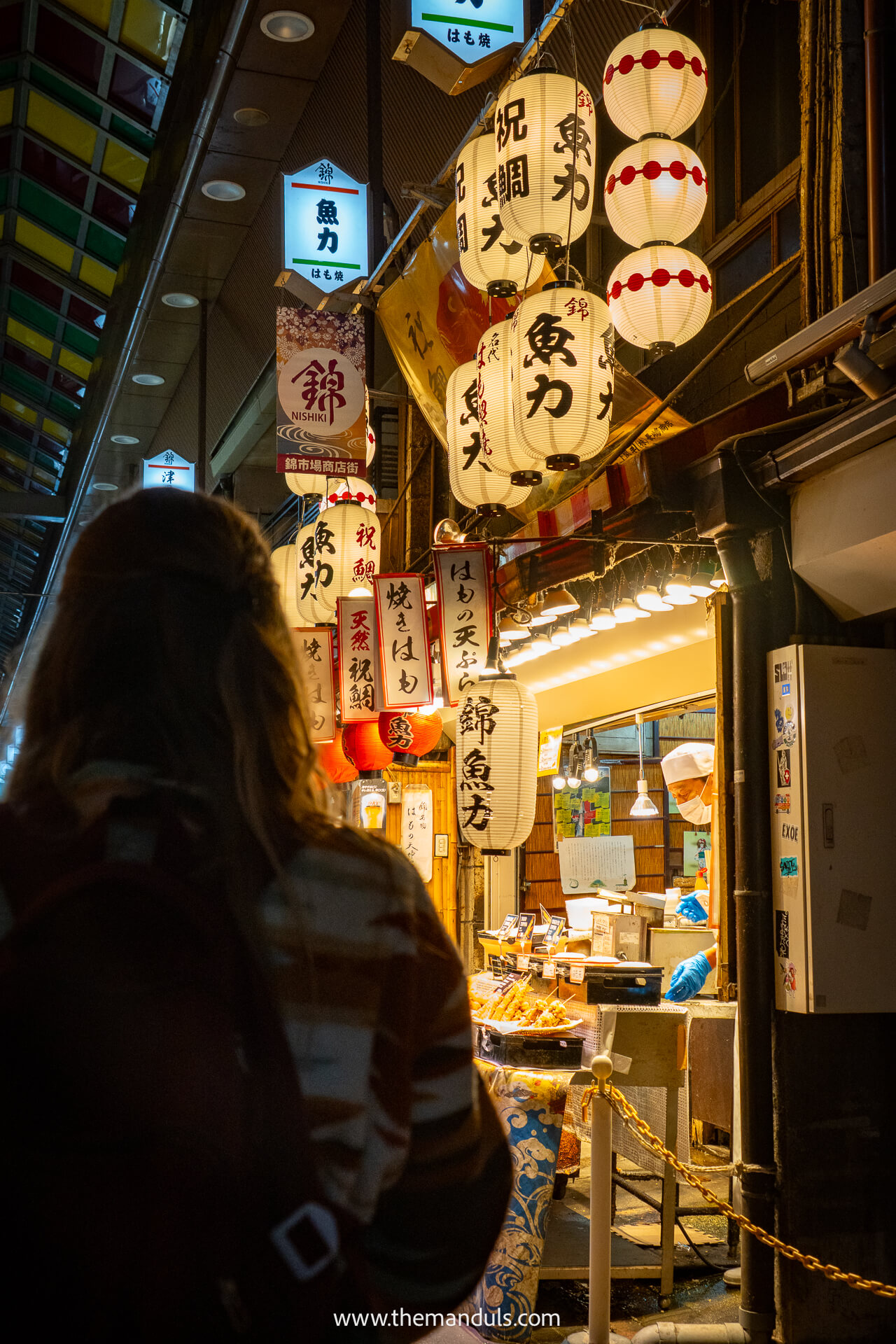
We ended the day at Nishiki Market, and this is one place where coming with an empty stomach really pays off. It’s one of the best spots in Kyoto to try local snacks and works best as a casual food crawl rather than a full meal. Arriving around 4 pm felt like the right balance — lively but still enjoyable — just don’t leave it too late, as many stalls start closing by 5–6 pm.
Our Japan Google Maps
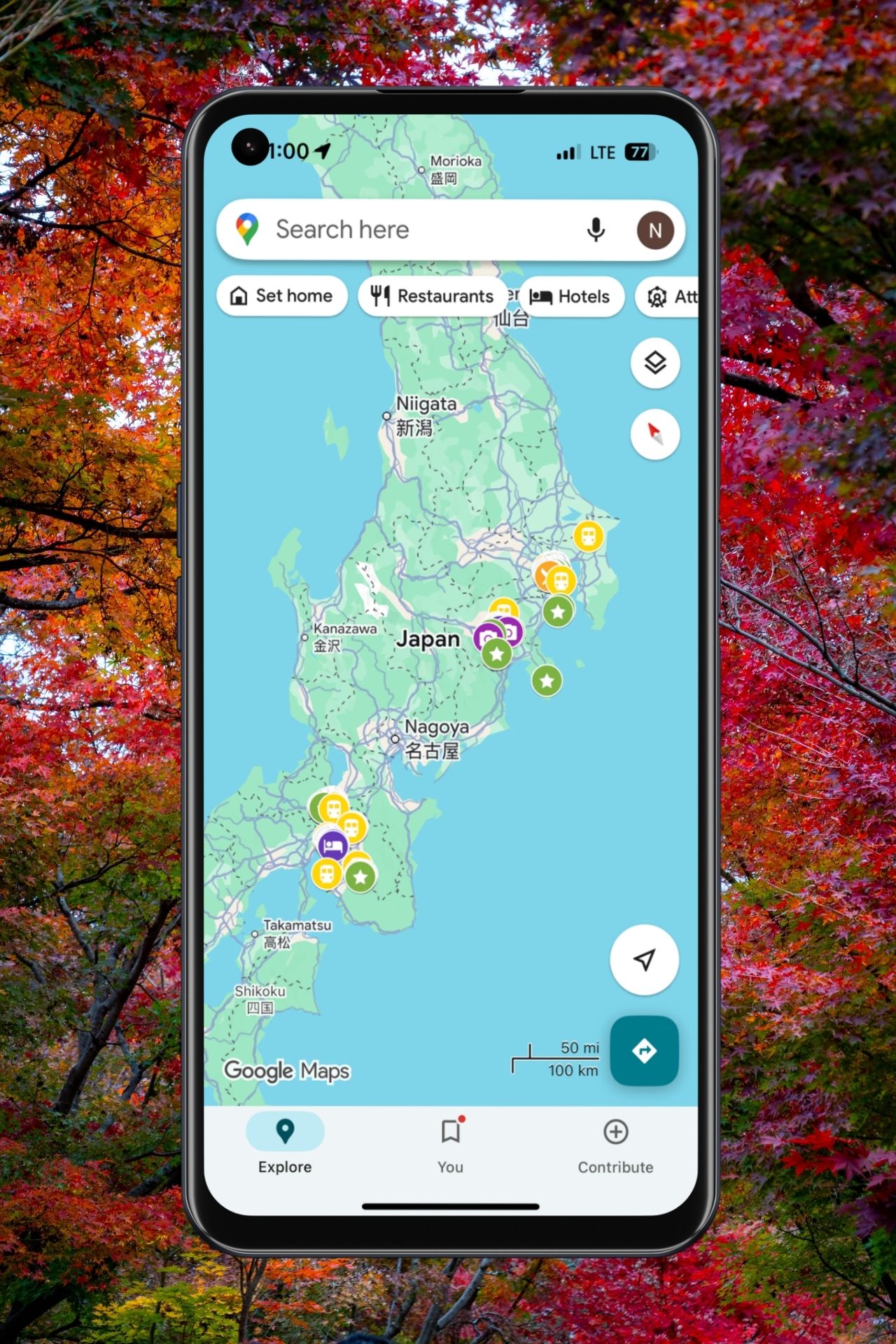
Built from our real trips across Japan — only places we actually visited and loved.
No tourist traps. No random saves. Just a ready-to-use map that saves you hours of research.
219 handpicked spots, including:
📍 Highlights & hidden gems
🍜 Restaurants we’d go back to
🏨 Areas & hotels we’d book again
🗺️ Stops that fit into real, logical itineraries
Day 2: Fushimi Inari & Temples
- Fushimi Inari
- Eikandō Temple
- Nanzen-Ji
- Tenjuan Garden
- Optional: To-Ji Temple, Kyoto Gyoen National Garden
Morning / Early afternoon
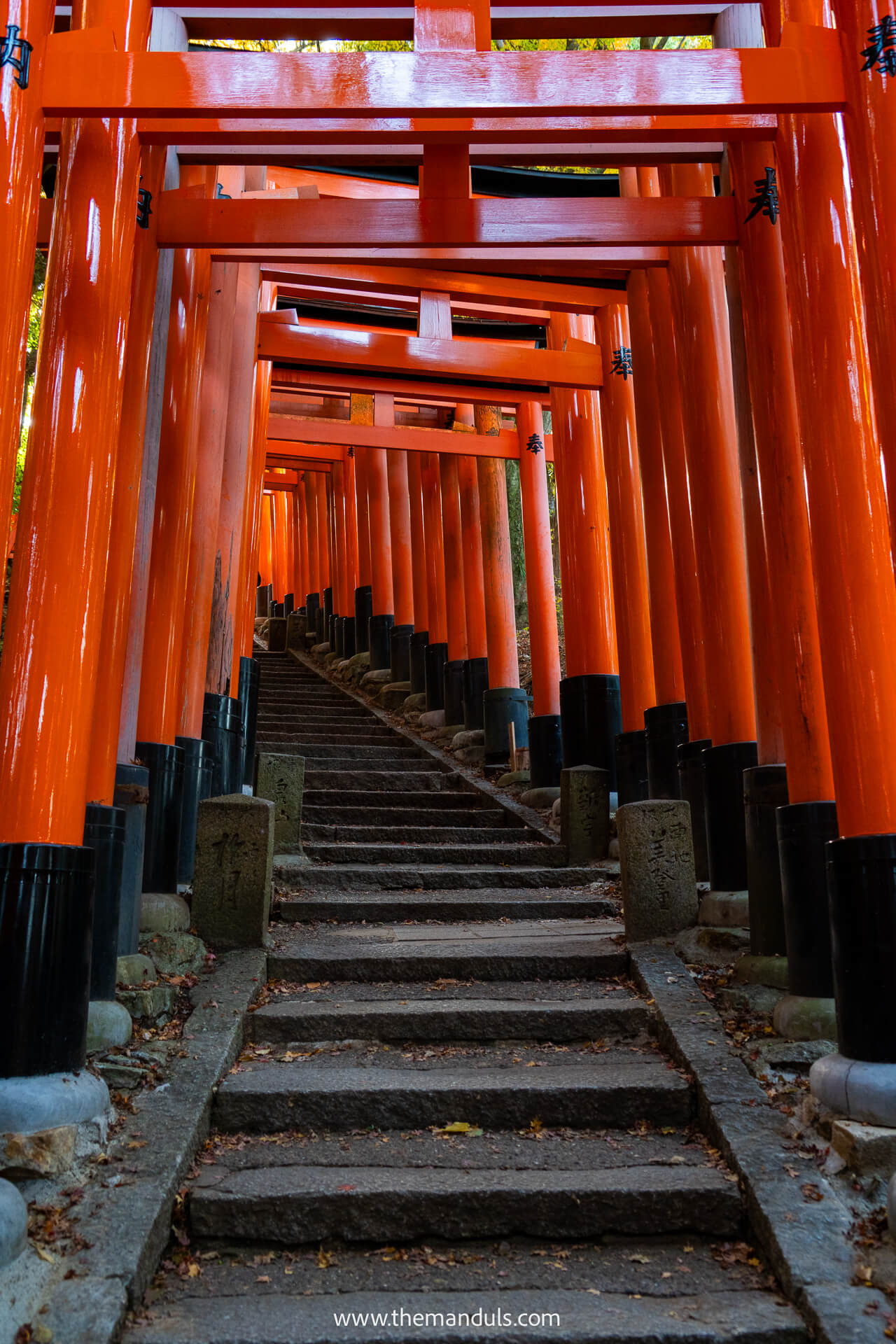
We started the day early at Fushimi Inari Taisha, and going in with the right expectations made a big difference. The lower section near the entrance was already busy, but once we committed to the hike and kept going uphill, the atmosphere changed quickly. The further we walked, the quieter it became, until we found ourselves moving through forested paths lined with torii gates, stone lanterns, and small shrines, with only a handful of people around.
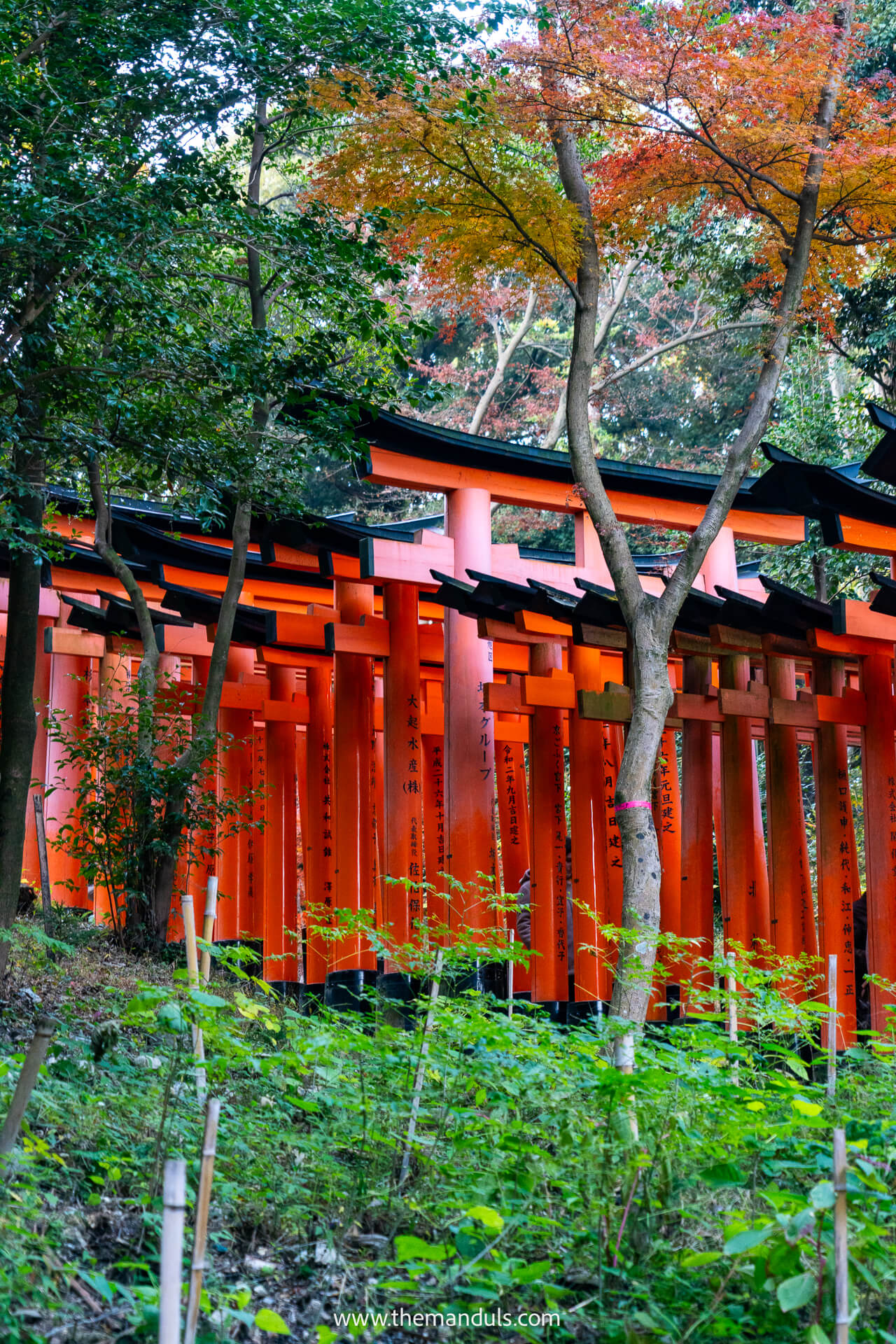
What surprised us most is that this is a proper hike, not just a quick photo stop. We completed the full loop, which took us just under three hours at a relaxed pace, and for us it was absolutely worth it.
If you have the time and energy, we really recommend going beyond the famous lower section and committing to the hike. That said, if you want to keep things short or avoid the never-ending stairs, spending 1–2 hours in the lower sections still makes for a worthwhile visit, especially if you arrive early.
Afternoon
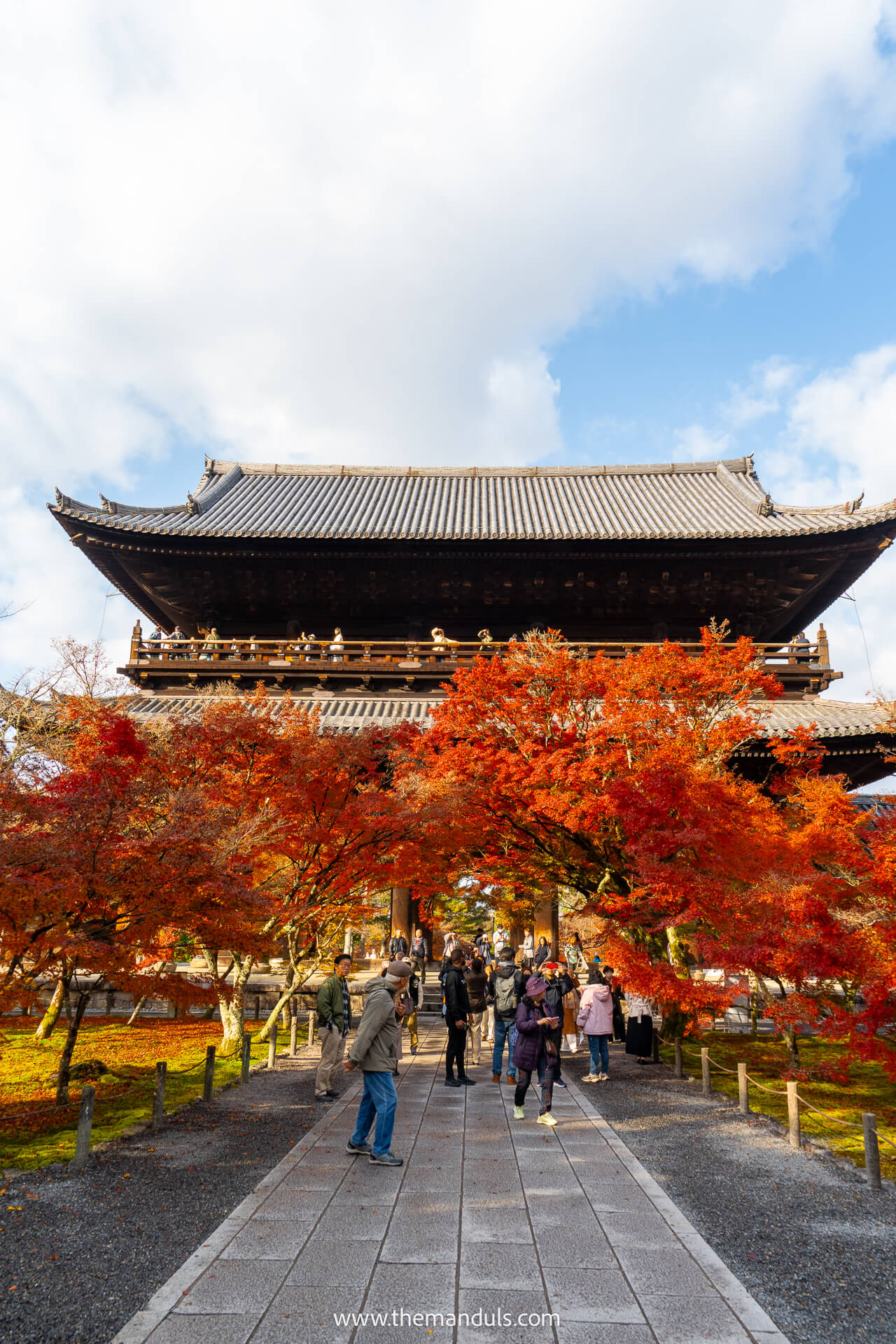
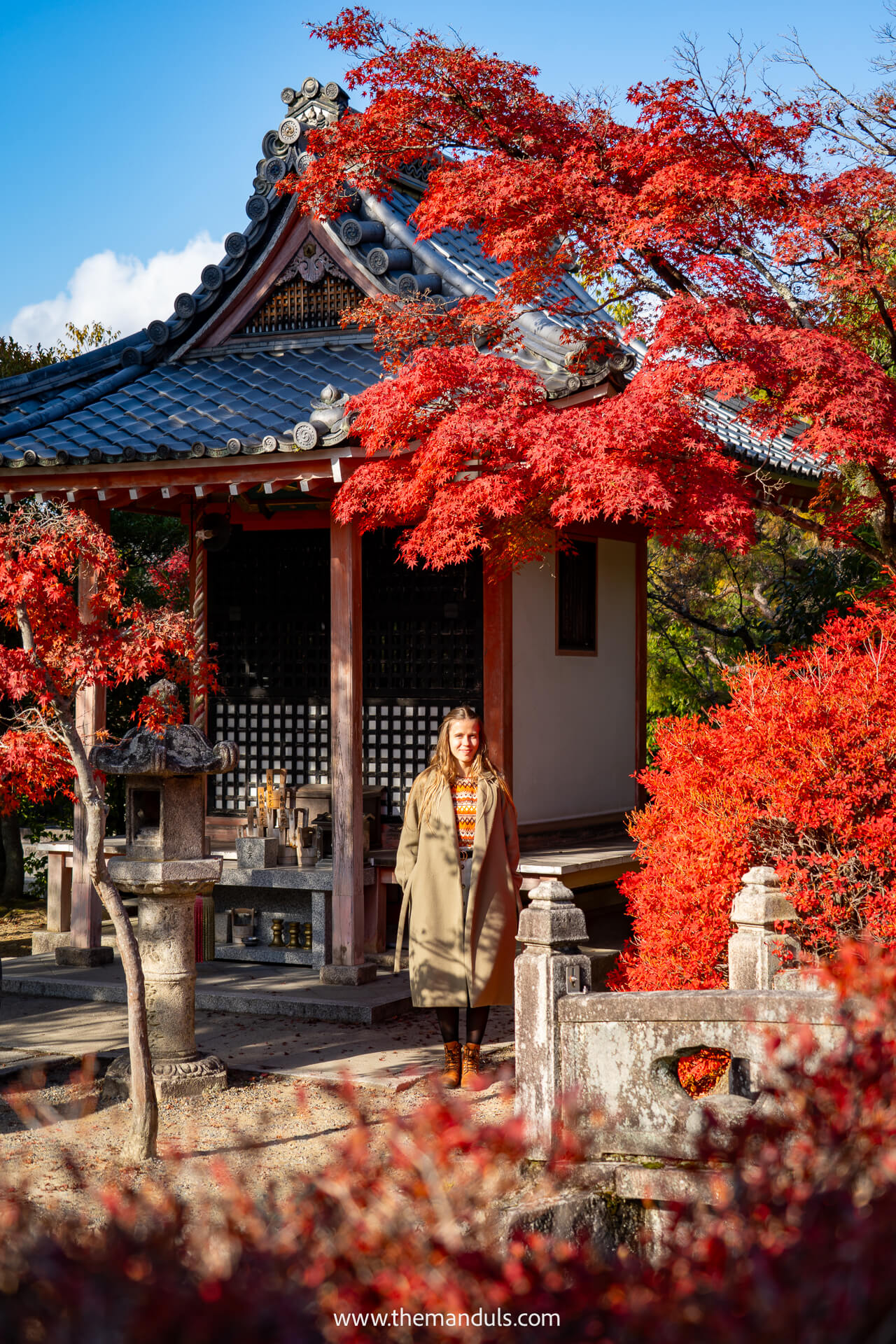
Our next stop was Nanzen-ji, one of the most impressive temple complexes we visited in Kyoto. The grounds are free to enter, spacious, and easy to explore, with the massive Sanmon Gate and the old brick aqueduct being the main highlights. Even during autumn peak season, it felt calmer than many of Kyoto’s headline sights.
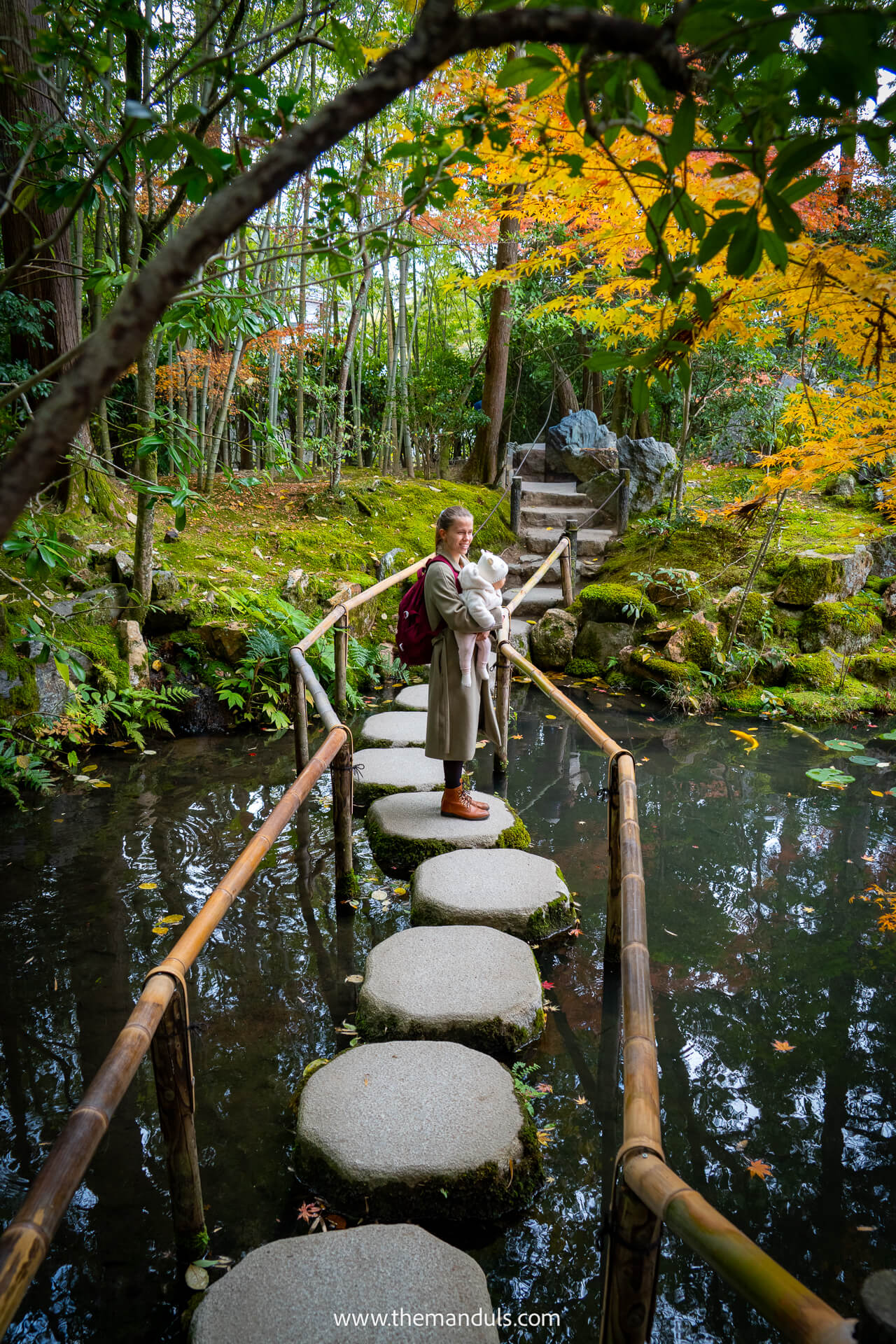
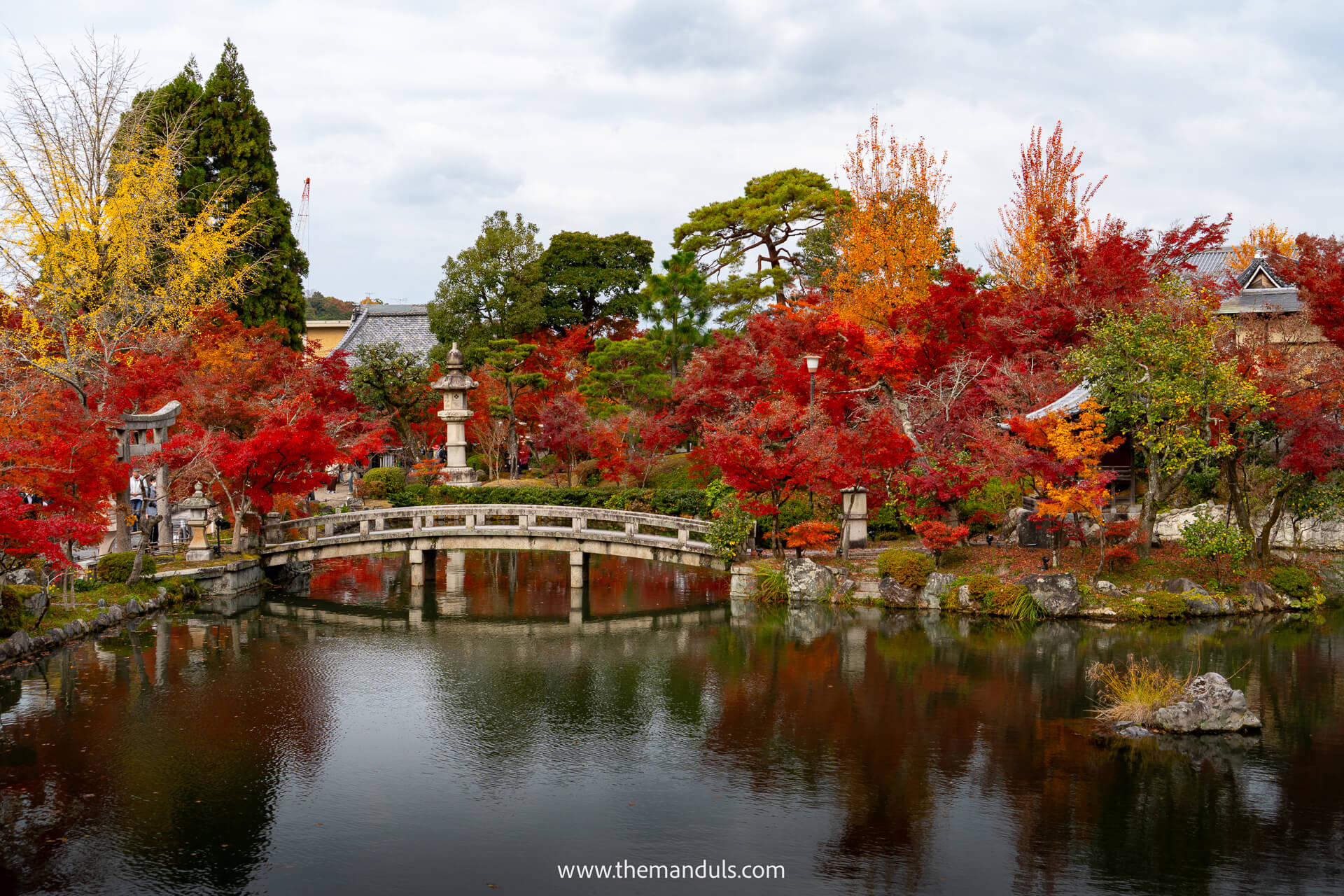
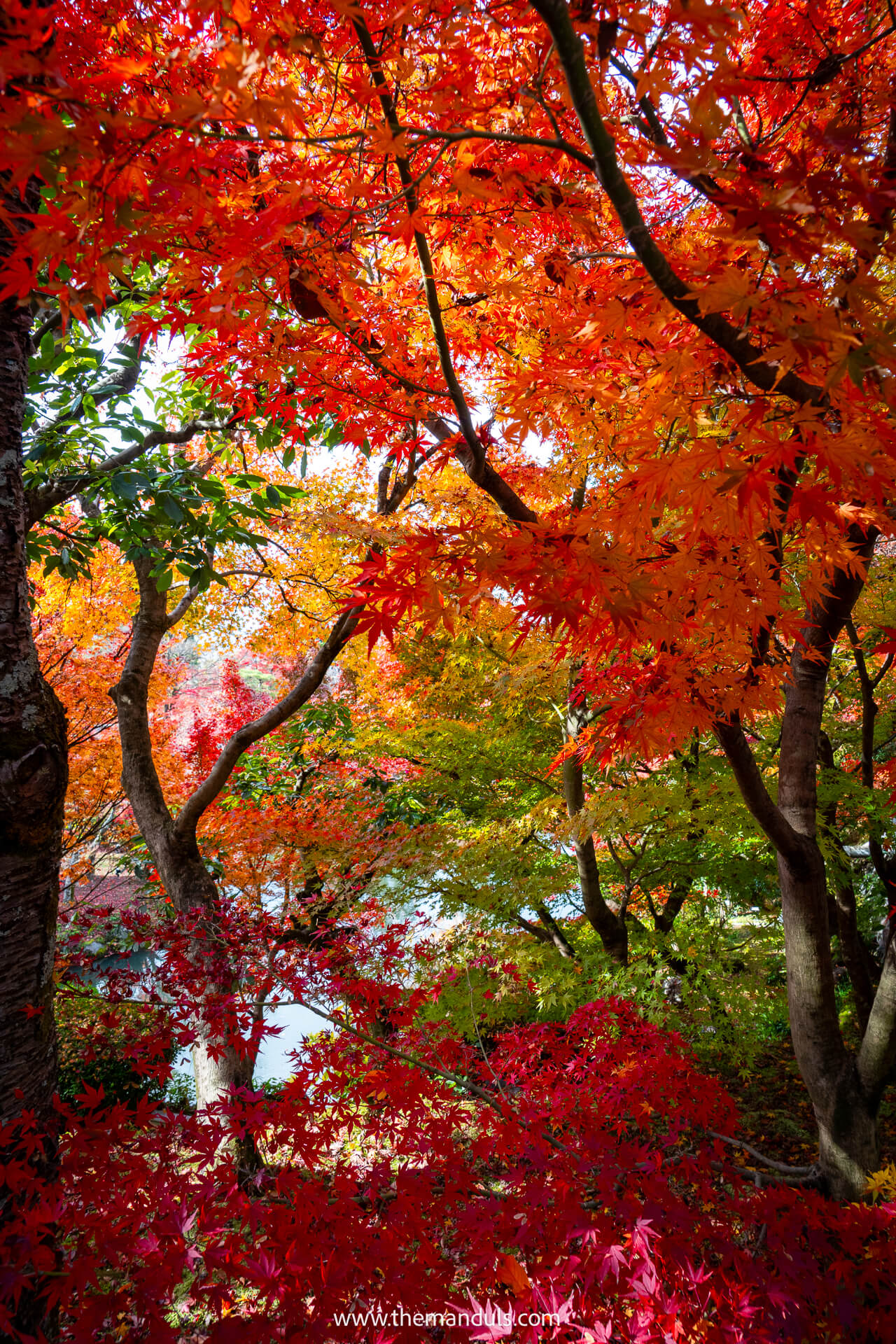
Within the Nanzen-ji complex, we chose to visit Tenjuan Garden, and it ended up being one of our favourite garden stops in the city. It’s small, but the pond garden is beautiful, especially during autumn when the maple trees reflect in the water. We spent about 20 minutes here, which felt just right.
From there, it was a short walk to Eikandō. This is one of Kyoto’s most famous autumn foliage spots, and after visiting, we understood why. The complex is large enough to absorb crowds, and the mix of ponds, walkways, and temple buildings makes it visually interesting throughout.
We spent around 45–60 minutes here and found the upper pagoda viewpoint especially worth the short climb.
Optional additions (if you still have time)
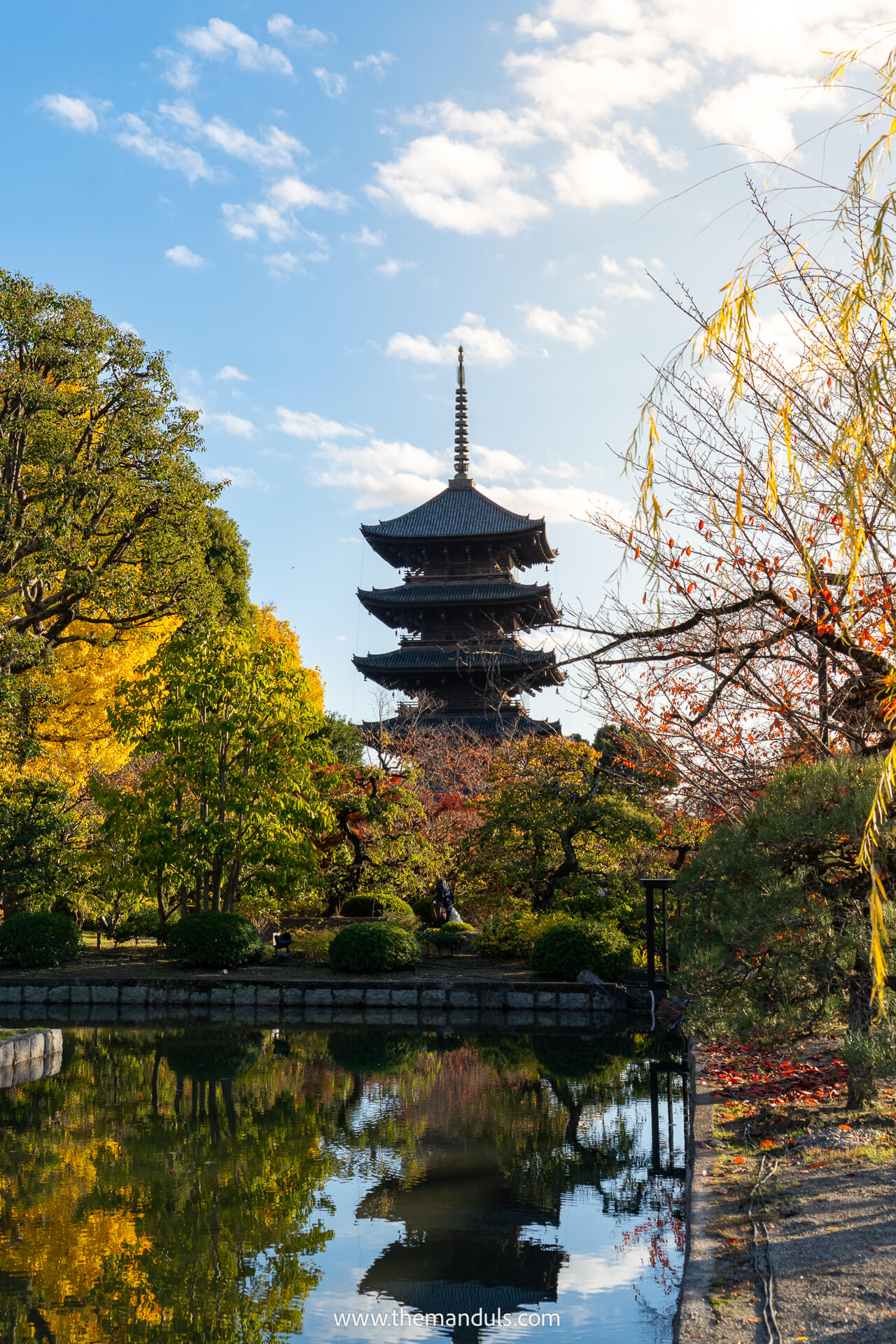
If you’re not templed-out yet, To-ji is an easy add-on, especially if you’re nearby. The five-storey pagoda is impressive even from outside, and the grounds are quiet and easy to walk through. It’s also worth checking whether you’re visiting on the 21st of the month, when the temple hosts one of Kyoto’s biggest flea markets.
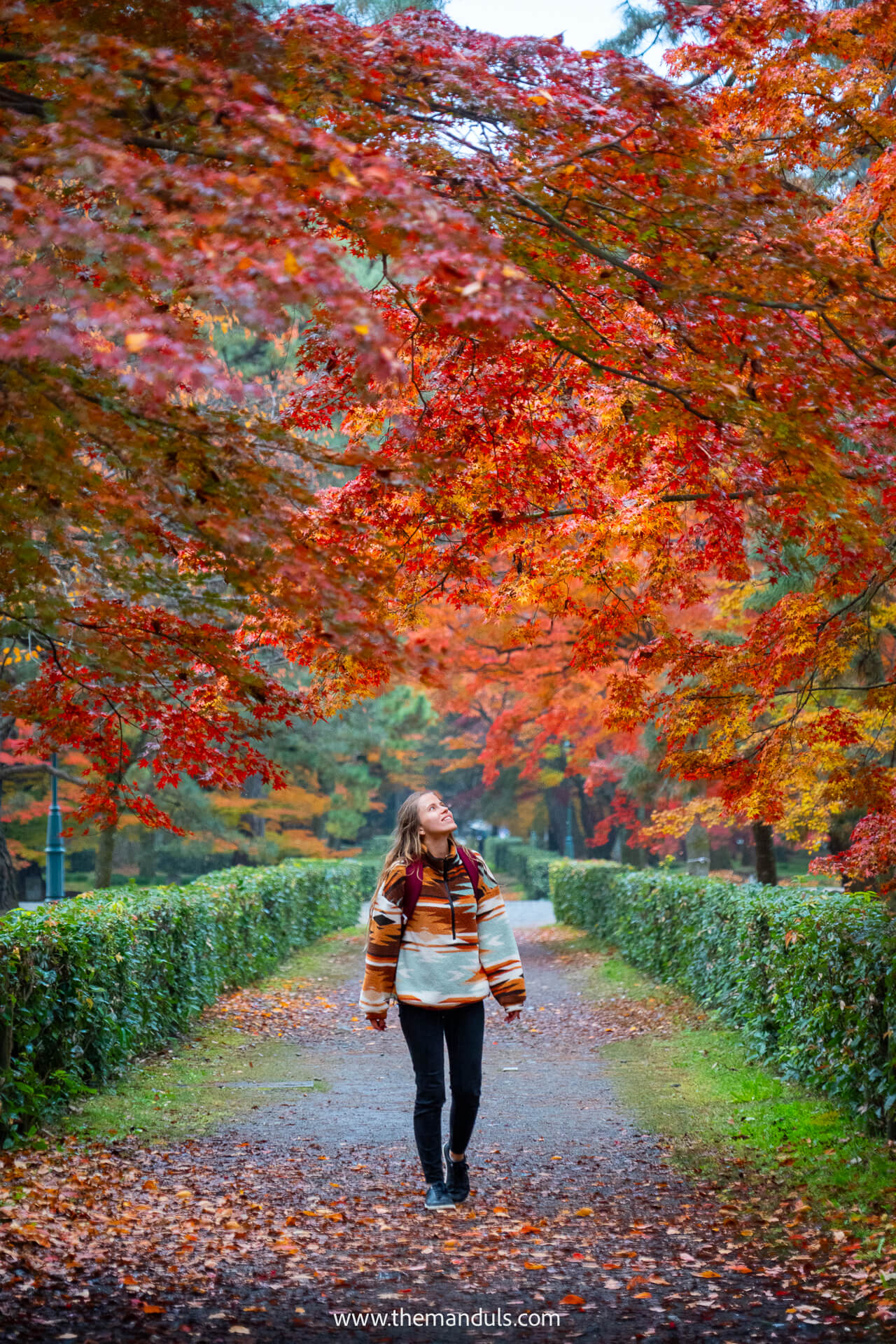
Alternatively, if you’re staying centrally or simply want a break from temples, Kyoto Gyoen National Garden is a great place to slow down and end the day. It’s spacious, peaceful, and especially beautiful in autumn. Just keep in mind that the gravel paths aren’t stroller-friendly — a baby carrier works much better here.
Day 3: Higashiyama & Gion
- Yasaka Pagoda
- Hannamikoji Street
- Gion: Sannenzaka, Ninnenzaka, Yasaka Pagoda, Kōdai-Ji Temple, Kiyomizu-Dera
- Tatsumi Bridge & Shirakawa Canal
We actually did parts of this day in a slightly different order, but this is exactly how we’d plan it next time to get the quietest mornings, avoid the worst crowds, and end the day in the most atmospheric spots.
Morning
We’d start the day early around Yasaka Pagoda, when the streets are still calm and the pagoda feels genuinely impressive rather than chaotic.
From there, we’d walk through Hanamikoji Street while it’s still quiet. In the morning, this street feels completely different — empty, calm, and perfect for appreciating the traditional wooden buildings without the evening crowds.
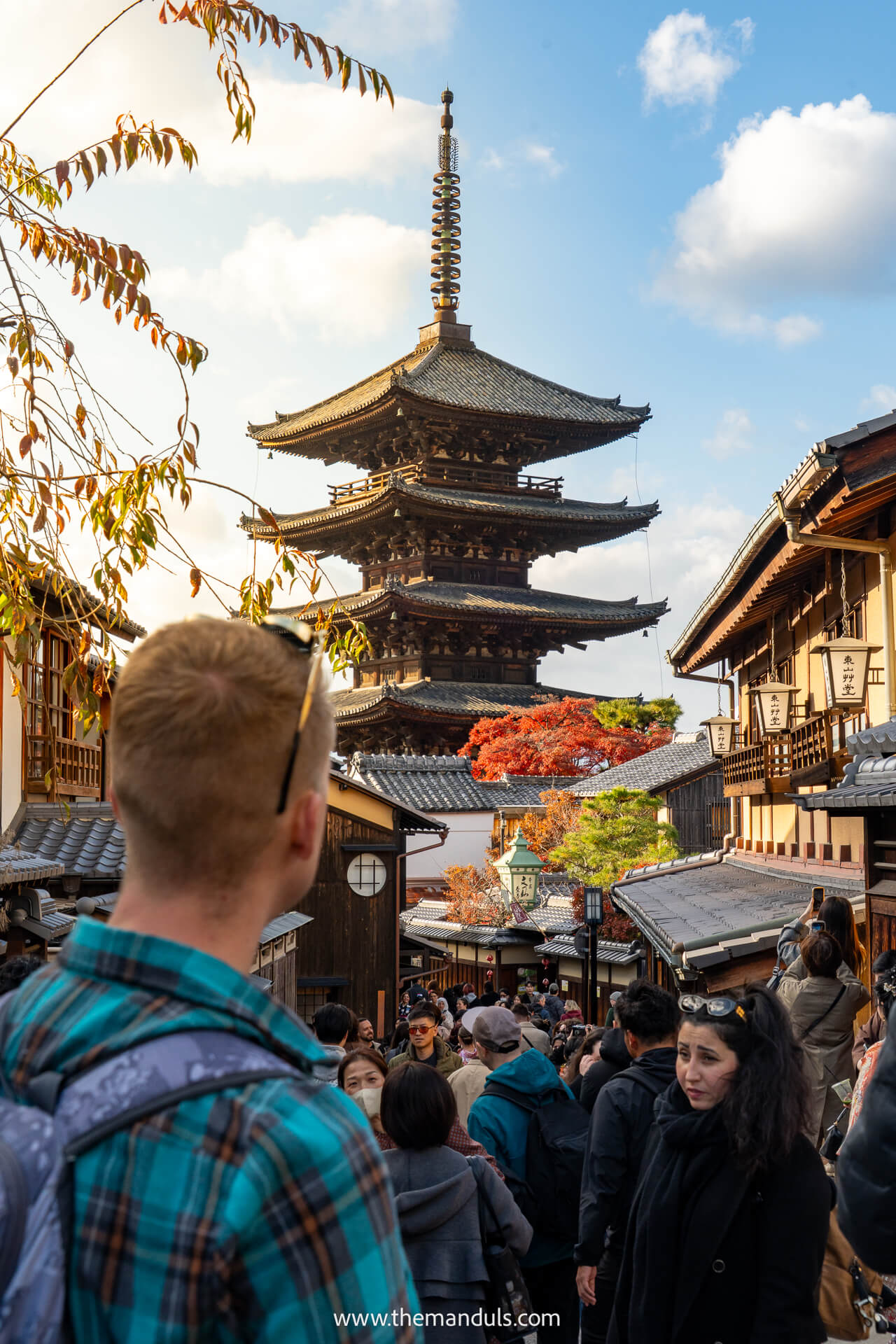
The route then naturally continues into Gion, heading toward Ninenzaka and Sannenzaka. These are some of the most atmospheric streets in Kyoto, but they get extremely crowded later in the day. Early morning is the only time they really feel enjoyable, so we’d take our time here before things get busy.

Read our Gion, Kyoto Complete Visitor’s Guide.
Afternoon
We stayed in the area for lunch, as there are plenty of small restaurants and cafés around Ninenzaka and Sannenzaka. We recommend Wagyu Samurai Burger – simple but very tasty!
After lunch, we visited Kōdai-ji, which was a really pleasant surprise. The one-way path keeps the visit easy, and the gardens — especially the small bamboo grove — feel peaceful without taking too much time. Around 30 minutes here felt just right. We’d recommend not skipping this, as it was one of the most beautiful temple grounds we’ve visited.
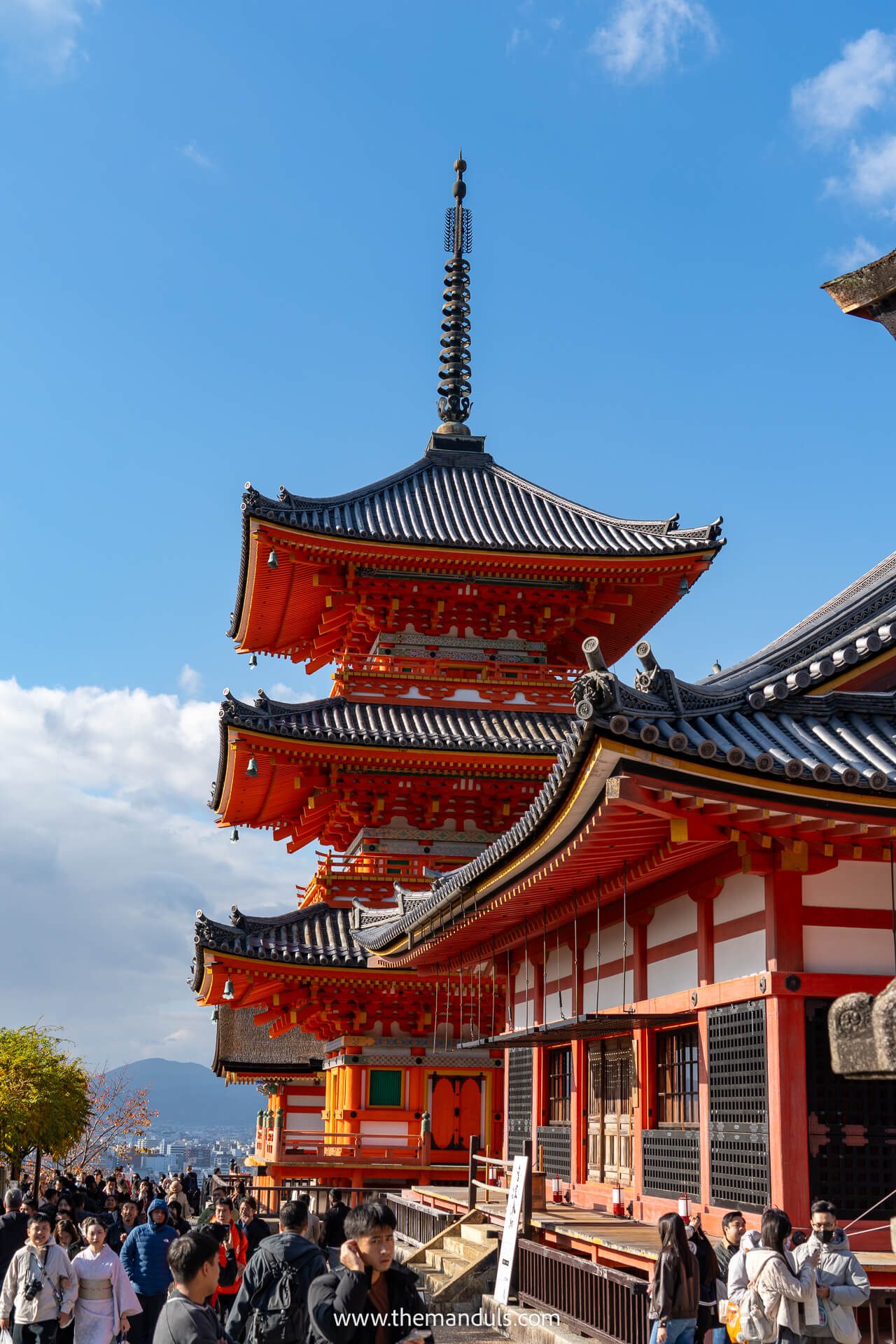
From there, we continued on to Kiyomizu-dera, one of Kyoto’s most iconic sights. The afternoon is busy, but the wooden stage and city views still make it worth it. We spent about 1–1.5 hours here, moving at a relaxed pace and we stayed for the sunset.
Evening
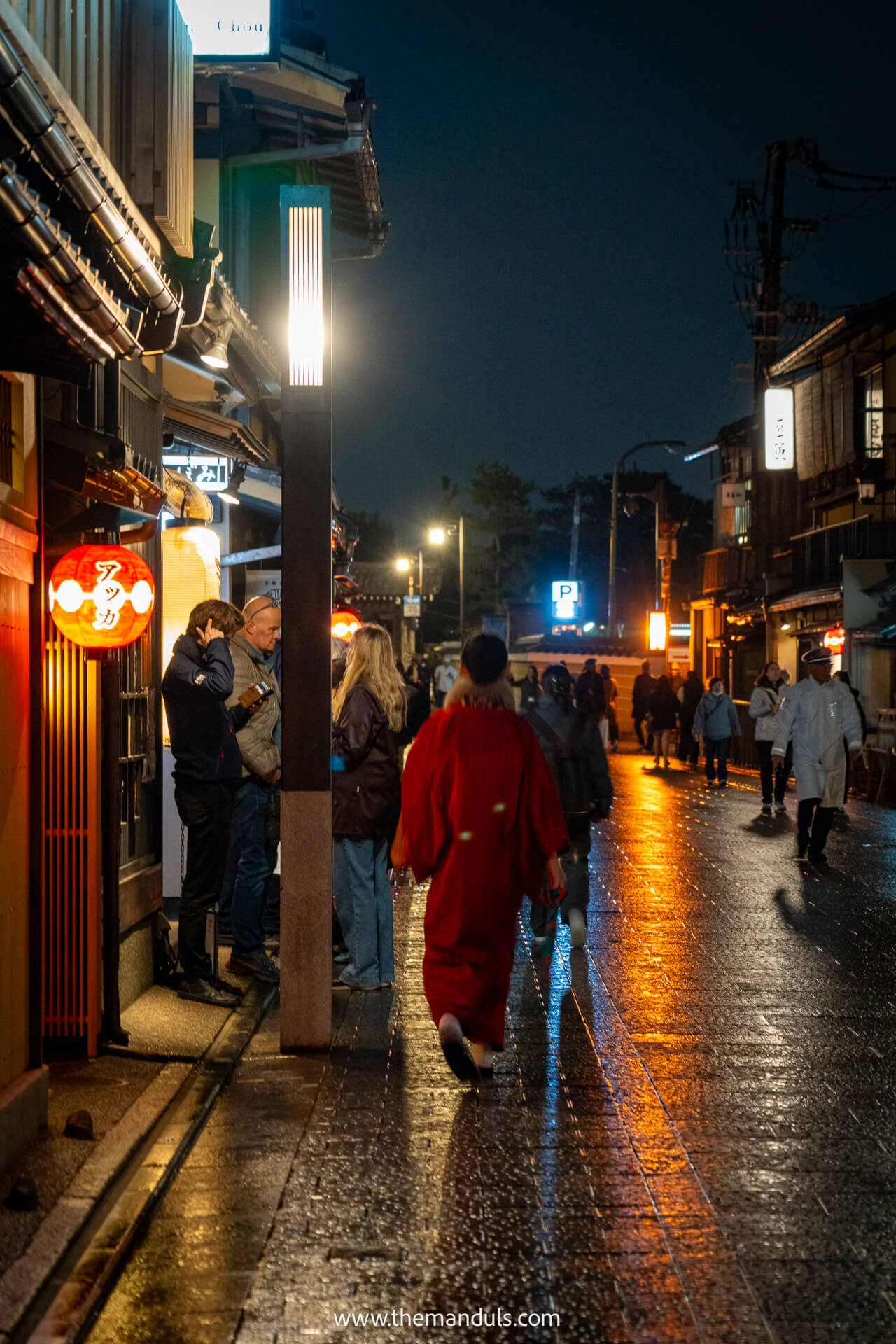
Right after sunset, we headed back toward Gion and walked through Hanamikoji Street again. Between 6–8 pm, there’s a small chance of spotting a geiko or maiko heading to appointments — it’s never guaranteed, but this is when it’s most likely. We were lucky and saw a few on the way.
To finish the day, we strolled along the Shirakawa Canal and around the Tatsumi Bridge. In the evening, with lanterns reflecting on the water, this area is easily one of the most atmospheric places in Kyoto and a perfect way to end the day.
Where to stay in Kyoto
Kyoto is fairly compact, but choosing the right base still makes a big difference. We personally prefer staying central, close to Kawaramachi or Kyoto Station, so evenings are easy and you’re not overthinking transport after long sightseeing days.
You’ll find a good mix of restaurants, cafés, and transport connections, which works especially well for a multi-day itinerary like this.
If you’re still deciding which part of Kyoto suits you best, check out our full guide on where to stay in Kyoto — it breaks down the best areas in more detail, along with hand-picked hotel recommendations.
Here are the places we’d happily book again:
⭐️⭐️⭐️ Cross Hotel Kyoto (our top pick) – This is exactly the kind of hotel we love staying in when exploring a city. The location in Kawaramachi makes it easy to walk almost everywhere, and even after long days out, getting back never feels like a hassle.
The rooms feel well thought out and more spacious than many Kyoto hotels, and the overall atmosphere strikes a nice balance between stylish and practical. If we were visiting Kyoto again, this would be our first choice without hesitation.
Best for: First-time visitors who want a central, walkable base
👉 Check current deals →
⭐️⭐️ The Thousand Kyoto – If convenience is your top priority, this is a great option. Being right next to Kyoto Station makes arrivals, departures, and day trips incredibly easy, especially if you’re moving around a lot.
Inside, the hotel feels calm and refined, which is a nice contrast to the busy station area outside. We’d choose this if we were planning multiple day trips or arriving late and wanted everything to be as smooth as possible.
Best for: Easy transport access and stress-free logistics
👉 Compare prices →
⭐️ Guesthouse Soi – This is a good pick if you’re looking for something smaller and more personal. It has a relaxed, home-style feel and offers a quieter experience compared to larger hotels.
While it’s more basic, the atmosphere and friendly setup make it a solid option for budget-conscious travellers who still want a comfortable stay. We’d happily consider this for a shorter stay or a slower-paced Kyoto trip.
Best for: Budget travellers who prefer a simple, local-style stay
👉 See availability →
Final Thoughts
Kyoto is one of those places where pace matters just as much as planning. What made this itinerary work for us wasn’t trying to see everything, but choosing the right order — starting early when it mattered, slowing down in the afternoons, and saving the most atmospheric spots for the evenings.
If we had to narrow it down to just a couple of can’t-miss experiences, it would be committing to the hike at Fushimi Inari and spending an unhurried evening wandering through Gion and along the Shirakawa Canal.
Those moments showed us a quieter, more memorable side of the city that often gets lost in rushed itineraries.