
This article contains affiliate links. Learn more in our affiliate disclosure.
With hundreds of temples spread across the city, figuring out which ones are actually worth your time can be overwhelming.
After exploring Kyoto ourselves and visiting temples across different neighborhoods, we quickly realized that not all temples offer the same experience. Some stand out for their scenery, others for atmosphere, views, or how well they fit into a day of sightseeing.
In this guide, we’re sharing our pick of the best temples in Kyoto, focusing on places that genuinely added something special to our trip.
Along the way, we’ll also include a few practical tips and etiquette basics to help you plan your visits smoothly and fit them naturally into your things to do in Kyoto itinerary.
In a hurry?
These are our top hotels in Kyoto we’d book again
⭐️⭐️⭐️ Cross Hotel Kyoto (our top pick) – A modern mid-range stay in a central part of downtown. Comfortable rooms, great design, and an easy base for exploring.
👉 See prices & availability →
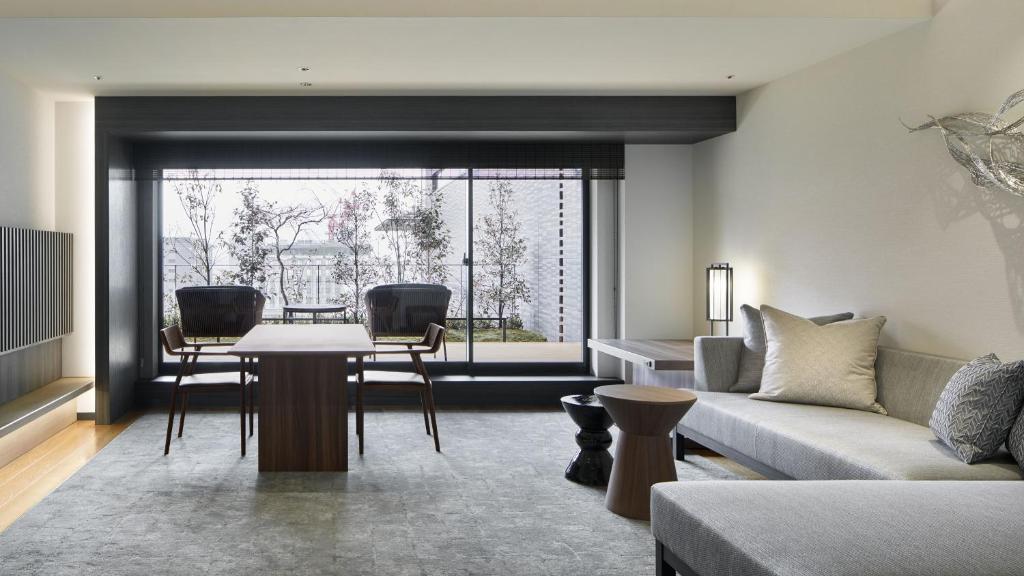
⭐️⭐️ The Thousand Kyoto – A luxury hotel with spacious, minimalist rooms and an excellent breakfast. Its location makes getting around the city incredibly easy.
👉 See prices &availability →
⭐️ Guesthouse Soi – A simple and budget-friendly guesthouse near Kiyomizu-dera with clean rooms and a genuinely warm, helpful atmosphere.
👉 See prices & availability
Best temples in Kyoto
Map of all the temples
1. Eikando Temple

Entrance Fee: ¥600 regular, ¥1000 in autumn

Opening hours: 9 AM – 5 PM

Time needed: 60-90 minutes
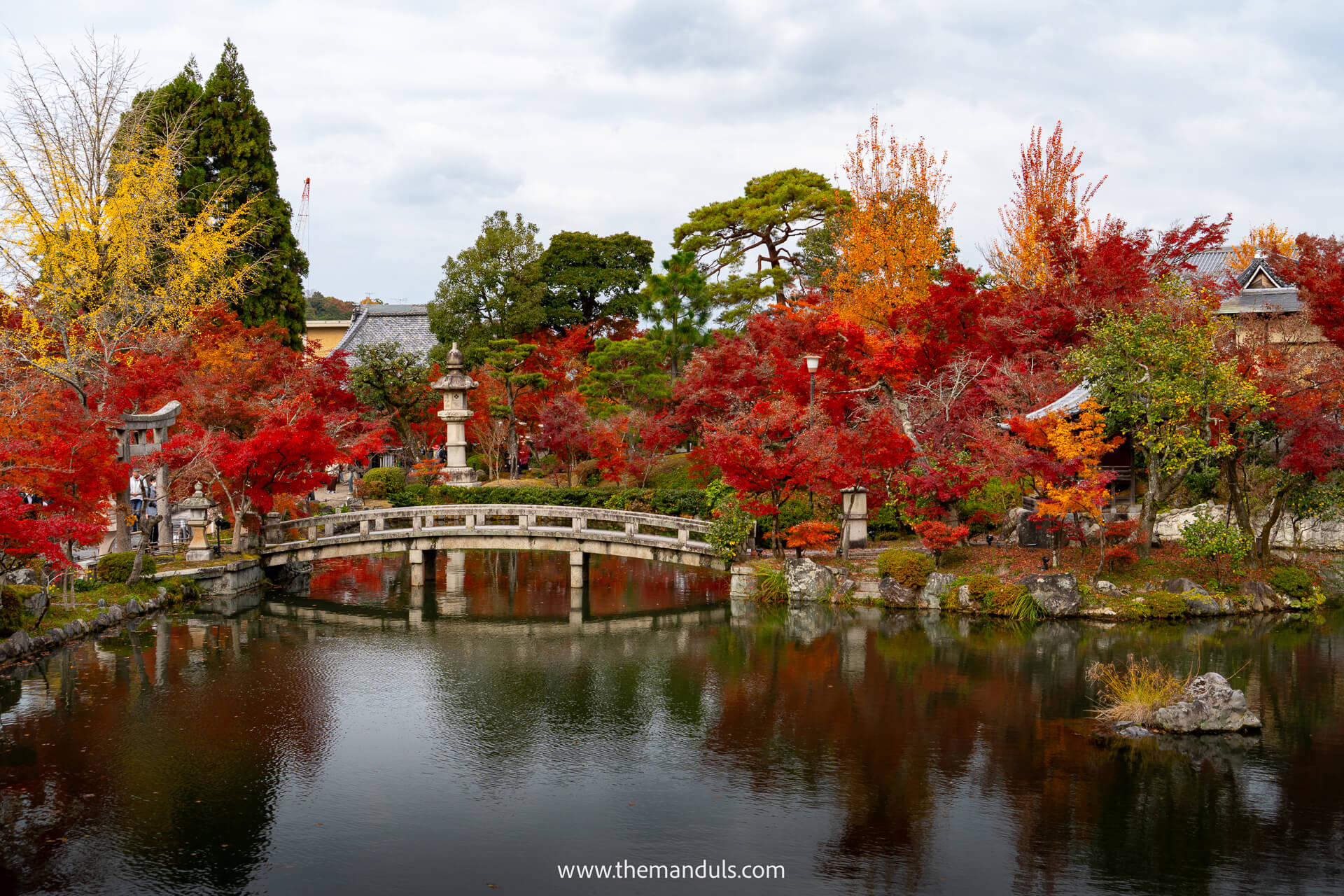
Eikando was one of those temples we had saved almost as a backup — something to visit if the day allowed. We arrived with no real expectations, which made the experience even better.
Within minutes of entering, it was clear this wasn’t just another stop to rush through.
The grounds are large and varied, with plenty of space to wander. As we walked through, we kept moving between different scenes: calm garden paths, reflective ponds, beautiful temple buildings, and eventually a short climb up toward the pagoda.
From there, the views over Kyoto were a real highlight.
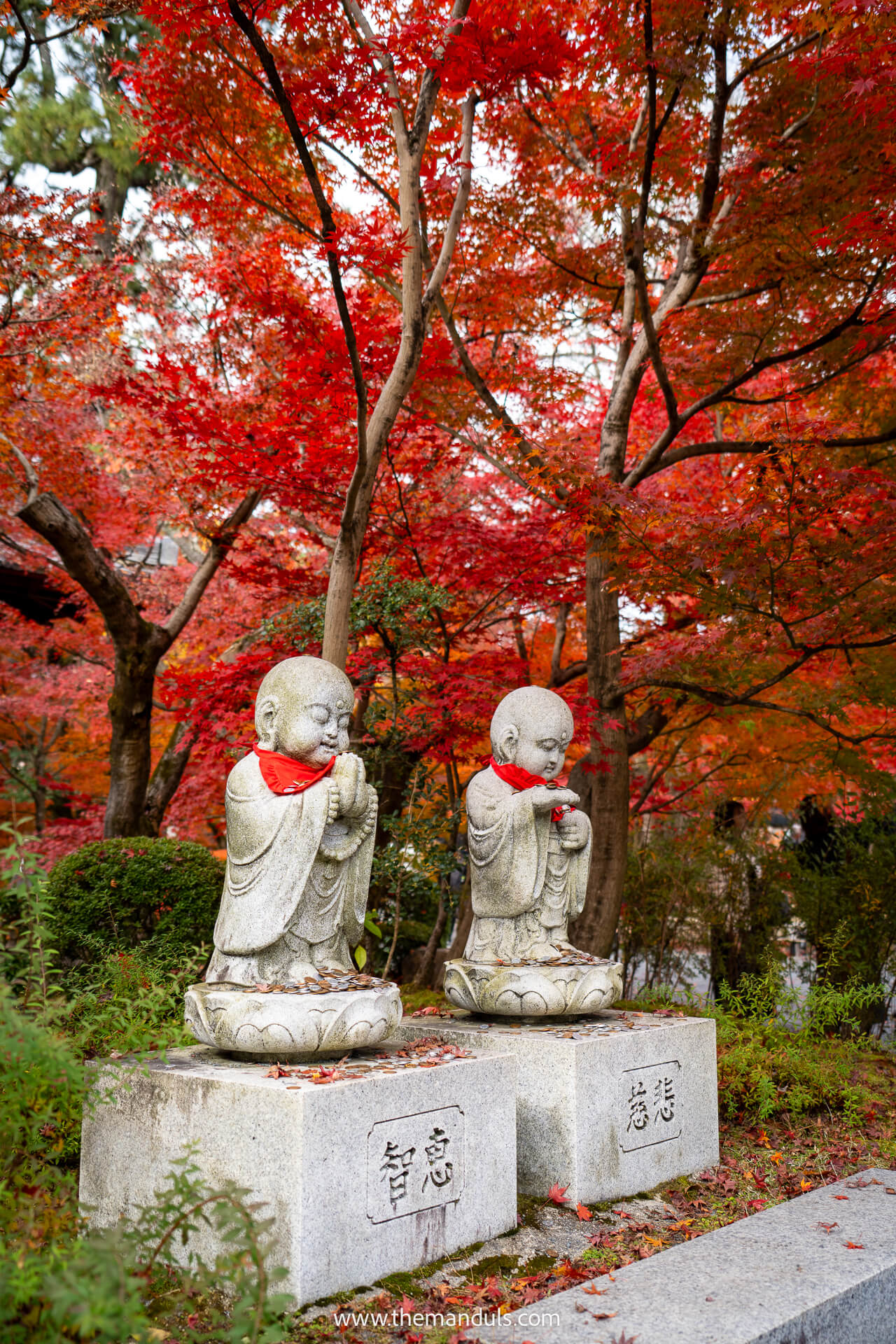
Inside the main temple buildings, the visit follows a one-way route. Shoes off, you pass through prayer halls and exhibition rooms with religious objects and historical displays. It’s well organized, which helps even when the temple is busy.
Eikando isn’t just about one viewpoint or one famous photo. It offers variety and space. By the time we left, it had easily become one of our favorites in the city — and one we’d recommend even if you’re short on time and want a temple that genuinely delivers.
2. Tenjuan Temple
Entrance Fee: ¥500
Opening hours: 9am – 4:30pm
Time needed: 20-30 minutes

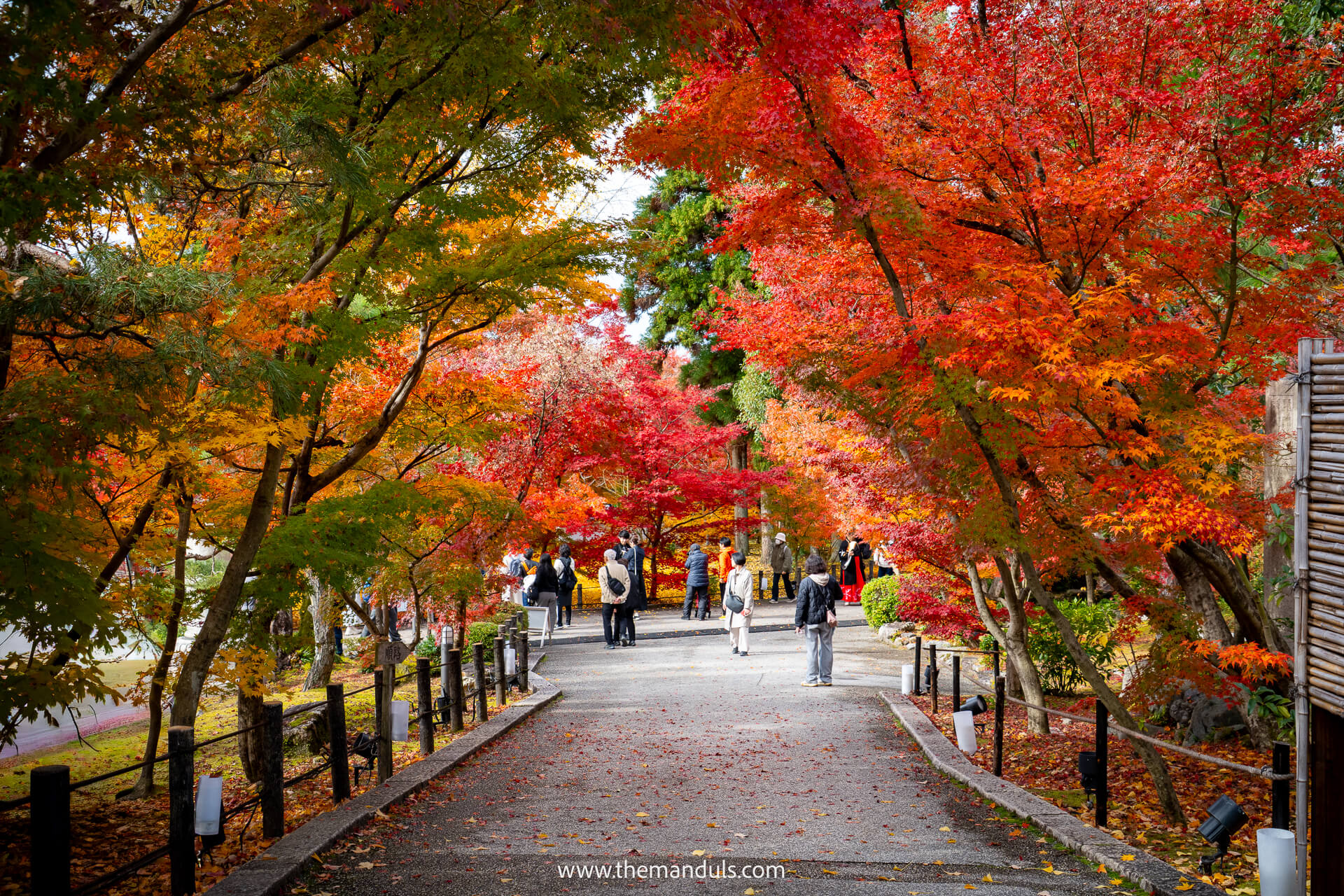
Tenjuan is a small sub-temple within the Nanzen-ji complex, and it turned out to be one of our favorite garden stops in Kyoto. We visited during peak autumn, and the colors were incredible — deep reds, oranges, and yellows mirrored in the pond, creating some of the most striking reflections we saw on the trip.
The garden itself isn’t large, but that’s part of the appeal. We chose to stop here mainly because the pond surrounded by trees looked beautiful in photos — and seeing it in person absolutely lived up to that.
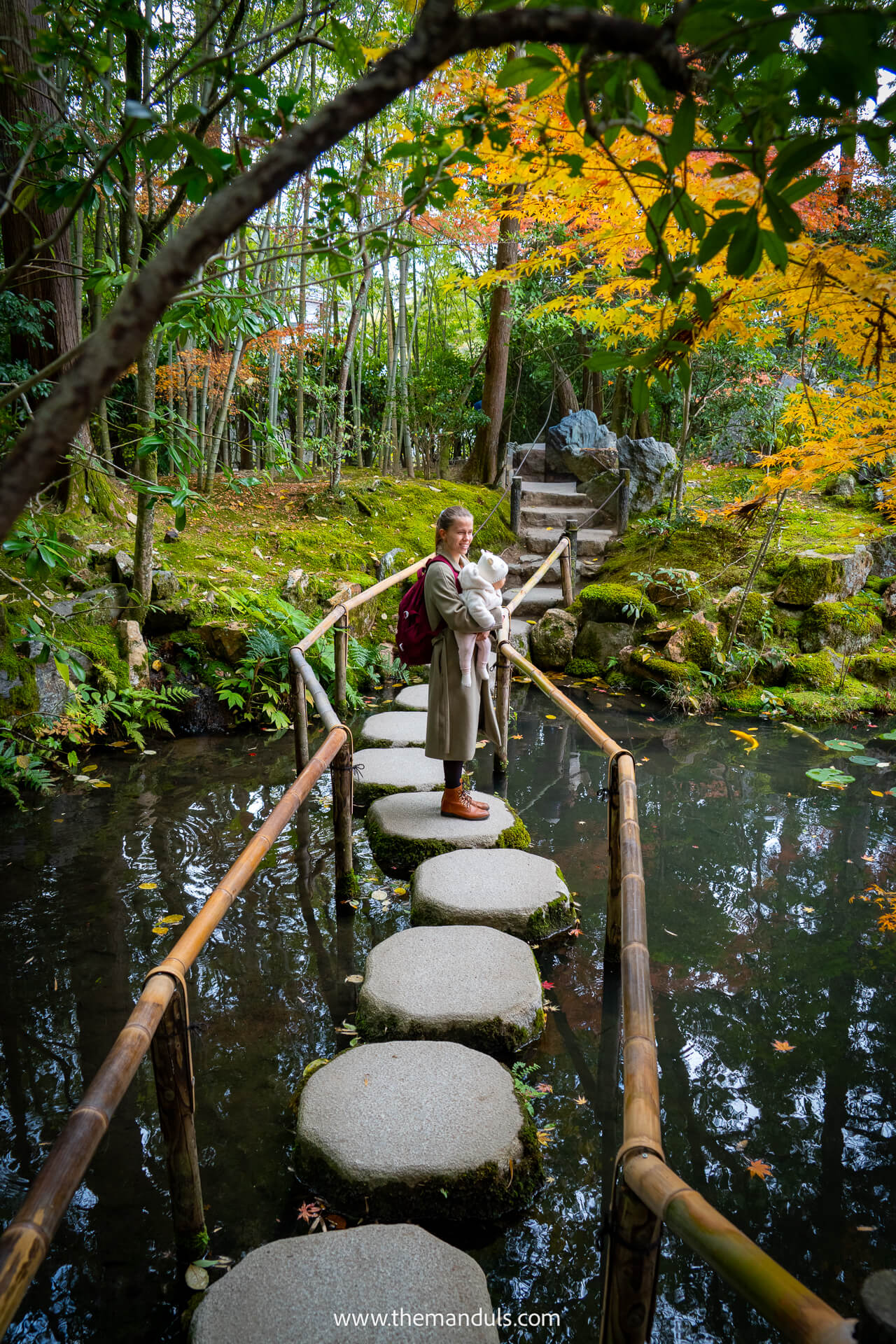
The water is filled with koi, and when the leaves are changing, the reflections make the whole space feel very breath-taking.
We arrived around 10 am. It wasn’t empty, but it also didn’t feel too crowded. The paths are quite narrow, so we had to pause occasionally to let others pass. If you want it quieter, coming right after opening would be the best move.
We spent about 20 minutes walking the loop, which felt perfect — enough time to soak in the atmosphere.

3. Kōdai-ji
Entrance Fee: ¥600
Opening hours: 9am – 5pm
Time needed: 45-60 minutes
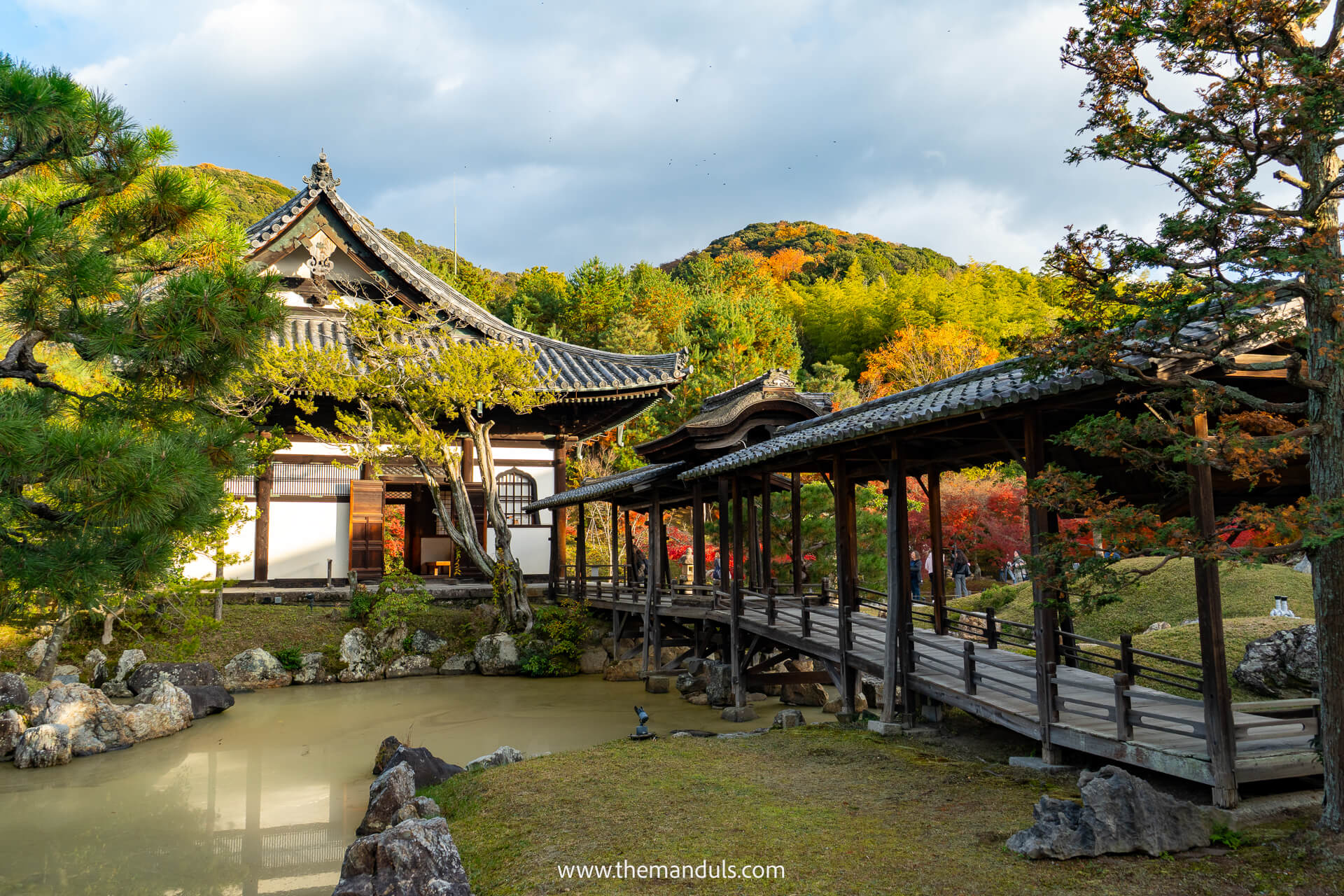
Kōdai-ji wasn’t on our plan at all. We stumbled across it while wandering the small streets near Gion, followed a few signs toward the temple (and bamboo grove), and decided to see what it was about. That spontaneous stop turned it into one of our favorite places in the Gion area.
The temple buildings themselves are fairly simple, but the gardens are the real highlight. They feel open and well spaced, with a pond at the center that gives the whole place a calm, settled atmosphere.
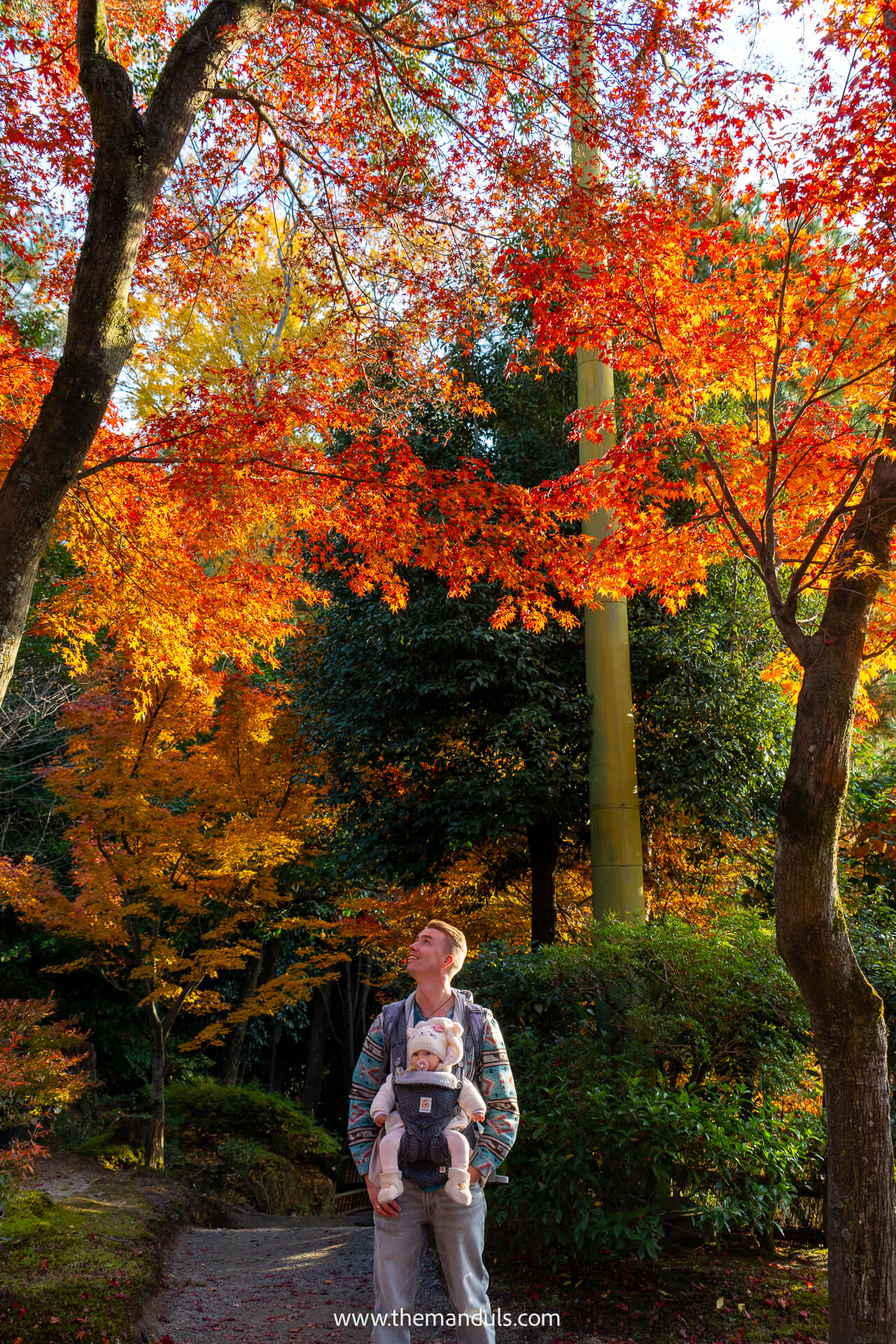
When we visited, autumn colors added a lot to the experience, with warm tones reflecting in the water and making the garden feel especially peaceful. There’s also a small teahouse overlooking the garden, which adds to the relaxed pace of the visit.
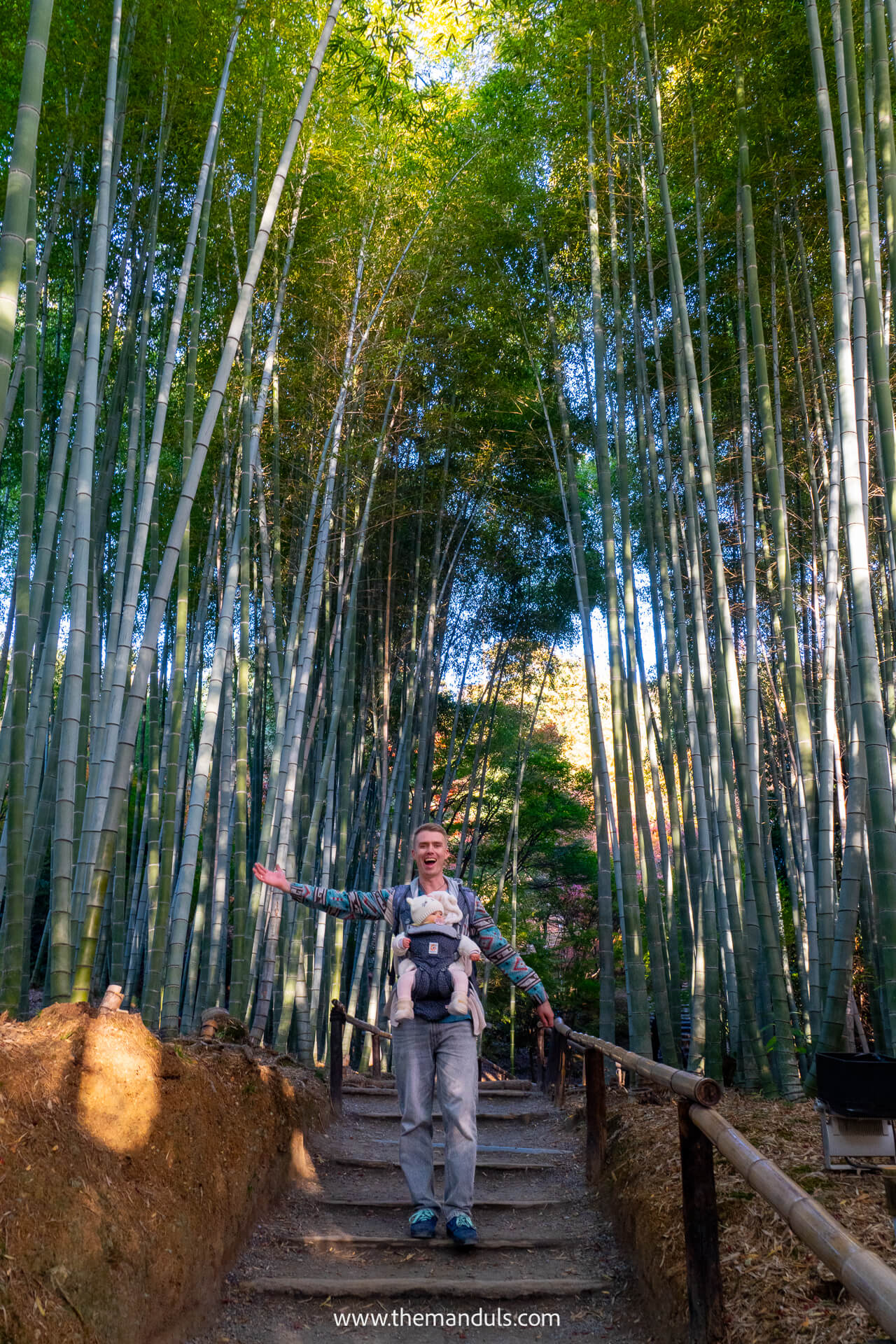
After exploring the main garden, we followed a short uphill path and a few stairs to the bamboo grove. It’s much smaller than the famous one in Arashiyama, but that’s exactly why we liked it.
It was noticeably quieter, with only a handful of other visitors, and felt like a good contrast to the busy streets just outside the temple.
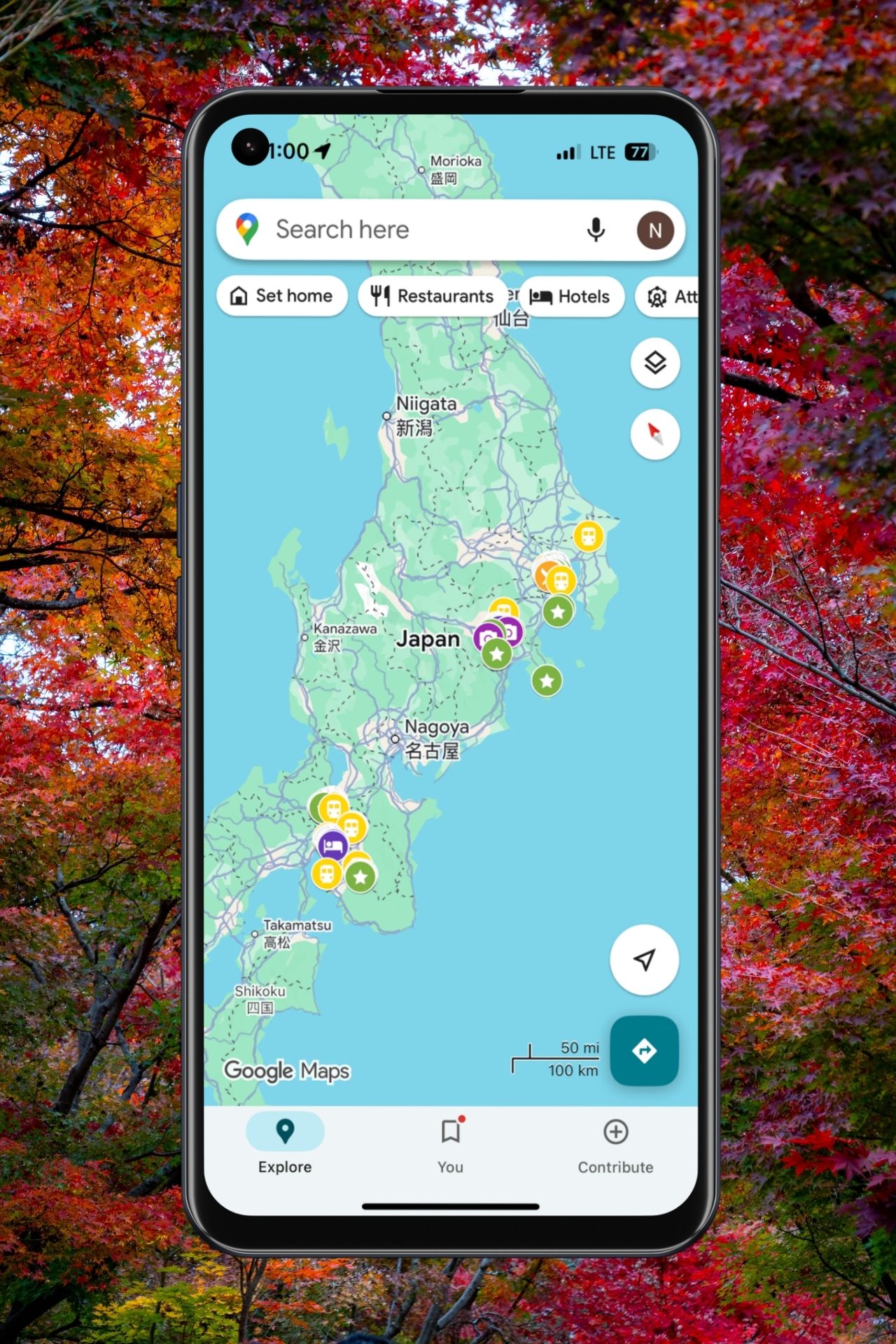
Our Japan Google Maps
Built from our real trips across Japan — only places we actually visited and loved.
No tourist traps. No random saves. Just a ready-to-use map that saves you hours of research.
219 handpicked spots, including:
📍 Highlights & hidden gems
🍜 Restaurants we’d go back to
🏨 Areas & hotels we’d book again
🗺️ Stops that fit into real, logical itineraries
4. Fushimi Inari Taisha
Entrance Fee: free
Opening hours: 24/7
Time needed: 45-60 minutes, full loop 2.5-3 hours
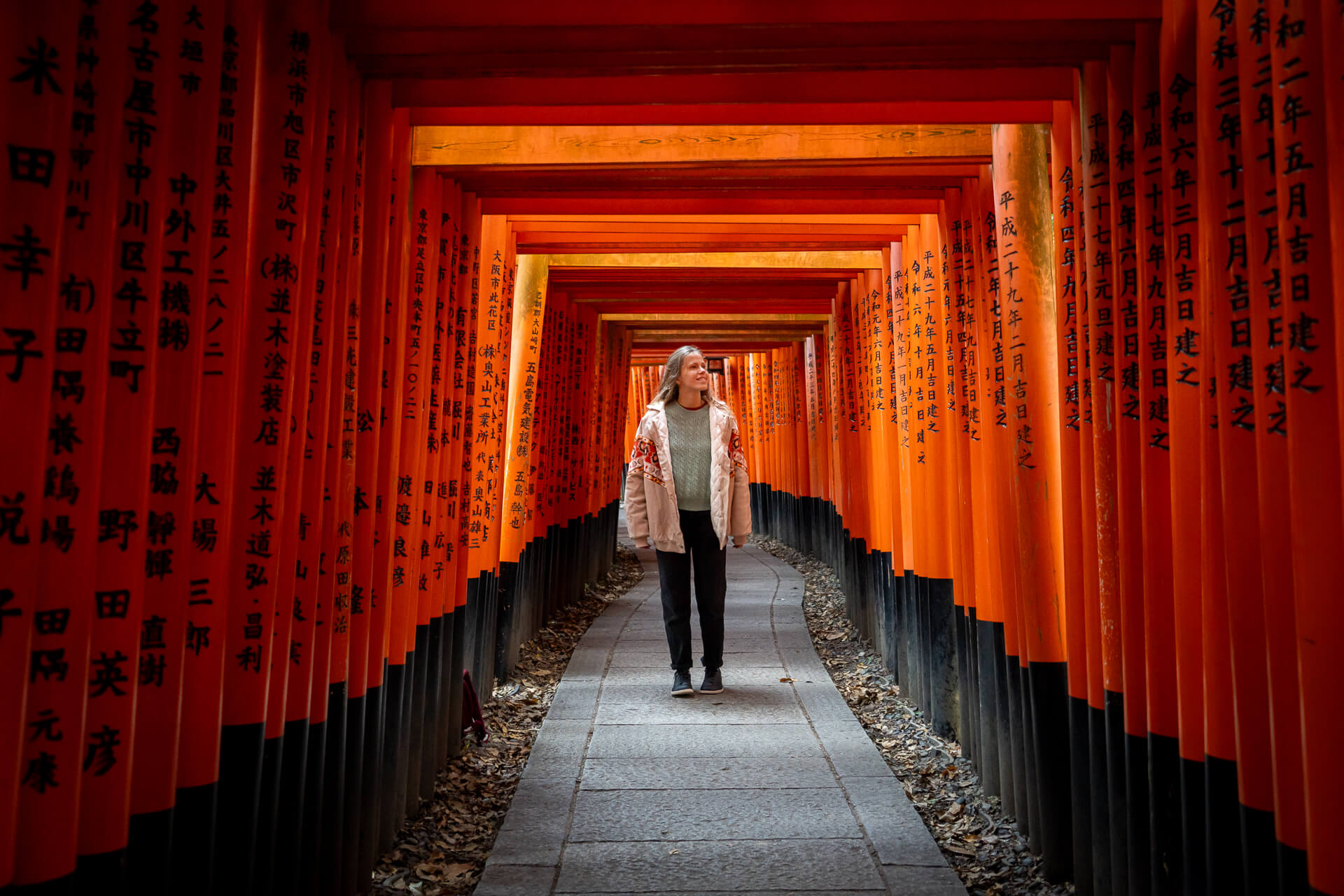
We initially thought Fushimi Inari was just that famous stretch of torii gates near the entrance — busy, loud, and packed with people. And to be fair, that first section is exactly that. But once we realized the shrine extends far beyond the crowds, our entire impression changed.
Fushimi Inari is actually a mountain shrine, with thousands of torii gates winding their way up forested paths. As we continued uphill, the atmosphere shifted quickly.
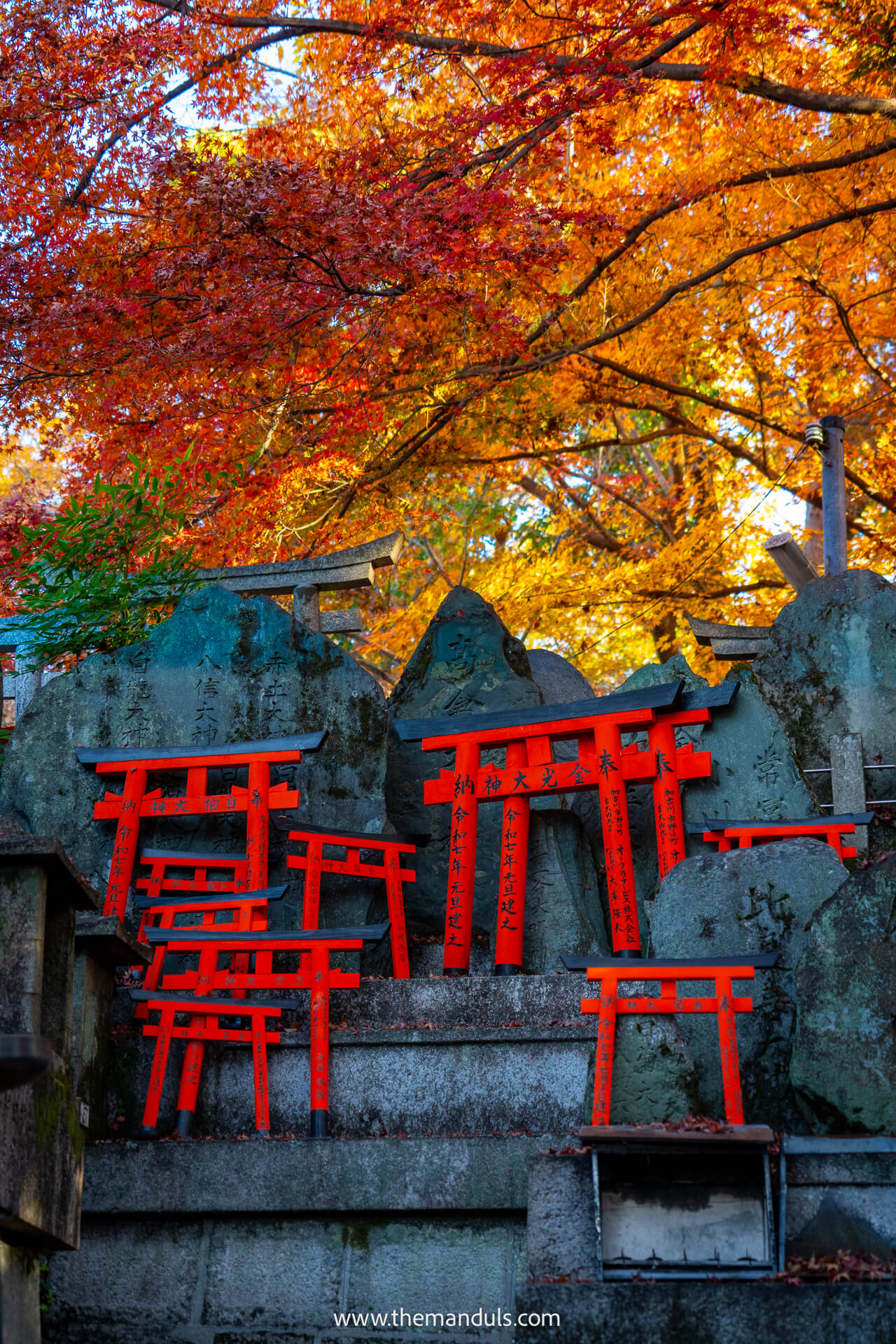
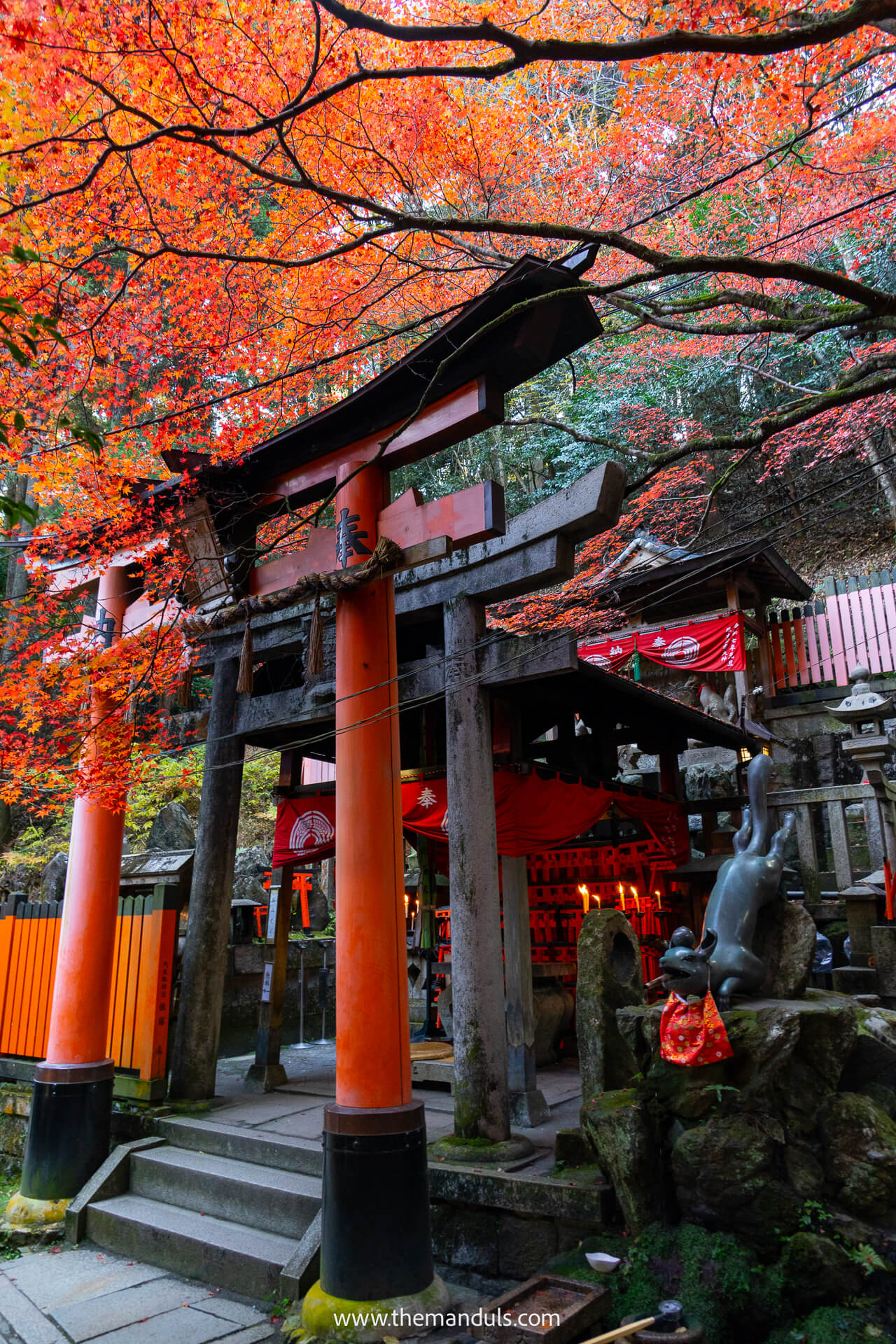
The crowds thinned, the noise disappeared, and the walk turned into a proper hike through quiet trails lined with gates, lanterns, and fox statues.
By the time we completed the full loop, it felt like we’d experienced a side of Kyoto many visitors miss entirely.
If you have the time and energy, we strongly recommend going beyond the lower section. The short walk is iconic, but the full hike is what makes Fushimi Inari unforgettable.
5. Kiyomizu-dera
Entrance Fee: some part free, main temple ¥500
Opening hours: 6am -6pm
Time needed: 45-90 minutes
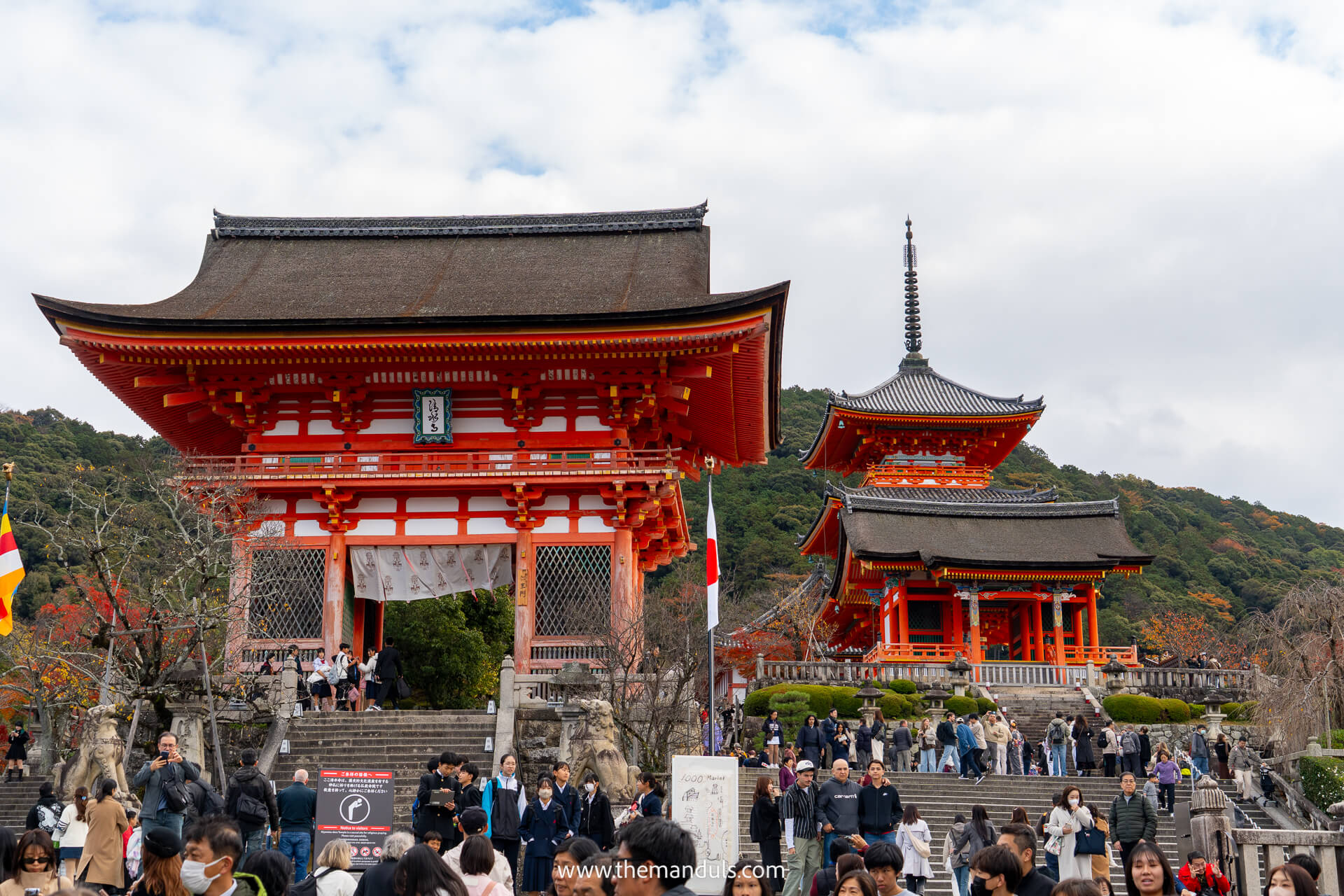
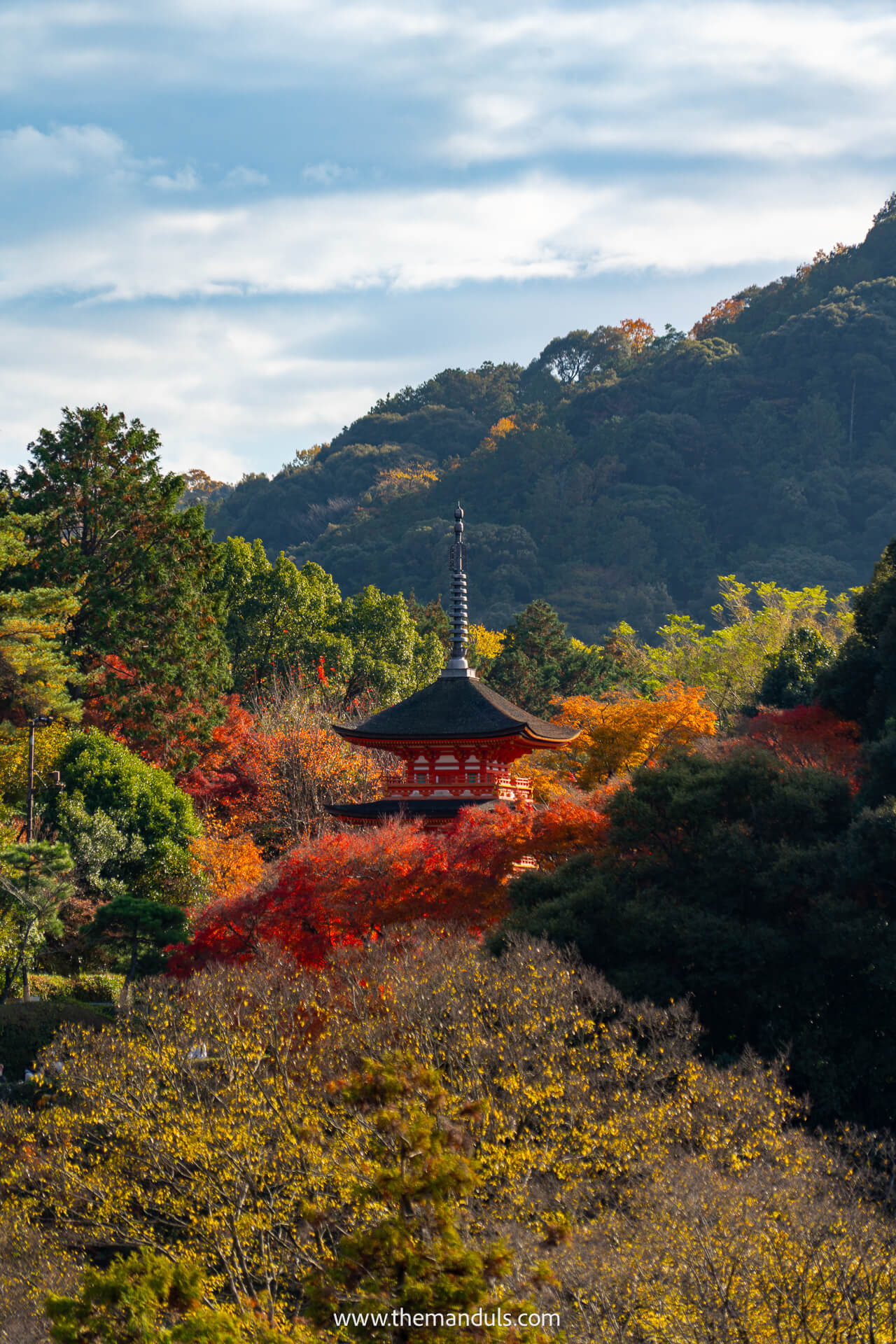
We visited Kiyomizu-dera while exploring Gion during autumn, fully expecting it to be a quick stop. Instead, it turned into one of the most visually striking temples we saw in Kyoto.
The moment we arrived, we were surrounded by red and orange trees, and the whole hillside setting made the place feel far more dramatic than we’d imagined.
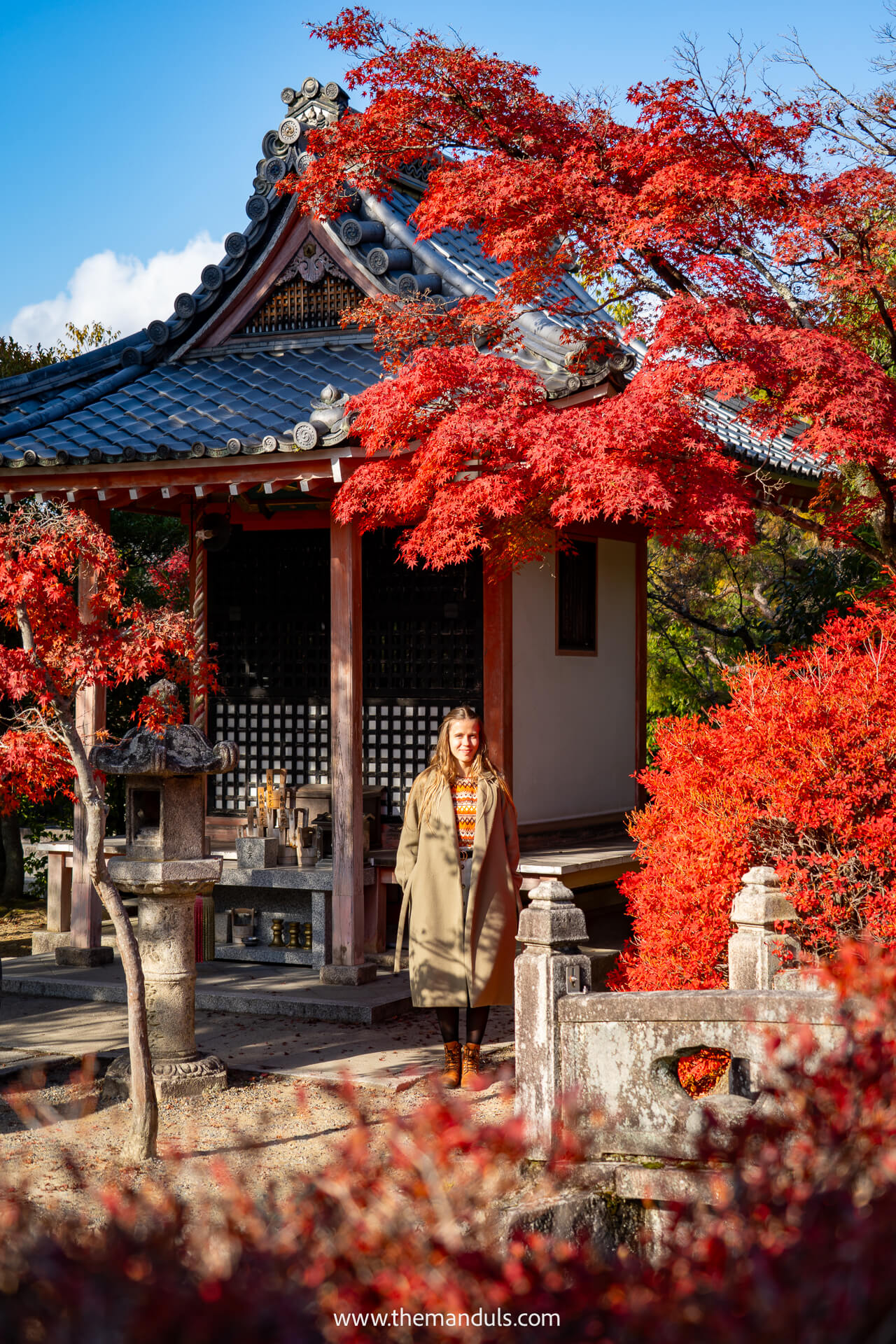
The real standout for us was the view over Kyoto. Looking out across the city with layers of rooftops and trees below is impressive in any season, and it’s one of those views that actually feels better in person than in photos.
That said, Kiyomizu-dera is busy — always. Crowds are part of the experience here, especially around the main approach and the central buildings. But the complex is large enough that you can still find quieter corners, especially away from the main hall.
We’d recommend Kiyomizu-dera as a must-see if it’s your first time in Kyoto, particularly if you’re already walking through Gion or Higashiyama. It’s not a peaceful escape, but it’s iconic for a reason and delivers some of the best city views in the city.
6. Nanzen-ji
Entrance Fee: free, sub-temples ¥500
Opening hours: 8:40 am – 4:30 pm
Time needed: 45-90 minutes
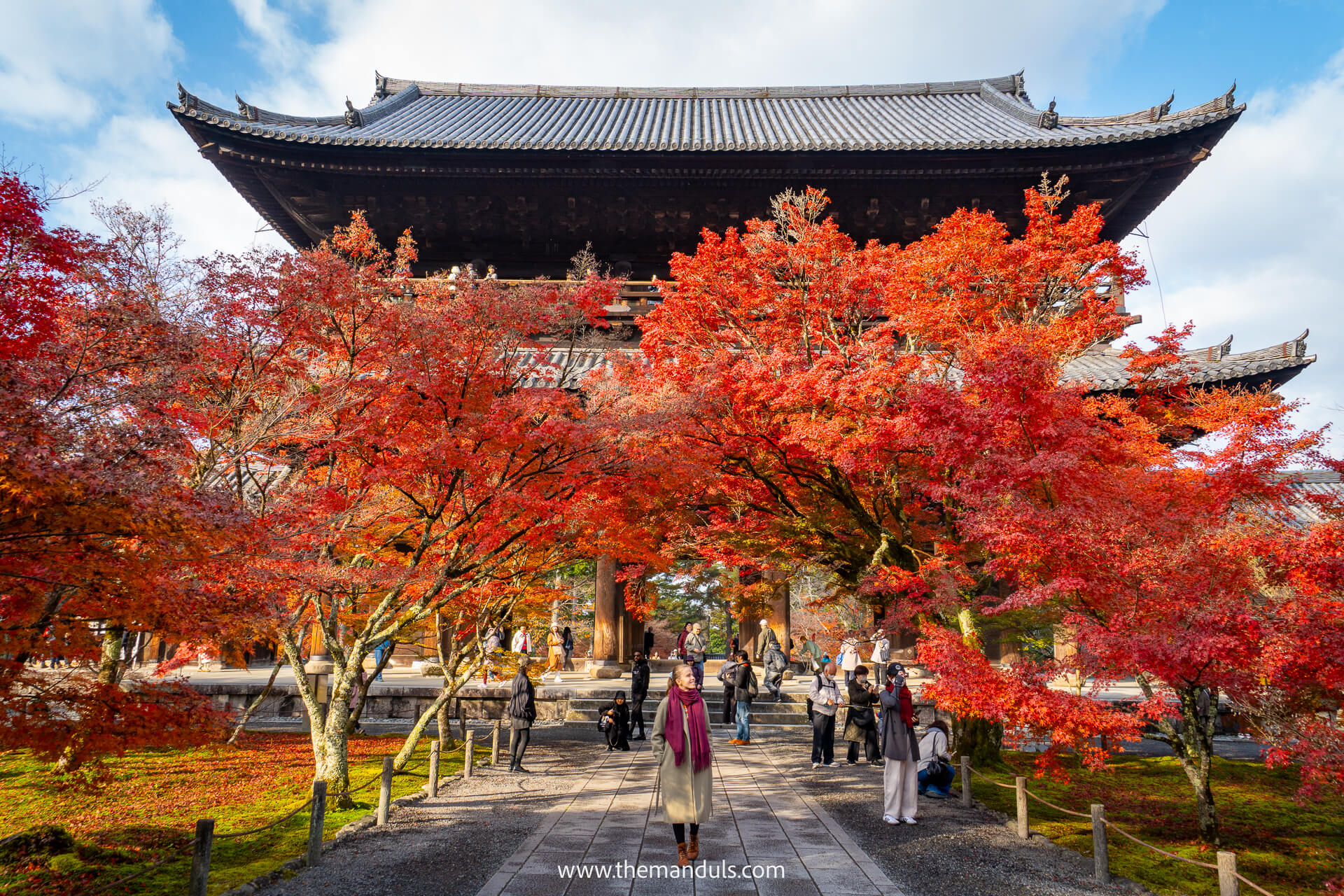
Nanzen-ji was one of the temples that surprised us by how open and relaxed it felt, especially considering how close it is to some of Kyoto’s busiest sightseeing routes. We visited while exploring eastern Kyoto, and what stood out immediately was the sense of space — wide paths, multiple areas to explore, and no feeling of being rushed from one highlight to the next.
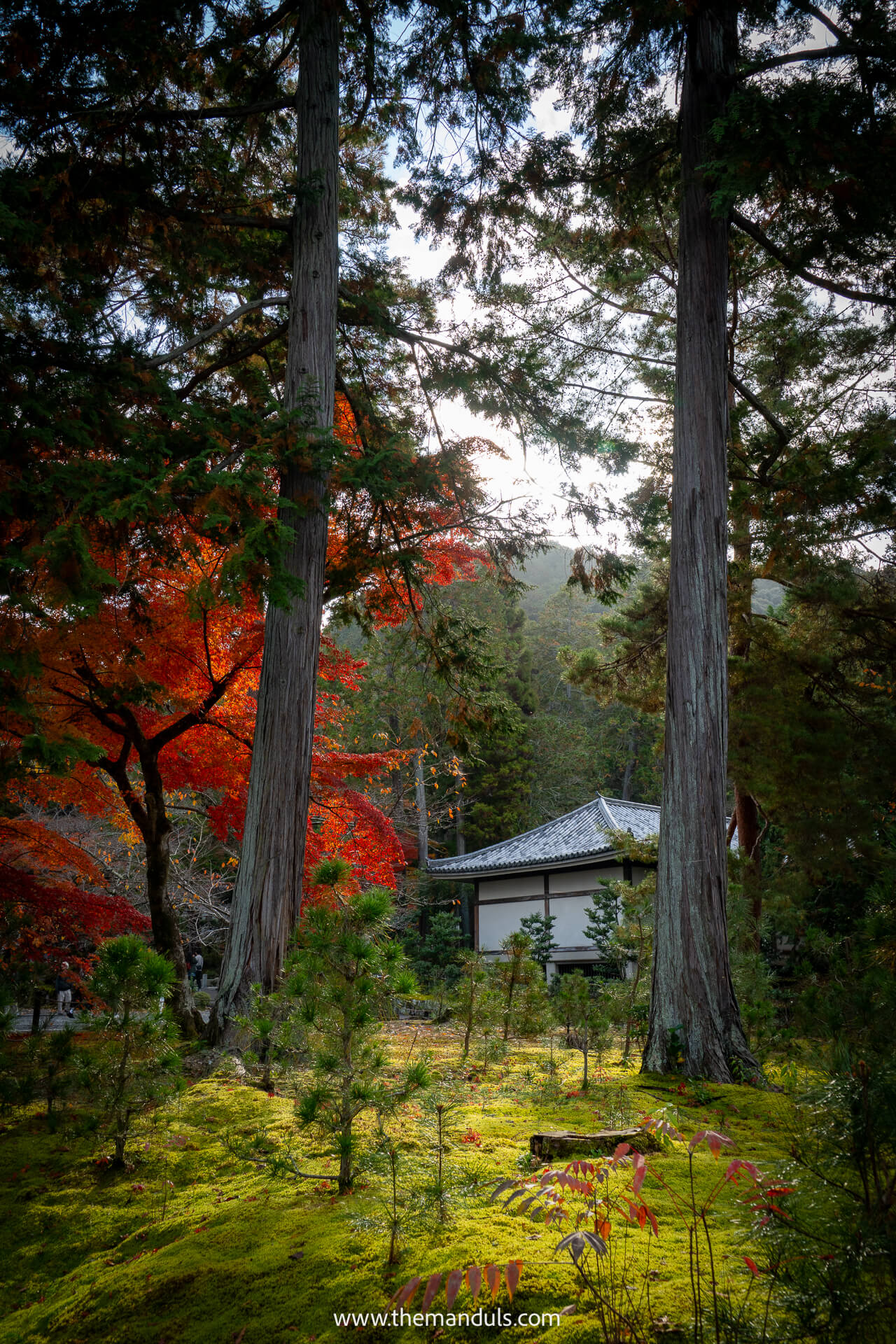
Instead of a single focal point, Nanzen-ji works as a small temple complex. You move between very different elements: the huge wooden Sanmon Gate, quiet gardens, and the unexpected brick aqueduct cutting straight through the grounds. That mix makes the visit feel varied rather than repetitive.
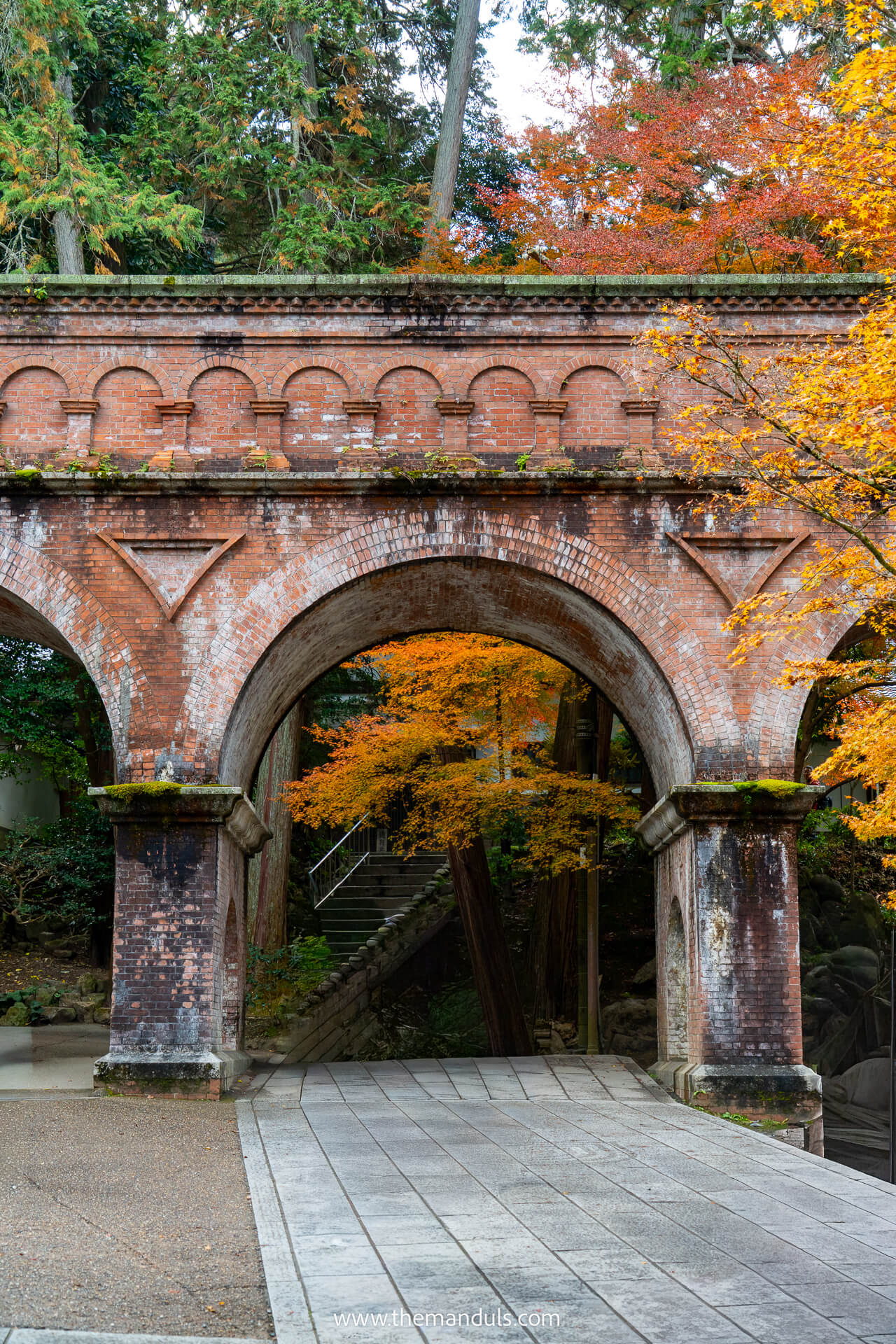
Even with other visitors around, it never felt overwhelming. We liked that you can decide how much time and energy to spend here — whether it’s a short walk through the free areas or adding on quieter spots like Tenjuan Garden, which ended up being our favorite part of the complex.
Because of its layout and location, Nanzen-ji is easy to combine with nearby temples like Eikandō, making it a great stop if you want a temple experience that’s calmer and more flexible than Kyoto’s headline sights.
7. Kitano Tenmangu Shrine
Entrance Fee: free, gardens ¥1000
Opening hours: 7am – 8:30pm
Time needed: 30-45 minutes
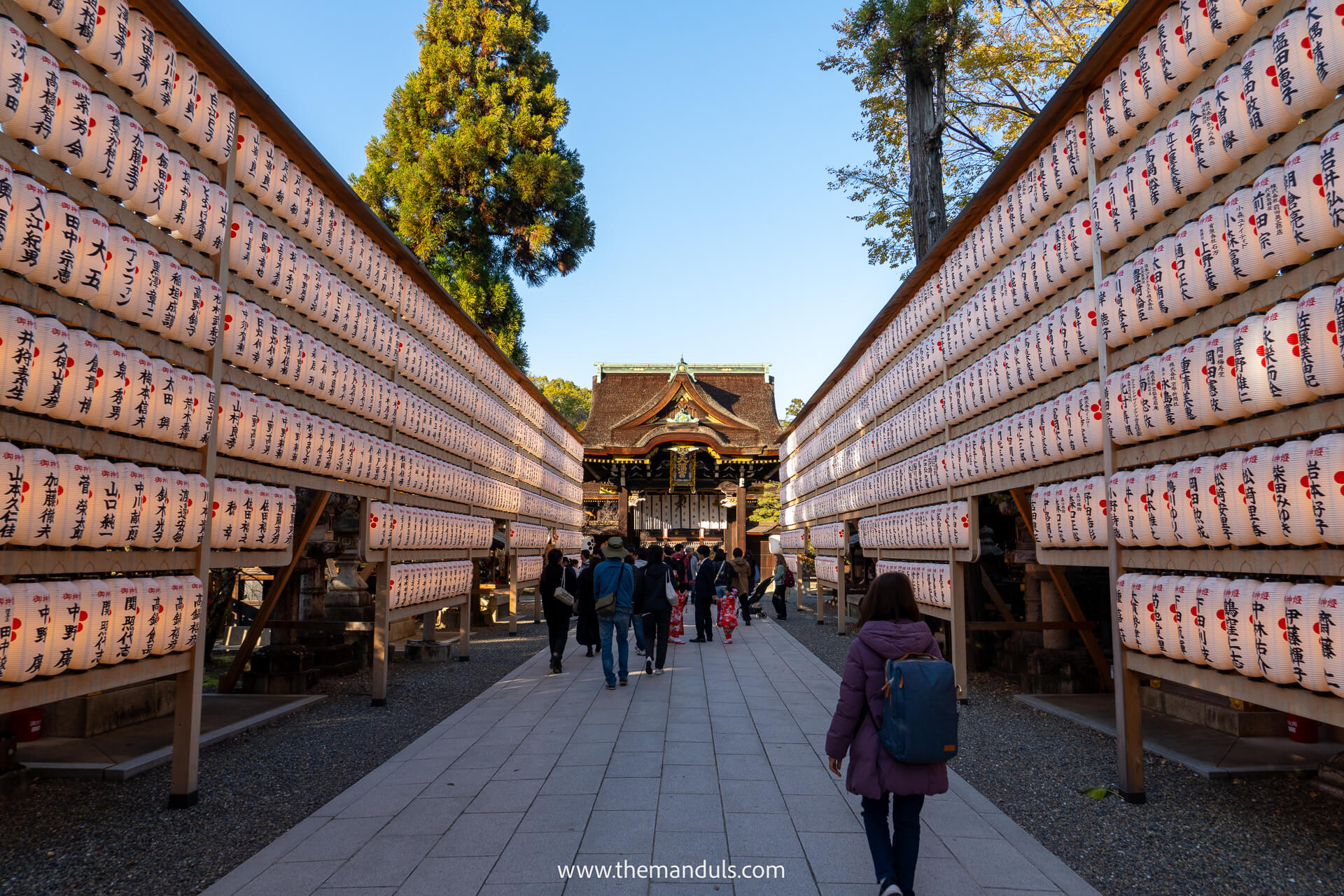
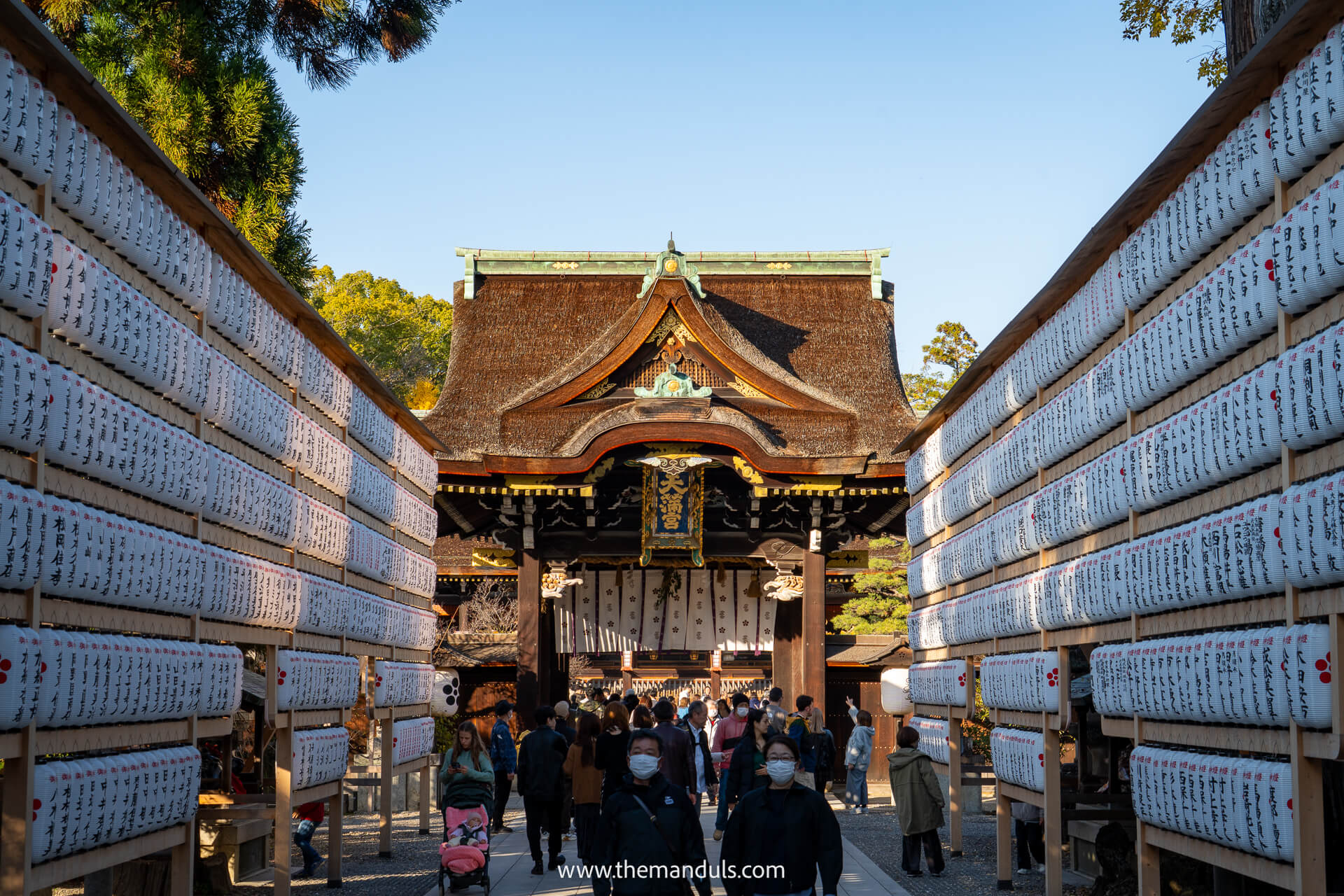
Kitano Tenmangū felt noticeably more local than many of Kyoto’s headline sights, which is exactly why we enjoyed it. The shrine is dedicated to the deity of learning, so you’ll see students stopping by to pray for exam success — something that gives the place a very everyday, lived-in atmosphere.
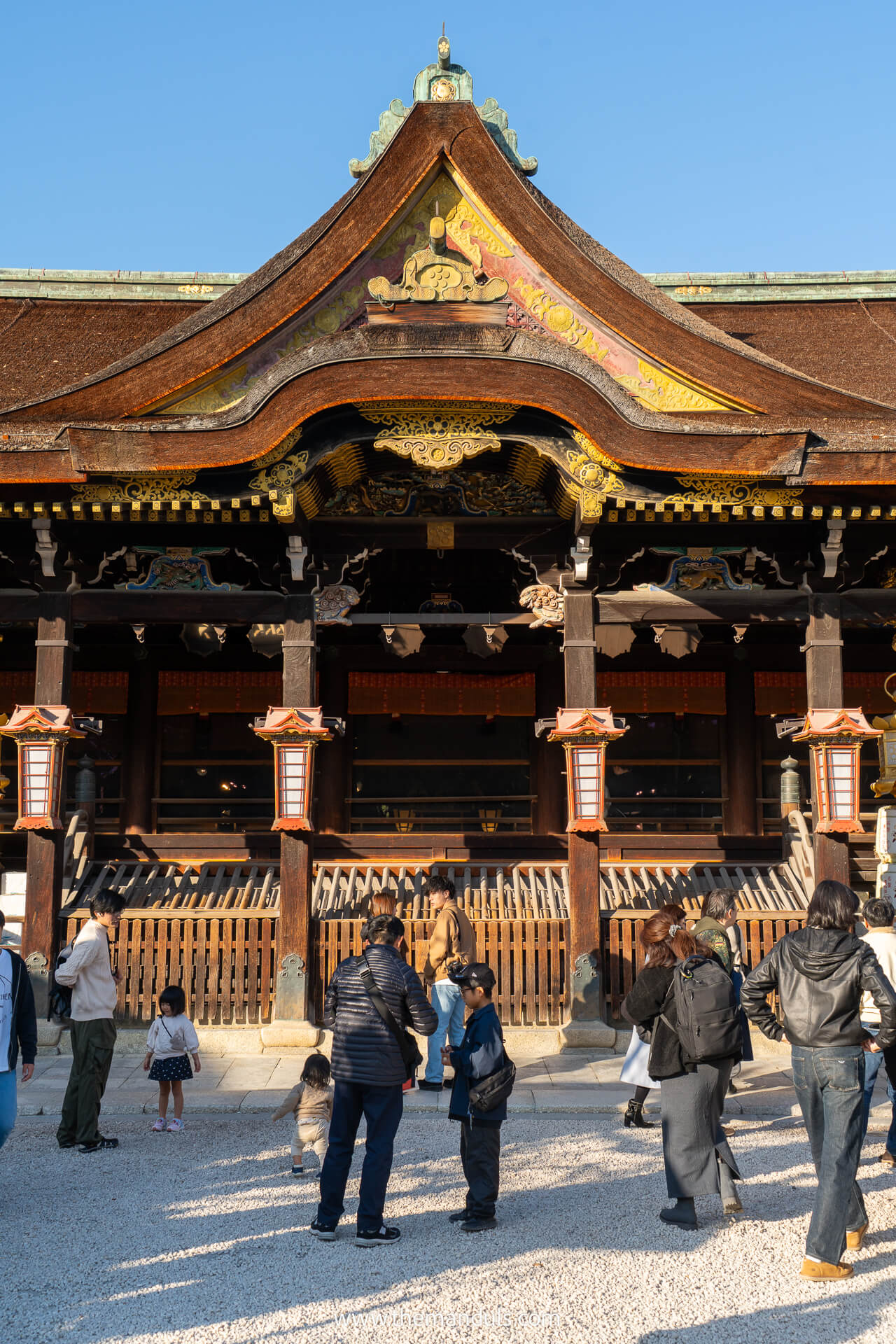
Architecturally, it’s one of the more detailed shrines we saw, with colorful buildings, intricate wooden carvings, and rows of lanterns that make the main courtyard especially appealing.
If you’re visiting in autumn, the maple garden behind the main hall is a real highlight. It’s a separate area that opens seasonally and feels quite different from the front of the shrine. There’s also a plum blossom garden open in spring.
Kitano Tenmangū is also famous for its monthly flea market on the 25th, one of the biggest in Kyoto. If your visit lines up with that date, it’s worth timing your stop for the market alone. Otherwise, 30–45 minutes is plenty to explore the shrine and enjoy the atmosphere.
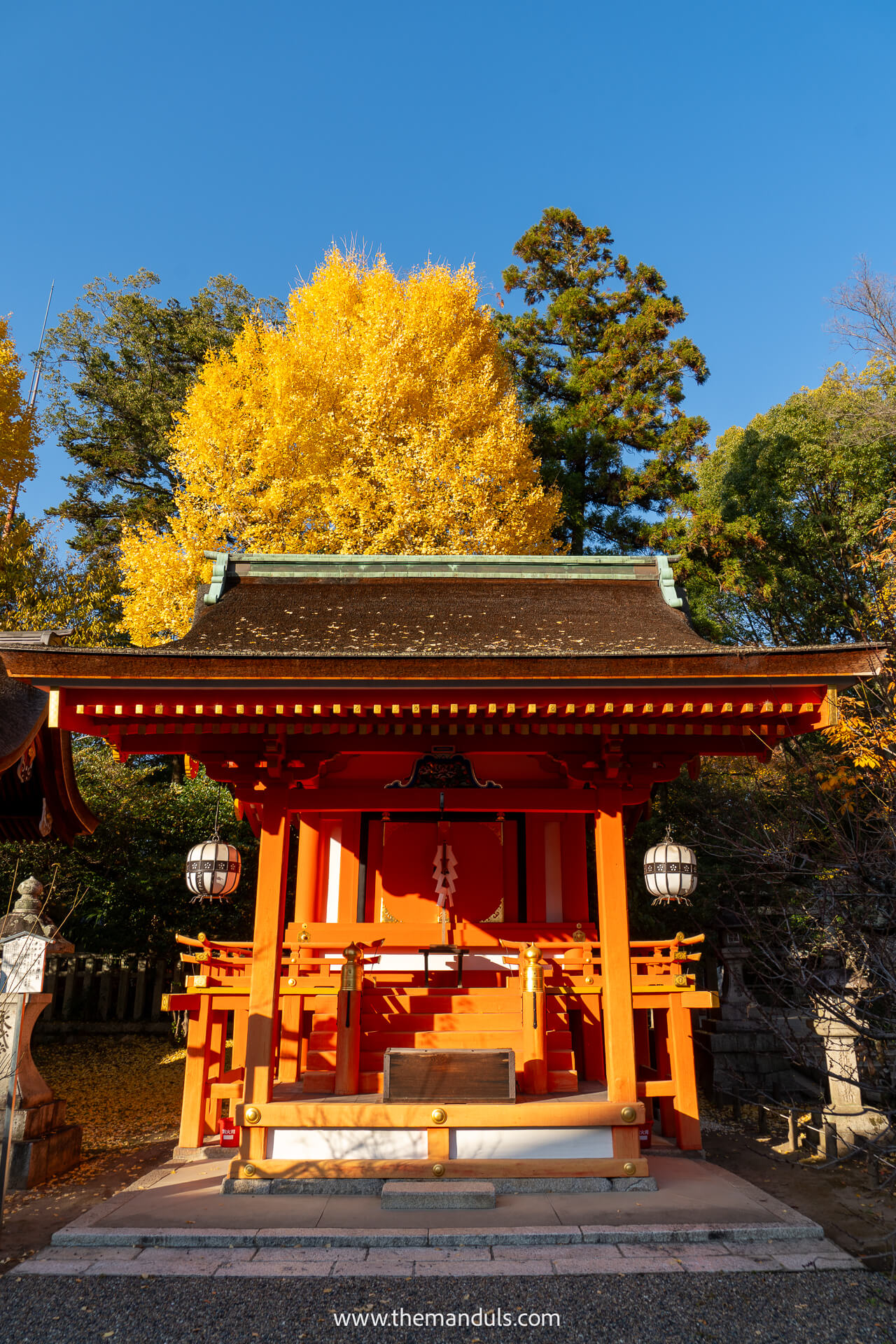
8. Tenryu-ji
Entrance Fee: ¥500 temple, ¥300 garden
Opening hours: 8:30am – 5pm (official website)
Time needed: 45-60 minutes
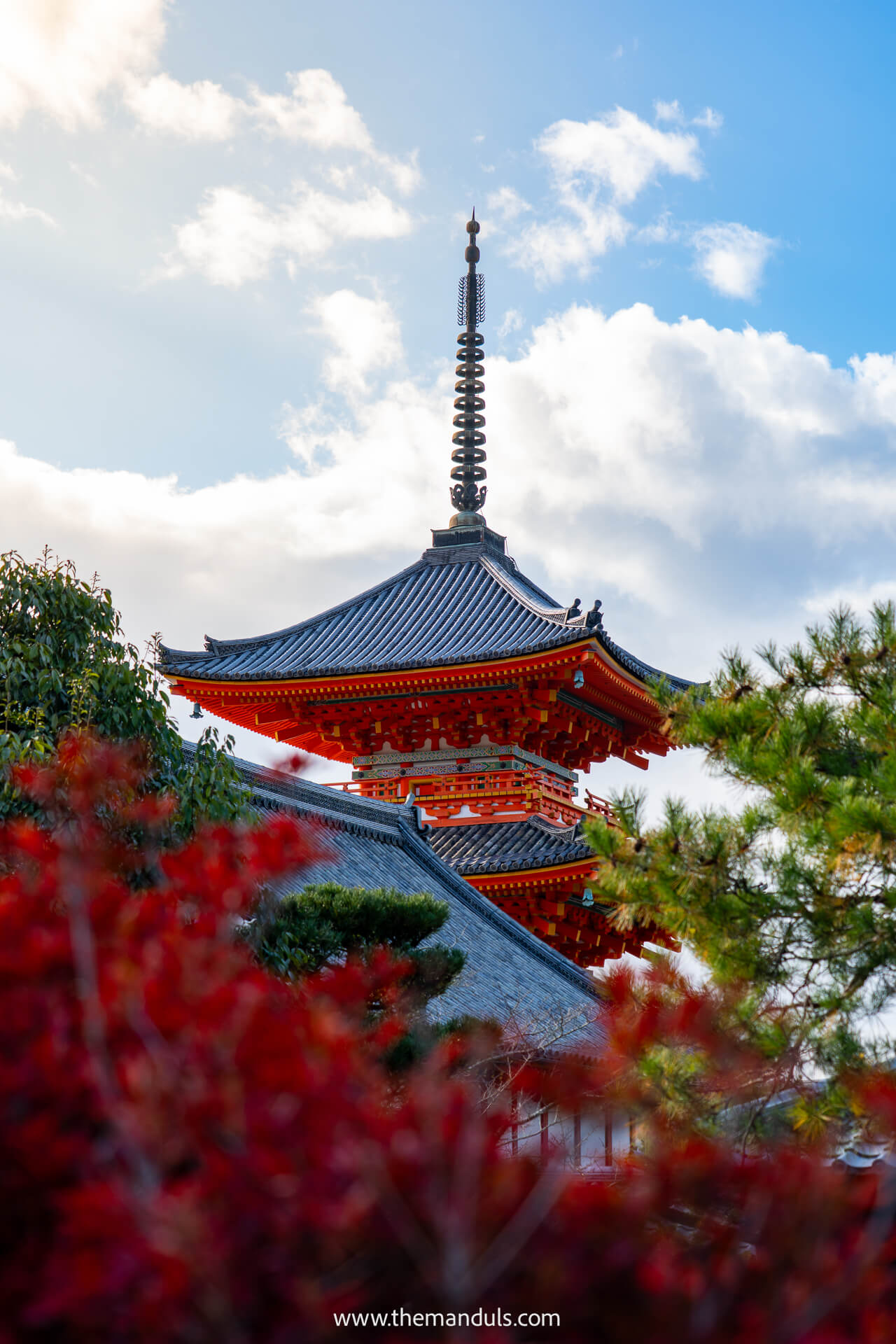
Tenryu-ji is one of the best-known temples in Arashiyama, but what really matters here is knowing where to spend your time. The temple has two separate paid areas — the garden and the temple buildings — and based on our visit, the garden is the real highlight.
We spent most of our time walking the garden paths, stopping by the ponds, and taking in the view of the hills rising behind the temple. In autumn, the reflections in the water add a lot to the atmosphere, even if not every tree is at peak color.
The temple buildings themselves are calm and understated, offering a look at classic Zen architecture and daily temple life. For us, they were interesting but secondary — worth adding if you have extra time, but not essential if you’re trying to prioritize.
If you’re visiting Arashiyama and want one temple that delivers visually, Tenryu-ji’s garden is an easy choice.
9. Hōkan-ji (Yasaka Pagoda)
Entrance Fee: ¥400
Opening hours: 10 am – 3 pm Saturday & Sunday only
Time needed: 10-20 minutes
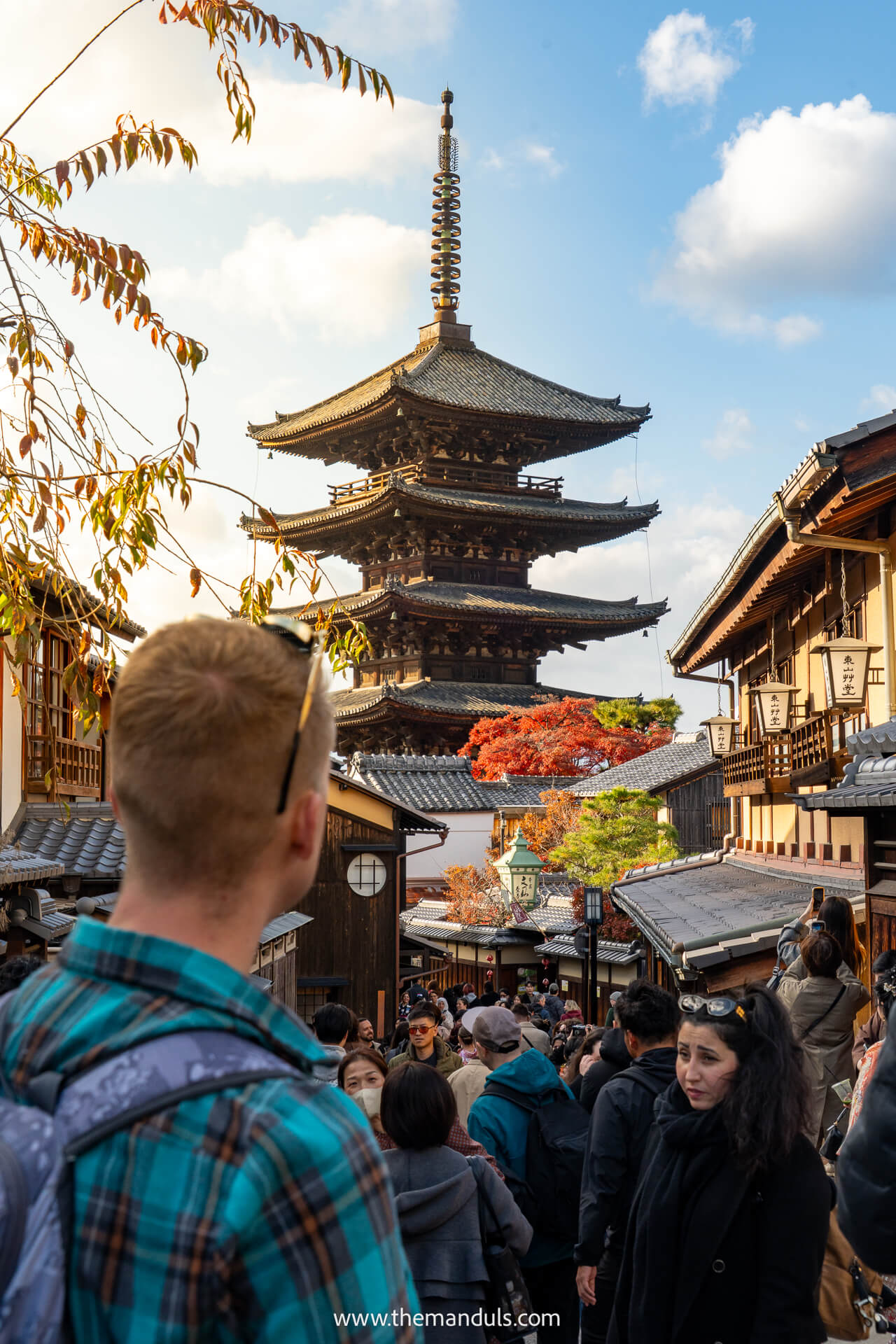
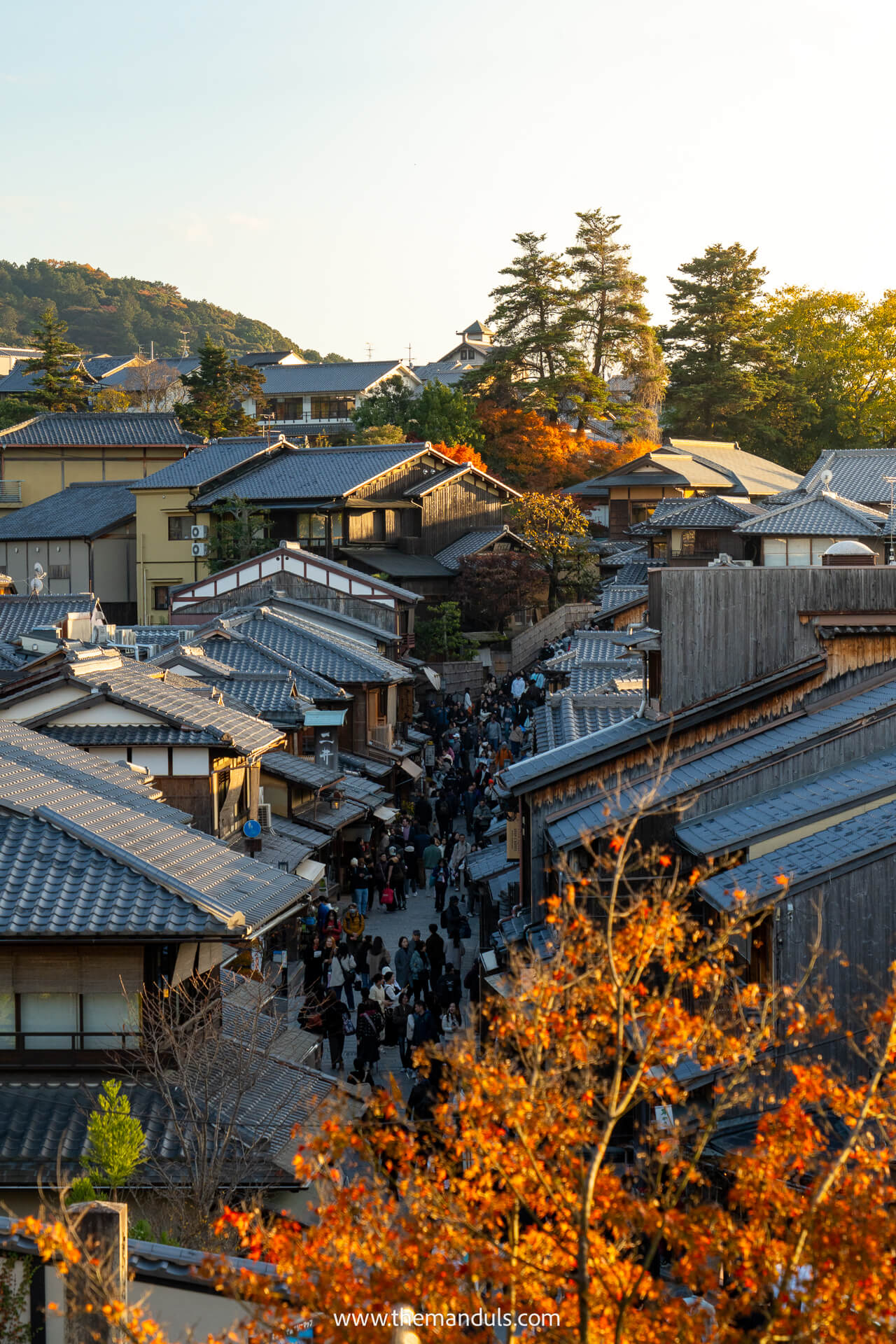
Yasaka Pagoda is one of those landmarks you keep noticing before you even reach it. As we walked through the streets of Higashiyama, it kept popping up between rooftops and wooden houses.
Reaching the classic viewpoint on Sannenzaka made it instantly clear why this spot is so photographed — the pagoda fits perfectly into the surrounding streetscape.

The pagoda belongs to Hōkan-ji Temple and rises five stories high. What we liked most is how naturally it blends into the neighborhood. Built mostly from wood, it doesn’t feel out of place, but rather like a part of the historic area around it.
You can also go inside the pagoda for a small fee, which gives you a closer look and a different perspective compared to just admiring it from the street.
10. Yasaka Shrine
Entrance Fee: free
Opening hours: 24/7
Time needed: 20-40 minutes
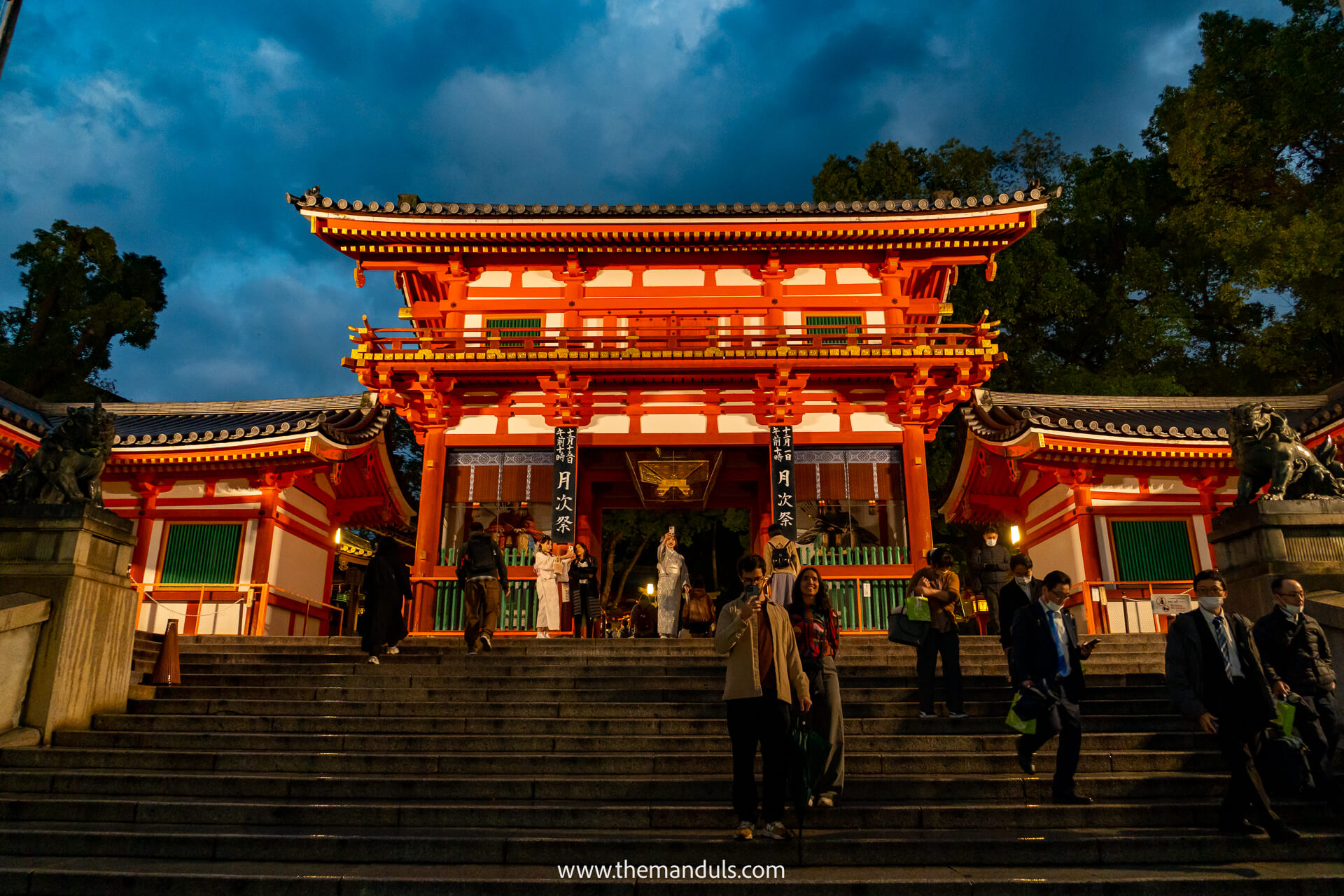
Yasaka Shrine ended up being one of those completely unplanned highlights. We were simply walking into Gion in the evening when we noticed it glowing in the dark, and decided to step inside.
From the street, the bright orange gate and lanterns already catch your eye, but once you pass through the entrance, the atmosphere shifts. At night, the shrine feels calmer. The main hall is large and vividly colored, with hanging lanterns and thick prayer ropes that stand out even more under artificial light.
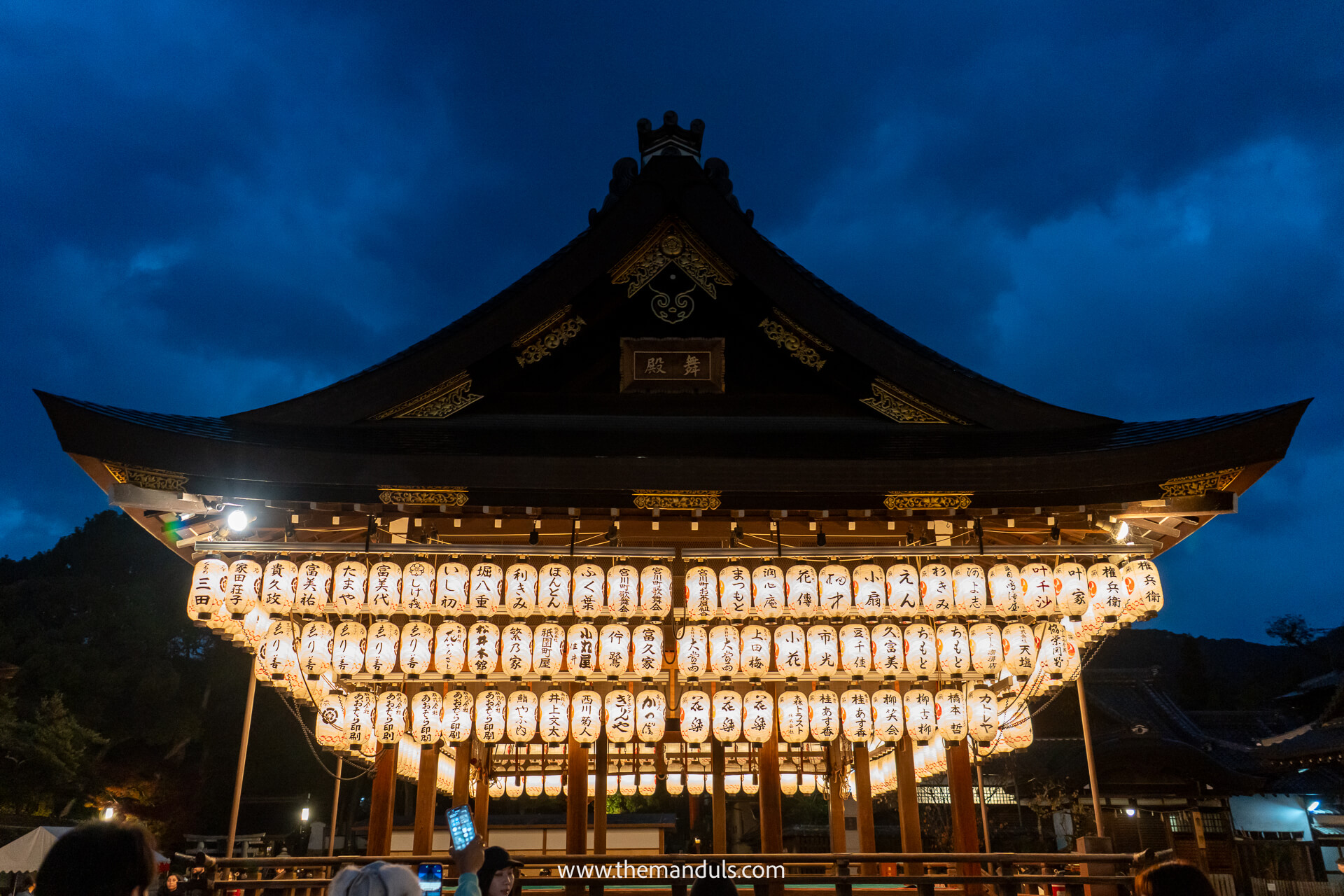
What really surprised us was the energy inside the grounds. Beyond the gate, we came across a small food market and souvenir stalls, which gave the place a lively, almost festival-like feel. It felt very different from a quiet temple visit — more social, more local, and very much alive.
That mix of traditional shrine architecture and evening buzz is what made Yasaka Shrine memorable for us.
11. Tō-ji
Entrance Fee: some part is free, the main temple area is ¥1200
Opening hours: 8am – 5pm
Time needed: 30-45 minutes
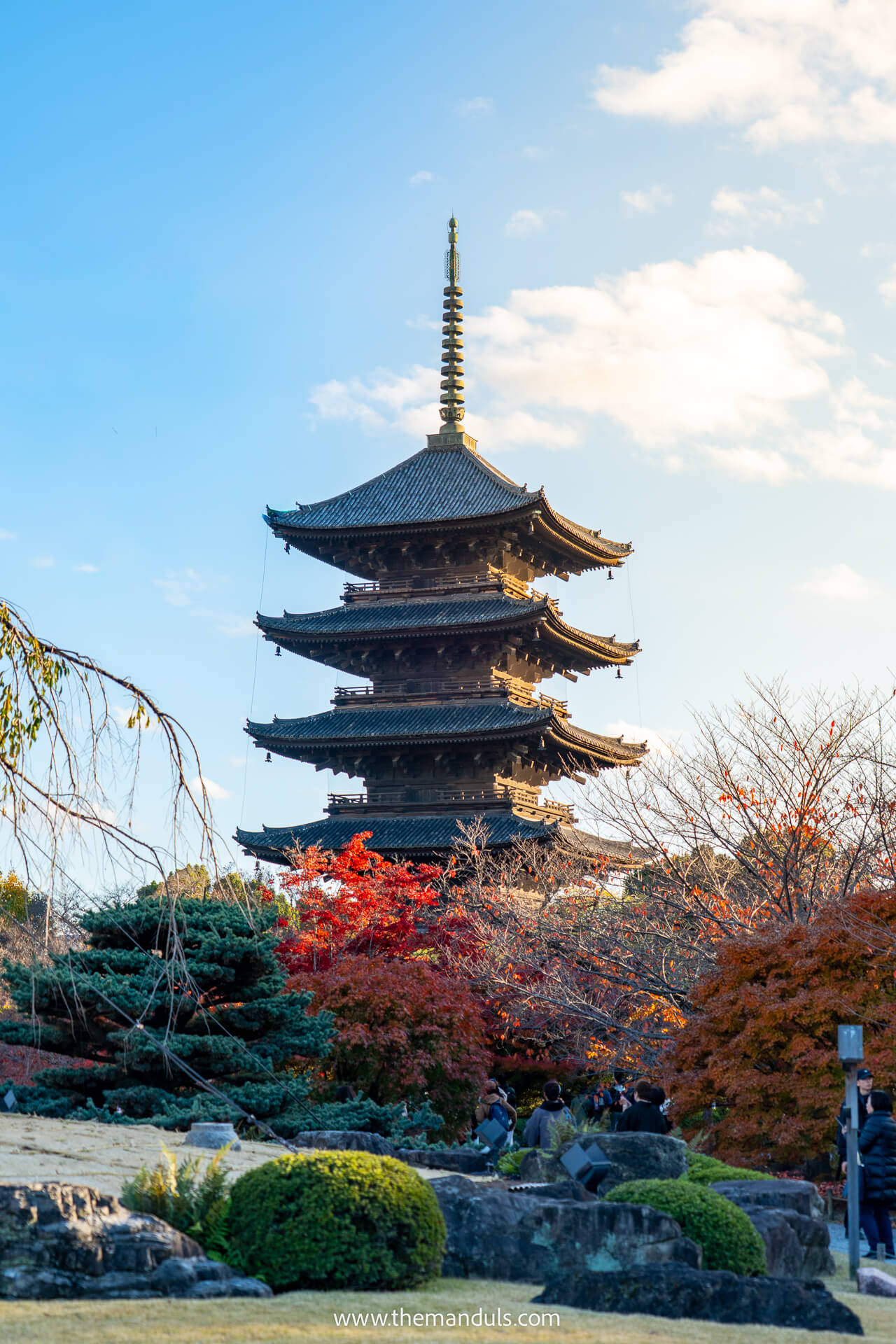
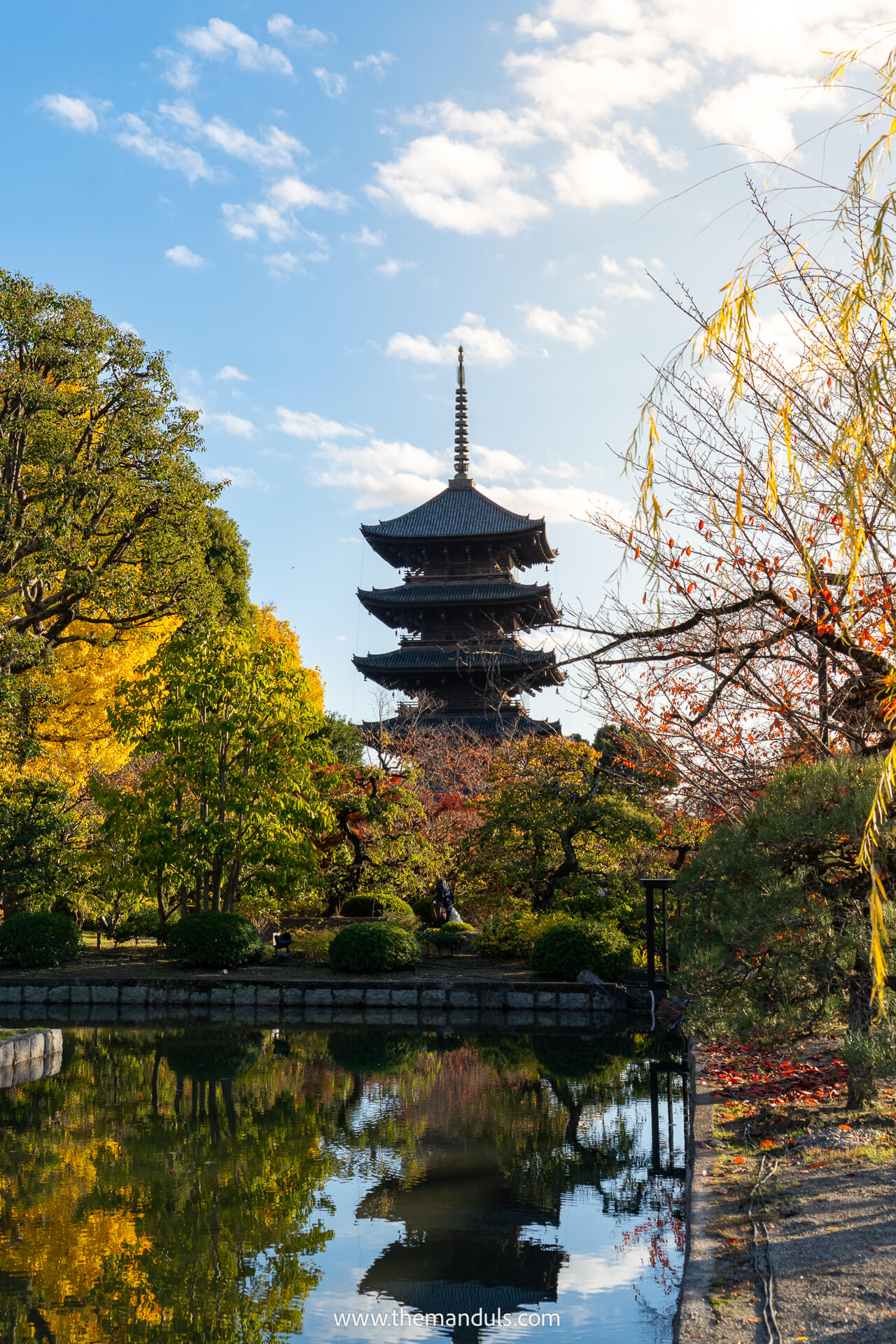
Tō-ji is easy to spot thanks to its five-story pagoda, the tallest wooden pagoda in Japan. What surprised us most was how familiar it felt — it immediately reminded us of Yasaka Pagoda, just on a much larger scale. Even before entering, seeing it rise above the surrounding neighborhood is impressive.
We visited in the afternoon and spent about 20–30 minutes walking around the grounds. Our favorite view was from across the pond, where the pagoda reflects beautifully in the water — easily the best photo spot here.

If you’re visiting in autumn, it’s worth checking the night illumination dates. Seeing the pagoda lit up after dark gives the temple a completely different feel and makes it especially striking in the evening.
Another reason To-ji stands out is its monthly flea market on the 21st of each month. It’s one of the biggest in Kyoto, with antiques, ceramics, clothes, handmade items, and plenty of food stalls.
Where to stay in Kyoto
Where you stay in Kyoto has a big impact on how your trip feels. Long distances and crowded transport can quickly eat into your day, while the right location makes it easier to explore at your own pace and slow down in the evenings.
If you’re still weighing your options, our full guide on where to stay in Kyoto breaks down the best neighborhoods, with hand-picked hotel recommendations to match different travel styles.
Here are the ones we’d happily book again:
⭐️⭐️⭐️ Cross Hotel Kyoto (our top pick)
Cross Hotel Kyoto is a great choice if you want to stay central. It’s tucked into a quieter part of downtown near the Kamogawa River, but you can still walk to Gion, Kawaramachi, and plenty of restaurants and shops.
Rooms are well sized for Kyoto, with enough space for luggage and a layout that’s comfortable after long days out. It’s the kind of hotel that makes daily sightseeing easier and evenings more relaxed — exactly what we look for when returning to Kyoto.
⭐️ Best for: Travelers who want a calm but very walkable base
👉 See prices & availability →
⭐️⭐️ The Thousand Kyoto
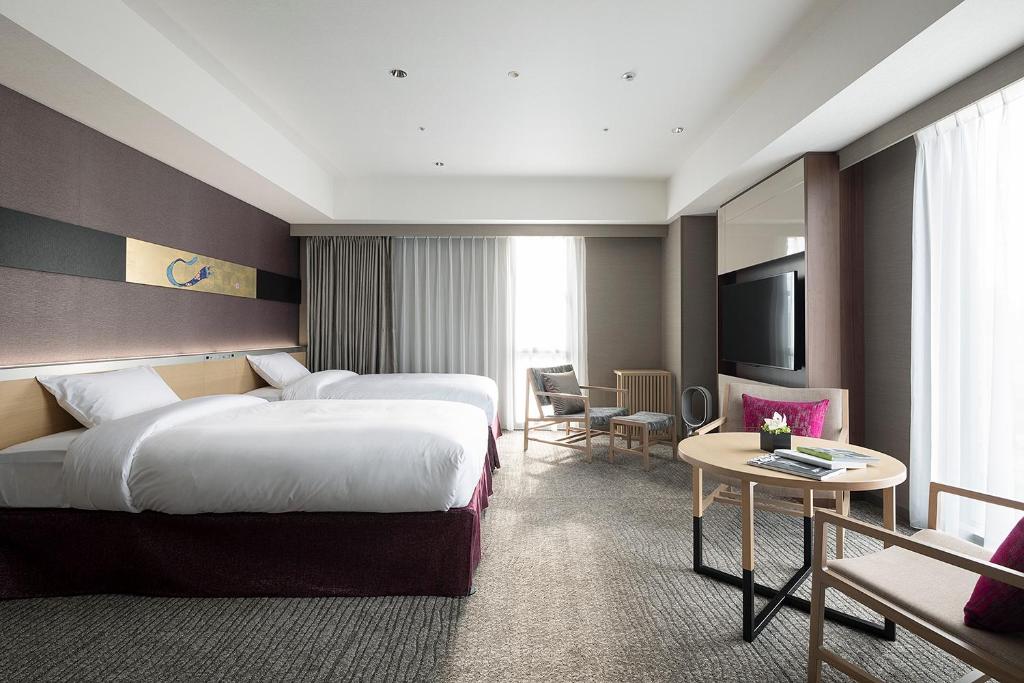
The Thousand Kyoto is all about easy logistics with a touch of comfort. Being right next to Kyoto Station makes arrivals, departures, and day trips incredibly straightforward, especially if you’re moving around a lot.
Inside, the hotel feels noticeably quieter than the area outside. Rooms are larger than average, the beds are comfortable, and breakfast is a real highlight. It’s the hotel we’d choose when we want everything to run smoothly, without sacrificing comfort at the end of the day.
⭐️ Best for: Travelers who want modern comfort with direct access to transport
👉 Compare prices →
⭐️ Guesthouse Soi
Guesthouse Soi works well if you want to stay right in Higashiyama without paying hotel prices. It’s close to Kiyomizu-dera and surrounded by traditional streets, which makes early mornings and evening walks especially enjoyable.
The rooms are simple and clean, and the atmosphere is quiet and relaxed. It’s not about amenities here — it’s about location and value. A solid choice if you plan to spend most of your time out exploring.
⭐️ Best for: Budget travelers who want to stay in Kyoto’s historic walking area
👉 See availability →
Quick Tips & Temple Etiquette
- Go early when you can. Early mornings are calmer, cooler, and better for photos—especially at popular temples.
- Dress modestly. Covered shoulders and knees are appreciated, particularly inside halls.
- Shoes off means shoes off. If you see racks or signs, remove footwear before entering buildings.
- Follow photo rules. Outdoor photos are usually fine; no photography inside halls is common. Look for signs.
- Keep voices low. Temples are active religious sites, not just attractions.
- Cash helps. Small entrance fees, charms, and offerings often require cash.
- Strollers & accessibility. Many sites have stairs or gravel; expect to park strollers outside some areas.
Best time to visit
Whenever we managed to get to a temple early, the visit felt calmer, smoother, and far more enjoyable. Paths were easier to walk, photos were less stressful, and we actually had space to slow down and look around.
Early morning consistently worked best for us.
At places like Kiyomizu-dera and Fushimi Inari, arriving early meant noticeably fewer people, especially before tour buses started showing up.
Season-wise:
- Autumn: Visually the best, but also the busiest. Early starts mattered the most here.
- Spring: Similar story with cherry blossoms—stunning, but timing is everything.
- Summer: Fewer visitors, but the heat makes midday sightseeing uncomfortable.
- Winter: Much quieter and slower-paced, though colder and with shorter days.
Final Thoughts
Kyoto’s temples are incredibly varied, and that’s what makes exploring them so rewarding. Some stand out for their views, others for their gardens, atmosphere, or sheer scale — and not every famous temple delivers the same kind of experience.
Based on our time in Kyoto, a mix of big, iconic temples and quieter, more local spots made the experience feel balanced and memorable.
If you’re planning your own trip, focus on quality over quantity, group temples by area, and give yourself enough time to actually enjoy each place.