
This article contains affiliate links. Learn more in our affiliate disclosure.
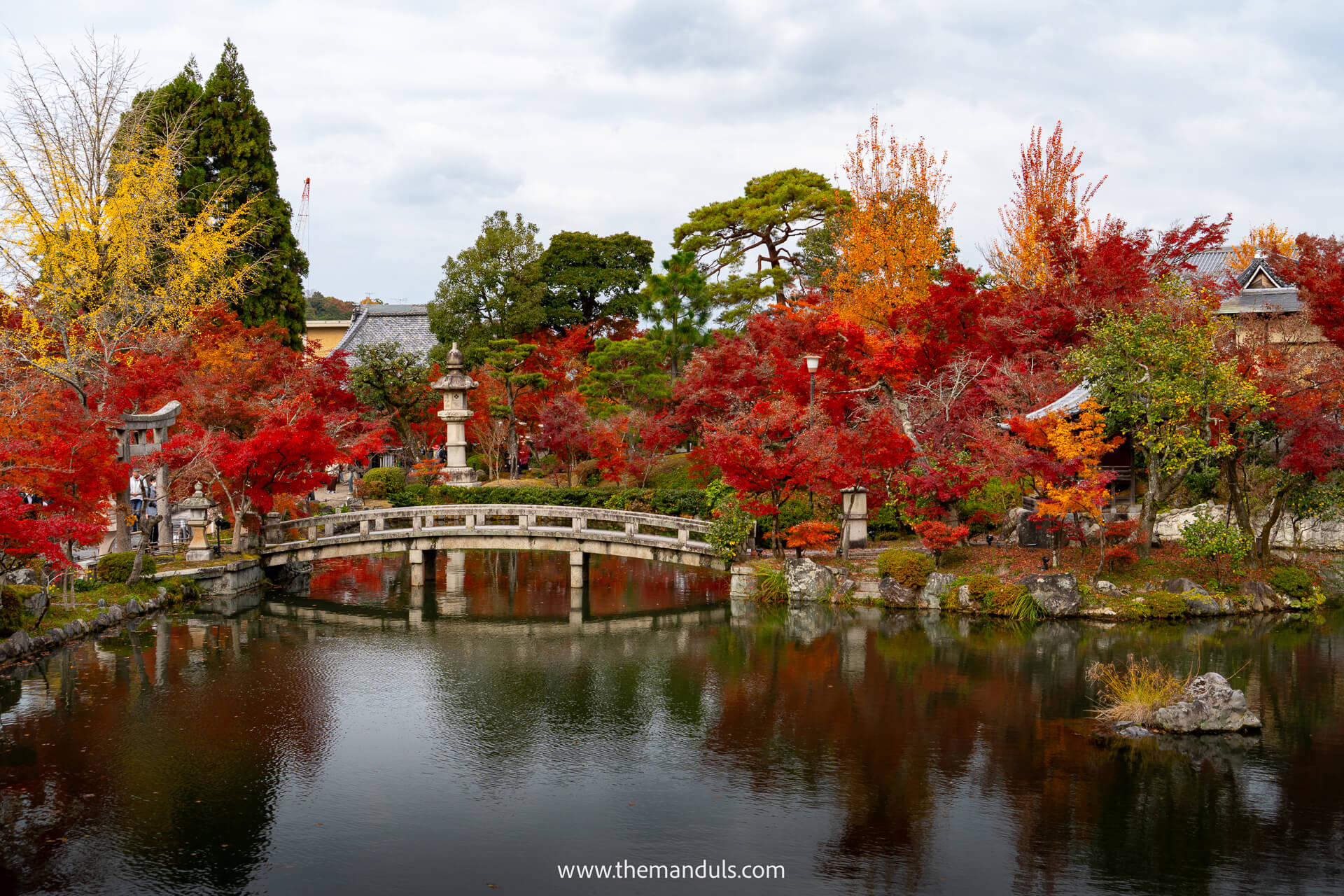
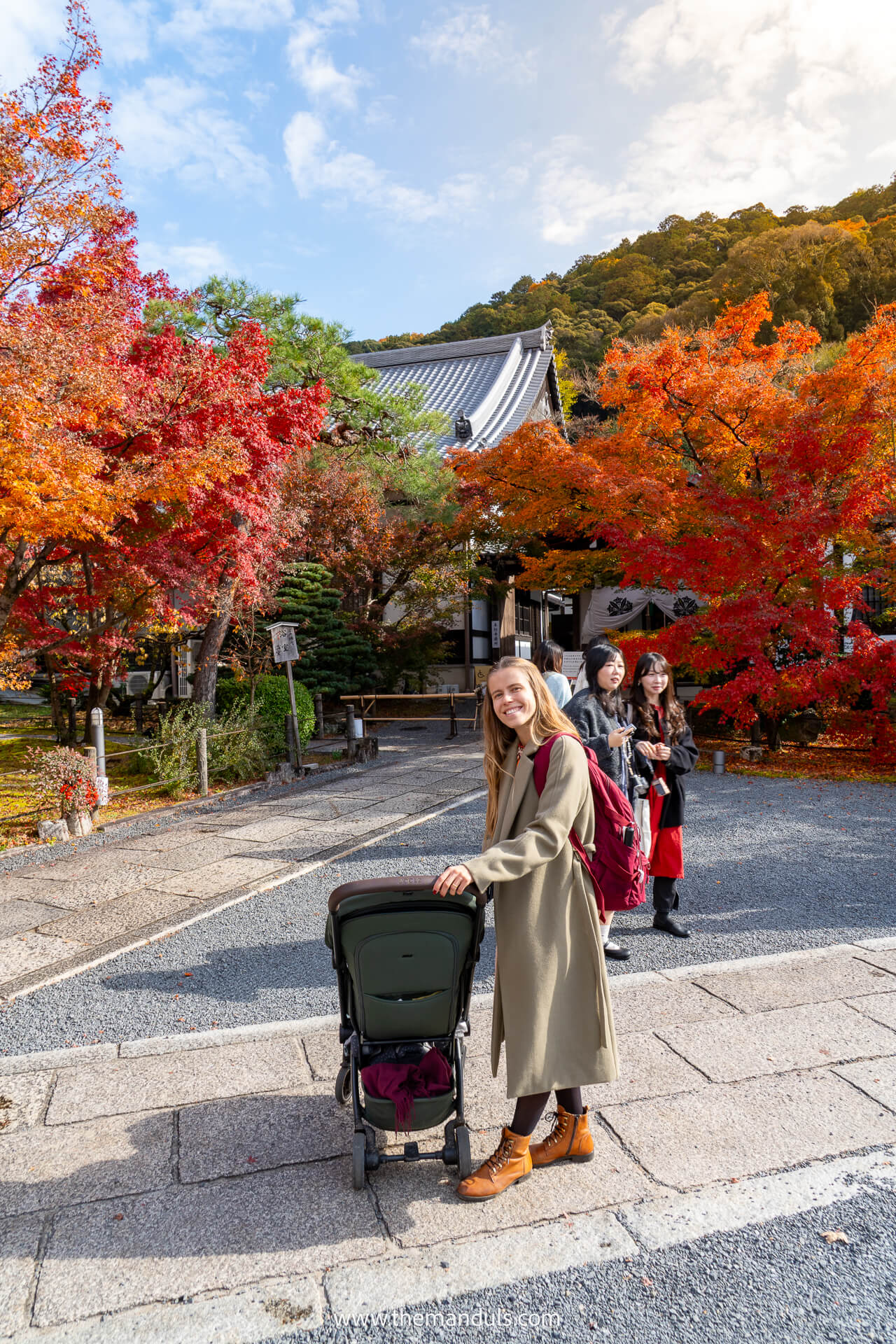
Eikando Temple was one of the biggest surprises of our Kyoto trip. We had it saved as a “nice-to-see-if-we-have-time” stop, but after visiting during peak autumn foliage, it ended up becoming one of our favorite temples in Kyoto.
If you’re trying to decide whether Eikando is worth visiting, especially during the busy autumn season, you’re in the right place.
We visited at around 10:30 AM during peak foliage, queued for tickets, explored the temple interiors and gardens, climbed up to the pagoda viewpoint, and saw firsthand how the crowds actually felt once inside.
In this guide, we’ll cover what makes Eikando worth visiting, what to see, how much time you need, current tickets and opening hours, daytime vs night illumination, how to get there, and the best time to plan your visit.
Key Highlights
📍Location: Eastern Kyoto, near Nanzen-ji and the Philosopher’s Path
🍁 Best time to visit: Autumn, especially around peak foliage in November
💰 Entrance fee: ¥1,000 (¥1,500 during autumn)
🕥 Opening hours: 9:00 AM–5:00 PM (last admission at 4:00 PM)
🚌 How to get there: 15-minute walk from Keage Station or by city bus
🌐 Official website: eikando.or.jp
Is Eikando Temple Worth Visiting?
Yes — we think Eikando is absolutely worth visiting, especially if you’re traveling to Kyoto in autumn or already exploring nearby Nanzen-ji and the Philosopher’s Path.
What made it stand out for us was the variety. Instead of feeling like a quick temple stop, the route takes you through temple halls, gardens, ponds, hillside paths, and up to a pagoda overlooking Kyoto.
There was always something different around the next corner, which is a big reason we enjoyed it so much.
If you only have one day in Kyoto, we’d still prioritize the city’s absolute essentials first. But with two or more days, Eikando is easily one of the temples we’d make room for — particularly in autumn.
In a hurry?
These are our top hotels in Kyoto we’d book again
⭐️⭐️⭐️ Cross Hotel Kyoto (our top pick) – A modern mid-range stay in a central part of downtown. Comfortable rooms, great design, and an easy base for exploring.
👉 See prices & availability →
⭐️⭐️ The Thousand Kyoto – A luxury hotel with spacious, minimalist rooms and an excellent breakfast. Its location makes getting around the city incredibly easy.
👉 See prices &availability →
⭐️ Guesthouse Soi – A simple and budget-friendly guesthouse near Kiyomizu-dera with clean rooms and a genuinely warm, helpful atmosphere.
👉 See prices & availability
Eikando in Autumn 2026
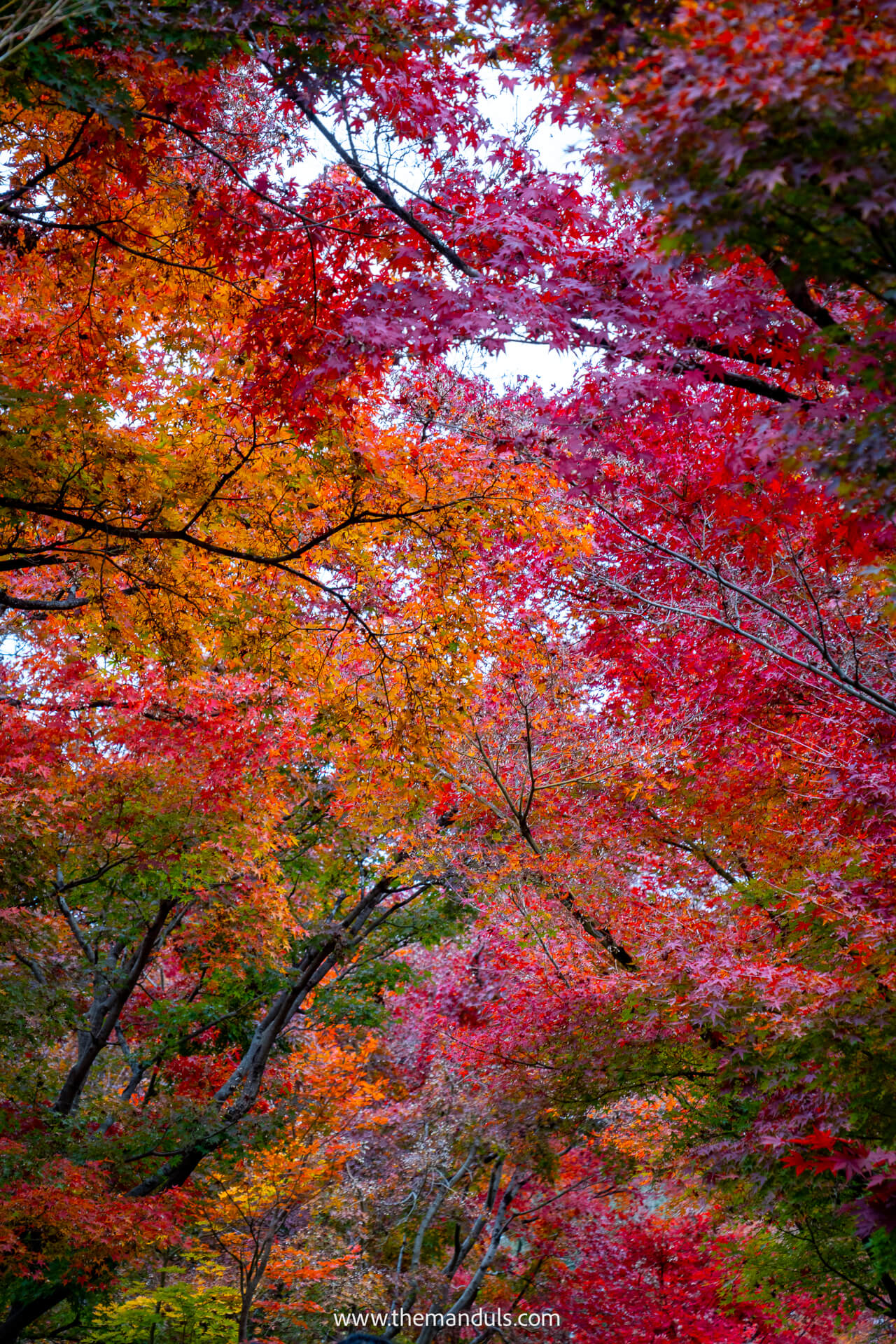
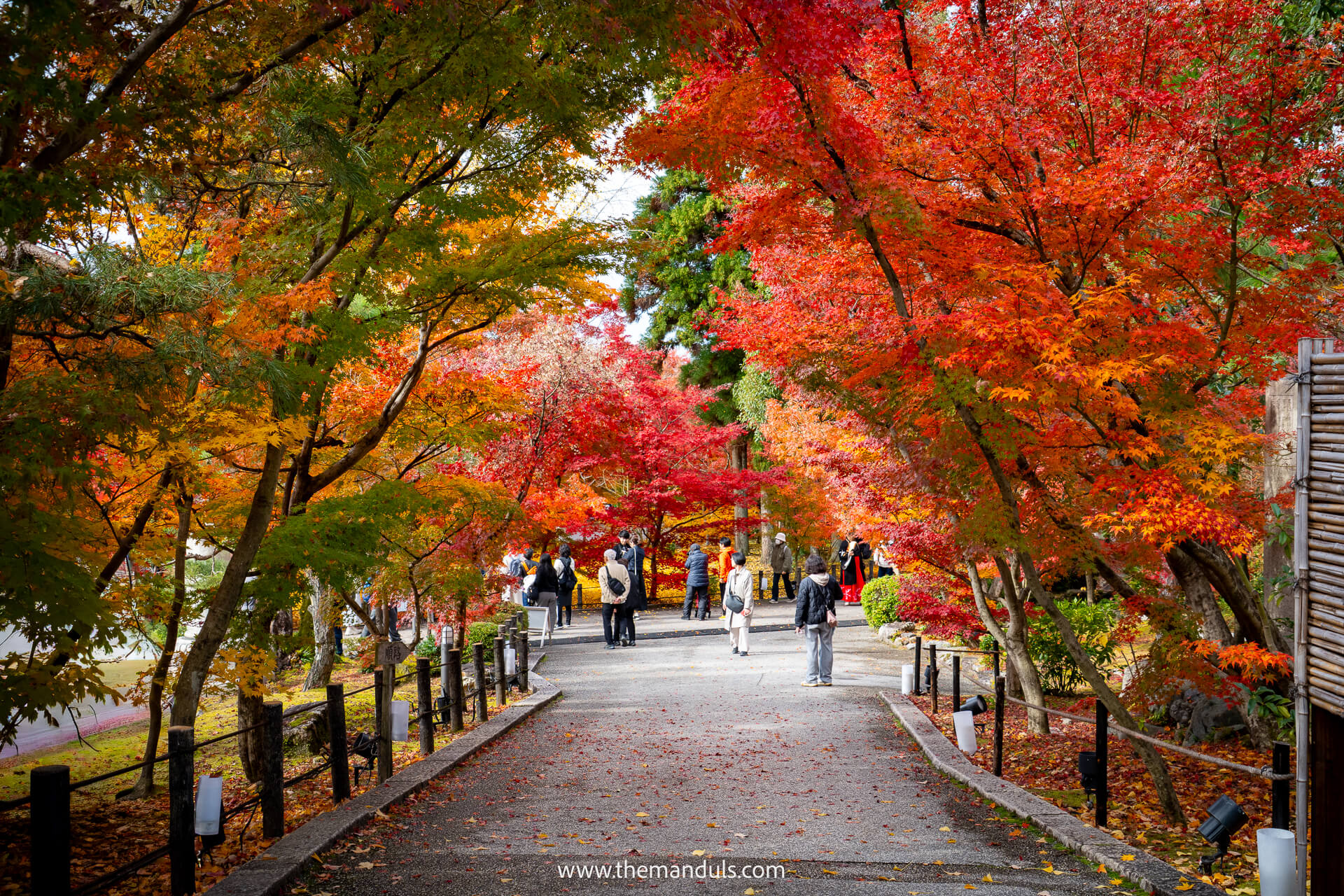
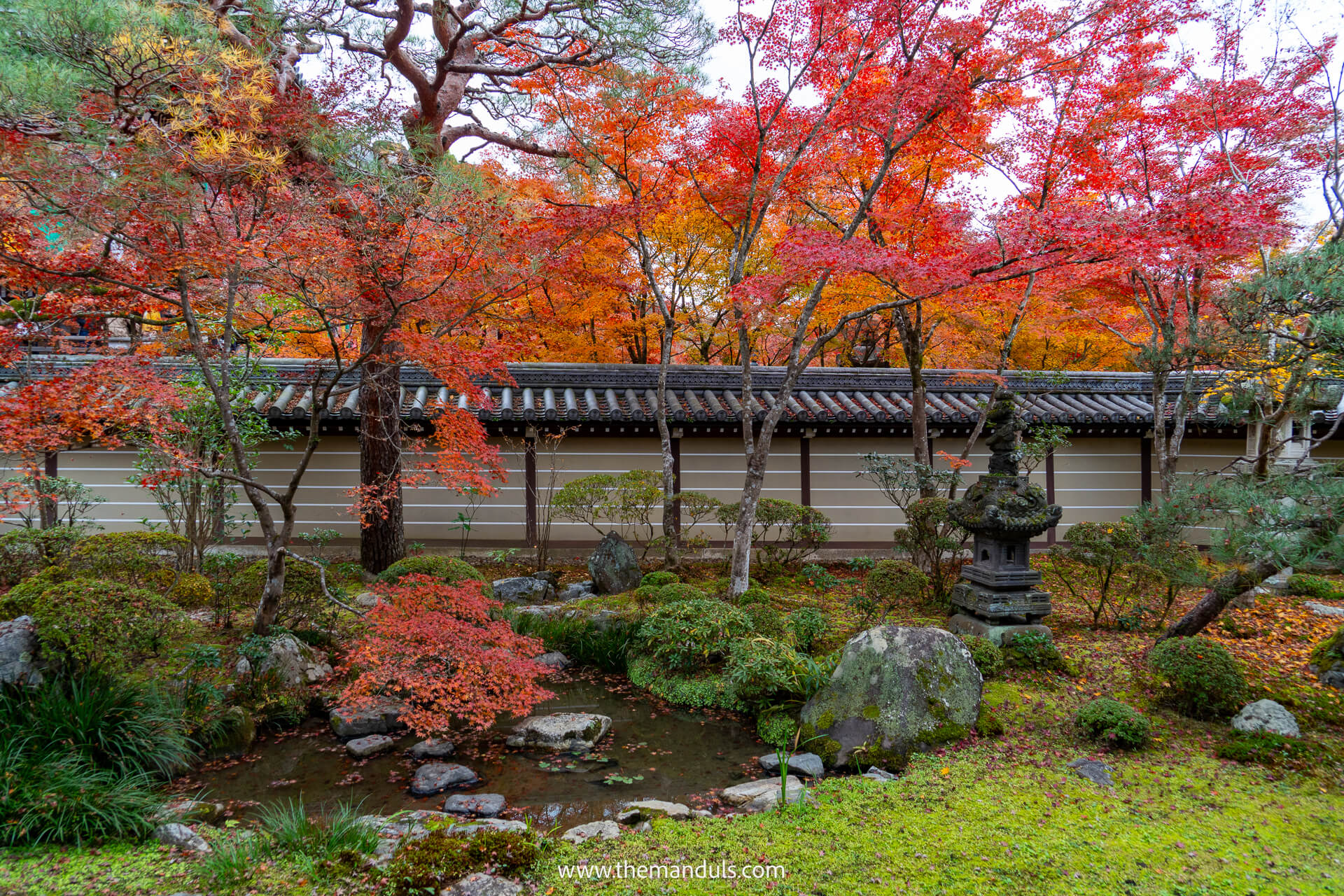
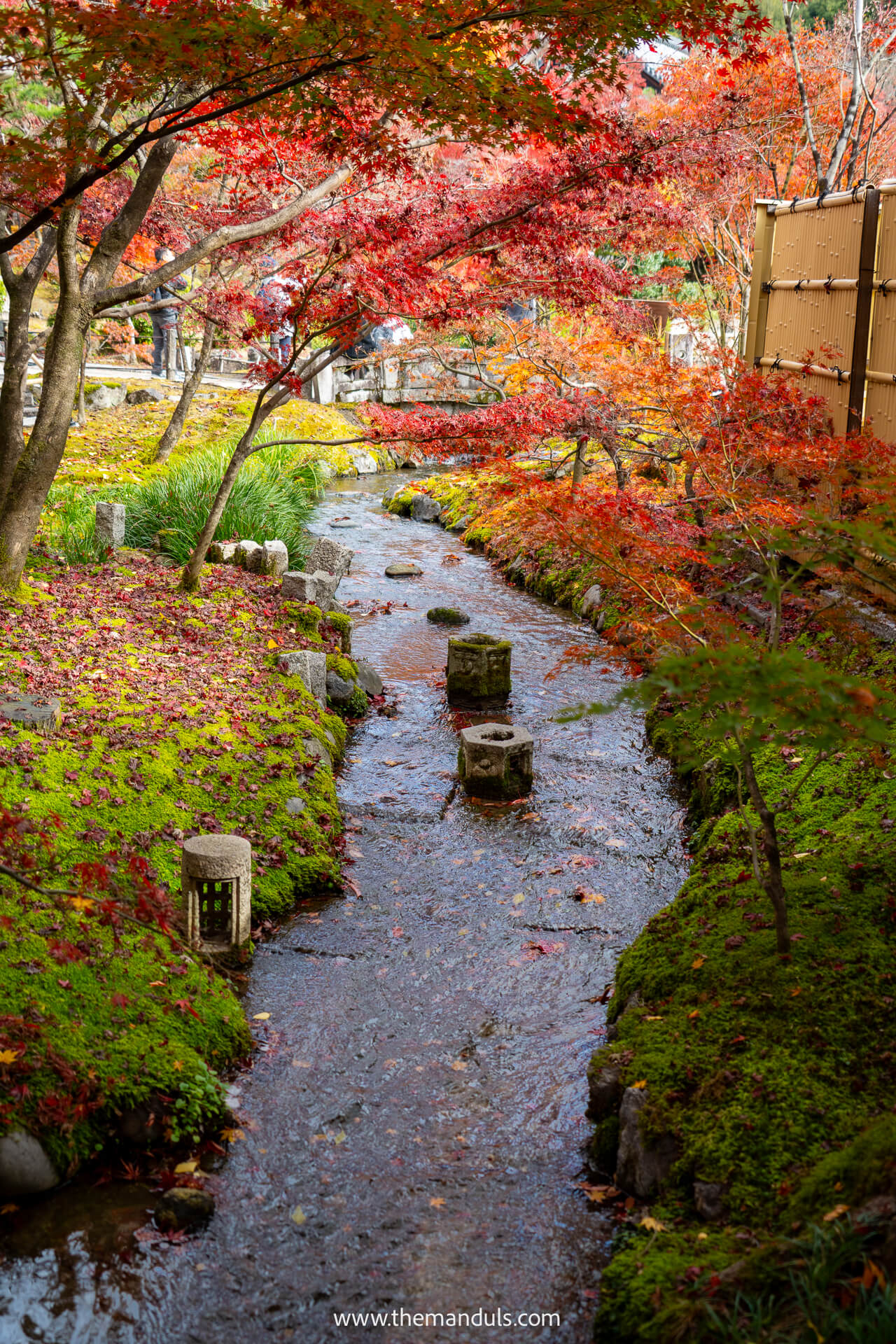
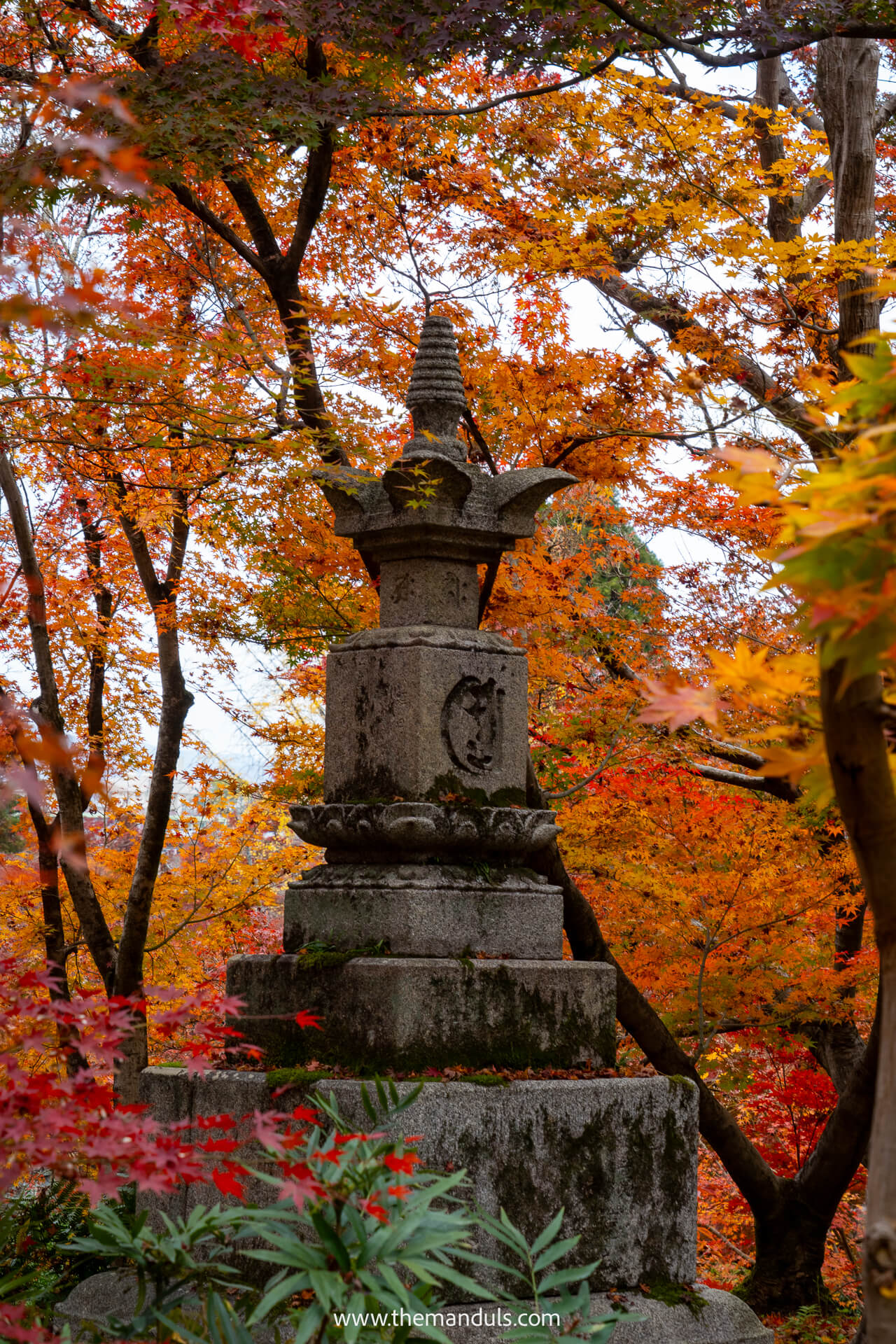
Autumn is when Eikando really stands out. The temple is so closely associated with its fall colors that it has long been known as “Eikando of the Maple Leaves,” with maples filling the gardens around Hojo Pond and the hillside below the pagoda.
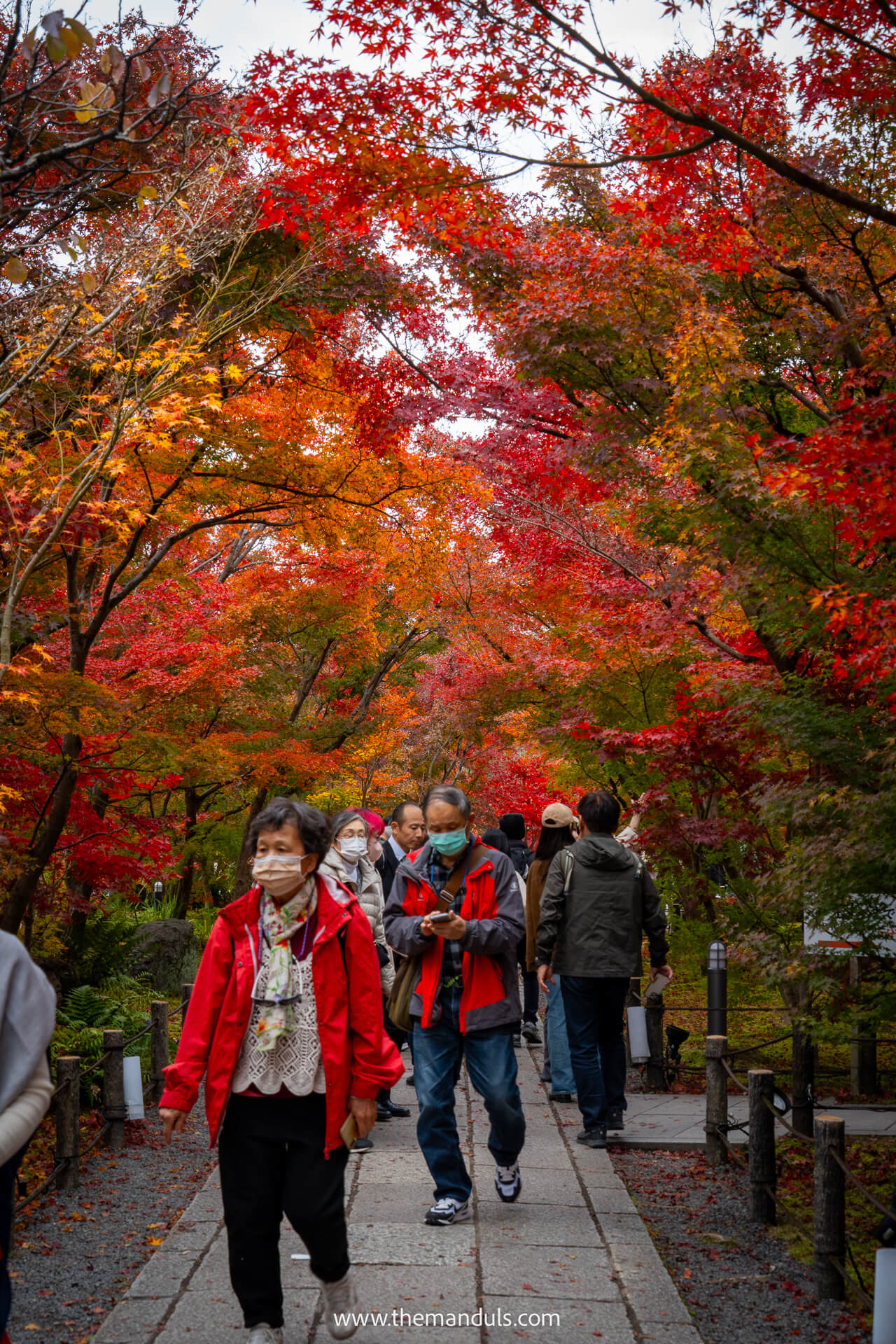
We visited during peak autumn foliage in 2025. What surprised us was how much the crowds spread out once we entered — the grounds are large enough that it rarely felt uncomfortably packed as we moved between the gardens, temple halls and pagoda.
For 2026, Eikando has again confirmed both its daytime autumn exhibition and evening illumination. They are separate experiences with different access and tickets, so choosing between them is one of the most important things to understand before planning your visit.
Daytime vs Night Illumination – Which Should You Choose?
If you only have time for one, we’d choose the daytime visit, especially if it’s your first time at Eikando. This is when you can properly explore the temple interiors, gardens, Hojo Pond and the hillside route up toward the pagoda — which were some of our favorite parts of the visit.
The night illumination is more about seeing the autumn maples and gardens after dark. Access is more limited, with only Amida-do and the garden open during the evening session, so we’d see it as a different experience rather than a replacement for the daytime visit.
One important thing to know is that you cannot simply stay inside from the daytime visit until the illumination begins. Everyone has to leave before the daytime closing, and the night illumination requires separate admission.
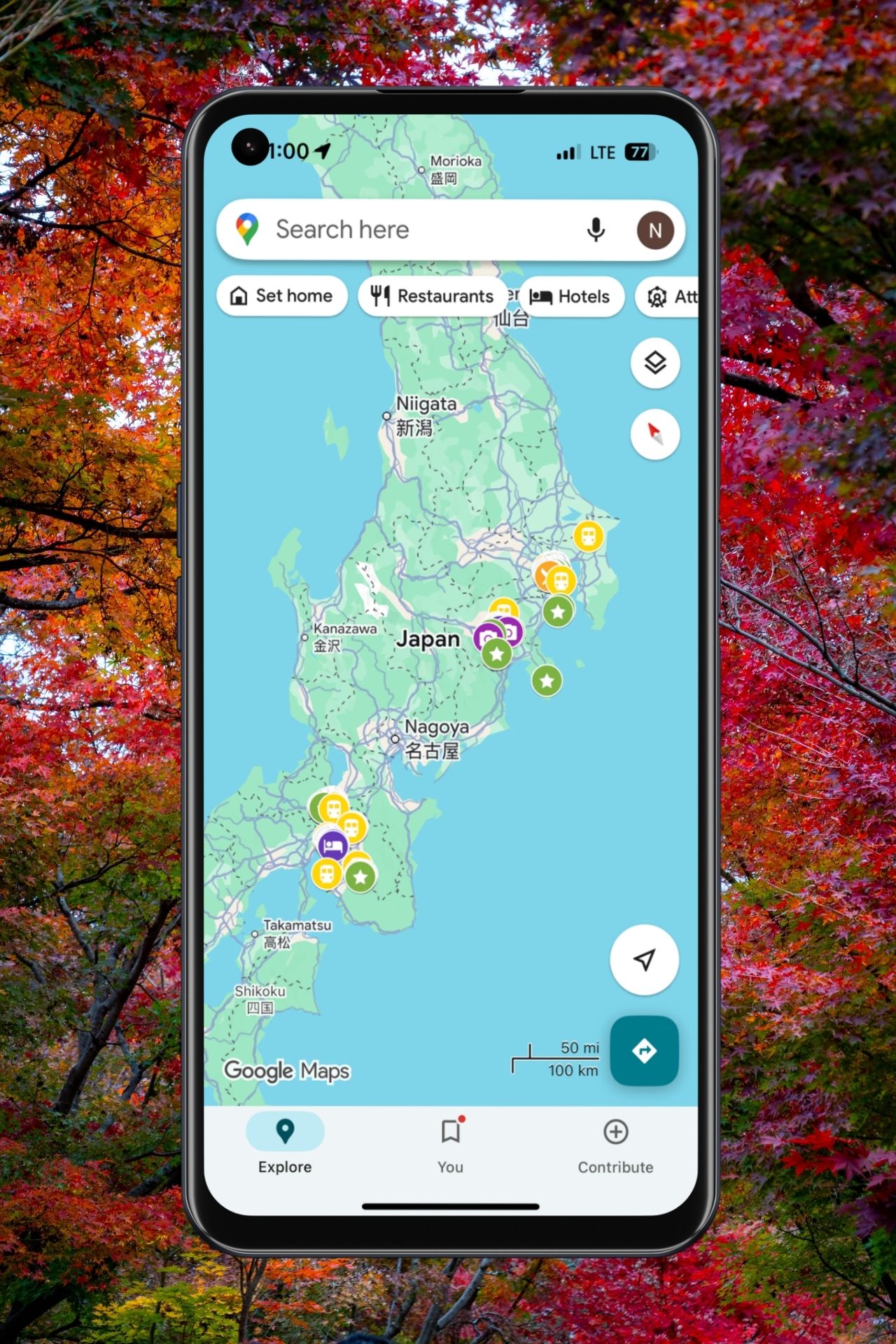
Our Japan Google Maps
Built from our real trips across Japan — only places we actually visited and loved.
No tourist traps. No random saves. Just a ready-to-use map that saves you hours of research.
219 handpicked spots, including:
📍 Highlights & hidden gems
🍜 Restaurants we’d go back to
🏨 Areas & hotels we’d book again
🗺️ Stops that fit into real, logical itineraries
Tickets, Entrance Fees & Opening Hours
Eikando is open throughout the year, but entrance fees and hours change during the autumn season.
| Visit | Dates | Admission | Hours |
|---|---|---|---|
| Regular visit | Outside the autumn exhibition | ¥1,000 adults | 9:00 AM–5:00 PM |
| Autumn exhibition | November 11–December 6, 2026 | ¥1,500 adults | 9:00 AM–5:00 PM |
| Night illumination | November 20–December 6, 2026 | ¥1,000 | 5:30 PM–9:00 PM |
For regular and daytime autumn visits, last admission is at 4:00 PM. For the night illumination, reception closes at 8:30 PM.
University students pay ¥800 during regular admission and ¥1,000 during the autumn exhibition. Junior and senior high school students pay ¥600 normally and ¥800 during autumn, while elementary school admission is ¥200 during regular periods.
Prices and dates checked in September 2026. Autumn arrangements can change depending on crowd levels, so we recommend checking the official Eikando website shortly before your visit.
Check the official website for the most recent entrance fee and opening hours.
What to See at Eikando Temple
One of the things we loved about Eikando was that you don’t simply walk around separate buildings. Much of the visit follows a one-way route through the temple, taking you between prayer halls, wooden corridors, stairs, and outdoor sections before eventually bringing you back into the gardens.
We left our stroller at the entrance, took off our shoes, and carried them with us in a plastic bag while going through the indoor part.
We liked how much the route kept changing – from galleries and prayer halls to wooden corridors and views from above.
Mikaeri Amida
The Mikaeri Amida, or “Amida Looking Back,” is probably the most important thing to look out for inside Eikando. Unlike most Buddha statues, this one has its head turned over its shoulder.
According to the temple, the pose comes from a story about the monk Eikan, who saw Amida walking ahead of him during prayer before turning back toward him.
It’s quite easy to walk past important statues in Kyoto without knowing what you’re looking at, so this is one worth knowing about before you go.
Tahoto Pagoda
The route also gives you an option to go higher up the hillside toward Tahoto Pagoda. There are quite a few stairs, but for us this was easily worth doing.
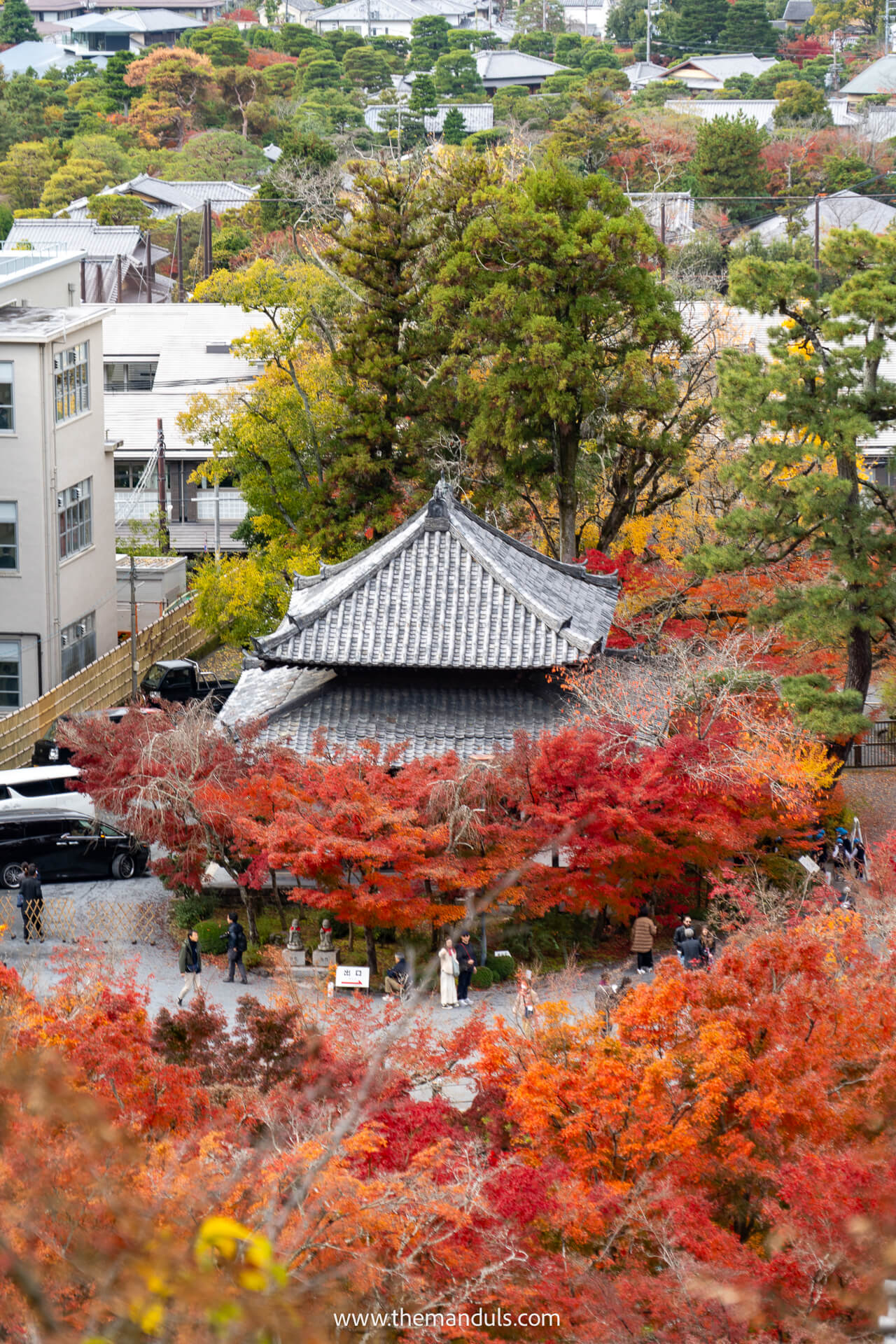
For us, the real highlight wasn’t the pagoda itself — it was the view over Eikando and Kyoto from above. During autumn, you also get a completely different perspective over all the colorful trees covering the temple grounds.
Garyuro Corridor
Another part that makes the route through Eikando so different is the Garyuro Corridor, a covered wooden passage built along the slope of the hill.
Miei-do Hall
Near the end of the one-way route, we entered Miei-do Hall, the largest building at Eikando.
This was the huge hall we remembered being filled with statues and religious objects. Photography wasn’t allowed inside.
Hojo Pond
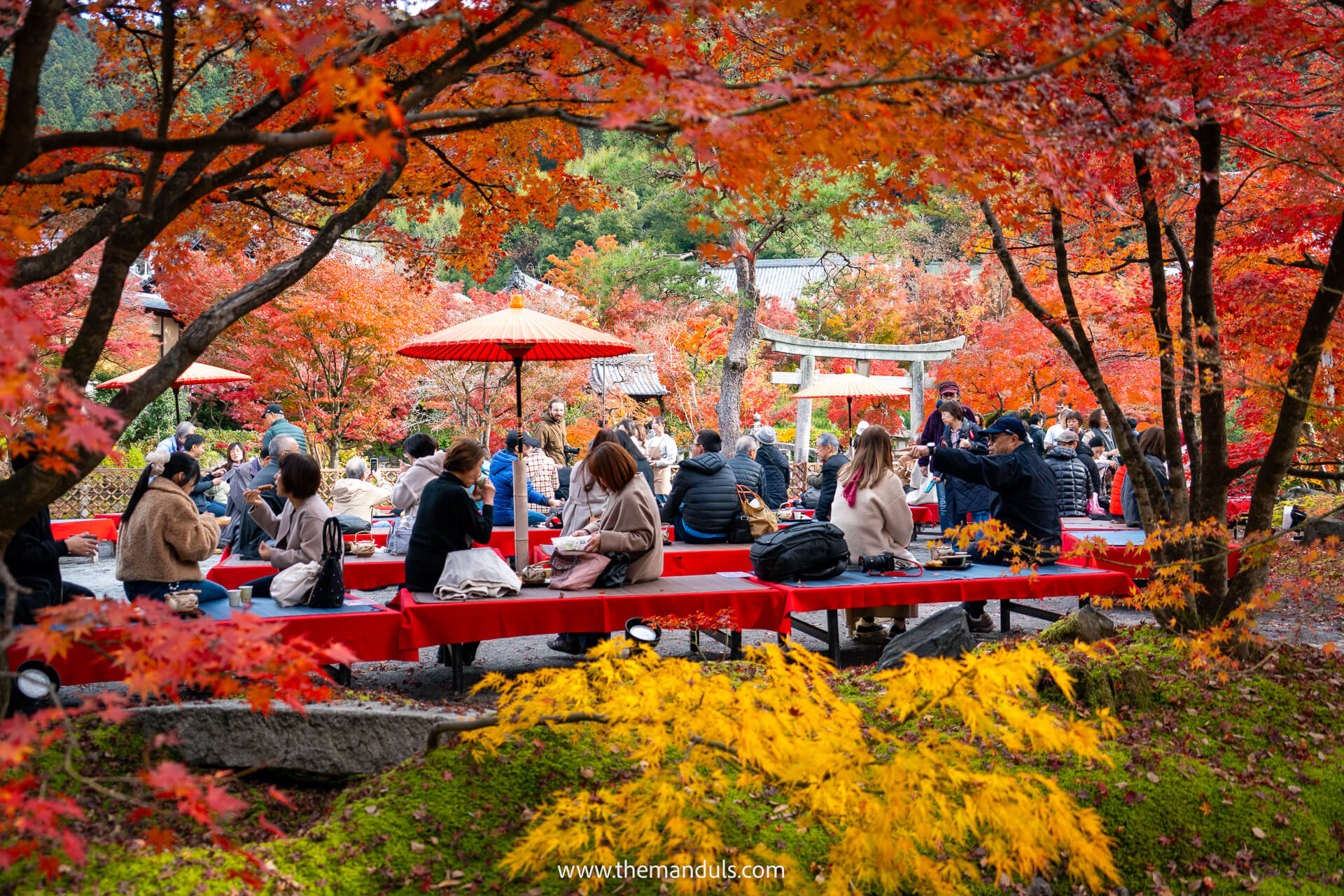
After finishing the temple route, we came back outside into the gardens, where Hojo Pond was one of our favorite places.
During our autumn visit, the pond was surrounded by colorful trees, and there was also a small teahouse nearby.
How Long Do You Need at Eikando?
We spent around 1 hour at Eikando, which felt like enough time to follow the full temple route, walk up toward the pagoda, and spend some time around the gardens and Hojo Pond.
If you’re visiting during peak autumn and want to take your time with photos or stop at the teahouse, we’d allow closer to 1.5 hours. You may also need extra time if there’s a queue at the entrance.
If you skip the walk up toward the Tahoto Pagoda, the visit can be shorter, but we wouldn’t recommend doing that unless stairs are a problem for you.
How to Get to Eikando Temple
Eikando is in eastern Kyoto, close to Nanzen-ji and the southern end of the Philosopher’s Path. You can reach it easily by subway or bus, but during the busy autumn season, we’d choose the subway to avoid getting stuck in traffic.
By Subway
The nearest subway station is Keage Station on the Tozai Line, around a 15-minute walk from Eikando.
From Kyoto Station, take the Karasuma Line to Karasuma Oike, change to the Tozai Line, and continue to Keage. From there, the walk also takes you through the Nanzen-ji area, so it works particularly well if you plan to visit both temples.
We took the subway to Keage for Nanzen-ji, walked to Eikando, and took the bus back into the city.
By Bus
From Kyoto Station, take Kyoto City Bus #5 and get off at Nanzenji-Eikando-michi. Eikando is only around a 3-minute walk from the stop.
Bus #5 also runs from Sanjo and Kyoto Kawaramachi, making it a convenient option if you’re already staying in central Kyoto.
The bus gets you closer than the subway, but we wouldn’t rely on it during peak autumn if you’re on a tight schedule, as traffic around Kyoto’s main sightseeing areas can be slow.
Best Time to Visit Eikando
Best Time of Year
Autumn is the best time to visit Eikando, especially if it’s your first time. The maple trees are the main reason, but this is also the busiest season.
Spring is a good alternative for mild weather and greener gardens, although Eikando isn’t one of Kyoto’s main cherry blossom spots.
Early summer is quieter, with fresh green maples and hydrangeas, but expect more rain and humidity.
Winter is best for the lowest crowds. You lose the autumn colors, but the temple itself is much easier to explore without peak-season pressure.
Best Time of Day
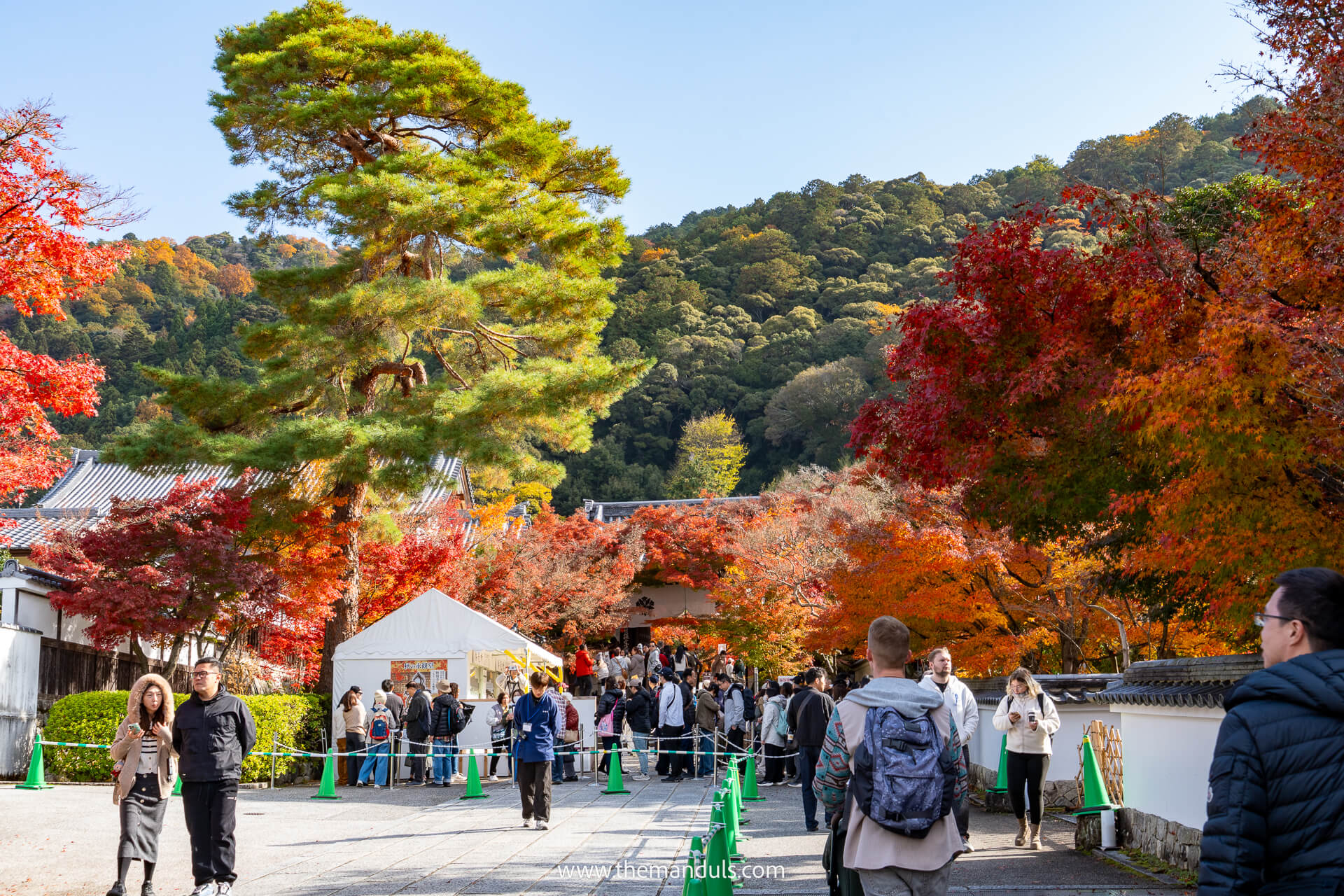
We arrived at around 10:30 AM during peak autumn. There was already a short ticket queue and plenty of people inside, but the large grounds spread the crowds out better than we expected.
If you want to avoid the busiest arrival period, we’d aim closer to the 9:00 AM opening time.
Where to stay in Kyoto
Kyoto is a city where location makes a real difference. Staying central helps you balance full sightseeing days with calmer evenings, and having the right hotel to return to matters after hours of walking between temples.
If you’re still deciding which area suits your travel style, check out our full guide on where to stay in Kyoto — it breaks down the best neighborhoods, with hand-picked hotel recommendations for different types of trips.
Here are the ones we’d happily book again:
⭐️⭐️⭐️ Cross Hotel Kyoto (our top pick)
Cross Hotel Kyoto stands out because it actually makes Kyoto easy to explore. It’s set in a quiet area of downtown near the Kamogawa River, but you’re right between Kawaramachi and Gion, so most days start and end on foot rather than on buses. That alone saves a lot of time and energy.
Rooms feel larger and more practical than average for Kyoto, with enough space for luggage and good beds. The overall vibe is calm and polished — exactly what you want to come back to after busy sightseeing days.
If we had to book one hotel in Kyoto again, this would be the safest and most balanced choice.
⭐️ Best for: Couples or travelers who want a peaceful but truly central base
👉 See prices & availability →
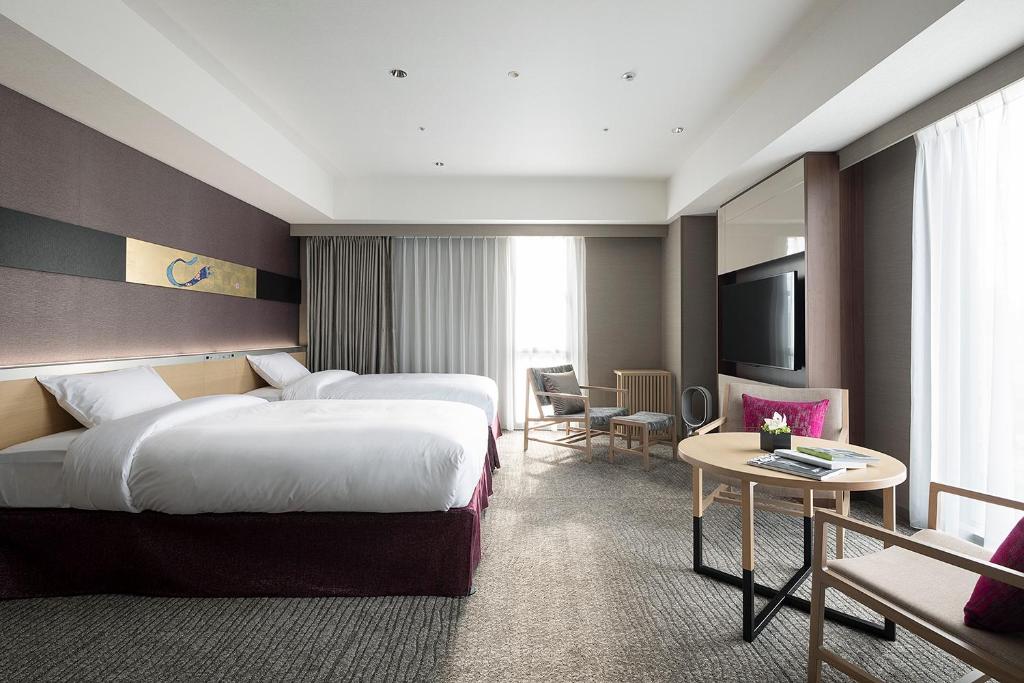
⭐️⭐️ The Thousand Kyoto
The Thousand Kyoto is the hotel we’d choose when convenience matters most. It’s located right next to Kyoto Station, which makes arrivals, departures, and day trips to places like Nara or Osaka completely hassle-free.
Inside, it feels much calmer than the location suggests. Rooms are larger than average for Kyoto, quiet, and well laid out, making it easy to properly rest after long days out. Breakfast is genuinely good, with both Japanese and Western options, and having on-site dining and a spa is a nice bonus when you don’t feel like heading back out.
This is the hotel we’d book when we want comfort and smooth logistics without thinking twice about transport.
⭐️ Best for: Travelers who want modern comfort with the easiest transport access in Kyoto
👉 See prices & availability →
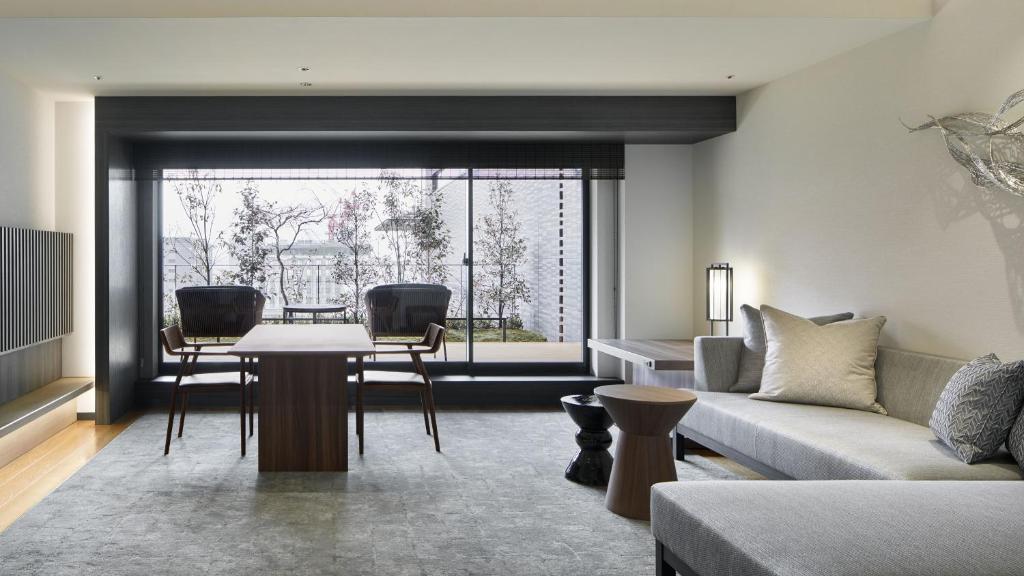
⭐️ Guesthouse Soi
Guesthouse Soi is a great choice if location and budget matters more than hotel extras. It’s set in Higashiyama, within walking distance of Kiyomizu-dera and some of Kyoto’s most atmospheric streets, which makes early mornings and late evenings especially enjoyable.
Rooms are simple but clean, and the overall feel is quiet and relaxed. What really stands out is how easy it is to explore this part of Kyoto on foot without relying on buses. If you’d rather spend your budget on food and experiences than on accommodation, this is a smart, practical option.
⭐️ Best for: Budget travelers who want to stay in Kyoto’s most walkable, historic area
👉 See prices & availability →
Final Thoughts
Eikando started as a backup stop for us, but it ended up being one of our favorite temples in Kyoto. The changing route through the halls and gardens, the view from above, and the autumn colors made it feel much more varied than we expected.
We’d especially recommend adding it if you’re visiting Kyoto in autumn or already planning to see nearby Nanzen-ji and the Philosopher’s Path. If you have at least two days in Kyoto, it’s one we’d happily make time for again.