
This article contains affiliate links. Learn more in our affiliate disclosure.
Chiang Mai is one of those places where it’s easy to add too much to your itinerary.
There are temples, night markets, cafés, elephant sanctuaries, mountain viewpoints, waterfalls, and day trips all competing for your time. But if you only have a few days, trying to do everything will make the trip feel rushed.
We visited Chiang Mai before starting the Mae Hong Son Loop, and if we planned it again, we’d be more selective. Doi Suthep, the Old City temples, and the Sunday Night Market are the easiest places to prioritize on a short visit.
In this guide, we’ll break down the best things to do in Chiang Mai based on what we’d do first, what needs a full day, and what we’d skip if your time is limited.
How Many Days Do You Need in Chiang Mai?
For a first visit, 3 full days in the city is the sweet spot.
That gives you enough time for Doi Suthep, the Old City temples, a night market, an ethical elephant sanctuary or cooking class, plus a slower café or massage break without rushing everything.
With 2 days, you can cover the essentials, but the trip will feel more like a quick city stop than a proper stay. Most people who spend only 2 days leave wishing they had more time.
Plan 4–5 days or more if you want to add Doi Inthanon, Chiang Rai, or Pai. These are not quick city activities, and Pai especially works much better as an overnight stop.
We spent 3 full days in Chiang Mai itself, then explored more of northern Thailand while doing the Mae Hong Son Loop. That worked well because we could enjoy the city first, then continue into the mountains without forcing every day trip into our Chiang Mai stay, and enjoy none of them properly.
These are our top hotels in Chiang Mai we’d book again
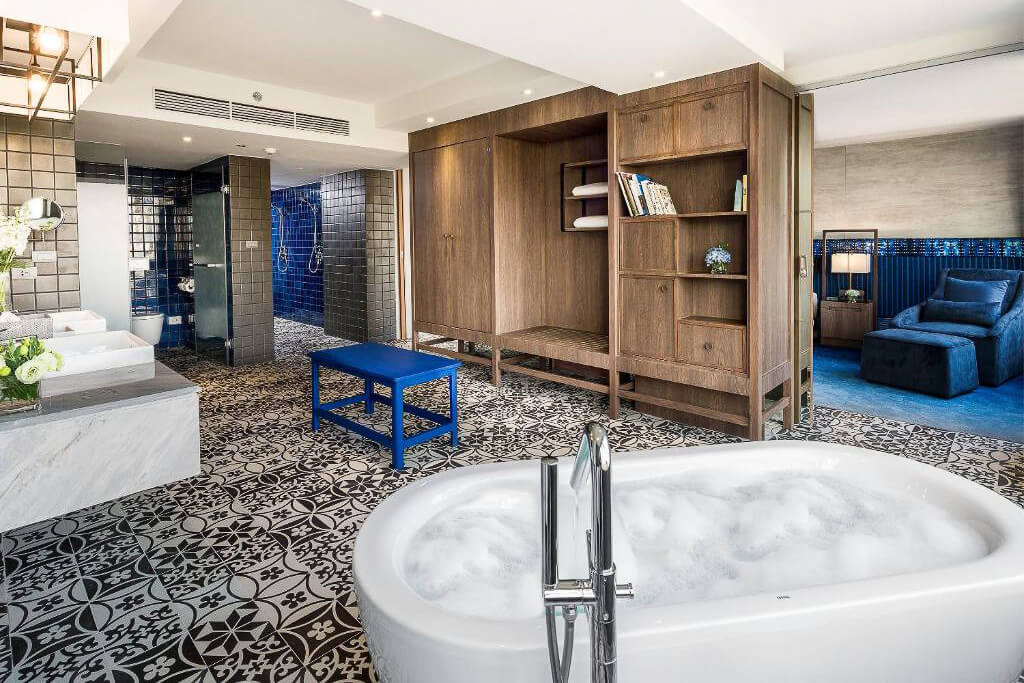
⭐️⭐️⭐️ U Nimman (Our Top Pick) – Contemporary hotel in the heart of Nimman with spacious rooms, excellent breakfast, and one of the best rooftop pools in town.
👉 Check availability and current prices →
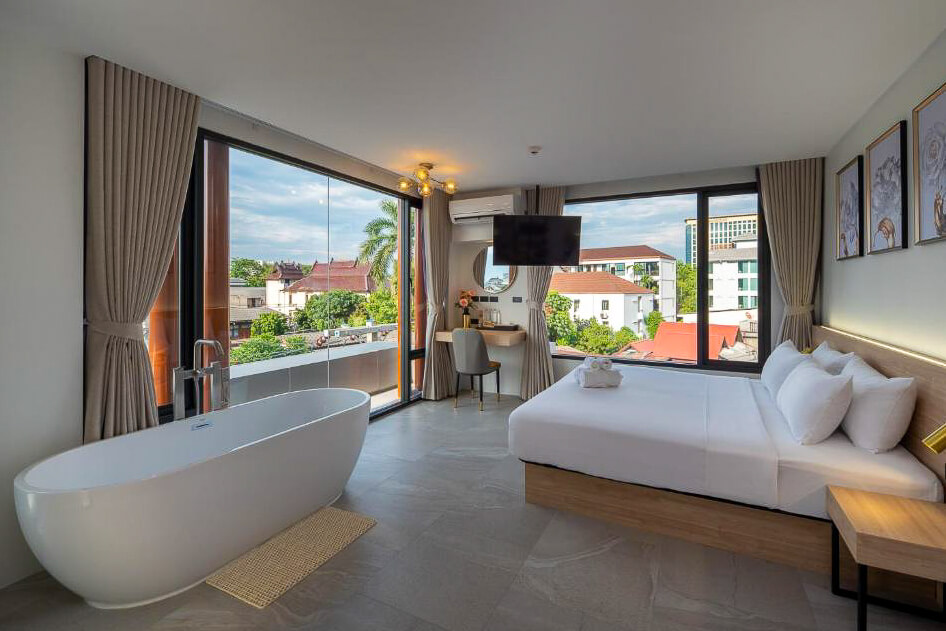
⭐️⭐️ ON Thapae Gate – Modern mid-range stay right between the Old Town and Night Bazaar, offering quiet rooms, friendly staff, and great value for the location.
👉 Check availability and current prices →
⭐️ Sleep Guesthouse – Small family-run guesthouse in the Old Town known for spotless rooms, welcoming owners, and a relaxed local feel.
👉 Check availability and current prices →
13 Best Things To Do in Chiang Mai
1. Explore the Old City Temples
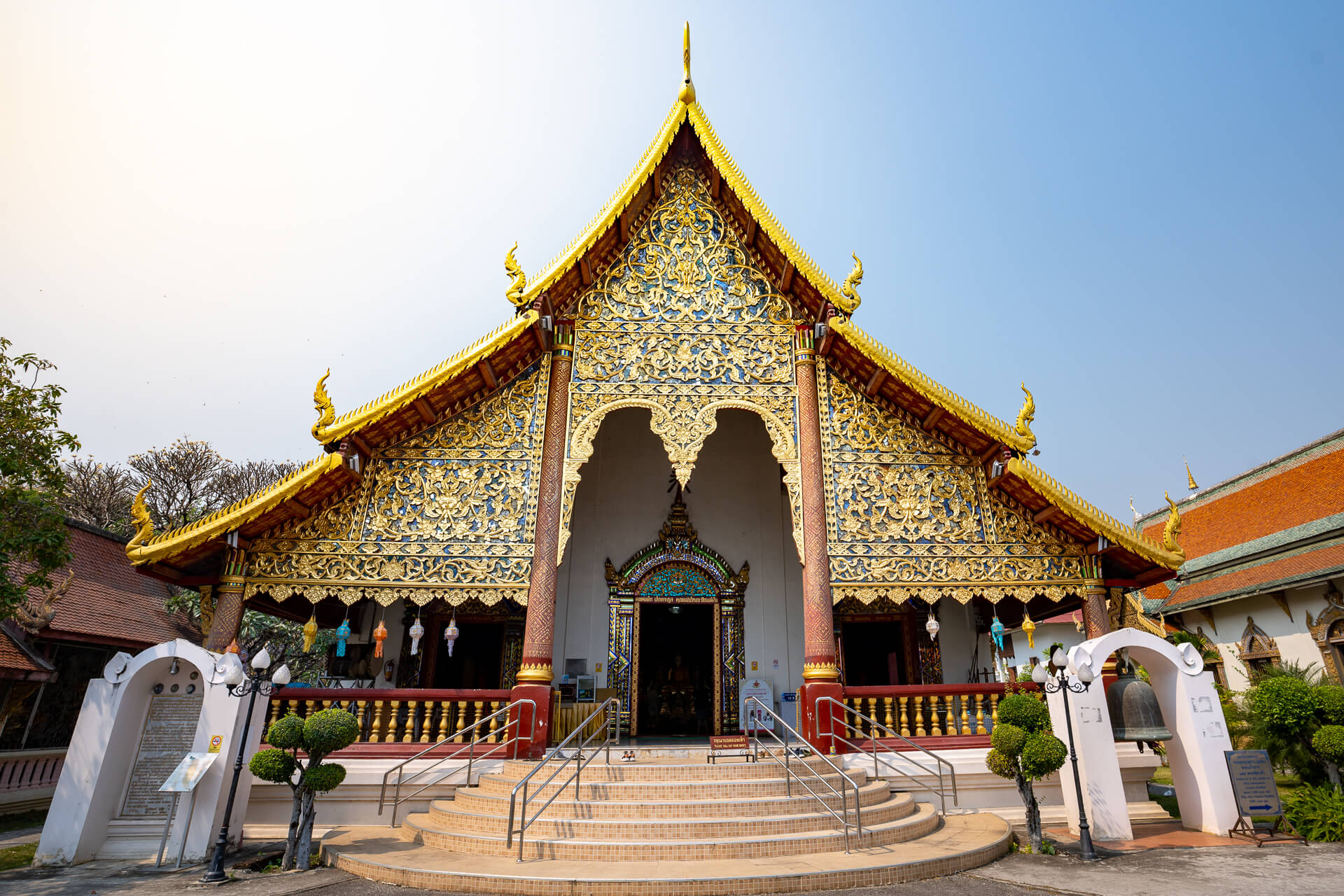
If it’s your first time in Chiang Mai, the Old City temples are the easiest place to start — and the most rewarding if you go without a strict plan.
They’re close enough to cover on foot, and we preferred it that way. Walking across the Old City meant we could stop when something looked interesting rather than moving mechanically from one temple to the next. If you only have time for a few, start with these:
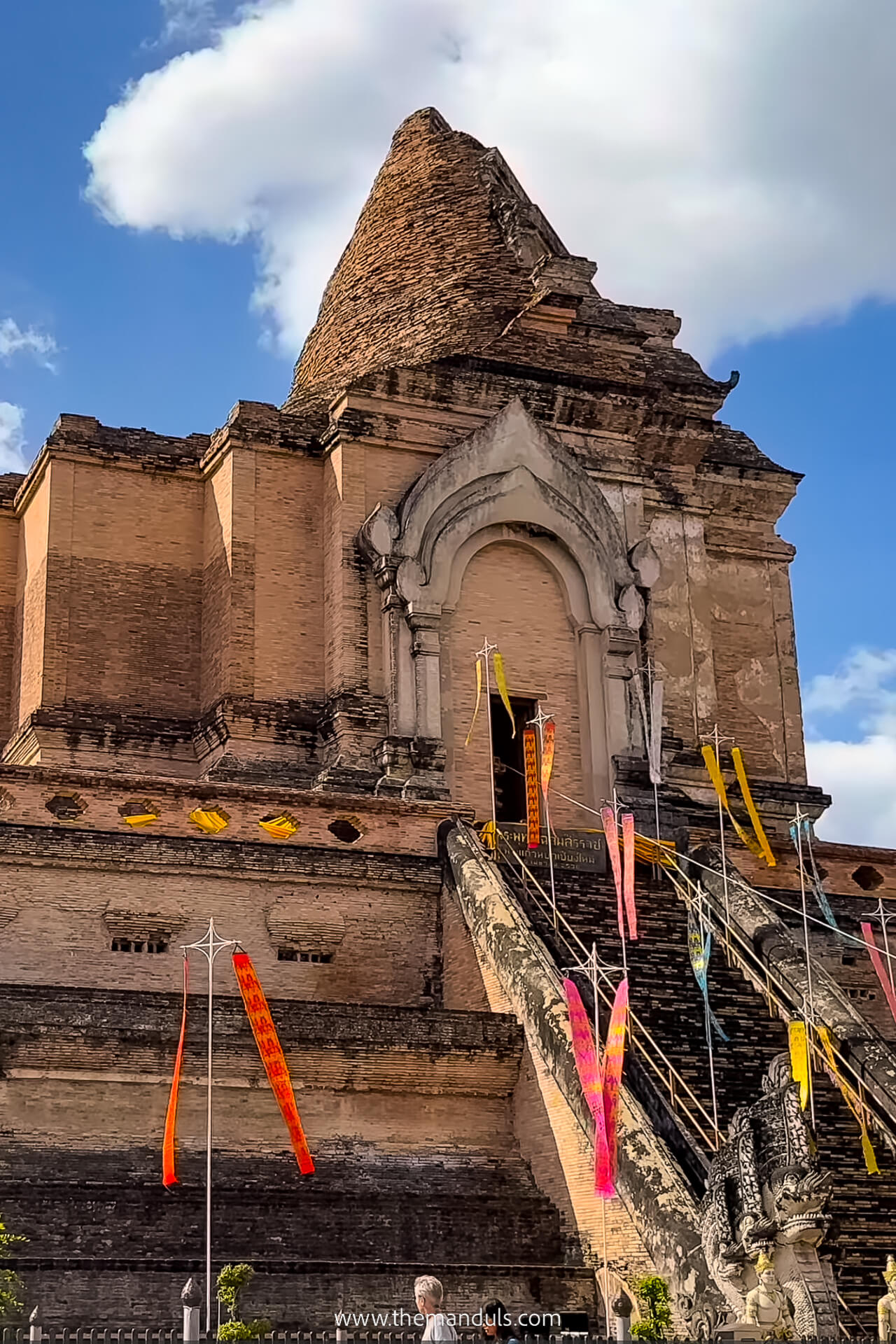
Wat Chedi Luang
Wat Chedi Luang Our favorite in the Old City. The ruined chedi is more impressive up close than it looks in photos — the scale of it stops you when you first walk in. Start here before the morning crowds arrive.
Wat Phra Singh
Wat Phra Singh is worth adding if you want one of the city’s most important temples with classic Lanna-style architecture. It gets busier, but it pairs well with Wat Chedi Luang.
Wat Chiang Man
Wat Chiang Man makes sense if you want a quieter, historic stop. It’s the oldest temple in Chiang Mai, but it felt less crowded than the bigger names when we visited.
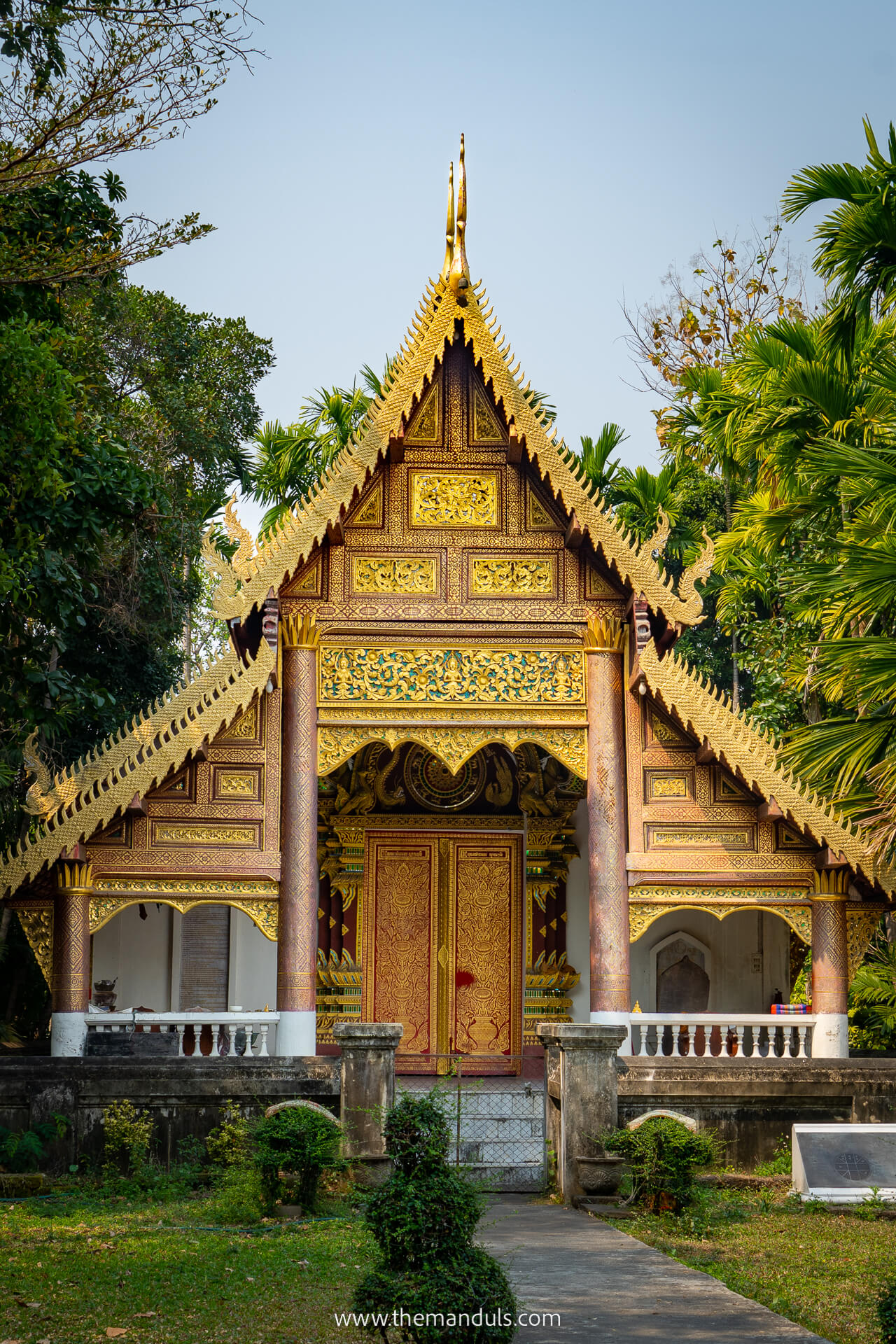
Wat Phan Tao
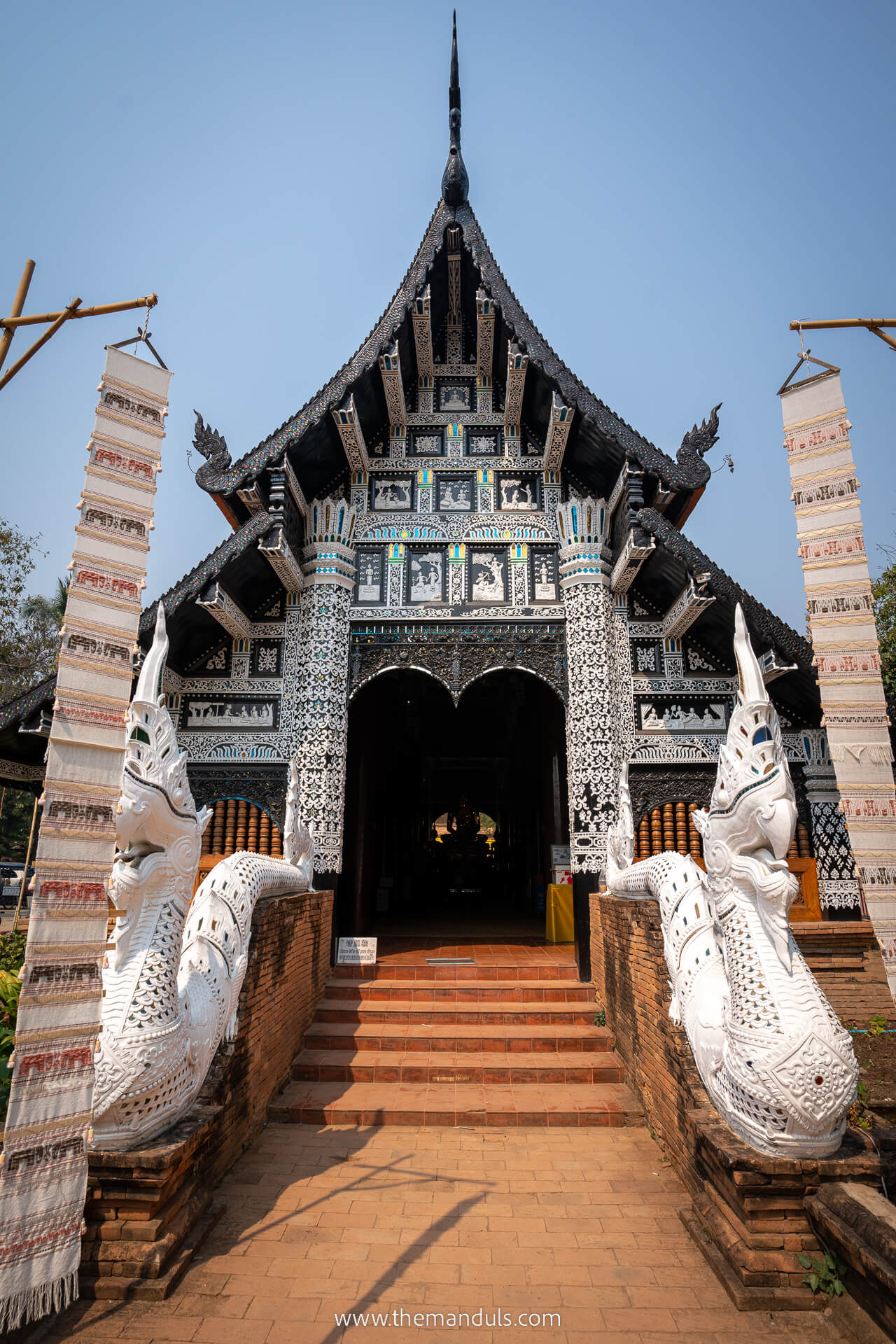
Wat Phan Tao is the easiest extra stop because it’s right next to Wat Chedi Luang. The dark teak wood makes it feel different from the golden temples, so it doesn’t feel repetitive.
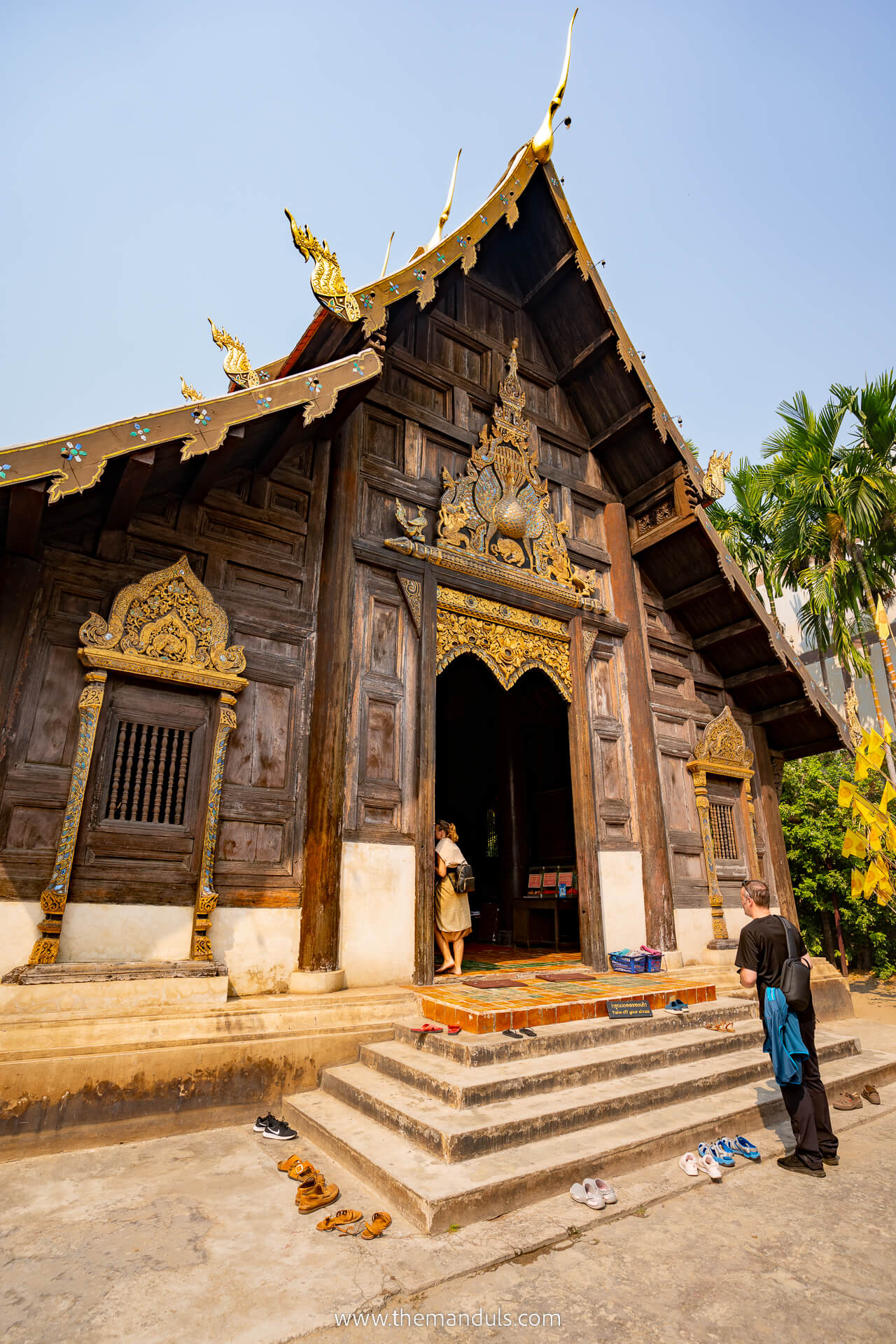
Wat Lok Molee
Wat Lok Molee was one we liked more than expected. It sits just outside the Old City walls, but it’s still easy to reach on foot if you’re already exploring the northern side. The old brick chedi, prayer flags, and quieter setting made it feel worth the small detour.
Wat Rachamontian
Wat Rachamontian is another one we’d recommend adding if you’re nearby. The large golden Buddha makes it feel different from the other temples, and it didn’t feel as busy when we visited.
Good to know: Plan around 4-5 hours to visit all six without rushing. Most temples are free or low cost — bring cash just in case. Cover shoulders and knees, and start in the morning for cooler weather and fewer people.
2. Visit Doi Suthep

Entrance Fee: Usually around 30–50 THB for foreign visitors

Opening hours: 6 AM – 6 PM
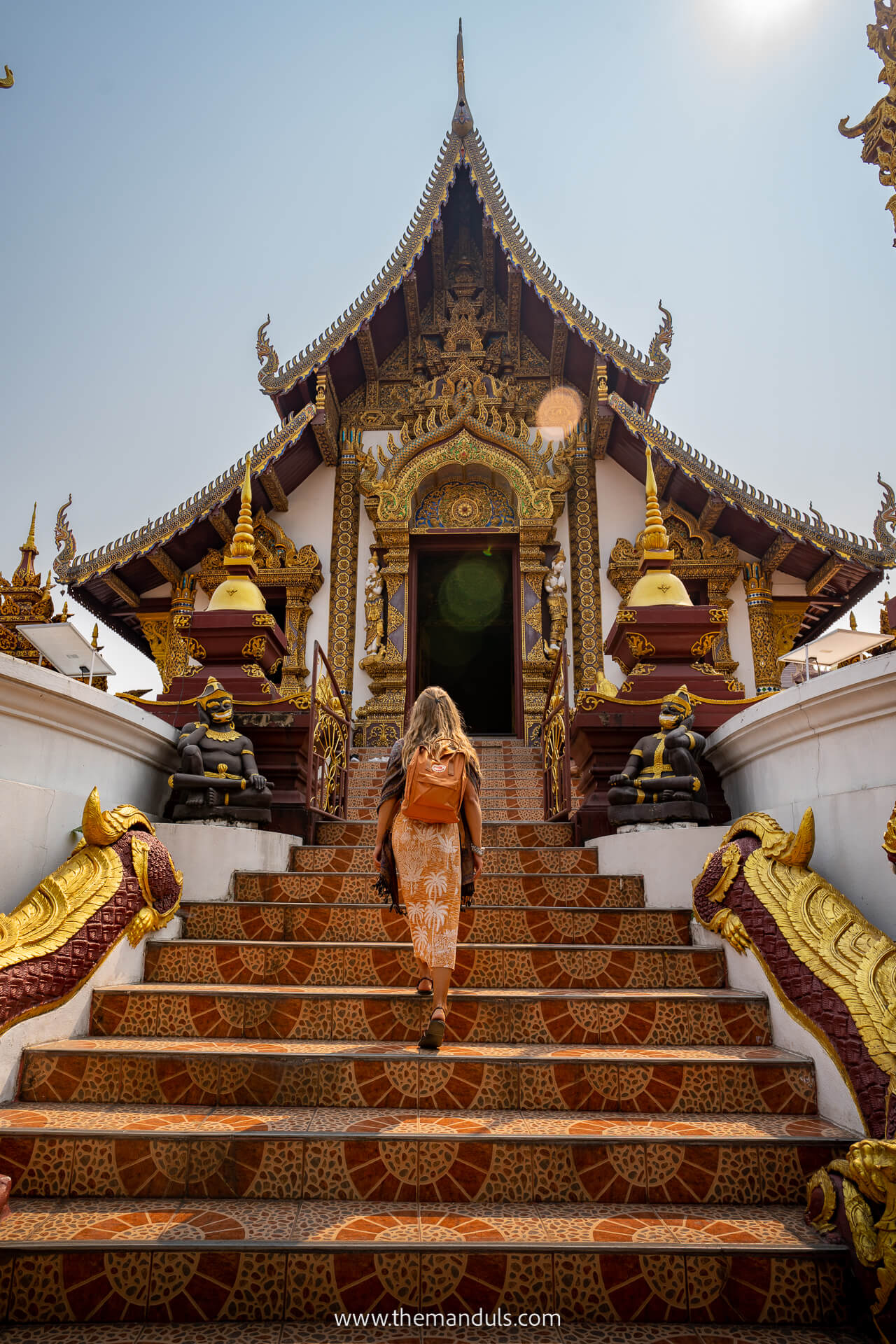
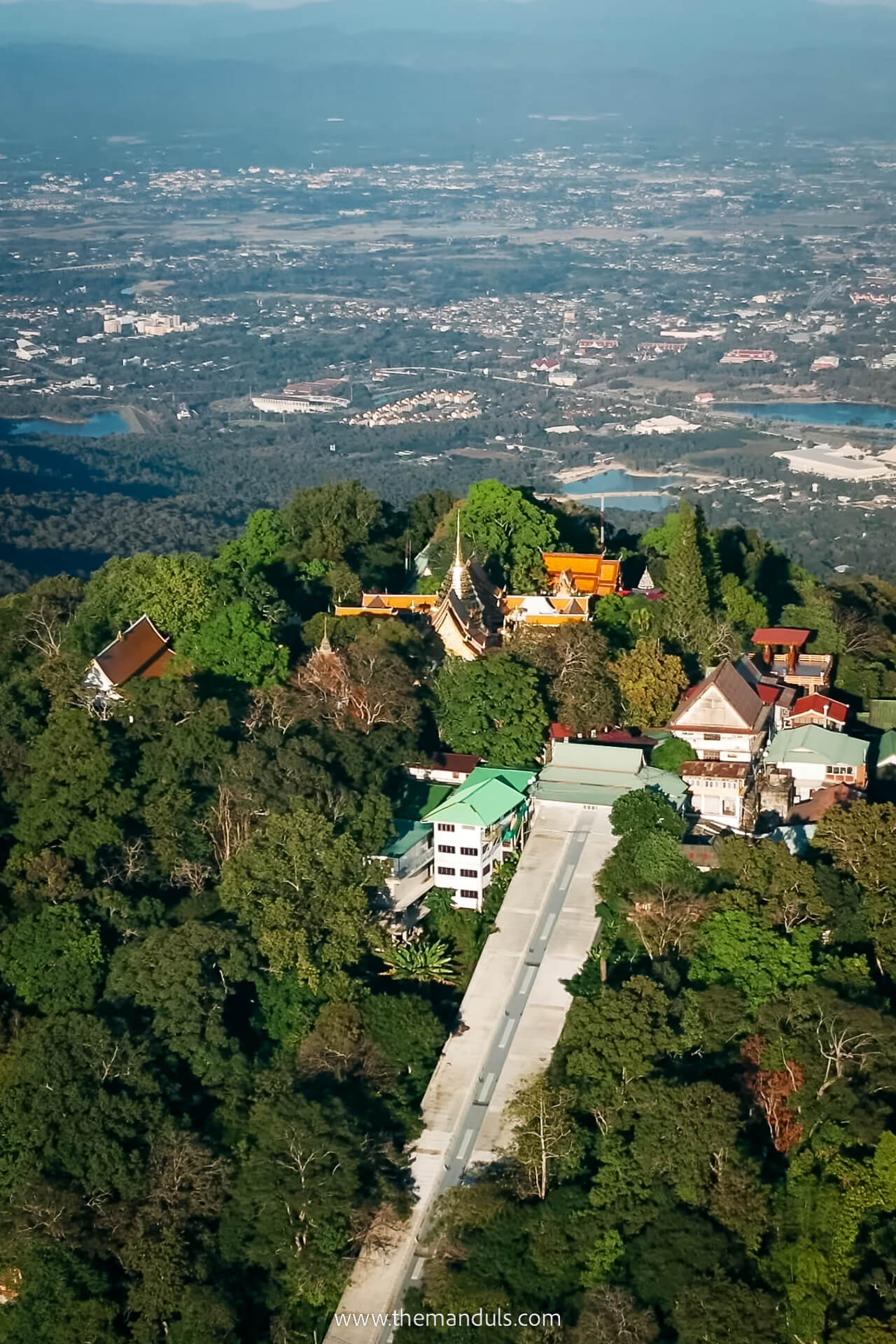
Doi Suthep is the one temple we’d prioritize outside the Old City — and the one that felt most worth the extra effort once we reached the top.
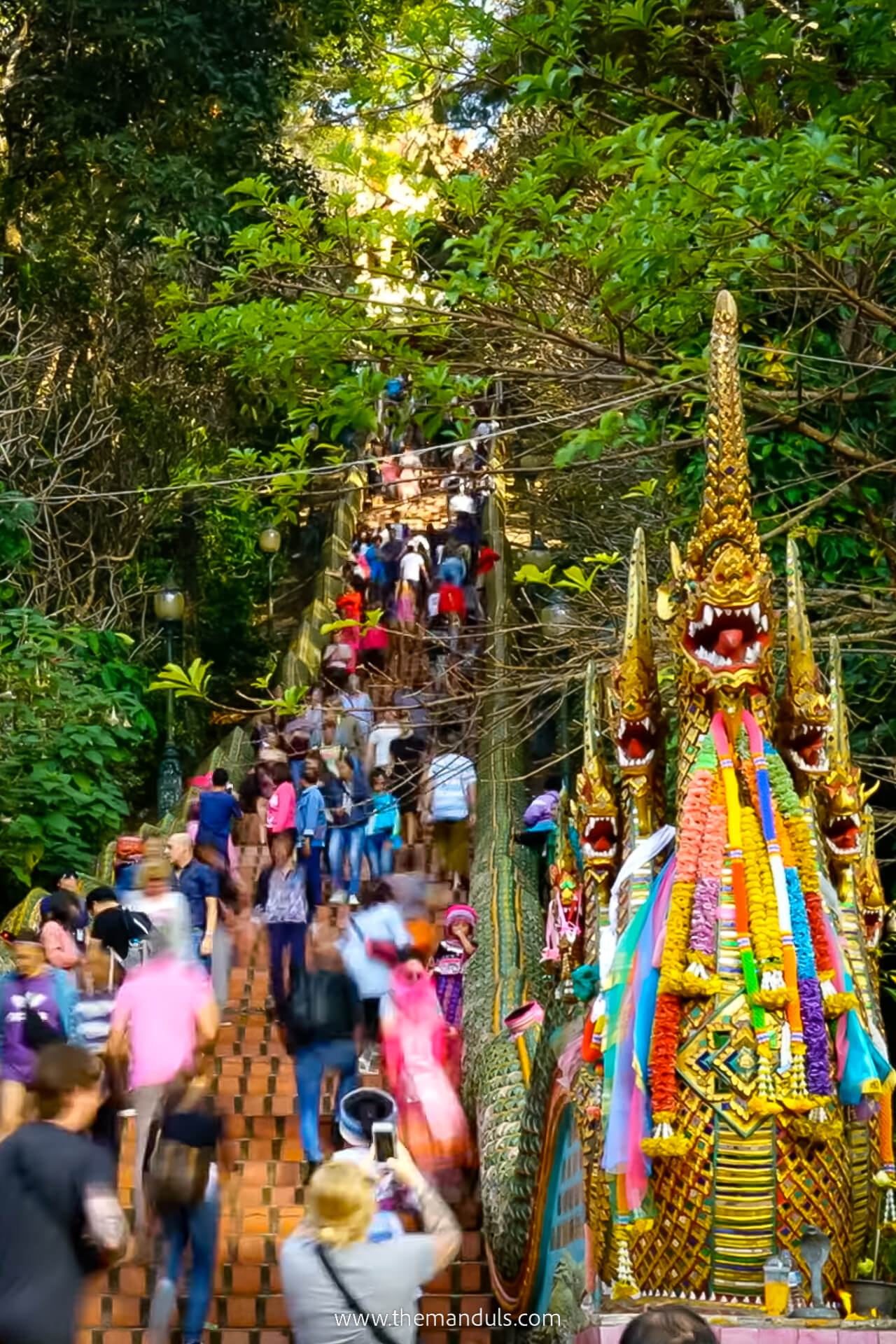
The temple sits on the mountain above Chiang Mai, so the experience feels different before you even arrive. The 306-step staircase leads up to the golden chedi, and on a clear morning, the views over the city are worth the climb alone.
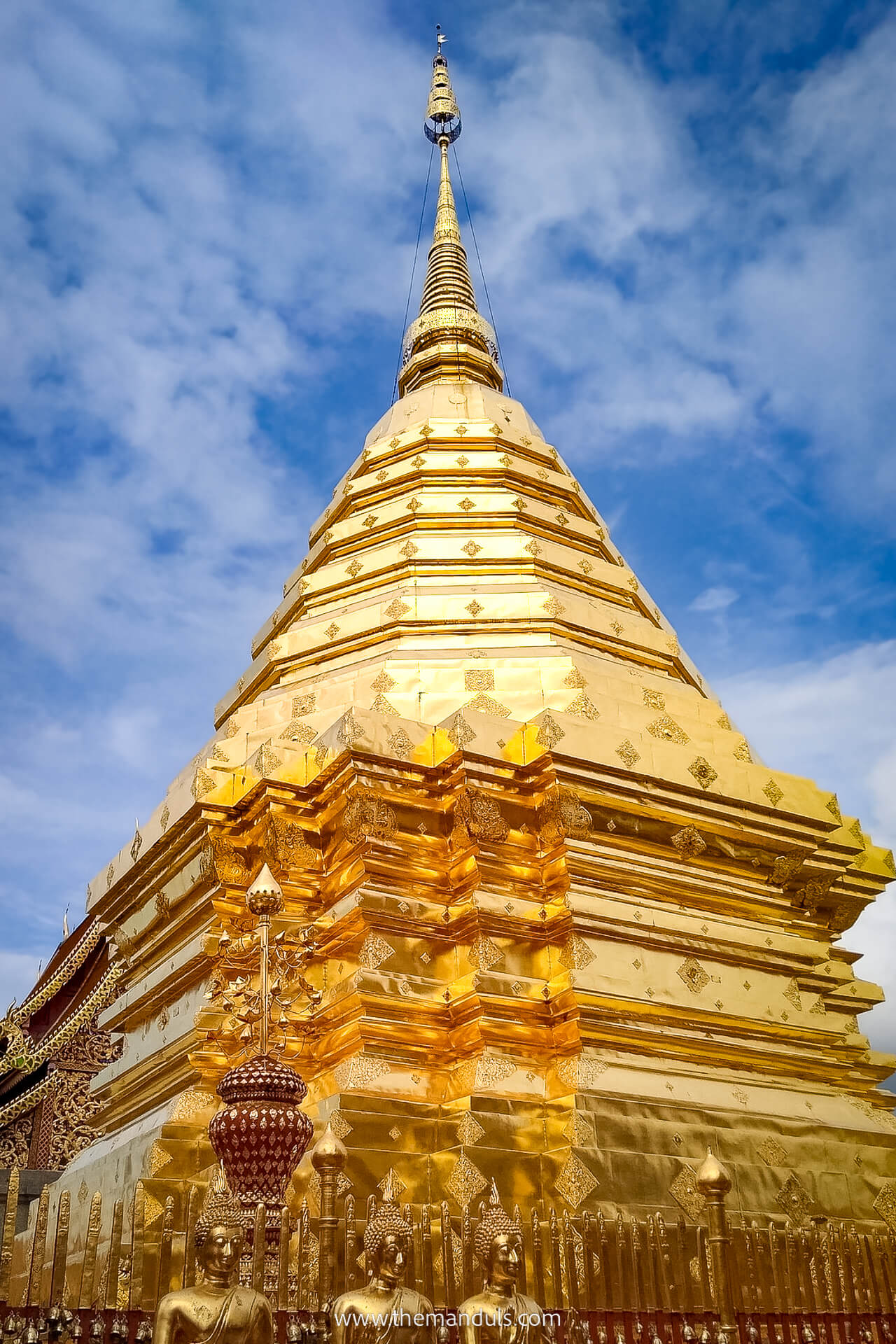
We spent around 2 hours here, which felt right. It gave us enough time to walk the temple grounds, stop at the viewpoint, and take everything in before the crowds built up.
Go early. The difference between arriving around 7 AM and 10 AM is noticeable — cooler air, clearer views, and more space around the main chedi.
Getting there is straightforward. Take a red songthaew, use Grab, or ride a scooter if you’re comfortable on winding mountain roads. Once you arrive, you can climb the stairs or take the small tram.
We’d visit Doi Suthep first thing in the morning, then come back down to the Old City for temples, lunch, and the afternoon at your own pace.
3. Stroll Through the Sunday Night Market (and Saturday Night Market)
Opening hours: 4 PM – midnight
If your Chiang Mai trip includes a Sunday, plan your evening around the Sunday Night Market.
It’s one of the easiest things to recommend in Chiang Mai because even though it’s busy and touristy, it still feels worth going. You get the right mix of street food, clothes, souvenirs, handmade goods, and atmosphere — even if you don’t buy anything.
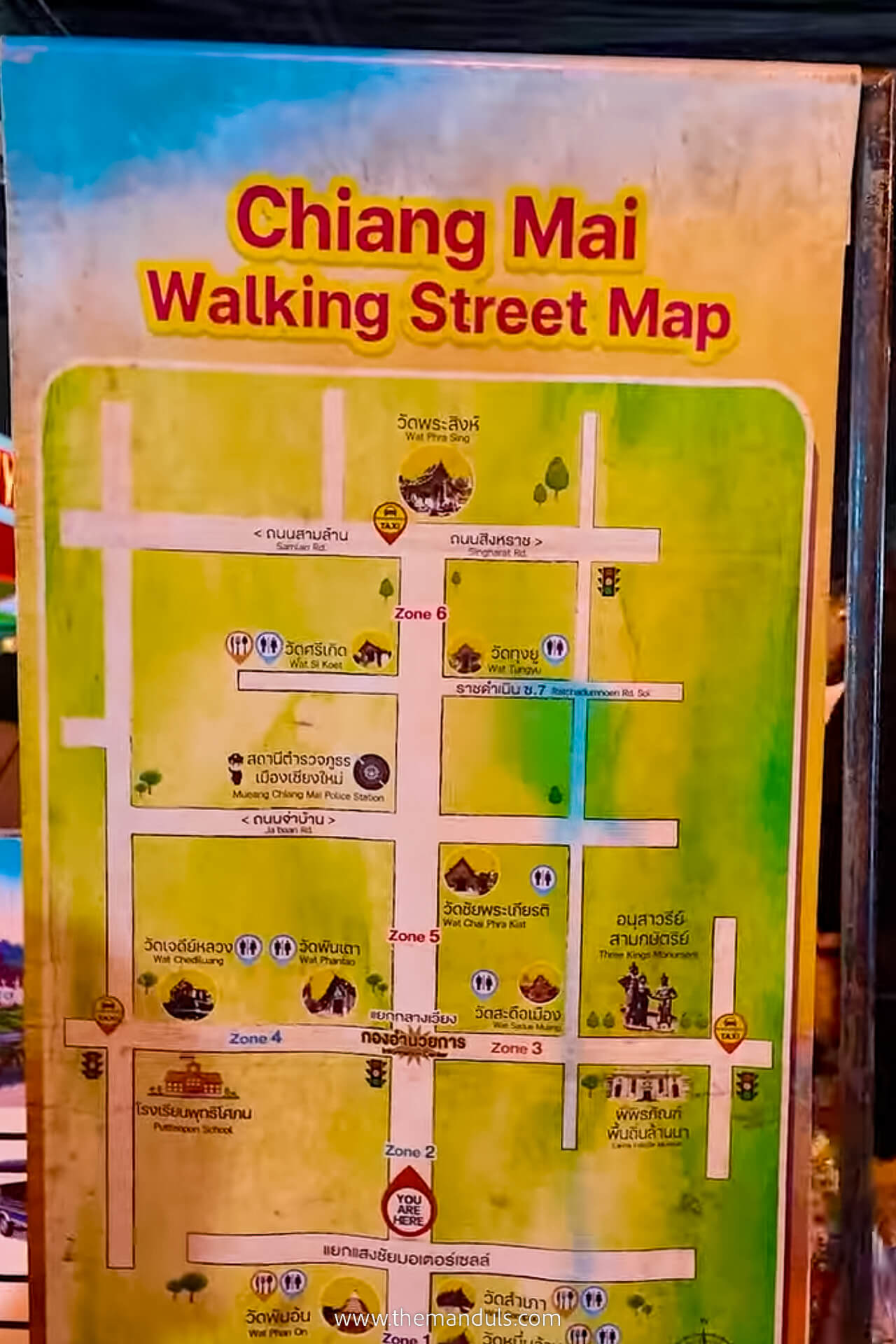
The market starts at Tha Phae Gate and runs along Ratchadamnoen Road, with the street closed to traffic for the evening.
We spent around 2 hours here, which felt like the right amount of time. The food stalls are mostly grouped in separate areas, which makes eating easier than pushing through crowds with food in hand.
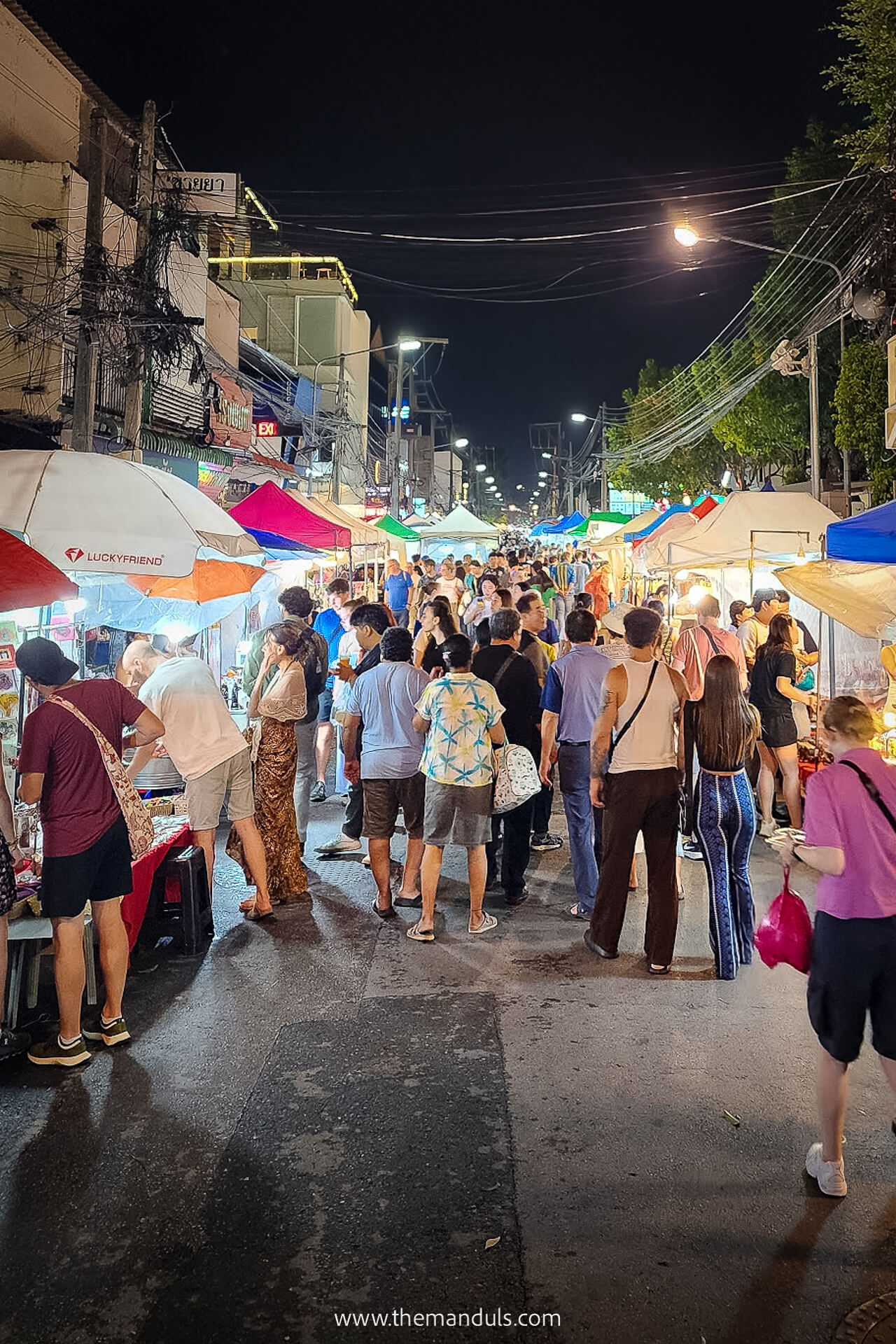
Go earlier in the evening if you want to browse properly. It gets noticeably more crowded as the night goes on.
If you’re not in Chiang Mai on a Sunday, the Saturday Night Market on Wua Lai Road is the best alternative. It’s smaller and easier to walk through, but still worth an evening if you want street food, shopping, and a similar night market feel.
Good to know: Opening hours are usually around 4 PM to midnight, but check locally before planning your evening around it. Bring cash and wear comfortable shoes.

4. Take a Thai Cooking Class
A Thai cooking class is worth it if you enjoy cooking and want to understand northern Thai food beyond just eating it — and we almost skipped it, assuming it would feel too touristy. It felt nothing like that.
If temples, markets, and day trips are higher on your list and time is tight, skip it. But if you have a free half-day, it’s worth it.
Chiang Mai is one of the best places to learn it properly because the cuisine here is genuinely different from what most people think of as Thai food — less sweet, more influenced by Burma and Yunnan, and built around dishes like khao soi that you won’t find done well outside the north.
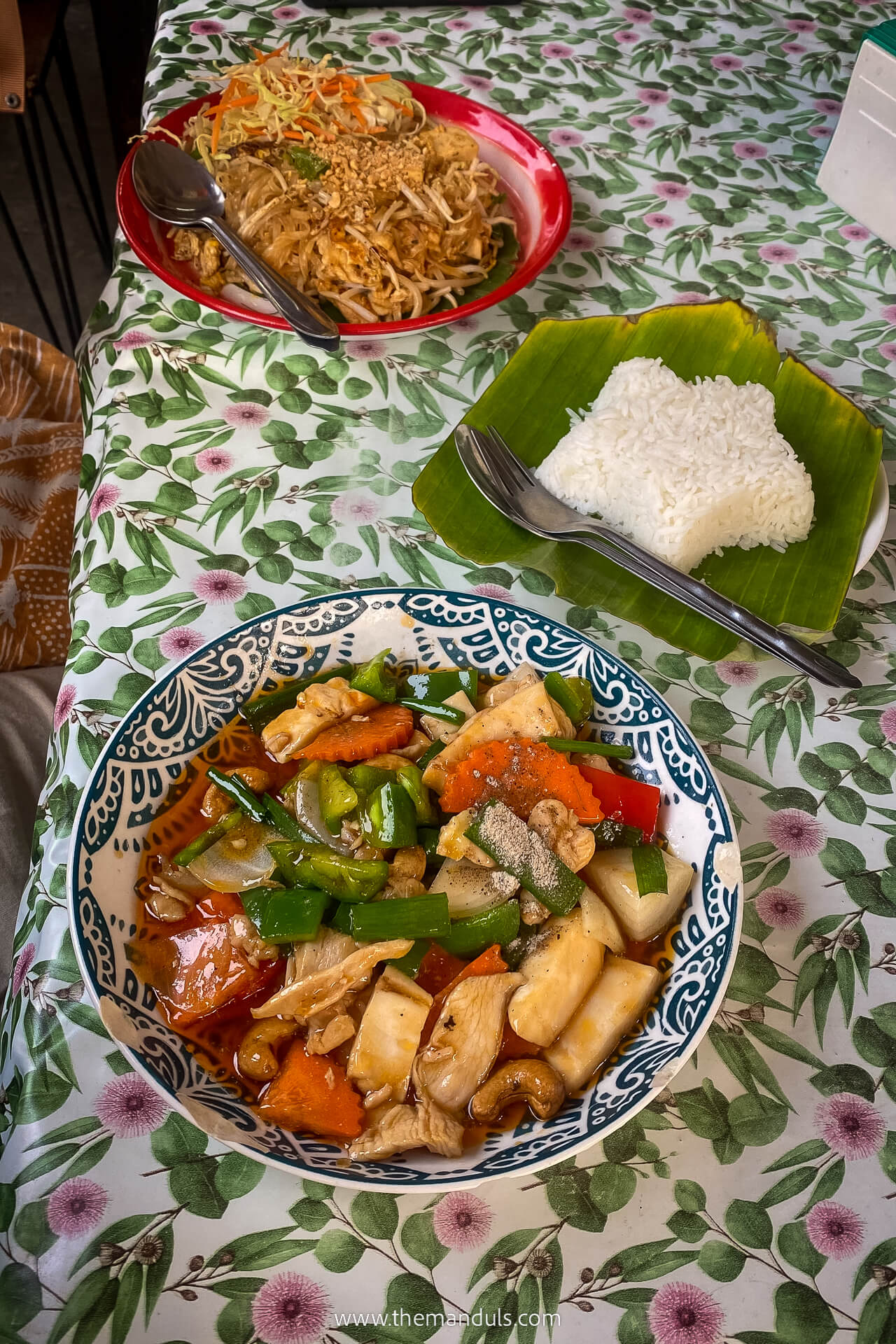
We started with a market visit before heading to the kitchen. The highlight was making khao soi from scratch — by the time we sat down to eat what we’d cooked, we were genuinely proud of what was on the plate. The whole thing took around half a day, leaving the afternoon free.
The one we’d genuinely recommend is the Cooking Class, Market & Thai Herbs Garden Tour — it includes pickup, a market visit, and a Thai herbs garden on top of the cooking, which makes it better value than a basic class where you just show up and cook.
Check the cooking class availability →
Good to know: Don’t eat a big meal before the class. You’ll usually cook several dishes, so it works better as a meal than just a quick activity.
5. Visit an Ethical Elephant Sanctuary
An elephant sanctuary is one of the paid experiences we’d prioritize in Chiang Mai, but only if you choose carefully.
Avoid anywhere that offers riding, tricks, or shows. A legitimate sanctuary should feel calm and unhurried, focused on feeding, observing, and understanding the elephants rather than performing for tourists.

We booked a half-day feeding program, and it ended up being one of the most memorable parts of our whole Chiang Mai stay. Getting close enough to feed them by hand, watching how they interact with each other, and hearing from the handlers about how each elephant ended up at the sanctuary — it was the kind of experience that left us speechless.
The half-day trip worked well — long enough to feel meaningful, short enough to keep the rest of your day free for the city.
For the best option, we’d recommend the Elephant Sanctuary Feeding Program Half-Day Tour. It includes transport from Chiang Mai and a structured visit, so it’s much easier than trying to arrange everything yourself.
Check the elephant sanctuary tour availability →

6. Take a Day Trip to Doi Inthanon National Park
Entrance Fee: 300 THB for adults, and 150 THB for children 3-14 years old, it covers entry for five consecutive days.
Opening hours: 5:30 AM – 6 PM
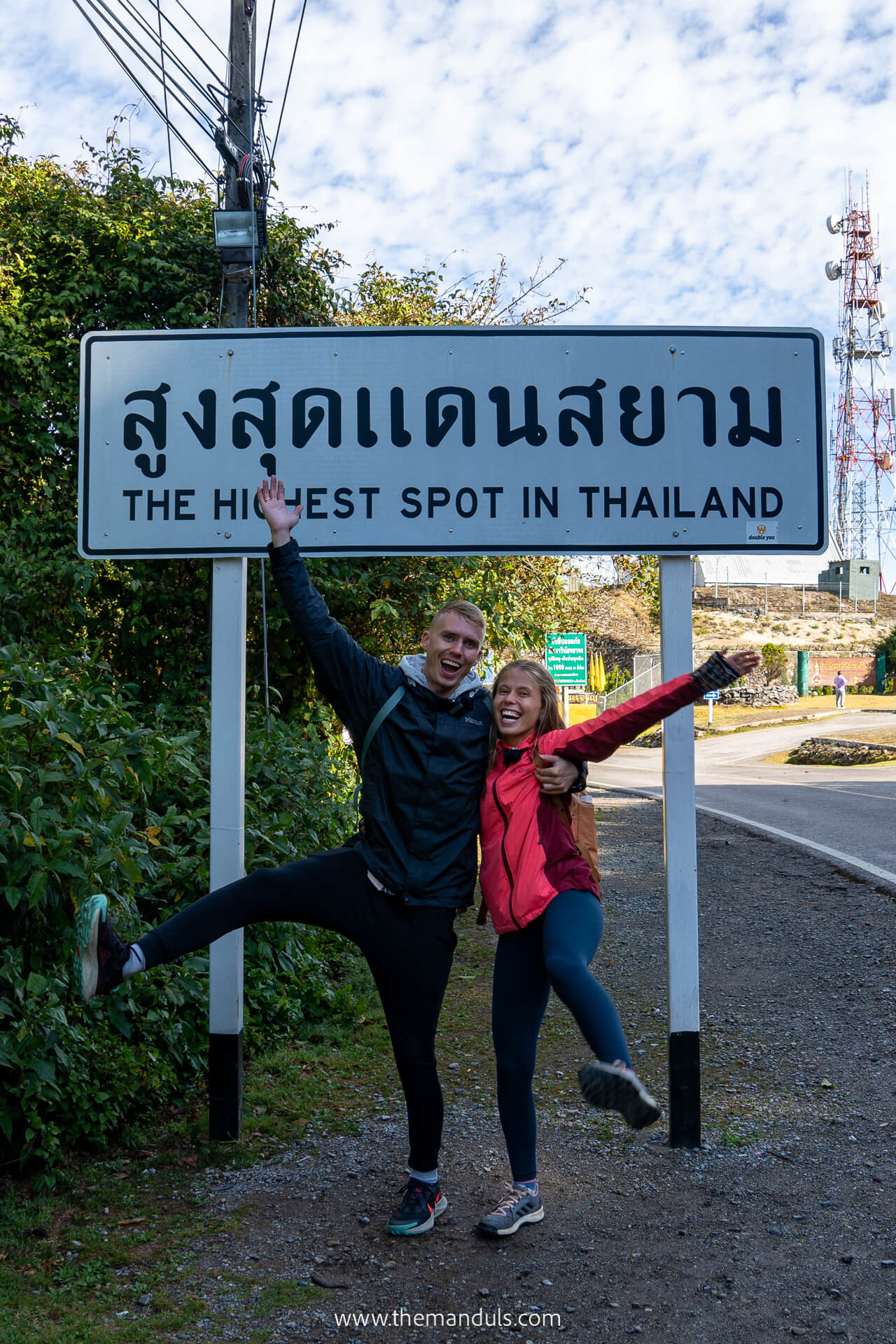
Doi Inthanon is the day trip we’d choose if you want mountains, cooler air, nature trails, and a complete break from Chiang Mai city. It’s the highest point in Thailand, and the variety of things to do in one day makes it worth the drive.
This is not a quick stop. The park is around 2 hours from Chiang Mai by scooter or car, so start early regardless of how you get there. We visited by scooter before continuing north, which worked well — you have full flexibility to stop whenever you want on the way.
If you don’t have a scooter or prefer not to drive, joining a tour is the easiest alternative.
In one day you can realistically cover:
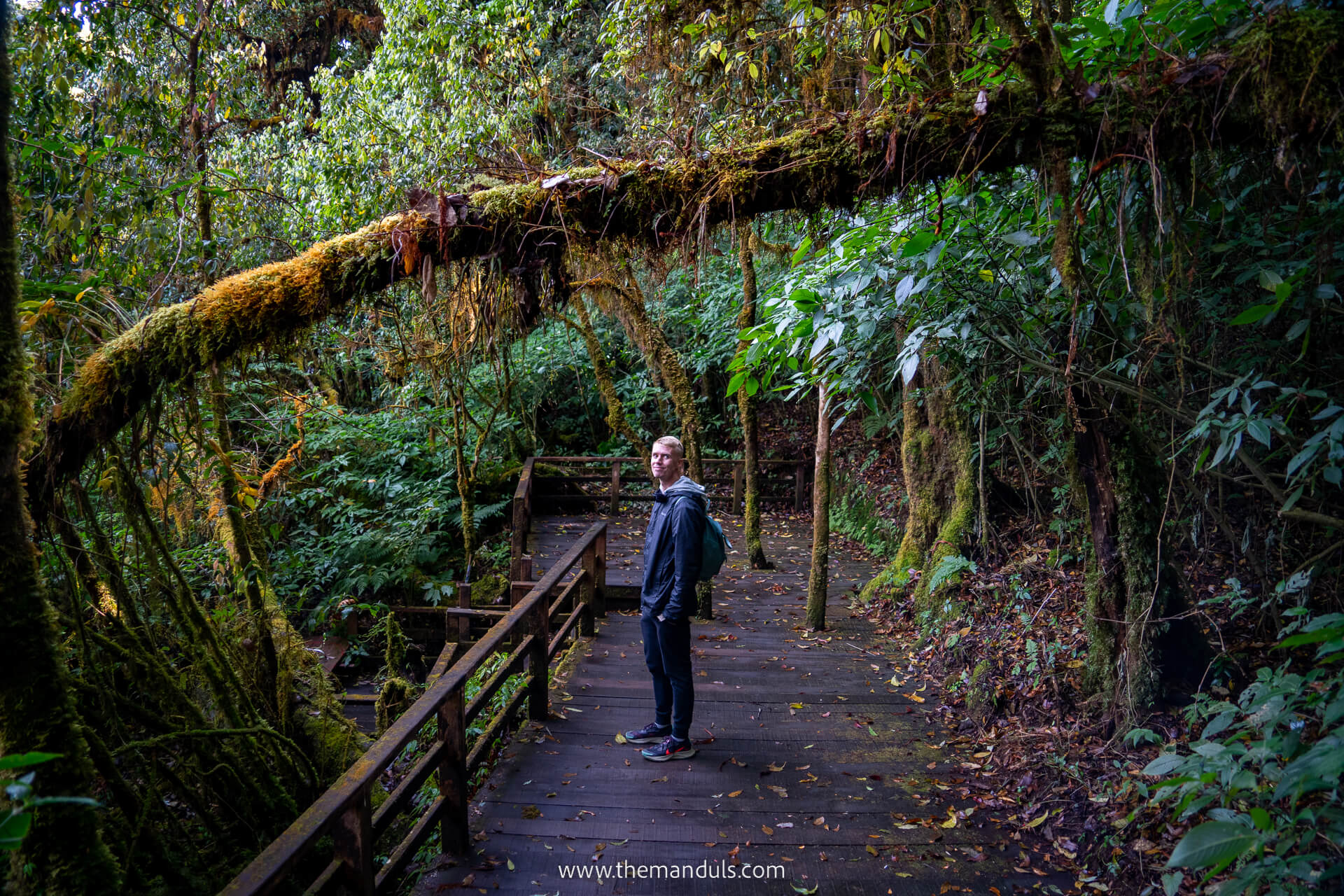
Ang Ka Nature Trail — a short walk through dense mossy cloud forest that felt completely different from anything else in the park. The trees are wrapped in moss, which looks incredible! We went early and had it almost entirely to ourselves, which made it feel more special than we expected for a free trail. No guide required, so you can set your own pace — we’d have hated being rushed through this one.
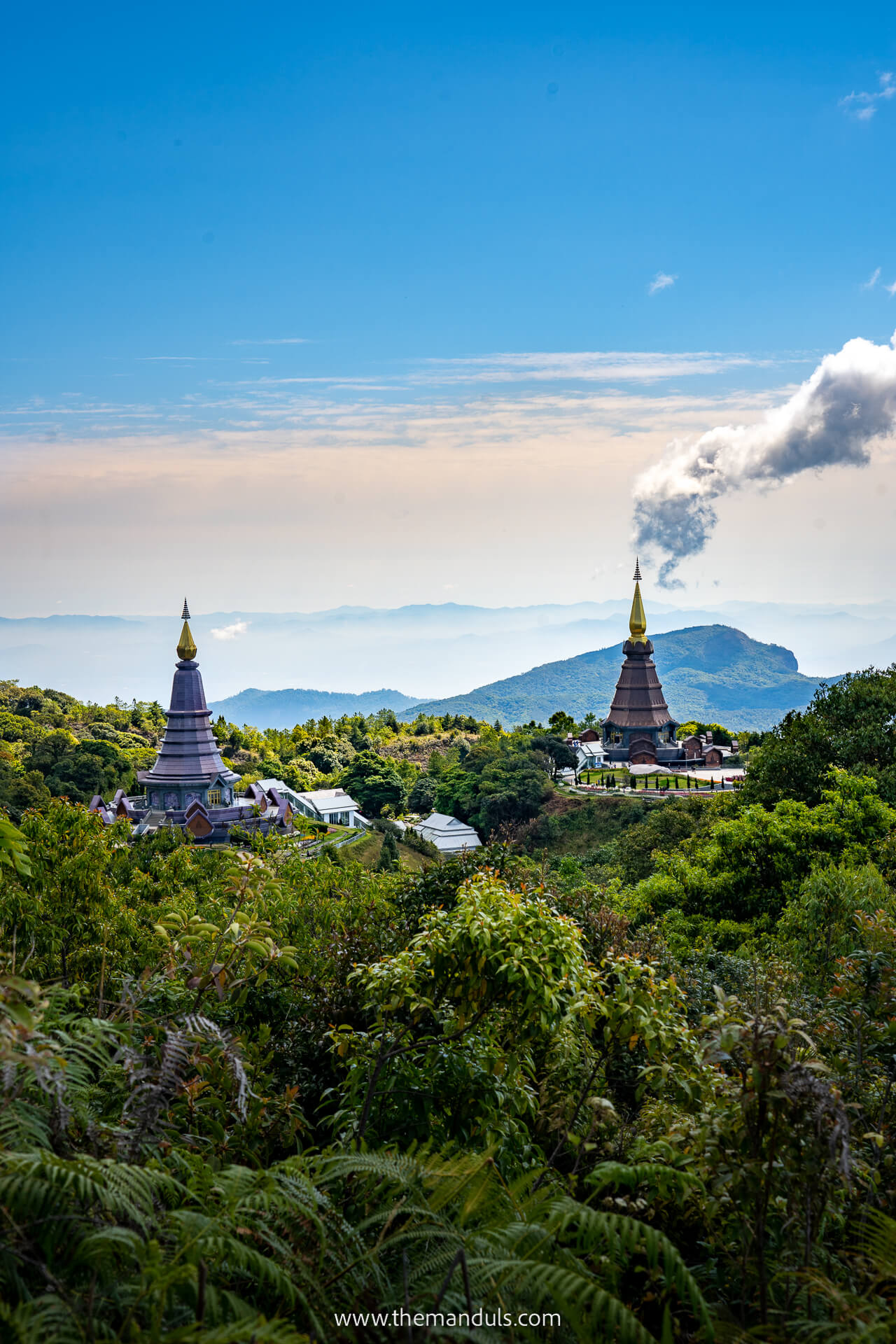
Twin Royal Pagodas — we nearly skipped these, assuming they’d feel too touristy, but they’re genuinely worth the stop. The pagodas sit on a hill with open views over the mountains on both sides. Just be aware there’s likely an additional entrance fee on top of the main park ticket — we can’t remember the exact amount, so check on arrival.
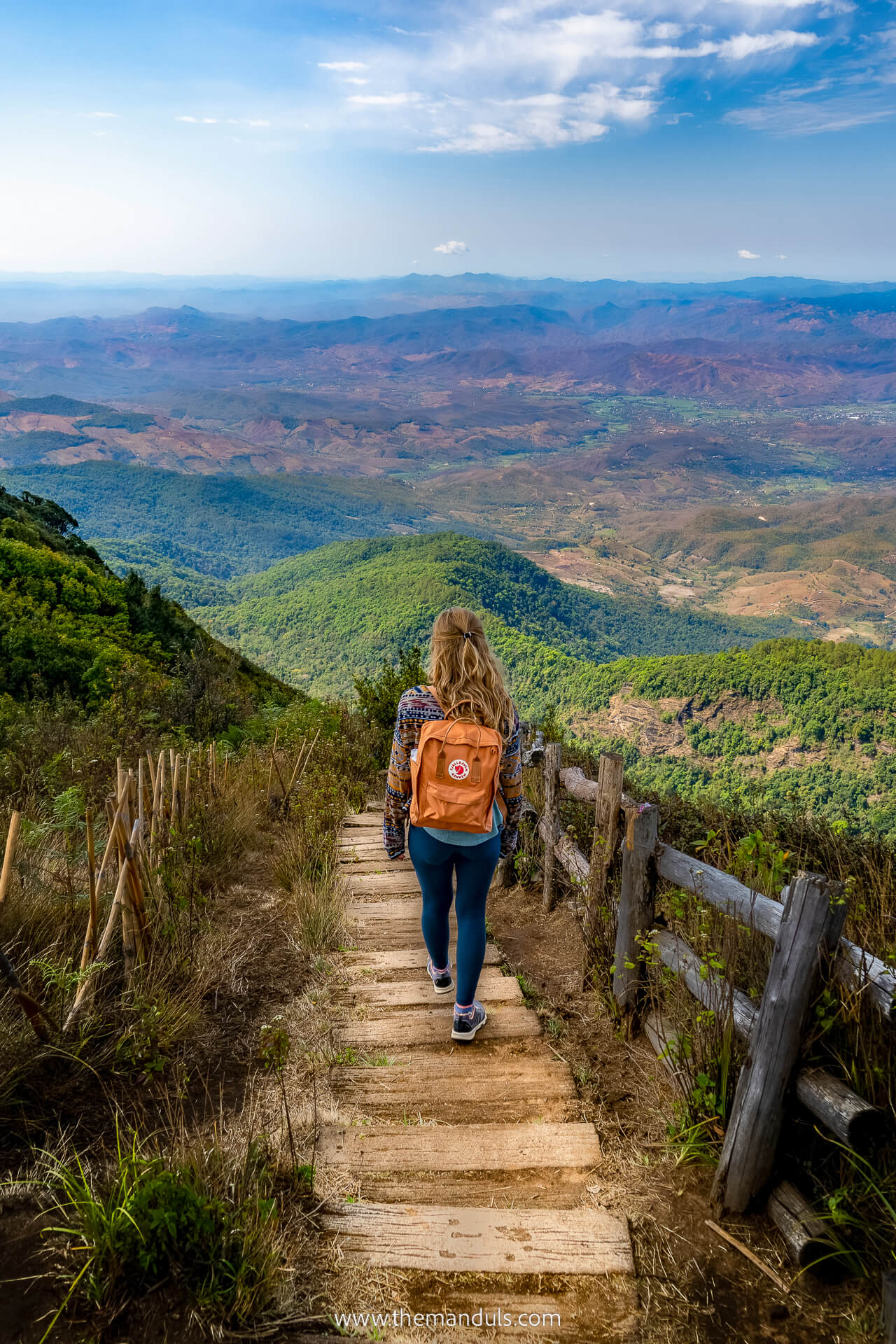
Kew Mae Pan Nature Trail — the highlight of the whole park for us and the one we’d recommend most if it’s open. The trail follows a path in the forest and a part with sweeping mountain views that were some of the best we saw during our entire time in northern Thailand. A local guide is required, which we didn’t love — we’re used to moving at our own pace — but the scenery was good enough that we stopped caring pretty quickly.
Important: the trail closes from June to October, so check before you plan your whole day around it. We’d have been genuinely gutted to arrive and find it shut.
If you’re traveling solo or don’t want to drive, we recommend the Doi Inthanon National Park Eco-Friendly Tour — it’s a comfortable and well-organized way to explore the park.
7. Listen to Live Reggae Music at Roots Rock Reggae
If you want a proper live music night in Chiang Mai, Roots Rock Reggae is the place to start your evening.
We found it by accident while walking back to our accommodation one night and ended up staying for hours. Live reggae bands play most nights, the atmosphere is relaxed, and it draws a genuine mix of travelers and locals who come specifically for the music rather than just for a place to drink.

It fills up once the bands get going, so arriving early gets you a decent seat and a chance to settle in before the crowd builds. The food menu covers standard Thai dishes if you need something to eat.
After Roots Rock Reggae, the natural next stop is Zoe in Yellow — Chiang Mai’s most popular dance club, just a short walk away. But that’s a different kind of night, and Roots Rock Reggae is worth giving proper time before you move on. Don’t rush it.
Good to know: This area has several bars within walking distance of each other, so you don’t need to plan too much. Start here, see where the night takes you.

8. Explore Chiang Mai’s Nightlife
Chiang Mai’s nightlife is more low-key than Bangkok or the southern islands, but the area around Zoe in Yellow in the Old City has enough bars clustered together that a good night out doesn’t require much planning.
The setup works in your favor — several bars within walking distance of each other, live music at some, a DJ and dance floor at others, and drinks that cost significantly less than in Bangkok. A beer runs around 80-120 THB, and most cocktails stay around 200 THB.
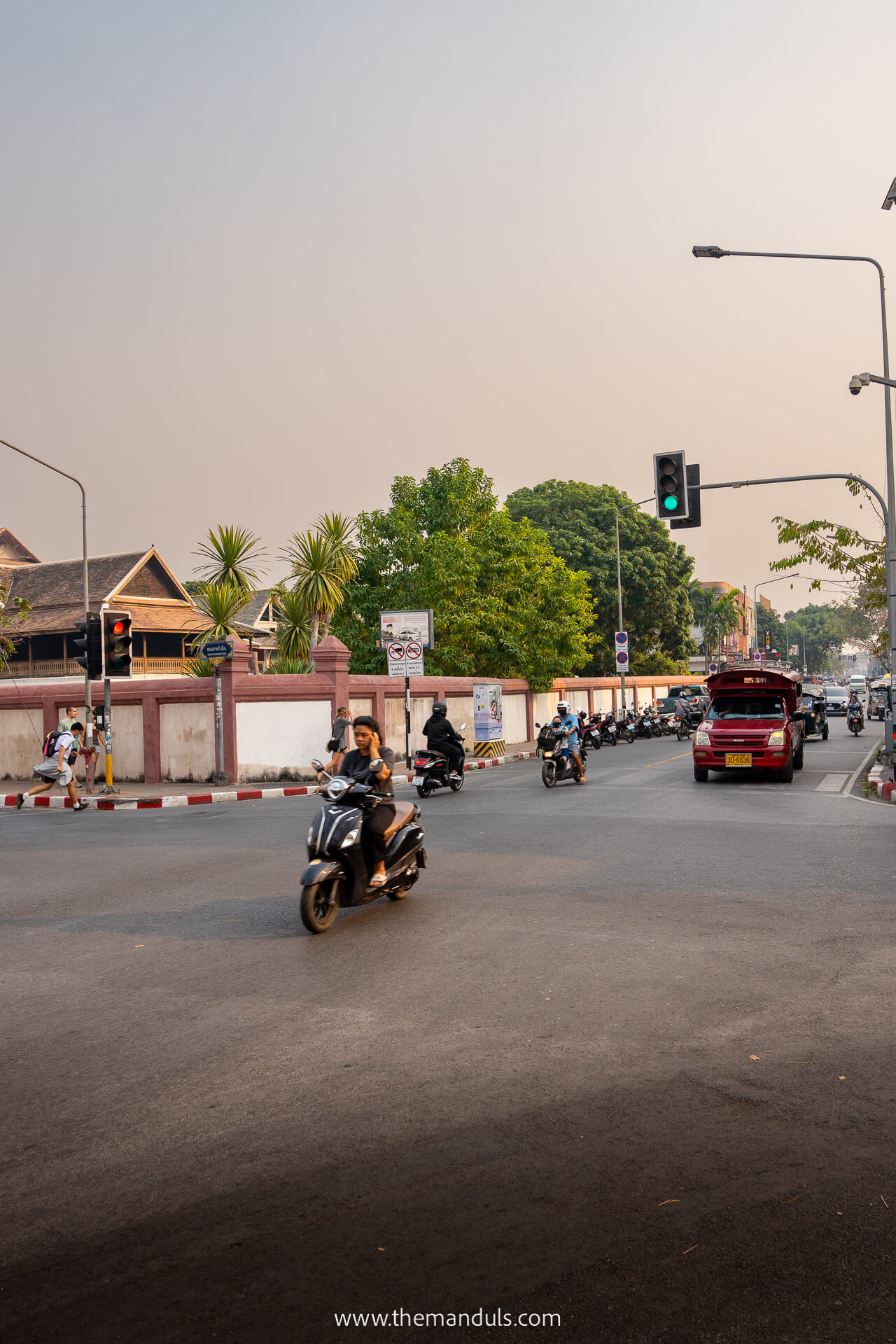
The spot we’d point you to first is Zoe in Yellow — the most popular dance club in the area. Before 11 pm, it’s relaxed enough to grab a drink and find your feet.
From around 11 pm to 1 am, the dance floor fills up properly, people start getting on stage, and it becomes a proper night out. If you arrive too early, it feels like a regular bar — show up after 11 pm if you want the full atmosphere.
Right next to the bar area, there’s a small street food market that we ended up eating at almost every time we went out. Quick, cheap, and well-timed for when you need something between drinks.
This area won’t suit everyone. If you’re after a quiet evening, a dinner and a massage will serve you better. But if you want to meet people, have a few drinks, and stay out past midnight, this is where we’d go first in Chiang Mai.
9. Relax with a Thai Massage
Chiang Mai is one of the best places in Thailand to get a proper Thai massage — prices are lower than in Bangkok, quality is generally higher than in the tourist beach towns, and there are enough options around the Old City that you can afford to be selective.
A one-hour traditional Thai massage typically costs 250-350 THB at a reputable massage shop, and 150-200 THB at a street massage spot.
The difference isn’t just price — street massages are fine for a foot rub while you people-watch, but for a proper full-body session with strong technique, a dedicated massage shop is worth the extra cost.

One place we’d genuinely recommend is Tira Massage near the Old City — good technique, focused on what you ask for, and strong enough to actually work out tension after a long day of walking. An hour there after Doi Suthep or a full Old City temple walk is a good use of an afternoon.
Traditional Thai massage involves stretching, pressure points, and often back and neck adjustments. If you’re not comfortable with cracking or deep pressure, mention it before they start.
10. Visit Bua Thong Sticky Waterfalls
Bua Thong is unlike any other waterfall near Chiang Mai — instead of just viewing it from the side, you can actually climb up the limestone surface. The rock is naturally grippy enough to walk on barefoot, which makes it more of an experience than a viewpoint.
It’s the one waterfall we’d prioritize near Chiang Mai, but timing matters. The rainy season runs roughly May to October, and waterfalls are best visited from late October through December when water levels are still high.
When we visited outside that window, most waterfalls near the city were too dry to bother with, so we skipped them rather than waste half a day on a disappointing stop.
If you want a longer nature day with multiple levels, Mae Sa Waterfall is the better choice. For something quick and close to the city, Huay Kaew is the easiest option. But if water levels are low, we wouldn’t build your Chiang Mai itinerary around any of them.
Before you go: Check recent Google reviews or photos to see current water levels, especially between January and April.
11. Take a Day Trip (or Longer) to Chiang Rai
Chiang Rai is worth the trip from Chiang Mai if the White Temple, Blue Temple, and Wat Huay Pla Kang are high on your list — but the drive is around 3 hours each way, so expect a long day with limited time for anything beyond the main temples.
If your itinerary allows, staying overnight or longer is the better option. We spent around 5 days in Chiang Rai and still had more places we could have added, from quieter temples and viewpoints to cafés that a single day trip simply can’t cover. But if Chiang Mai is your base and you only have one day, the temples alone justify the journey.
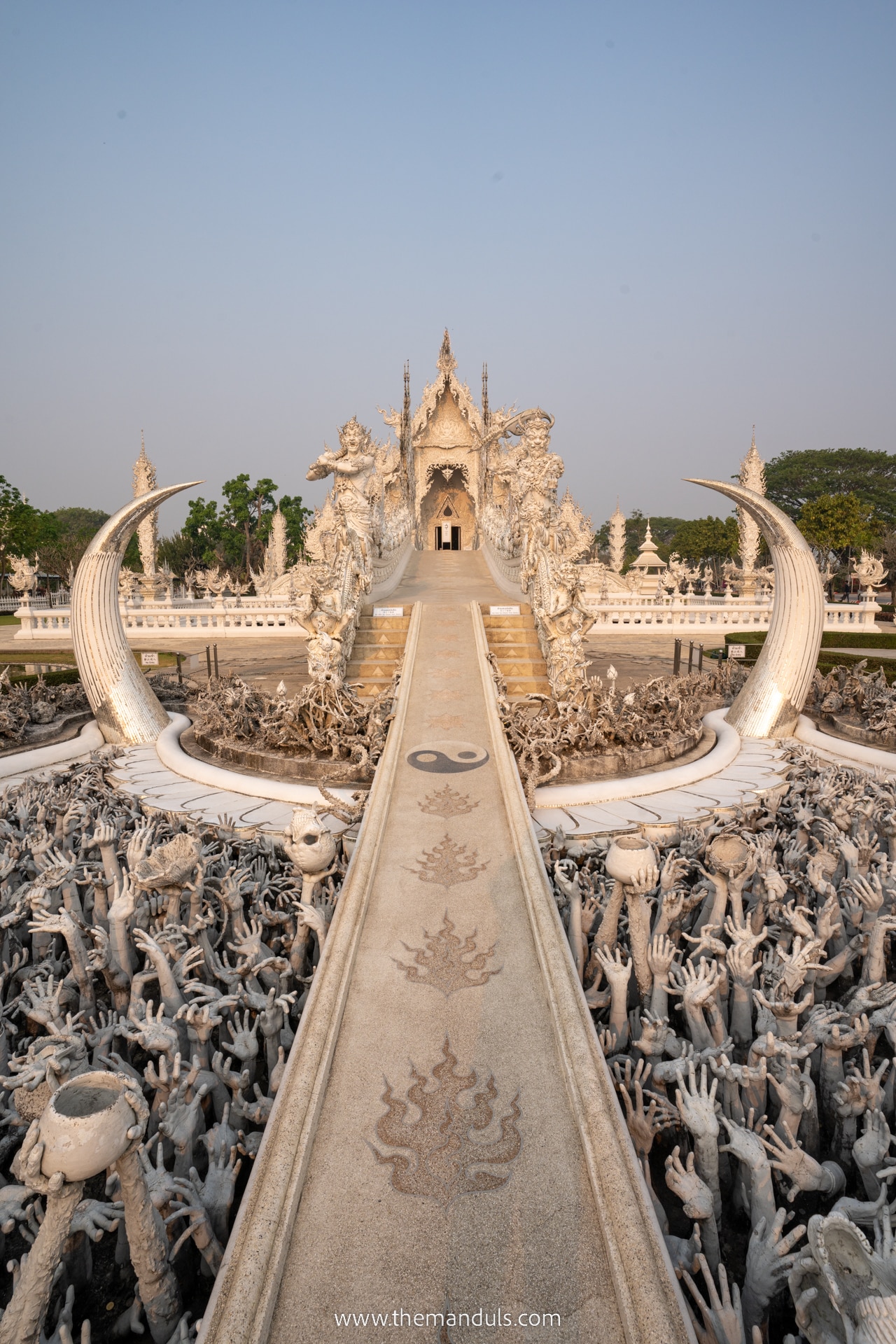
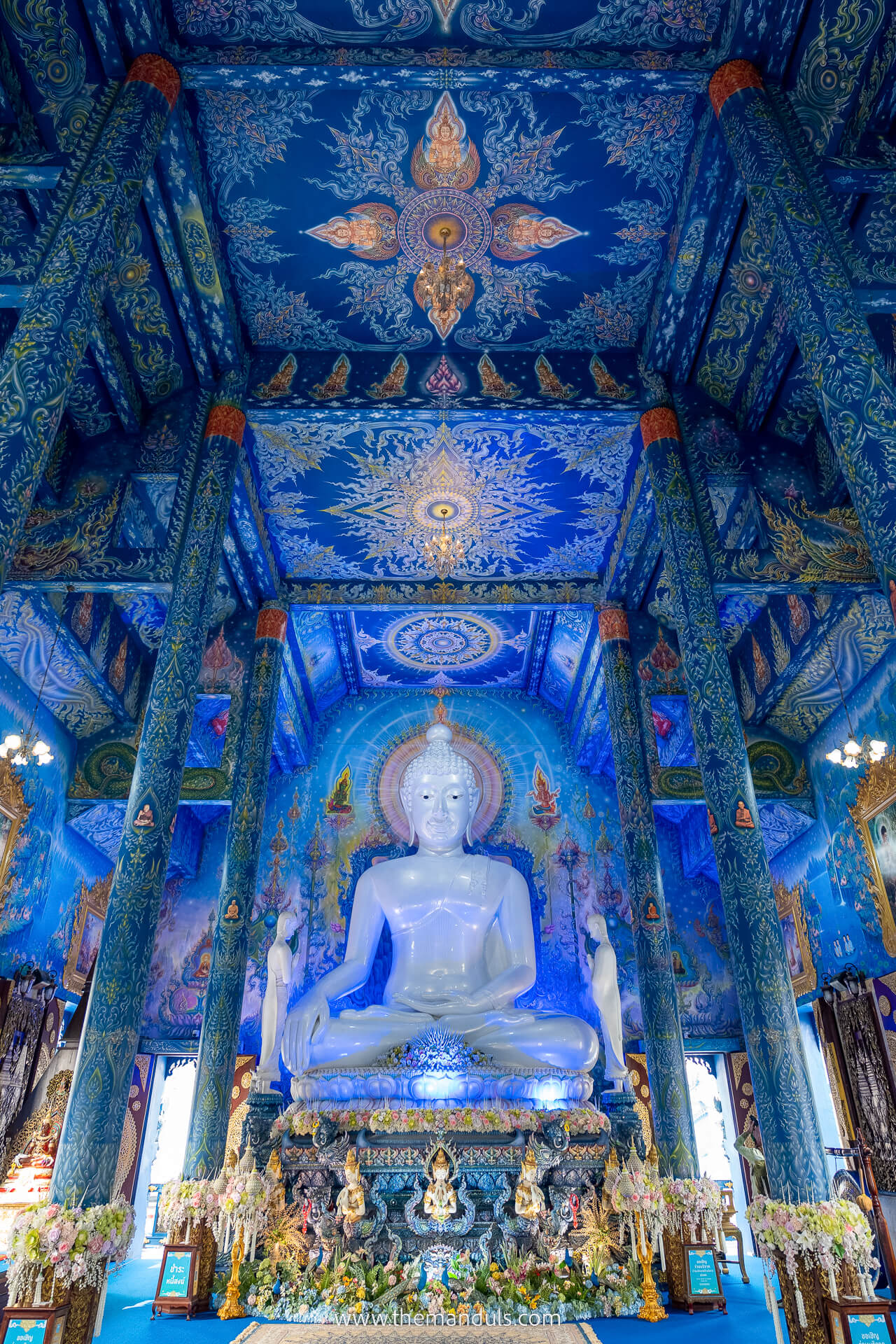
The White Temple is the main reason to go. The architecture is unlike anything else we saw in Thailand, and it’s genuinely worth seeing in person rather than just in photos. The Blue Temple is smaller but striking up close, and Wat Huay Pla Kang is worth the stop for the huge Guan Yin statue and the view from the top.
We wouldn’t do this by scooter as a day trip. The drive is long and tiring enough that you’d arrive already worn out. This is one of the few trips where joining a tour makes practical sense, with transport handled and the main temples covered in one day.
Check the Chiang Rai day tour availability on GetYourGuide→

Extra Tip: If you have time, stop by Lalitta Cafe, a gorgeous spot with dreamy gardens, ponds, and colorful flowers everywhere. It’s a perfect place to grab a coffee, take a break from sightseeing, and snap some beautiful photos.
12. Dive Into Chiang Mai’s Coffee Scene
Chiang Mai has one of the strongest café scenes we found in Thailand, with specialty coffee shops, locally sourced beans from northern Thailand, and enough variety that it’s worth adding a few coffee stops to your itinerary.
We wouldn’t plan a full day around cafés, but around Nimman especially the good ones are close enough together that stopping for coffee between other plans never feels like a detour.
A few places worth knowing:
- Graph Café — one of the most well-known specialty coffee spots in the city, good for a proper sit-down coffee stop
- Ristr8to — strong coffee and good latte art, more serious about espresso than most places in Thailand
- Akha Ama Coffee — beans sourced directly from Akha hill tribe farmers in northern Thailand, which gives it a reason to exist beyond just being a nice café
- Chom Café — worth the trip outside the center if you want a more designed café experience away from the Nimman crowds
One tip we’d genuinely pass on — don’t ignore 7-Eleven coffee in Thailand. We were surprised by how good the iced latte and iced matcha latte were, and at a fraction of the price of a specialty café they’re worth grabbing whenever you pass one.
13. Take a Day Trip (or Longer) to Pai
Pai is worth the trip from Chiang Mai — but only if you stay at least one night. The travel time alone makes a day trip a bad trade.
We rode there by scooter, and the road was one of the best parts of the whole journey. There are winding mountain sections, viewpoints worth stopping for, and enough curves to make it feel like a proper ride instead of just getting from A to B.
Plan around 3–4 hours by scooter, depending on stops and how comfortable you are on the road.
If that sounds like too much, take a minivan to Pai and rent a scooter once you arrive. That way, you avoid the long mountain ride but still have freedom to explore around town.
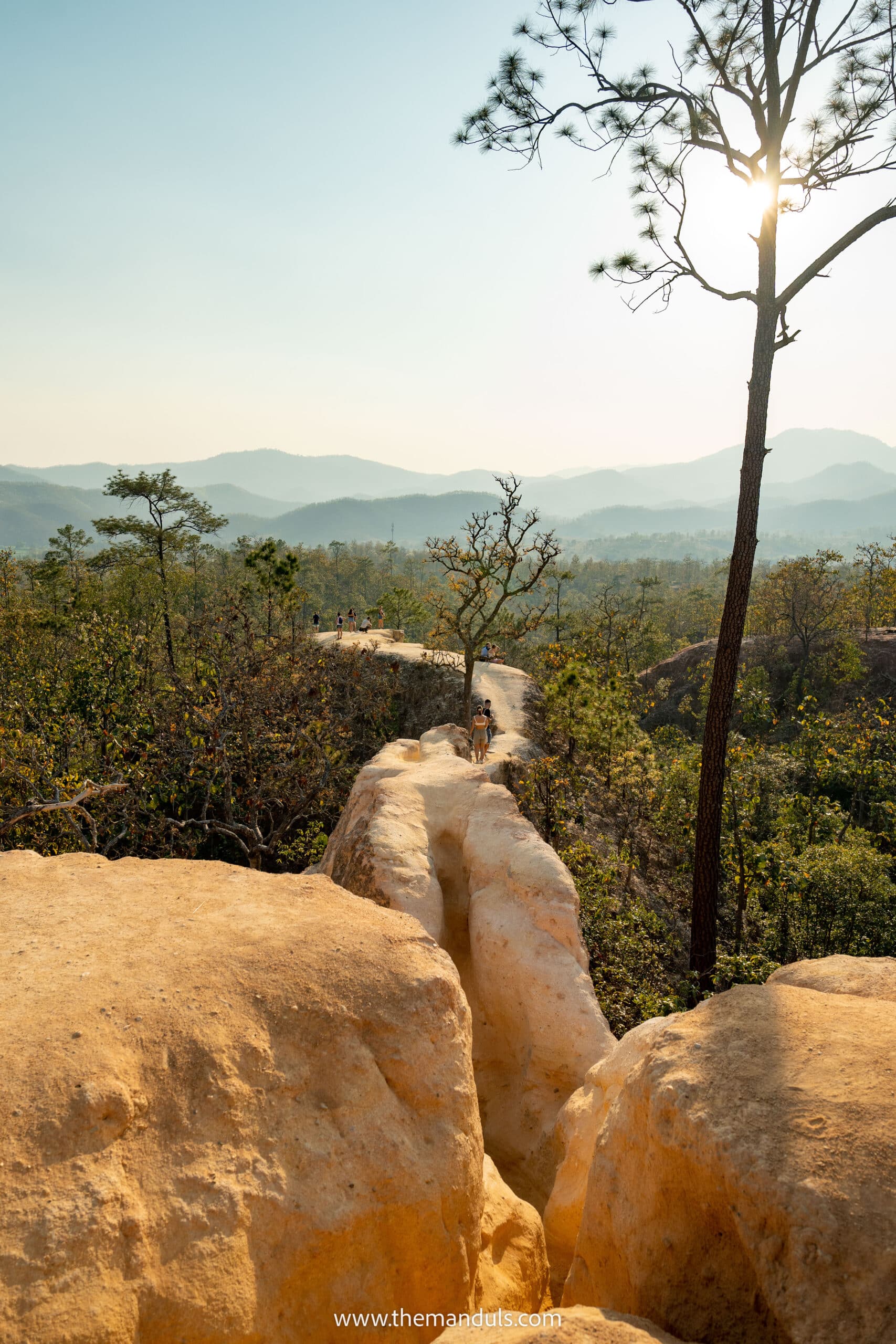
Staying overnight meant we had time for Pai Canyon at sunset, Yun Lai Viewpoint in the morning, and the night market in the evening — and none of it felt rushed.
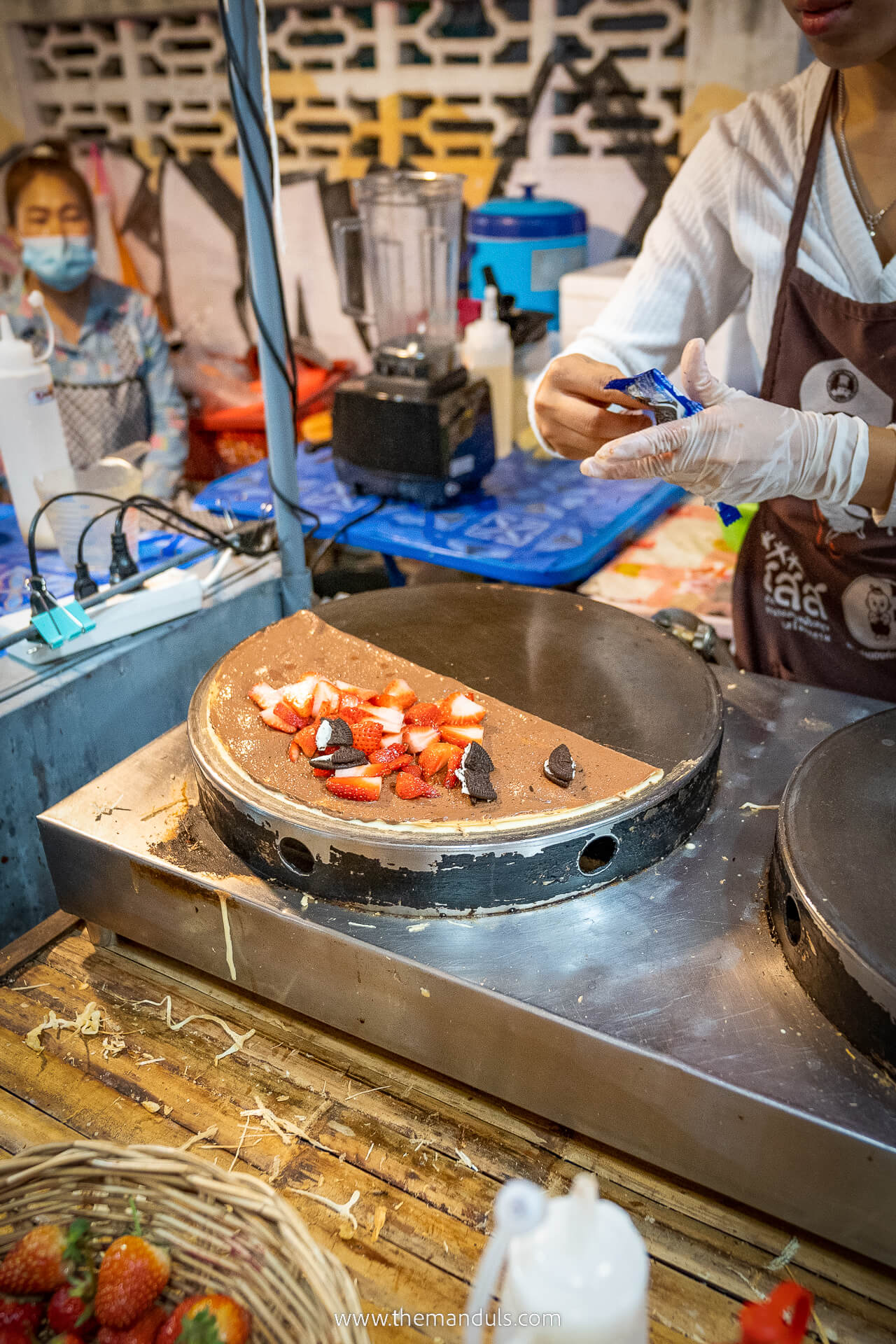
The night market especially is worth staying for. We spent the evening eating street food slowly, walking around without a plan, and not thinking about a drive back. That’s exactly the kind of evening a day trip would take away.
If your Chiang Mai itinerary is already tight, skip Pai and save it for a longer northern Thailand trip. But if you have one extra night to spare, use it here.
Where to Stay in Chiang Mai
If you’re planning a trip and not sure which part of the city fits your style, check out our full Where to Stay in Chiang Mai guide — it breaks down the best areas like the Old Town, Nimman, Riverside, and the Night Bazaar with hotel picks for every budget.
Best hotels in Chiang Mai
⭐️⭐️⭐️ U Nimman (Our Top Pick) – Stylish hotel in the heart of Nimman with modern rooms, a rooftop pool, and one of the best breakfasts in the city. Ideal for couples or anyone who enjoys comfort and convenience.
👉 Check current deals →
⭐️⭐️ ON Thapae Gate – Mid-range hotel right between the Old Town and the Night Bazaar. Modern rooms, quiet atmosphere, and friendly staff make it a reliable choice for exploring both sides of the city.
👉 Compare prices →
⭐️ Sleep Guesthouse – Cozy, family-run guesthouse in the Old Town with clean rooms and genuinely kind hosts. Perfect for budget travelers who want a local, personal touch.
👉 See latest prices →
Final Thoughts
Chiang Mai is worth slowing down for — not rushing through as a list of things to tick off.
If you only have a few days, start with Doi Suthep, the Old City temples, the Sunday Night Market, and one bigger experience like an elephant sanctuary or cooking class.
Add Doi Inthanon, Chiang Rai, or Pai only if you have enough time to do them properly. Each one needs its own space in the itinerary, and Pai especially works better with at least one night.
What made Chiang Mai work for us was the balance between the bigger plans and the slower moments — good food, cafés, massages, and evenings at the night market without constantly rushing to the next place.
The temples and day trips are worth doing. But the in-between moments are what make you want to stay longer than planned. Do fewer things here, and you’ll enjoy Chiang Mai more.