
This article contains affiliate links. Learn more in our affiliate disclosure.
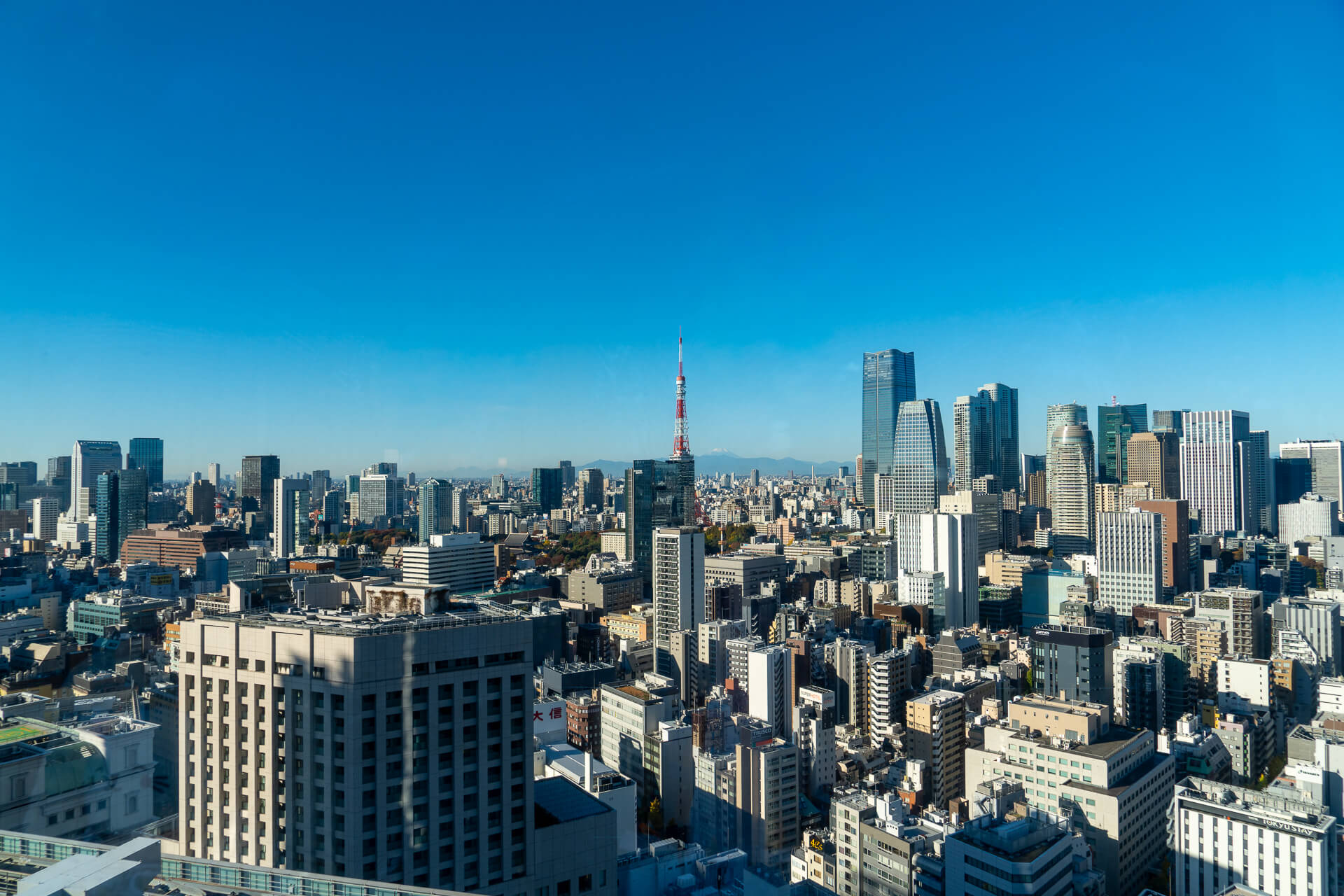
Getting around Tokyo looks intimidating at first — endless lines, colours, stations, and names that don’t mean much until you’re there. But based on our time exploring the city, it’s actually one of the easiest big cities in the world to navigate once you understand the basics.
Most of the best things to do in Tokyo are well connected by trains, signage is clear, and Google Maps does a lot of the heavy lifting for you.
Where you stay also makes a big difference. Choosing the right base can save you time, energy, and a lot of unnecessary transfers — which is why we break it all down in our guide on where to stay in Tokyo, including the areas that made getting around noticeably easier for us.
This guide is based entirely on our own experience getting around Tokyo — using trains daily, navigating major stations, traveling with luggage, and figuring out what’s actually worth using (and what isn’t).

Quick Overview
⭐ Best overall: Trains (JR + Metro) — fast, reliable, and connect almost everywhere you’ll want to go.
⚡Fastest: JR lines — ideal for longer jumps between major areas like Shinjuku, Shibuya, Asakusa, and Tokyo Station.
🚌 Best backup: Buses — useful in a few areas, but slower and less intuitive, especially in rush hour.
🚖 With luggage or late nights: Taxis — reliable, safe, and easy to grab from official stands.
🚫 Avoid: Driving — heavy traffic, complex rules, and very expensive parking with no real benefit.
Is Tokyo Easy to Get Around?
Yes — once you’re there, getting around Tokyo is far easier than it looks on a map. The transport system is incredibly efficient, signage is clear and well-labelled in English, and trains run so frequently that you rarely wait more than a few minutes.
Based on our experience, the biggest challenge isn’t using the transport — it’s choosing the right line in large stations like Shinjuku or Tokyo Station. Even then, Google Maps is extremely accurate and tells you exactly which platform to use, which carriage is best, and where to exit.
Once you understand the basics — trains instead of cars, IC cards instead of paper tickets, and avoiding rush hour when possible — moving around the city becomes almost effortless. After the first day or two, we stopped thinking about logistics altogether and just focused on exploring.
Getting Around Tokyo: All Transport Options
During our time in Tokyo, we relied almost entirely on trains and walking. That combination covered nearly everything we wanted to do, from hopping between neighbourhoods to exploring smaller side streets. We tried a few other options out of curiosity, but in practice, most of them weren’t necessary.
Once we stopped overthinking the transport map and focused on what actually worked day to day, getting around felt surprisingly simple. Trains handled the long distances, walking filled in the gaps, and anything else only came into play in very specific situations.
Below, we break down each option based on what we actually used, what we skipped, and what we’d do again without hesitation.
Walking
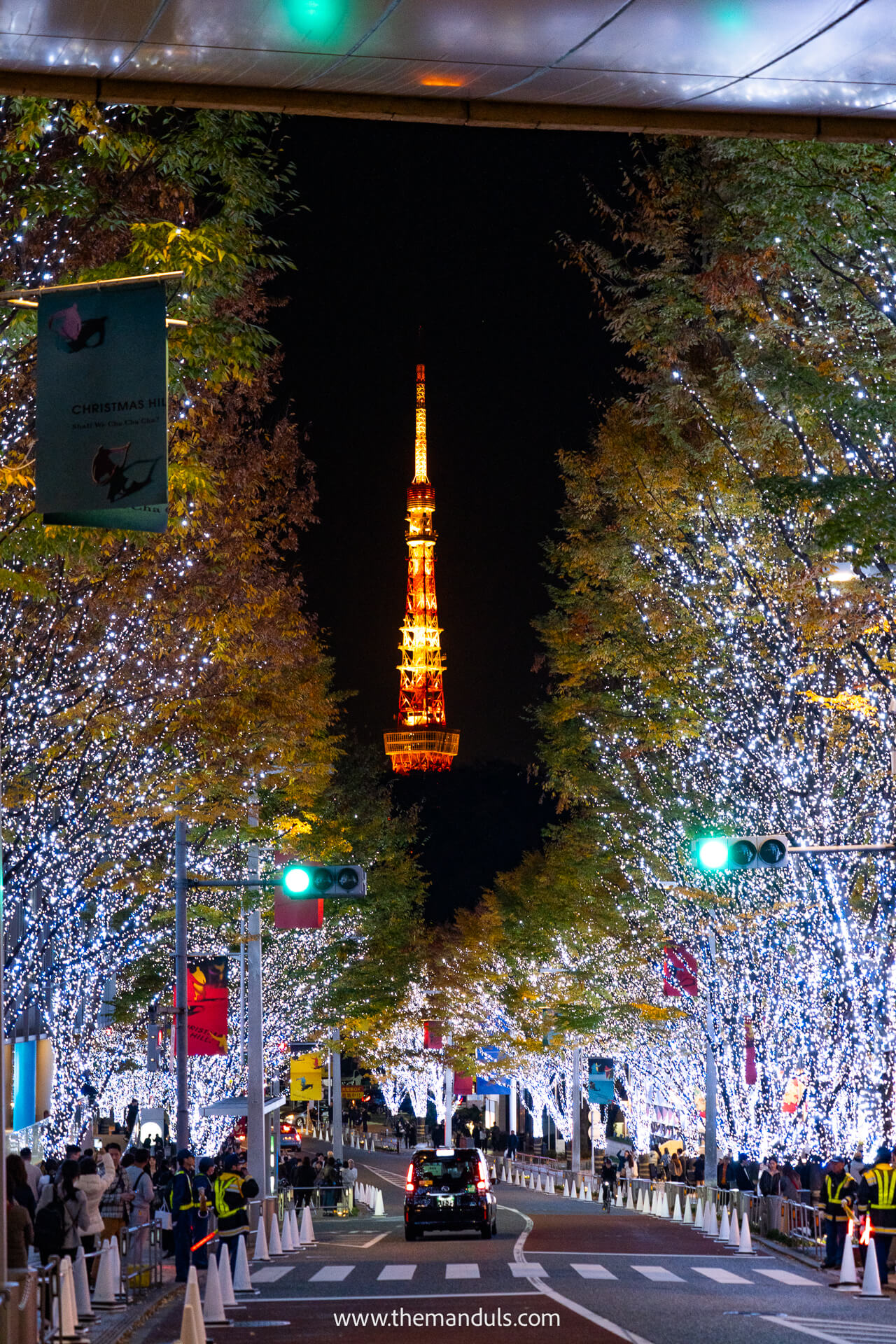
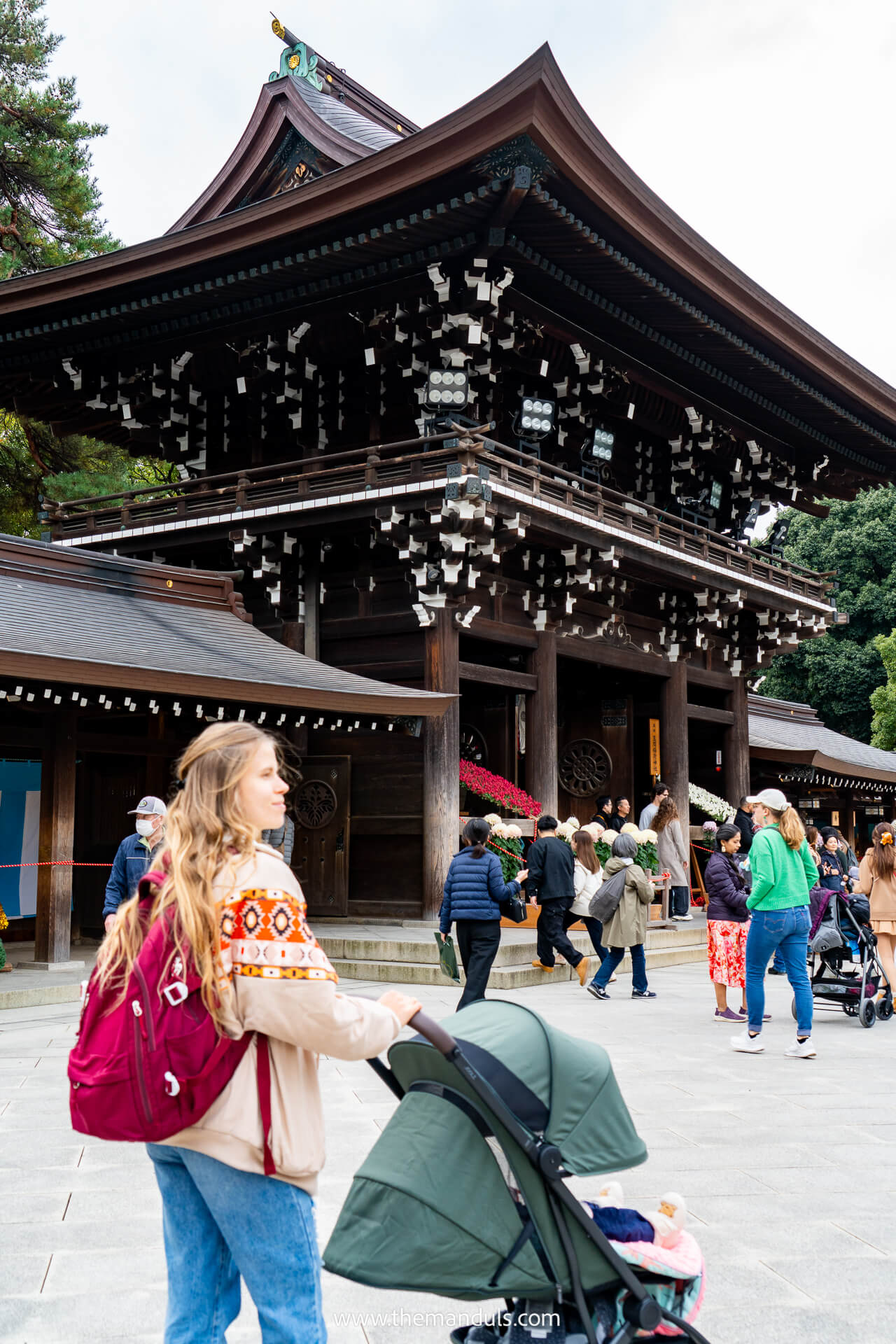
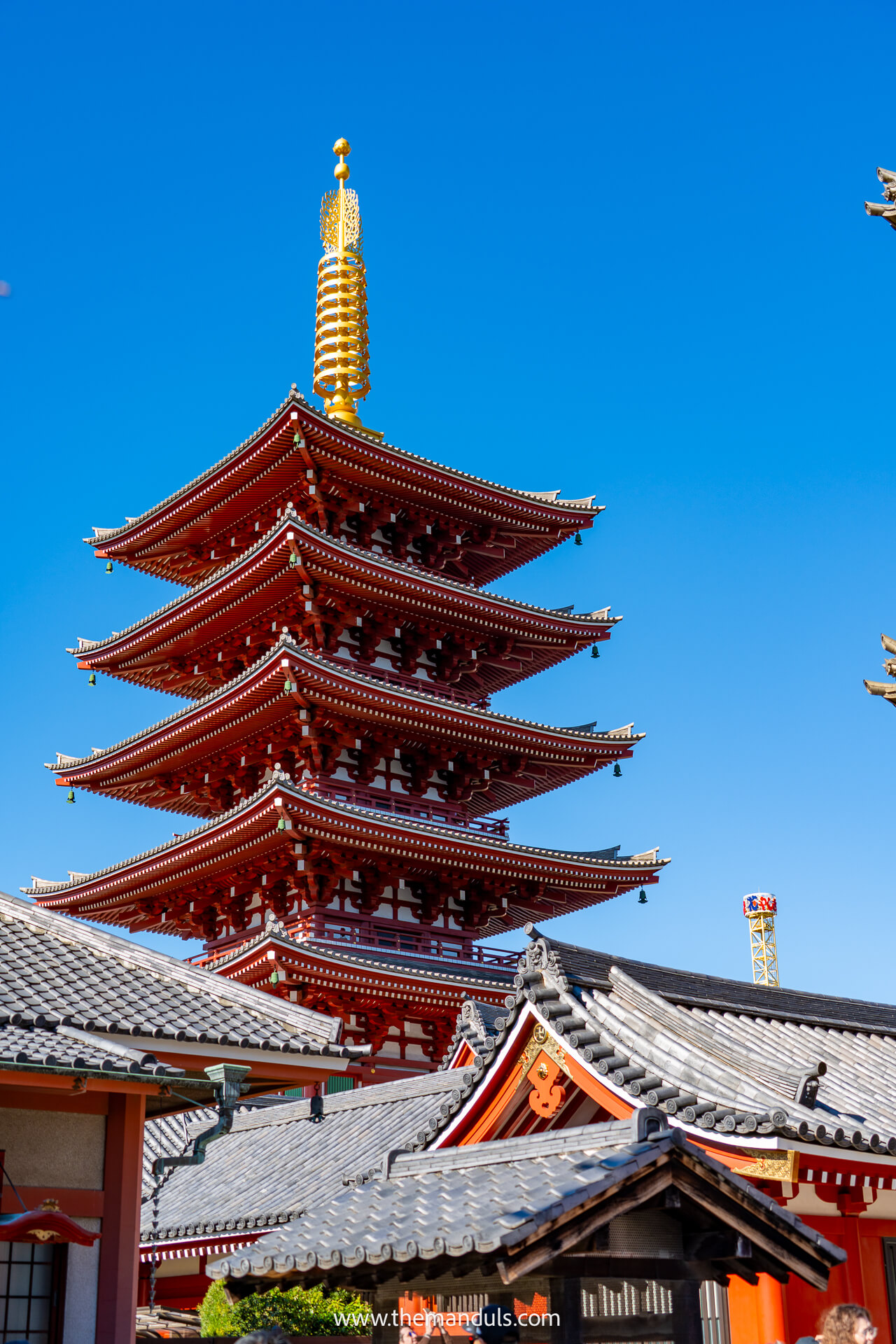
We walked a lot in Tokyo — often more than we expected. Many neighbourhoods are compact, and once you’re off the train, walking is usually the easiest way to explore, especially in areas like Asakusa, Shibuya, Shinjuku, or around smaller local streets.
What stood out to us is how pedestrian-friendly the city feels despite its size. Sidewalks are wide, crossings are well organised, and everything is clearly signposted. Walking also helped us discover places we would’ve completely missed if we’d relied on trains alone — cafés, shrines, and quiet backstreets just a block away from the main roads.
That said, Tokyo is big, and walking works best when combined with trains. We’d usually take the train to the right area, then explore on foot.
Metro & JR Trains
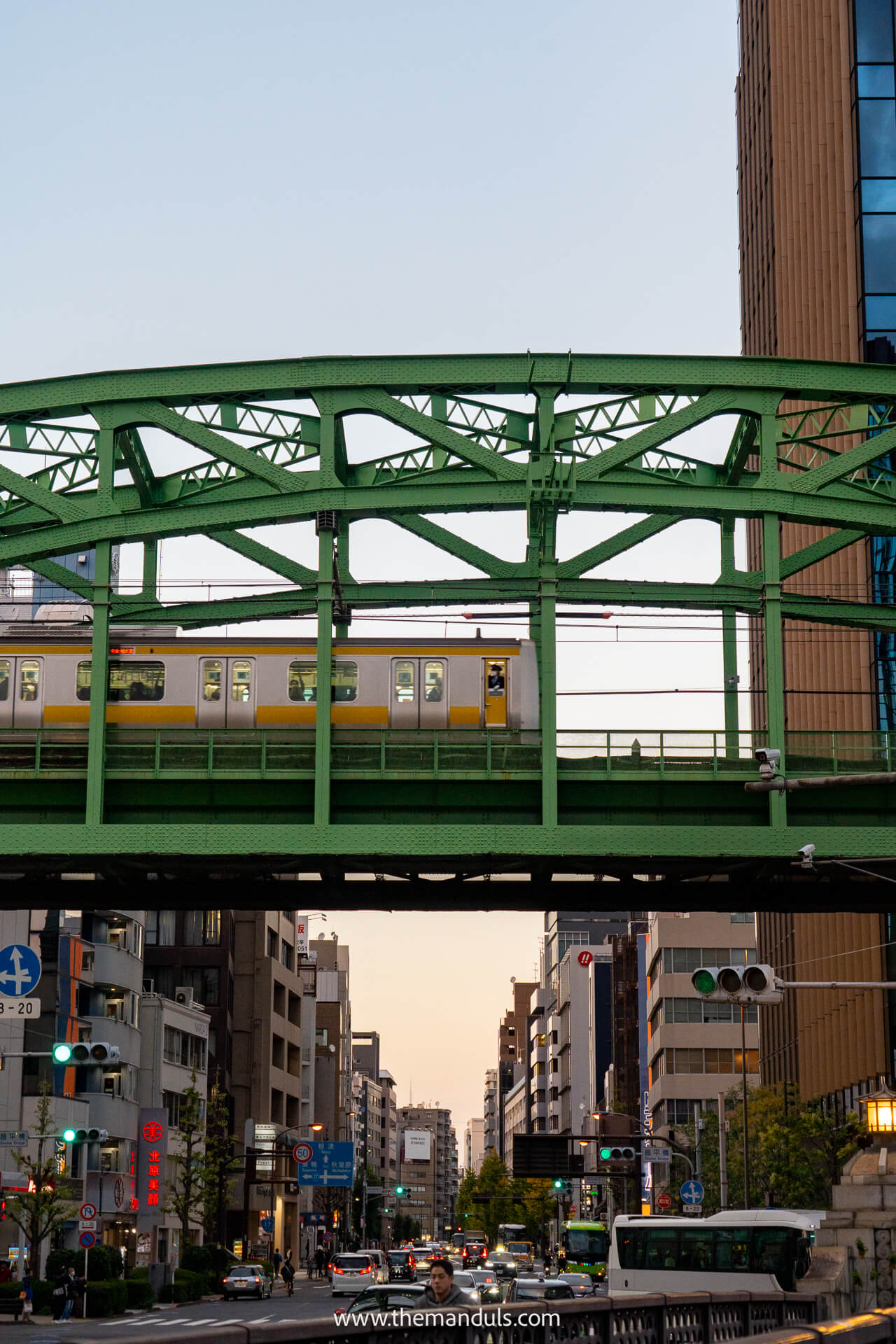
Trains were our main way of getting around Tokyo, and once we got going, they felt far easier than the transport map suggests. In practice, we used both JR and metro lines interchangeably and never really thought about which system we were on.
We simply chose the fastest route, and since prices within the city are similar, there was no downside either way.
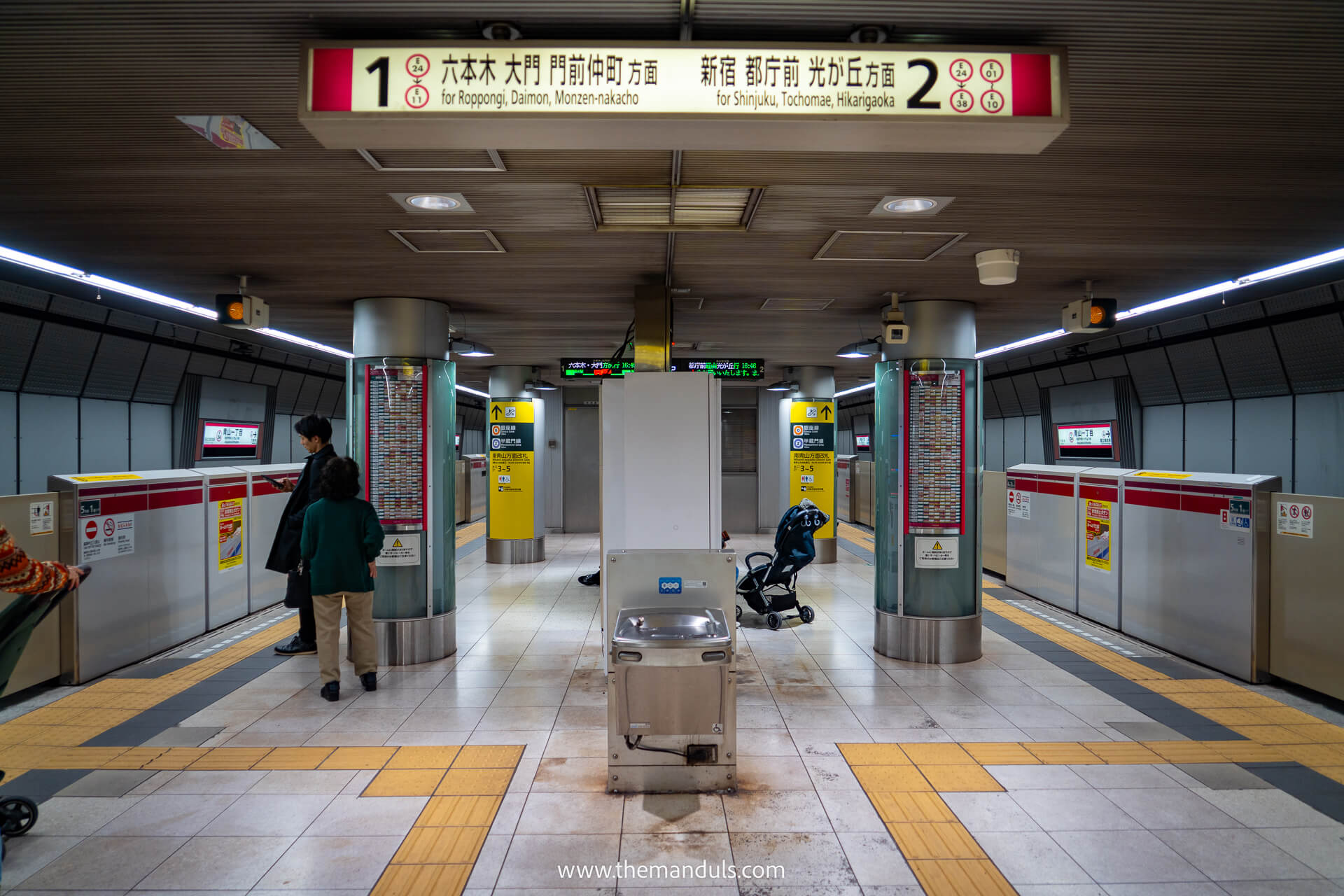
Google Maps helped a lot and usually got everything right — lines, platforms, and timing. That said, we did notice that sometimes it sent us to a farther station instead of the closest one. When something looked odd, we double-checked nearby stations, and more than once that saved us unnecessary walking.
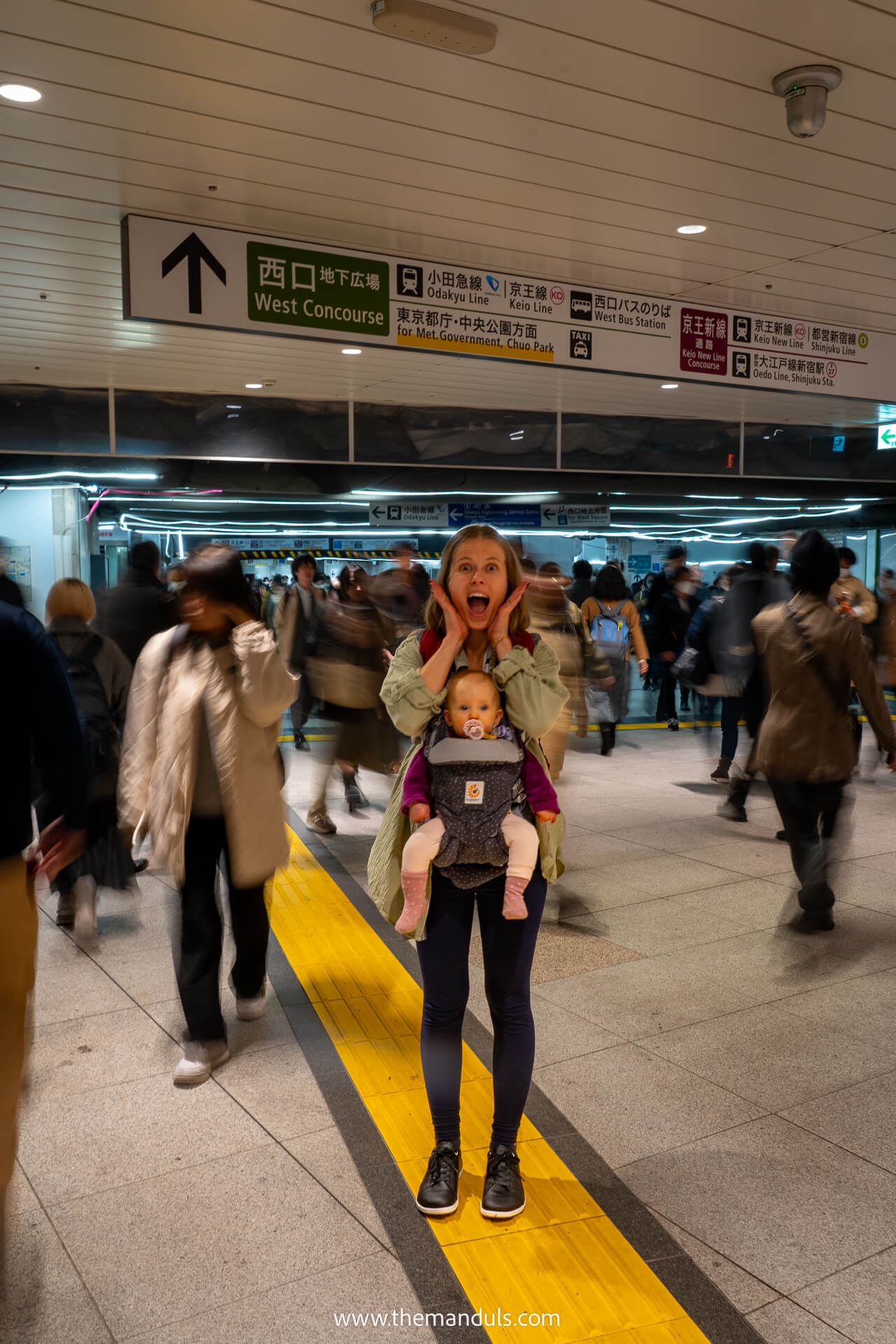
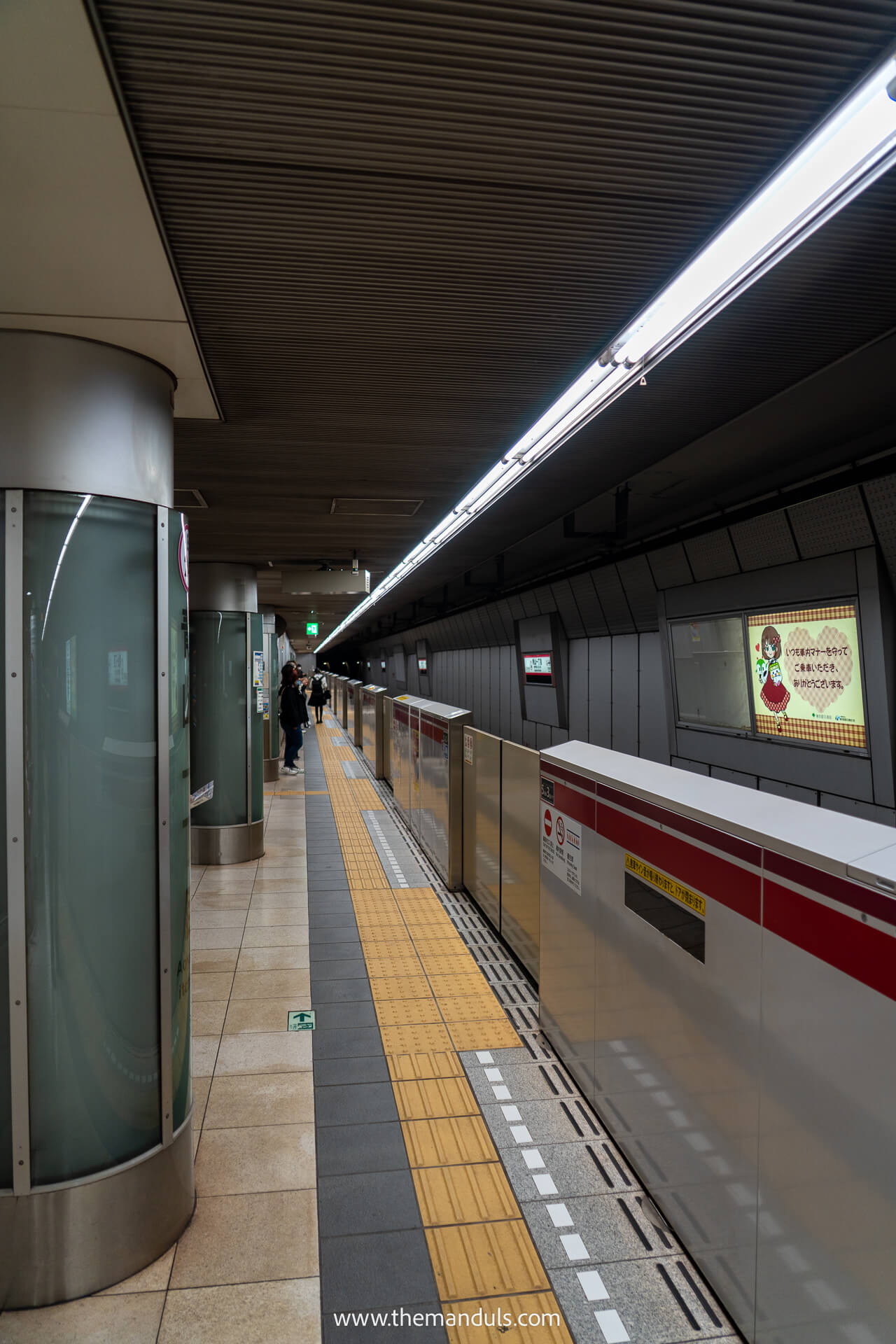
Inside large hubs like Shinjuku or Tokyo Station, things can look chaotic at first, but signage is clear and everything is well organised. Once you realise that exits matter just as much as platforms, navigating stations becomes much easier. After the first couple of days, using trains felt completely natural.
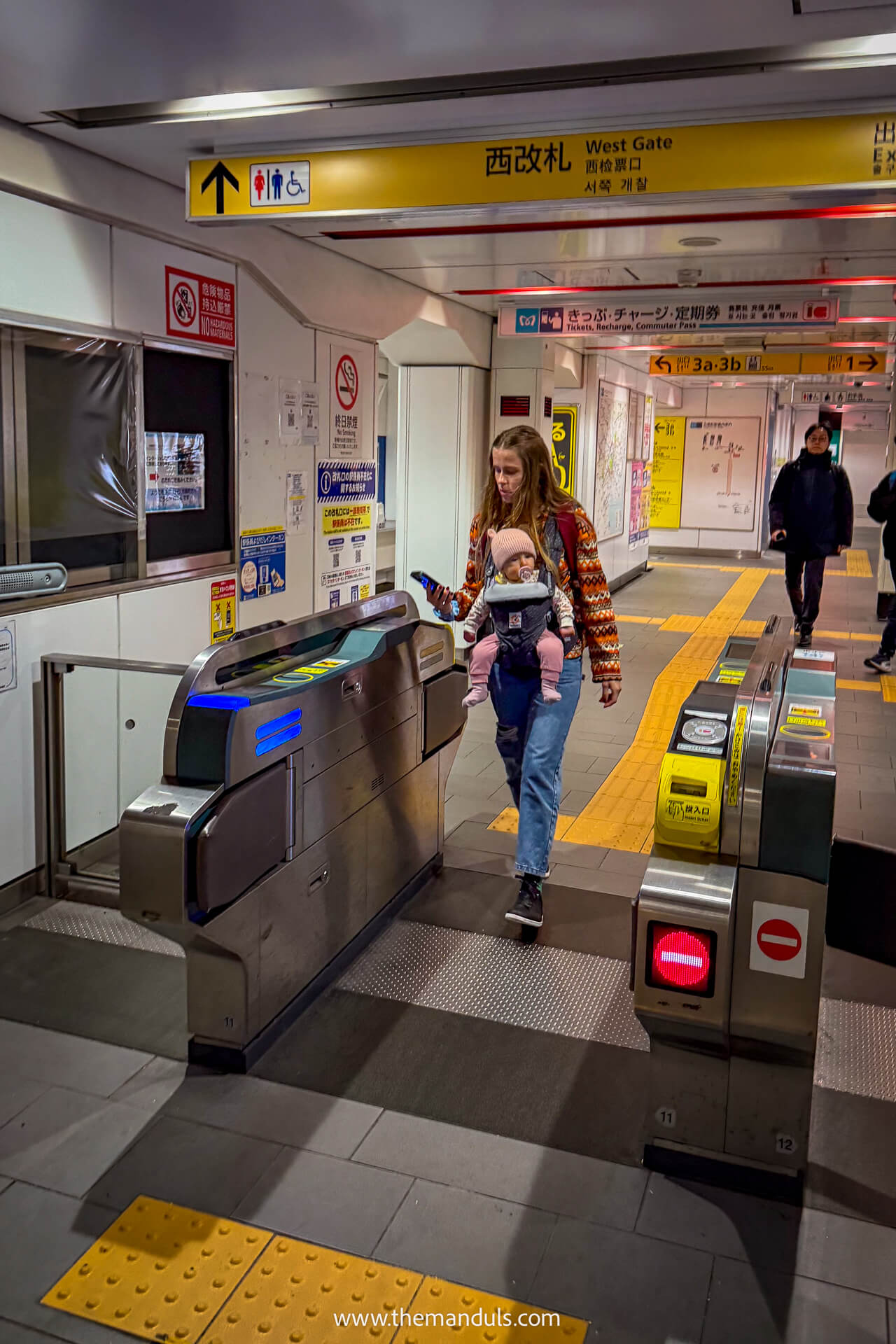
For payment, we used a Suica card in Apple Wallet the entire time. You literally just tap your phone at the gate — no buttons, no confirmations — and it charges automatically. It’s fast, seamless, and genuinely one of the best public transport systems we’ve ever used. We kept thinking how much we wish it worked this way everywhere.
Buses
We barely used buses in Tokyo, and that’s honestly how it will be for most visitors. The train network is so efficient that buses usually aren’t necessary, especially if you’re sticking to the main areas.
That said, there were a few situations where buses made sense — mainly for short distances within a neighbourhood or when a bus stop was closer than the nearest train station. They’re clean, reliable, and accept IC cards, so using them isn’t difficult, just slower and less intuitive than trains.
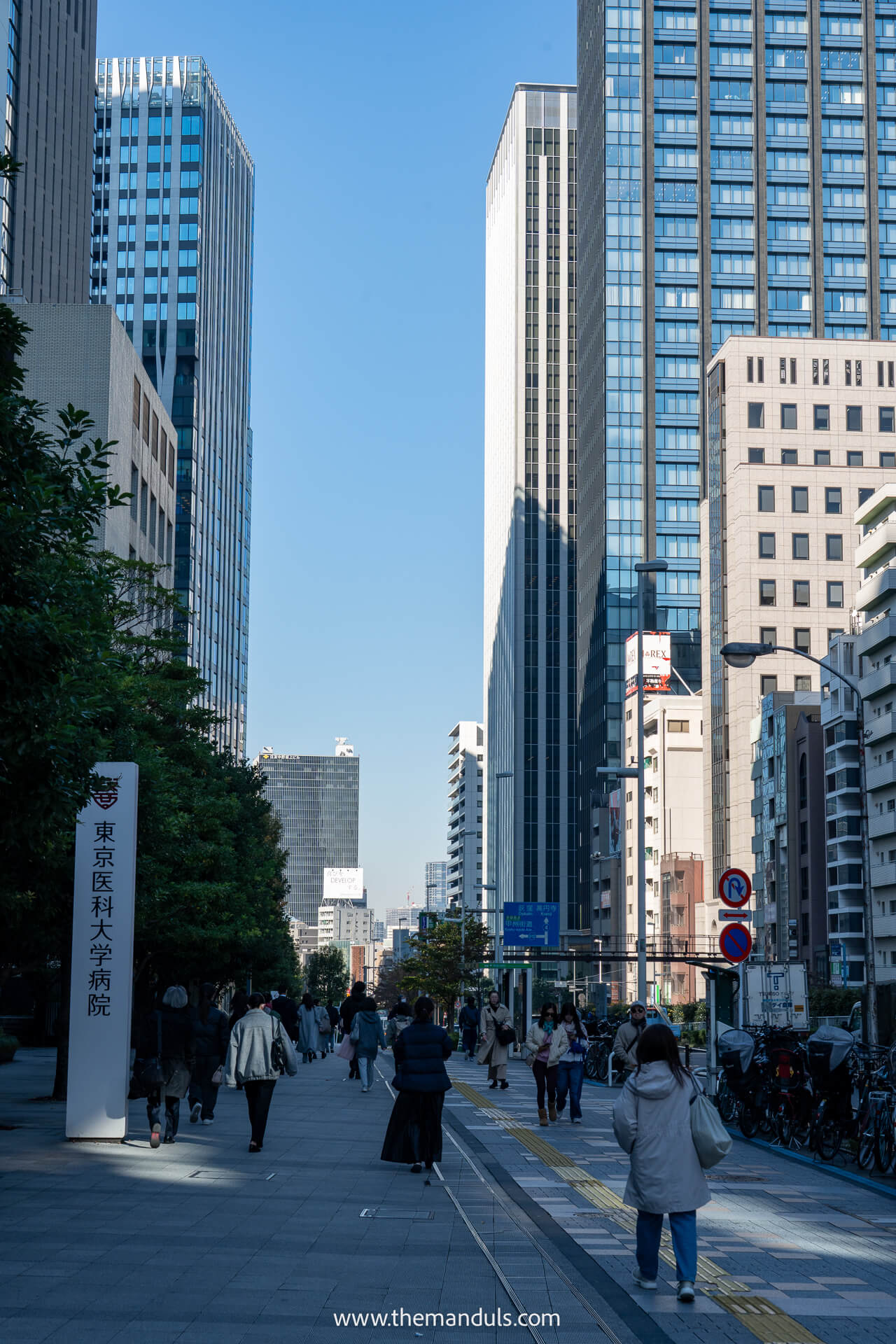
If you’re in a rush or travelling during peak hours, buses can feel frustrating because of traffic and frequent stops.
For that reason, we’d treat them as a backup option, not something to plan around. If Google Maps suggests a bus and it clearly saves time, go for it — otherwise, trains are almost always the better choice.
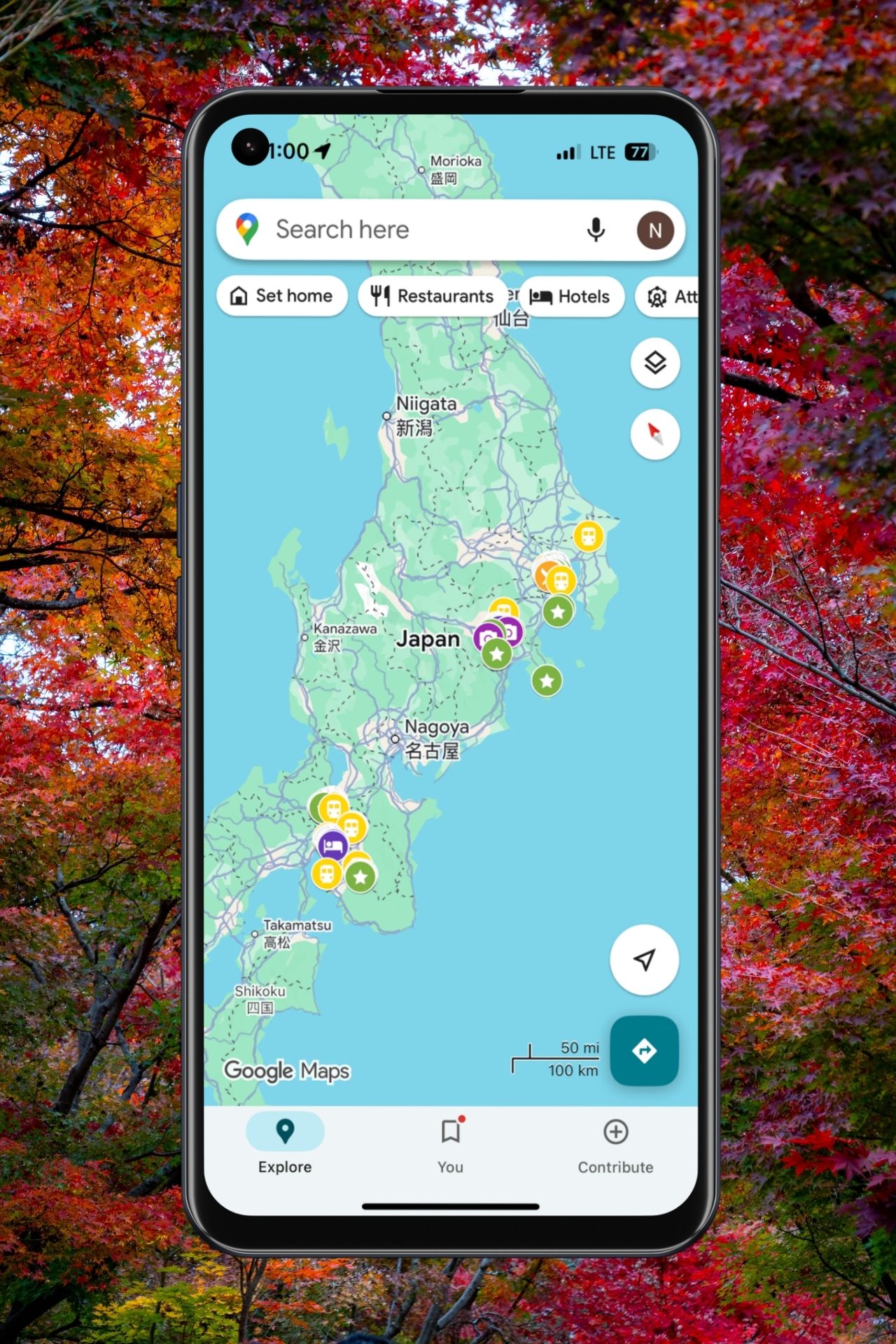
Our Japan Google Maps
Built from our real trips across Japan — only places we actually visited and loved.
No tourist traps. No random saves. Just a ready-to-use map that saves you hours of research.
219 handpicked spots, including:
📍 Highlights & hidden gems
🍜 Restaurants we’d go back to
🏨 Areas & hotels we’d book again
🗺️ Stops that fit into real, logical itineraries
Taxis & Ride Apps
We actually never had to use taxis while getting around Tokyo — trains covered almost everything. Still, taxis are reliable and easy to use if you need them, especially late at night, with luggage, or when you’re tired of navigating stations.
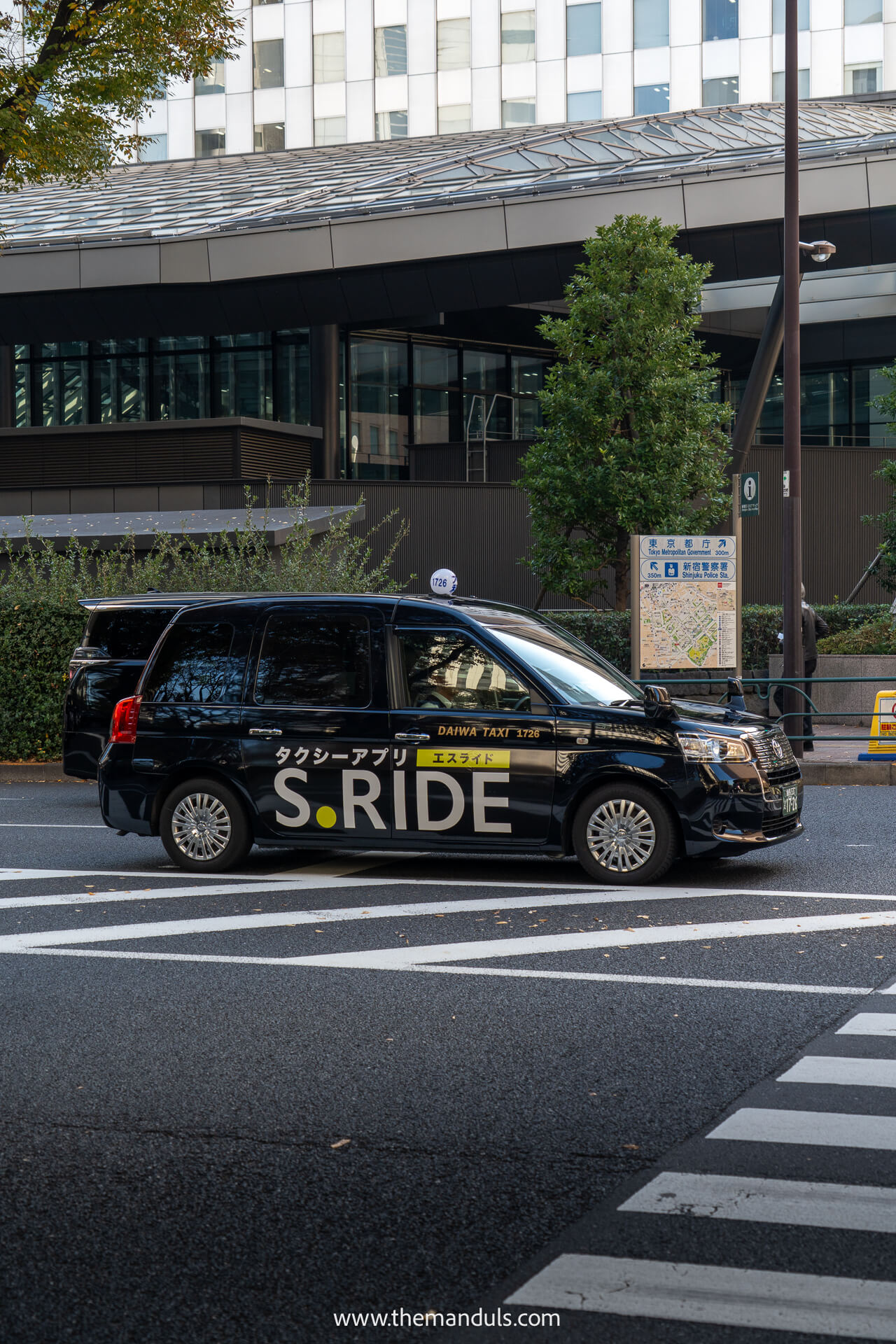
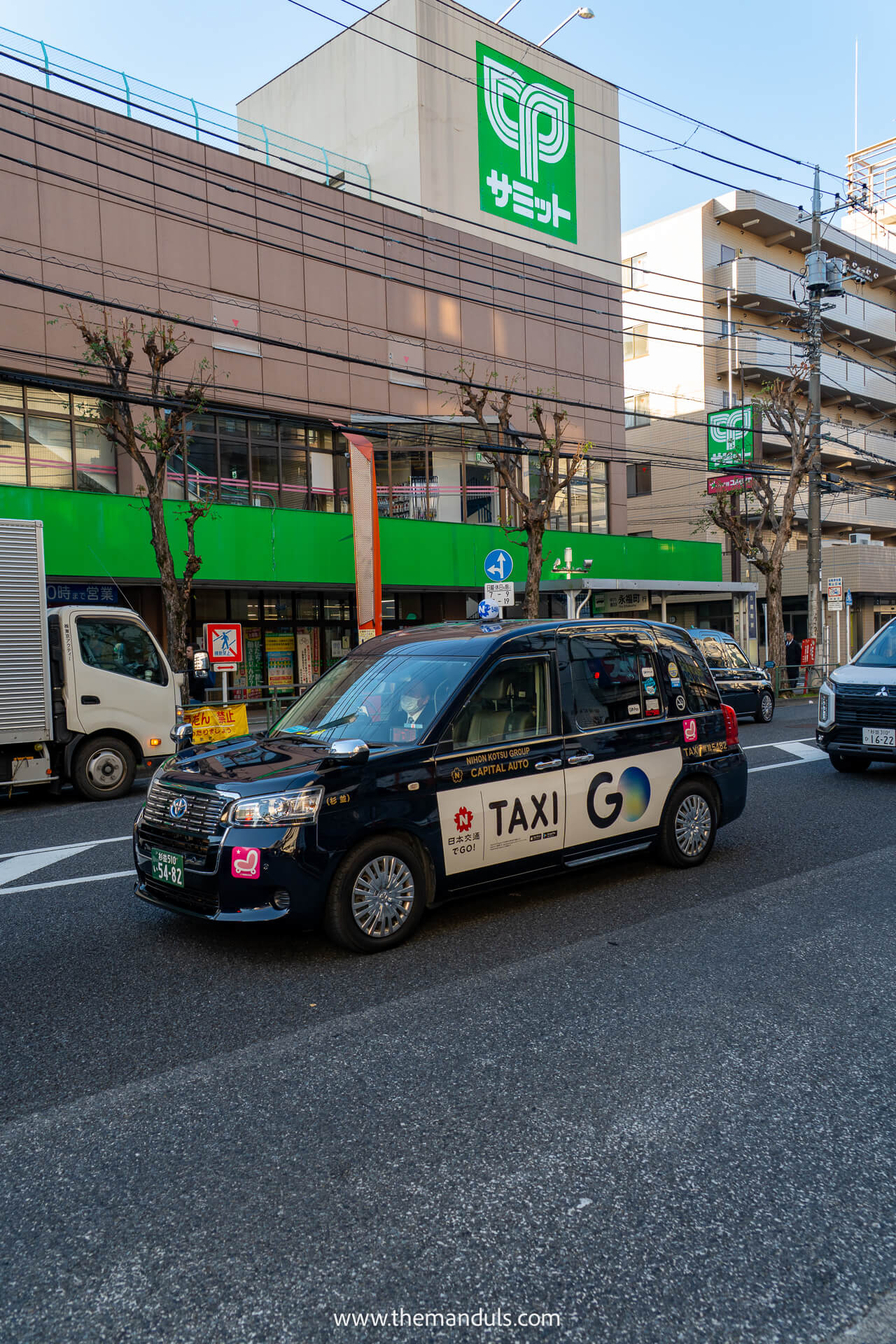
Ride-hailing apps do work in Tokyo, but they mainly function as taxi-hailing services, connecting you with licensed taxis due to Japan’s strict regulations. Apps like GO, Uber, and S.RIDE are the most common options and can be handy if you prefer booking through your phone rather than finding a taxi stand.
Prices are higher than public transport, so we’d see taxis as a situational choice, not something to rely on daily. For most visitors, trains remain the fastest and easiest way to get around, with taxis filling in the gaps when convenience matters more than cost.
Renting a Car
Renting a car in Tokyo isn’t something we’d recommend for most travellers. Public transport is faster, cheaper, and far less stressful, while driving means dealing with traffic, toll roads, and expensive parking — with very little upside inside the city.
That said, if you prefer exploring this way or plan to head far outside Tokyo, renting a car makes sense. In that case, we recommend booking through DiscoverCars and adding their full coverage insurance, which is usually much better priced than the insurance offered directly by rental companies.
For city travel, though, we’d skip the car entirely and stick to trains — it’s simply the smarter option here.
Airport Transfers
Getting from the airport into Tokyo is straightforward, but the best option depends on which airport you land at and where you’re staying.
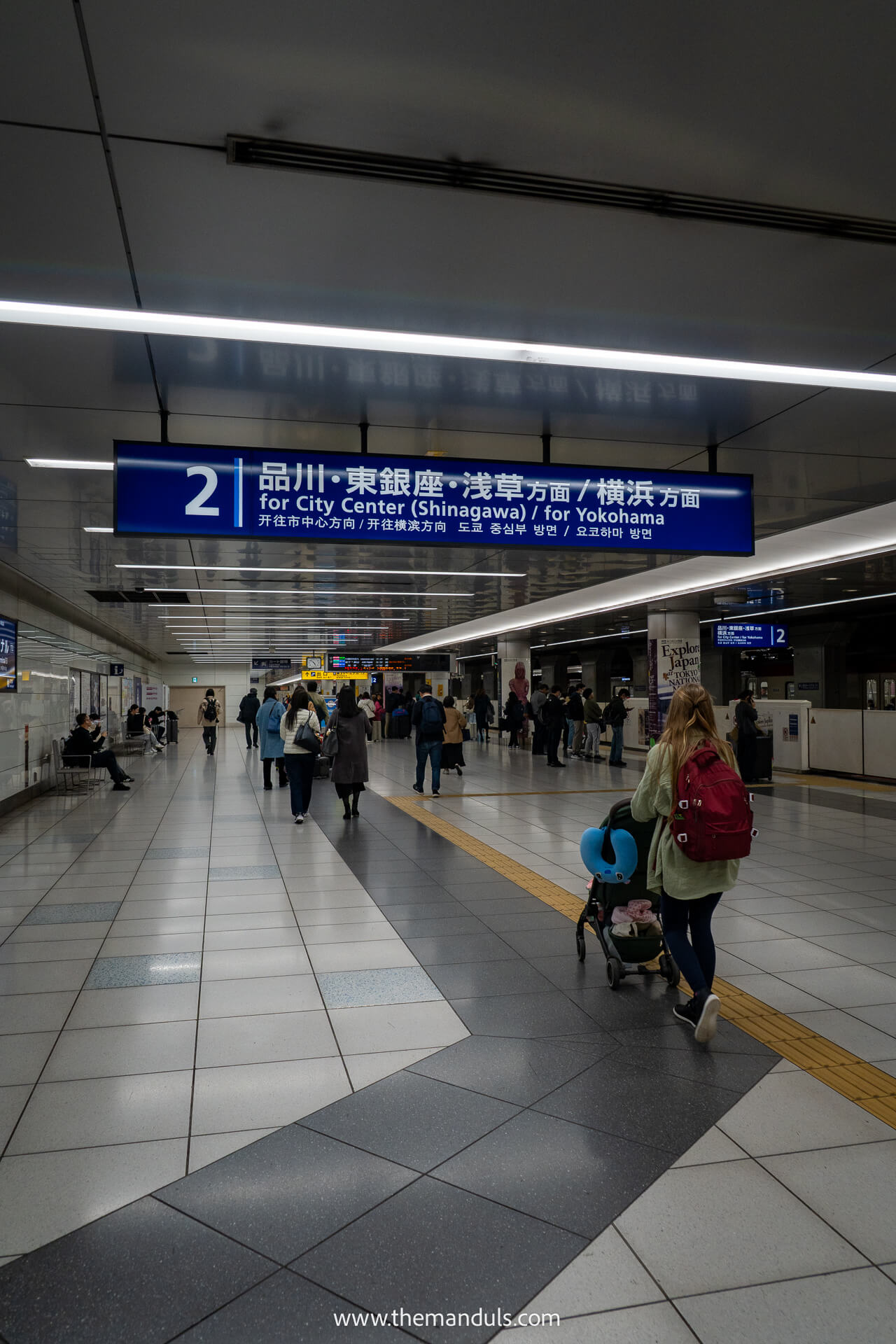
From Haneda Airport, trains are fast and convenient, especially if you’re staying in central Tokyo. It’s close to the city, well-connected, and usually the easiest arrival overall.
If you prefer a smooth, door-to-door arrival from Haneda, we’d recommend booking a private transfer — simple, reliable, and especially nice after a long flight or with luggage.
From Narita Airport, the journey is longer, and this is where choosing the right transfer matters more. Trains are still the most common option, but if you’re arriving late, traveling with luggage, or just want a smoother start, a private airport transfer can be worth it.
If you want the easiest, no-stress arrival from Narita, we’d recommend booking this private one-way transfer — especially after a long flight or if you’re traveling with luggage.
Based on our experience, having your transfer sorted in advance removes a lot of stress after a long flight — especially if it’s your first time in Tokyo. Whether you choose trains or a private transfer, both options are reliable; it just comes down to comfort versus cost.
Getting Around Tokyo With Kids
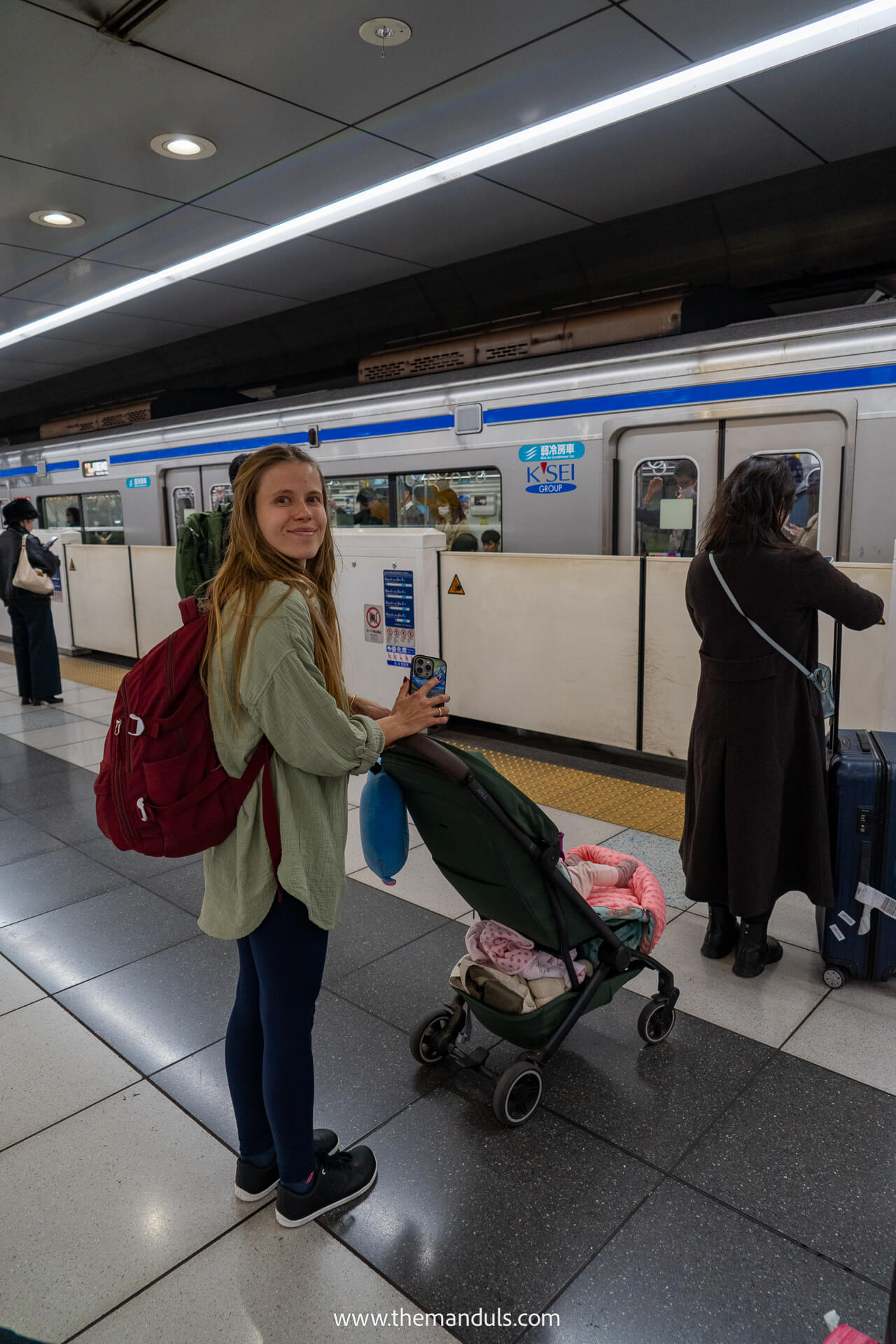
Getting around Tokyo with kids is very manageable, but a few small adjustments make a big difference. Trains are clean, reliable, and safe, and we found that once you avoid peak rush hours, travelling with a child feels surprisingly relaxed.
Elevators are widely available in stations, but they’re not always where you expect them to be. We learned quickly to follow station signage for lifts rather than assuming every exit has one. When using a stroller, this sometimes meant a slightly longer route — but it was always doable.
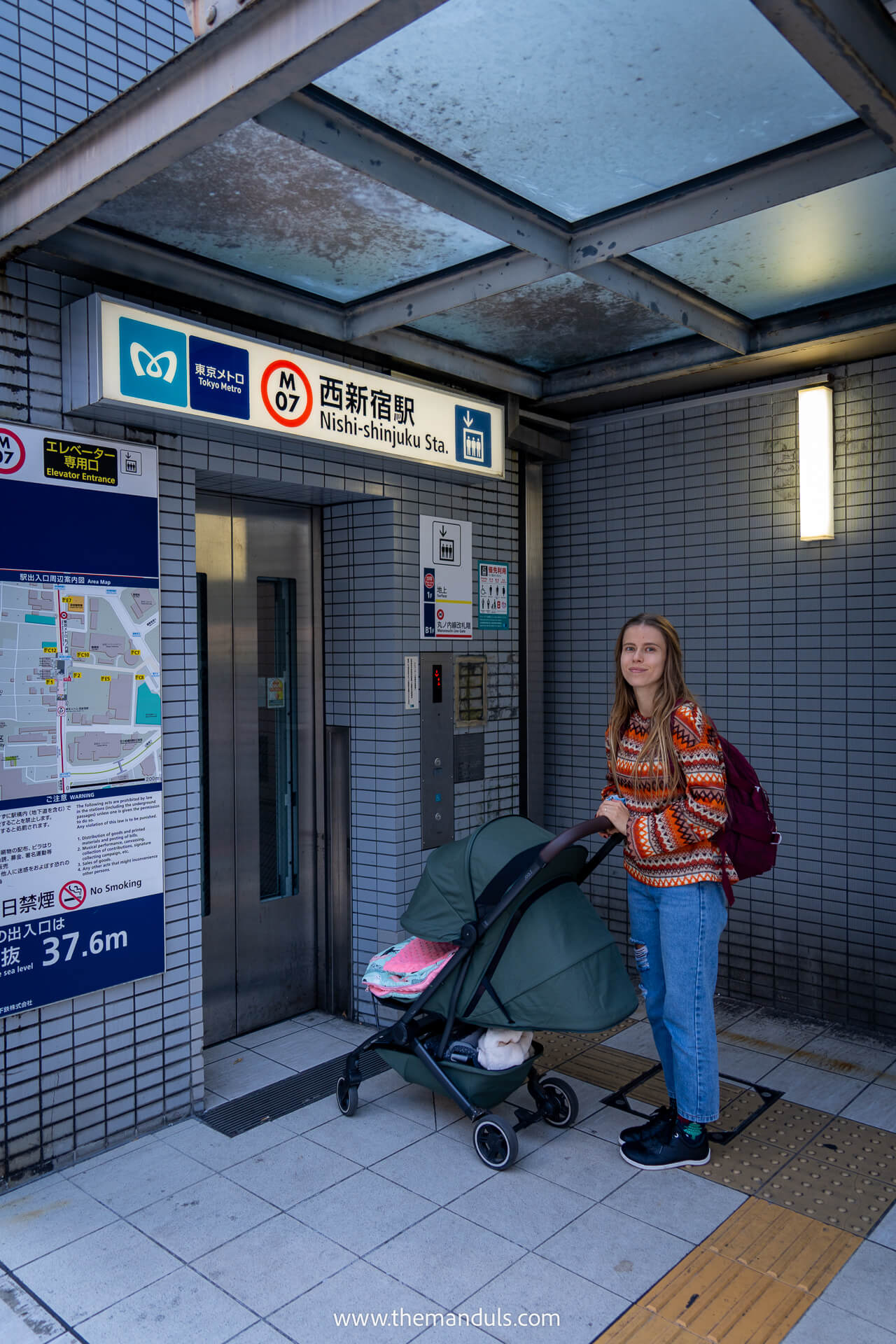
Rush hour is the one thing we’d actively avoid with kids if possible. Outside those times, trains are comfortable, people are considerate, and station staff are genuinely helpful. If you’re travelling with luggage, a baby carrier can be easier than a stroller in very large stations, but both work.
Overall, public transport in Tokyo felt far more family-friendly than we expected, and once you get into a rhythm, getting around with kids becomes just another part of the day rather than something to stress about.
Common Mistakes to Avoid
- Overthinking JR vs metro lines. In practice, it doesn’t matter — just take the fastest route suggested and move on.
- Relying blindly on Google Maps. It’s excellent, but occasionally sends you to a farther station or exit — if something feels off, double-check nearby options.
- Traveling during rush hour if you don’t have to. Trains run fine, but crowds make everything more stressful, especially with kids or luggage.
- Buying single tickets instead of using an IC card. It slows you down and adds unnecessary friction.
- Assuming every station exit has elevators. Follow lift signage, particularly if you’re using a stroller.
- Thinking you need a car. Inside Tokyo, it’s more hassle than help.
Final Thoughts
Getting around Tokyo is far easier than it looks at first. Once you stop overthinking the system and rely on trains, an IC card, and a bit of common sense, everything just works.
Based on our experience, you don’t need to master every line or option — just focus on what actually matters. With the right base, a Suica card set up, and Google Maps, moving around Tokyo becomes easy, letting you spend less time navigating and more time enjoying the city.
If you’re visiting for the first time, this is one of those places where things click quickly — and once they do, Tokyo feels surprisingly effortless to explore.