
This article contains affiliate links. Learn more in our affiliate disclosure.
When I first started planning my trips to the Bavarian Alps in Germany, I didn’t realize how much timing would shape the entire experience. I assumed mountains are mountains — beautiful year-round.
And while that’s technically true, the difference between a sunny September hike above Walchensee and a foggy July day at Zugspitze is huge.
Here, the season doesn’t just change the weather — it changes access to trails, lake colors, crowd levels, and even whether certain roads and cable cars are running.
I’ve visited the Bavarian Alps more than ten times since 2016, in winter snow, spring bloom, peak summer, and quiet autumn — and each season felt like a completely different destination.
In this guide, I’ll help you figure out the best time to visit the Bavarian Alps based on real experience, what it actually feels like to be there, and what kind of trip you’re planning.
If you’re still building your itinerary, you can pair this with my guide to the best things to do in the Bavarian Alps.
Key Highlights
🌦️ Seasons: Snowy winters, fresh springs, warm hiking summers, colorful autumns
🌤️ Best months: Late June–September (September is the sweet spot)
👥 Crowd levels: Very busy in July–August; quietest in winter (outside ski resorts)
🎉 Notable events: Almabtrieb in September, Christmas markets in December
Quick Overview
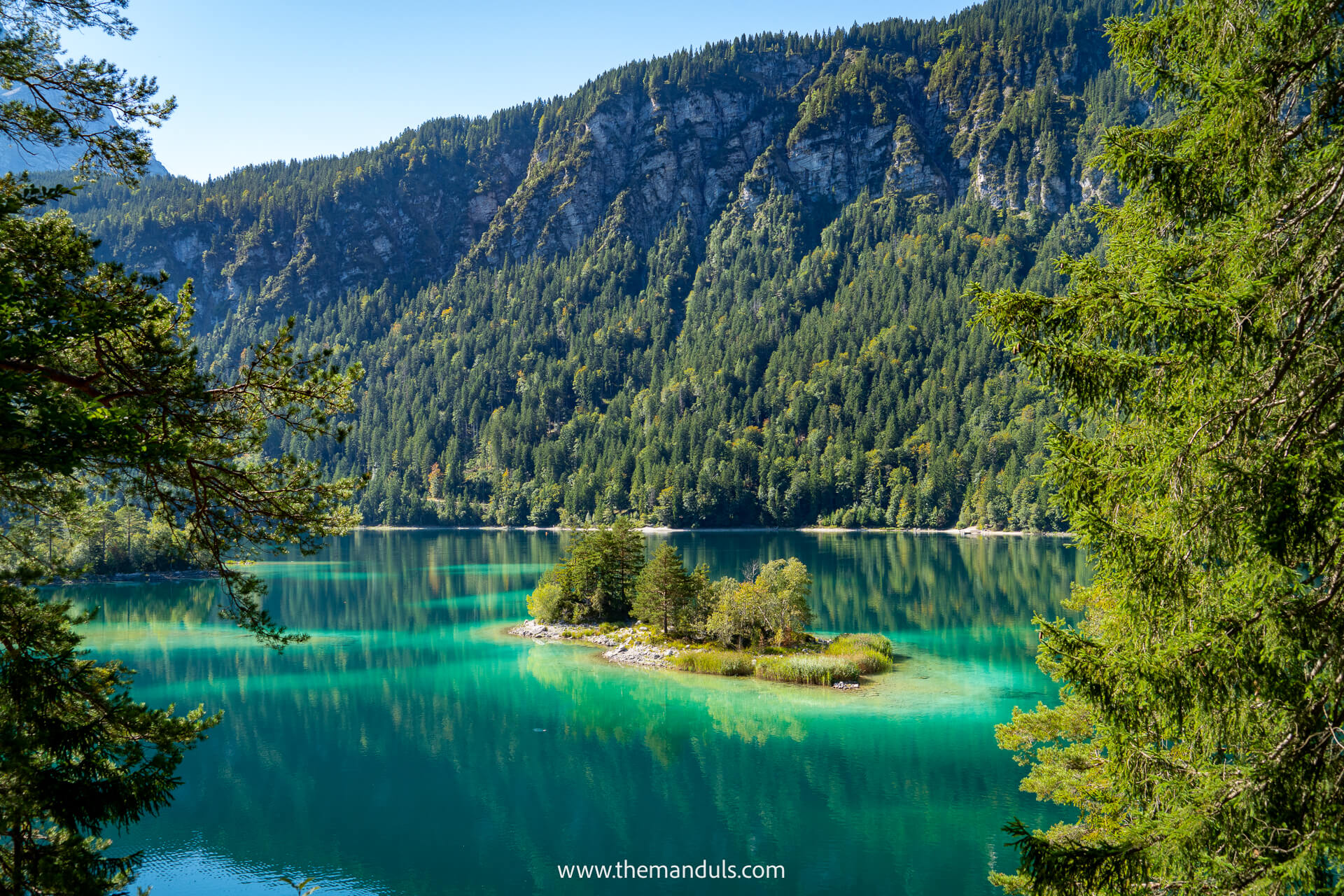
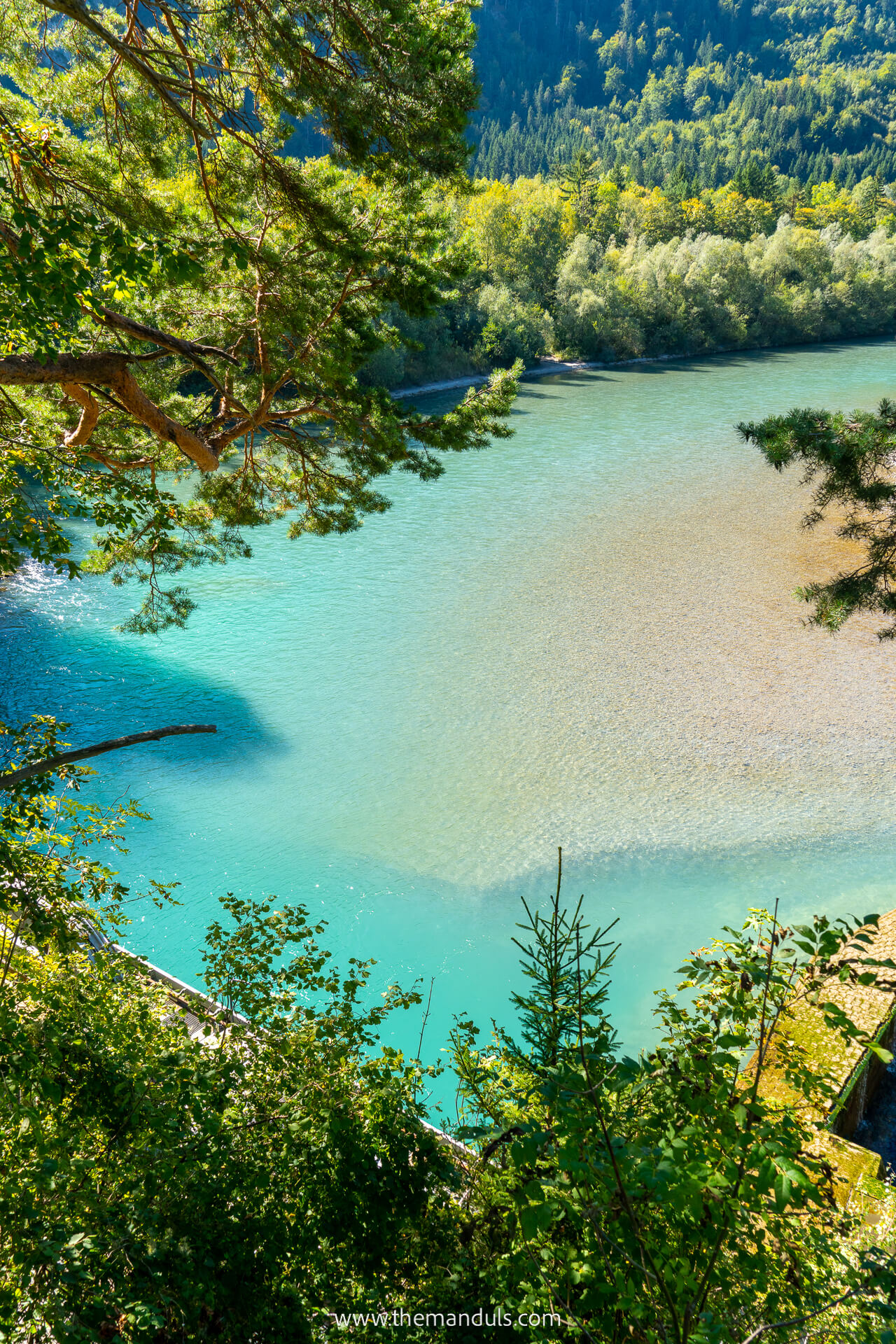
Late June to September is the best overall time to visit the Bavarian Alps — this is when high mountain trails are fully accessible, cable cars operate consistently, and lakes like Eibsee and Walchensee show their most intense turquoise colors.
Long daylight hours make it easy to combine hikes, viewpoints, and relaxed evenings by the water in one day.
If you want the sweet spot, September often delivers the best balance: crisp, clear air, fewer crowds, and still-great hiking conditions.
Winter transforms the region into a peaceful, snowy landscape perfect for skiing and cozy alpine stays — just with limited hiking access.
Our Experience
I’ve visited the Bavarian Alps on multiple short trips in different seasons, and each one felt noticeably different.
In summer, I’ve always experienced a high number of tourists — full parking lots, busy viewpoints, and popular lakes packed by mid-morning.
The hikes are fantastic because everything is open and accessible, but on hot days they can feel much more demanding, especially on exposed routes without shade.
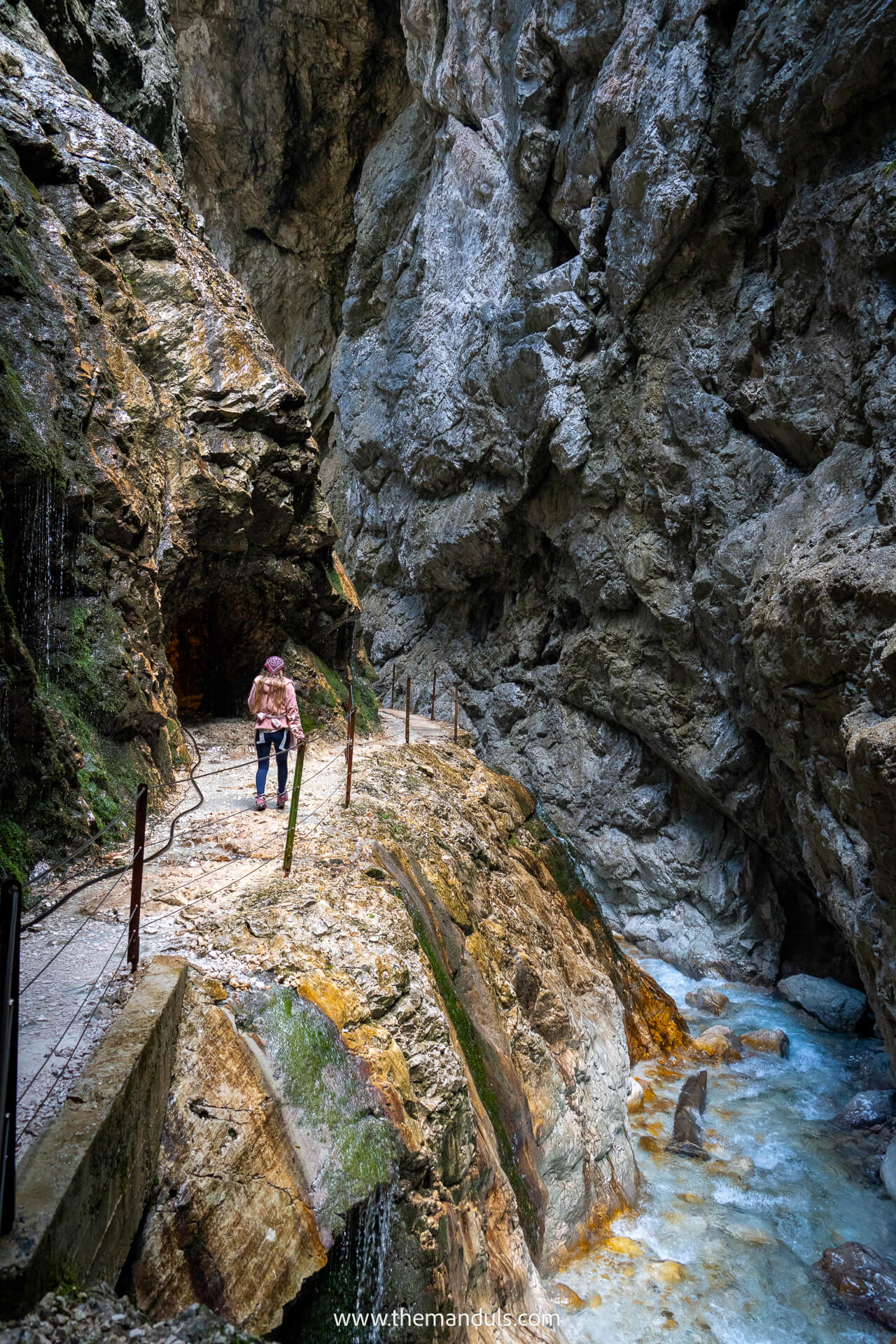
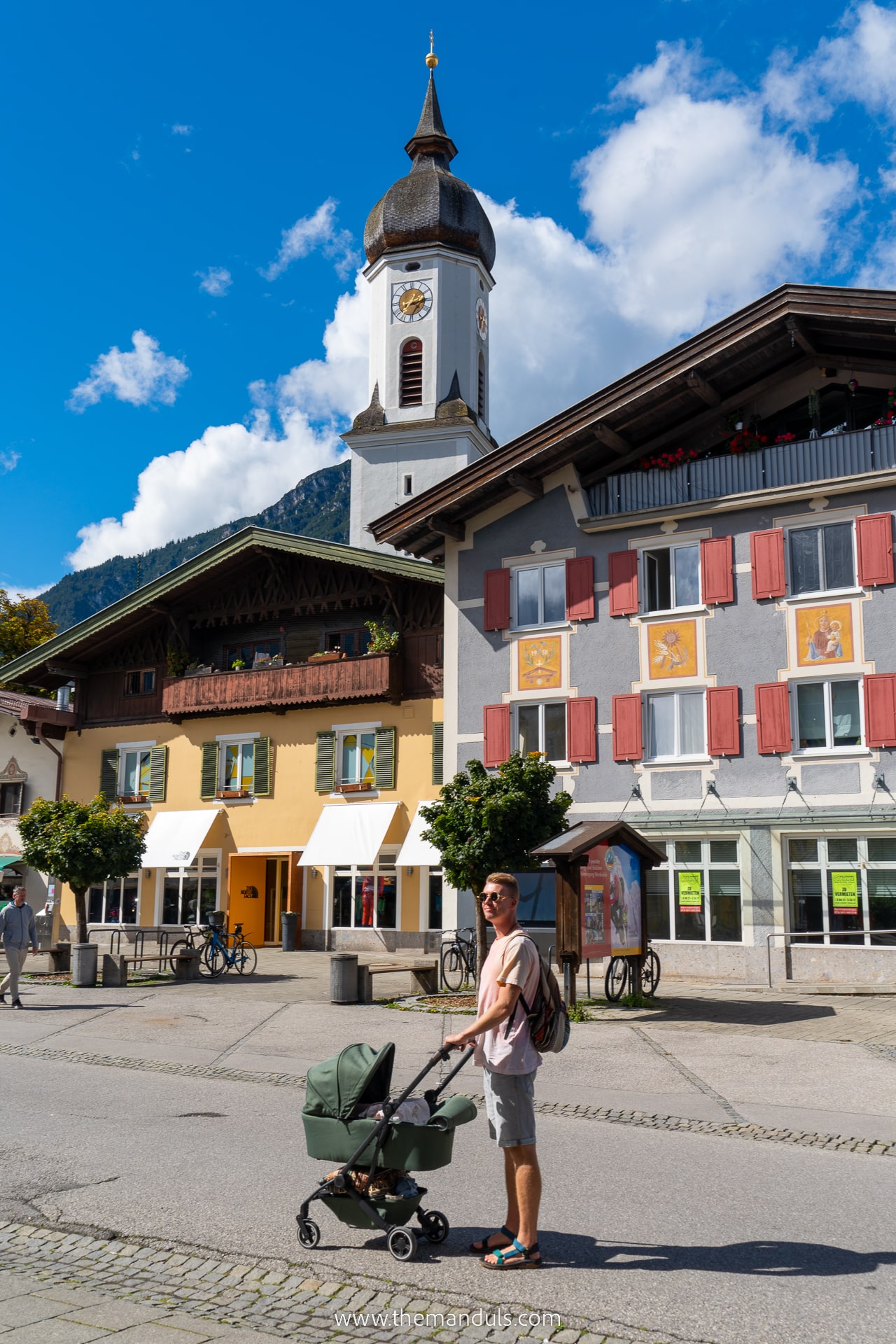
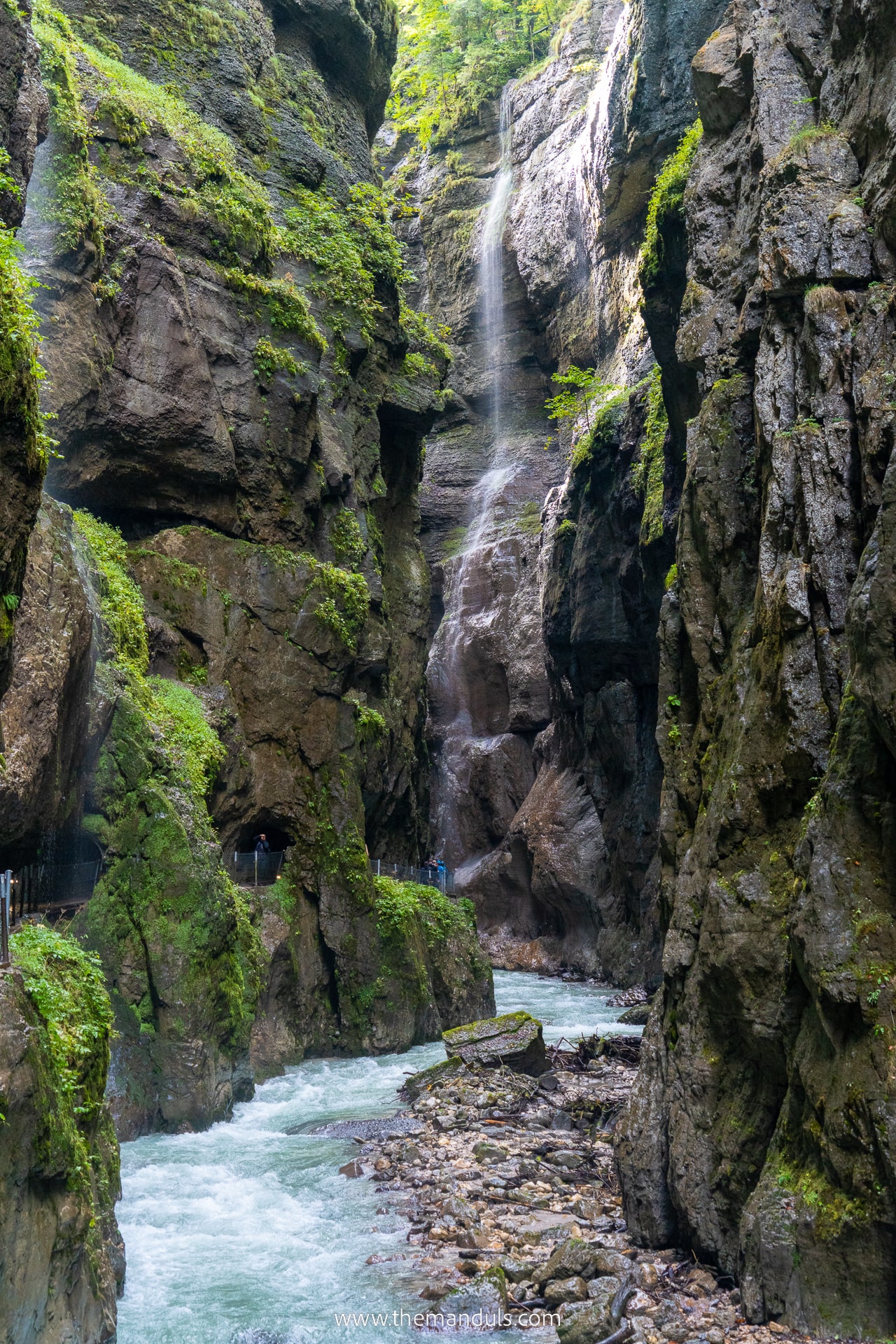
Late autumn brought a much calmer atmosphere. I didn’t focus on long alpine hikes during that season; instead, I spent more time exploring towns like Garmisch-Partenkirchen, walking through Partnachklamm, and visiting attractions at a slower pace.
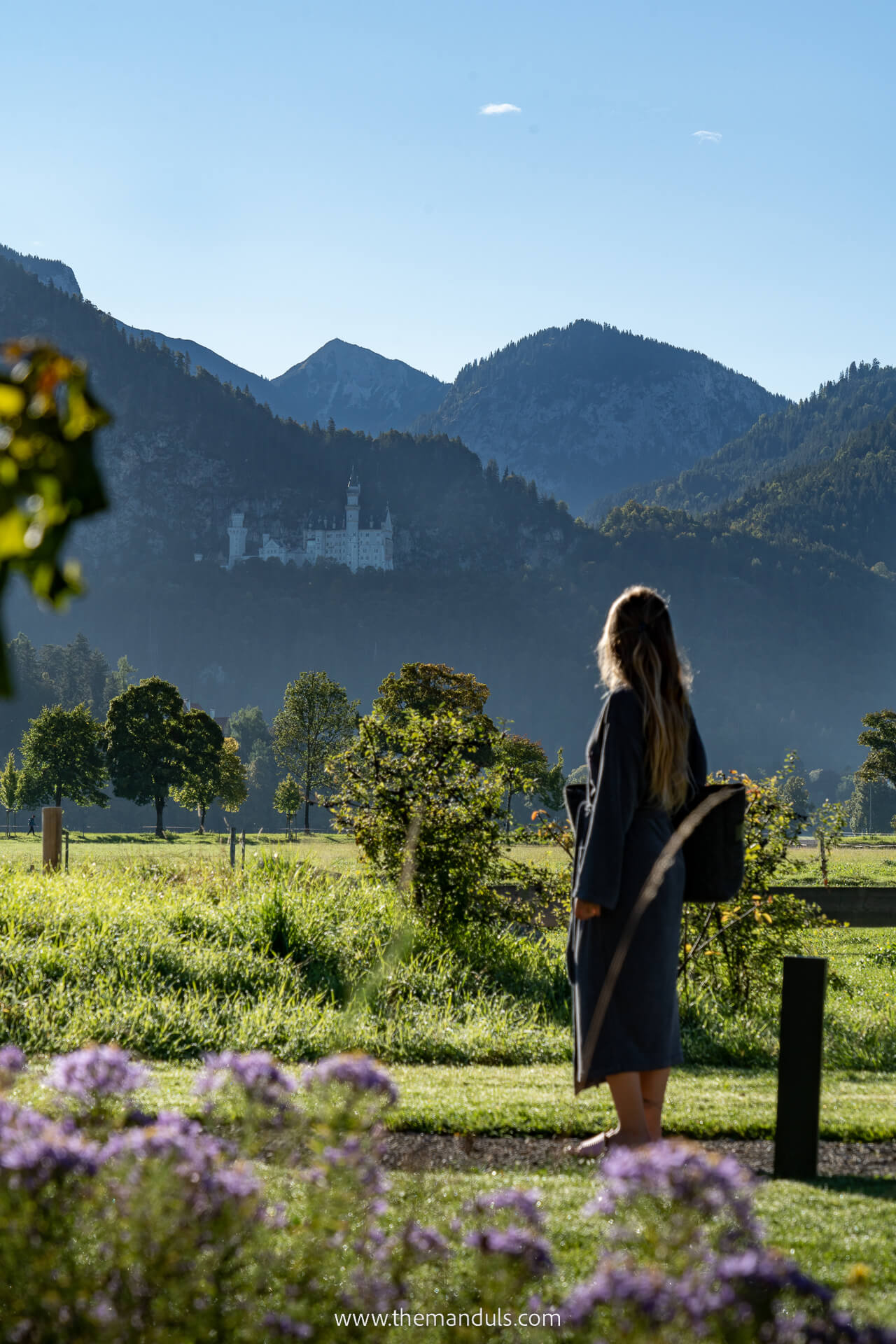
Winter trips were great for iconic sights like Neuschwanstein Castle, which looked magical with snow around it. But it’s definitely not ideal for hiking — many higher trails close or require proper winter gear. It’s best suited for a ski-focused trip or cozy alpine stays.
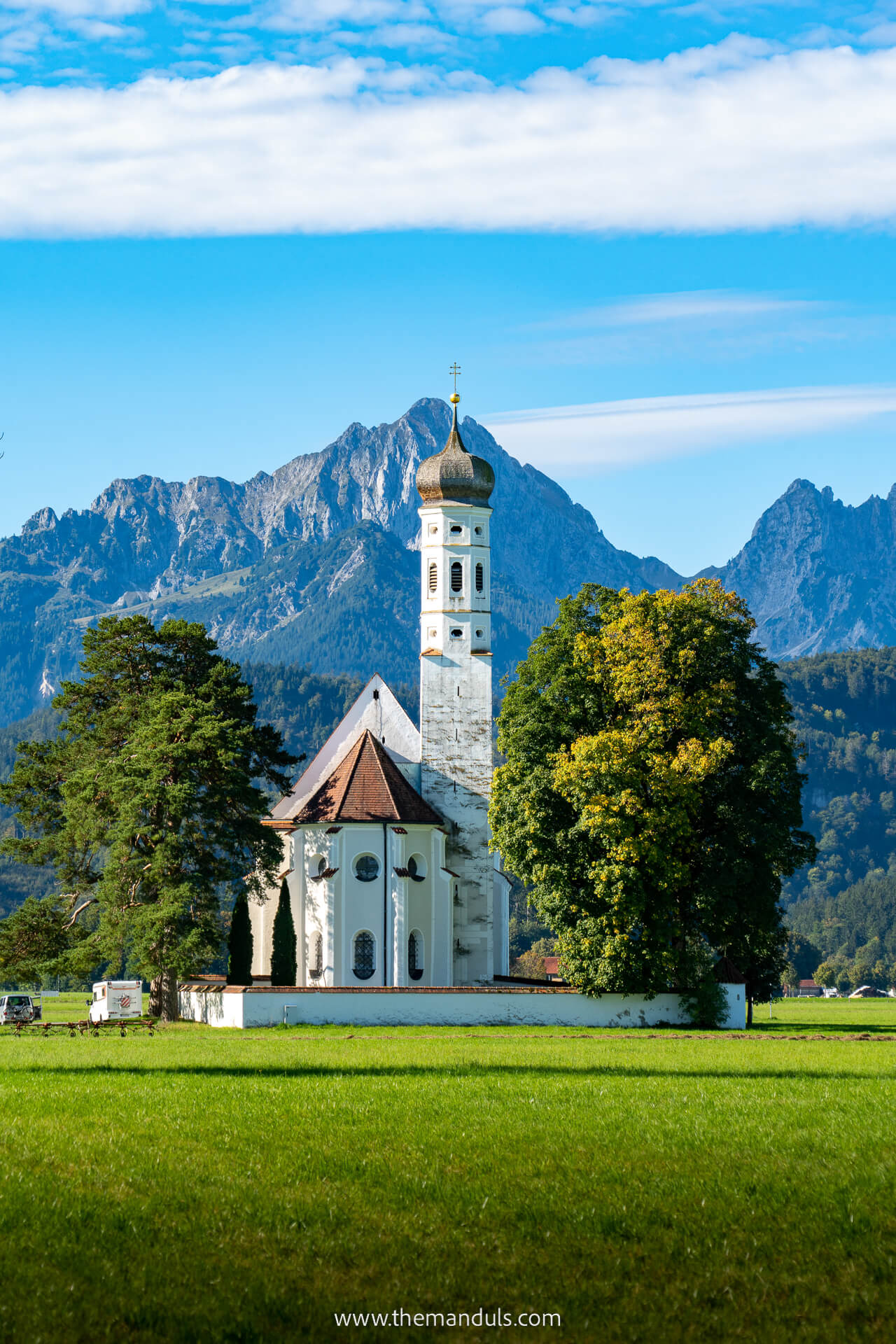
Our last trip was in September, and that one truly stood out. The weather was stable, the air felt crisp but still warm enough for light layers, and we didn’t experience the same level of crowds as in peak summer.
We could start hikes at a relaxed pace without racing for parking. If I had to choose one time to repeat, it would be that.
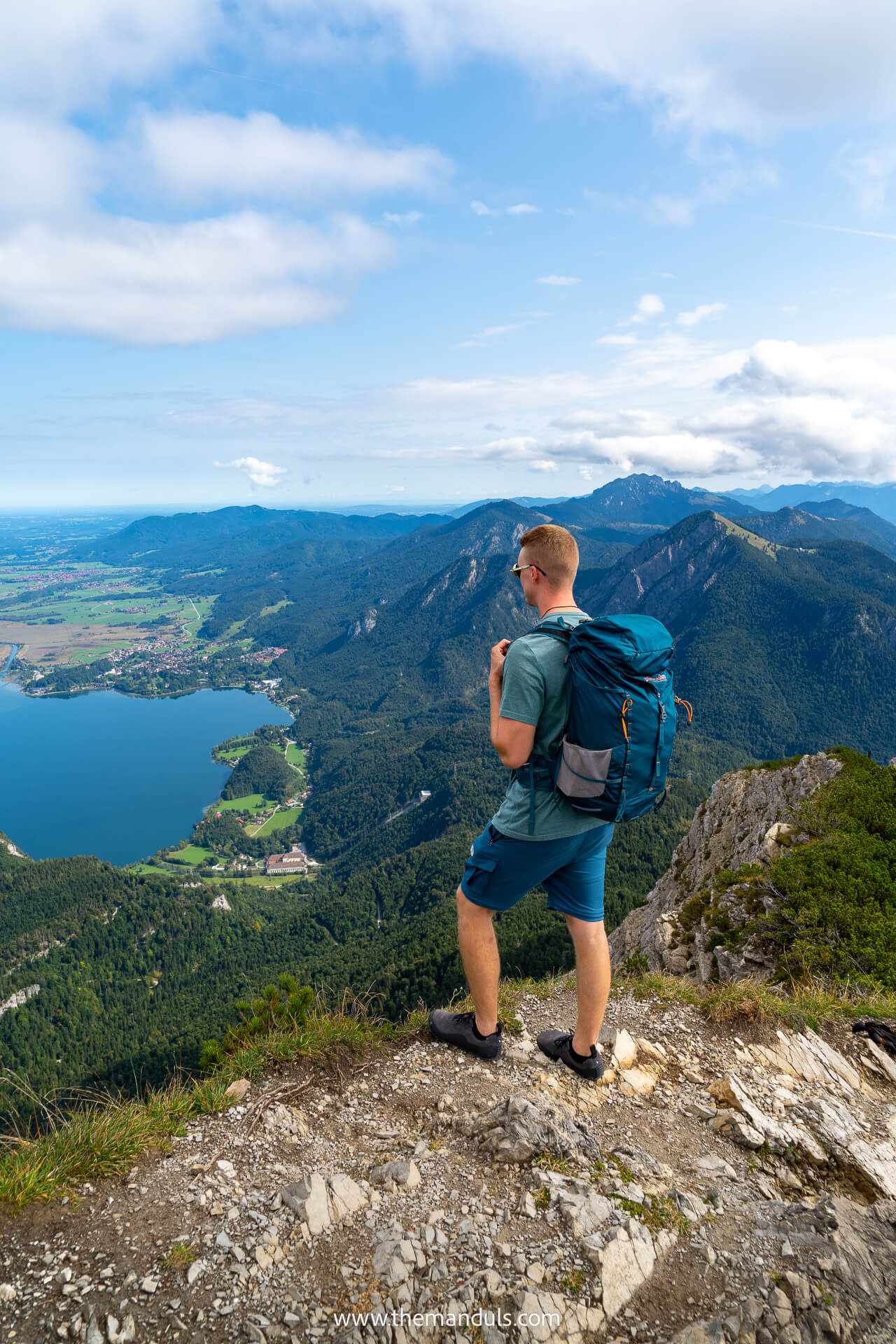
These are our top hotels in Bavarian Alps we’d book again
⭐️⭐️⭐️ Hotel Das Rübezahl 4* – The most romantic stay we’ve ever had, with a spa overlooking Neuschwanstein and outstanding food. Book this if you want a memorable experience, not just a room.
⭐️⭐️ Das König Ludwig 5* – Best adult-only pick for a wellness-focused stay thanks to its huge spa, pools, and resort-style comfort after long mountain days.
⭐️ Das Graseck 4* – Choose this if you want something unique and peaceful — you arrive by private cable car and wake up surrounded by mountains.
Best Time to Visit Bavarian Alps
If you’re planning a trip here, timing will shape everything — from whether high alpine trails are open to how crowded Lake Eibsee feels at 10 am.
Based on my visits in summer, autumn, winter, there’s no single “perfect” season. Instead focus on choosing a season that fits your travel style best.
Below is a realistic breakdown of what each season actually feels.
Spring (March – May)
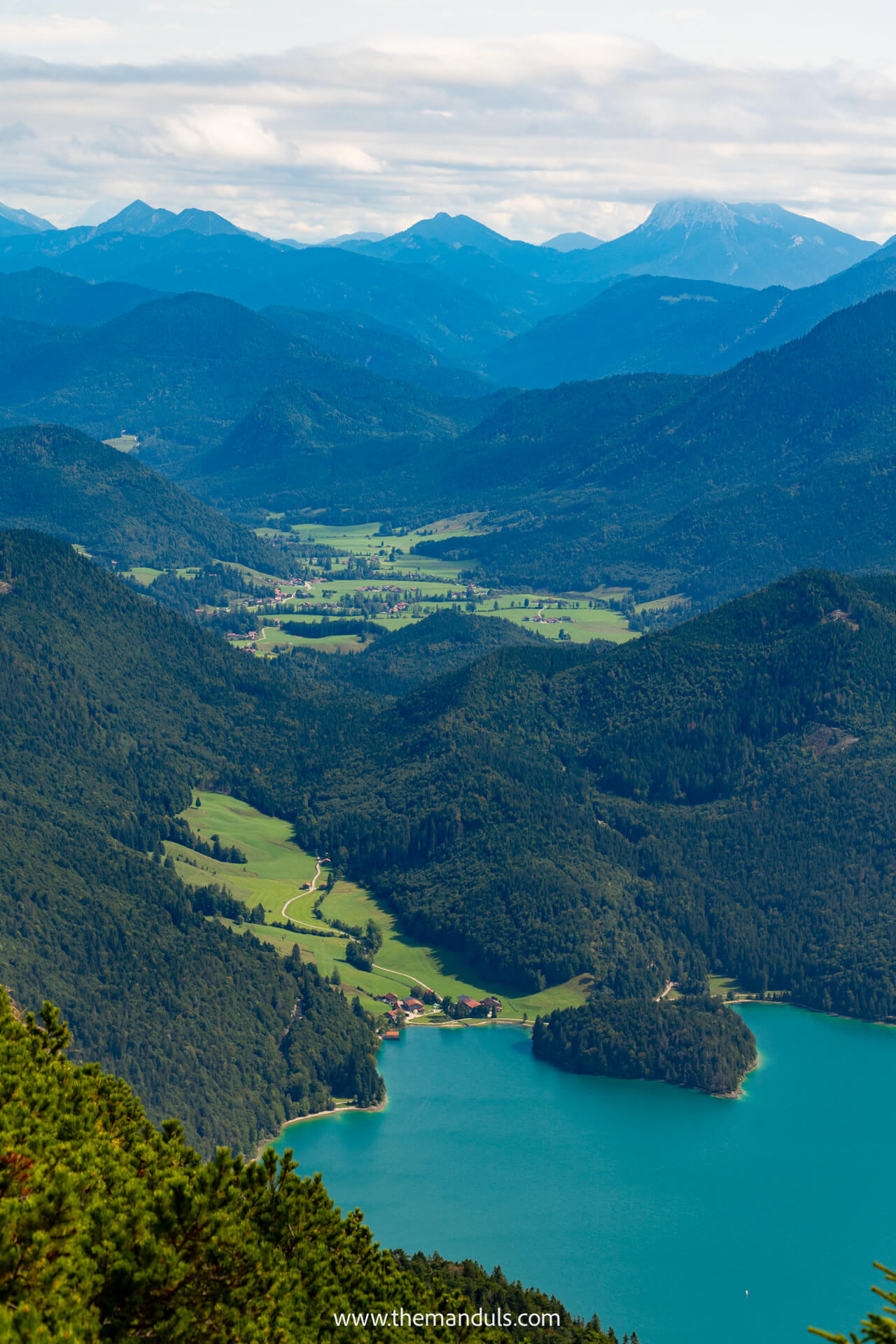
Spring in the Bavarian Alps is a gradual shift from winter to hiking season. March can still feel very cold at higher elevations, while valleys slowly begin to thaw. I wouldn’t plan big alpine hikes during this time, but it can be a peaceful period for sightseeing and lower-altitude walks.
Temperatures usually range from 5–15°C in March, rising to 10–18°C in April and May. Snow often lingers above 1,500m well into April, and some cable cars or mountain huts may still operate on reduced schedules.
By late May, conditions improve significantly, especially for mid-altitude trails.
Crowds are generally low — except around Easter or during good late-season ski conditions.
This season suits flexible travelers who prioritize towns, lakes, waterfalls, and relaxed exploration rather than high mountain routes.
✅ Pros: Fewer tourists, fresh landscapes, strong waterfalls from snowmelt
❌ Cons: Snow at elevation, unpredictable weather, limited access to some hikes
Monthly Overview
- March – Feels like late winter. Good for skiing or quiet sightseeing, not ideal for hiking.
- April – Unpredictable mix of rain, sun, and lingering snow. Better for towns than peaks.
- May – Gradually improving and greener. Late May can be a solid shoulder-season option if flexible.
Summer (June – August)
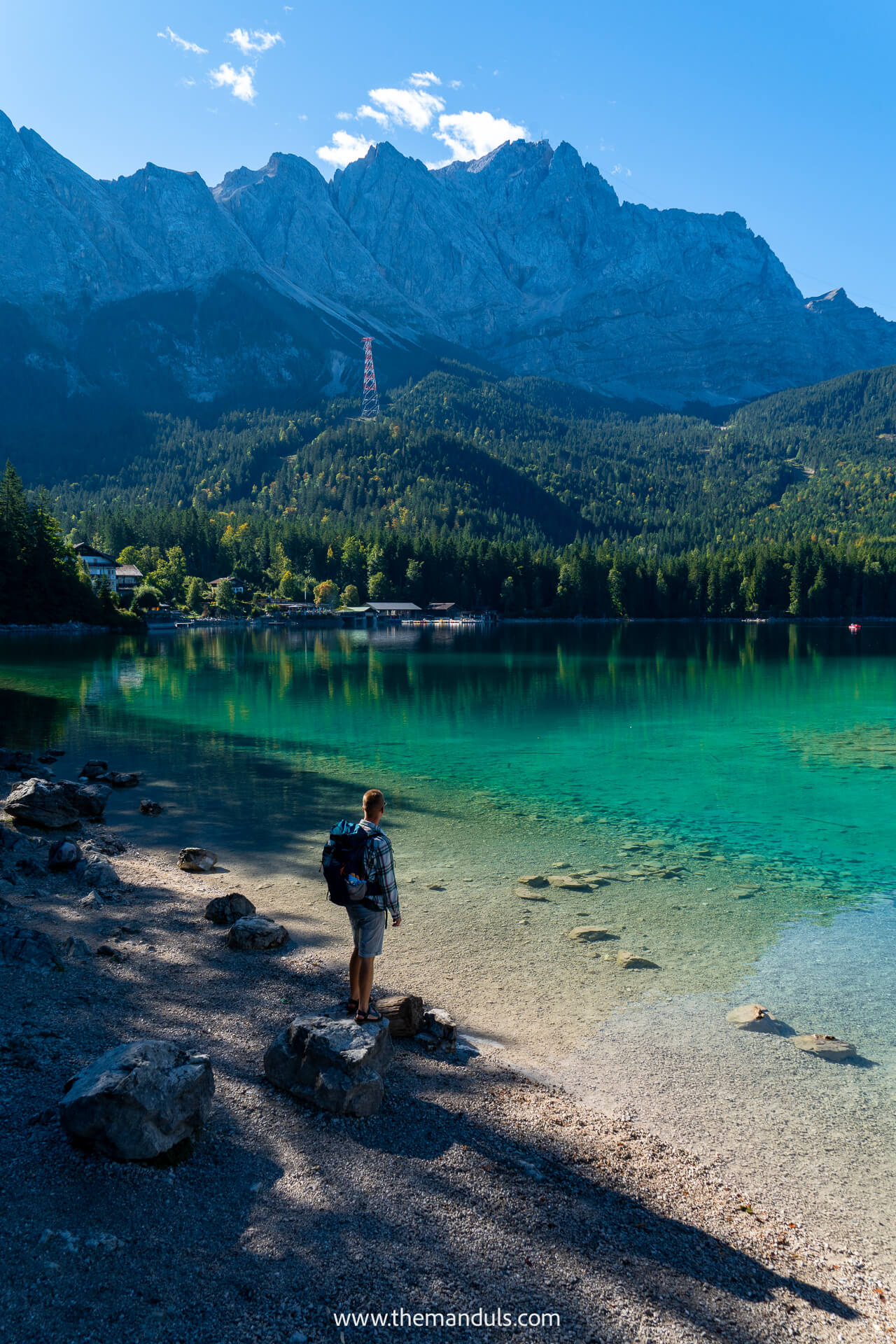
Summer is the classic alpine experience — green meadows, open mountain huts, turquoise lakes, and fully accessible hiking trails. I’ve visited multiple times during this period, and while it’s visually stunning, it’s also the busiest time of year.
Expect daytime temperatures between 20–30°C, especially in July and August. Lower valleys can feel hot, particularly on exposed hikes like Herzogstand or Kampenwand. Afternoon thunderstorms are common in peak summer, so early starts are essential.
Daylight lasts long — often until 9 pm — which makes it easy to fit a lot into one day.
This season suits hikers, photographers, swimmers, and first-time visitors who want everything open and accessible.
Personally, I loved the energy — but I didn’t love the full parking lots and crowded hotspots. You really need to plan around early mornings.
✅ Pros: All trails open, vibrant lakes, long daylight hours
❌ Cons: High crowds, busy parking, hot hiking conditions
Monthly Overview
- June – Fresh green landscapes and slightly fewer tourists before peak holidays. Great balance month.
- July – Warmest and busiest. Lakes look incredible, but it can feel crowded everywhere.
- August – Similar to July, plus more European holiday traffic. Afternoon storms more frequent.
Autumn (September – November)
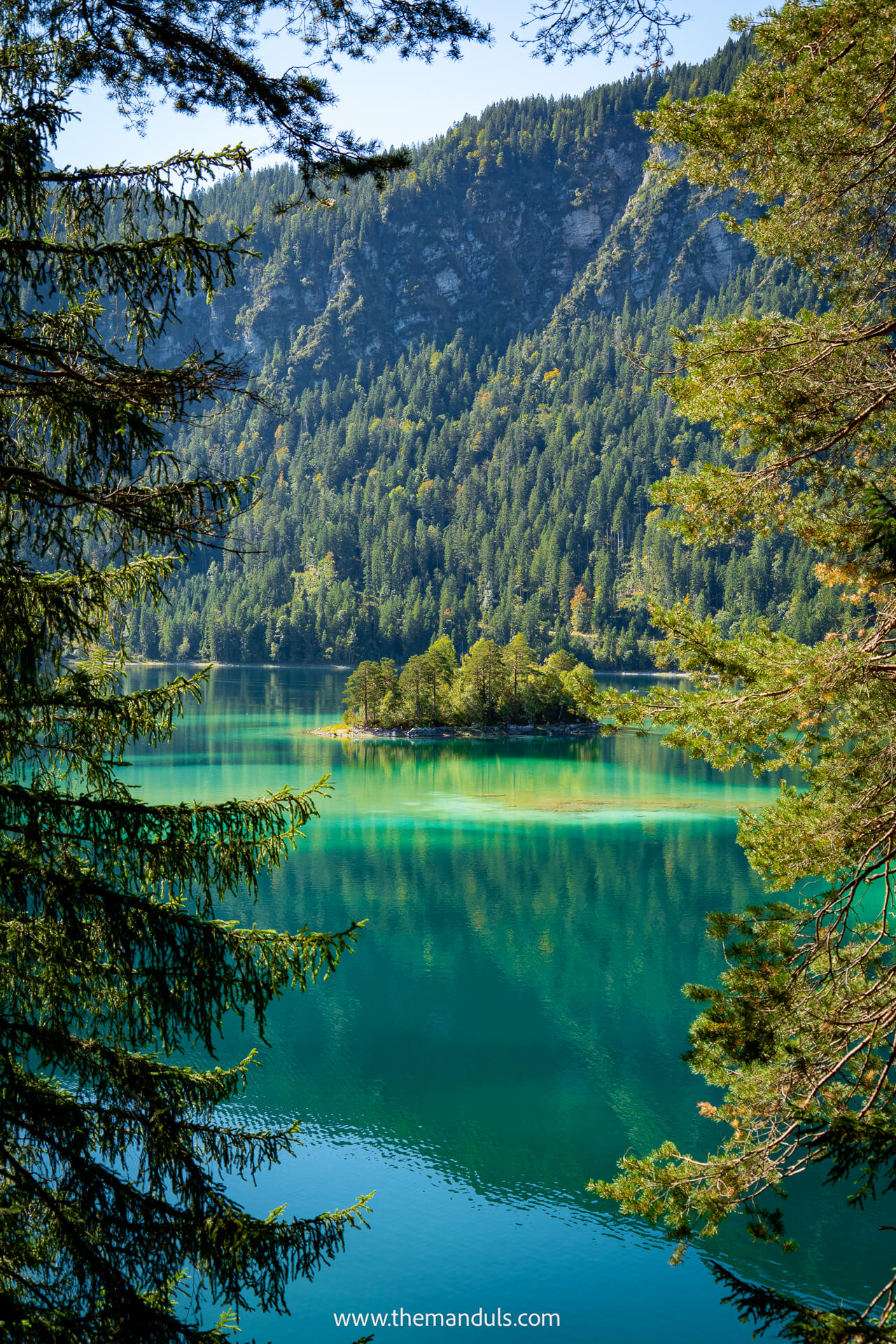
Autumn feels calmer and more balanced. I’ve visited during this season and immediately noticed the shift — fewer tourists, cooler air, and a more relaxed rhythm overall.
September often brings 15–22°C temperatures with stable, clear conditions — ideal for hiking. October cools down further, especially in the evenings, and higher elevations can start seeing early snow. Daylight becomes shorter but still sufficient for full hiking days in September.
This season suits hikers who prefer cooler conditions and photographers chasing crisp air and golden tones.
✅ Pros: Fewer crowds, comfortable hiking weather, beautiful light
❌ Cons: Some huts/cable cars close in late October, weather less predictable
Monthly Overview
- September – My personal favorite. Stable weather, fewer crowds, perfect hiking temperatures.
- October – Golden forests and quiet trails, but higher risk of rain and early closures.
- November – Quiet and atmospheric, best for towns/spas/castles… but not ideal for hiking due to short days and limited services.
Winter (December – February)
Winter completely changes the region. Snow transforms towns and peaks into postcard scenes. I’ve visited during winter primarily for sightseeing — and places like Neuschwanstein Castle look magical surrounded by snow.
Temperatures often range between -5°C to 5°C, with snow common at elevation. Daylight is short, and many hiking trails are closed or require winter gear. However, ski resorts around Garmisch-Partenkirchen and Zugspitze are fully active.
This season suits skiers, winter sports lovers, and travelers who enjoy snowy scenery and fewer crowds outside ski hubs.
It’s beautiful — but it’s not the season for big alpine hikes.
✅ Pros: Snowy landscapes, ski season, magical castle views
❌ Cons: Limited hiking access, short daylight, colder temperatures
Monthly Overview
- December – Festive atmosphere and Christmas markets, but unpredictable snow levels early in the month.
- January – Coldest month, best for skiing, quiet outside ski resorts.
- February – Good snow conditions, slightly more visitors during school holidays.
Crowds & Prices
Visitor numbers in the Bavarian Alps follow a very clear pattern — and prices move with them.
July and August are the most expensive months. European school holidays, stable weather, and fully open hiking infrastructure push both hotel rates and flight prices higher.
Popular bases like Garmisch-Partenkirchen and areas near Neuschwanstein Castle can sell out surprisingly fast on sunny weekends. If traveling during this period, I’d book accommodation at least 2 months ahead.
September is often better value. Prices start easing slightly, availability improves, and you still get excellent weather. This has consistently felt like the best balance between experience and cost.
November, March, and April are usually the cheapest months outside ski areas. Many travelers avoid this shoulder period because of unpredictable weather and partial closures — which lowers demand and hotel rates.
Winter is split. Ski resorts near Zugspitze can be expensive during peak snow weeks. Non-ski towns are often calmer and reasonably priced.
Events & Festivals
- Almabtrieb (September) – Traditional cattle drives where decorated cows return from alpine pastures to the valleys. Villages celebrate with music, local food, and traditional dress. It adds a very authentic Bavarian feel to an autumn trip.
- Christmas Markets (December) – Cozy markets in towns like Garmisch-Partenkirchen with mulled wine, lights, and mountain backdrops. If there’s fresh snow, the atmosphere feels especially magical.
- Easter Holidays (March/April) – A small bump in visitors, especially if late-season ski conditions are still good. Otherwise, it remains fairly calm compared to summer.
Worst Time to Visit Bavarian Alps
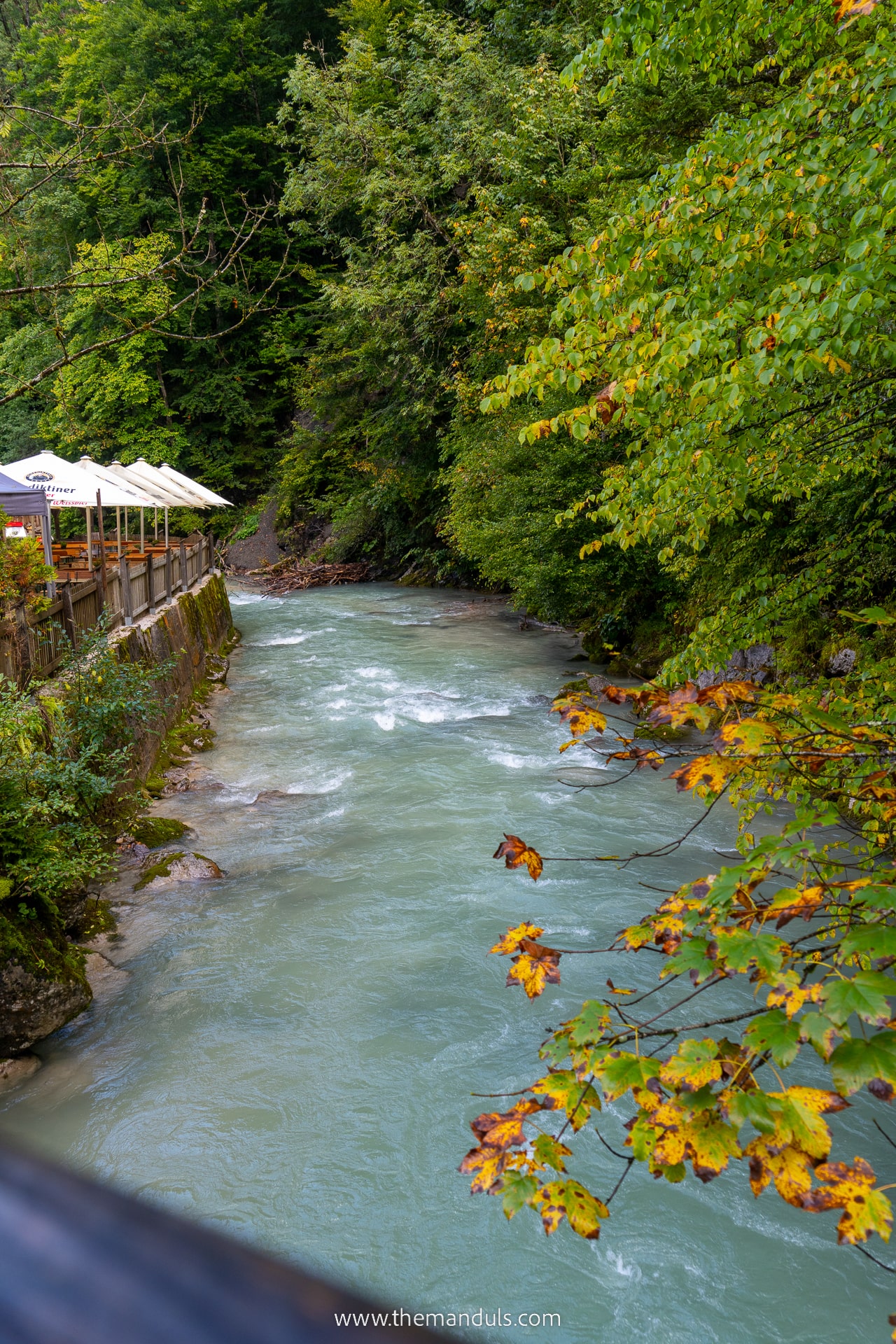
If I had to choose the least ideal period overall, it would be November and early spring (March to early April) — especially if your main reason for visiting is hiking.
November feels like a true transition month. The golden autumn colors are mostly gone, but proper winter snow hasn’t settled in yet. The weather is often grey, damp, and chilly, and daylight hours are noticeably shorter.
Many mountain huts close by late October, and some cable cars pause operations for maintenance before ski season begins.
Early spring, particularly March, has a similar in-between feeling. Higher elevations often still have snow, while lower trails can be muddy from melting conditions. It’s not quite winter magic anymore — but not proper hiking season either.
FAQ
September is often the best overall month. You get stable weather, excellent hiking conditions, and noticeably fewer crowds compared to peak summer.
There isn’t a strict rainy season, but late spring and summer (May–August) often bring afternoon thunderstorms. Autumn and winter tend to have more stable but cooler conditions.
November and early spring (March–April) are usually the most affordable months, as tourist numbers drop and many travelers avoid the in-between seasons.
Ski season typically begins in December, depending on snowfall, and runs through March or early April.
Final Thoughts
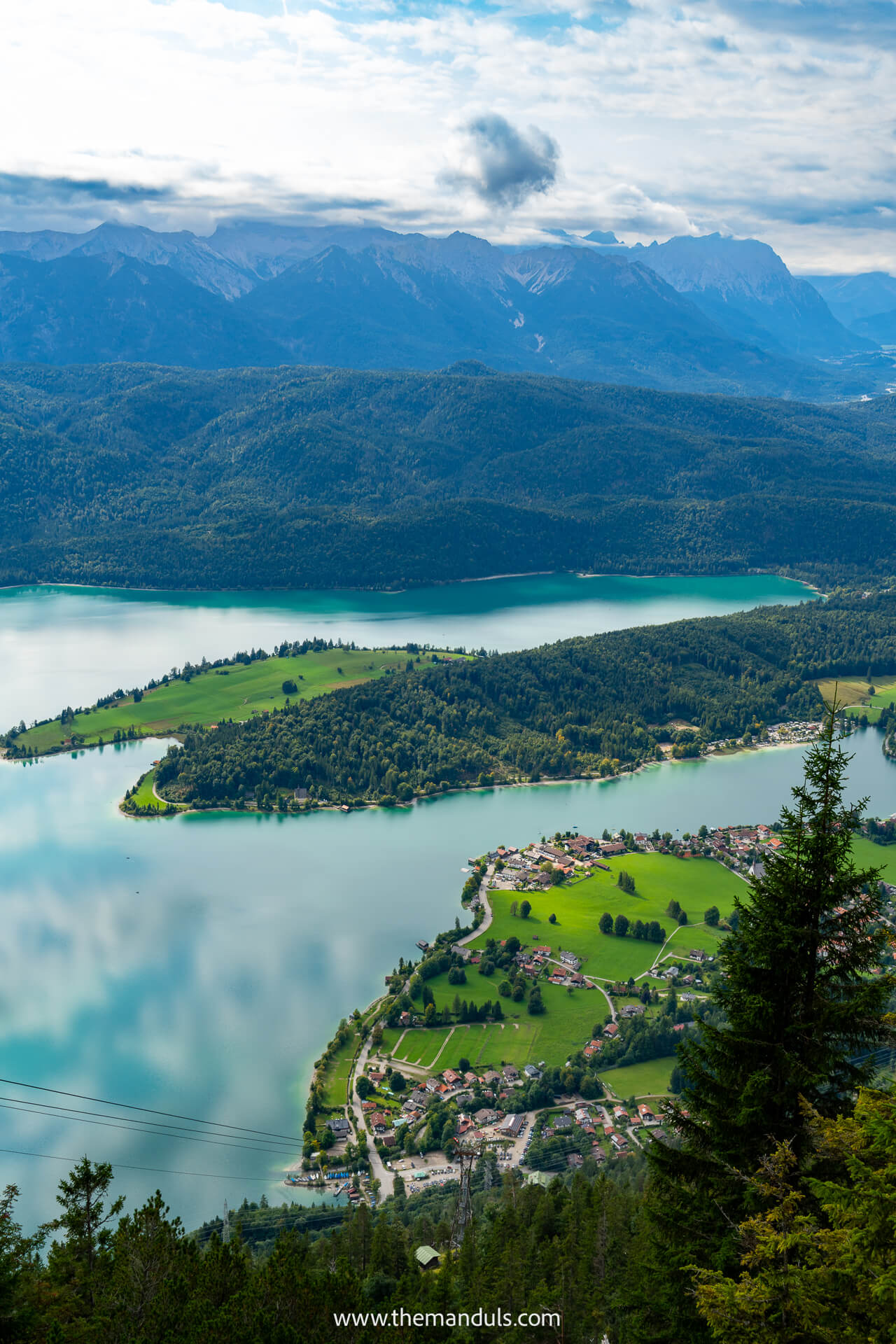
If I had to recommend one period overall, it would be September. It simply offers the best balance — stable weather, comfortable hiking temperatures, open mountain infrastructure, and fewer crowds than peak summer.
That said, the Bavarian Alps genuinely have something special in every season. Summer feels vibrant and active, winter turns the region into a snowy postcard, autumn brings calm and golden light, and even the quieter months can work beautifully if you adjust your expectations.
It really depends on whether you’re coming for hiking, skiing, sightseeing, or simply slowing down in the mountains.
If you’re planning your trip next, make sure to check my full guide to the best things to do in the Bavarian Alps.