
This article contains affiliate links. Learn more in our affiliate disclosure.
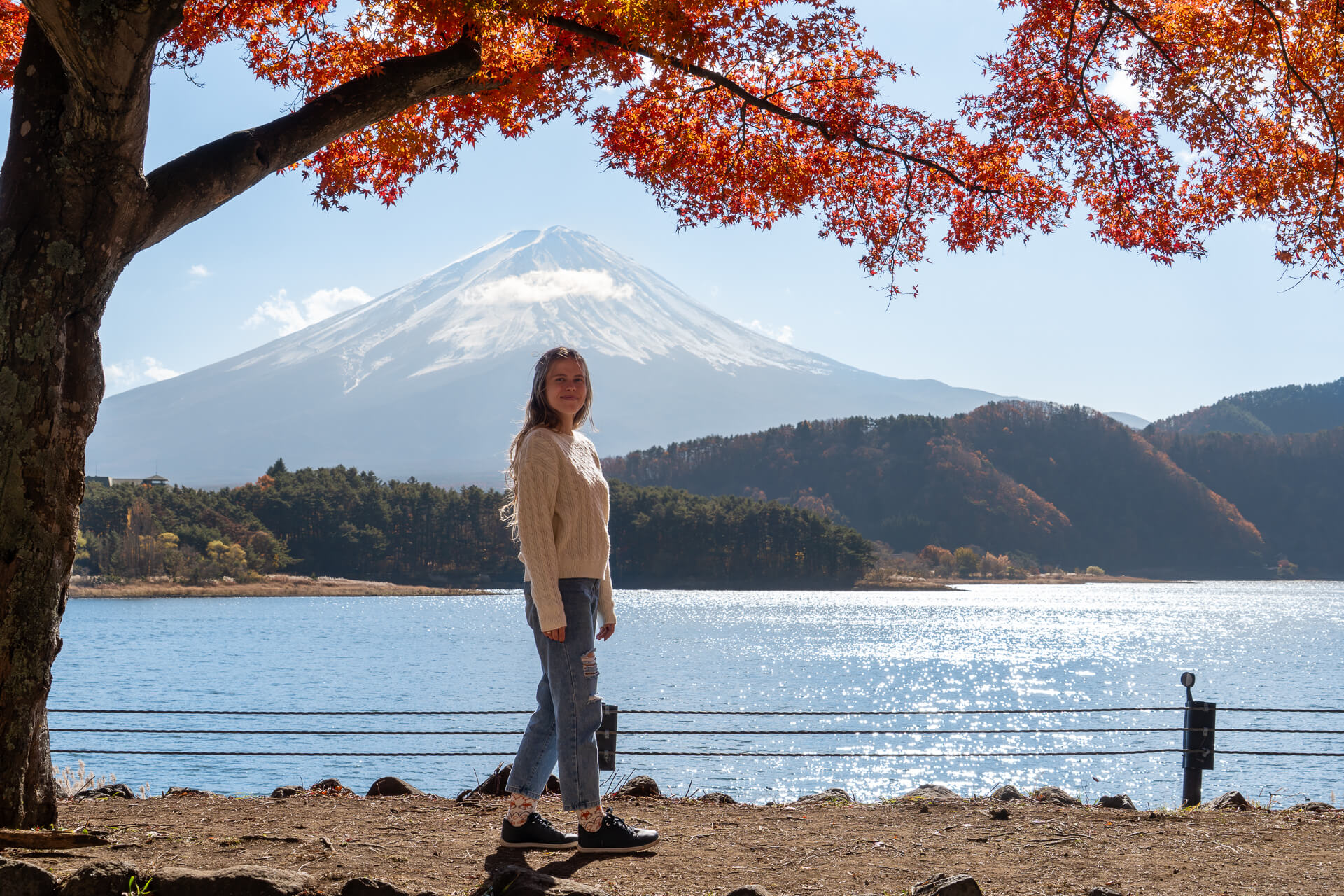
Getting from Tokyo to Kawaguchiko sounds like it should be simple — but we were surprised to find that it isn’t as straightforward as you might expect.
Despite both being among Japan’s most visited places, the direct options are limited, and the mix of trains, limited express services, buses, and seasonal options can feel confusing at first.
We found plenty of information online, but much of it was fragmented or contradictory, especially when it came to choosing between buses and trains or understanding which stations actually make sense for Mount Fuji.
Once we took the time to figure it out, everything started to make sense — and from there, choosing the right option became easy.
One important lesson from our experience: we left booking tickets until the last minute and quickly realized that some of the best and most convenient options were already sold out. That limited our choices more than expected, so planning ahead really does matter here.
In this guide, we’ll walk you through all the practical ways to get from Tokyo to Mount Fuji from our own experience, explain the pros and cons of each option, and help you choose the one that fits your schedule, budget, and travel style best.
Quick Overview
🚆 Most convenient train: Limited Express Fuji Excursion — direct from Shinjuku to Kawaguchiko, but often sells out.
💰 Cheapest option: Local trains via Otsuki — slower, but budget-friendly.
🚌 Easiest option: Highway bus — direct and simple.
🚄 Shinkansen option: Shinkansen to Mishima + bus, it’s not really convenient for the price
🎟️ Tip: Book Fuji Excursion trains and buses early, especially in peak seasons.
Local Trains via Ōtsuki

Travel Time: 2.5 – 3 hours

Ticket Price: from ¥2500

Route: Tokyo Station / Shinjuku Station – Ōtsuki – Kawaguchiko
Local trains to Mount Fuji depart from several major stations in Tokyo, including Tokyo Station, but we found Shinjuku Station to be the easiest starting point. Trains on the JR Chūō Line run more frequently from Shinjuku, which gives you more flexibility and makes timing the trip much easier. We took the train from here directly to Ōtsuki.
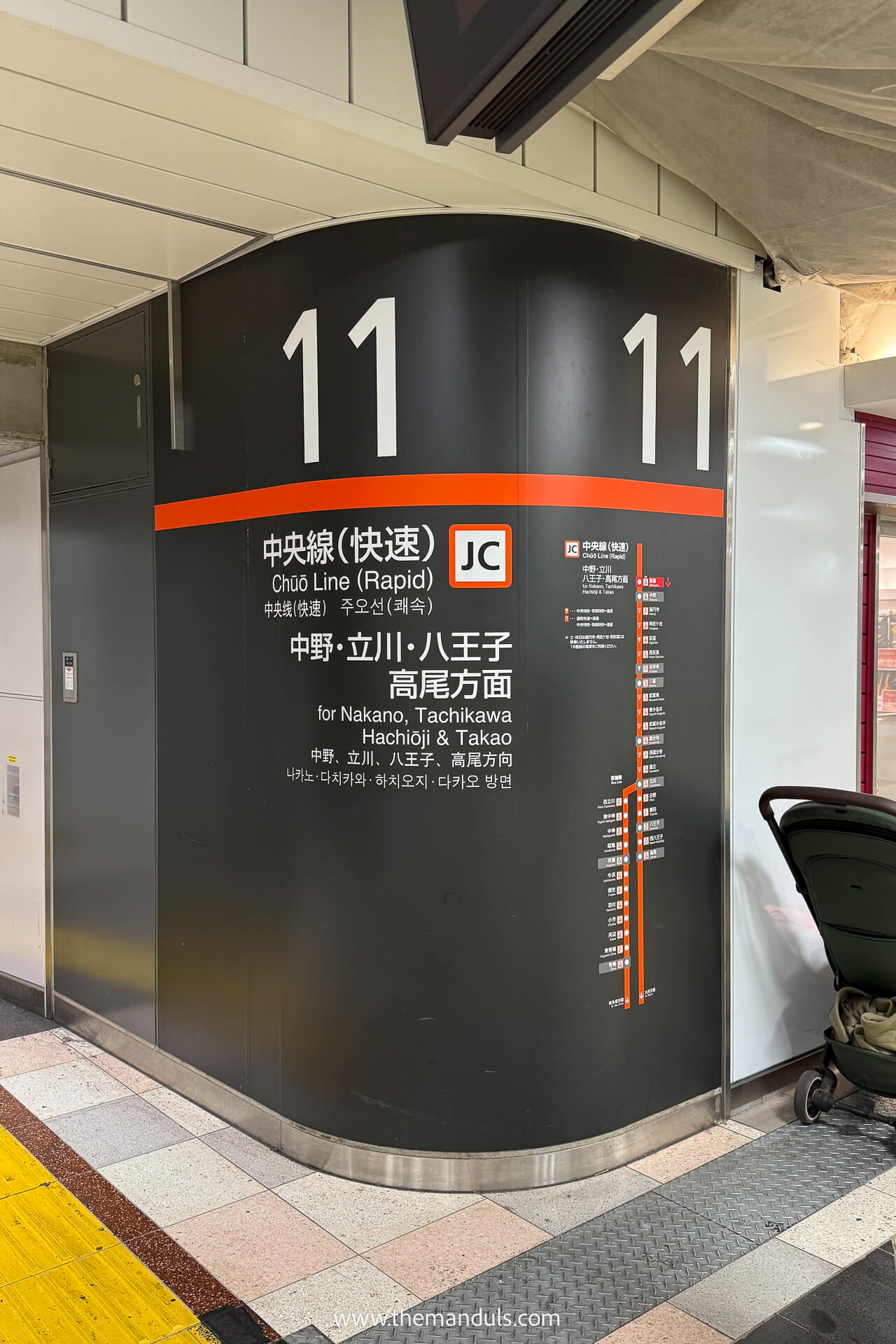
The first leg is a typical JR local or rapid train — simple and without toilets onboard. What we actually liked about this part was how local it felt. There were very few tourists, mostly commuters and locals.
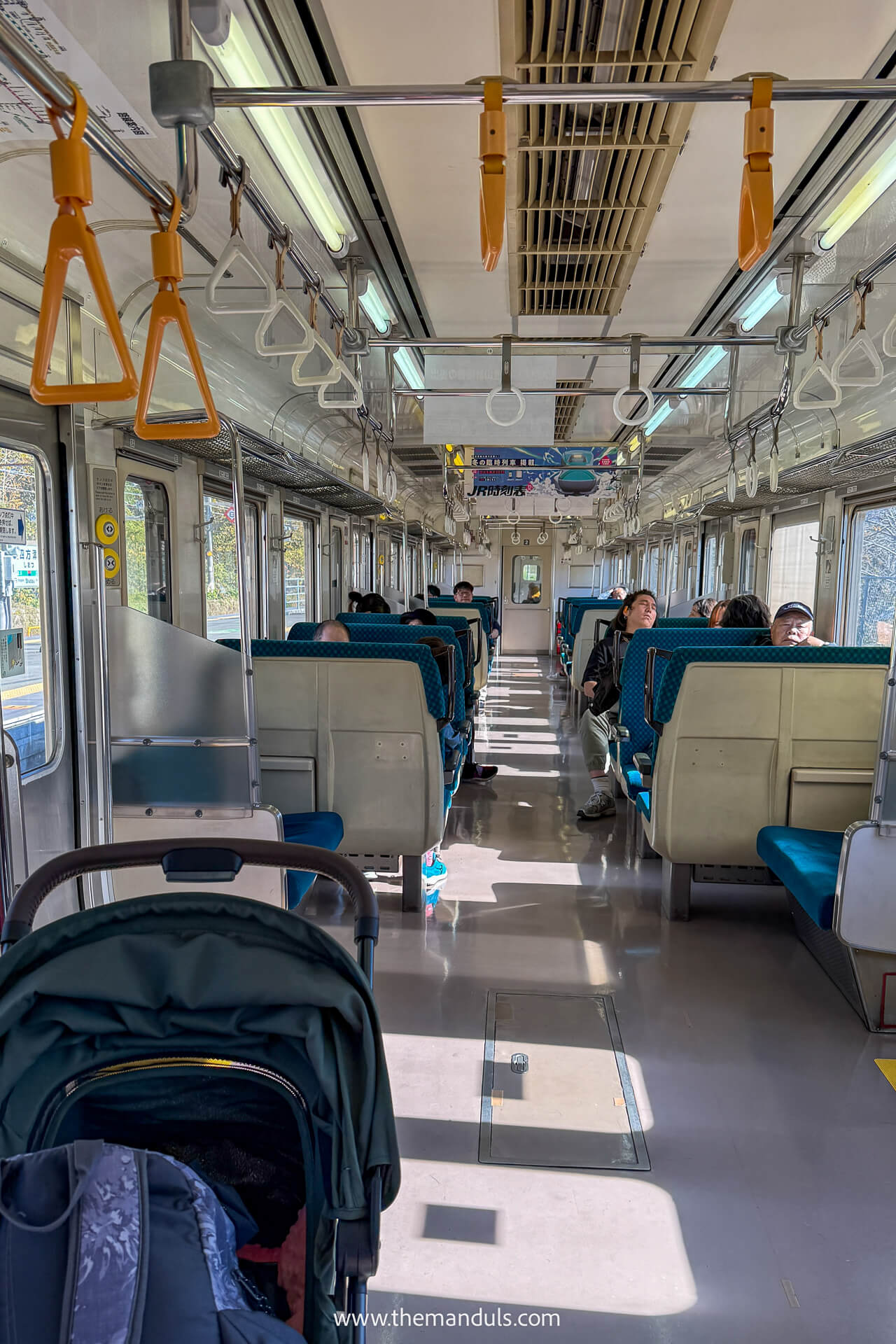
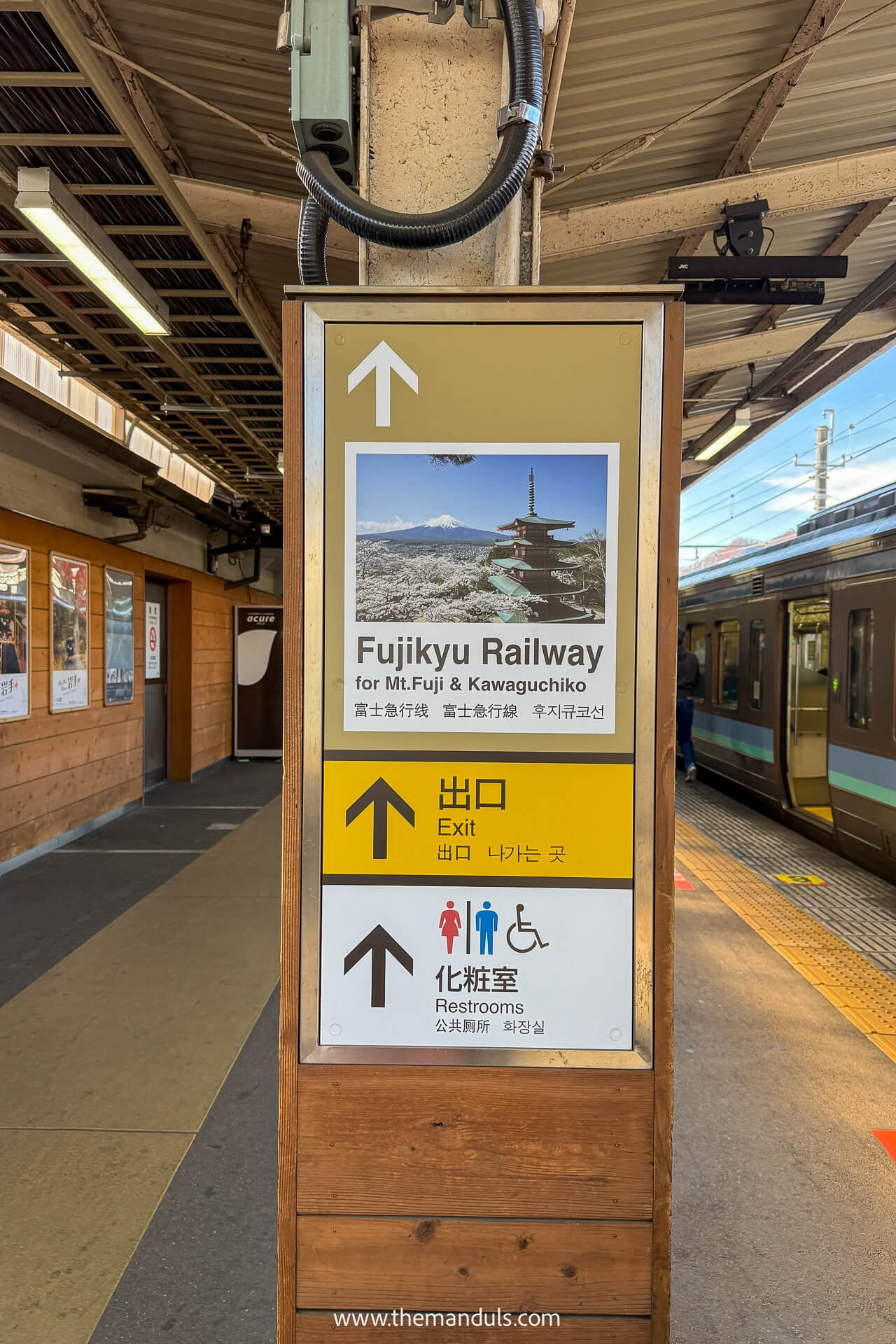
At Ōtsuki, we changed trains to the Fujikyu Railway. This is where things noticeably changed. The trains are smaller, run less frequently, and tend to fill up quickly — especially during peak travel times.
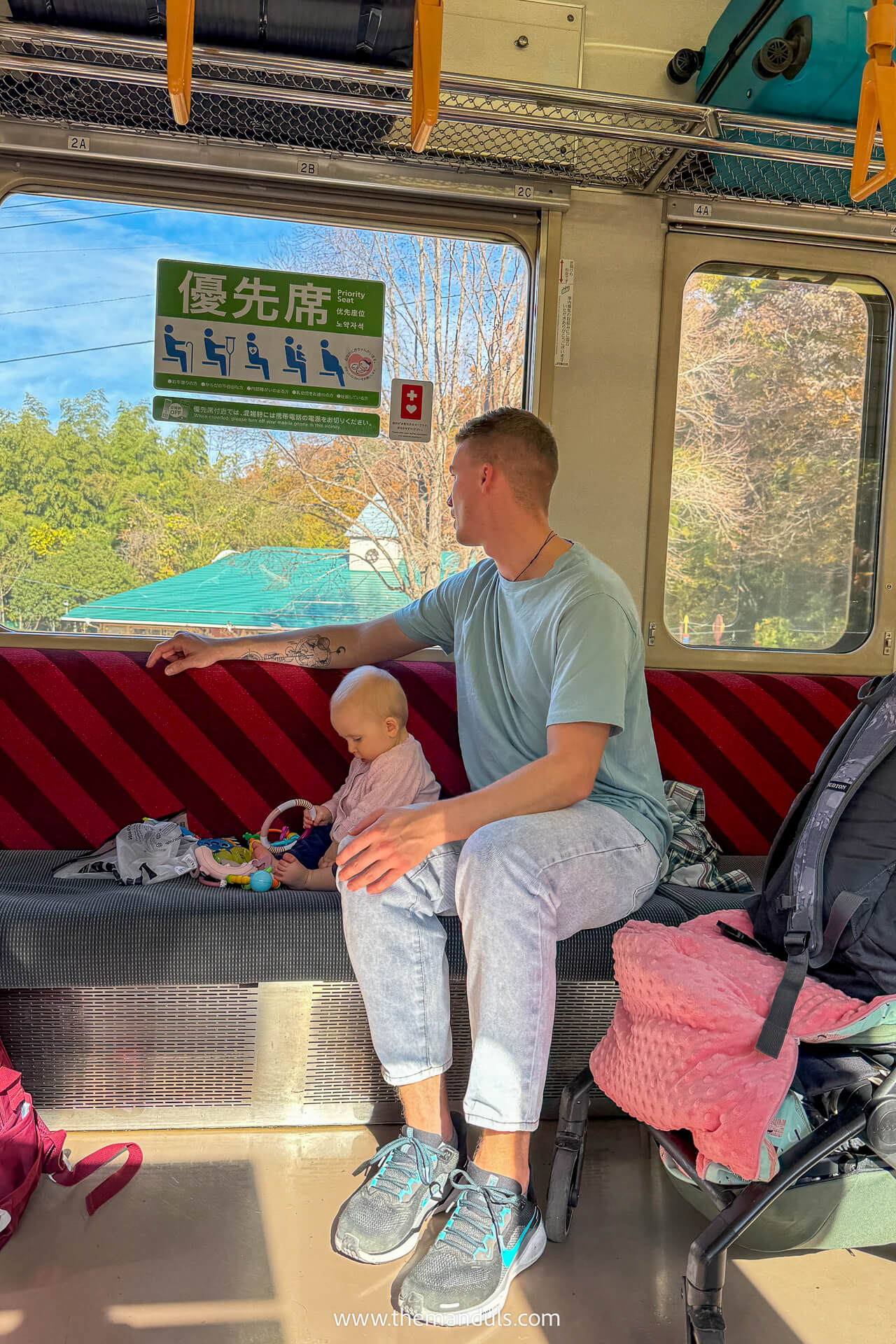
It got crowded fast, so it’s best to be prepared to stand. If you do get a seat, aim for the right-hand side of the train when traveling toward Kawaguchiko for the best chance of Mount Fuji views on a clear day.
A big plus for us was that we didn’t need to buy any tickets in advance — we simply tapped in and out using Suica the whole way, which made the trip feel flexible.
Overall, while this isn’t the fastest or most comfortable way to get to Mount Fuji, it’s a simple and budget-friendly option that works well if other connections are sold out.
Limited Express Fuji Excursion (direct)
Travel Time: 2 hours
Ticket Price: from ¥4130
Route: Shinjuku – Kawaguchiko
The Limited Express Fuji Excursion is the most convenient train option from Shinjuku Station to Kawaguchiko, running directly with no transfers. Travel time is around 2 hours, which isn’t dramatically faster than local trains, but the experience is noticeably more comfortable.
Seats are reserved, there’s more legroom, and toilets are available onboard — making a big difference if you’re traveling with luggage or for longer stretches.
It’s also significantly more expensive, with tickets starting from ¥4,130 one way. In our opinion, the higher price is mainly for comfort and convenience rather than speed.
The main downside is availability. The Fuji Excursion needs to be booked in advance, especially during cherry blossom season, summer weekends, and autumn foliage.
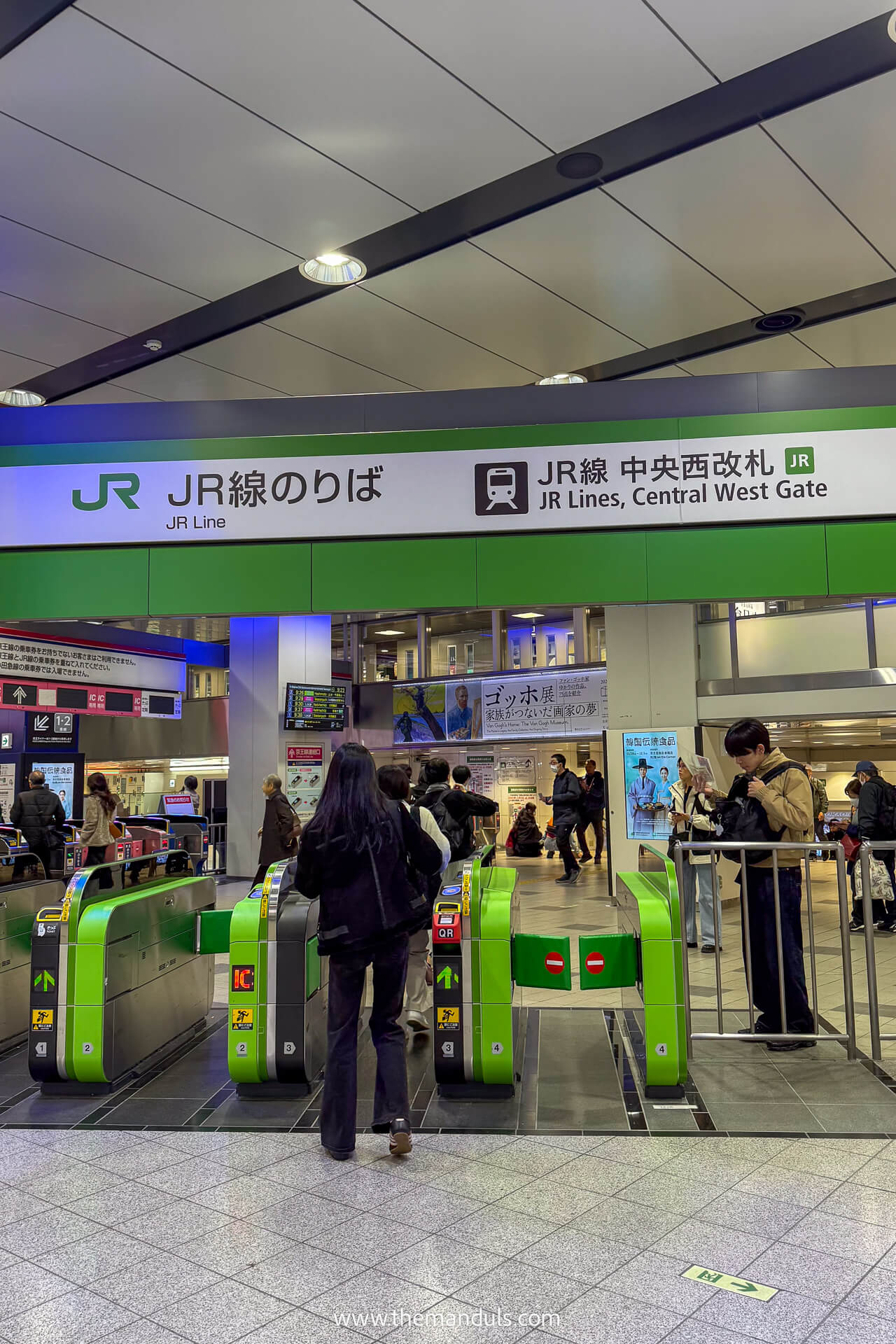
Tickets can be purchased at JR ticket machines, JR offices, online, or via Klook, which is often the easiest way to book well in advance.
If you’re using a JR Pass, it’s worth noting that it only covers the JR section as far as Ōtsuki. From there, you’ll need to pay an additional ¥1,170 for the Fujikyu Railway portion to Kawaguchiko.
At the moment, there are only four departures per day from Shinjuku: 7:30, 8:30, 9:30, and 10:30, so planning ahead is essential.
Overall, this is the best train option if you want a direct, comfortable ride and are happy to pay a bit extra for it — just don’t leave booking until the last minute.
Highway Bus from Tokyo to Kawaguchiko
Travel Time: around 2 hours
Ticket Price: from ¥2800
Route: departures from Shibuya or Akihabara
The highway bus is one of the easiest and most straightforward ways to get from Tokyo to Kawaguchiko, with a travel time of around 2 hours, traffic depending. Tickets usually start from ¥2,800, making it cheaper than the Fuji Excursion and very competitive overall.
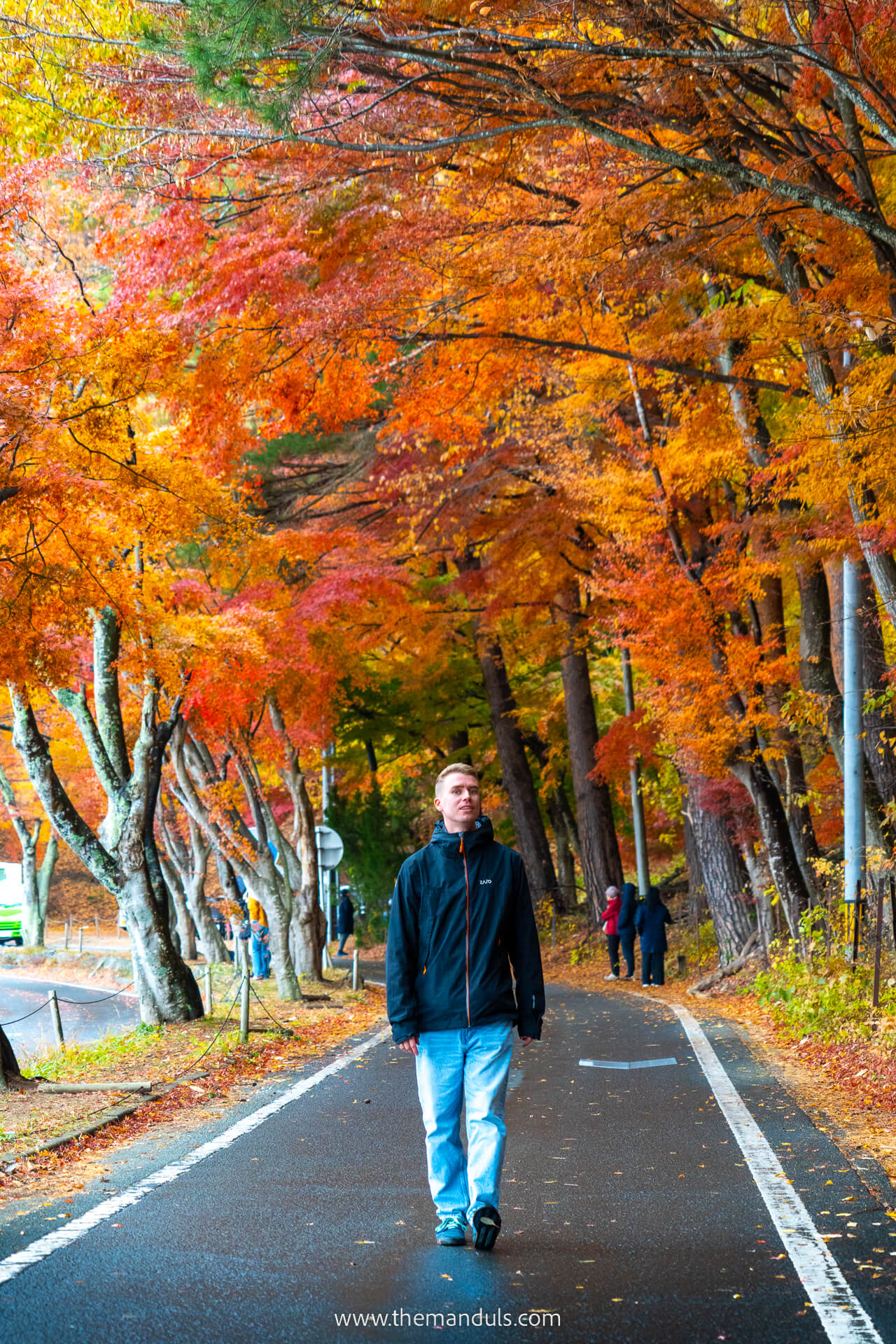
Buses depart from several areas in Tokyo, including Shibuya Station and Akihabara, depending on the operator and time of day. The buses are modern and comfortable, with assigned seating, air conditioning, toilets, wifi, and luggage stored underneath.
The journey itself is simple and stress-free — no transfers, no navigating train platforms, and you’re dropped off directly in Kawaguchiko. The only real downside is that travel time can vary slightly due to traffic, especially on weekends and during peak seasons.
To check routes, schedules, prices, and availability, and to book tickets easily in English, we recommend using Japan Bus Tickets. It’s one of the simplest ways to compare connections and secure seats in advance, especially during busy travel periods.
Guided day trips from Tokyo
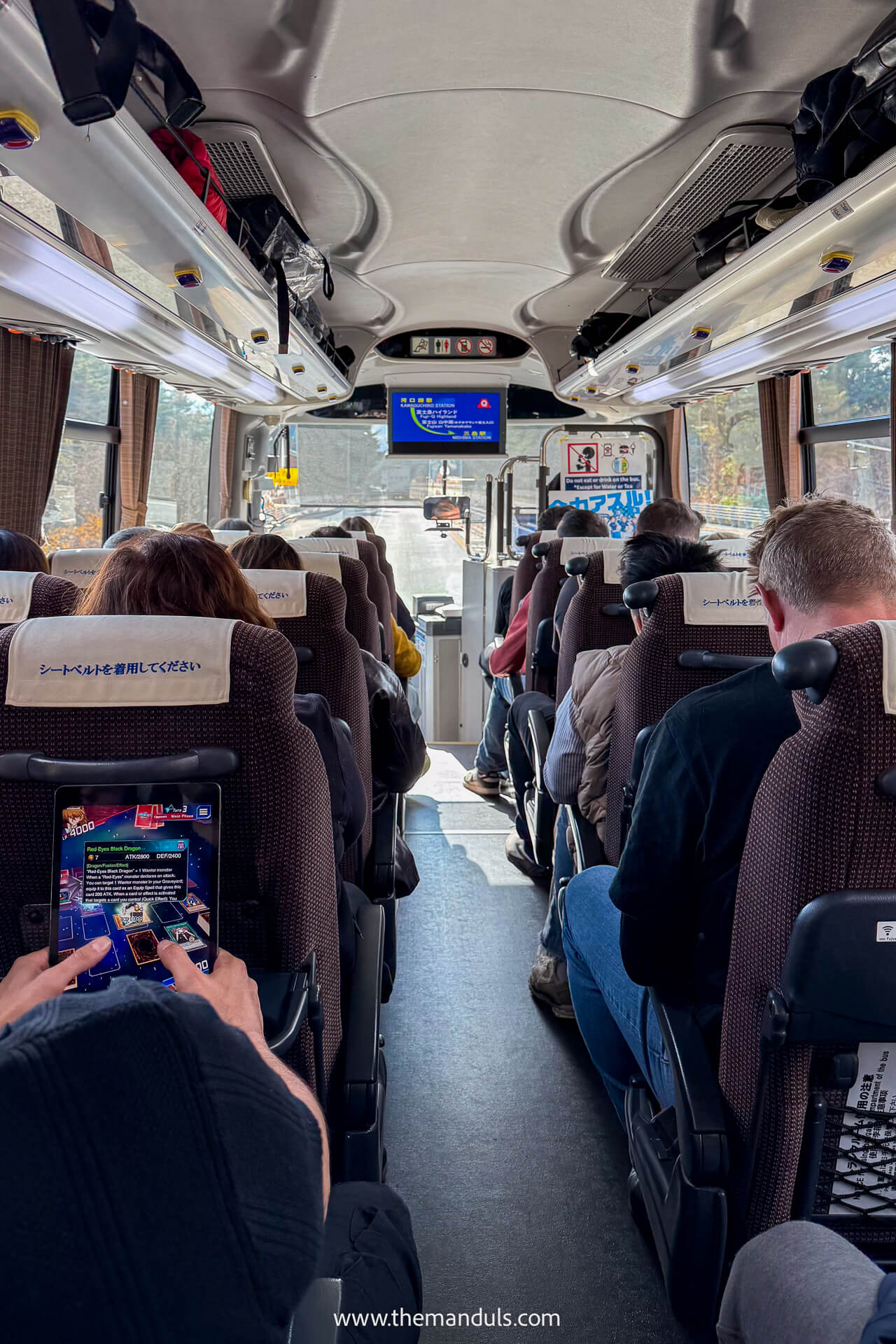
If you’d rather skip figuring out trains and buses, a guided day trip from Tokyo to the Mount Fuji area is a solid alternative — especially if it’s your first visit and you want to see a few of the most iconic spots without worrying about logistics.
We highly recommend this Mount Fuji Top 5 Spots Day Tour on GetYourGuide. It’s one of the most popular and frequently booked Fuji tours, with consistently high reviews, and it covers the highlights efficiently in one well-paced day.

The tour includes:
- 🚐 Round-trip transportation from Tokyo (no trains, no transfers)
- 🗣️ English-speaking guide throughout the day
- 🗼 Visit to Arakurayama Sengen Park for the classic pagoda + Mount Fuji view
- 🌿 Stop at Oshino Hakkai, known for its clear spring ponds and traditional houses
- 🏞️ Time around Kawaguchiko with different Mount Fuji viewpoints
For the price you pay, this tour is an incredible deal, especially when you compare it to the time, effort, and extra costs involved in arranging trains and buses on your own. Add to that the consistently high reviews, smooth organization, and the fact that you don’t need to plan or book anything separately, and it becomes a very easy option to recommend.

Common Mistakes to Avoid
- Booking too late – Fuji Excursion trains and direct buses often sell out days ahead, especially on weekends and in peak seasons.
- Choosing the wrong station in Tokyo – some routes are much easier from Shinjuku than from other parts of the city.
- Underestimating transfer times – missed connections at Otsuki can add long waits due to infrequent services.
- Overestimating JR Pass coverage – it only covers the JR section, not the private railway to Kawaguchiko.

Final Thoughts
Getting from Tokyo to Mount Fuji isn’t difficult once you understand the options. Each route has its pros and cons, and the best choice really comes down to how much time you have, how comfortable you want the journey to be, and whether you prefer flexibility or simplicity.
If you’re traveling on a budget and don’t mind transfers, local trains via Otsuki work perfectly fine. We took the trains even with all the luggage and a stroller and really enjoyed the ride.
If you want the most comfortable train experience with no transfers, the Fuji Excursion is worth the extra cost — just make sure to book early. And if you’d rather skip transport planning altogether, a guided day trip is an excellent alternative that lets you focus on the experience instead of logistics.
Whichever option you choose, planning ahead makes a big difference here. Book popular connections early, allow a bit of buffer time.