
This article contains affiliate links. Learn more in our affiliate disclosure.
When we first started planning our trip to Tokyo, we had no idea how much timing would shape the entire experience. In a city this big — and this seasonal — a difference of just a week or two can completely change how Tokyo feels, from cherry blossoms in spring to humid summer nights, fiery autumn colours, or calm winter streets.
We experienced Tokyo during autumn foliage season, and while the city was beautiful, planning wasn’t as straightforward as we expected. Fall colours shift slightly every year, and even within Tokyo some ginkgo trees were glowing yellow while a few maple trees had already lost their leaves. It was a great experience — but also a reminder that timing in Japan is never an exact science.
Because we were also travelling through Mt. Fuji, Kyoto, Osaka, and Koyasan, it became clear that catching peak colours everywhere just isn’t realistic. Each place turns at a different time, and some compromise is inevitable. Next time, we’d plan to arrive just before the predicted peak rather than aiming for exact dates.
In this guide, we’ll help you find the best time to visit Tokyo — based on real experience, seasonal differences, and what it actually feels like to explore the city.
And once your dates are set, our guides on the best things to do in Tokyo and where to stay in Tokyo will help you plan the rest with confidence.
Key Highlights
🌦️ Seasons: Four distinct seasons, each with a very different feel.
🌤️ Best months: Late March–early April for cherry blossoms, November for autumn foliage.
👥 Crowds: Peak crowds during cherry blossom season and autumn foliage; less crowded in winter and summer
🎉 Notable events: Cherry blossoms, summer festivals & fireworks, autumn leaf-viewing, winter illuminations.
💡 Good to know: Bloom times and fall colours shift every year, so dates are never exact.
Quick Overview
The best time to visit Tokyo is late March to early April for cherry blossoms, November for autumn foliage, and January to February for less crowded exploring.
Spring and autumn offer the most comfortable weather and seasonal scenery, while winter feels calmer and less crowded.
Summer brings festivals and long days, but also heat and humidity.
Our Experience
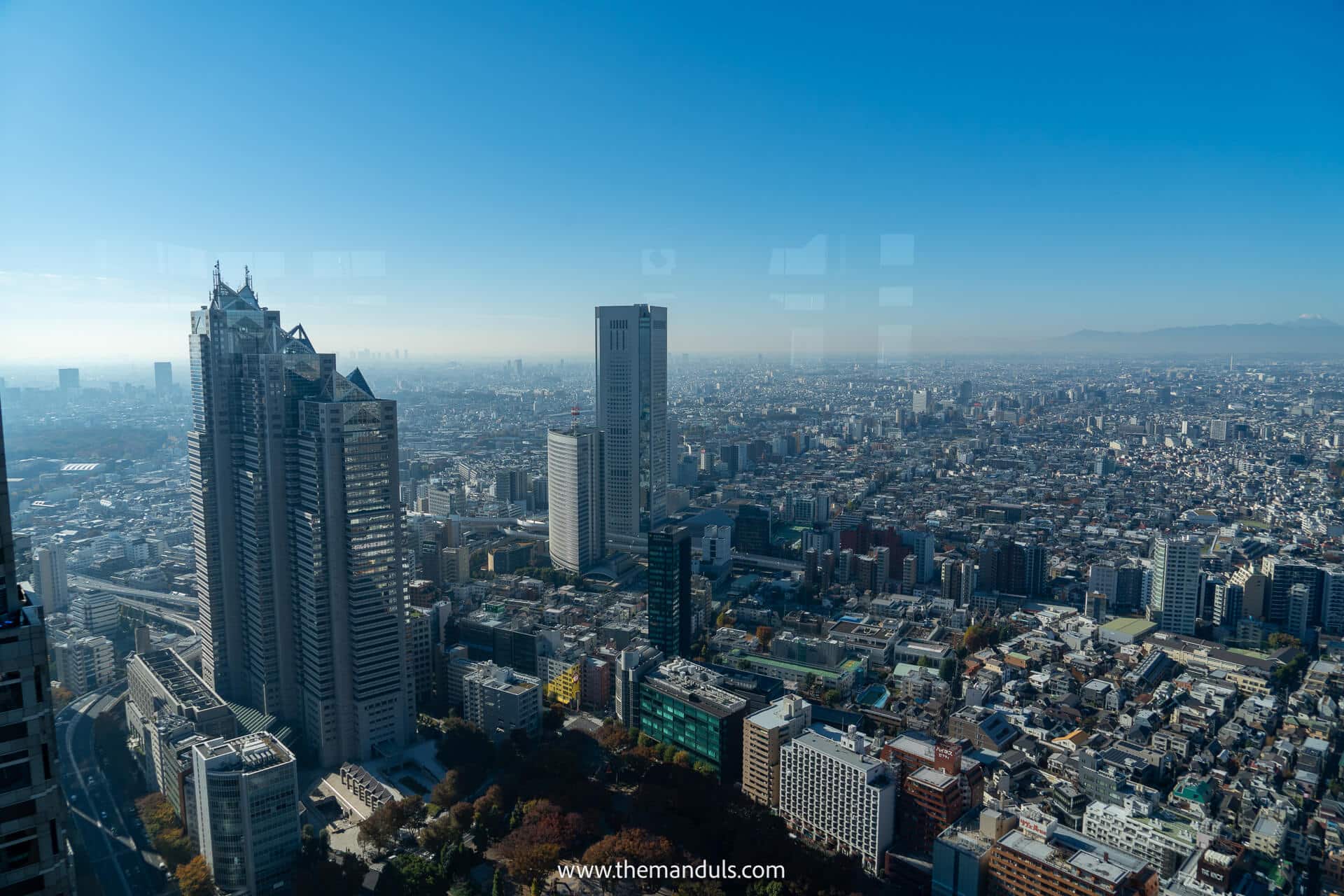
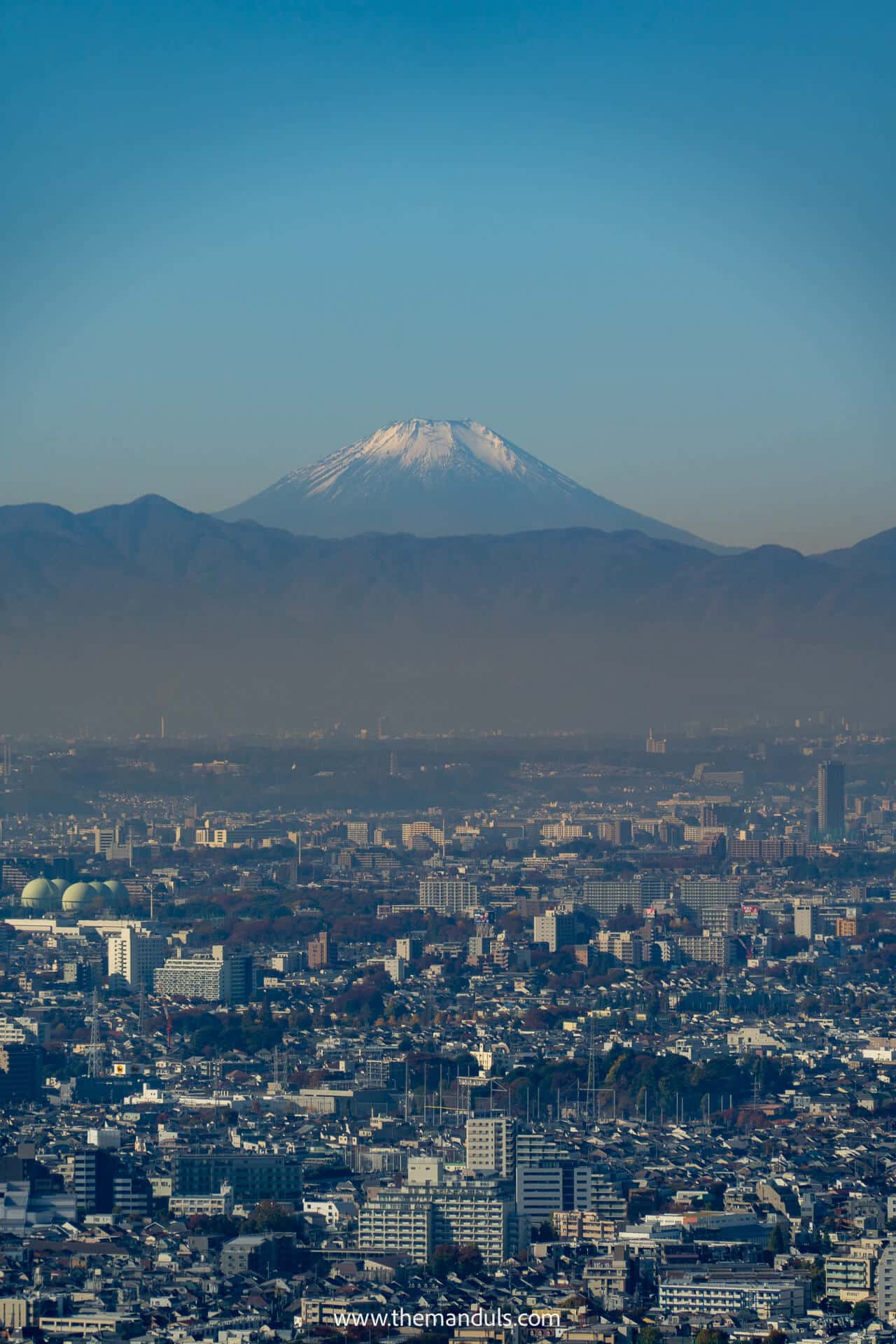
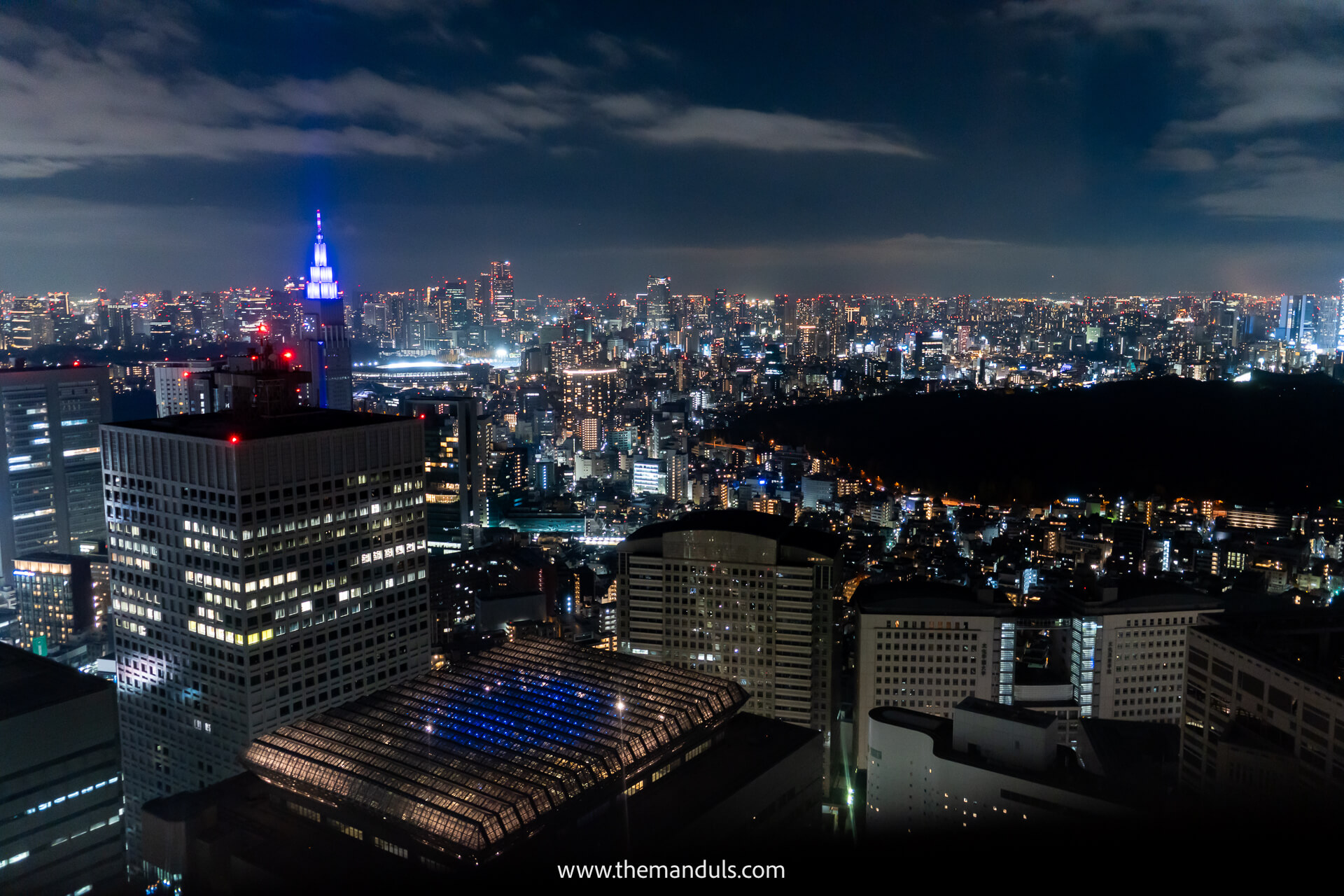
We visited Tokyo in late November (20–24), and overall it was a great time to be in the city. The weather was consistently sunny, and on clear days we could even see Mt. Fuji in the distance from the Tokyo Metropolitan Government Building — something that doesn’t happen often outside colder months.
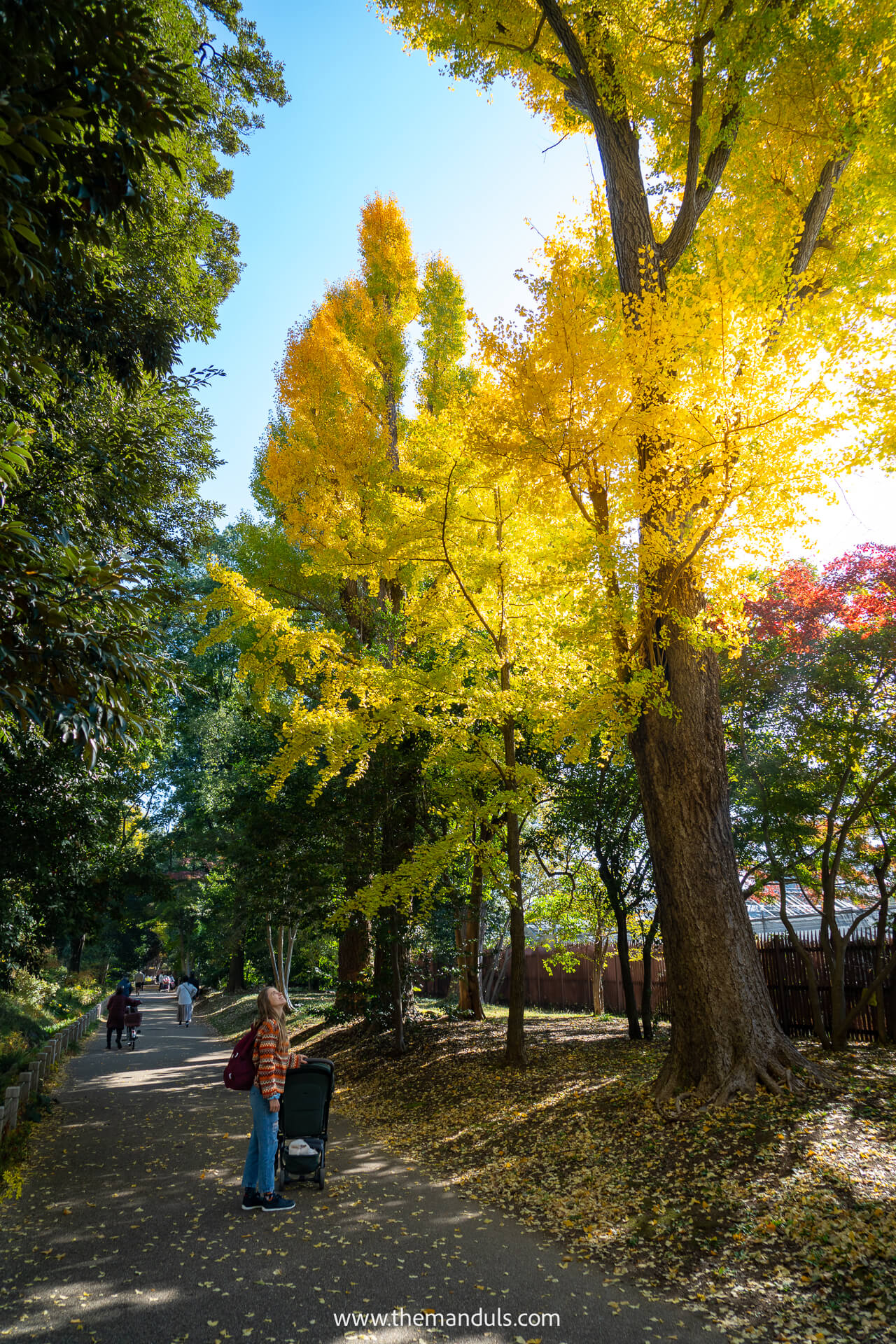
Autumn colours were already well underway. Shinjuku Gyoen National Park was colourful, with plenty of yellow ginkgo and red maple trees, though some leaves had already fallen. Looking back, arriving a few days earlier would have been ideal if foliage was the main goal.
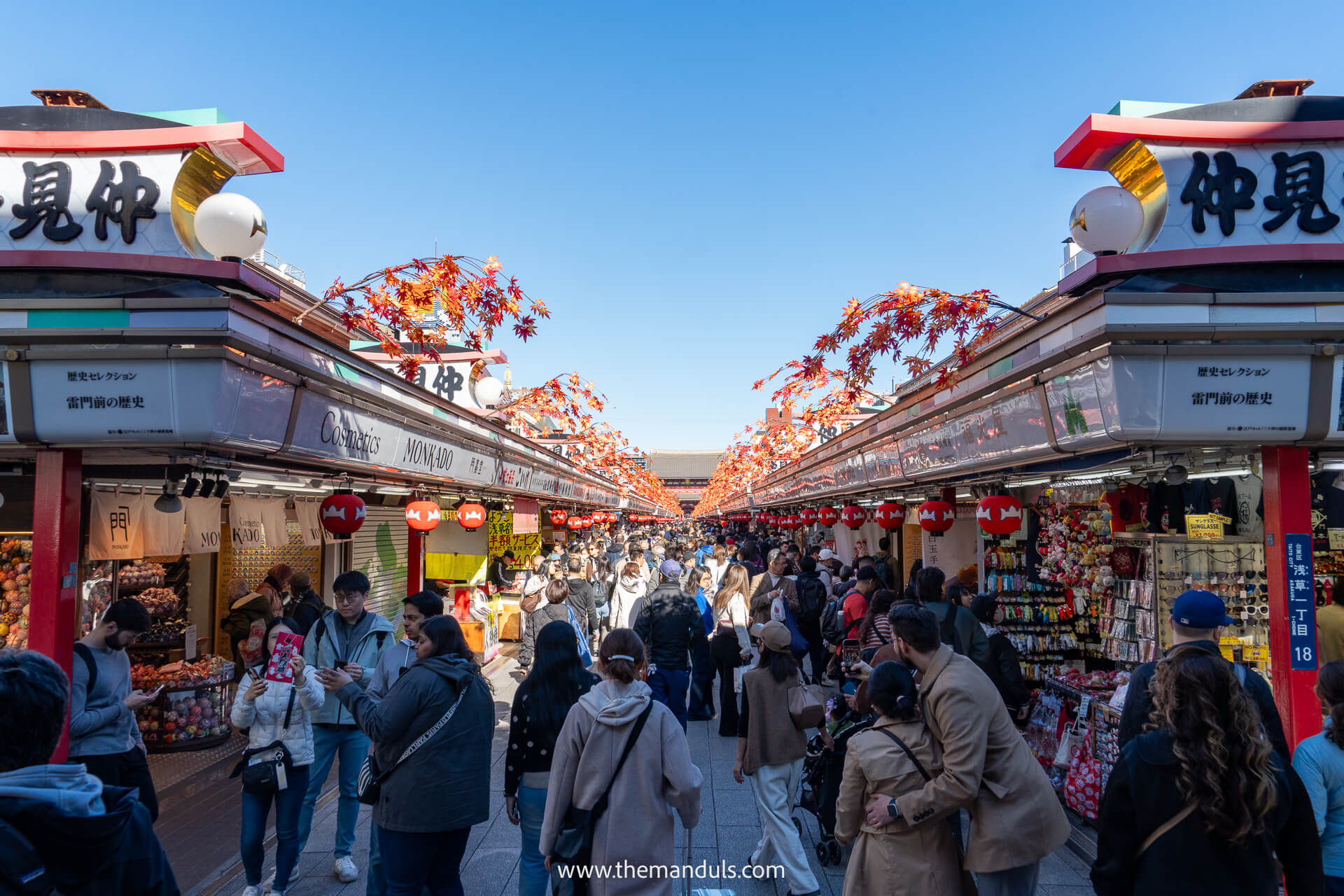
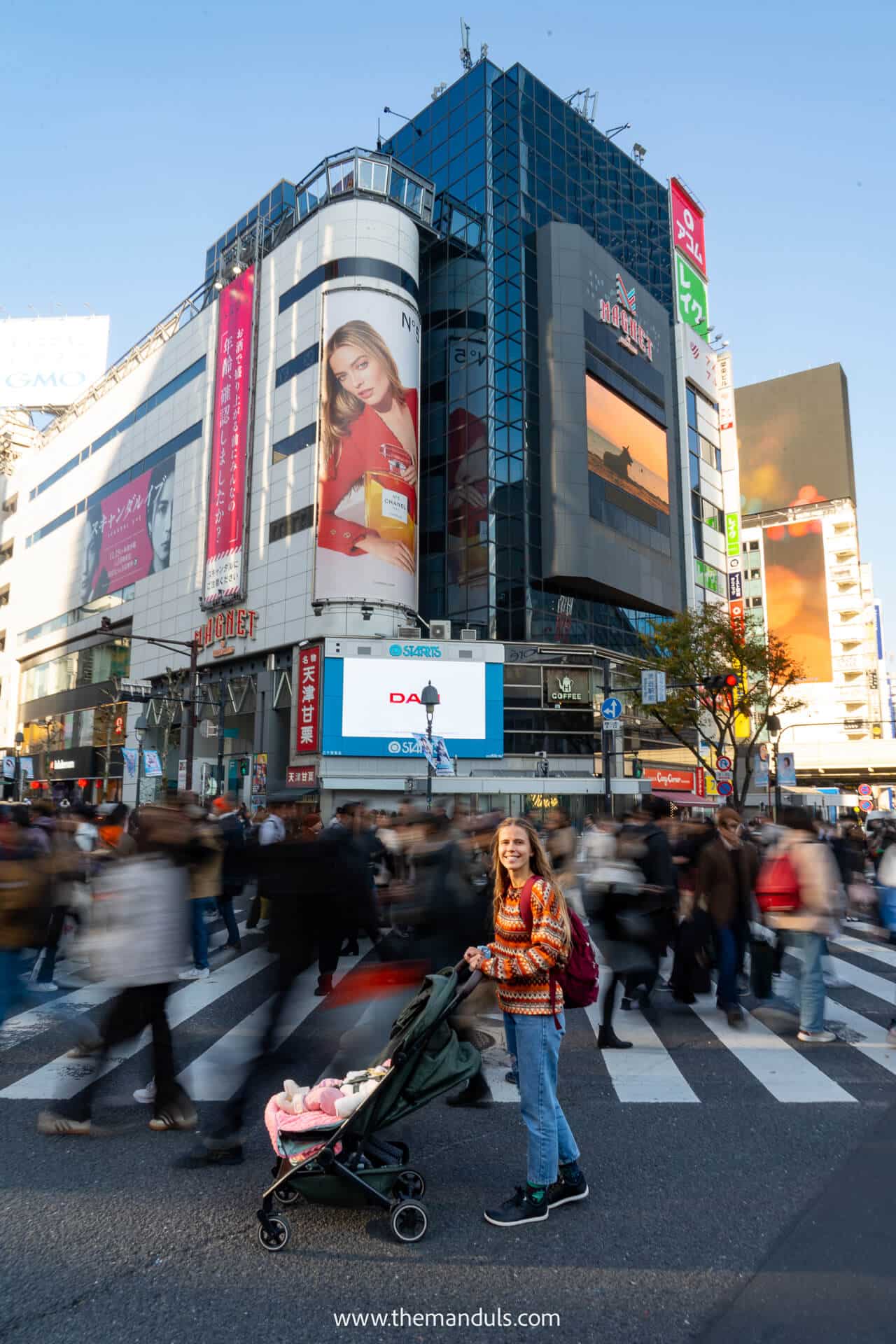
Crowds were intense in busy areas like Shibuya, Shinjuku, and Asakusa, but that wasn’t a surprise — autumn is one of Tokyo’s peak travel seasons.
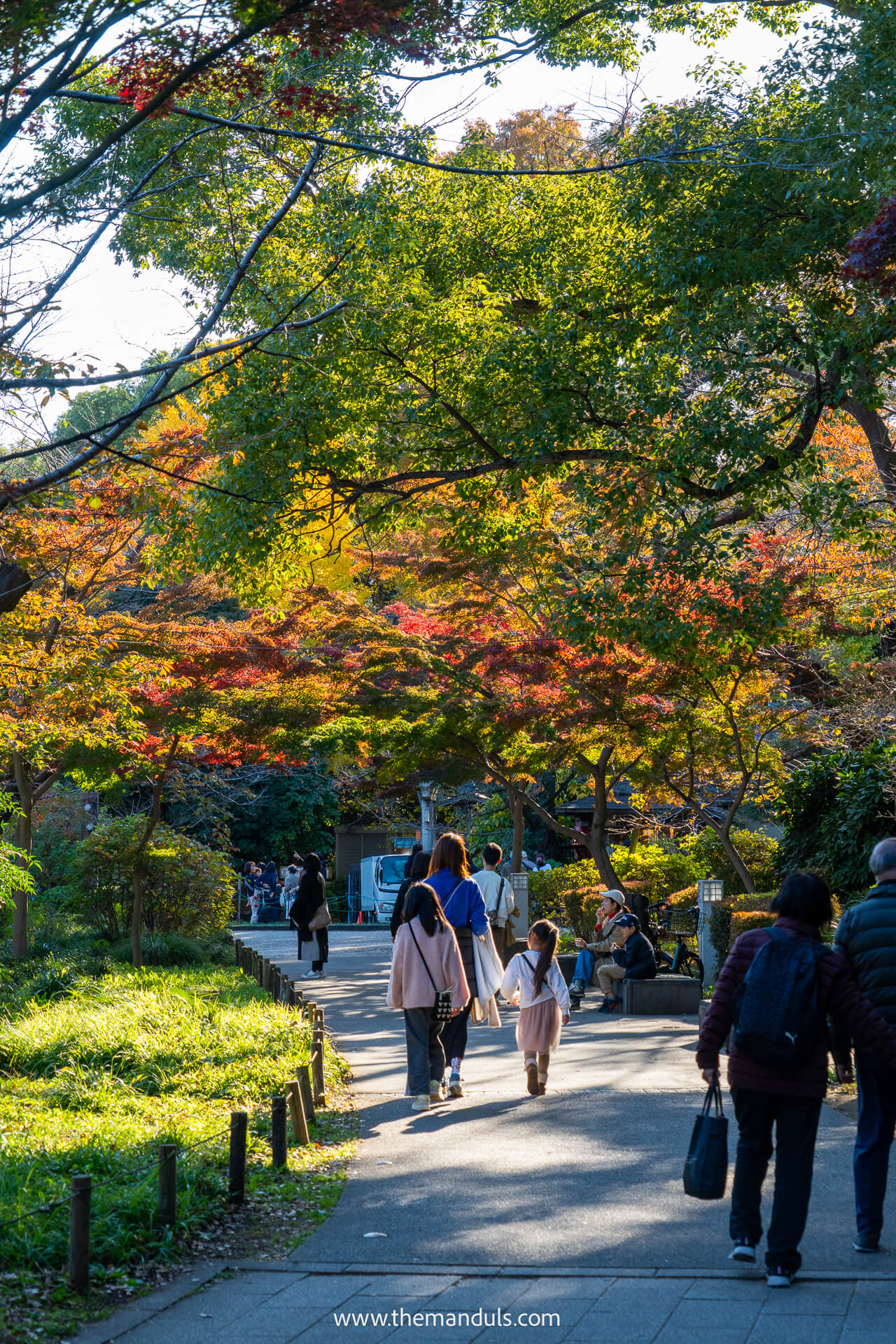
Temperatures were very comfortable for exploring, reaching close to 20°C during the day, while mornings and evenings were chilly enough to need extra layers. That balance made long walks easy and enjoyable.
Even though we haven’t experienced Tokyo in summer, it’s easy to imagine it being more challenging due to heat and humidity.
The main downside of visiting in autumn is the combination of heavy crowds and higher accommodation prices, especially compared to summer or winter. Still, we truly enjoyed Tokyo in autumn — and next time, we’d love to experience the city during cherry blossom season.
Best Time to Visit Tokyo
Each season in Tokyo feels noticeably different — from the cherry blossoms and crisp air to the heavy crowds or the calm winter streets. Below is a clear breakdown of the all seasons.
Spring (March–May)
pring in Tokyo is one of those seasons that instantly feels special. Daytime temperatures usually sit between 12–20°C, which made it easy for us to imagine long walking days without the heat or humidity you get later in the year. Mornings and evenings are still cool, but with layers it’s the kind of weather that encourages you to stay out all day.
We haven’t experienced Tokyo in spring ourselves yet, but after visiting Japan in autumn and seeing how seasonal everything feels, it’s clear why cherry blossom season draws such crowds. During peak bloom, parks and riversides fill up quickly, trains get packed, and hotels book out fast — something we already experienced in autumn, just on an even bigger scale in spring.
Spring is especially appealing for first-time visitors. It’s ideal for sightseeing, photography, and just wandering without feeling rushed or uncomfortable. What draws us most is the atmosphere — locals spending time outside, pop-up food stalls, and that short window when the entire city seems to pause to celebrate the season.
The upside is obvious: beautiful scenery, comfortable temperatures, and an energy that’s hard to match. The trade-off is dealing with heavy crowds, higher prices, and the uncertainty of bloom timing — which is why, if we plan a spring trip, we’d aim to arrive just before the predicted peak rather than chasing exact dates.
✅ Pros: Beautiful scenery, comfortable temperatures, lively atmosphere
❌ Cons: Heavy crowds, higher prices, and unpredictable bloom timing
Monthly Overview
- March: Cool but pleasant; blossoms may start late in the month — timing is hit or miss.
- April: Peak cherry blossom season; stunning but crowded and expensive.
- May: Fresh greenery and stable weather; Golden Week brings crowds and price spikes.
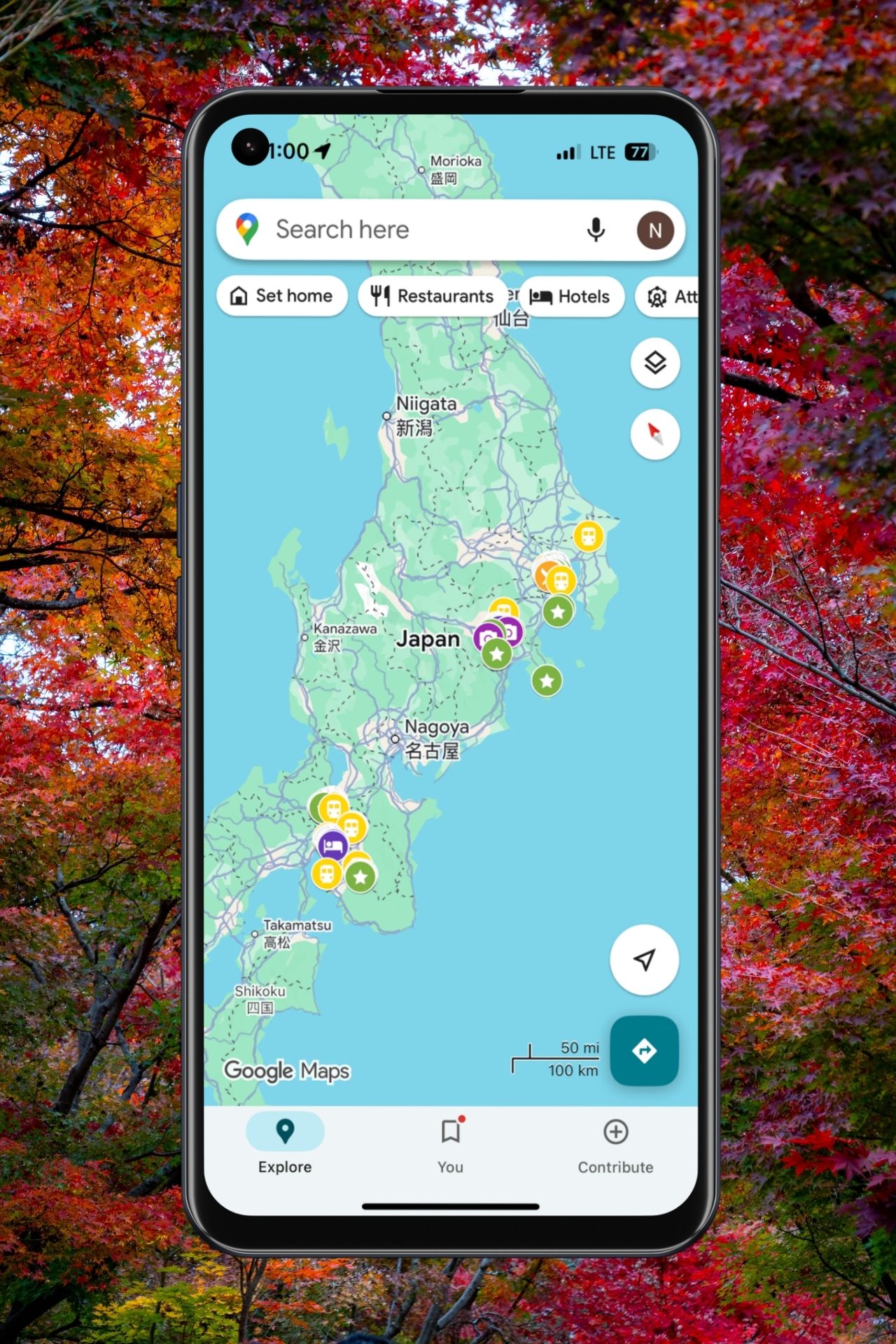
Our Japan Google Maps
Built from our real trips across Japan — only places we actually visited and loved.
No tourist traps. No random saves. Just a ready-to-use map that saves you hours of research.
219 handpicked spots, including:
📍 Highlights & hidden gems
🍜 Restaurants we’d go back to
🏨 Areas & hotels we’d book again
🗺️ Stops that fit into real, logical itineraries
Autumn (September–November)
Autumn is one of the most rewarding times to visit Tokyo, especially if you care about comfortable weather and seasonal scenery. We visited in late November, and the city felt calm and easy to explore, even during busy sightseeing days.
By November, daytime temperatures were reaching close to 20°C, while mornings and evenings were noticeably cooler. Rainfall is generally low in autumn, humidity drops significantly compared to summer, and visibility is often excellent.
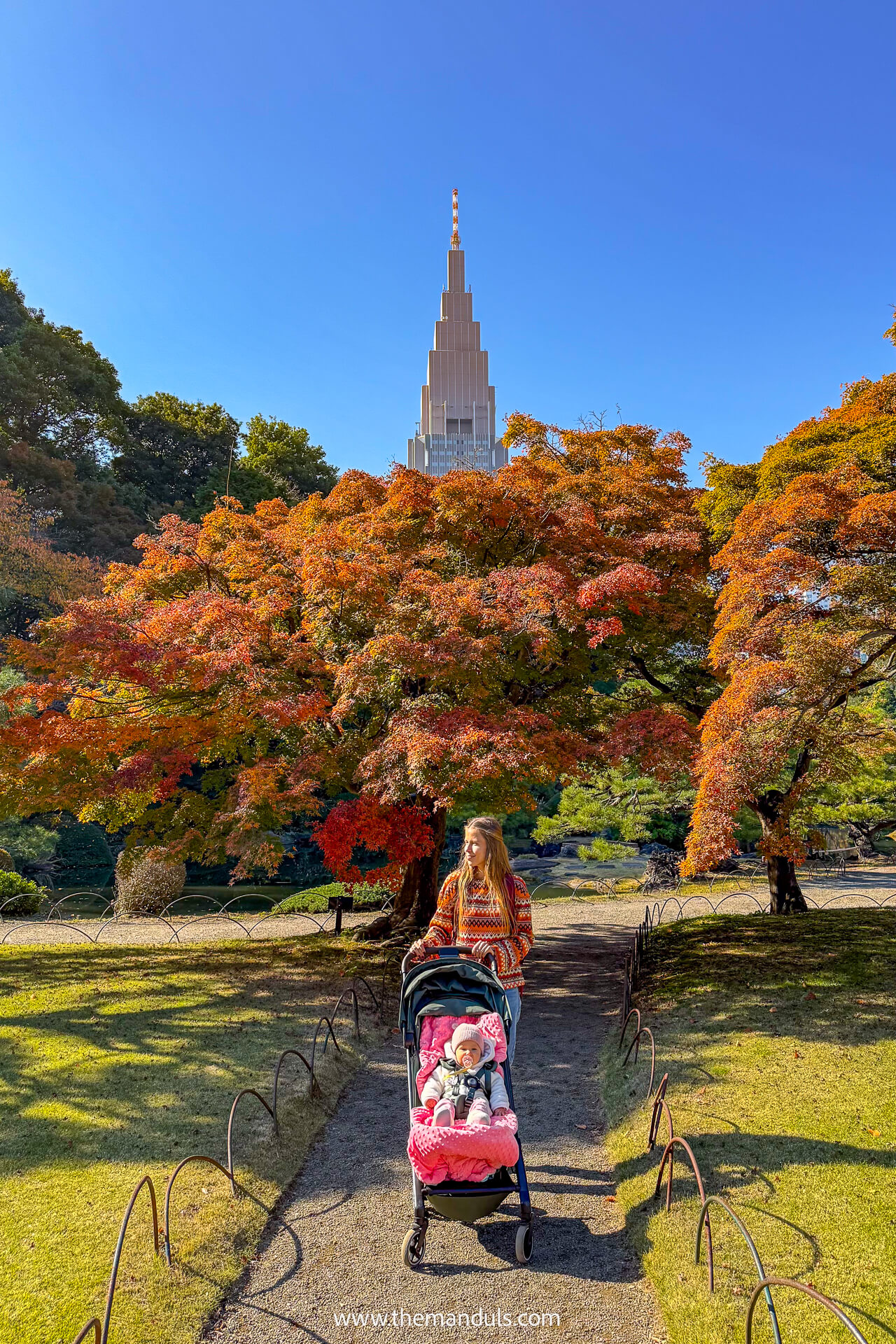
Autumn is a peak travel season, and crowds reflect that. Areas like Shibuya and Shinjuku were busy throughout the day, especially in the afternoons. That said, it felt chaotic sometimes. Popular parks were lively but manageable.
This season works particularly well for sightseeing, photography, and city walks. Shinjuku Gyoen National Park was colourful during our visit, with bright yellow ginkgo trees and red maples. Looking back, arriving a few days earlier would have been better if fall colours were the main focus.
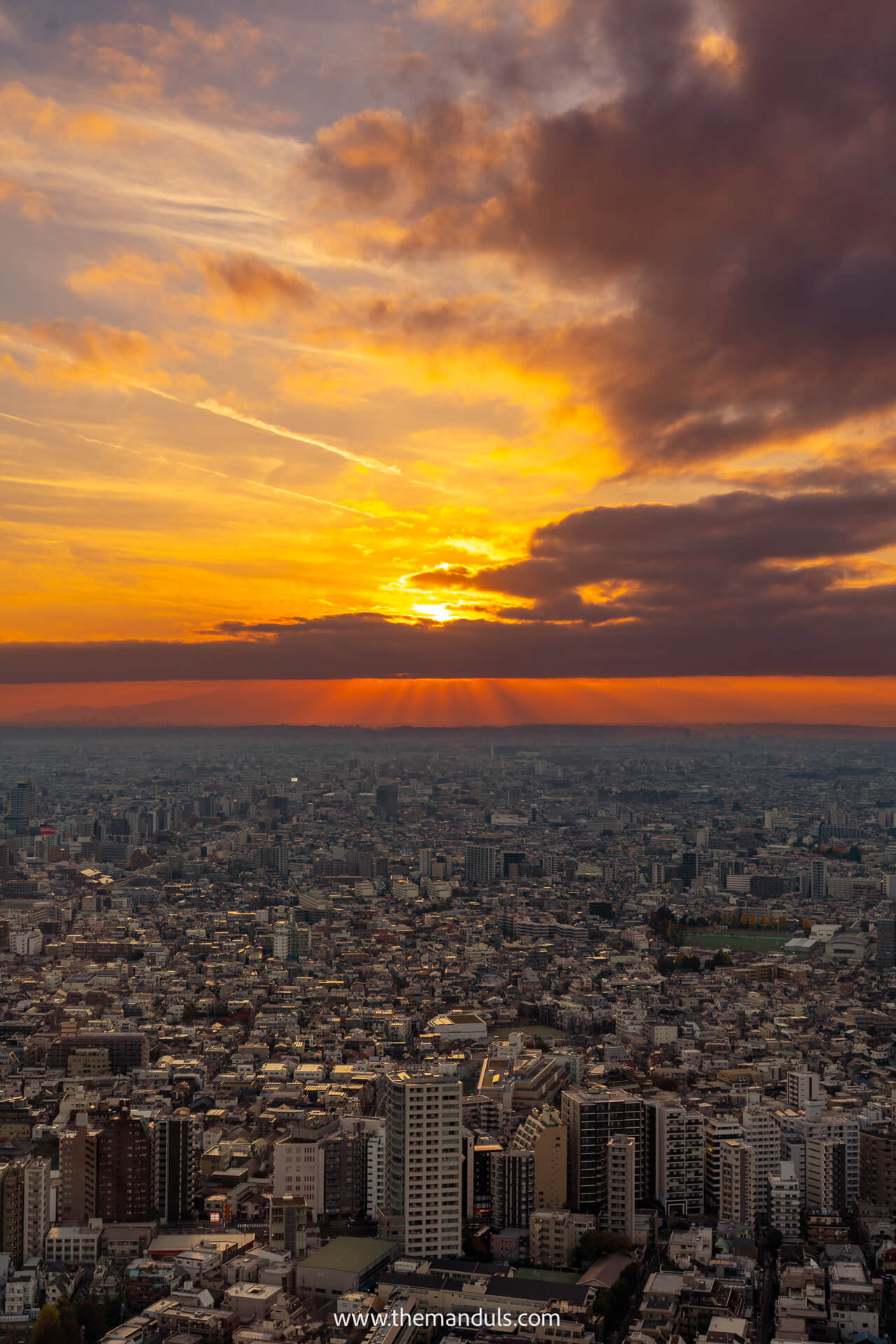
The biggest advantage of autumn is how easy and pleasant Tokyo feels — great weather, clear skies, and seasonal colour almost everywhere. The downside is that it’s one of the most expensive times to visit, with noticeably higher accommodation prices and consistently high crowd levels. Even so, autumn left a strong impression on us, and it’s a season we’d happily choose again.
✅ Pros: Comfortable walking weather, clear skies, autumn colours
❌ Cons: Peak-season crowds and higher accommodation prices
Monthly Overview
- September: Still warm and sometimes humid early on; good value compared to later autumn, but it doesn’t feel “fall” yet.
- October: One of the best balance months — cooler air, lots of outdoor time, and the city starts shifting into autumn mode.
- November: Prime foliage month and the most “classic” autumn feel, but also the busiest and often the priciest.
Winter (December–February)
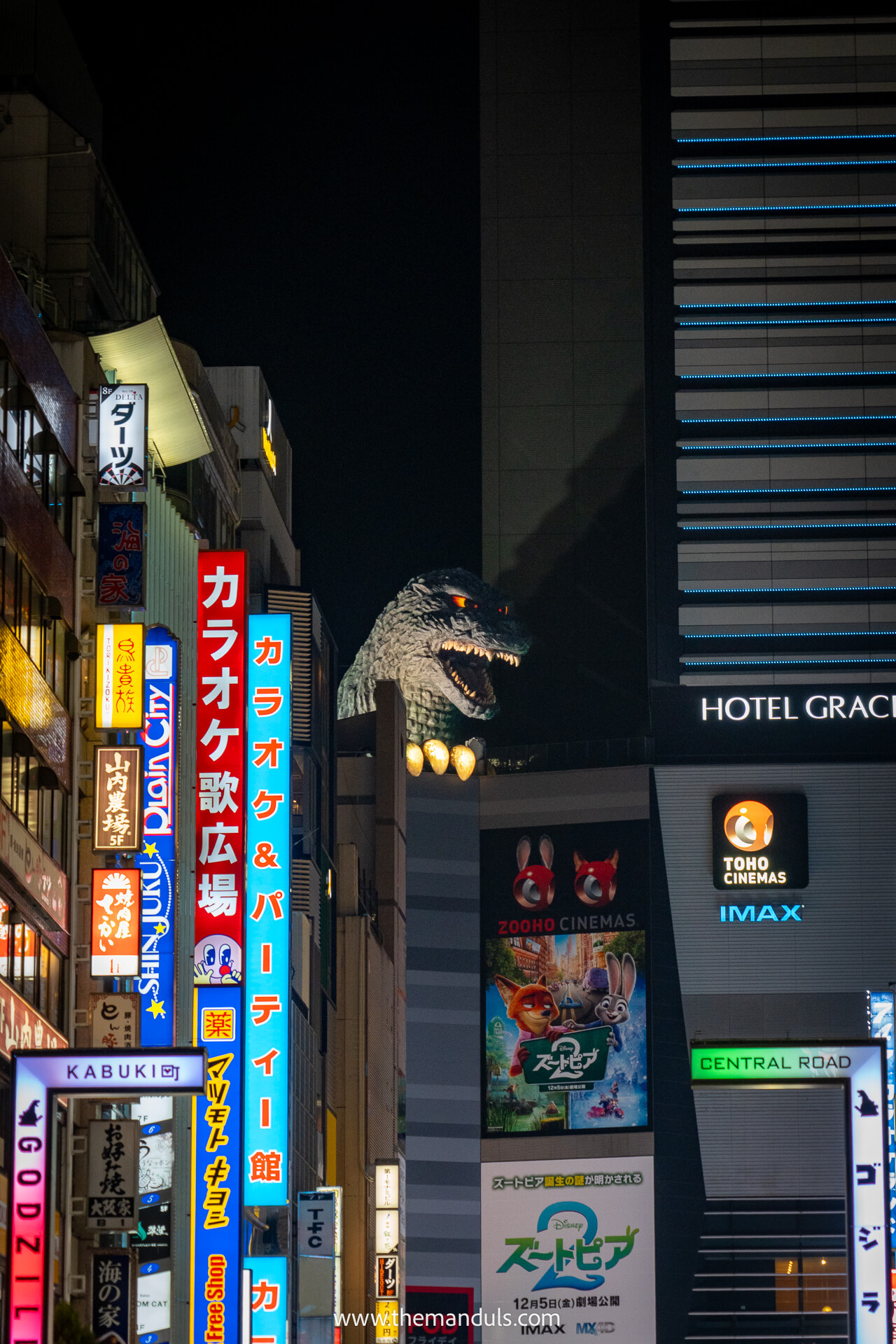
Winter in Tokyo is a season we’d mainly consider for one reason: lower prices and better accommodation availability. Compared to spring and autumn, it’s noticeably easier to find good-value stays, and the city feels less pressured by peak-season demand.
That said, if we’re being honest, winter isn’t our personal first choice for Tokyo. We tend to prefer visiting in autumn or spring, when the city feels more alive outdoors. If we were travelling in winter, we’d be more inclined to use Tokyo as a base before heading to the mountains for skiing rather than spending the entire trip in the city — but that’s just our preference.
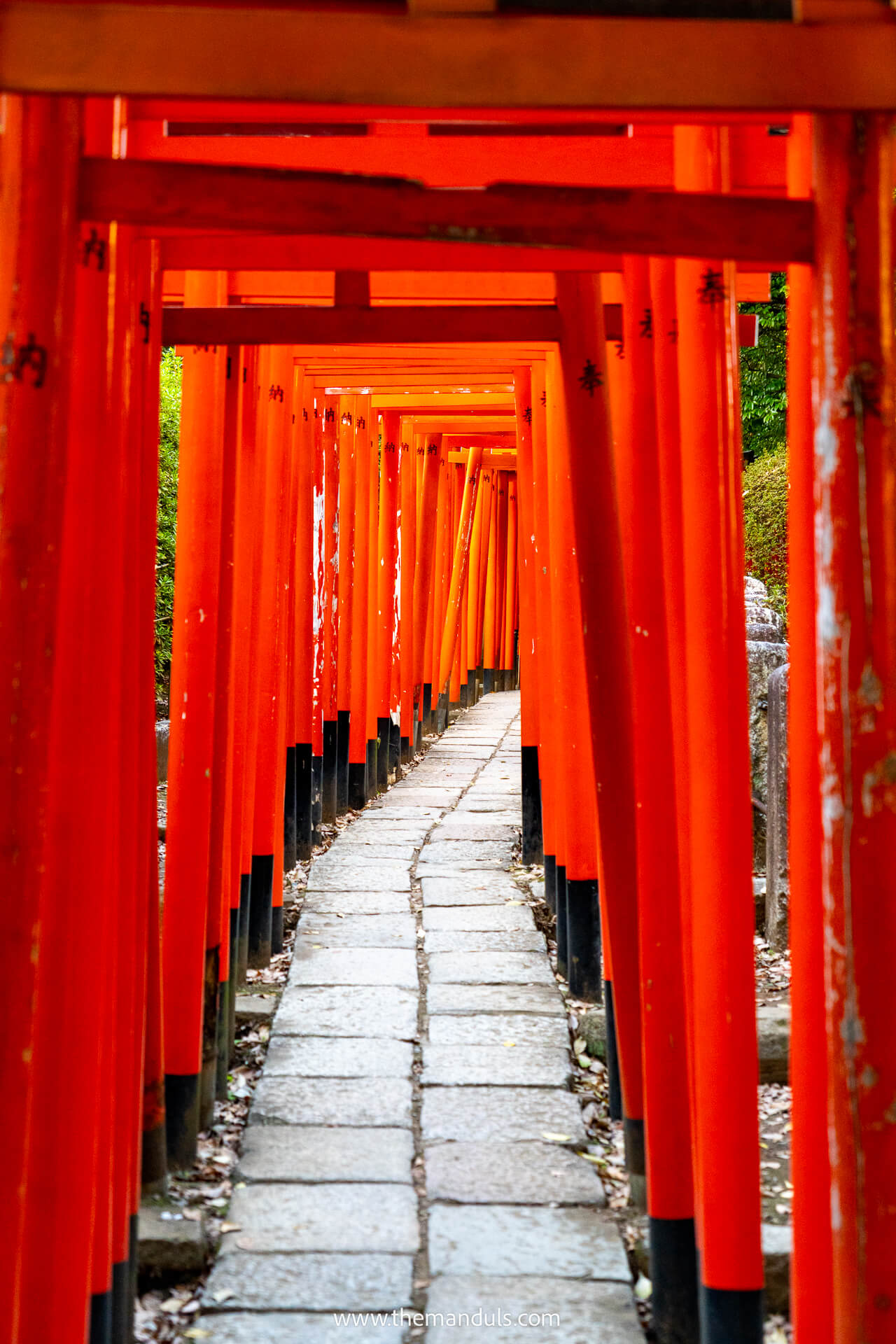
Tokyo winters are cold but mostly dry, with plenty of clear days. Snow in the city itself is rare, which means sightseeing is still possible if you dress well. It’s also one of the best periods for clear views of Mt. Fuji and for combining a city stay with winter sports nearby.
✅ Pros: Lower prices, fewer crowds, good visibility
❌ Cons: Cold temperatures, shorter days, less outdoor city life
Monthly Overview
- December: Festive atmosphere and winter illuminations; prices rise around holidays and New Year.
- January: Quieter and more local after New Year; one of the best months for lower prices.
- February: Similar to January — calm, good value, and ideal if skiing is part of the trip.
Summer (June–August)
Summer in Tokyo is the season we’d be the least likely to choose for a city-focused trip. While we haven’t experienced Tokyo in summer ourselves, based on our travels in other humid destinations — and everything we’ve learned while planning Japan — it’s easy to see why this is the most challenging time for many visitors.
Early summer starts with the rainy season, followed by long stretches of heat and high humidity. Daytime temperatures often climb above 30°C, and combined with the humidity, sightseeing can quickly feel exhausting. Exploring on foot, which is one of Tokyo’s biggest strengths, becomes much less enjoyable in these conditions.
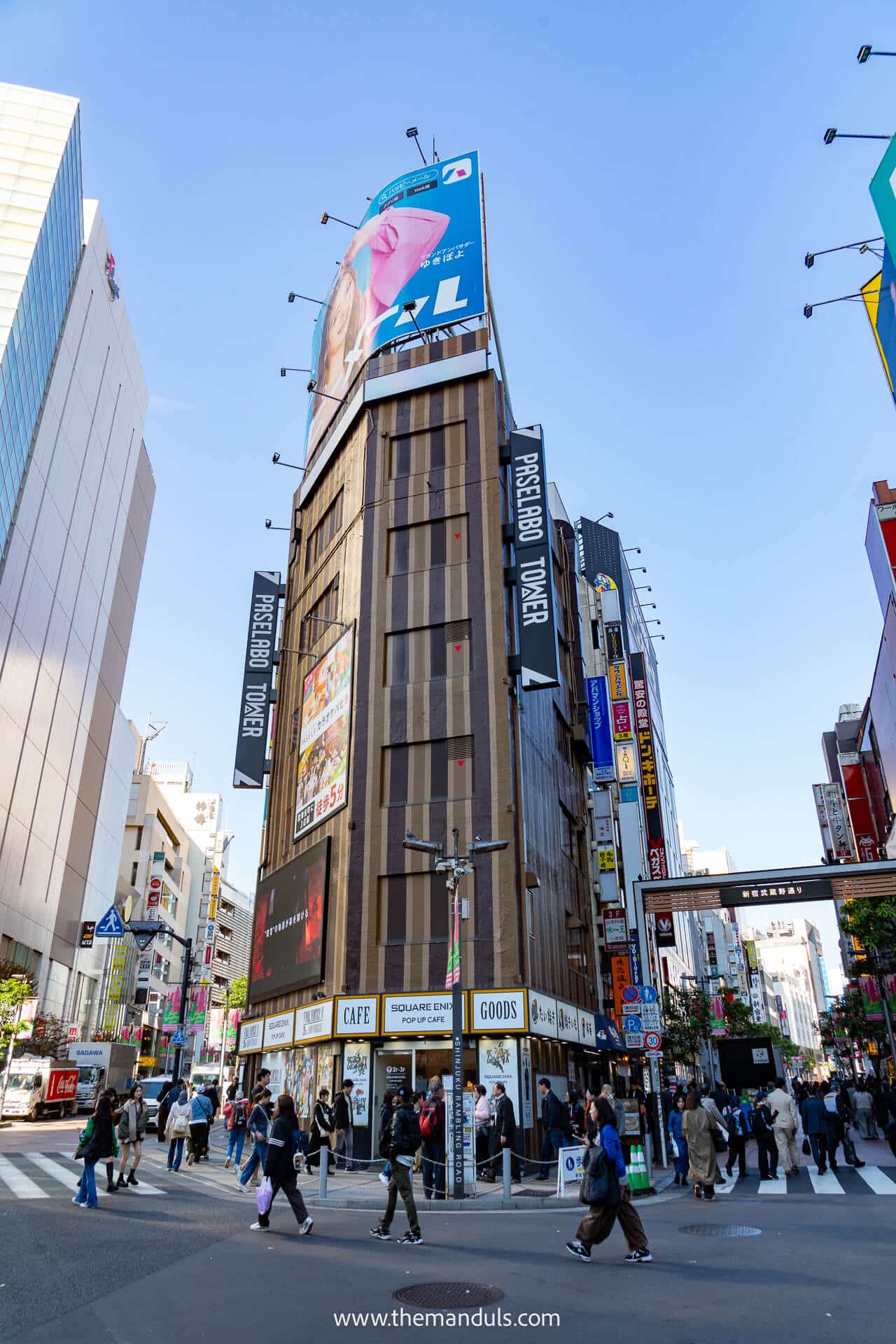
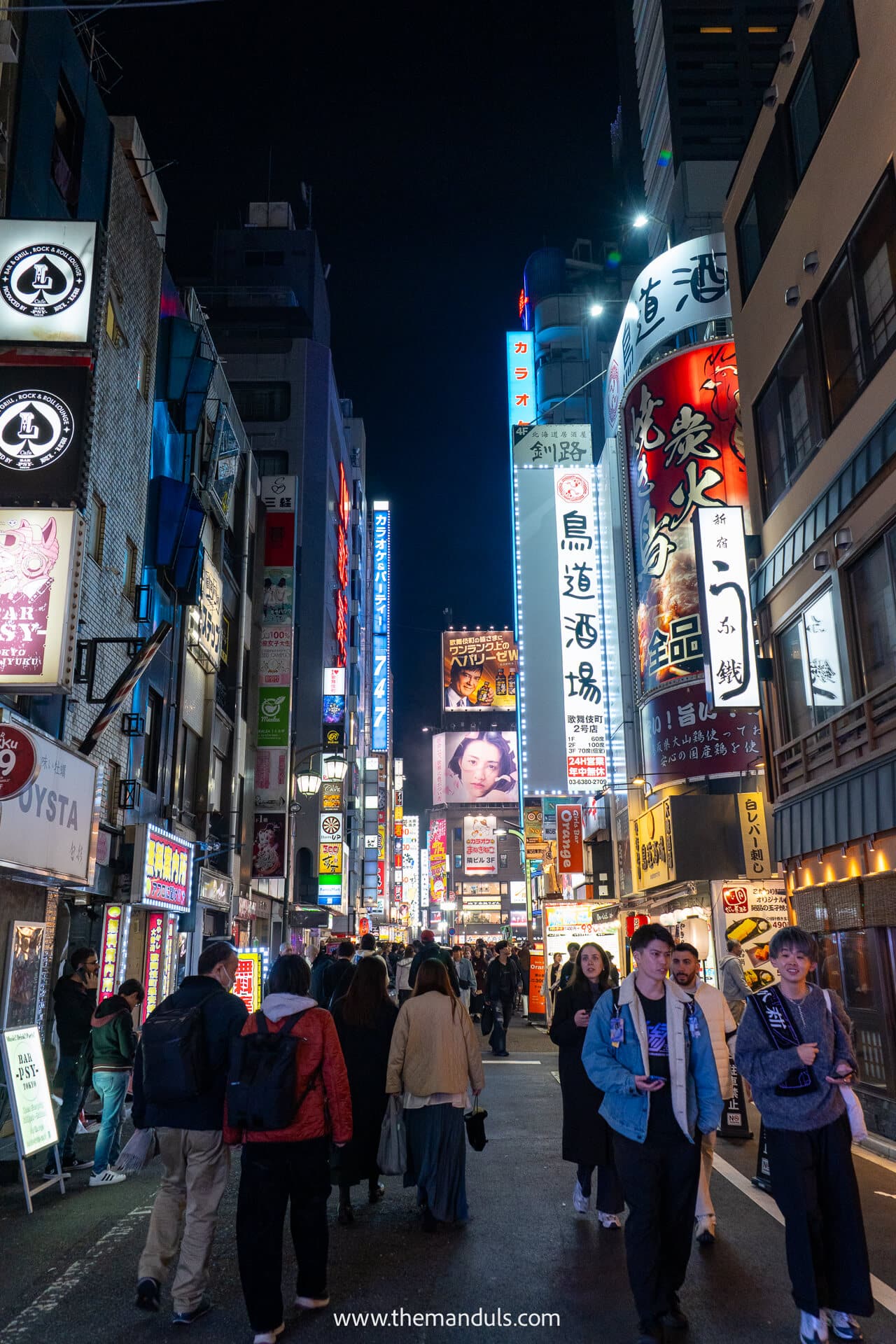
That said, summer does bring a different kind of energy. The city is packed with festivals, fireworks, and evening events, and nightlife feels especially lively once the sun goes down. Crowds are still heavy in popular areas, but prices can sometimes be more reasonable than in spring or autumn — aside from school holiday periods.
Summer suits travellers who don’t mind heat, enjoy festivals, or plan to structure their days around early mornings and late evenings. For us personally, it’s not the season we’d choose for Tokyo — we’d much rather deal with cooler temperatures and walk more freely — but if festivals are your priority, summer can still be rewarding.
✅ Pros: Lively festivals, long days, sometimes lower accommodation prices
❌ Cons: Heat, humidity, rainy season, tiring sightseeing conditions
Monthly Overview
- June: Start of the rainy season; fewer tourists, but damp and unpredictable weather.
- July: Hot and humid, with major festivals and fireworks; sightseeing works best early or late.
- August: Peak heat and humidity; busy during school holidays, but vibrant evenings and events.
Crowds & Prices
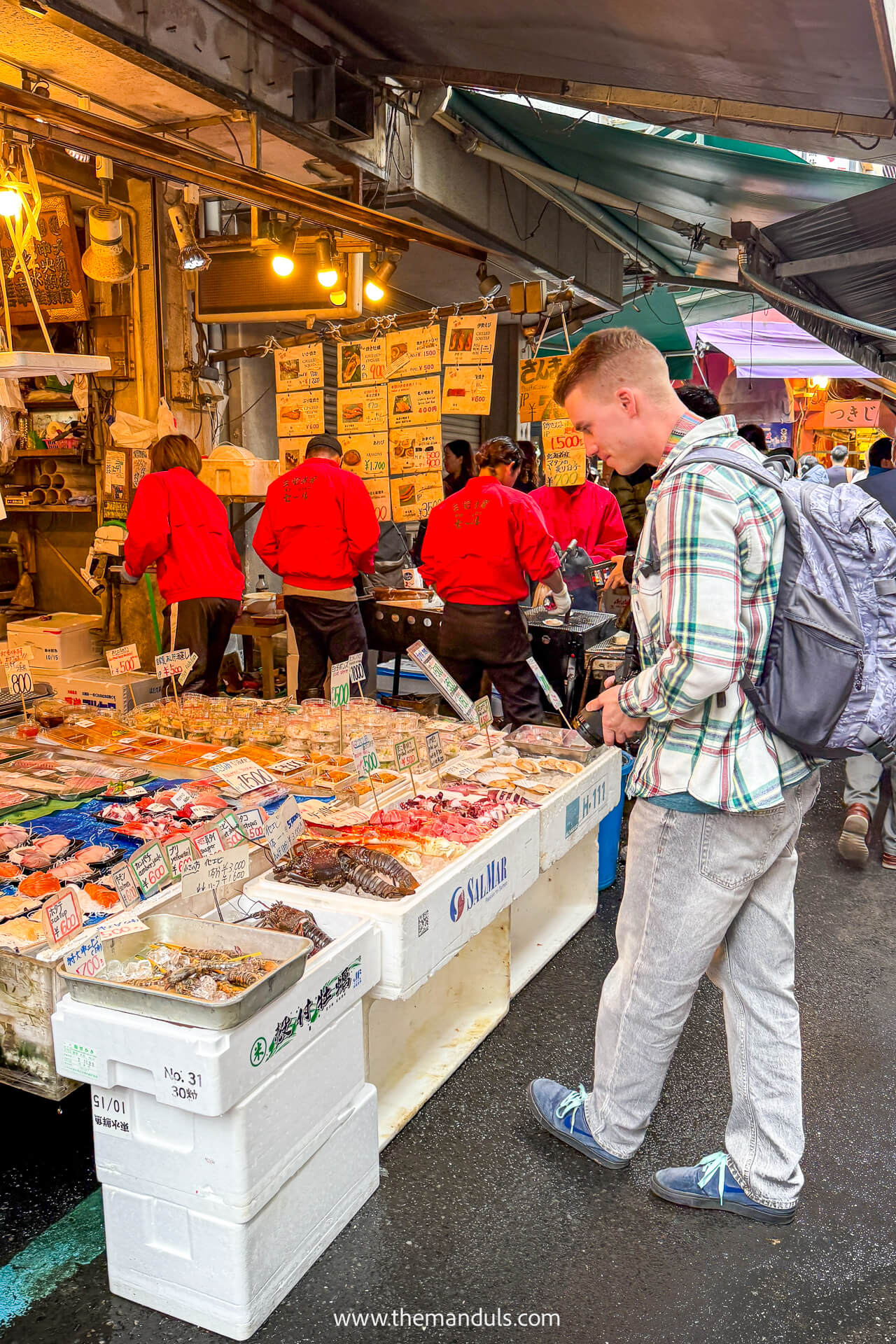
Crowds and prices in Tokyo are closely tied to the seasons, and understanding this makes a big difference when planning your trip.
The busiest and most expensive periods are cherry blossom season (late March–early April) and autumn foliage season (October–November).
During these months, popular neighbourhoods like Shibuya, Shinjuku, and Asakusa stay busy throughout the day, and accommodation prices rise noticeably. Hotels also sell out faster, so waiting too long to book often means paying more for less choice.
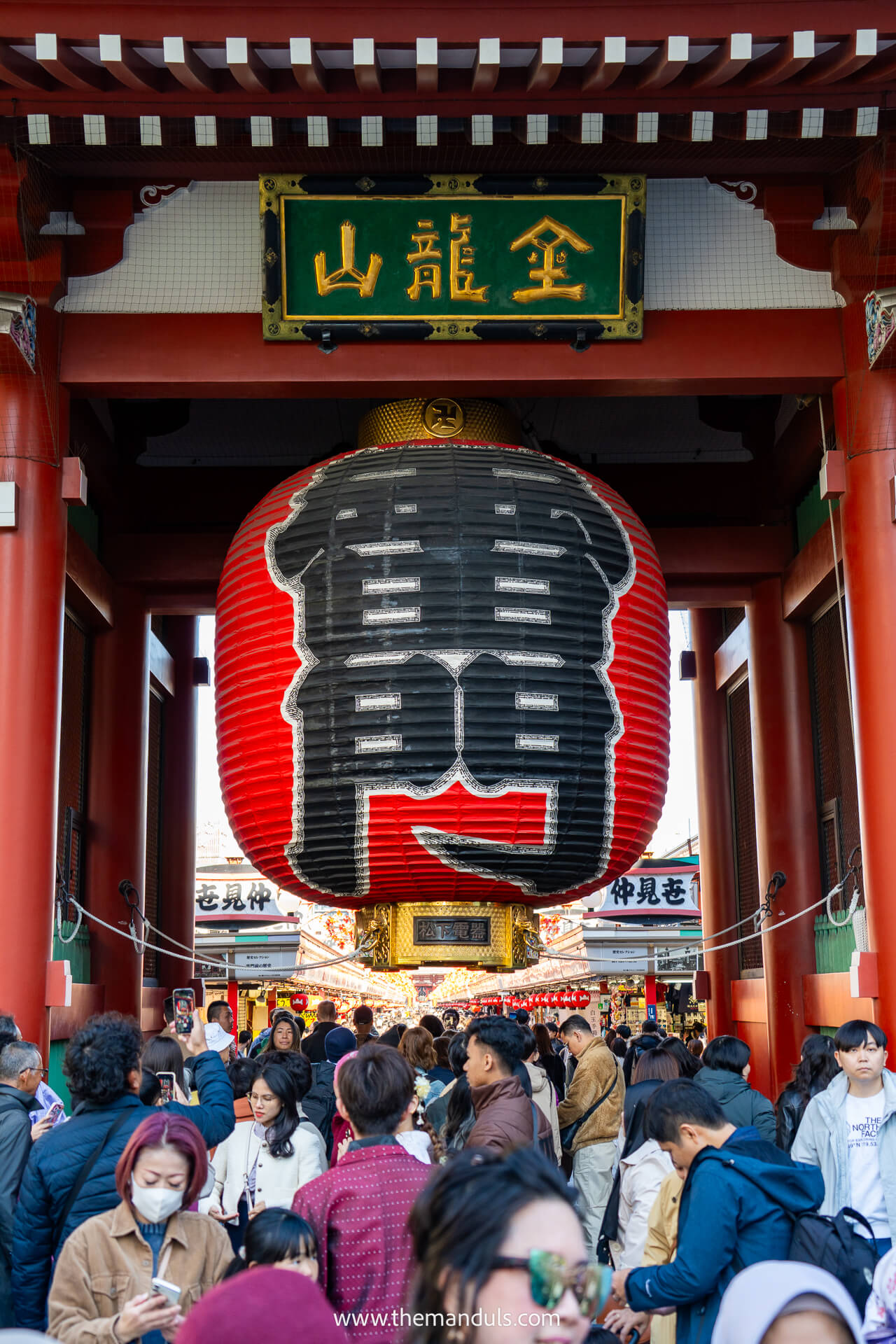
Golden Week (late April–early May) is another period to be aware of. It’s a major domestic holiday in Japan, which leads to packed trains, limited hotel availability, and higher prices, even though the weather itself is excellent.
The best value is usually found in winter (January–February), outside the New Year holidays. Crowds thin out, prices drop, and it’s easier to book well-located hotels without planning far in advance. Summer can also offer slightly better prices, but the trade-off is heat, humidity, and the rainy season.
If you’re travelling during peak seasons, booking accommodation early is key. We’d also avoid cancelling in hopes of finding better deals later — in Tokyo, prices tend to go up as availability tightens, not down.
Events & Festivals
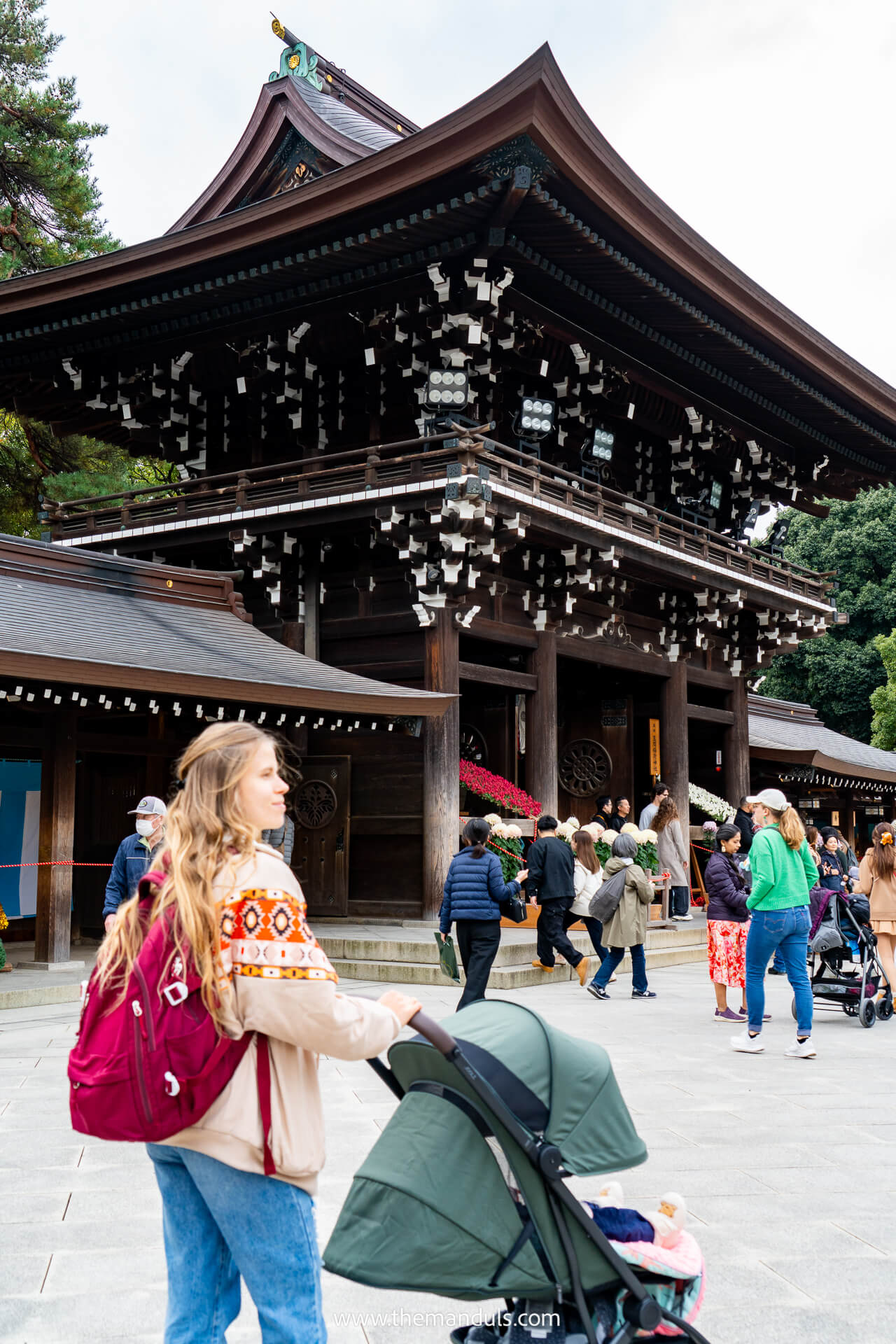
Tokyo’s seasonal events are closely tied to the time of year, and some periods feel completely different because of them. A few key ones are especially worth keeping in mind when planning your trip.
Cherry Blossom Season (late March–early April)
This is Tokyo’s most famous seasonal event. Parks, riversides, and temple grounds fill with locals and visitors celebrating under the blossoms. It’s beautiful and memorable, but also one of the busiest and most expensive times to visit.
Golden Week (late April–early May)
A series of national holidays that sees huge numbers of domestic travellers on the move. Trains get packed, hotels book out fast, and prices spike across the country — great to experience once, but not ideal if you want a relaxed trip.
Summer Festivals & Fireworks (July–August)
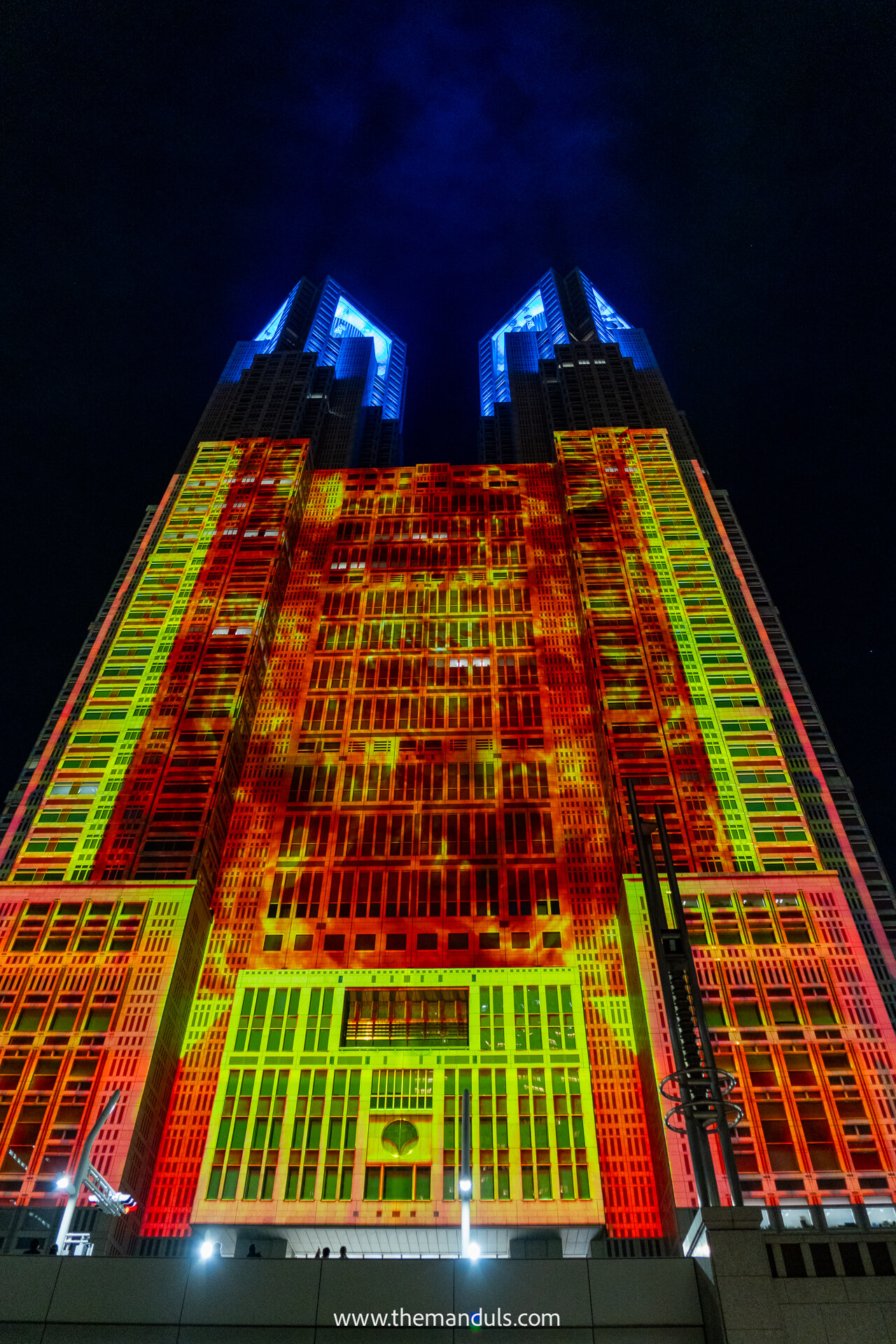
Summer brings large-scale festivals, fireworks along the rivers, and lively evening events. While daytime heat can be intense, nights feel energetic and social, especially in neighbourhoods with strong local festival traditions.
Autumn Foliage (October–November)
Tokyo’s parks and gardens transform with autumn colours, especially ginkgo-lined streets and landscaped gardens. It’s one of the most visually appealing times to visit, but also a peak season with higher prices and crowds.
Winter Illuminations (December–February)
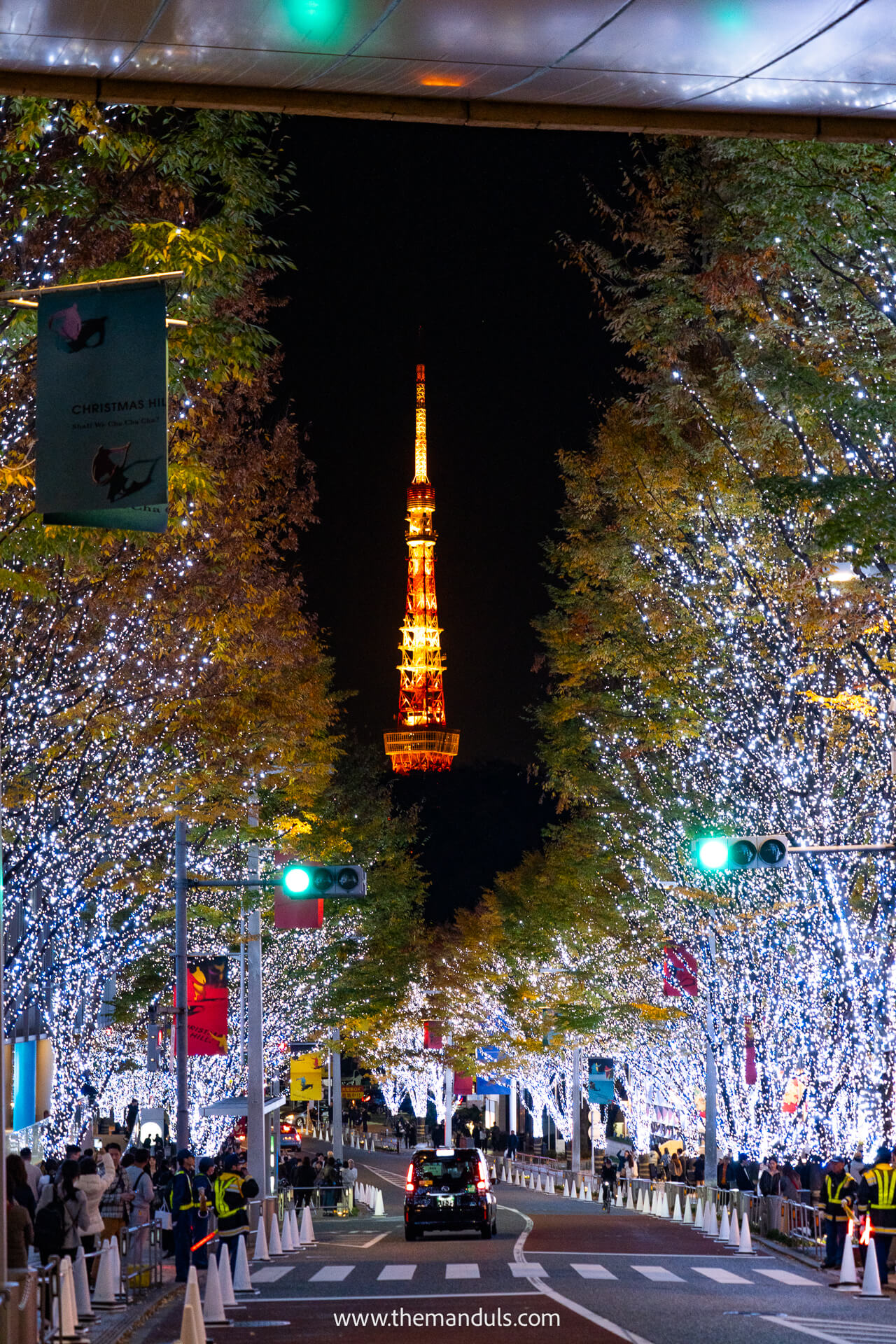
From December through winter, many districts light up with seasonal illuminations. It’s a quieter, more local-feeling highlight that adds atmosphere without the crowds of spring or autumn.
Worst Time to Visit Tokyo
For most travellers, mid-summer (July–August) is the hardest time to visit Tokyo. High heat and heavy humidity can make sightseeing tiring, especially if you plan to explore on foot. The rainy season just before summer doesn’t help either, and while festivals bring energy in the evenings, daytime exploring can feel like a struggle.
Another challenging period is Golden Week (late April–early May). The weather is great, but domestic travel peaks across Japan. Trains get crowded, hotels sell out quickly, and prices rise sharply, which can take away from an otherwise enjoyable visit.
If comfort and flexibility matter to you, avoiding these two periods will make a noticeable difference.
FAQ
Late March to early April for cherry blossoms and November for autumn foliage are the most popular choices thanks to mild weather and seasonal scenery.
Cherry blossoms usually peak between late March and early April, but exact dates change every year depending on the weather.
January and February (outside New Year) are usually the most affordable months, with fewer crowds and better accommodation prices.
Winter works well if you don’t mind cooler weather and want fewer crowds. It’s also a good option if you’re combining Tokyo with skiing elsewhere in Japan.
Final Thoughts
Choosing the best time to visit Tokyo really comes down to what kind of experience you’re after. If we had to recommend just one period overall, spring and autumn offer the best balance of comfortable weather, seasonal scenery, and city life — even if that means accepting higher prices and crowds.
Our time in Tokyo during autumn showed us how much timing can shape the experience, from how easy it is to explore on foot to how the city feels day to day. That said, every season has something to offer. Winter brings better value and a calmer pace, while summer comes with festivals and energy if you’re willing to work around the heat.
If you’re planning your trip, we’d focus on choosing dates that match your priorities rather than chasing a “perfect” week.