
This article contains affiliate links. Learn more in our affiliate disclosure.
When we were planning our Japan trip, Koyasan was one of those places we knew we didn’t want to skip. Tucked deep in the mountains of Wakayama Prefecture, it’s the spiritual heart of Shingon Buddhism and home to over 100 temples, ancient cemeteries, and forest-covered paths that feel worlds away from busy cities like Osaka or Kyoto.
Most travelers only hear about Koyasan in passing, but you can easily visit it on a day trip — or do what we did and stay overnight, which we honestly think is one of the best decisions you can make here.
We slept in a Buddhist temple, soaked in an onsen, ate traditional shōjin ryōri (monk cuisine) for dinner and breakfast, and joined the morning prayer ceremony. Honestly, we didn’t expect to enjoy it this much… but it turned out to be one of the most memorable experiences of our Japan trip.
Koyasan is especially beautiful in autumn when the maple trees turn fiery shades of orange and red. We arrived a bit late in the season and many leaves had already fallen, but even then, the atmosphere was calm, misty, and quietly magical.
In this guide, we’ll share the best things to do in Koyasan, along with practical tips on where to stay, how to get there, and what to expect — all based on our real experience and honest recommendations, so you can decide if it deserves a spot on your Japan itinerary too.
In a hurry?
These are our top hotels in Koyasan we’d book again
⭐️⭐️⭐️ Koyasan Shukubo Daimyououin – Our top pick for a first temple stay with comfort. Traditional room with AC, excellent monk meals, and a private onsen to relax after sightseeing.
👉 See prices & availability →
⭐️⭐️ Koyasan Shukubo Fudoin – Ideal if you want to experience a temple stay without going fully rustic. Slightly more modern rooms and an onsen on-site.
👉 See prices & availability →
⭐️ Koyasan Shukubo Jokiin – A simpler but authentic temple stay with onsen, good food, and morning prayers at a lower price point.
👉 See prices & availability →
Top Things to do in Koyasan
1. Walk through Okunoin Cemetery
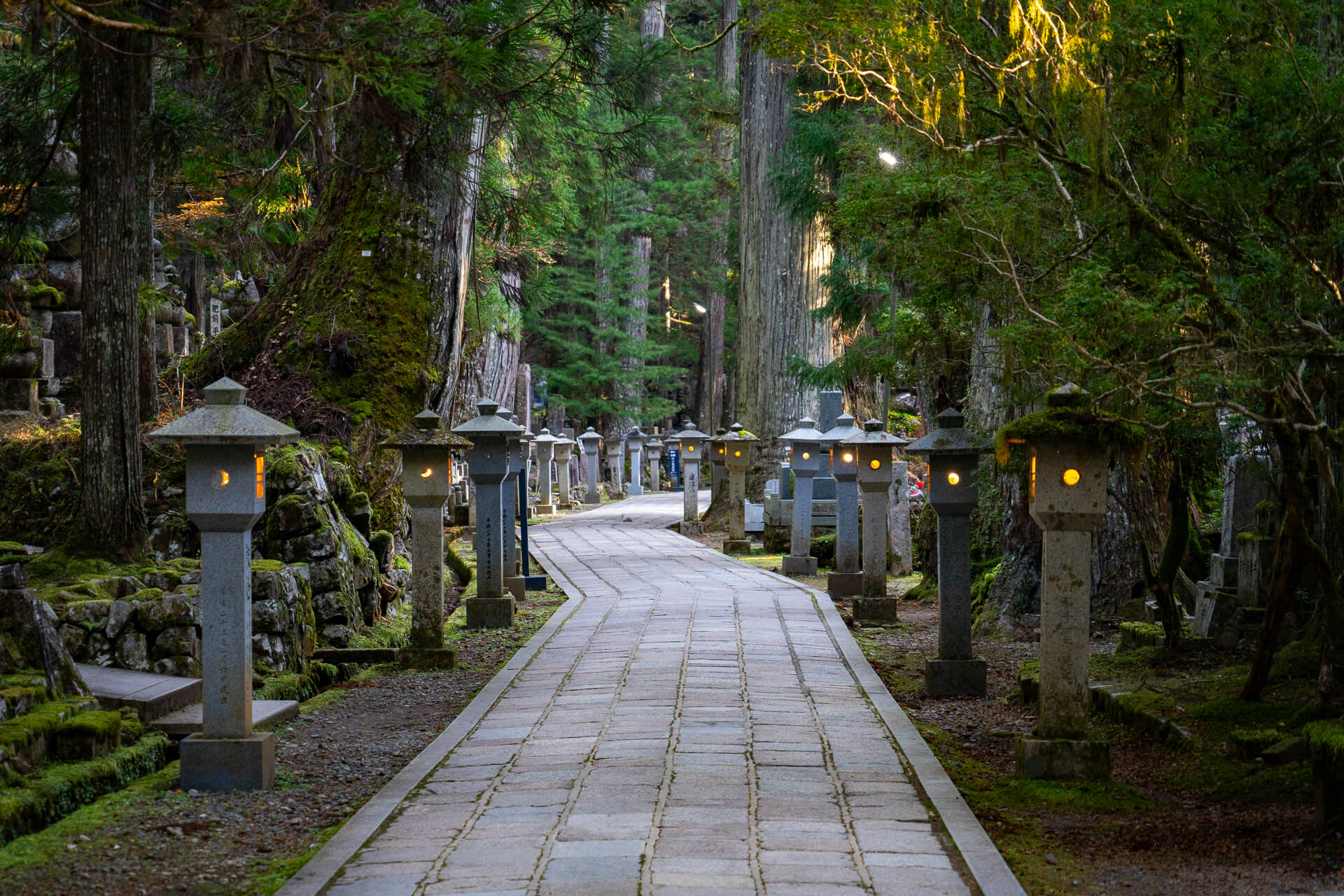
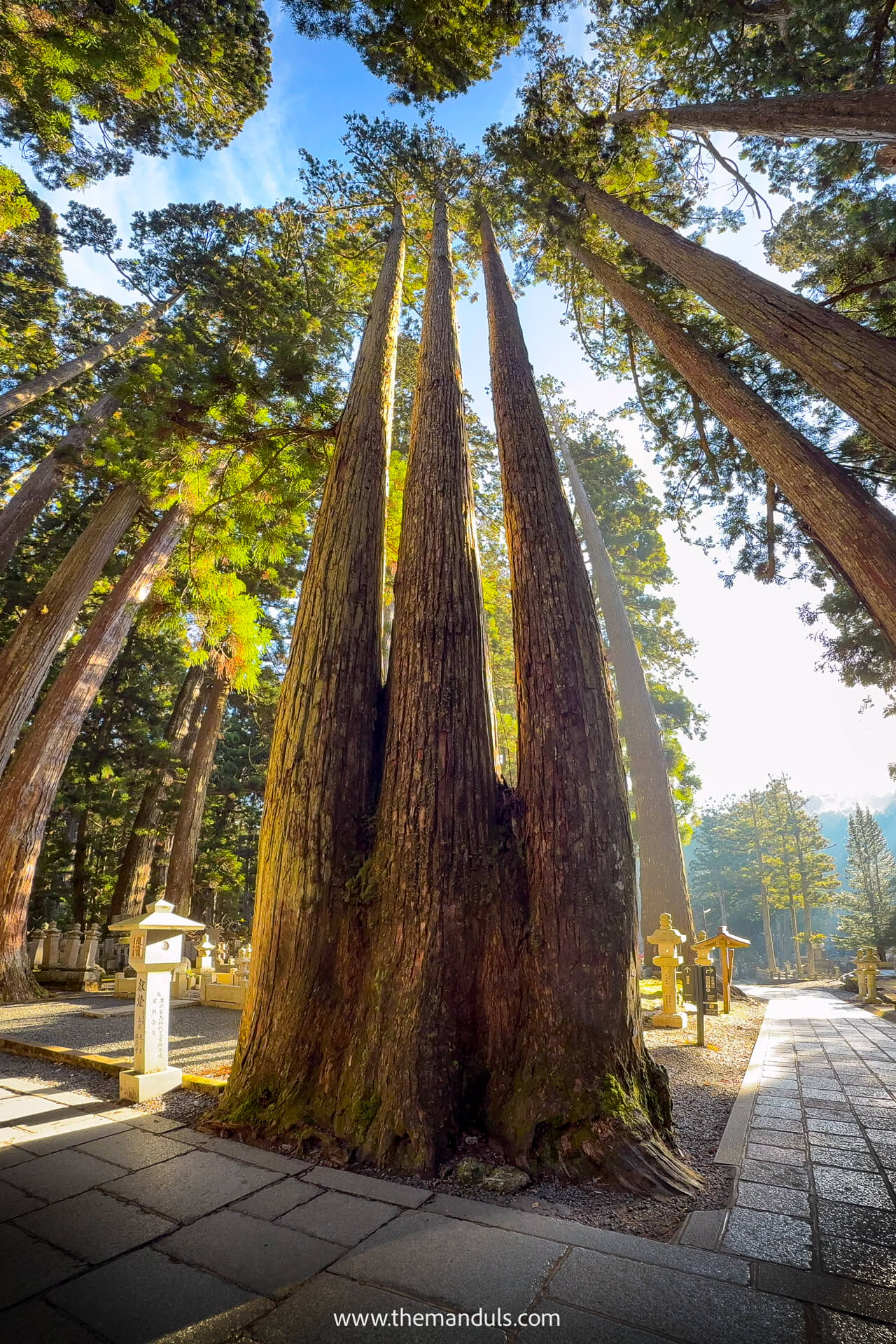
This is one of the most beautiful places in Koyasan — and yes, we know, it’s a cemetery, but it’s nothing like what you might imagine. Okunoin is Japan’s largest cemetery and one of the most sacred Buddhist sites in the country, with over 200,000 gravestones hidden among tall cedar trees.
The stone path leads to the mausoleum of Kobo Daishi, the founder of Shingon Buddhism, who is believed to be still meditating here.
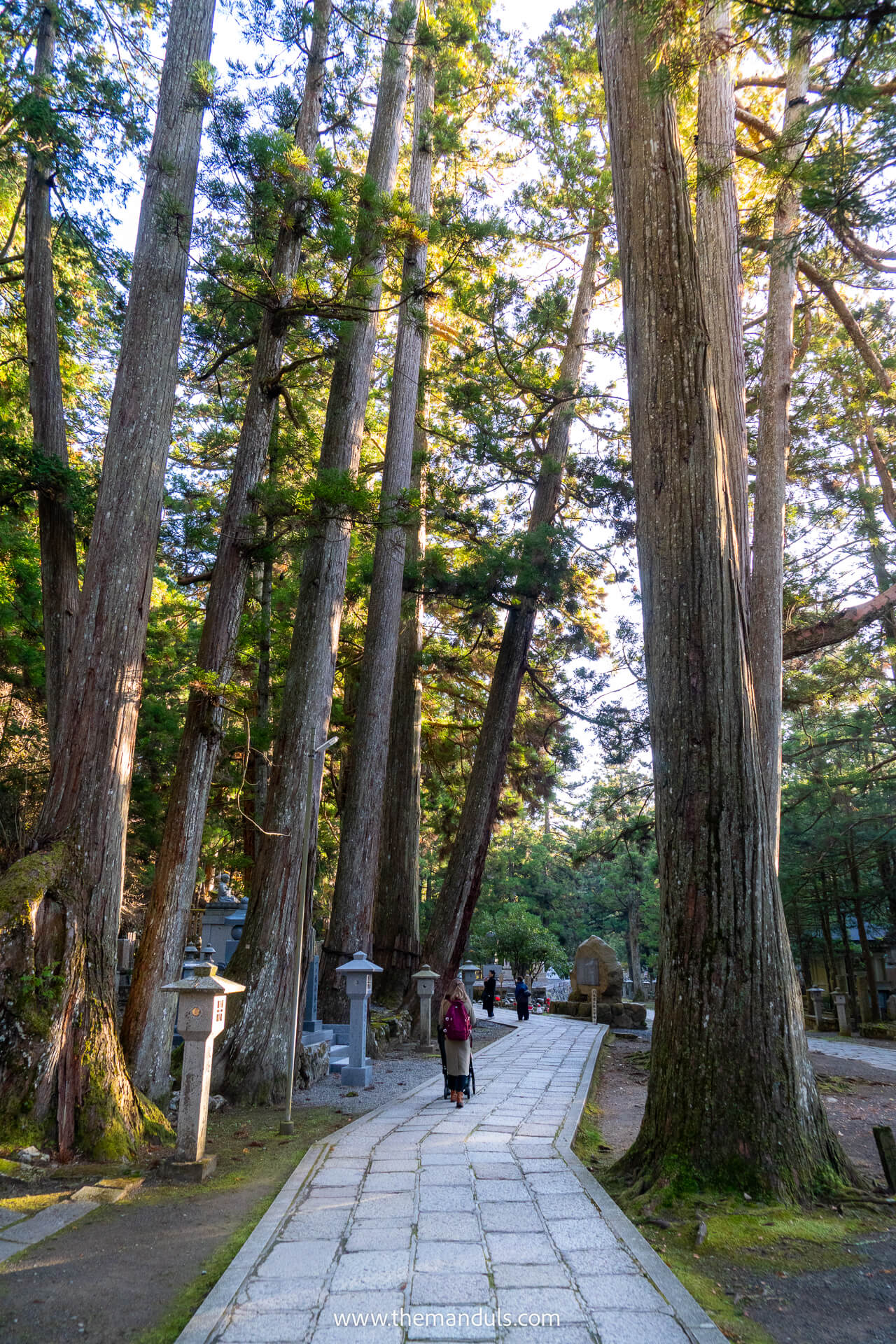
It’s open 24/7, so you can visit both during the day and at night. Since we were staying overnight in Koyasan, we decided to do exactly that — and we’re really glad we did.
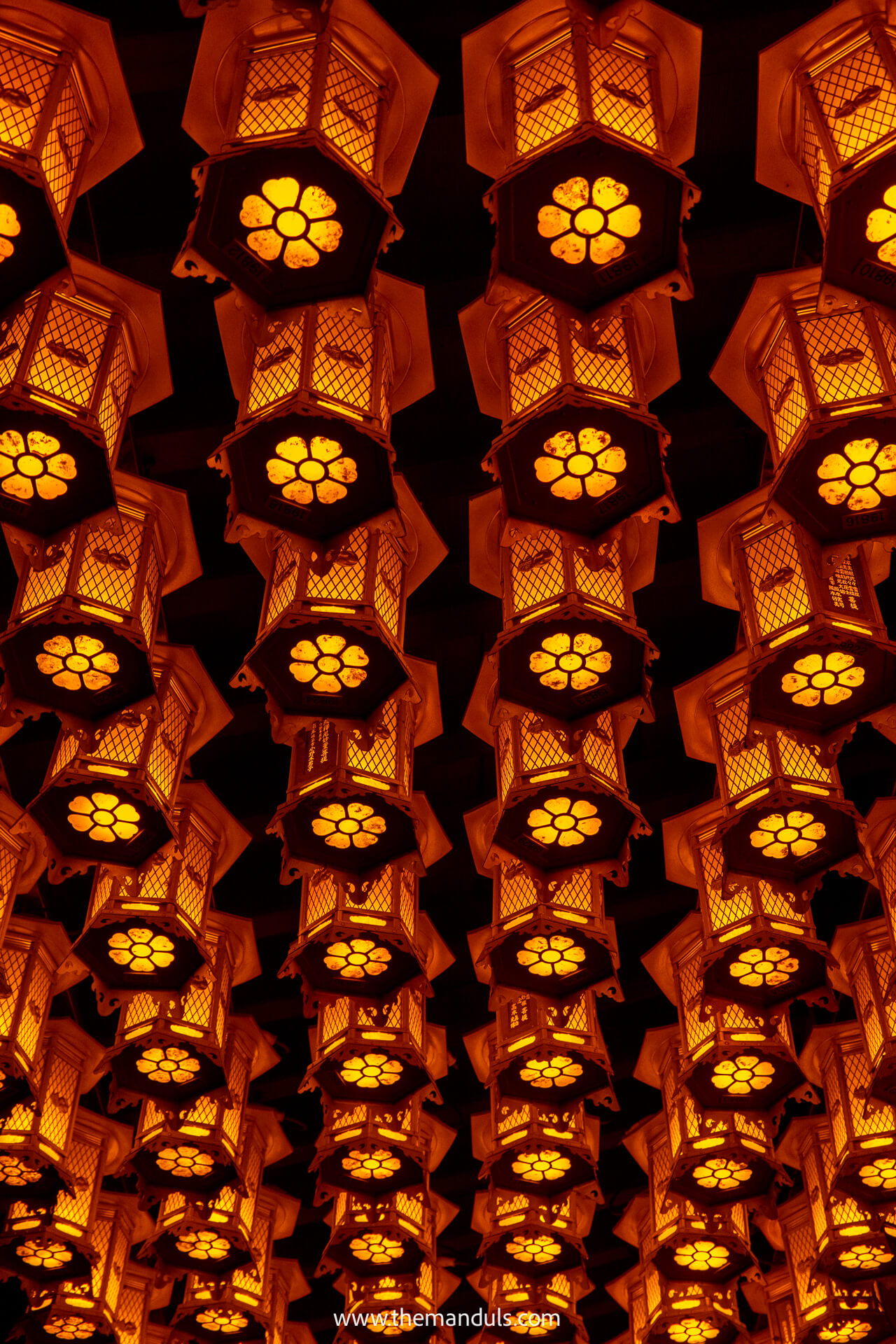
At night, the atmosphere felt almost unreal. The lanterns were lit along the path, the forest was quiet, and the mist made everything feel mysterious and calm at the same time.
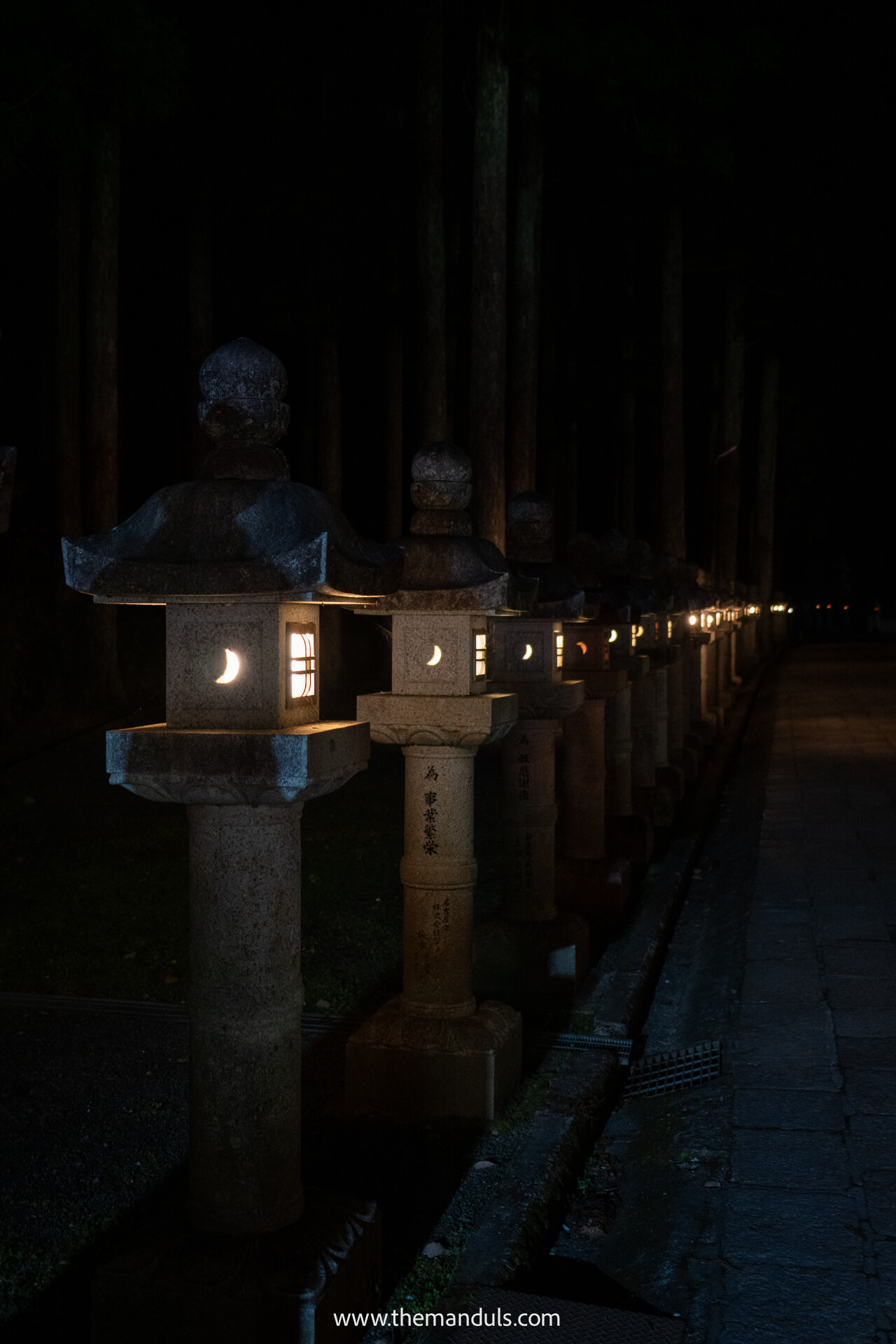
Seeing the Lantern Hall from the outside in the dark was especially striking — it looked completely different than during the day. You can join a guided night tour if you want historical context and stories, but we chose to walk on our own and just take it in slowly.
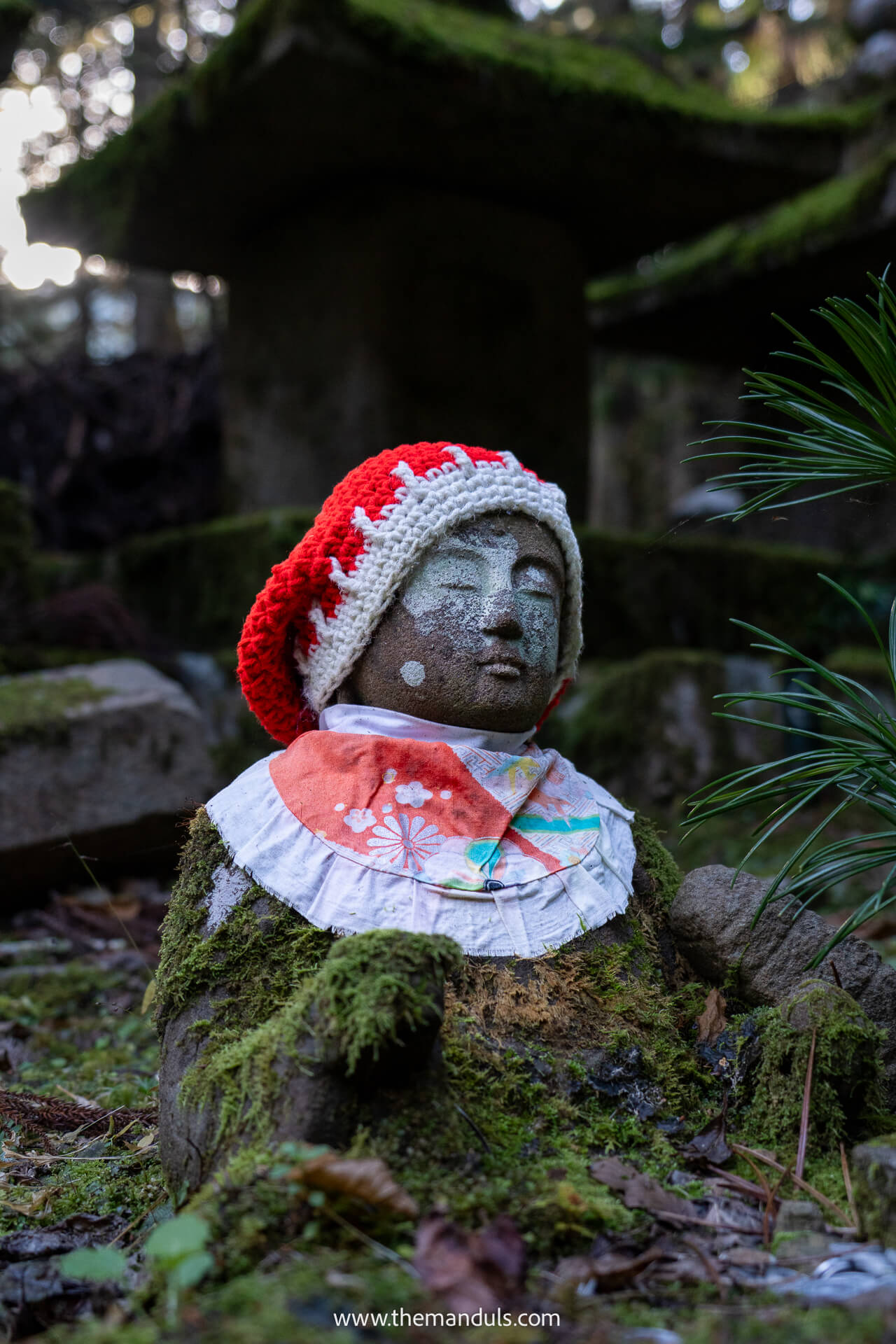
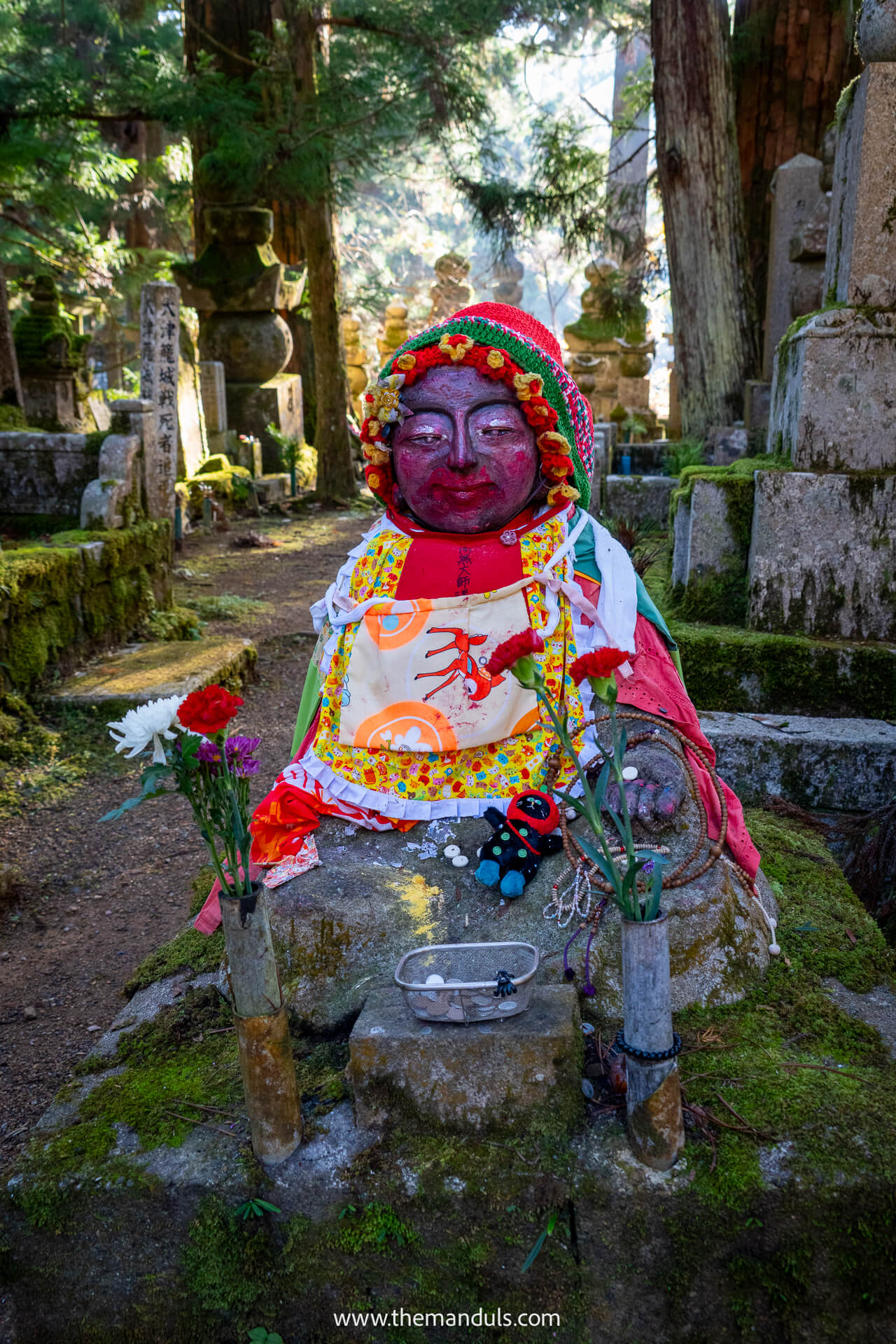
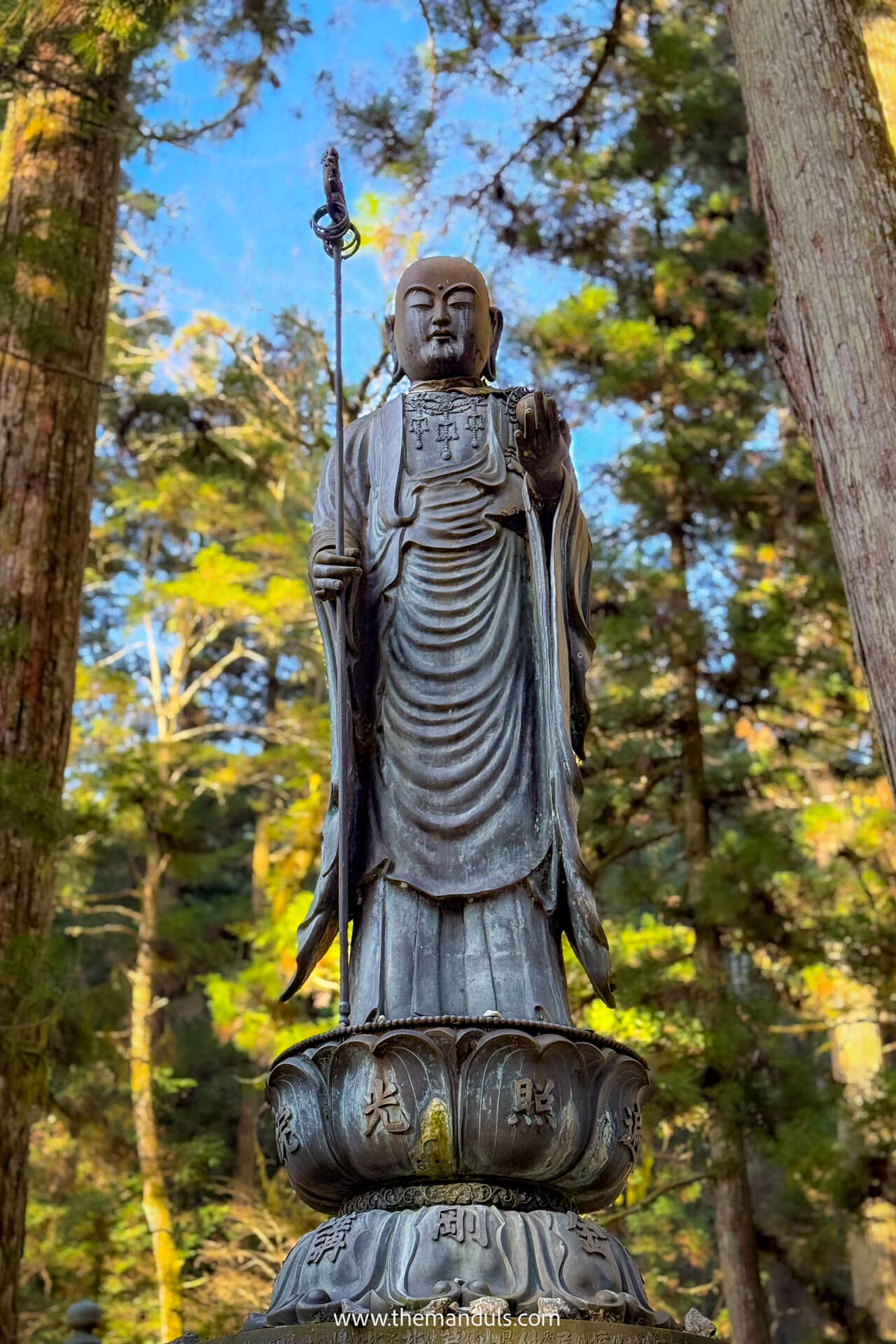
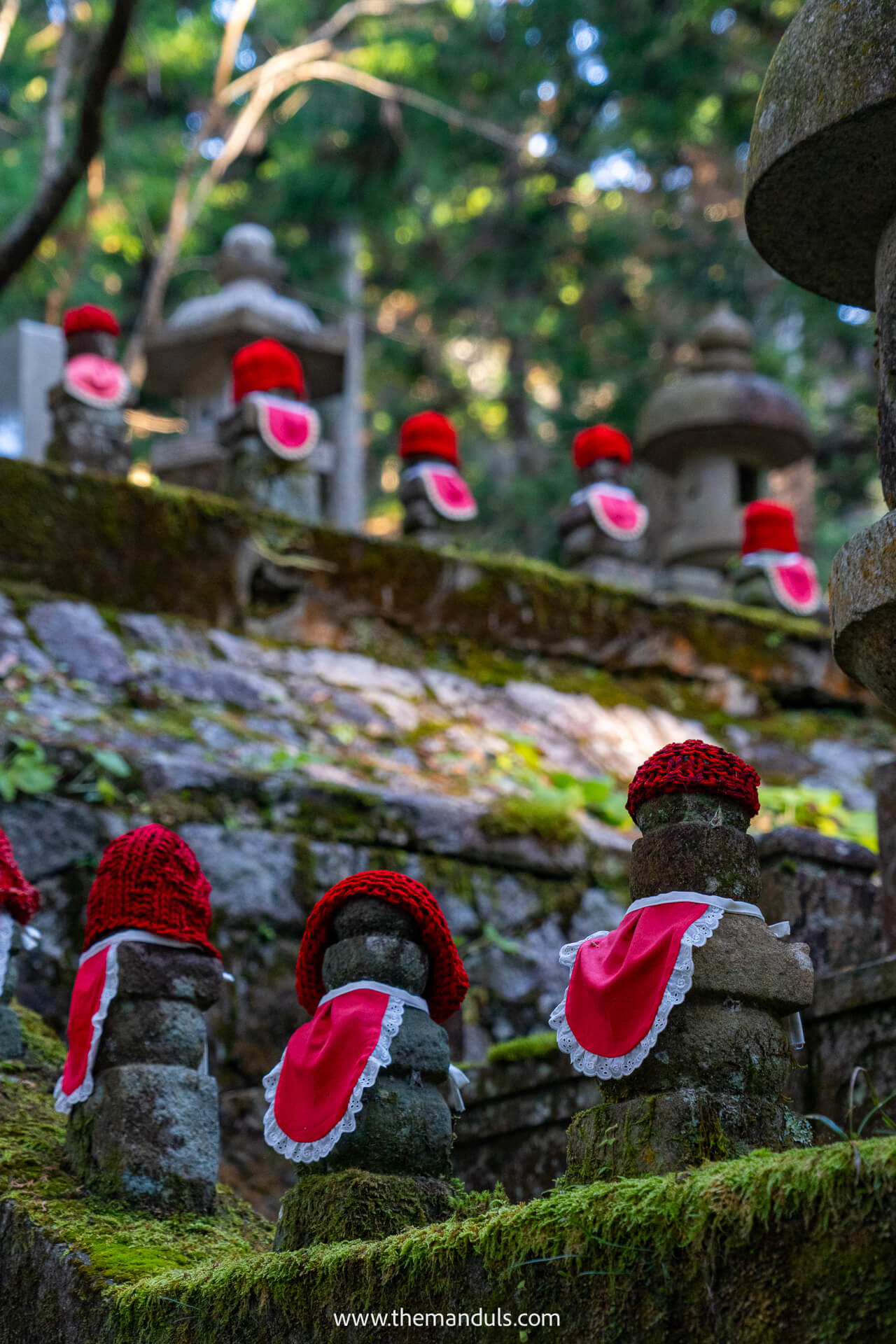
The next morning, after breakfast, we came back again. This time, we could actually see the details — the moss-covered stones, the huge cedar trees, and the small Jizo statues wearing red hats and bibs, placed there for protection and good fortune.
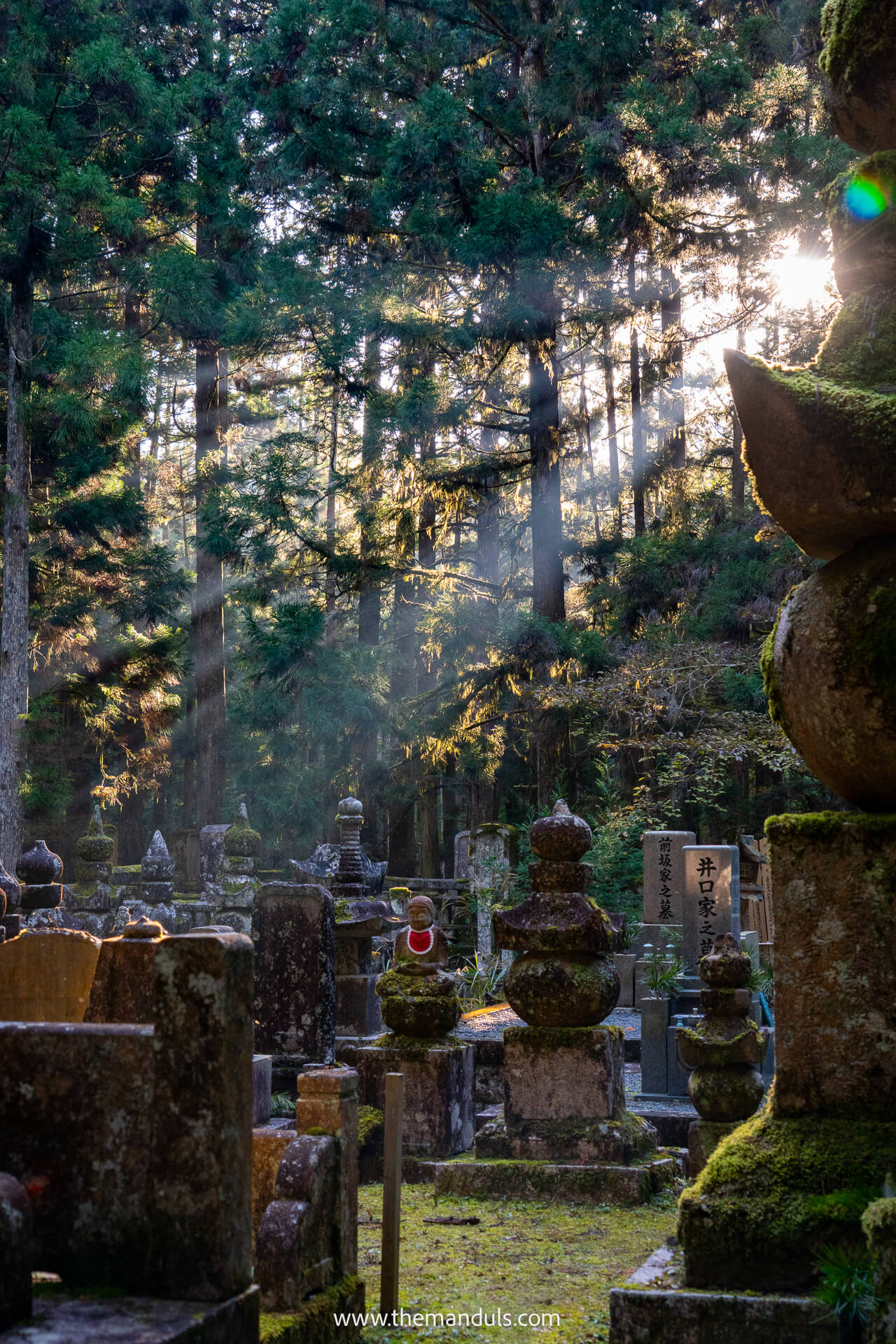
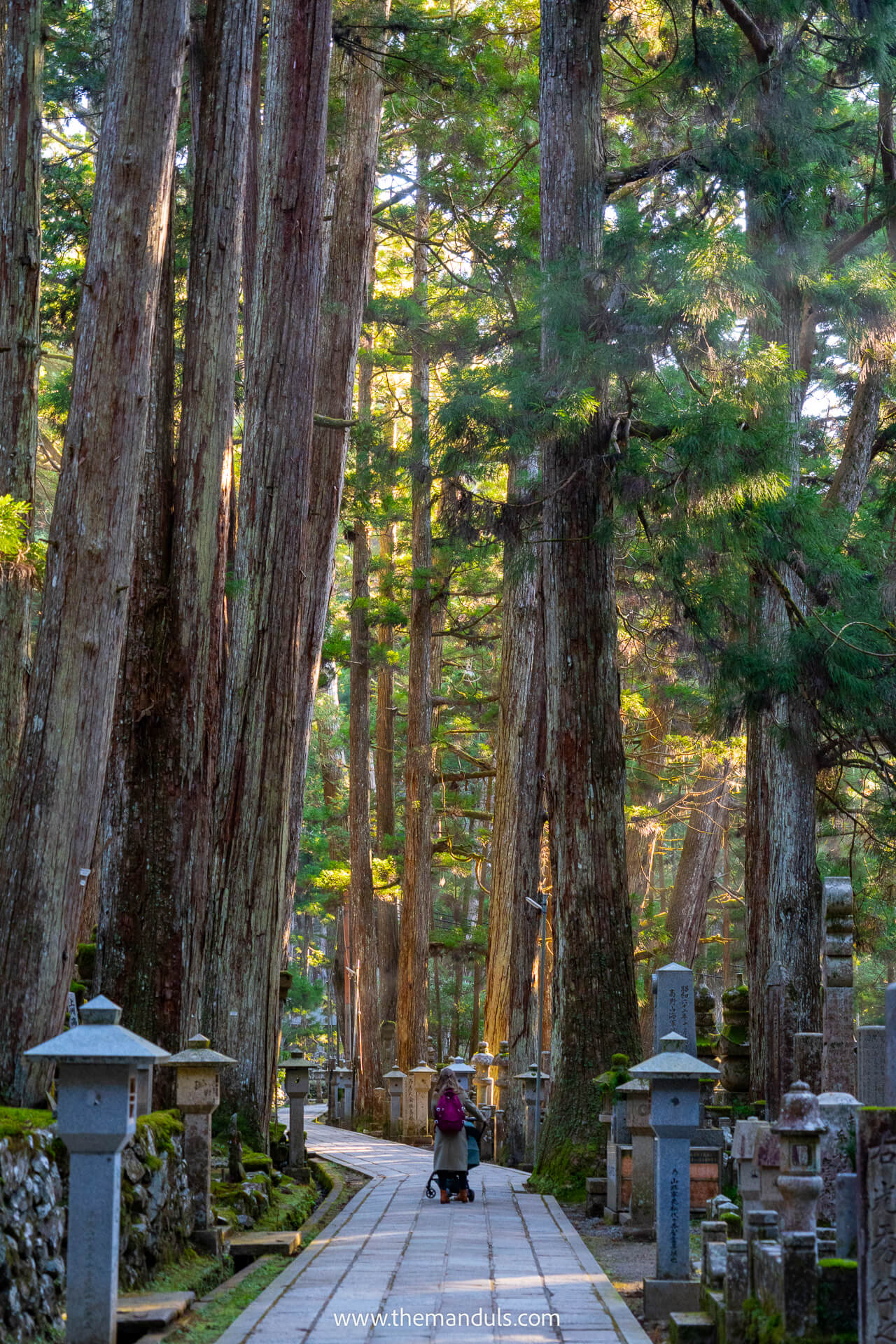
In some parts, the mist was still hanging between the trees, and it felt magical. In the morning, the monks also hold a prayer ceremony in the main prayer hall starting at 6:30 am, and you can easily join if you want.
In the morning we spent around 1 hour and 30 minutes exploring and taking pictures.
2. Stay overnight in a Buddhist temple (shukubo)
Staying overnight in a Buddhist temple is what truly makes a visit to Koyasan special. Instead of a regular hotel, you sleep in an active temple run by monks, in a traditional Japanese-style room with tatami floors and futons.
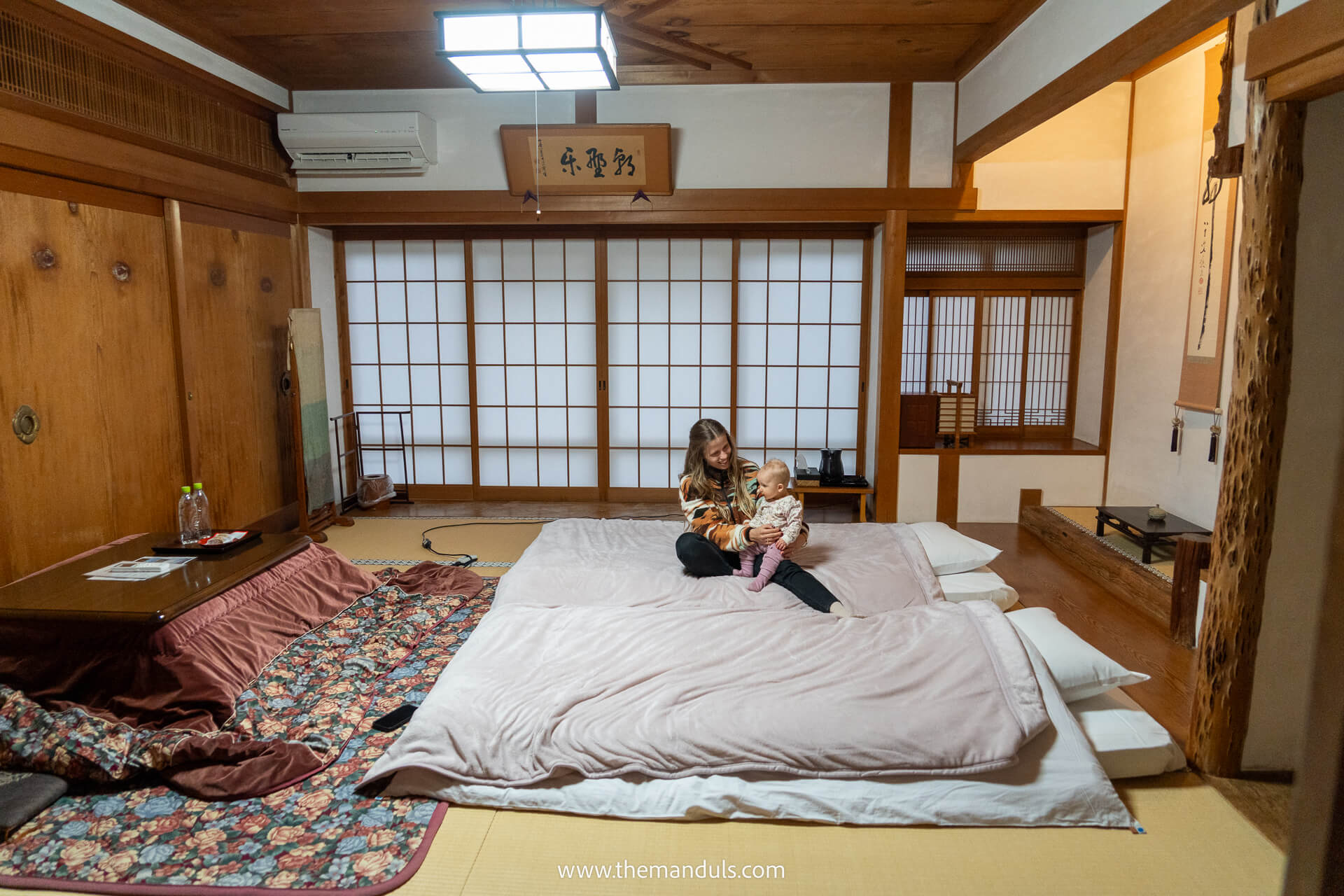
Our room looked simple at first, but it was surprisingly comfortable — we had air conditioning, proper bedding, and a lot more comfort than we expected. The real highlight for us was the private onsen, which felt incredible after a long day of walking around temples and Okunoin Cemetery.
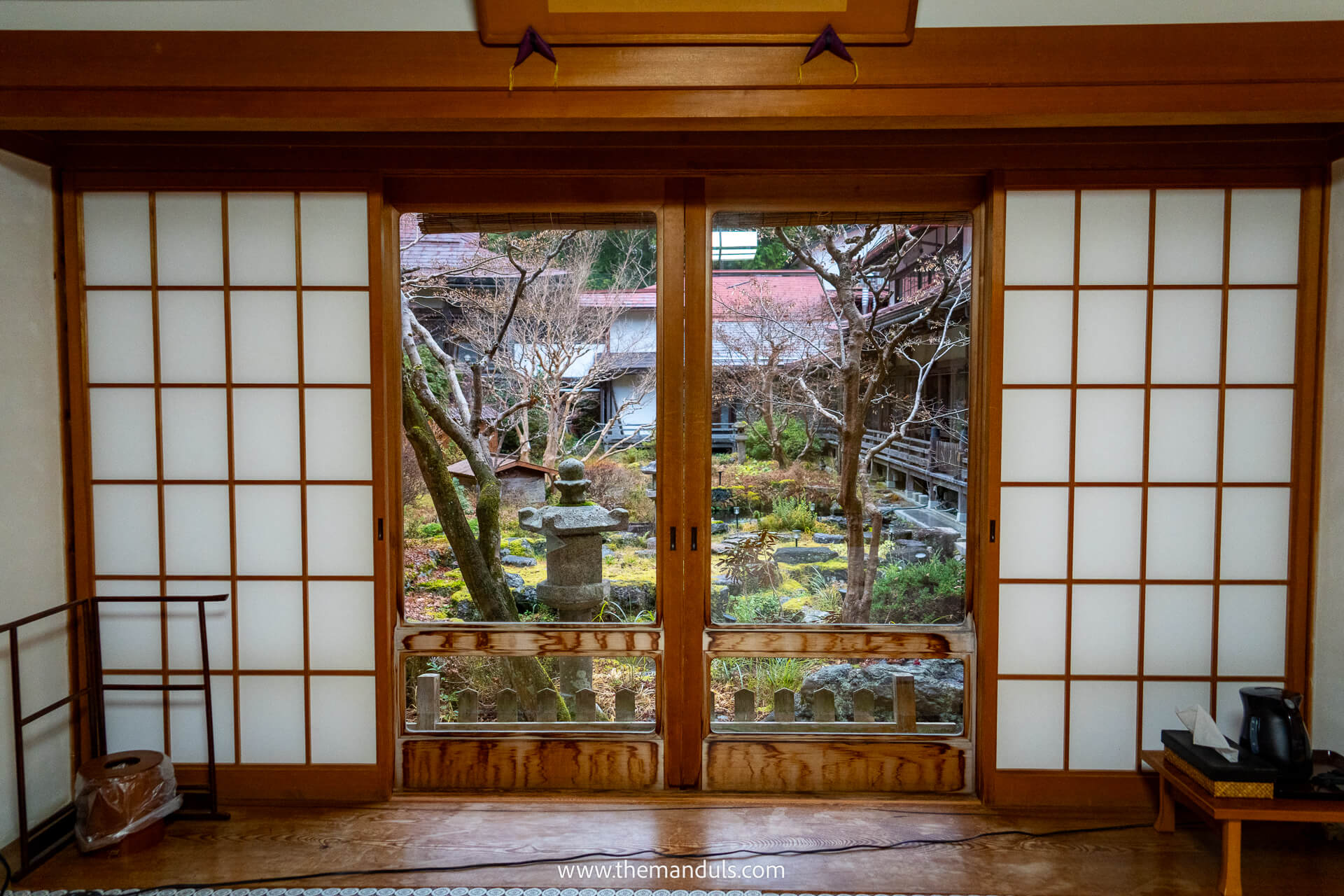
There are many temples you can choose from, and each one feels a little different. Some are more traditional and quiet, others feel closer to a ryokan, and many have beautiful gardens you can walk through in the evening or early in the morning.
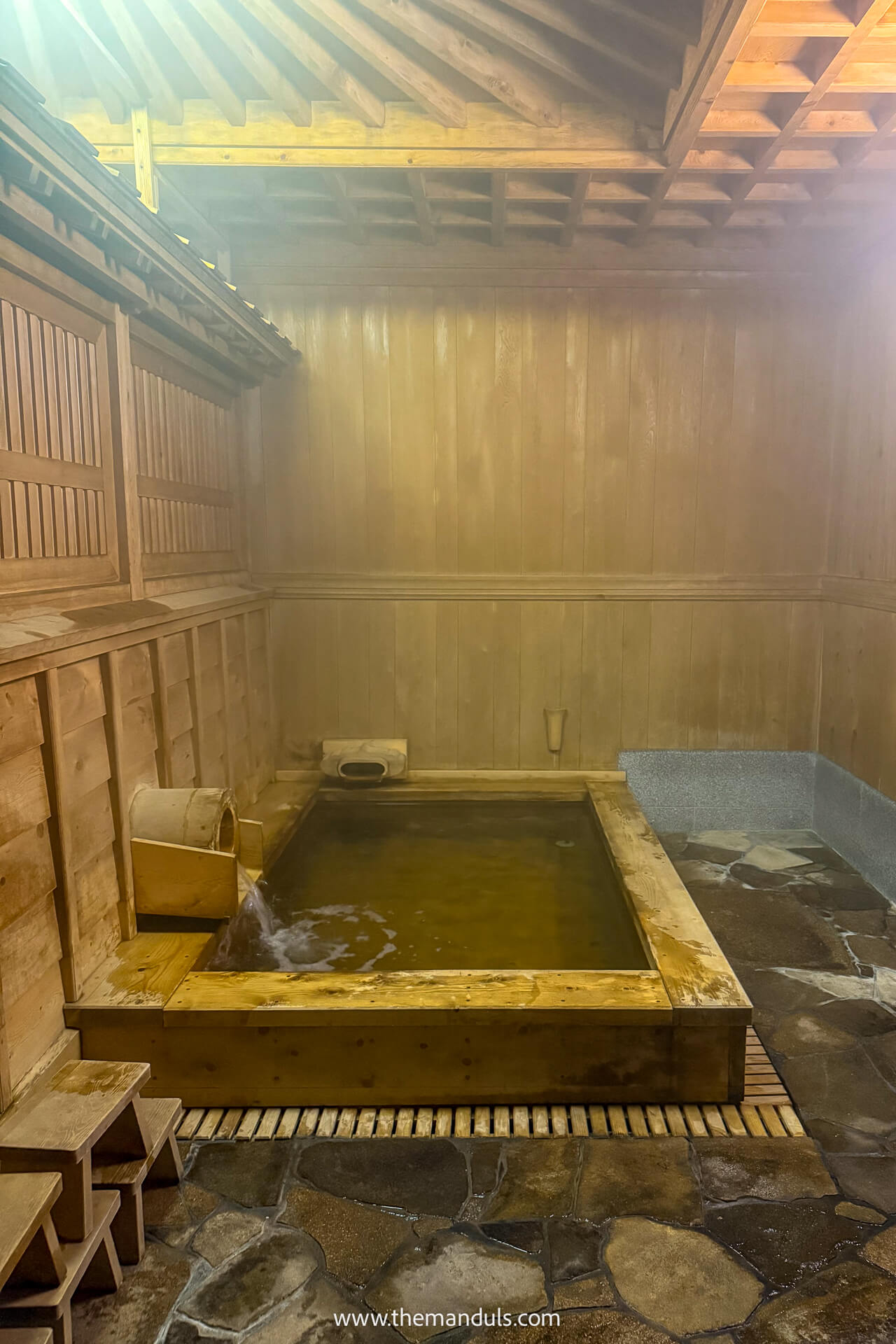
Dinner and breakfast are usually included and are based on shōjin ryōri (traditional monk cuisine), which is part of the whole experience.
Waking up inside a temple, putting on slippers, and heading to the morning prayer ceremony is something we’ll remember for a long time. If you’re deciding whether to stay overnight or just do a day trip, this is the one thing we’d say makes Koyasan truly worth the effort.
3. Visit Daimon Gate
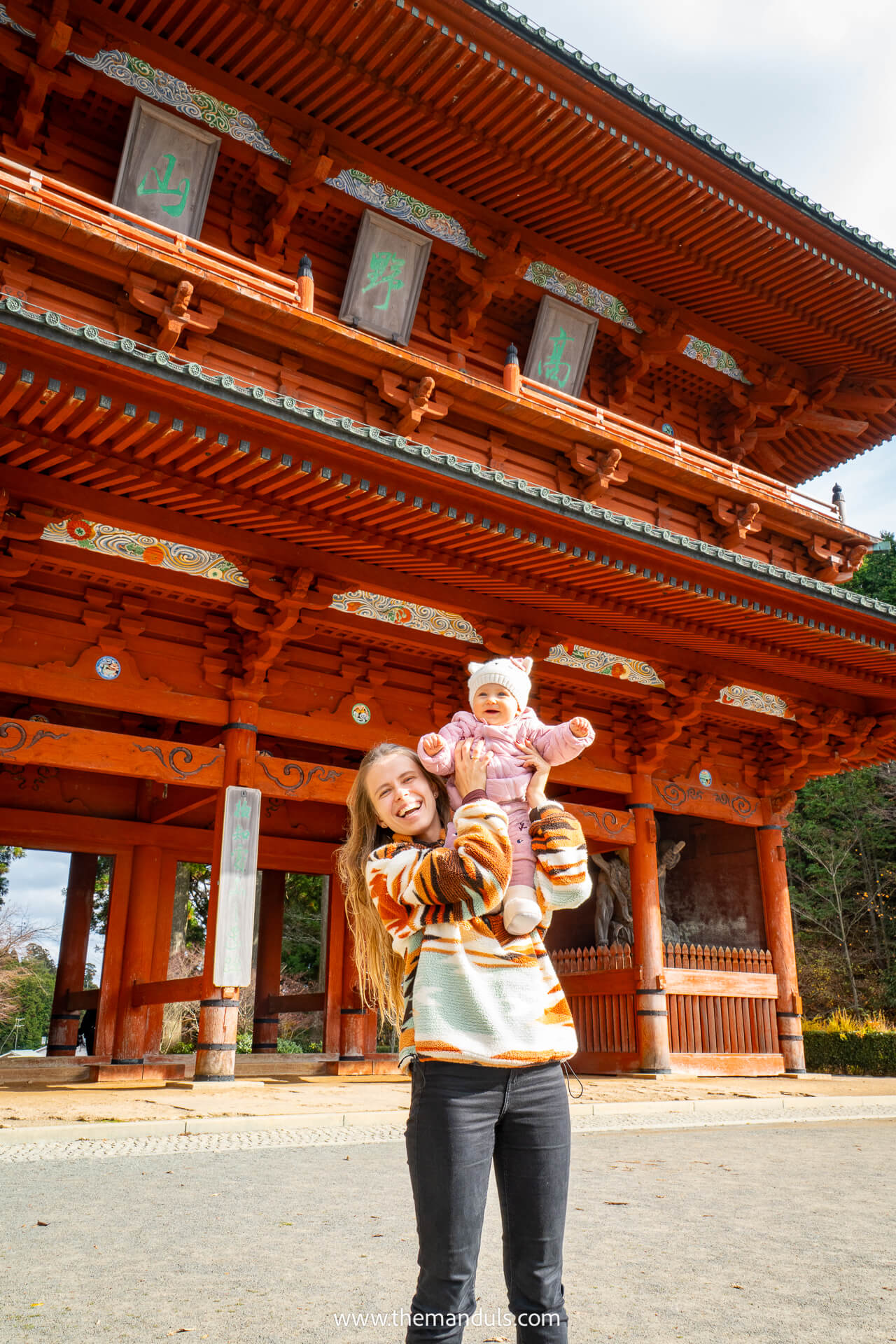
We reached Daimon Gate on foot while walking through Koyasan. This massive red wooden gate marks the traditional entrance to Mount Koya and stands where the old pilgrimage route comes up from the mountains.
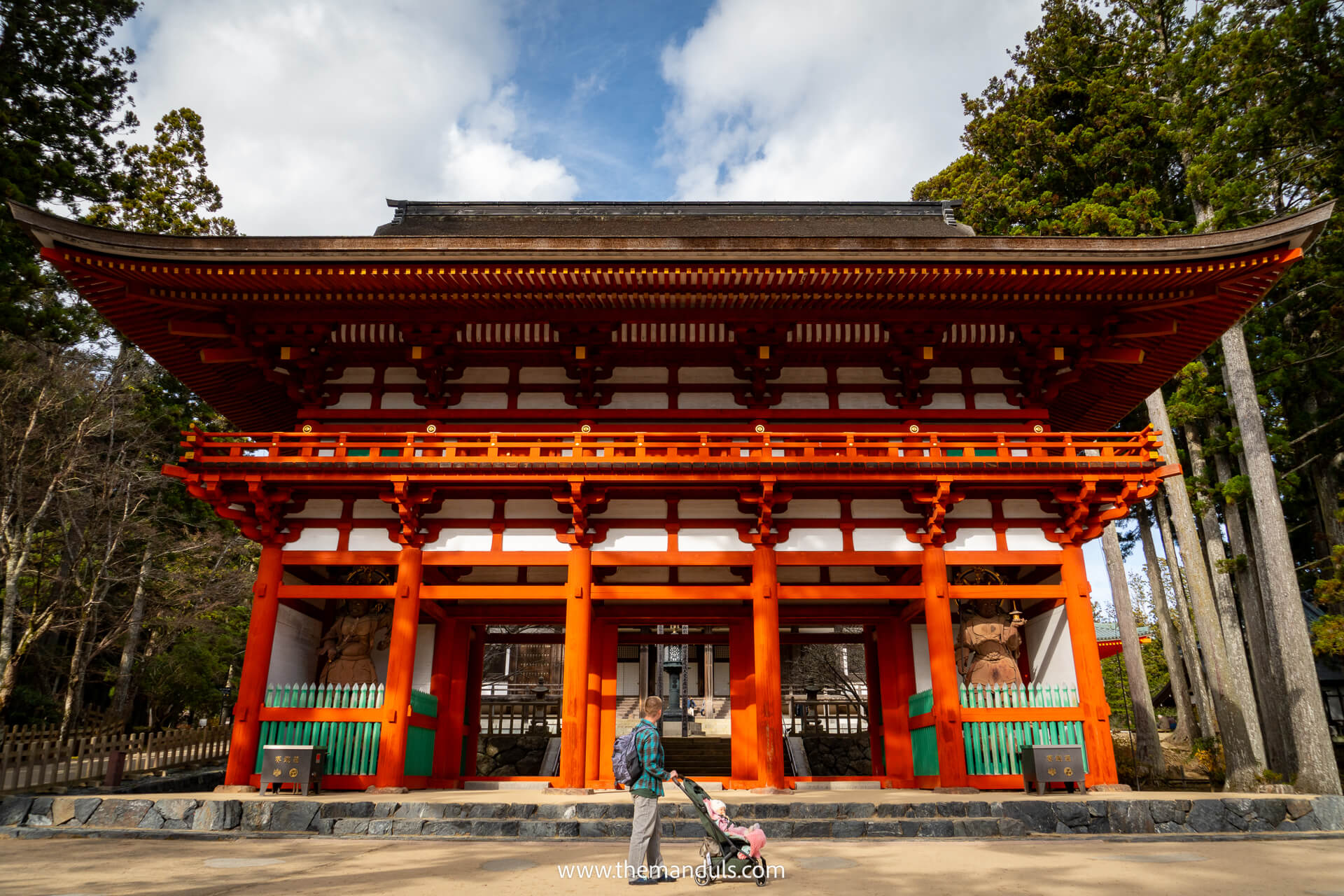
Two fierce guardian statues watch over the entrance, and they look mighty.
It’s a quick stop, but one we think is worth it — especially if this is your first time in Koyasan. It also works well as a photo spot, no matter the time of day, thanks to the open space.
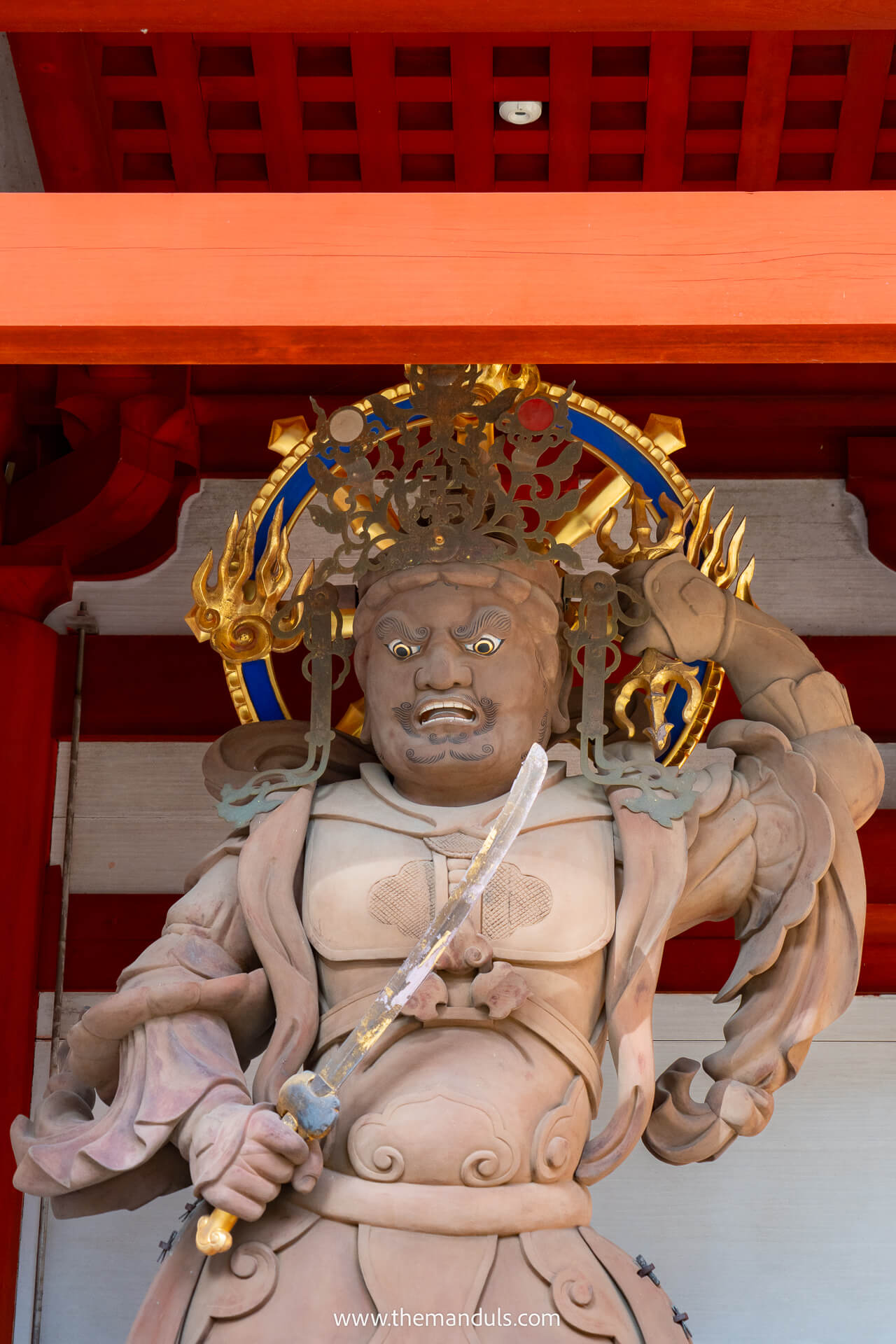
The gate is free to visit and easy to reach on foot or by bus. If you’re walking parts of the old pilgrimage trail, this is where it traditionally begins or ends. A short stop here is enough unless you plan to hike further. We spent around 15 minutes here.
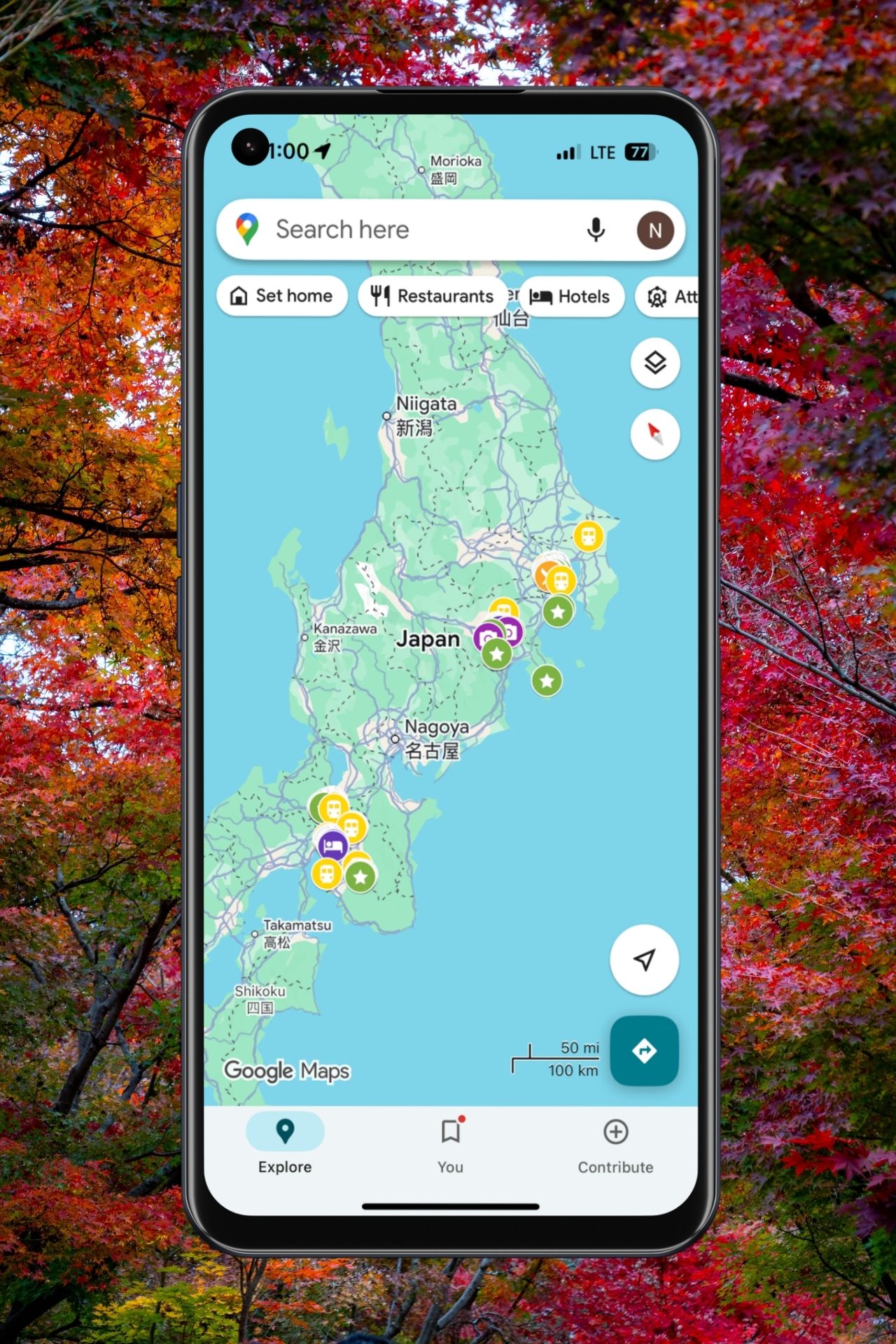
Our Japan Google Maps
Built from our real trips across Japan — only places we actually visited and loved.
No tourist traps. No random saves. Just a ready-to-use map that saves you hours of research.
219 handpicked spots, including:
📍 Highlights & hidden gems
🍜 Restaurants we’d go back to
🏨 Areas & hotels we’d book again
🗺️ Stops that fit into real, logical itineraries
4. Explore the Gongobu-ji temple complex
We came to explore this temple complex right after visiting Daimon Gate since it was on the way back to the temple where we were staying overnight. Gongobu-ji is one of the most important religious areas in Koyasan and consists of several temples spread across a wide, open space.
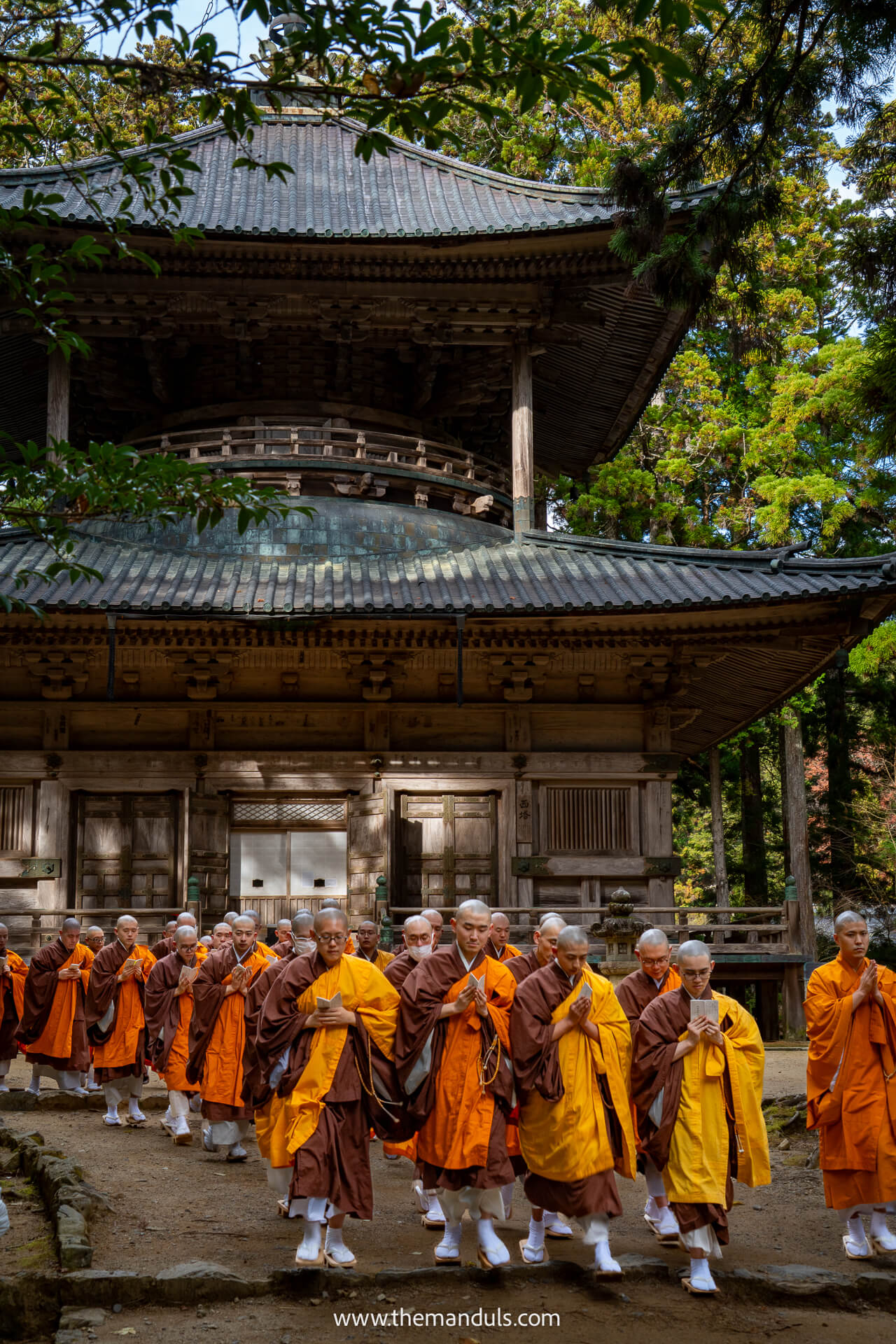
What we really liked is that the grounds are free to enter, so you can walk around without rushing. If you want to go inside some of the temples, there’s usually an entrance fee of around 500 yen.
We were lucky with our timing. When we arrived, monks were praying in front of several temples, so we could see and hear them up close. We didn’t check the prayer schedule in advance, but it was in the afternoon, around 2 PM. It felt completely natural and unplanned, which made the experience even better.
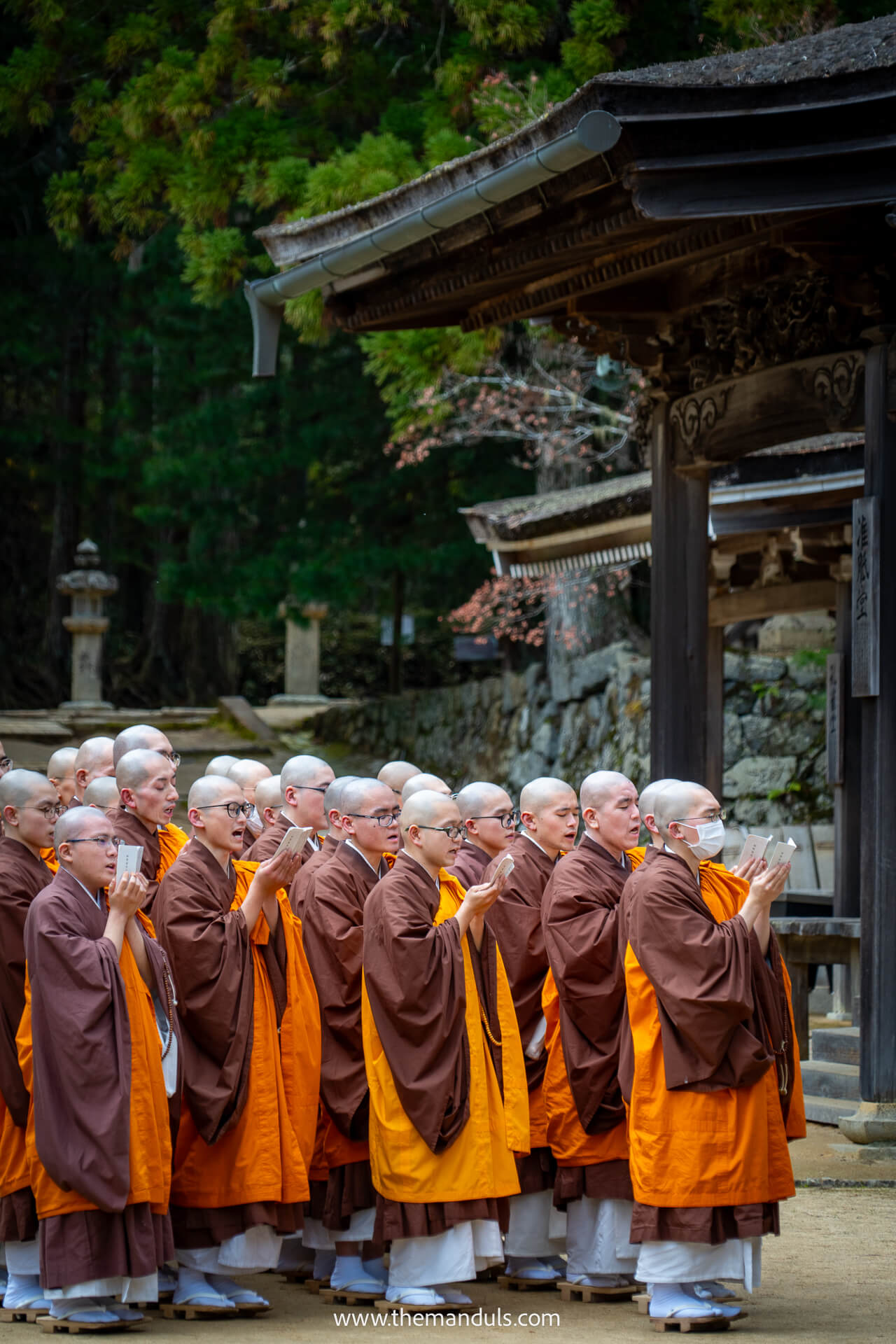
We spent about one hour wandering around, watching the monks, taking photos outside, and admiring the architecture. The temples are beautifully spaced out, and it feels calm even when there are other visitors around.
The large vermilion pagoda (Konpon Daito) is the visual heart of the complex and one of the most recognizable buildings in Koyasan.
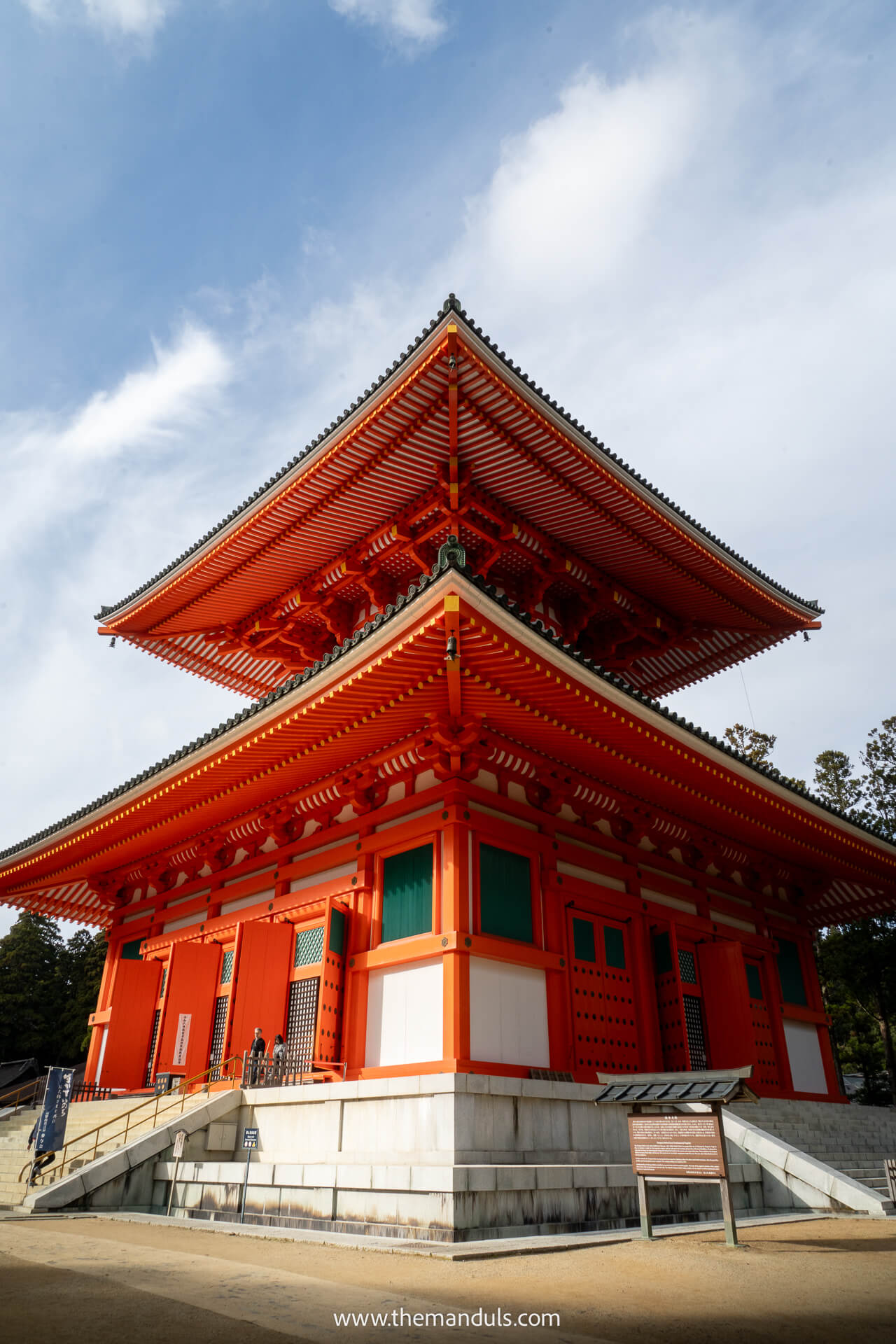
Please make sure to respect the rules inside the temples — stay quiet, and don’t take photos indoors. It’s an active religious site, not just a sightseeing stop, and that’s part of what makes it special.
5. Visit Banryu-tei rock garden

Entrance Fee: 1000 YEN

Opening hours: 8:30 AM – 5 PM
Somehow, we completely missed the Banryu-tei rock garden during our visit — and only realized it later when we were looking back at our route through Koyasan. It happens, especially in a place where there are temples everywhere, and distances feel shorter than they really are.
Banryutei Rock Garden is the largest rock garden in Japan. Even though we didn’t get to see it in person, it’s one of those places we’d put at the top of the list for a return visit.
From what we learned afterward, the temple interior is just as impressive as the garden, with sliding doors painted with cranes and pine trees, wide tatami corridors, and quiet rooms meant for reflection.
There’s an entrance fee of 1000 YEN, and photography is not allowed inside. If you only have time for one indoor temple visit in Koyasan, this is often the one people choose.
6. See the Koyasan Reihokan Museum
The Koyasan Reihokan Museum is a good stop if you want to better understand the religious and artistic background of Mount Koya. The museum focuses on Buddhist art and treasures connected to Shingon Buddhism, including statues, mandalas, scrolls, and ritual objects that come from nearby temples.
It’s a relatively small museum, so it doesn’t feel overwhelming, and it works well as a short indoor visit between temple stops. The exhibitions rotate during the year, which means what you see can vary depending on the season.
One downside is that most of the information is not translated into English, so you’ll likely need to use Google Translate or a similar app to understand what you’re looking at.
7. Try shōjin ryōri (traditional monk cuisine)
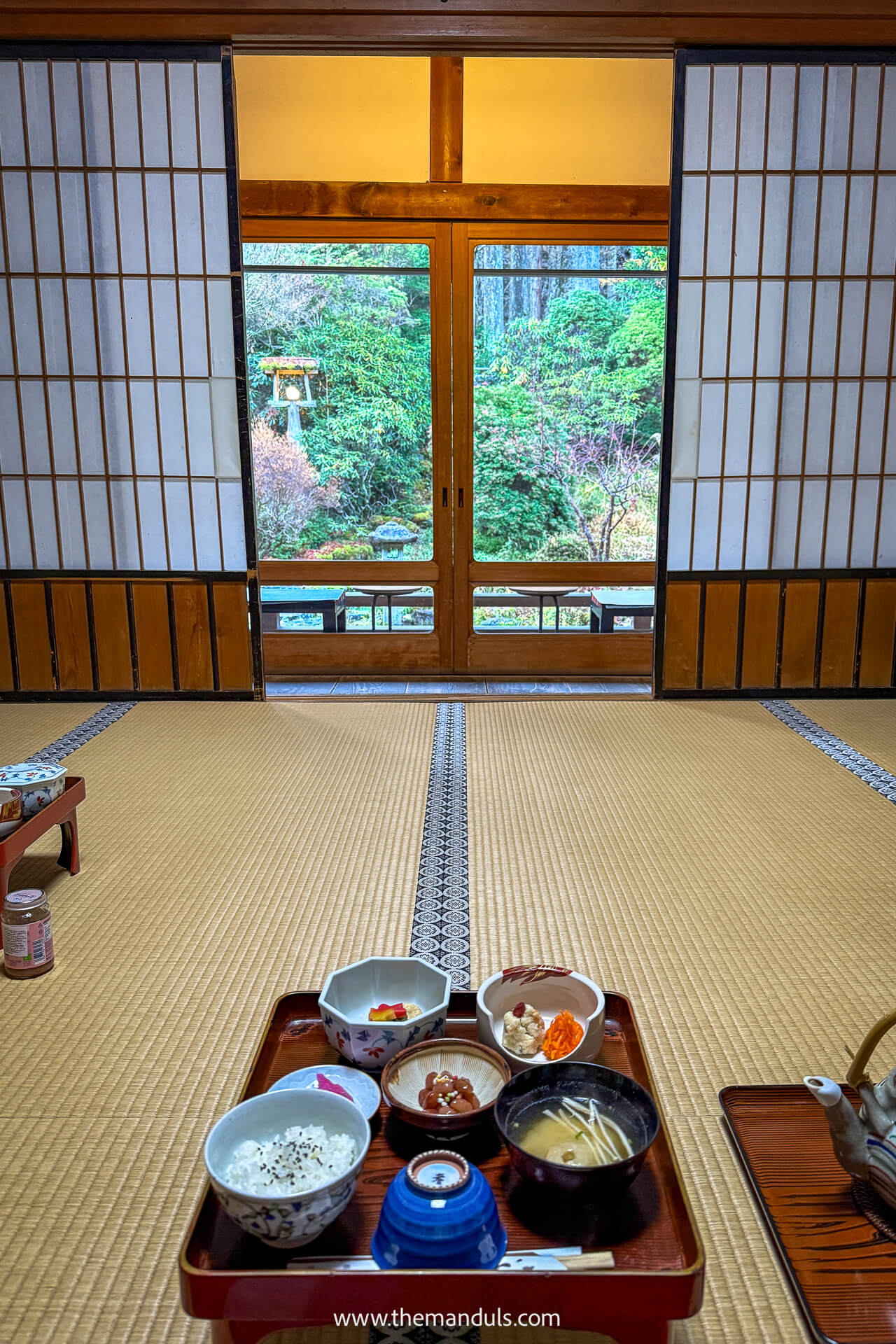
Since we were staying overnight in a Buddhist temple, we also had the chance to try traditional monk cuisine, known as shōjin ryōri. It’s completely vegan and usually served as a set meal made up of many small dishes.
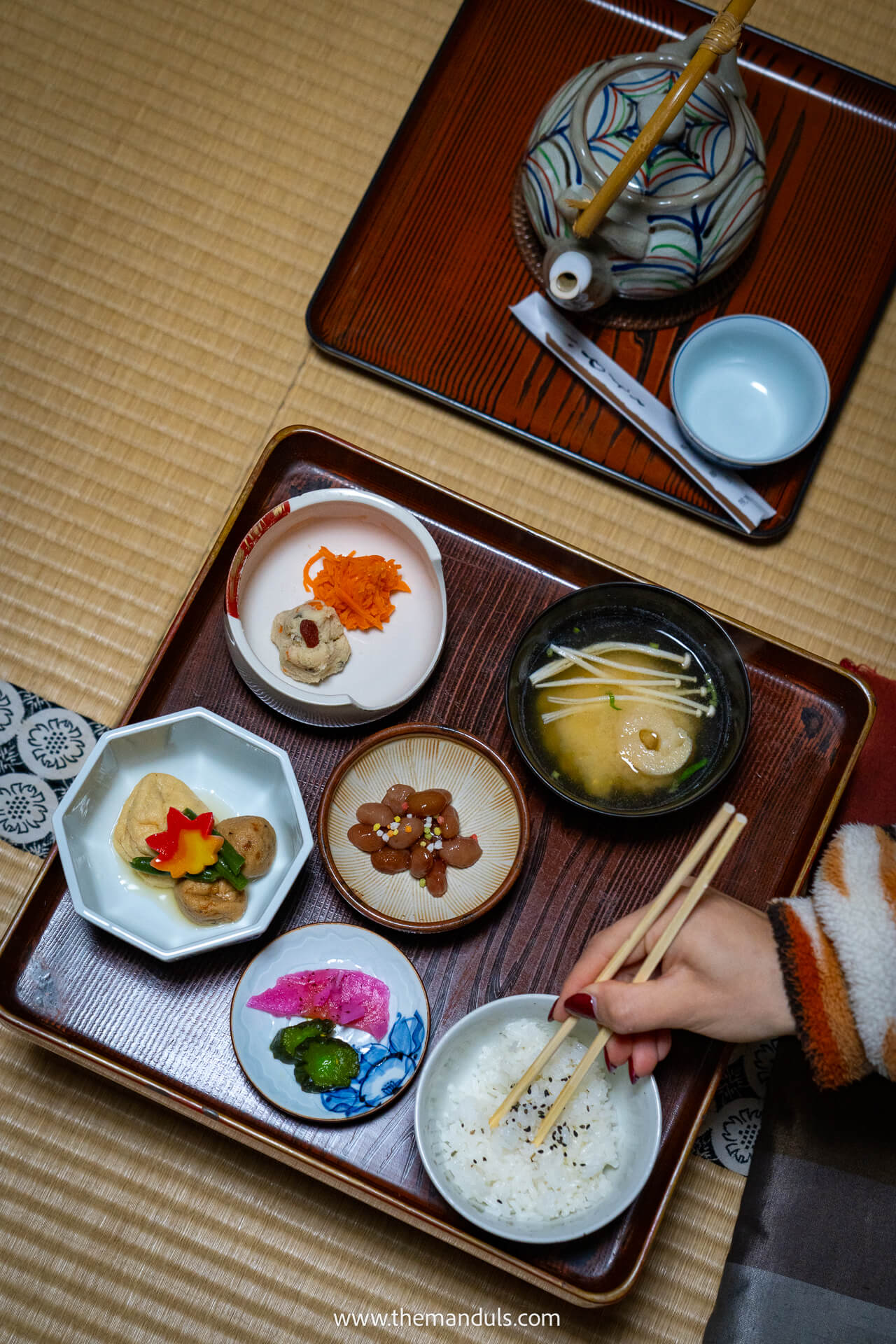
We didn’t go in with any expectations because we wanted to be surprised — and we were, in the best way. The food was light, well-balanced, and full of flavor, even without meat or fish. When we travel, trying local dishes is always part of the experience, and this felt like a meaningful one because it’s closely tied to life in the temples.
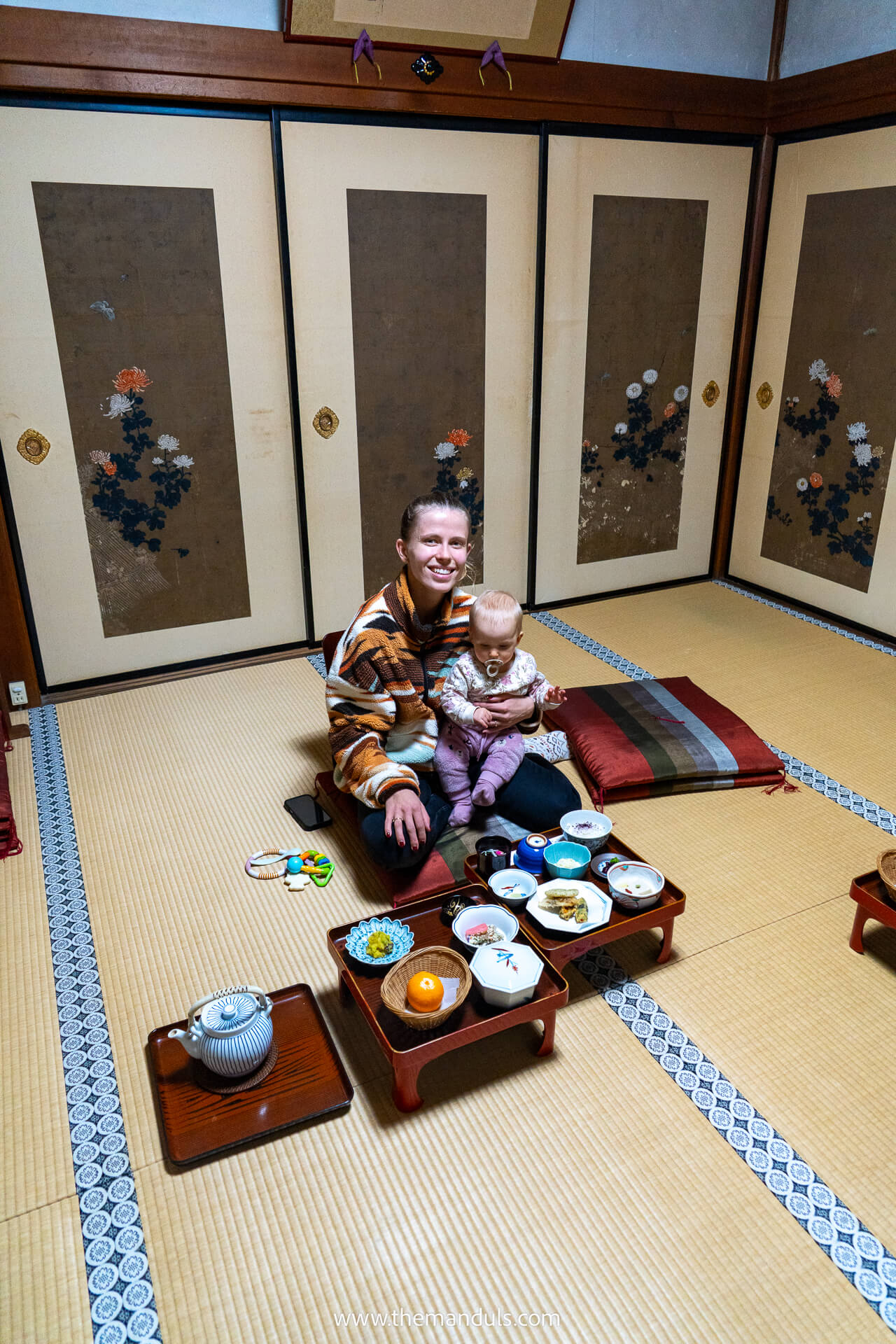
Shōjin ryōri is based on Buddhist principles of simplicity and respect for ingredients. It avoids strong flavors like garlic and onions and focuses on seasonal vegetables, tofu, sesame, and mountain plants. The idea is to eat mindfully, not just to get full.
If you’re only visiting Koyasan on a day trip and won’t stay in a temple, you can still try this cuisine in local restaurants — Hanabishi and Chuoshokudo Sanbo are good options for a proper monk-style meal without staying overnight.
8. Join a morning prayer ceremony
Part of staying overnight in a Buddhist temple is the chance to join a morning prayer ceremony, and this was something we were really looking forward to. We joined the ceremony at our temple at 7:00 am together with other guests, and it lasted for about 20 minutes.
The monks chanted sutras, burned incense, and rang bells and gongs while everyone sat quietly on the tatami mats. Even if you don’t understand the words, the rhythm of the chanting and the calm atmosphere make it easy to feel present in the moment.
9. Walk the pilgrimage trails around Mount Koya
There are several ancient pilgrimage trails leading up to Mount Koya, known as the Koyasan Choishi-michi and other routes that have been used by monks and pilgrims for centuries. These stone-marked paths connect the lower valleys with the sacred plateau where Koyasan sits.
We didn’t have enough time to hike any of these trails ourselves, which is something we slightly regretted afterward. If we had more time, this is exactly how we would have liked to arrive in Koyasan — slowly, on foot, following the same route pilgrims once used.
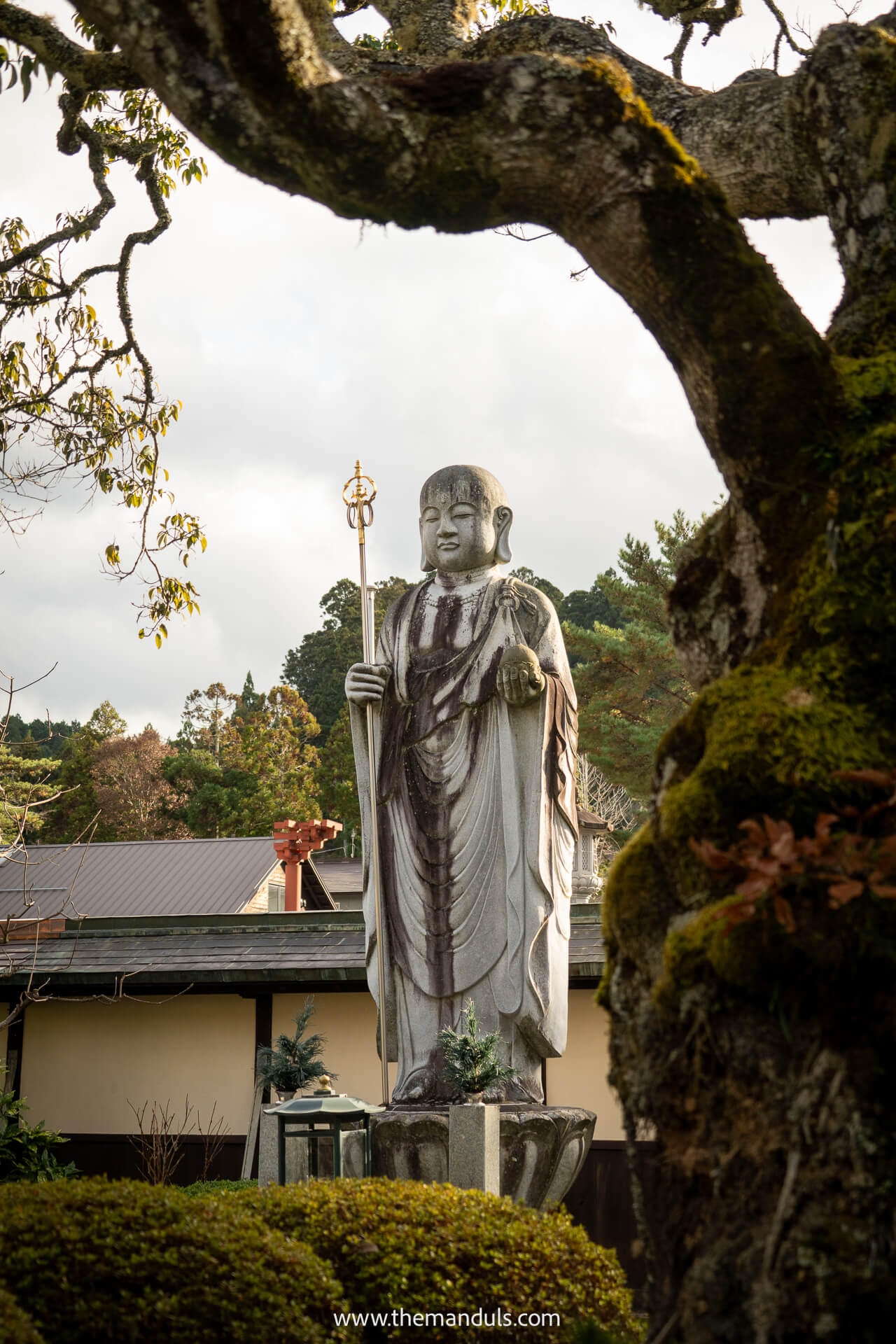
The most popular trail, Choishi-michi, is about 22 km long and is marked by stone signposts every few hundred meters. It takes around 6–7 hours to complete and passes through forests, small shrines, and quiet mountain scenery before reaching Daimon Gate.
These trails are best for travelers who want to combine Koyasan with hiking and don’t mind a long but meaningful walk. Good shoes, enough water, and checking the weather in advance are essential, especially outside of summer.
Where to stay in Koyasan
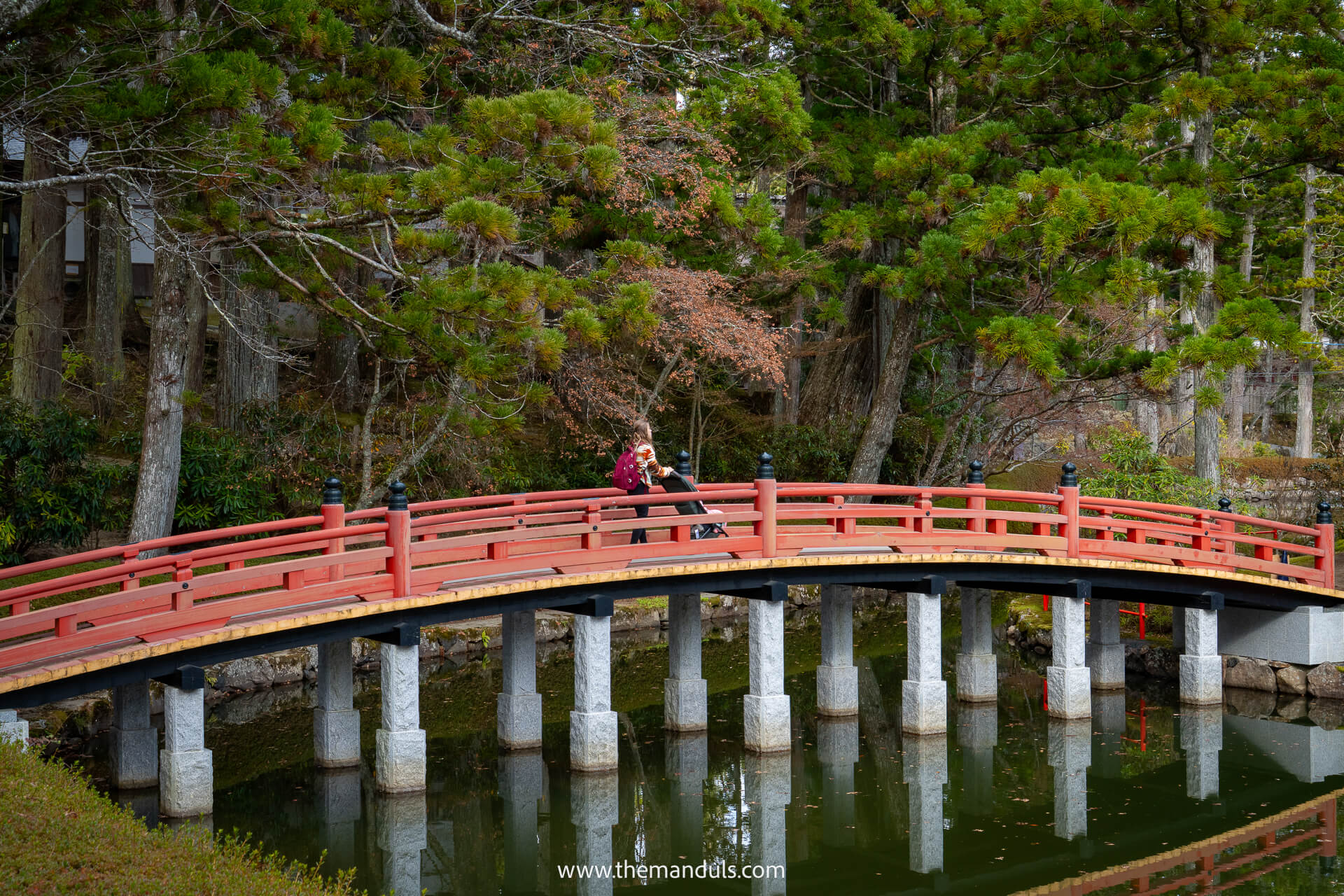
Choosing where to stay in Koyasan isn’t really about picking the right area — it’s such a small village that everything is within easy reach. What really matters is choosing the right temple to stay in.
There are many shukubo (temple lodgings) in Koyasan, and each one feels a little different. Some are more traditional and simple, others more comfortable and ryokan-like. These are the ones we’d recommend based on what we looked for — and one of them is where we stayed and were fully satisfied with the experience.
⭐️⭐️⭐️ Koyasan Shukubo Daimyououin (our top pick) – This is where we stayed, and it was exactly the kind of experience we hoped for in Koyasan. The room was traditional but very comfortable, with air conditioning and proper bedding, so it never felt basic or cold. Having access to a private onsen was honestly a highlight for us. Dinner and breakfast were traditional monk meals, beautifully presented and surprisingly tasty.
Best for: Travelers who want a real temple stay with comfort, great food, and an onsen after sightseeing.
👉 Check current deals →
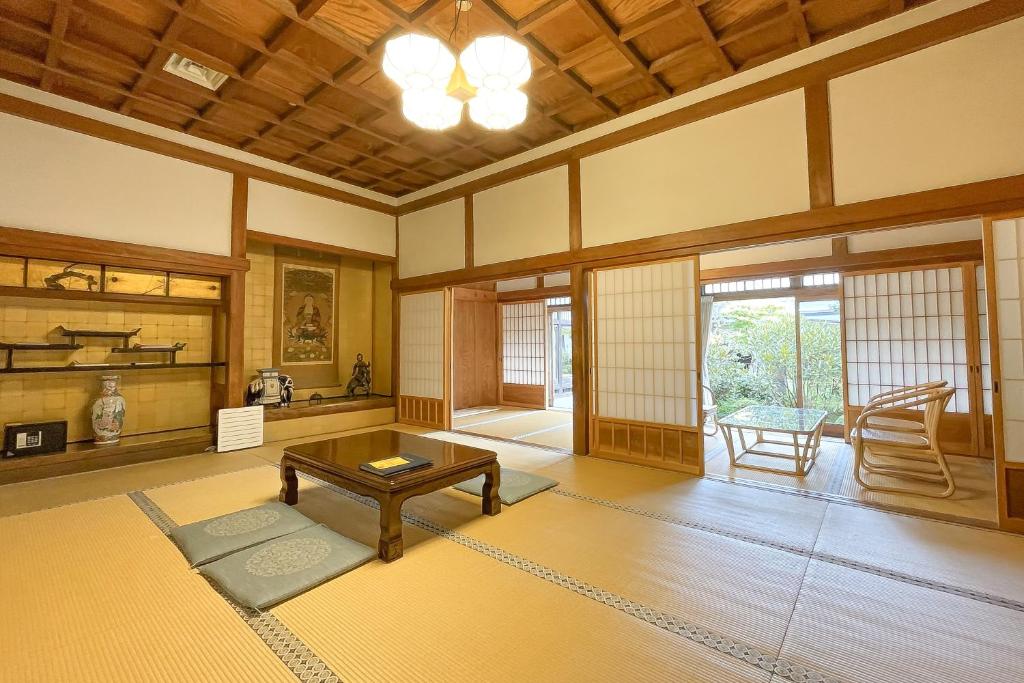
⭐️⭐️ Koyasan Shukubo Fudoin – A solid pick if you want a temple stay that feels a bit more modern and polished compared to very traditional shukubo like the one we stayed in. Rooms are still Japanese-style, but the overall look and feel is more contemporary, which can be nicer if you’re new to temple stays and don’t want something too rustic. It also has an onsen, which is a big plus. You still get the calm temple atmosphere and the chance to join morning prayers, but with a slightly more hotel-like level of comfort.
Best for: First-time shukubo guests who want a calmer, more modern-style temple stay with an onsen.
👉 Compare prices →
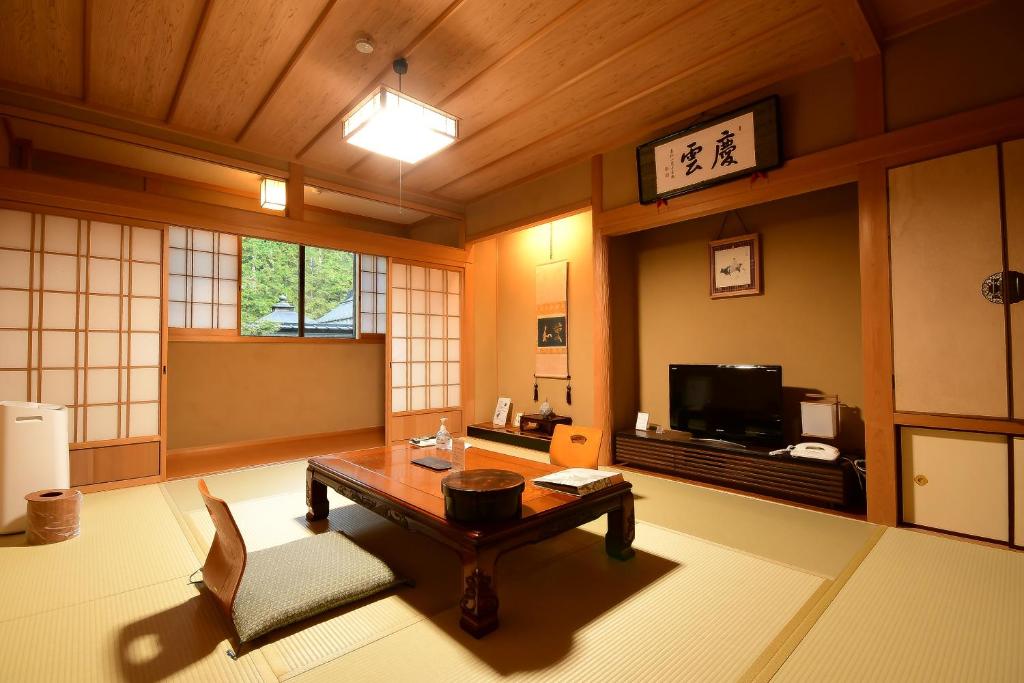
⭐️ Koyasan Shukubo Jokiin – One of the more affordable ways to stay inside a real Buddhist temple without losing the atmosphere that makes Koyasan special. Jokiin is simple and traditional, but it’s known for its beautiful temple grounds and calm setting. It also has an onsen, serves tasty monk-style meals, and offers a morning prayer ceremony, so you still get the full temple experience even on a lower budget.
Best for: Budget travelers who want an authentic temple stay with an onsen, good food, and a morning ceremony.
👉 See availability →
Where to eat
If you’re not staying in a temple or want something simple during the day, these are good places to try local food in Koyasan:
- Ponpoko – Absolutely amazing place! A small and cozy local restaurant with about 10 seats. The chef is an older Japanese lady who makes you feel right at home and makes delicious dishes.
- Ima-chan – A small local restaurant serving traditional dishes and set menus at reasonable prices. It feels very local and works well if you want something filling after temple sightseeing.
- Chuoshokudo Sanbo – A classic restaurant with Japanese staples and affordable meals. Practical choice if you want quick service and familiar flavors.
How to get to Koyasan
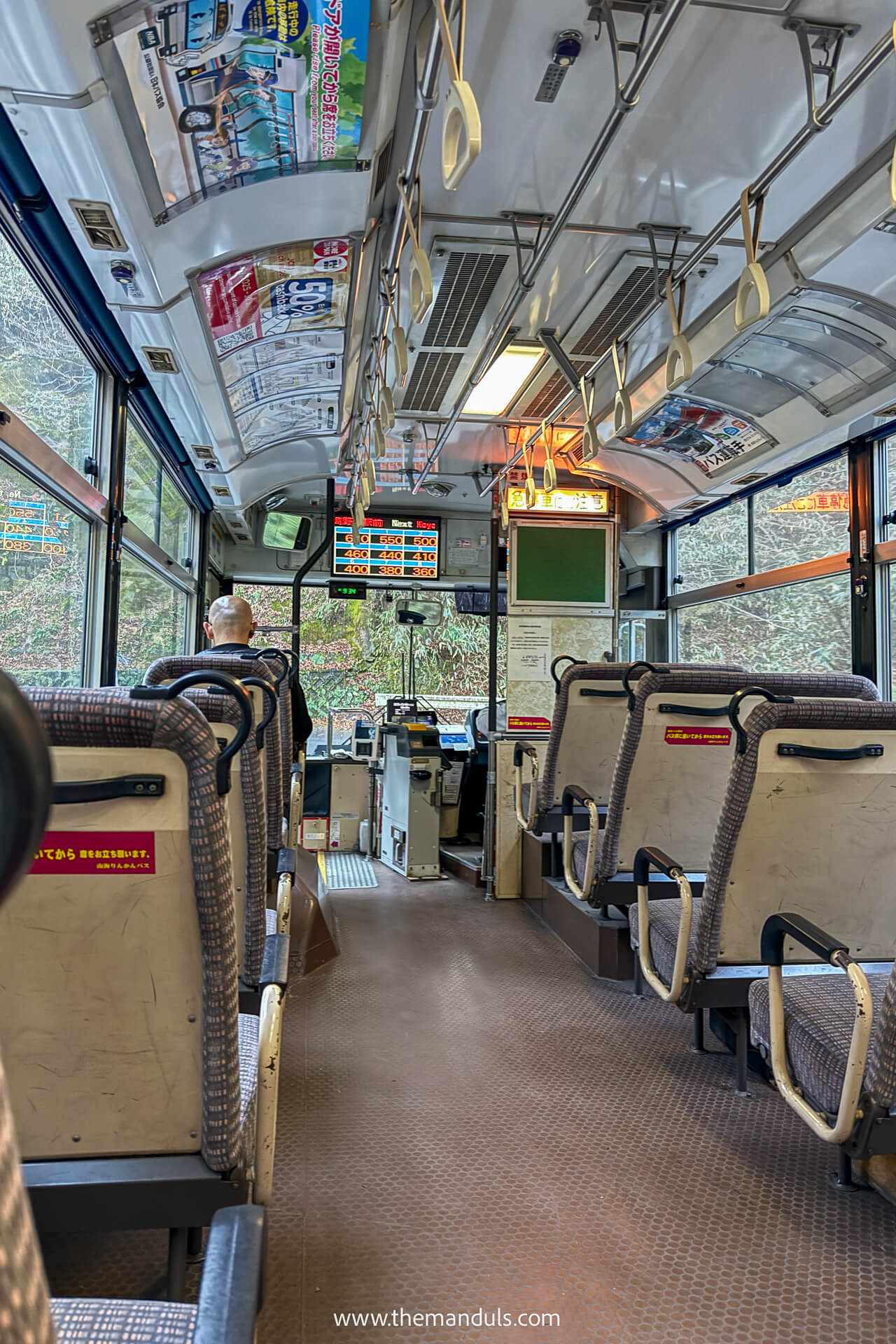
We traveled to Koyasan from Osaka (Namba Station), and it was much easier than we expected. We didn’t book any special tickets in advance and just used Suica in our Apple Wallet for the entire journey — trains, cable car, and even the buses in Koyasan. Everything worked smoothly.
We also skipped the Limited Express train and chose the cheaper regular option, which was only slightly slower and totally fine for us.
We started at Namba Station and took a Nankai line train toward Koyasan. You can also start from Shin-Imamiya if that’s more convenient.
There are two main options:
- The Limited Express “Koya” goes directly to Gokurakubashi and is the fastest, but it requires a seat reservation and extra fee.
- We chose the regular train, which is cheaper and runs more often. This usually means changing trains once at Hashimoto Station before continuing on a local mountain train. The whole journey took us about 2 hours to reach Koyasan village.
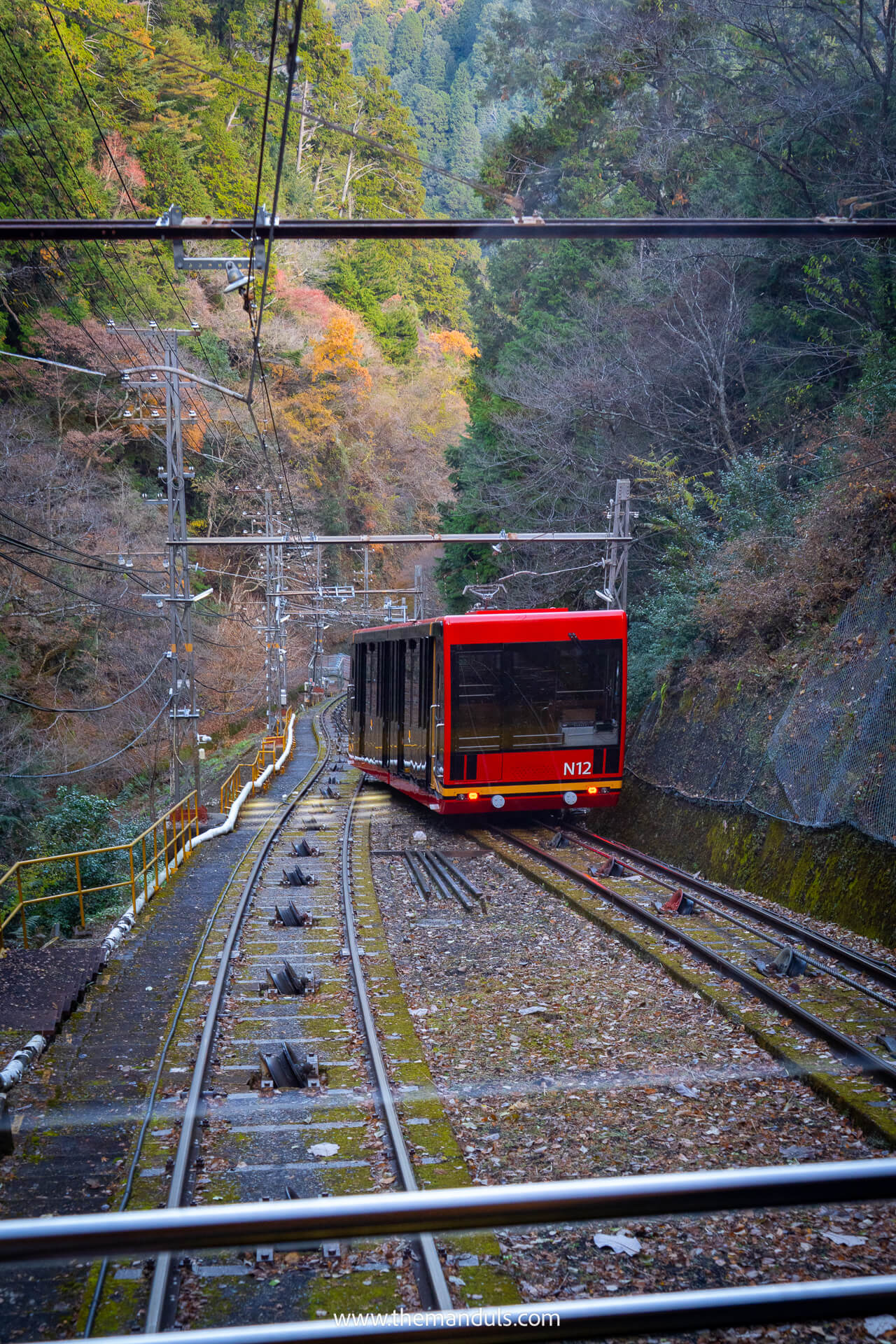
At Gokurakubashi Station, we just walked around 100 meters to the cable car. The transfer is well organized and timed with arriving trains. The cable car ride took about 5 minutes and was very steep and scenic.
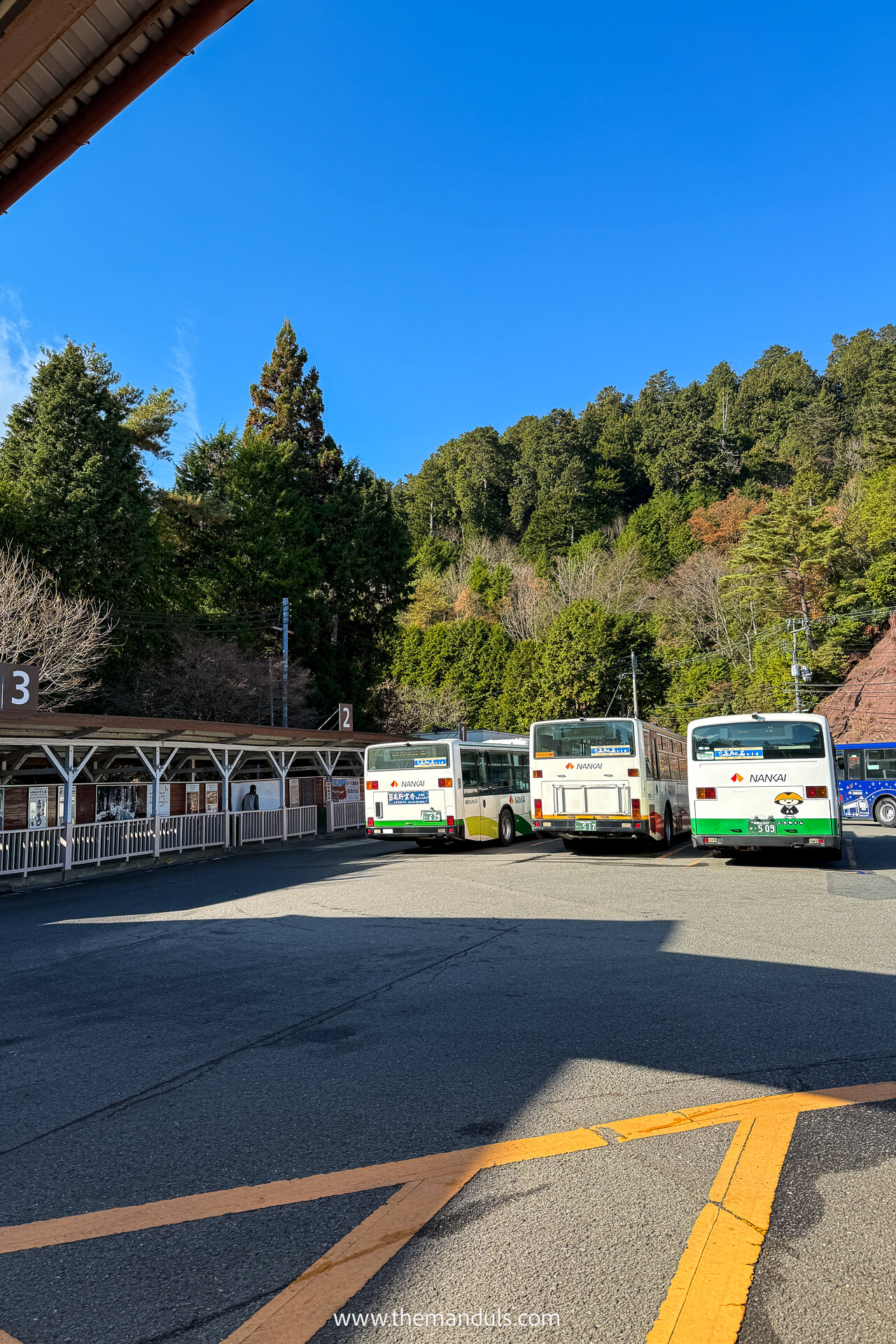
From the cable car station, you can’t walk into town — the road is only for buses and has no sidewalk. Right outside the station, you have to board a bus. Again, we just used Suica for paying.
Best time to visit Koyasan
The best time to visit Koyasan is spring (April–May) and autumn (late October–early November).
Spring is beautiful thanks to cherry blossoms, which add a soft, peaceful feel to the temple grounds and Okunoin Cemetery. It’s also a comfortable season for walking between temples without the summer heat.
Autumn is when Koyasan really stands out. The peak of maple leafs usually comes at the end of October, which is earlier than in Kyoto, Osaka, or Tokyo.
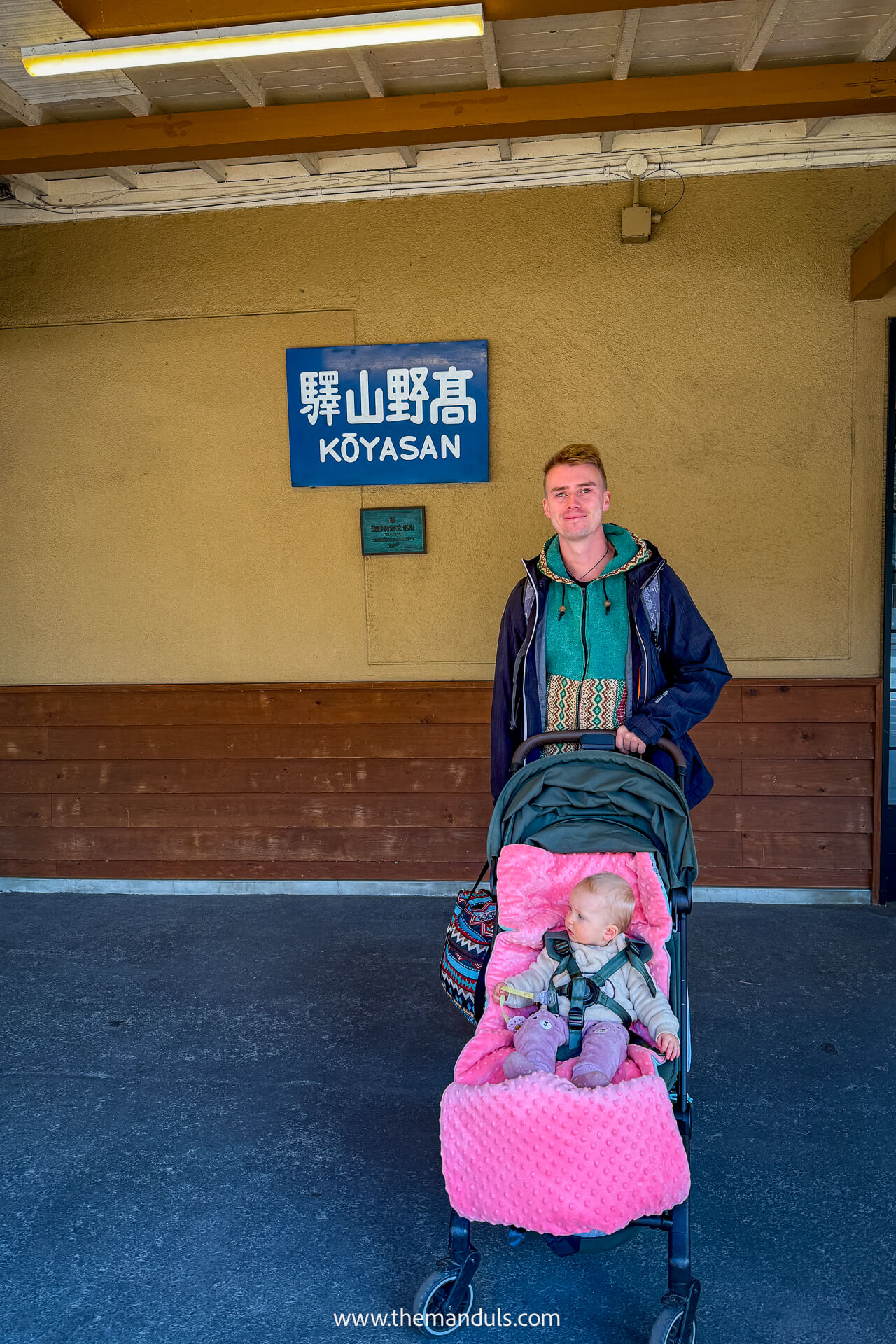
That makes planning tricky — it’s almost impossible to catch peak colours everywhere at the same time. We arrived slightly late, and many leafs had already fallen, but even then the atmosphere was still incredible, with mist in the forest and quiet temple paths.
Summer (June–September) is warmer and more humid, but Koyasan sits higher in the mountains, so it feels cooler than the big cities. It’s also much greener.
Winter (December–March) is cold and can be snowy, but it’s also the quietest time. Snow-covered temples and lantern-lit paths in Okunoin create a very different, more spiritual mood — just be ready for icy paths.
Quick Tips & Local Insights
- Stay overnight if you can. Koyasan feels completely different in the evening and early morning once the day-trippers leave. That’s when Okunoin and the temple grounds are at their best.
- Dress warmly, even outside winter. Because Koyasan is in the mountains, it’s often cooler and misty, especially in the morning and evening. Layers really help.
- Respect temple etiquette. Keep your voice down, dress modestly, and always follow no-photo rules inside temples. These are active religious spaces, not museums.
- Plan meals ahead. Restaurants close early and there aren’t many options at night. If you’re not staying in a temple with dinner included, eat before it gets too late.
- Use an IC card (Suica, Pasmo, etc.). It works on trains, the cable car, and buses in Koyasan and makes getting around much easier.
- Be mindful at Okunoin. It’s still a cemetery and sacred site — avoid loud talking and eating.
Final Thoughts
Koyasan ended up being one of the most memorable places we visited in Japan.
If we had to pick just two can’t-miss experiences, it would be walking through Okunoin Cemetery and staying overnight in a Buddhist temple.
Would we go back? Absolutely — and next time, we’d love to add one of the pilgrimage trails to the experience.