
This article contains affiliate links. Learn more in our affiliate disclosure.
Renting a car in Malta completely changed how we explored the island — and looking back, we honestly wouldn’t do it any other way. While buses and tours can work, they’re limiting if you want to reach hidden beaches, coastal viewpoints, or move on your own schedule.
With a car, everything feels easier, and far more flexible.
In this guide, we share everything you need to know about renting a car in Malta in 2026 — from when it’s worth it and what to watch out for, to insurance tips and real costs. All based on our own experience.
If you’re planning to see more than just the main cities and want to tick off the best things to do in Malta without relying on fixed schedules, this guide will help you rent with confidence and avoid common mistakes.
Key Highlights
⭐️ Best time to book: few weeks in advance
⭐️ Minimum rental age: 18 but with limited options
⭐️Recommended pickup location: Malta International Airport
⭐️ Driving in Malta: Left-hand driving, narrow streets, tight parking, and busy urban traffic
Renting a car in Malta – Quick Overview
Picking up a car at the airport is the most common and practical option, with most rental companies either based directly at the terminal or offering a quick shuttle to their nearby office. Booking early makes a big difference, especially in high season, both in terms of price and car availability.
The minimum rental age is usually 18, but drivers under 21 or 25 should expect fewer options and higher deposits. Prices can rise quickly in summer and around holidays.
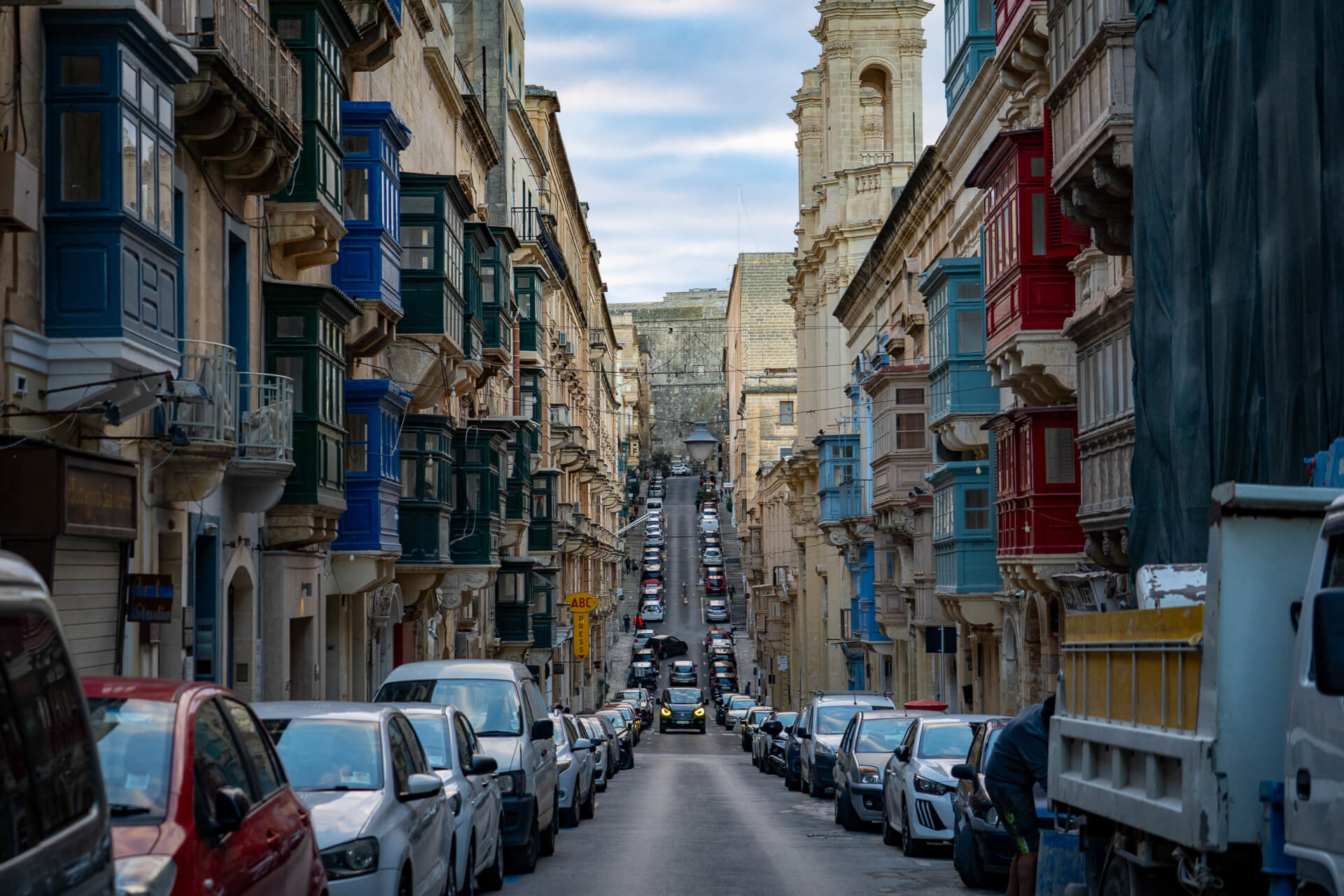
Roads are generally well maintained, but many streets are narrow, parking can be tight, and driving is on the left-hand side, which takes a bit of getting used to. We’d recommend a small, easy-to-handle car rather than anything large.
For peace of mind, full insurance coverage is worth it, especially with tight streets and close parking. It’s often cheaper when booked online in advance. We usually use DiscoverCars to compare providers, get free cancellation, and avoid surprises at the counter.
Do You Really Need a Car in Malta?
You don’t need a car to visit Malta, but whether it’s worth renting one depends on how you plan to travel. If you’re sticking to Valletta, the Three Cities, or a few guided tours, public transport and ferries can work just fine.
That said, if you want to explore hidden beaches, coastal viewpoints, small villages, or move between spots efficiently, a car makes a huge difference. Buses are cheap but slow, routes aren’t always direct, and schedules can limit how much you see in a day.
With a car, you’re free to explore at your own pace — early mornings, sunsets, quick detours, all become easy.
Our take: if you’re planning to see a lot of the island (or travel with flexibility in mind), renting a car is absolutely worth it.
Car Rental Requirements
To rent a car, you’ll need a valid driver’s license, a passport or ID, and a credit card in the main driver’s name. Most rental companies don’t accept debit cards for the security deposit.
- Minimum age: Usually 18, but drivers under 21 or 25 often face limited car options, higher deposits, or young-driver fees.
- License validity: Your license should typically be held for at least 1 year.
- International Driving Permit: Not required for EU licenses; non-EU drivers should check with the rental company, but it’s often recommended.
- Insurance: Basic coverage is included, but we strongly recommend full coverage to avoid stress with narrow streets and tight parking.
If you meet these basics, renting a car in Malta is straightforward — the rest comes down to choosing the right car and insurance level.
Driving in Malta – Our Experience
Road conditions
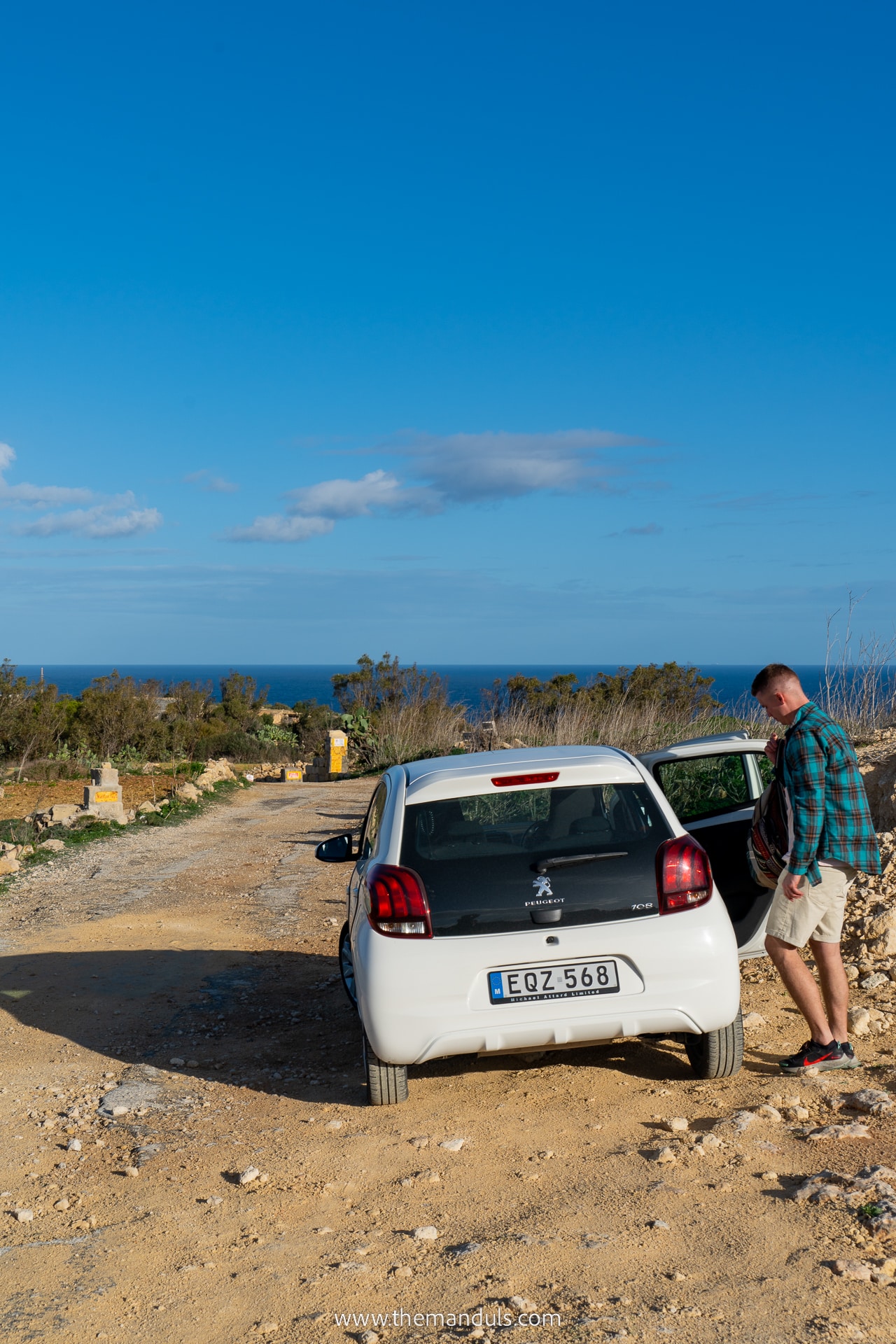
Driving was easier than we expected, but it definitely took a bit of getting used to. Main roads between towns felt fine, but as soon as we turned into villages or coastal areas, things changed quickly — narrow streets, uneven surfaces, tight turns, and cars parked everywhere.
Some roads look chaotic at first glance, but traffic usually moves slowly, which actually helps. We were very glad we had a small car, especially when squeezing through narrow roads in the countryside.
Traffic and Driving Culture
Traffic around places like Valletta, Sliema, and St Julian’s was the most intense part of driving for us. Drivers are confident and decisive, sometimes a bit pushy, but not aggressive.
Once we adjusted to the flow — especially at roundabouts — it started to feel better. The key for us was staying alert and not hesitating too much.
These are our top hotels in Malta we’d book again
⭐️⭐️⭐️ Hyatt Centric Malta (our top pick) – Modern lifestyle hotel in St Julian’s with design details, rooftop pool, and the perfect location near the promenade.
⭐️⭐️ HOLM Boutique Hotel & SPA – Playful boutique stay in Sliema with colorful design, spa, and rooftop pool close to the sea.
⭐️ Strand Suites by NEU Collective – Affordable studios in Sliema with rooftop pool access and a convenient location for exploring Malta’s best attractions.
Using GPS
We relied on Google Maps the whole time, and it worked well overall. That said, it occasionally guided us down extremely narrow residential streets where we probably shouldn’t have been.
Having offline maps downloaded saved us a couple of times when signal dropped.
Weather
Weather was rarely an issue for us. Malta is generally dry and sunny, which makes driving pleasant. The only time we noticed a difference was after rain — roads became slippery very quickly.
In summer, we imagine heat would be more of a factor, especially when parking in exposed areas, but overall conditions felt very manageable for driving.
Choosing the right car
Based on our experience, smaller is better in Malta. Streets in towns and villages are often narrow, parking spaces are tight, and squeezing past parked cars is part of daily driving. A compact car made everything less stressful for us and was much easier to handle in older areas.
Automatic vs manual really comes down to preference. Manuals are more common and cheaper, but if you’re not used to left-hand driving, an automatic can make the adjustment much easier — especially in traffic.
Our rule of thumb: small, simple, and comfortable beats large or premium whenever driving in a new place.
Where to rent a car in Malta
For us, Malta International Airport was by far the easiest place to pick up and drop off a rental car. Most companies operate directly at the airport or provide a free shuttle to a nearby office, which keeps things simple — especially after arrival.
You’ll also find rental offices in places like Valletta, Sliema, or St Julian’s, but from what we’ve seen, airport rentals usually offer better prices and a wider choice of cars. City locations can be convenient, but they sometimes come with higher rates and more limited availability.
We strongly recommend booking through DiscoverCars rather than going directly with the first rental company you find. It makes it easy to compare multiple suppliers, but more importantly, it lets you check real customer reviews for each company.
We came across quite a few rental companies with questionable practices, so reading reviews and double-checking rental conditions is crucial.
Before booking, always make sure the insurance coverage, deposit amount, fuel policy, and mileage limits are clearly stated. Spending a few extra minutes checking the details can save you a lot of stress at pickup.
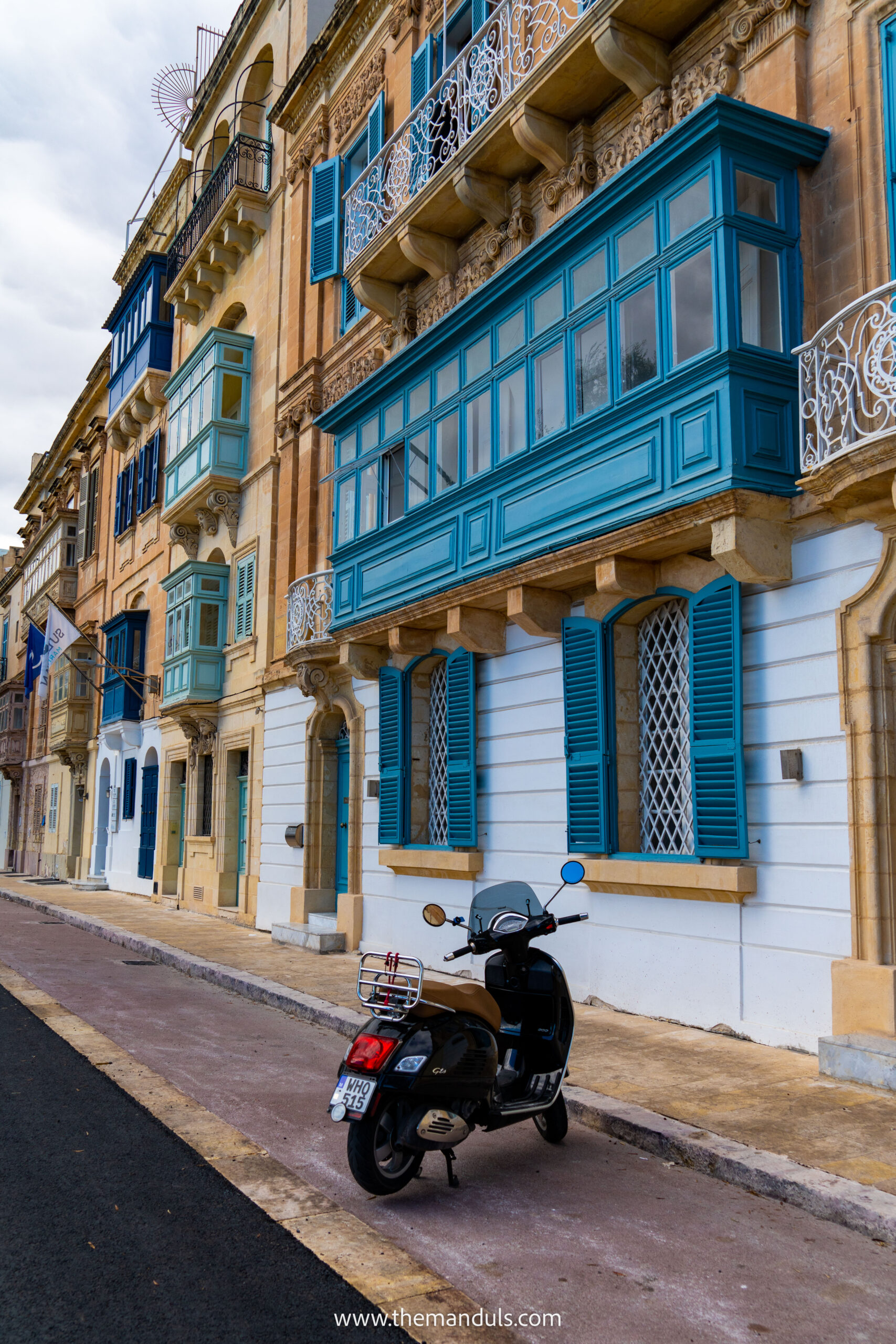
Insurance & Coverage Explained
Insurance is one area where we really wouldn’t cut corners when renting a car in Malta. Streets can be tight, parking is often cramped, and small scratches are more common than you might expect — even if you’re a confident driver.
Most rentals come with basic insurance (CDW + theft protection), but this usually includes a high excess, meaning you’re still liable for a large amount if something happens.
That’s why we always recommend going for full coverage to reduce (or completely remove) that excess. You’ll usually see two options:
- Full coverage via the rental company at the counter (often expensive)
- Full coverage booked online through a comparison site (much cheaper and what we usually do)
We prefer booking full coverage in advance online, as it’s clearer, more affordable, and avoids pressure at the desk. Just make sure you understand how it works — in some cases, you may still need to pay upfront and then claim a refund, but the peace of mind is worth it.
One more tip: take photos and a short video of the car at pickup and drop-off, especially in Malta. It’s a simple habit that can save you a lot of back-and-forth later.
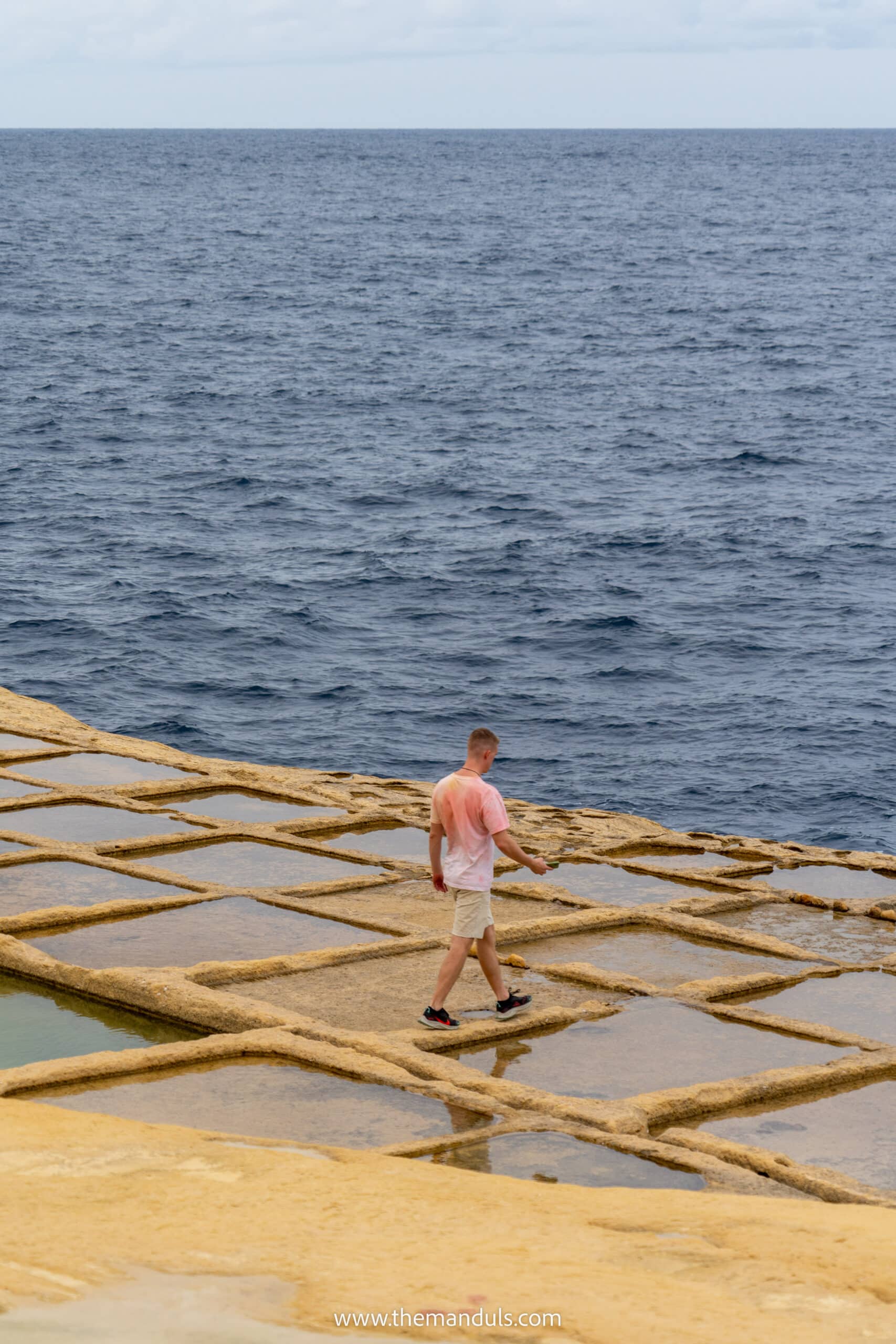
Pick-up checklist when renting a car in Malta
1. Check the car for damage
Walk around the car and take photos or videos of any existing scratches, dents, or other issues. Make sure they’re all noted in the rental agreement and the company is aware of them.
2. Ask about fuel policy
Most rentals come with a full-to-full policy, meaning you return the car with the same fuel level. Make sure to confirm this so you’re not charged extra.
3. Verify what’s included
Double-check what’s included in your rental — especially insurance coverage, extra driver, and mileage limits, if any. If there are other islands you can visit by a car ferry, ask about that, too.
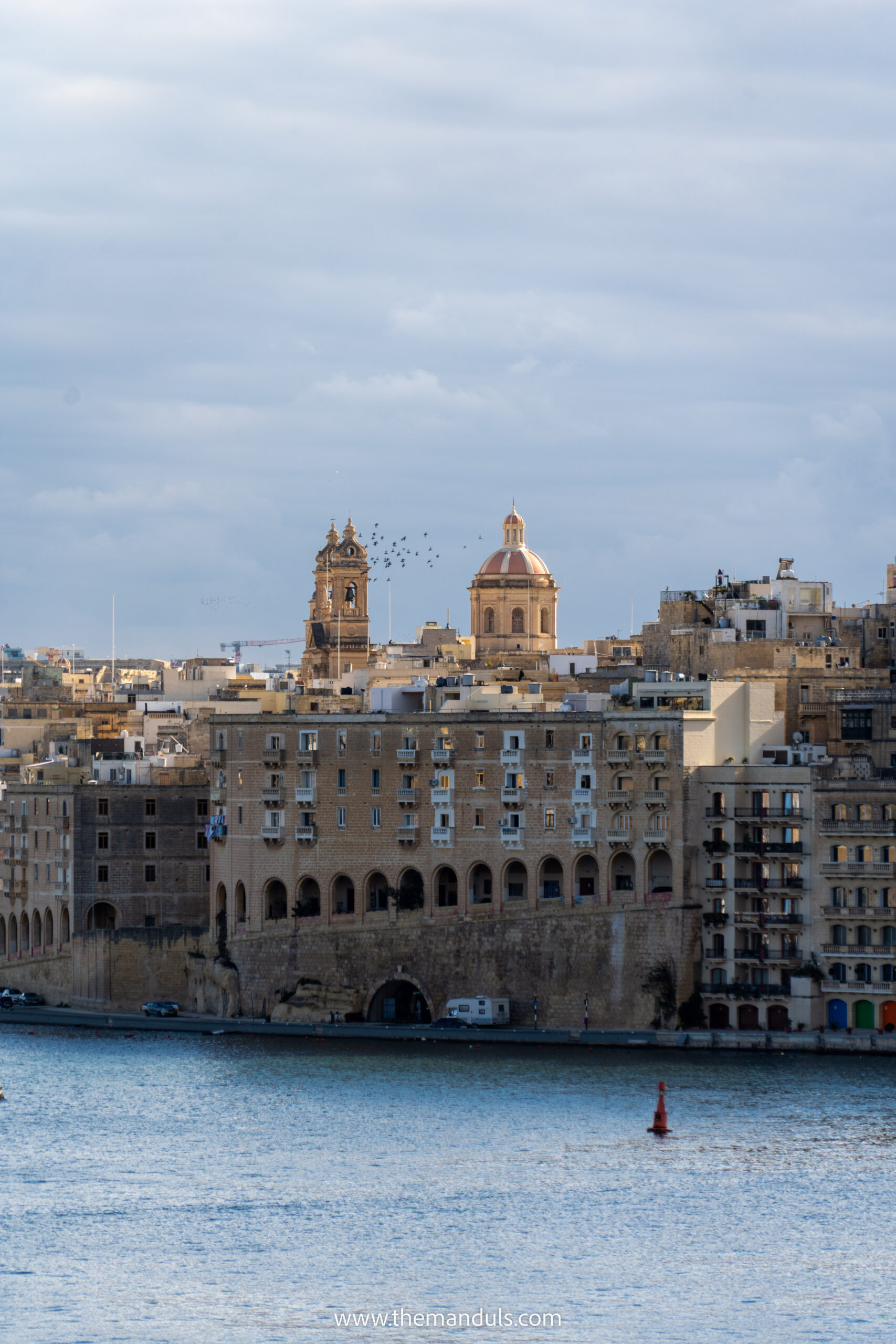
4. Understand the deposit and payment
Make sure you know how much will be blocked on your credit card and when it will be released. If you paid for full coverage via a platform like Discover Cars, clarify how to handle damages.
5. Get contact details
Ask for a phone number you can call in case of emergencies or issues during your rental.
6. Inspect basic functions
Check that everything works: lights, AC, windows, wipers, GPS if included. Also look at the tire condition and make sure there’s a spare tire or repair kit.
7. Ask about tolls & road rules
Malta doesn’t have toll roads, but it’s still good to ask if there are any local driving tips or rules to know.
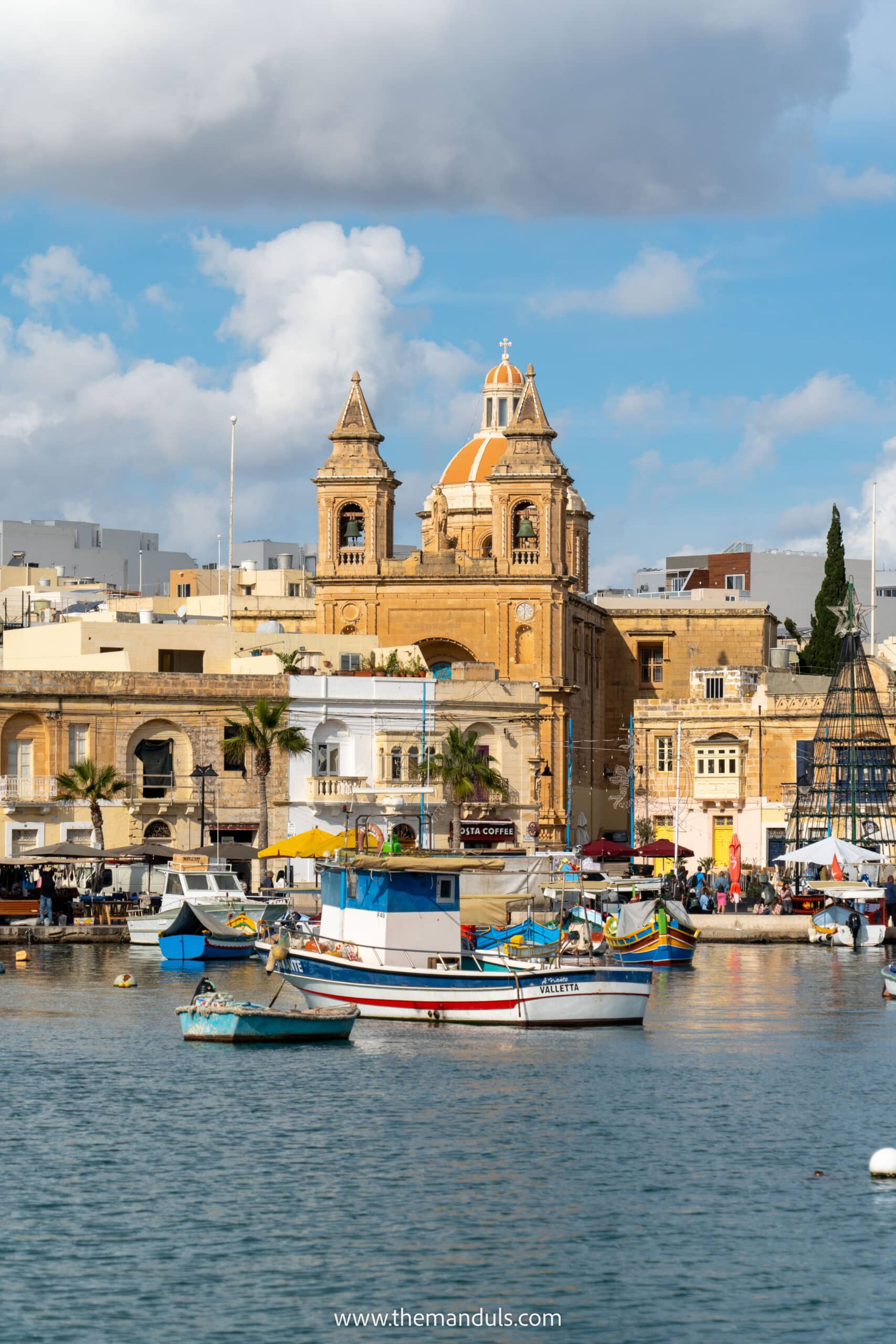
Parking Tips
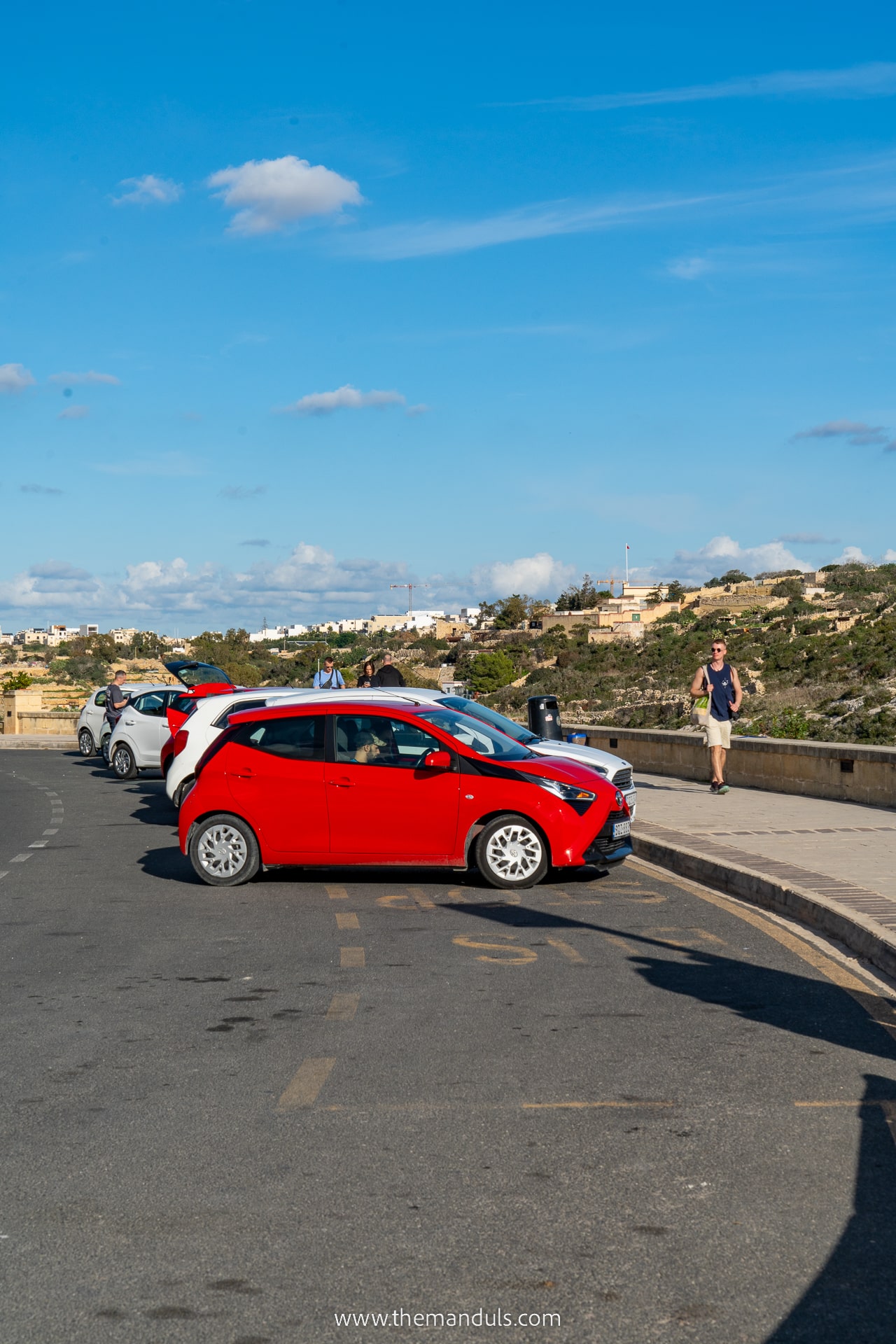
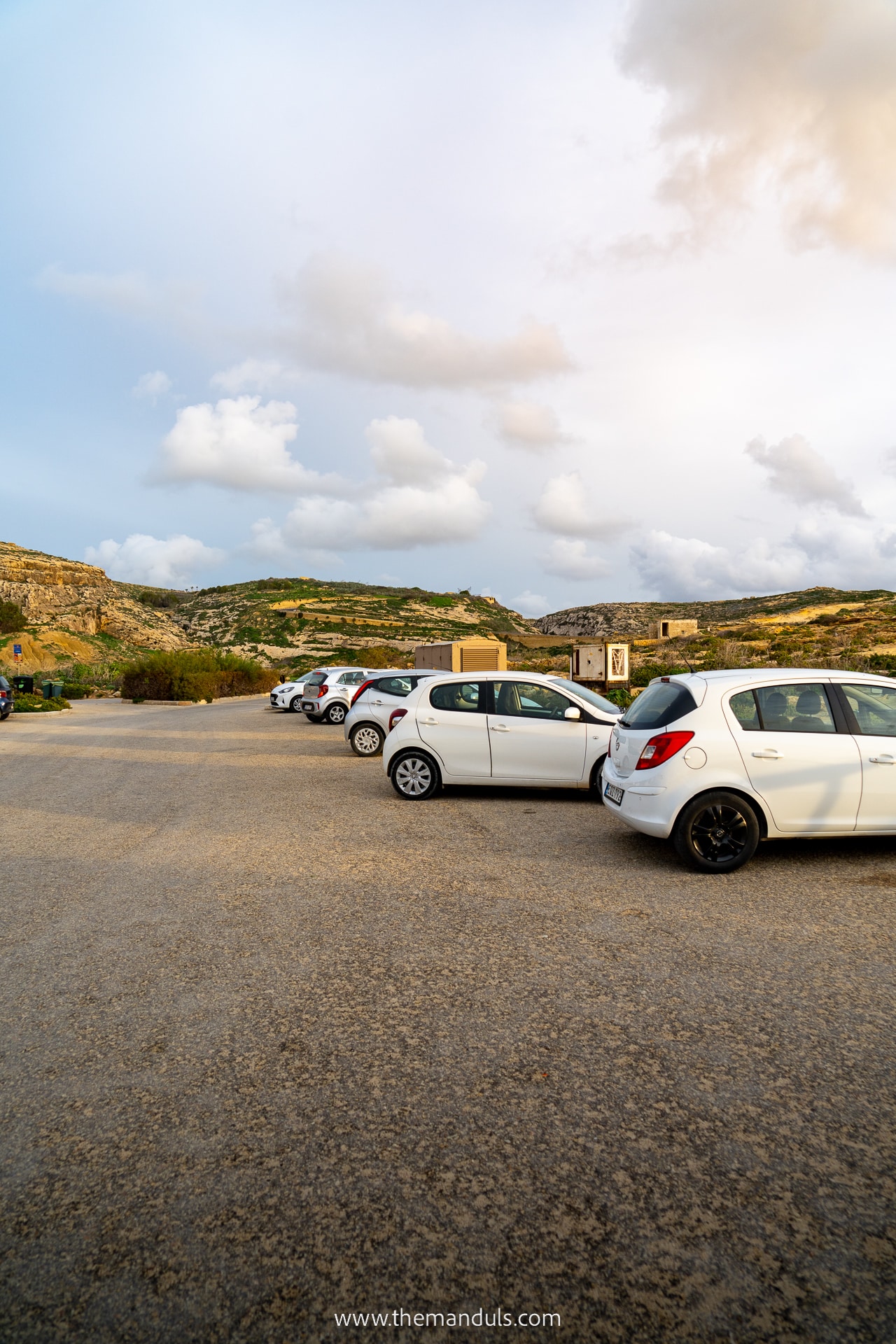
Parking can be one of the more challenging parts of driving, especially in busy towns and coastal areas. In places like Valletta, Sliema, and St Julian’s, free street parking is limited and spots fill up quickly — we often had to circle a few times or park a bit farther away and walk.
Look out for marked parking zones and time limits, particularly in city centers. Some areas use resident-only parking, while others require payment via parking meters or mobile apps.
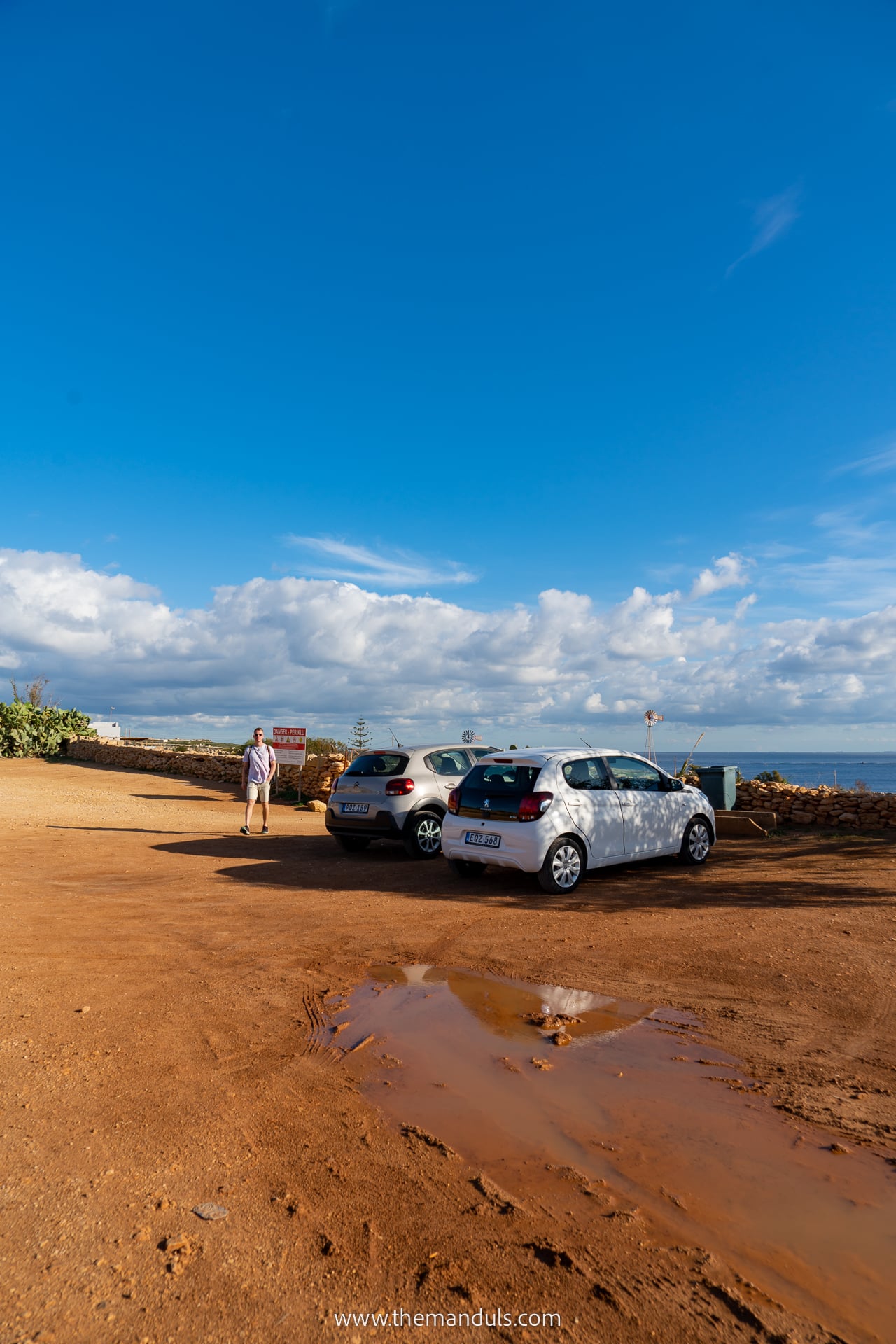
Outside major towns, parking becomes much easier, and at beaches or viewpoints we usually found informal roadside spots. Those can fill up quickly, too.
Toll & Road Fees
Good news: Malta has no toll roads. You won’t encounter highway tolls or pay-per-use motorways anywhere on the island, which makes budgeting straightforward.
Child Seats: What You Need to Know
Legal Requirements
Children are required to use an appropriate child restraint system based on their height and age. In practice, this means young children must be seated in a proper car seat or booster, and they cannot sit in the front unless the seat and airbag setup allows it.
Rental companies will usually ask the child’s age (and sometimes height) to provide the correct seat.
Renting vs. Bringing Your Own
Most rental companies offer child seats for an extra daily fee, but availability can be limited and quality varies. For older children, renting locally can be fine if reserved in advance.
When traveling with a baby who needs the infant type of car seat, we’d personally always bring our own. Airlines usually allow baby car seats to be checked in free of charge, and using a seat you know and trust feels much safer — especially for newborns.
Alternative Transport for Non-Drivers
If you’re not planning to drive, you still have several good options — just expect to trade some flexibility for convenience.
Public buses are the cheapest way to get around and reach most parts of the island. They work well for cities and major sights, but routes aren’t always direct and travel times can be long.
Ride-hailing apps (Bolt, Uber, eCabs) are reliable and easy to use. We found them handy for short trips or evenings out, though relying on them all day can get expensive.
Guided tours are ideal if you want to see the main highlights without worrying about logistics, but they come with fixed schedules and limited time at each stop.
For a deeper breakdown, we’ve covered this in our guide on how to get around Malta.
Final Thoughts
Renting a car isn’t mandatory, but for us it made exploring the island far easier and more enjoyable. The freedom to stop whenever we wanted, reach quieter spots, and move at our own pace completely changed the experience.
That said, Malta isn’t the easiest place to drive, and a car only makes sense if you’re comfortable with narrow streets, left-hand driving, and busy traffic in certain areas.
If that sounds fine to you, choosing a small car, solid insurance, and a well-reviewed rental company will save you a lot of stress.
To make the most of your time here, start by choosing the right base — our Malta accommodation guide will help.