
This article contains affiliate links. Learn more in our affiliate disclosure.
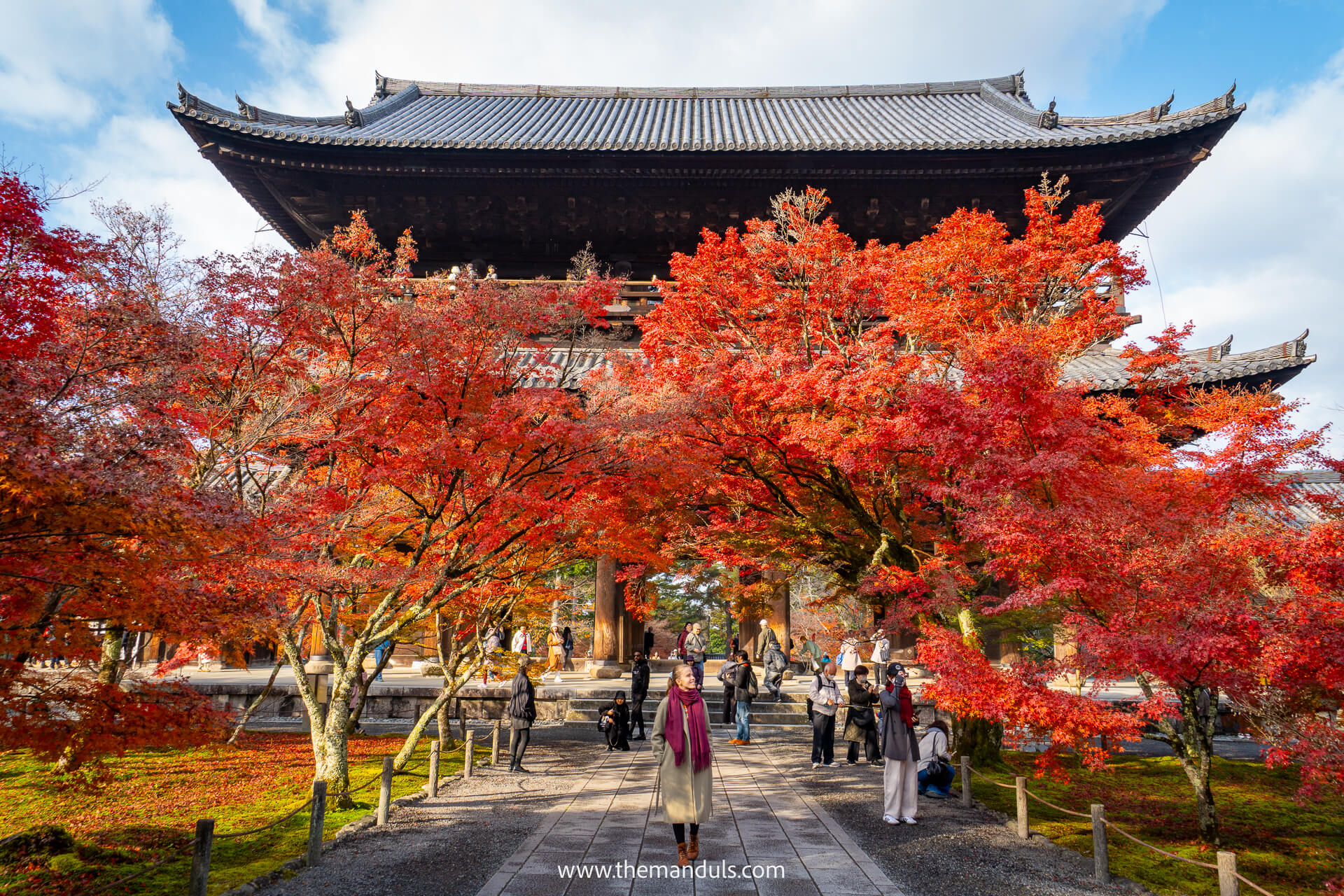
Nanzen-ji is one of those places in Kyoto, Japan that feels calm even though it sits right next to busy sightseeing routes. We visited it while exploring the eastern side of the city, and what stood out immediately was how open and spacious the grounds feel compared to other temples in Kyoto.
Instead of narrow paths and constant queues, Nanzen-ji gives you room to walk around, and take in the details — from the huge wooden Sanmon Gate to the stone gardens and the unexpected brick aqueduct running through the complex.
In this guide, we’ll show you what to see at Nanzen-ji Temple, how to get there, entrance fees, and the best time to visit, so you can decide if it belongs on your list of things to do in Kyoto and know exactly what to expect.
Key Highlights
📍Location: Higashiyama district, Kyoto
⭐️ Best time to visit: Early morning
💰 Entrance fee: temple grounds fee, main buildings around ¥500 each
🕥 Opening hours: 8:40 am – 4:30 pm
🚗 How to get there: Subway Tozai Line to Keage Station
🥾Accessibility: Easy walk around the grounds
Is it worth it?
Yes, especially if you prefer places where you can walk around and explore instead of just stopping at one main building. Nanzen-ji is spread out, with several different areas to see, so it feels more like a small complex than a single temple visit.
Even with other visitors around, it never felt crowded or rushed, which made the visit more enjoyable for us.
The brick aqueduct was an unexpected highlight, and Tenjuan Garden ended up being our favorite part of the complex. Another reason Nanzen-ji works well is its location — it’s easy to combine with nearby spots like Eikandō Temple without adding extra travel time.
In a hurry?
These are our top hotels in Kyoto we’d book again
⭐️⭐️⭐️ Cross Hotel Kyoto (our top pick) – A modern mid-range stay in a central part of downtown. Comfortable rooms, great design, and an easy base for exploring.
👉 See prices & availability →
⭐️⭐️ The Thousand Kyoto – A luxury hotel with spacious, minimalist rooms and an excellent breakfast. Its location makes getting around the city incredibly easy.
👉 See prices &availability →
⭐️ Guesthouse Soi – A simple and budget-friendly guesthouse near Kiyomizu-dera with clean rooms and a genuinely warm, helpful atmosphere.
👉 See prices & availability
Where is Nanzen-Ji temple
Nanzen-ji Temple is located in Kyoto’s Higashiyama district, on the eastern side of the city, close to the foothills of the mountains. It sits just a short walk from Keage Station on the Tozai subway line, which makes it easy to reach without needing a car.
In terms of nearby sights, Nanzen-ji is about a 10-minute walk from Eikan-dō Temple, around 20 minutes on foot from the Philosopher’s Path, and roughly 25 minutes walking from Gion’s eastern edge.
This makes it easy to combine with other highlights in eastern Kyoto as part of the same walking route.
📍Save the location to your Google Maps.
How to get there
We reached Nanzen-ji by public transport, which is the easiest option in Kyoto. We took the Tozai subway line to Keage Station and walked about 10 minutes from there to the main gate of the temple.
The walk is flat and clearly signposted, so it’s hard to get lost.
If you’re coming from central Kyoto or Kyoto Station, you can also take a city bus to the Nanzen-ji or Keage area and then walk the last few minutes. We’d only consider a taxi if you’re short on time or carrying luggage, as traffic in this part of the city can be slow.
Entrance fee & Opening hours

Entrance Fee: temple grounds free, most temples ¥500

Opening hours: 8:40 am – 4:30 pm
You can walk around the main temple grounds for free, but there are a few separate areas and sub-temples where you need to pay an entrance fee.
We chose to visit Tenjuan Garden and felt it was well worth the ¥500 fee, especially for the garden and the quieter atmosphere compared to the main paths.
Opening hours depend on the season. We recommend checking the official website before your visit if you plan to enter specific sub-temples, as their hours can vary slightly.
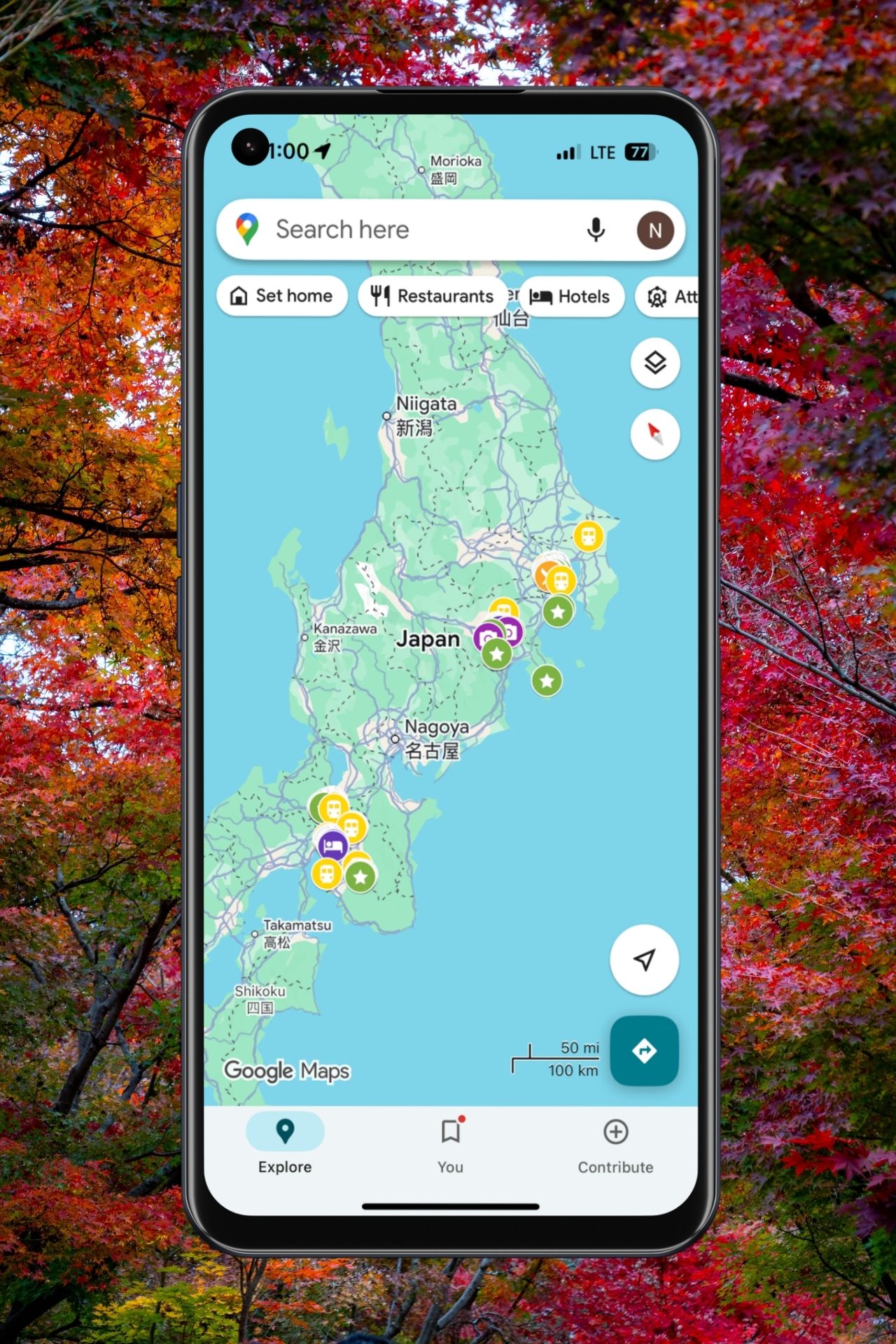
Our Japan Google Maps
Built from our real trips across Japan — only places we actually visited and loved.
No tourist traps. No random saves. Just a ready-to-use map that saves you hours of research.
219 handpicked spots, including:
📍 Highlights & hidden gems
🍜 Restaurants we’d go back to
🏨 Areas & hotels we’d book again
🗺️ Stops that fit into real, logical itineraries
What to see at Nanzen-Ji Temple
Sanmon Gate
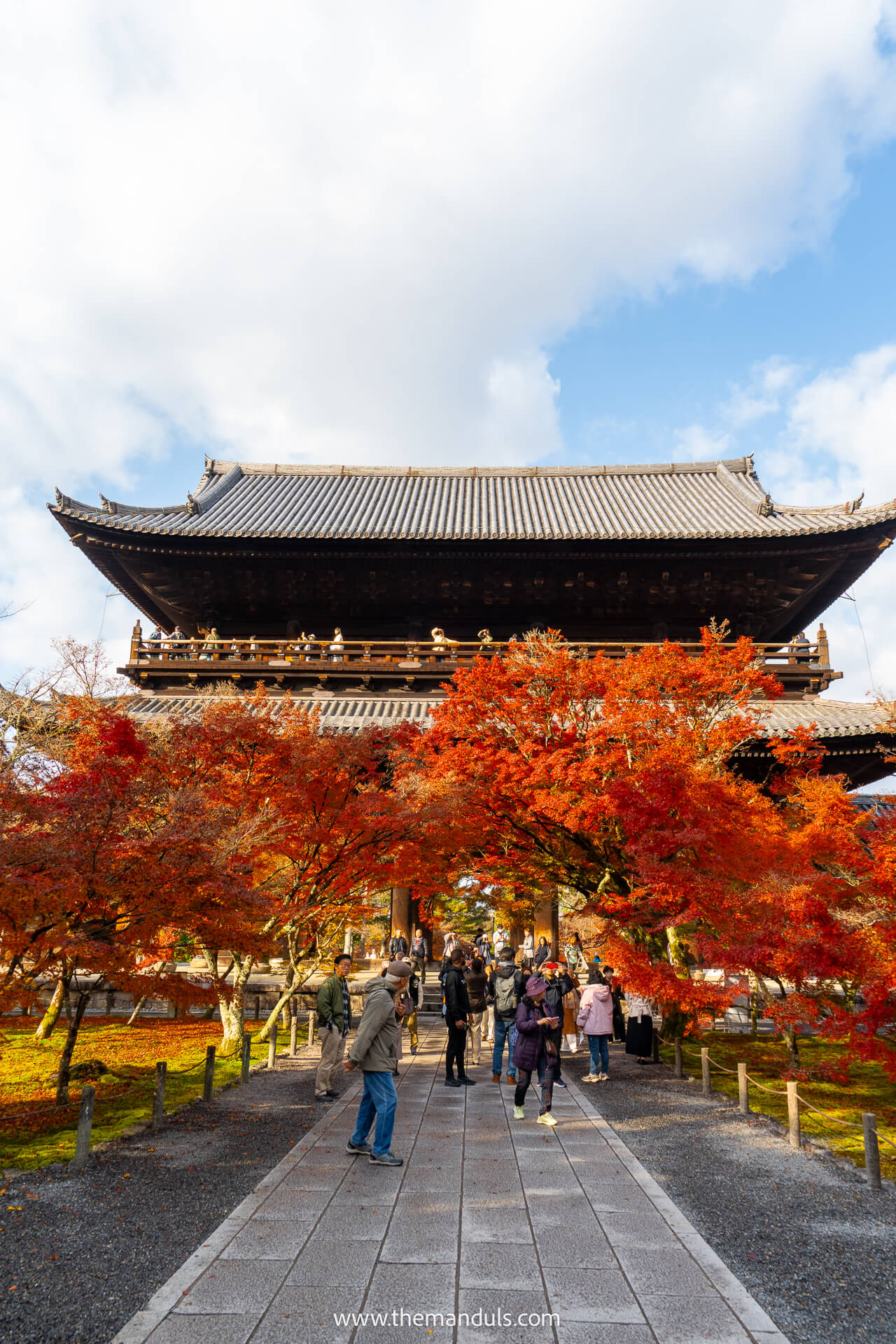
The massive wooden gate is the first thing most people notice. You can climb to the top for views over the temple grounds and the surrounding area. We had a stroller so we decided to stay downstairs. Even from below it’s impressive because of its size and detail.
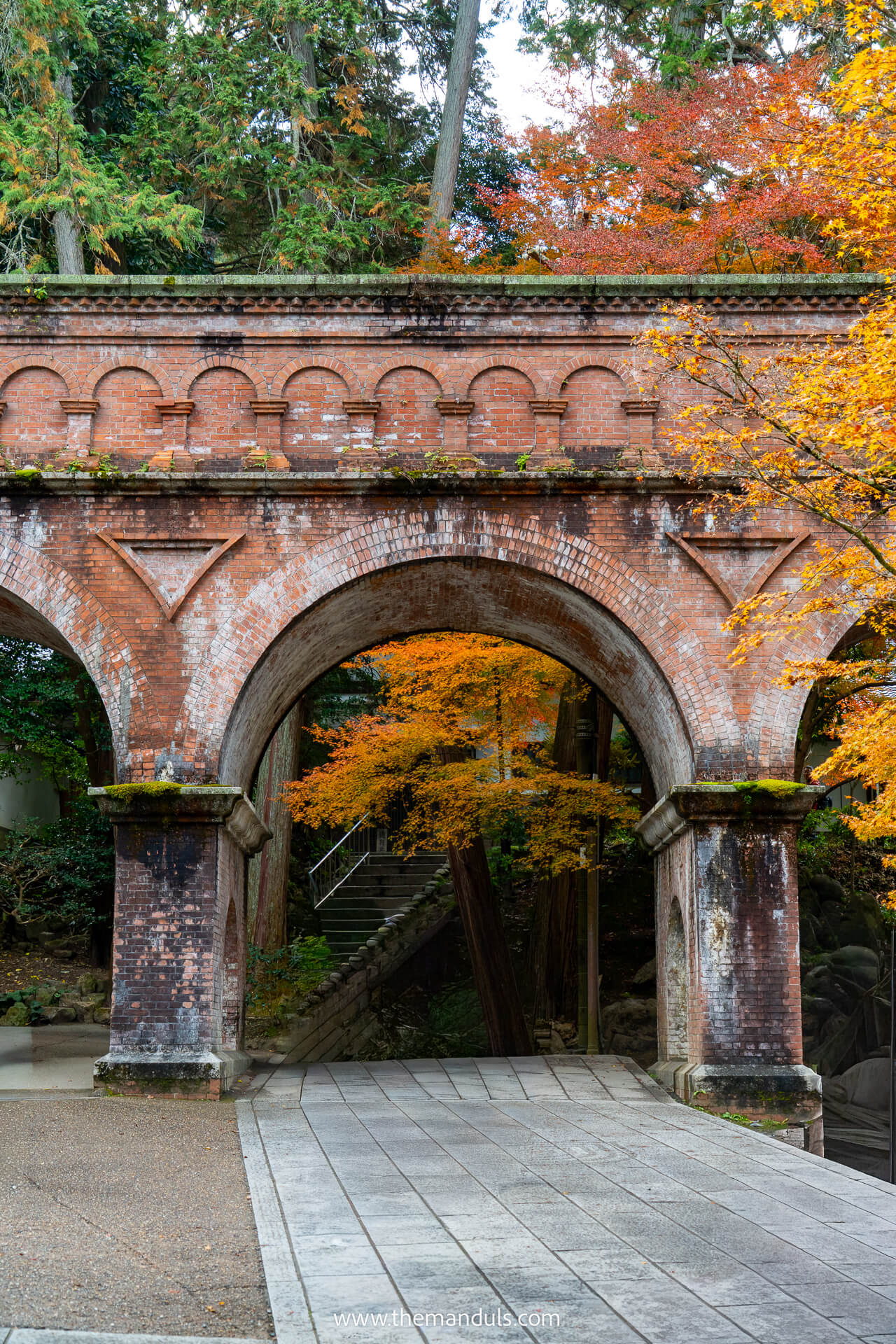
Suirokaku Aqueduct
This old brick aqueduct runs straight through the temple grounds and feels completely different from the traditional wooden buildings around it. It’s one of the most photographed spots at Nanzen-ji and worth a short stop.
Tenjuan Garden
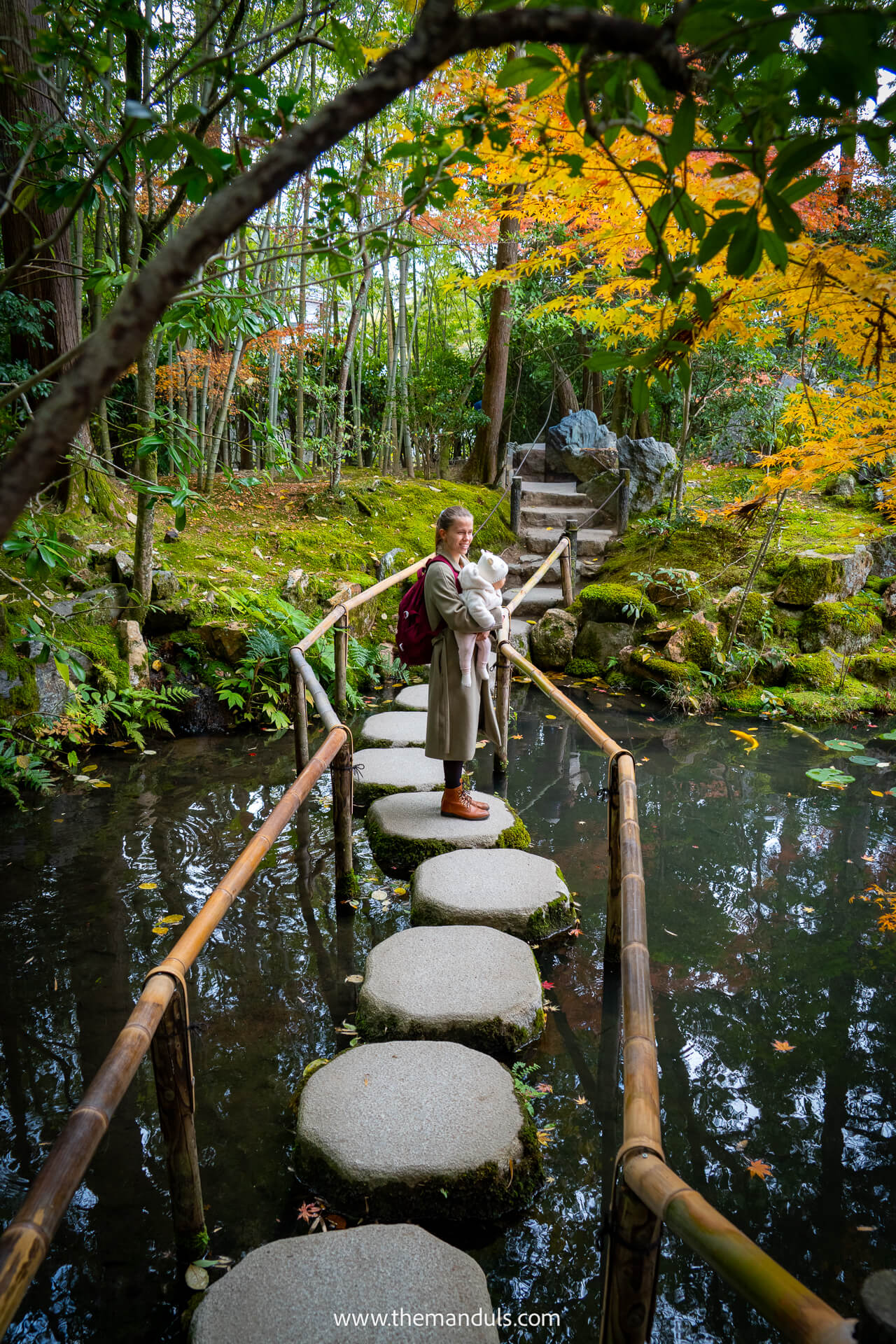
Tenjuan was our favorite part of the visit. It has two different gardens — one with a pond and one with a rock garden — and it felt much quieter than the main paths, especially when we were there in the morning.
It’s very narrow, so it can get cramped during busy hours.
Saishō-in
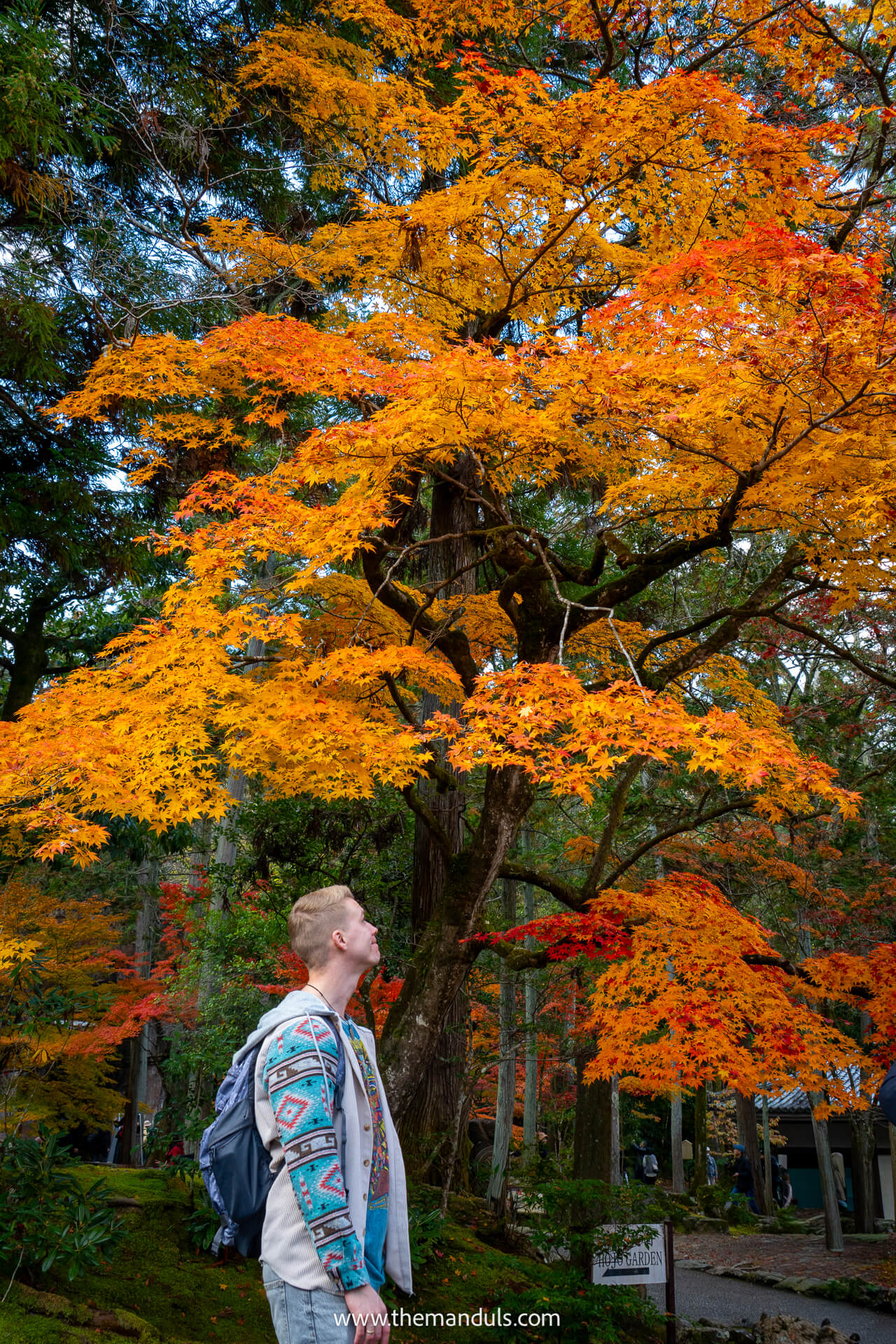
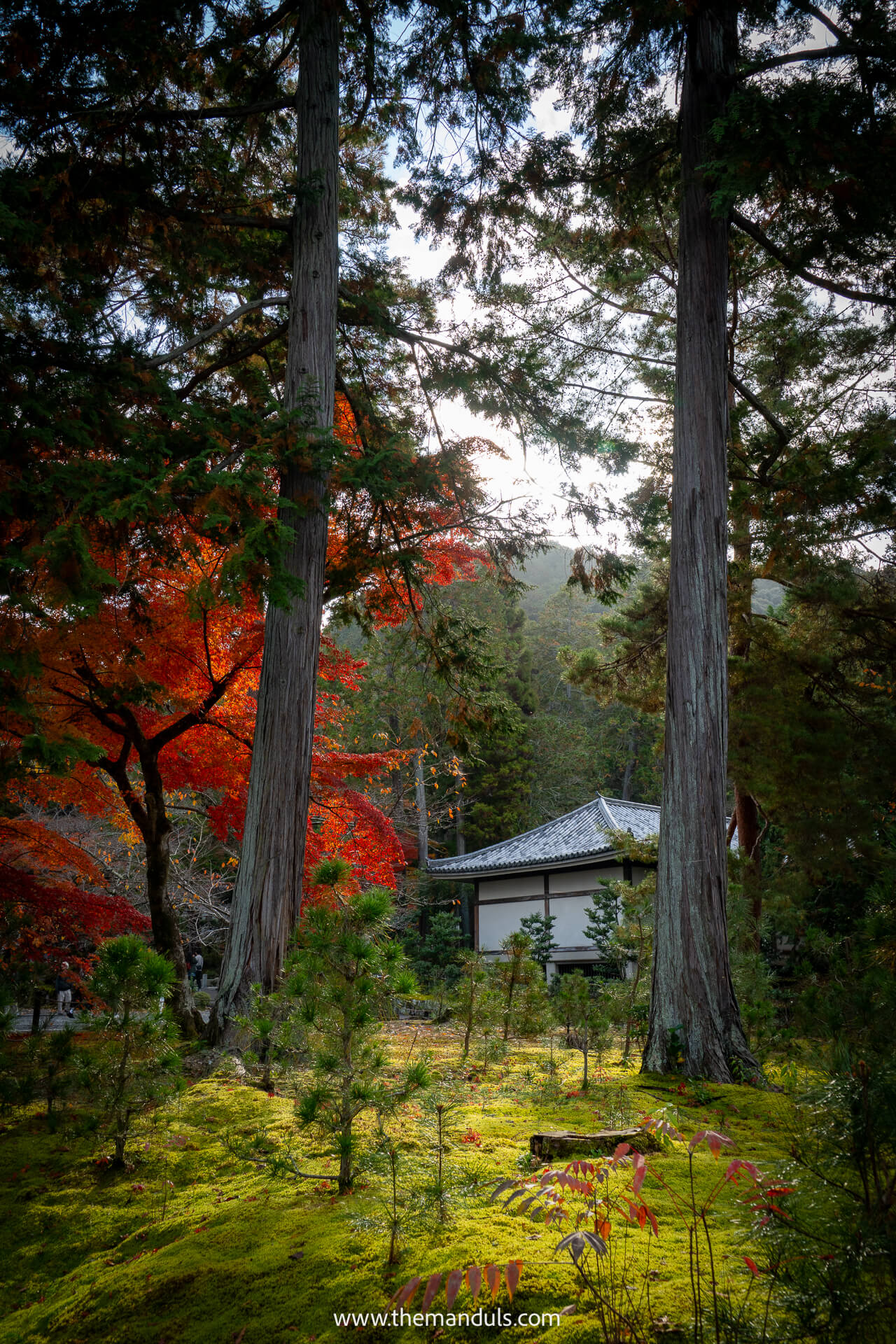
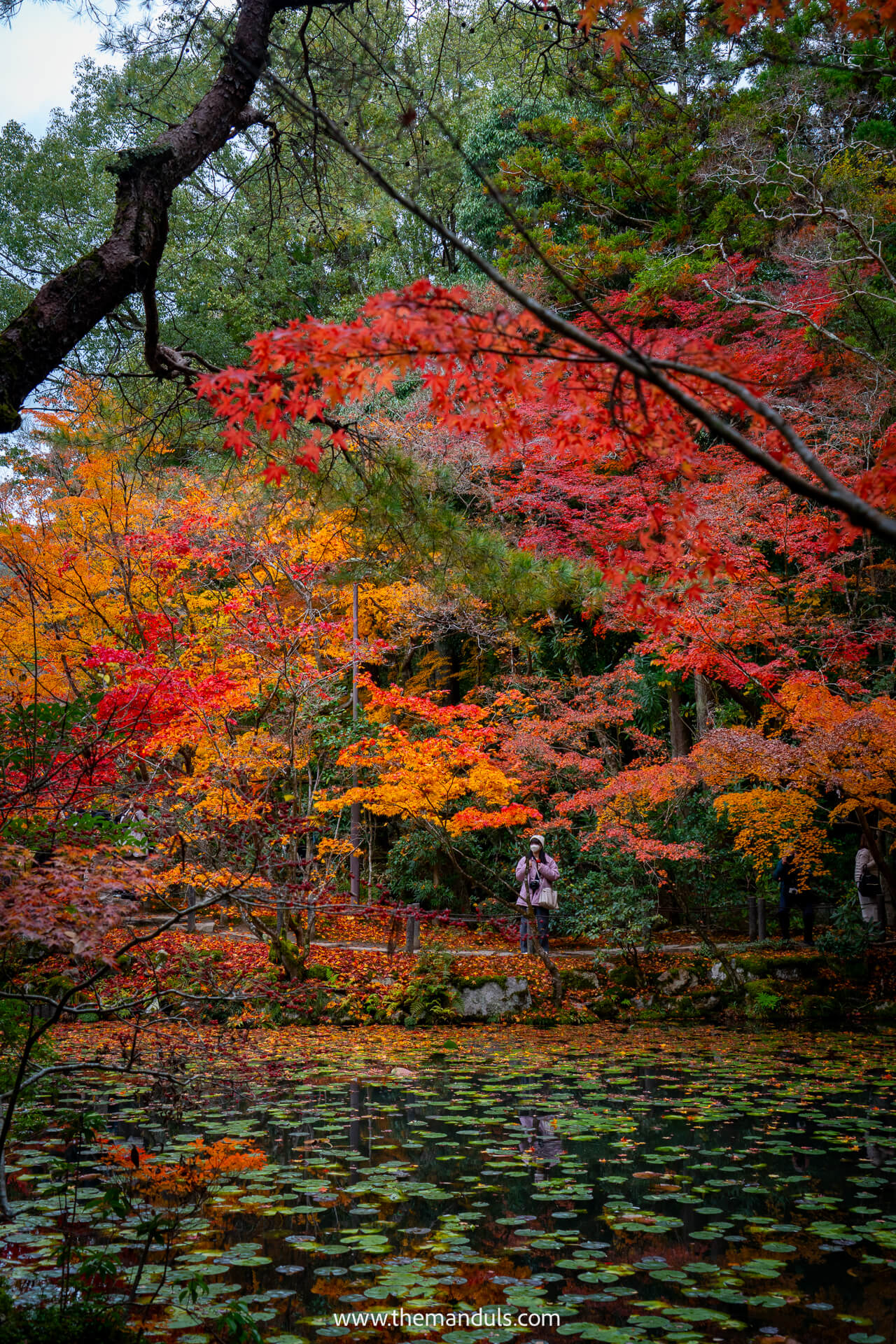
Saishō-in sits at the very back of the Nanzen-ji complex and feels much more tucked away than the other areas. It’s small and easy to miss, but that’s why we loved it so much. The garden has a really peaceful atmosphere, and when we visited, the surrounding autumn foliage made this spot one of the quiet highlights of the whole complex for us.
Hojo (Main Hall) & Rock Garden
The Hojo is the former residence of the head priest and comes with a classic Zen rock garden. It’s a good place to slow down a bit and take in the details if you’re interested in traditional garden design.
Nanzen-in
This smaller sub-temple sits slightly away from the main entrance and has a more secluded feel. It’s a nice stop if you want to get off the main route for a few minutes.

Best time to visit
We arrived early in the morning, and that made a big difference. By the time we were leaving, the temple was already starting to fill up with visitors and tour groups. Coming early gives you more space to walk around and a calmer feel overall.
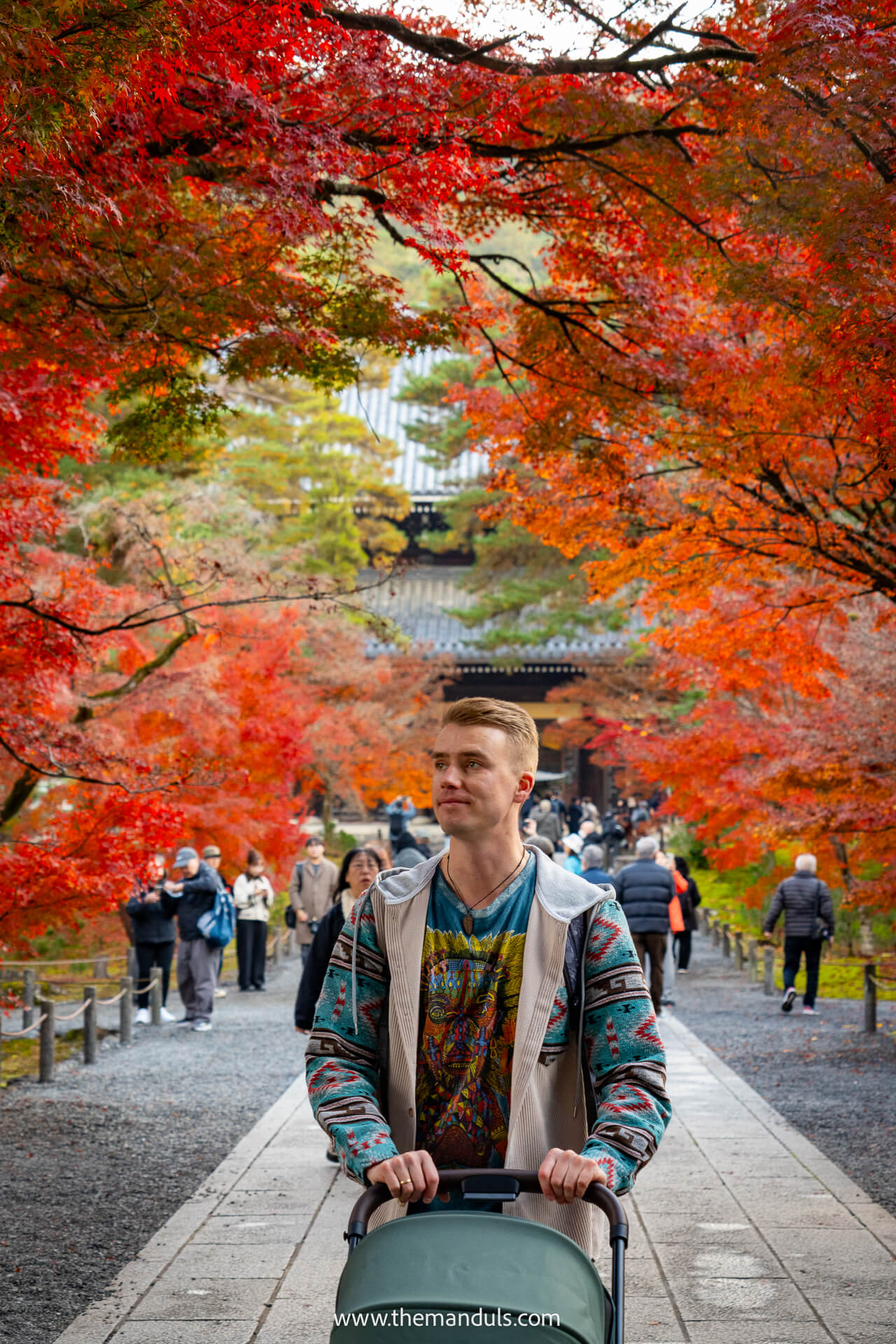
In terms of season, we visited Nanzen-ji in autumn, and it was easily one of the highlights of our time in Kyoto. Fall foliage here usually peaks from mid to late November, when the maples around the gardens and aqueduct turn bright red and orange.
Cherry blossom season is also a good time to visit, usually from late March to early April, when the grounds look completely different but just as beautiful.

Where to stay in Kyoto
After exploring this city, we decided to create our guide on where to stay in Kyoto to help you choose the area and hotel that actually fit how you like to travel.
We’ve handpicked the best hotels in Kyoto — places we’d book again without hesitation — so you can easily pick the one that matches your style and budget.
Here are the best picks:
⭐️⭐️⭐️ Cross Hotel Kyoto (our top pick)
Cross Hotel is in a quiet part of downtown near the Kamogawa River, so you’re close to everything without dealing with constant noise. The rooms feel bigger than most city hotels here, and they’re modern in a simple, comfortable way — good beds and decent space for luggage.
What we really like about this one is how well it works as a base. You can walk to Gion, Nishiki Market, and loads of restaurants, then come back to a hotel that feels calm and practical at the end of the day.
⭐️ Best for: Couples or travelers who want stylish comfort in a central, walkable area.
👉 Check current deals →
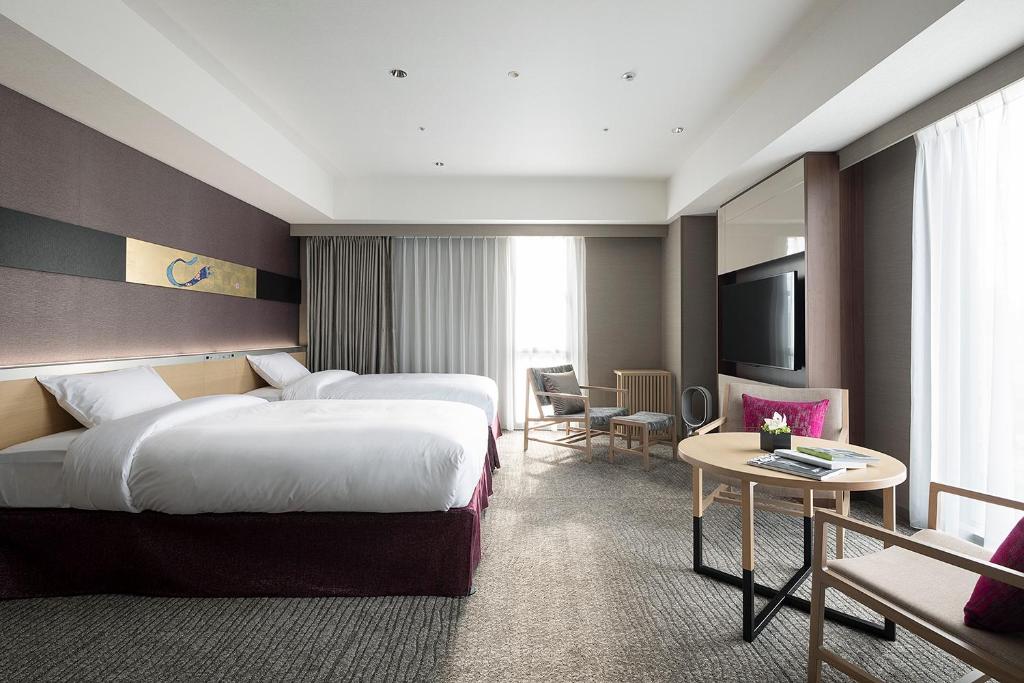
⭐️⭐️ The Thousand Kyoto
The Thousand feels surprisingly peaceful for a hotel right next to Kyoto Station. Inside, it’s quiet and minimal, and the rooms are larger than what you usually get in the city. Everything feels well planned, from the room layout to the lighting, and it’s easy to properly rest here after a long day out.
The big plus is how convenient it is. You step out of the hotel and you’re already at the main transport hub, which is perfect if you’re planning trips to Nara, Osaka, or beyond. This is the hotel we’d pick when we want comfort but don’t want to think about transport at all.
⭐️ Best for: Travelers who want modern luxury with unbeatable convenience for exploring Kyoto and beyond.
👉 Compare prices →
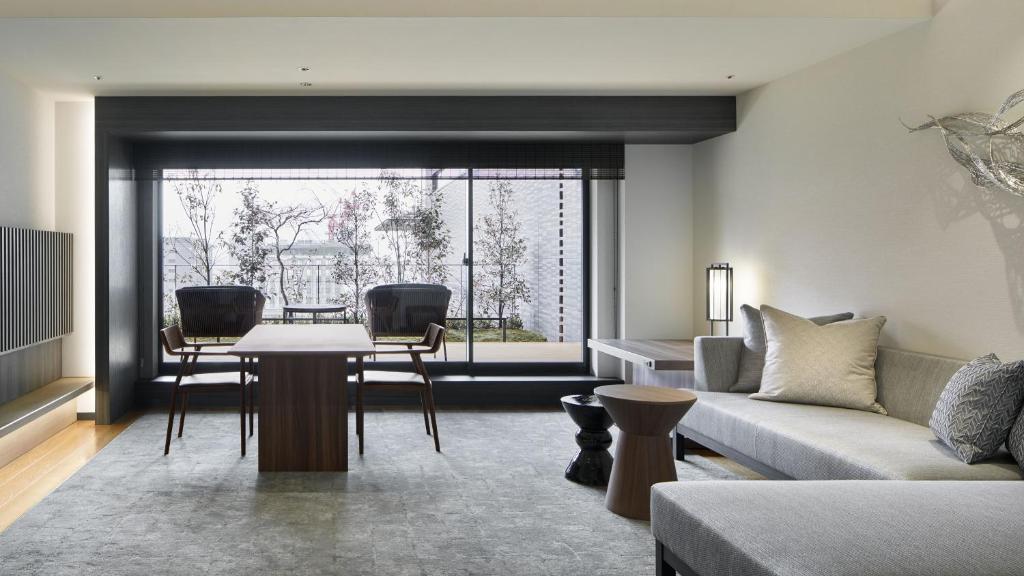
⭐️ Guesthouse Soi
Guesthouse Soi is simple, friendly, and in a really good spot near Kiyomizu-dera. It’s clean, quiet, and comfortable enough to recharge.
What makes it a good choice is the location. You can walk to temples, small cafés, and traditional streets, and it’s easy to get around Higashiyama without jumping on buses all the time. If you want something affordable that still puts you right in the middle of Kyoto’s classic area, this one makes a lot of sense.
⭐️ Best for: Budget travelers or families who want a quiet, comfortable base close to Kyoto’s top sights.
👉 See latest prices →
FAQ
We’d plan for about 45 minutes to 1.5 hours, depending on how many sub-temples and gardens you choose to enter. If you only walk around the free grounds and see the aqueduct and gate, you can do it in under an hour.
The main paths through the temple grounds are wide and mostly flat, so getting around with a stroller was generally easy. However, some paid areas and gardens have steps or gravel paths, which can make wheelchair access difficult. We had to leave our stroller outside when exploring Tenjuan Garden.
Final Thoughts
Nanzen-ji is a great choice if you want to see a more open, walkable temple complex. We liked that you can decide on the spot how much you want to see, with free areas mixed with a few paid gardens that are easy to add on.
The aqueduct gives the place a unique feel, and quieter corners like Tenjuan and Saisho-in were some of our favorite parts.
If you’re already exploring eastern Kyoto, Nanzen-ji fits naturally into the day.