
This article contains affiliate links. Learn more in our affiliate disclosure.
We’ve visited Venice twice, and both experiences taught us the same thing: how you move around the city makes a huge difference. On our first trip, we walked everywhere.
It sounded romantic… until we ended the day completely wiped out with more than 35,000 steps on the counter. Great workout, not so great for actually enjoying the evening.
On our second visit, we mixed walking with the vaporetto, and it changed everything. Venice isn’t like other cities — no cars on the streets, and no shortcuts.
Once we combined the boats with the main pedestrian routes, we saw more in less time and finished the day without feeling drained. Honestly, we wish we had figured this out sooner.
If you’re still planning your trip, this guide breaks down every transport option clearly so you can move around Venice without wasting time or energy.
And if you’re building your Venice itinerary, our best things to do in Venice guide will help you map out the highlights, while where to stay in Venice makes it easier to choose the right area and the best hotel from the start.
Quick Overview
⭐ Best overall: Walk + vaporetto — easy, efficient, and the best mix for exploring.
⚡ Fastest: Vaporetto — quickest way to move between main areas.
🚖 With luggage or nights: Water taxis — direct and reliable when you need them.
🚫 Avoid: Only walking as it takes a lot of energy and time.
Is Venice Easy to Get Around?
Surprisingly, yes — once you understand how Venice works. Everything comes down to walking and boats. That sounds limiting at first, but it’s actually fun and easy. The main routes are well-signed, and the bridges connect all central districts.
From our own visits, the biggest adjustment wasn’t the distance — it was planning and combining walks with vaporetto rides.
Google Maps helped, but it was unreliable inside narrow lanes, so following the yellow street signs to Rialto, San Marco, or Accademia helped us a few times. The vaporetto helped a lot, especially when we didn’t want to walk 20–30 minutes between neighborhoods.
Overall, Venice is much easier to get around than most people expect. Once you mix walking with a few well-chosen boat rides, you can move efficiently without feeling overwhelmed or exhausted.
Getting Around Venice: All Transport Options
Walking
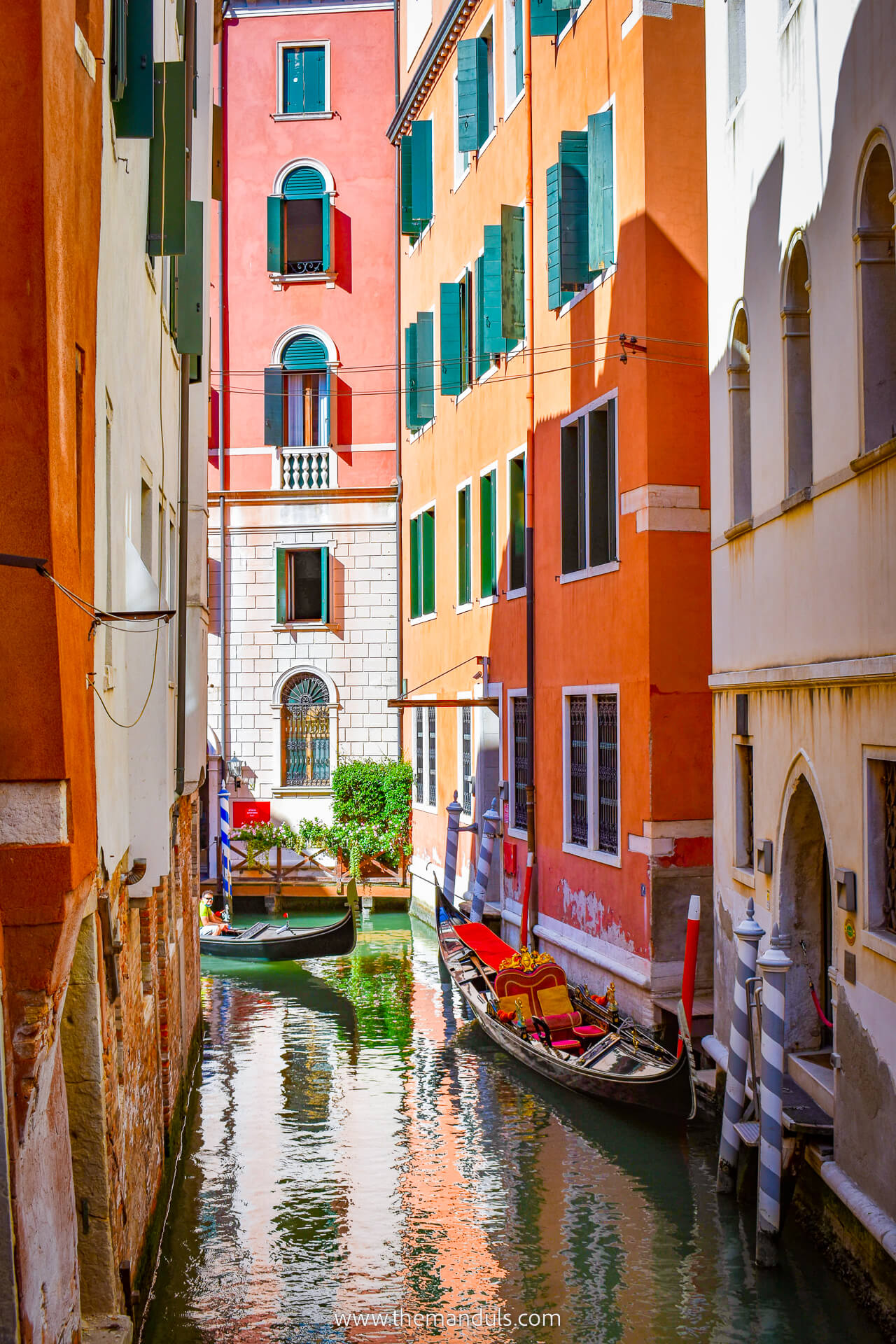
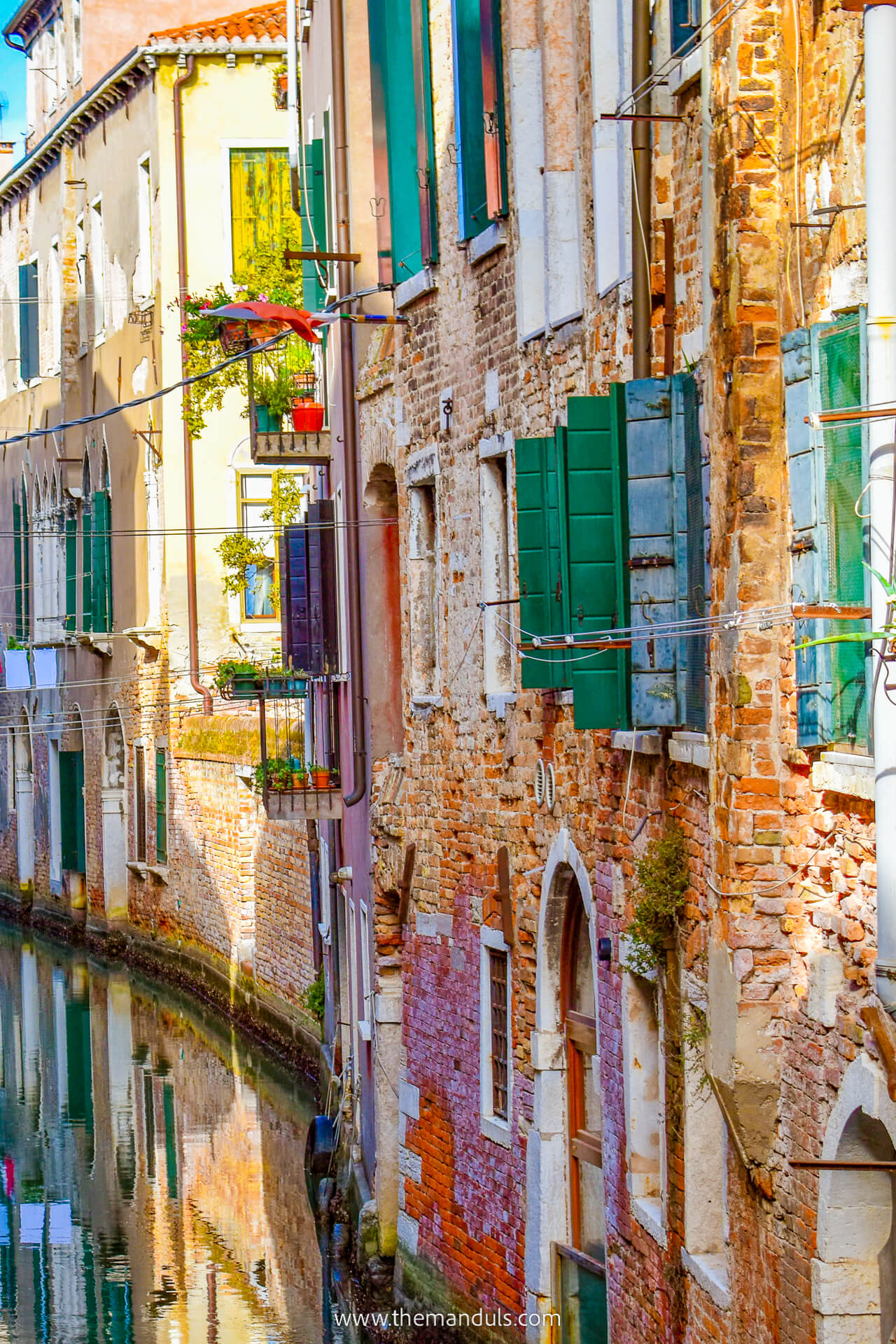
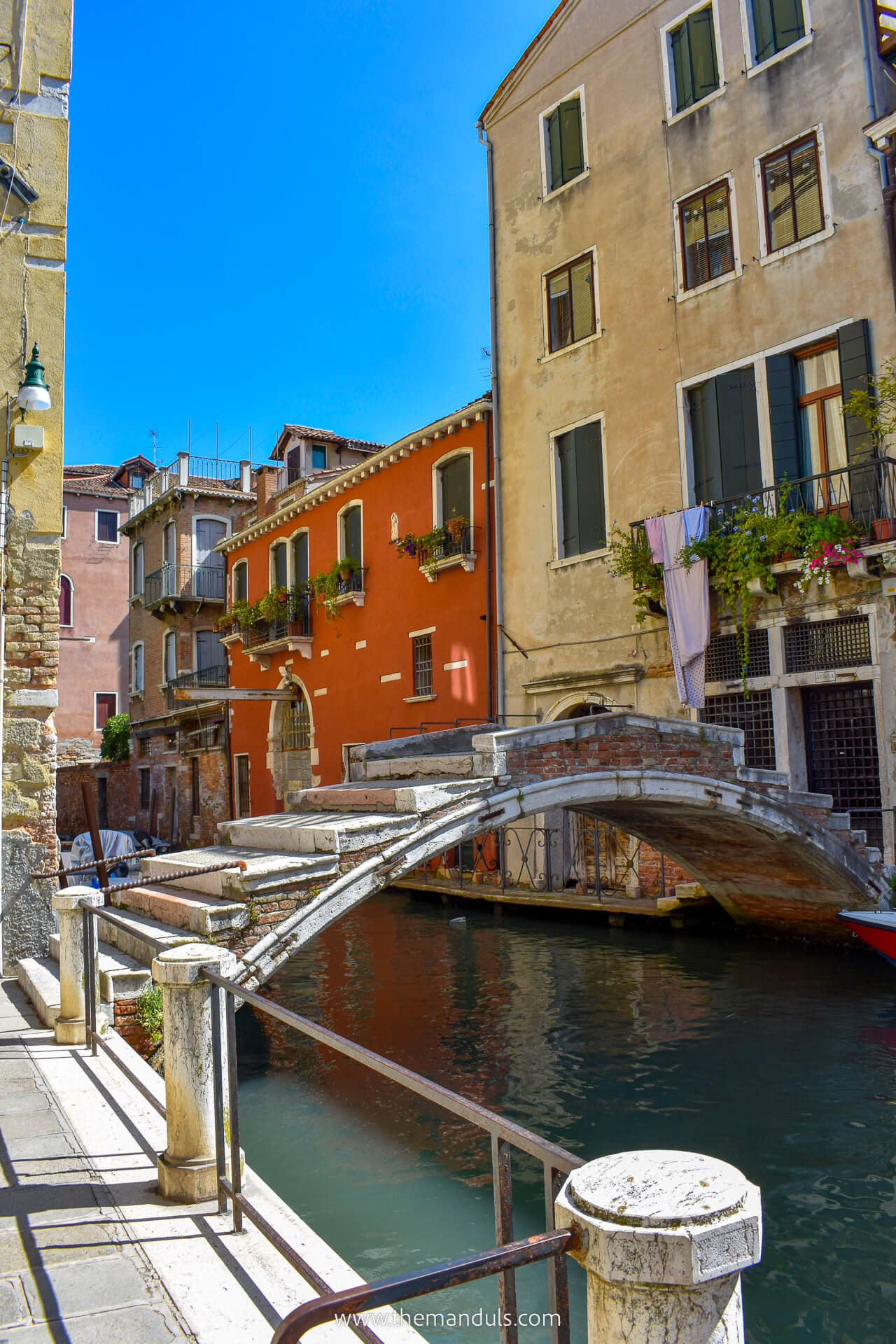
Walking is the easiest way to move around Venice, and based on our experience, it’s how you’ll discover the best corners of the city. Most major sights are close together and well-connected. Many of our favorite moments — quiet canals, small bridges, unexpected viewpoints — happened while wandering on foot.
The downside is the distance and the number of bridges. They add up fast, especially in the heat or when you’re carrying luggage. Google Maps works most of the time, but it can lead you into dead ends or very narrow alleys; in the center, we recommend following the yellow signs for Rialto, San Marco, or Accademia because it’s usually quicker.
If your hotel is central and you don’t mind some steps, you can see a lot just by walking. But we recommend combining it with the vaporetto for longer jumps — it keeps the day efficient and saves your legs for sightseeing instead of backtracking across bridges.

Vaporetto
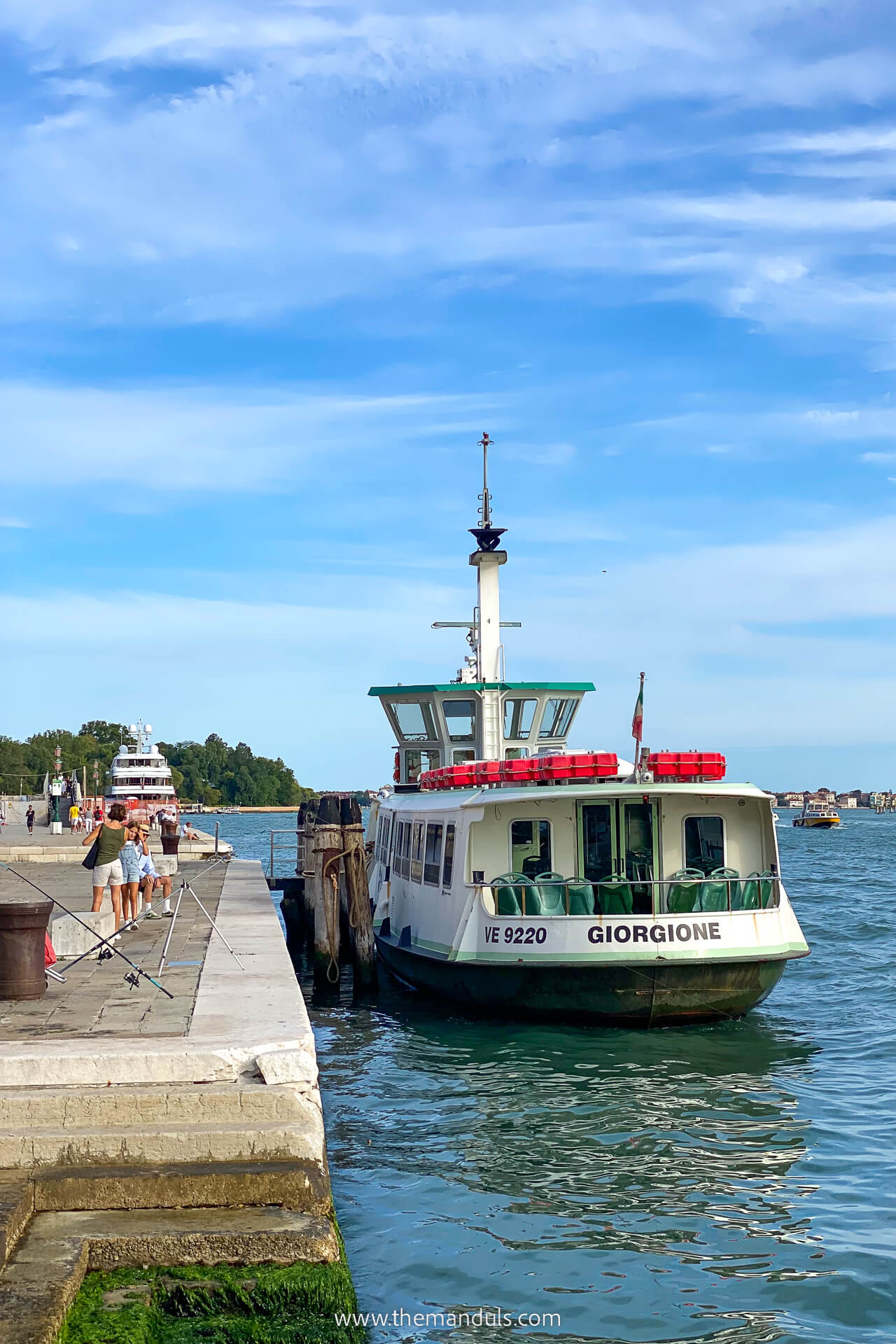
The vaporetto is Venice’s public transport system and, in our opinion, the most useful way to get around after walking. It runs along the Grand Canal and connects all main districts like San Marco, Rialto, Accademia, Cannaregio, and Dorsoduro.
We used it mainly for longer distances — for example, when moving between neighborhoods. Line 1 is slower but scenic (perfect for Grand Canal views), while Line 2 is faster if you just want to get somewhere.
Tickets aren’t cheap, so if you plan to use it more than once or twice a day, a 24 or 48-hour pass makes much more sense than buying single rides.
One thing we highly recommend: buy your vaporetto pass in advance online. It costs the same as at the official ticket counter, but it saves time once you arrive in Venice — especially at busy stations or straight after landing. Instead of queuing at a ticket machine, you can buy it anytime before your visit.

Buy your vaporetto pass in advance online now and save time for exploring.
If you buy a 24- or 48-hour vaporetto pass, it also includes rides to Murano and Burano islands, which we definitely recommend visiting if you have time. A lot of people skip them simply because they don’t realize they’re covered by the same ticket, but they make a really nice detour from the main city.
For us, vaporetto + walking was the best combo. It let us explore on foot without worrying about having to walk all the way back.
Water Taxis
Water taxis are the most comfortable — and the most expensive — way to get around Venice. They work like regular taxis, but on water, taking you directly from point A to point B.
We see them as useful mainly in these situations:
- When you have luggage
- Late at night or very early morning
- If you’re staying somewhere harder to reach on foot
They’re not something we’d use for sightseeing or daily transport, but for airport transfers or hotel drop-off, they can be surprisingly practical. If you’re traveling as a group, the cost can make more sense when split.

Gondola
Gondolas are iconic, but they’re not really transport — they’re an experience.
A gondola ride is slow, short, and expensive, and it won’t help you move efficiently around the city. It’s something to do once for the atmosphere, not as a way to get from one area to another.
If you do want to experience it, we recommend booking a gondola ride in advance. This gondola ride on the Grand Canal is a good option because it follows a scenic route and includes app-based commentary, so you actually understand what you’re seeing instead of just drifting along without context.

If you’re planning to arrive by car, check out our guide to parking in Venice to avoid expensive mistakes and wasted time.

Airport Transfers
Getting to Venice from the airport is one of the first decisions you’ll make. A few solid choices depend on your priorities — cost, convenience, and how much luggage you’re carrying.
1. Bus + Vaporetto
This is the most budget-friendly combo. You can take an airport bus to Piazzale Roma and then hop on a vaporetto to your area. If you want a pre-booked option, this bus transfer between Marco Polo Airport and Venice is simple and stress-free.
2. Bus from Treviso Airport
If you’re flying into Treviso instead of Marco Polo, there’s a direct ATVO Express Bus from Treviso Airport to Mestre/Venice. It’s reliable and a great mid-range choice.
3. Shared Water Taxi
For the most seamless arrival experience (no dragging luggage over bridges), a shared water taxi from Marco Polo Airport puts you right on the water near your hotel. It’s pricier than a bus, but worth it if convenience is a priority.
Getting Around Venice With Kids
Venice is surprisingly kid-friendly, but it’s physically demanding. There are no cars, which is great, but there are a lot of bridges and stairs.
Strollers can work, but they’ll be lifted constantly. In our opinion, a baby carrier is much easier. Vaporetto rides can be a fun break for kids and help avoid long walks.
The biggest challenge is energy — both theirs and yours. Mixing walking with boat rides makes days much more manageable and keeps everyone in a better mood.
Common Mistakes to Avoid
- Trying to walk everywhere without using boats
- Carrying luggage long distances over bridges
- Relying only on Google Maps instead of street signs
- Not buying a vaporetto pass when using it multiple times
- Treating gondolas as transport instead of an experience
- Planning too many long walks in one day
Final Thoughts
Venice isn’t difficult to get around — it’s just different. Once you accept that walking and boats are the only real options, it becomes simple.
From our experience, the best way to move around Venice is to walk for short distances and use the vaporetto for longer ones. It saves time, saves energy, and makes the whole trip feel more relaxed.
If we went again, we’d do exactly the same thing: wander on foot, hop on a boat when needed, and avoid trying to be “efficient” the way you would in other cities. Venice works best when you move with it, not against it.