
This article contains affiliate links. Learn more in our affiliate disclosure.
We visited Malta in December and spent our time exploring the island mostly by rental car — and honestly, it made getting around incredibly easy. That said, we did seriously consider using public buses too, especially since Malta has an extensive bus network and winter crowds are lower.
If you’re still planning your trip, it helps to think about transport alongside where to stay in Malta and what you actually want to see.
In this guide, we’ll break down the best and easiest ways to get around Malta, based on what we personally used and considered — from renting a car to buses, taxis, and tours — so you can move between Malta’s highlights without stress and make the most of your time exploring the island’s top sights and things to do in Malta.
Quick Overview
⭐ Best overall: Buses — they cover most of the island and are affordable, but expect delays.
⚡ Fastest: Rental car — by far the quickest way to get around, especially outside Valletta.
🚌 Best backup: Bolt / taxis — convenient for short trips or nights out when buses are unreliable.
🚶 In Valletta & Three Cities: Walking — compact, scenic, and often faster than any transport.
🚫 Avoid: Relying only on buses if you’re short on time — routes are indirect and traffic can be heavy.
Is Malta Easy to Get Around?
Malta is generally easy to get around, but it really depends on how you plan to travel. In compact areas like Valletta, Sliema, and the Three Cities, walking and public transport work well and distances are short.
Buses cover most of the island and are affordable, but routes can be indirect and traffic often slows things down, especially during peak hours.
For exploring beaches, viewpoints, and smaller villages on your own schedule, renting a car or using Bolt and taxis saves a lot of time.
Overall, getting around Malta is straightforward — just don’t expect everything to be quick if you rely only on buses.
Getting Around Malta: All Transport Options
Buses
Buses are the main form of public transport in Malta and the cheapest way to get around the island. The network covers almost all towns, villages, and major sights, including popular beaches and ferry terminals, so it’s possible to travel without a car.
That said, buses in Malta are not known for speed or efficiency. Routes are often indirect, services can be crowded, and traffic — especially around Valletta, Sliema, and during rush hours — regularly causes delays.
They work best if you’re staying longer, traveling on a budget, or have a flexible schedule. If you’re trying to see a lot in a short time, relying only on buses can be frustrating, as short distances on the map can still take a long time in reality.
For planning routes, lines, and schedules, the official Malta Public Transport website and mobile app are the most reliable sources, with real-time updates and stop information.

Buying tickets
Malta uses a reloadable transport card system rather than buying tickets on the bus. The most convenient option is the tallinja card, issued by Malta Public Transport. You tap it when boarding and pay lower fares than with paper tickets.
Cards can be ordered online in advance or bought locally, then topped up via the app, online, or at sales points.
For visitors, there are also unlimited travel cards (4-day, 7-day options), which can make sense if you plan to use buses frequently over a short period. They’re simple to use and remove the hassle of tracking individual fares, but they only pay off if you’re riding buses multiple times per day.
These are our top hotels in Malta we’d book again
⭐️⭐️⭐️ Hyatt Centric Malta (our top pick) – Modern lifestyle hotel in St Julian’s with design details, rooftop pool, and the perfect location near the promenade.
⭐️⭐️ HOLM Boutique Hotel & SPA – Playful boutique stay in Sliema with colorful design, spa, and rooftop pool close to the sea.
⭐️ Strand Suites by NEU Collective – Affordable studios in Sliema with rooftop pool access and a convenient location for exploring Malta’s best attractions.
Rental Car
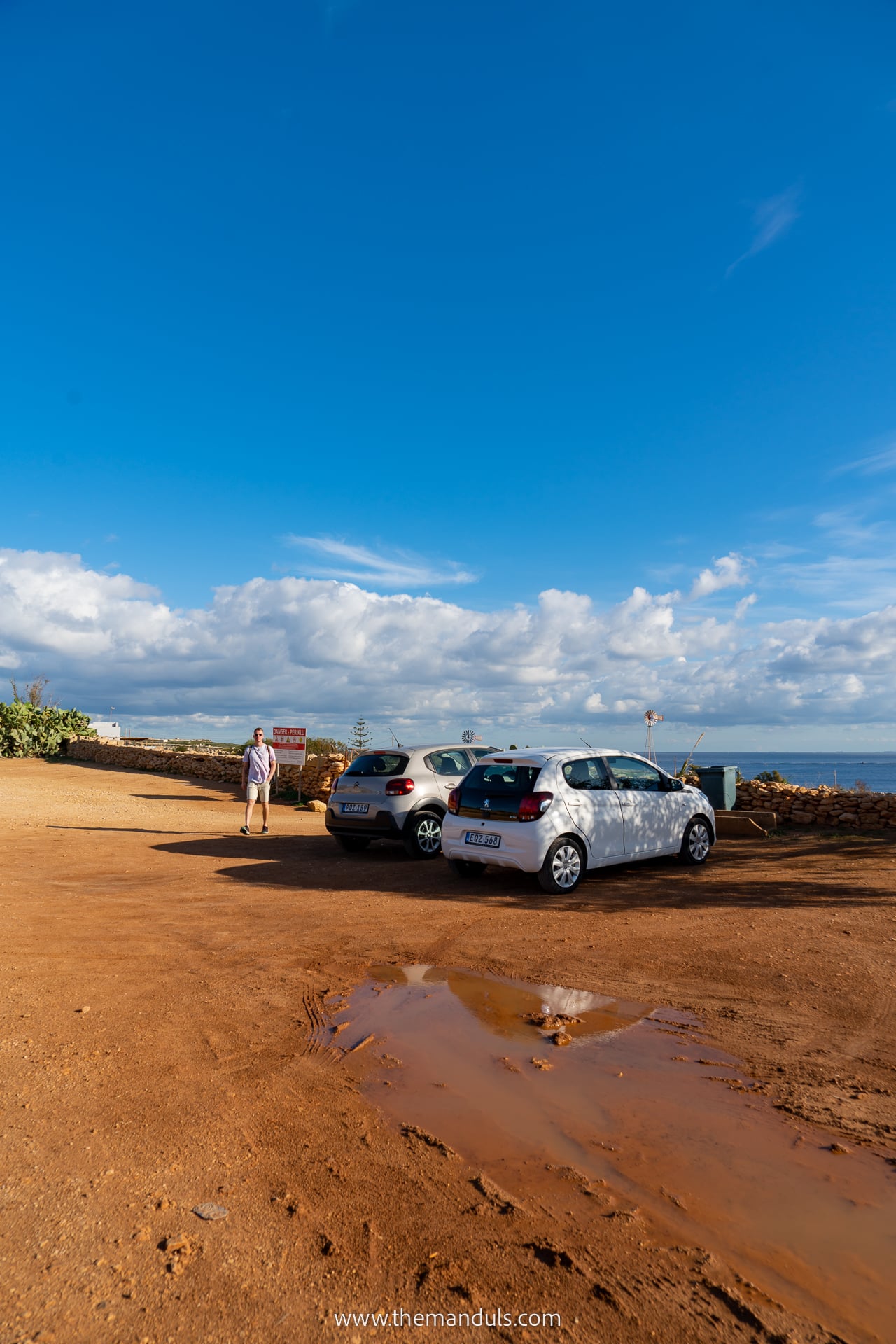
Renting a car is what we personally chose, and for our December visit, it made perfect sense. Prices were low thanks to the off-season, and having a car gave us full flexibility to plan our days without relying on bus schedules.
Driving in Malta felt calm and pleasant overall. We did notice some traffic during rush hours, but nothing stressful in winter. That said, we’ve heard from others that traffic in high season can be pretty unbearable, so timing matters. A car with air conditioning is a must, especially outside winter.
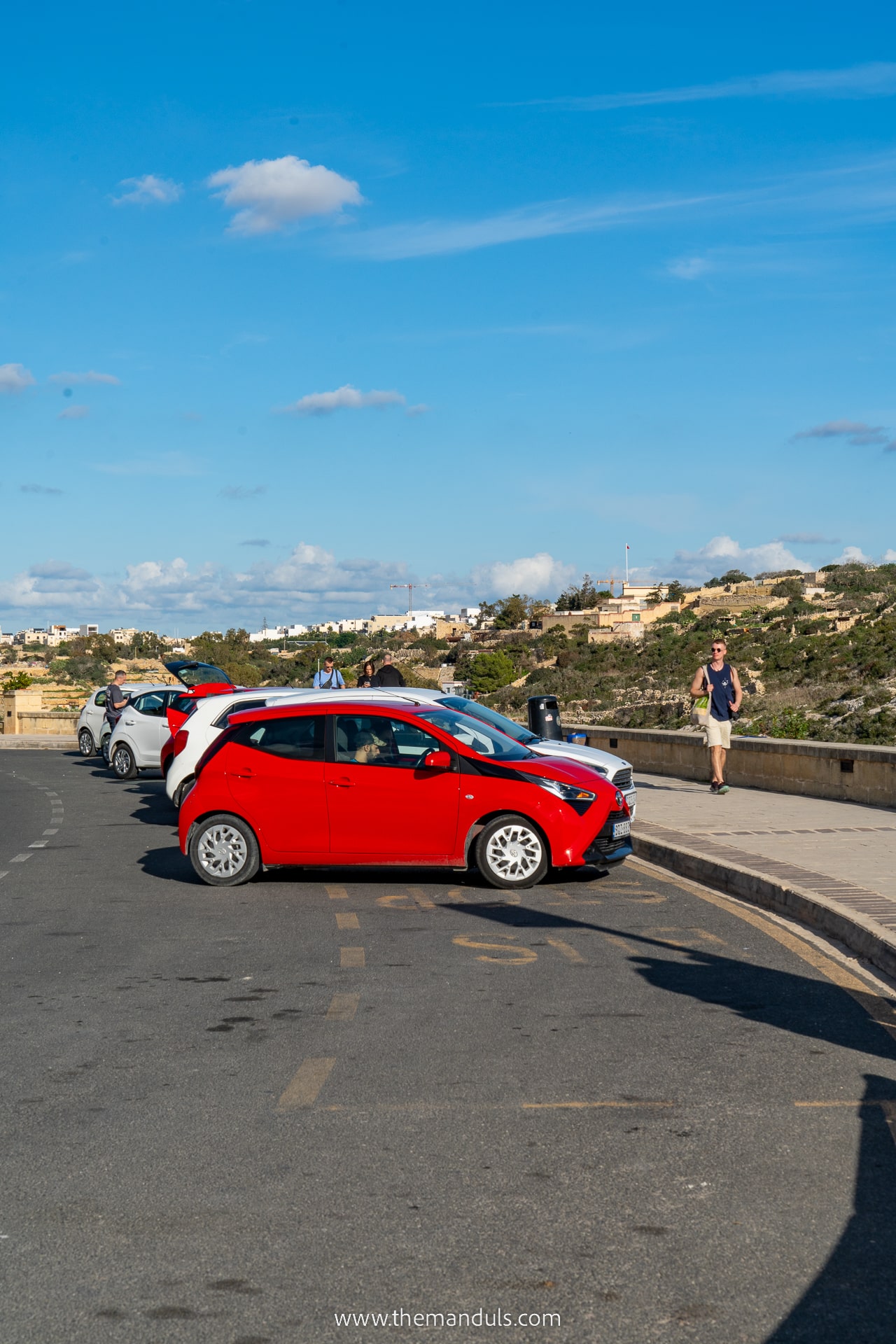
Road conditions are mostly good, especially on main routes, but some more remote roads are narrow, winding, or one-way only. Also worth noting: driving is on the left-hand side, which can be confusing at first if you’re not used to it — but we adapted quickly.
Parking was never an issue for us. We always managed to find a decent spot near attractions or towns, usually with a bit of help from Google Maps.
For booking, we recommend DiscoverCars. It’s one of the most reliable platforms we use, allowing you to compare prices across multiple rental companies, see transparent pricing with no hidden surprises, and pick the best value option.
We also suggest adding their full coverage insurance. It’s usually cheaper than what rental desks push at pickup and removes the stress of worrying about small scratches.

Read our Renting a car in Malta guide for more details.
Taxis & Ride-Hailing (Bolt)
Taxis and ride-hailing are a convenient option in Malta, especially if you don’t want to drive or only need transport for short distances. We mainly saw people using Bolt, which works very reliably across the island, particularly in towns and tourist areas.
Prices are reasonable for short rides, and it’s handy for evenings, airport transfers, or days when traffic or parking might be annoying. In peak season, fares can go up and availability can drop at busy times, but overall it’s still one of the easiest ways to get around without a car.
Classic street taxis exist too, but we’d generally stick to Bolt — it’s clearer on pricing, easier to use, and avoids any awkward negotiations.
For longer sightseeing days or visiting multiple spots, though, costs add up quickly, which is why we still preferred a rental car overall.
Ferries & Boats
Ferries and boats are a very practical way to get around Malta, especially when traveling between the islands. The most important route connects Malta with Gozo, and it’s easy to use year-round.
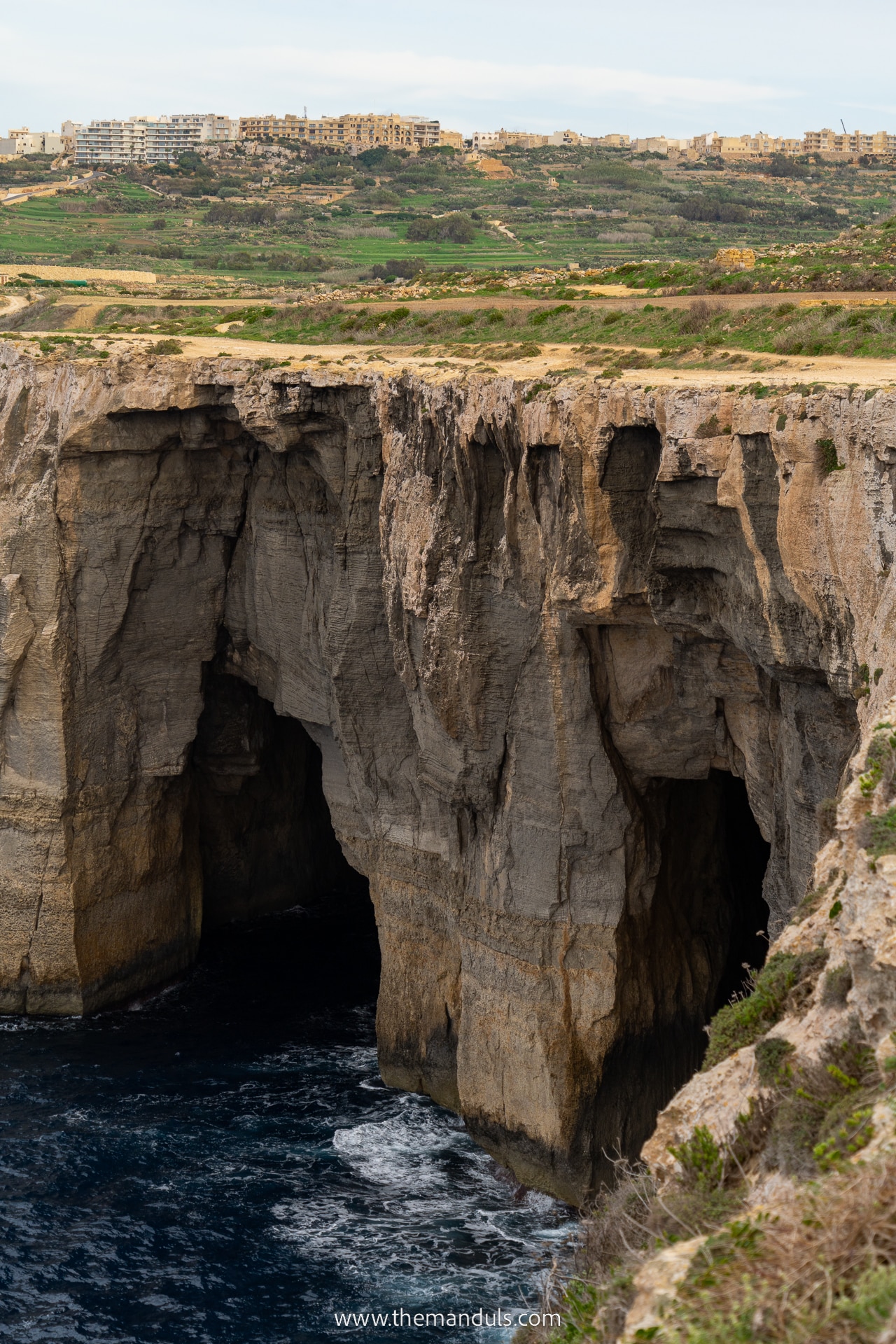
We personally took the ferry to Gozo as a day trip, and brought our rental car with us, which gave us total freedom to explore the island at our own pace. Once on Gozo, having a car made a huge difference — we could reach viewpoints, small villages, and coastal spots without relying on buses or tours.
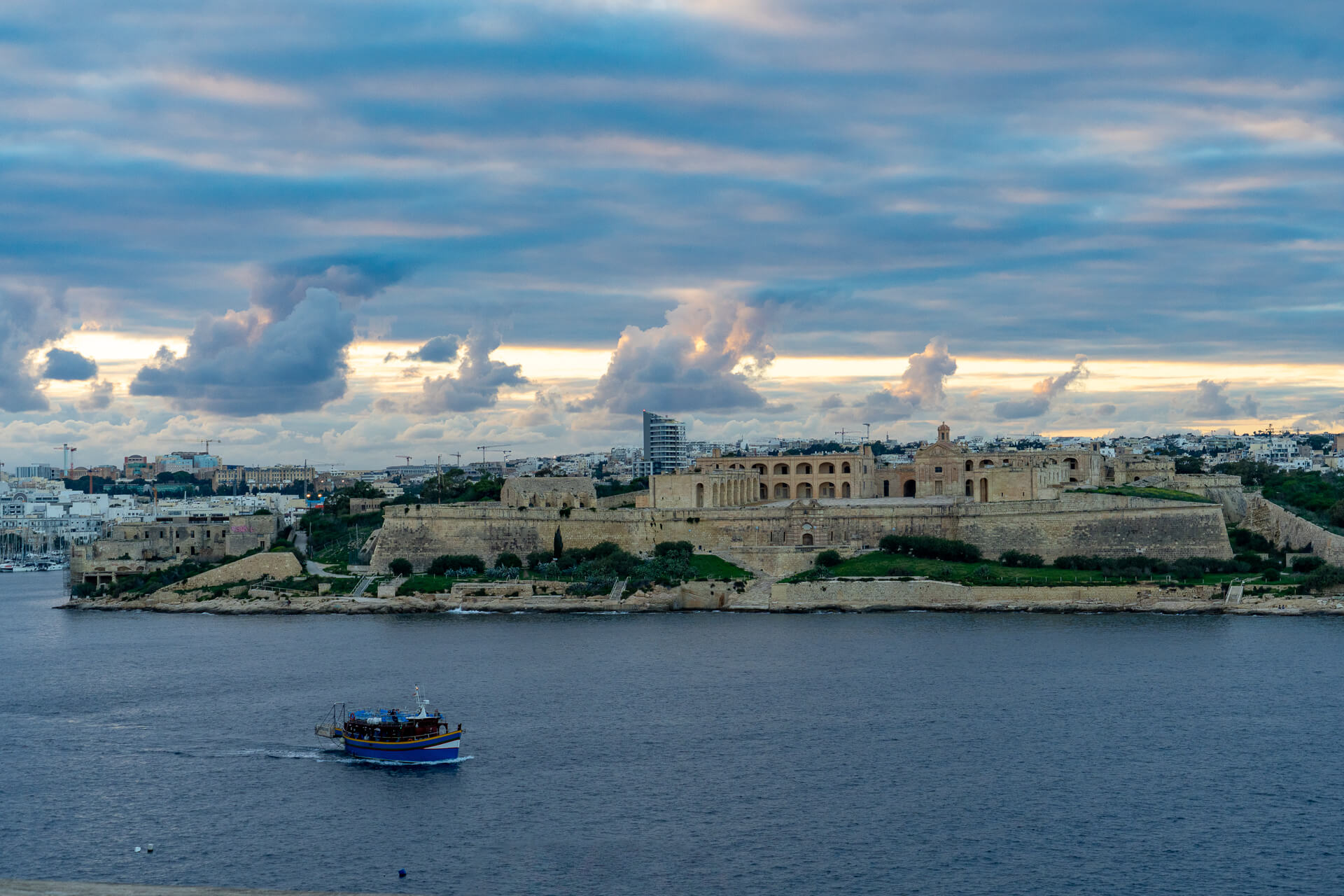
Short ferries also run between Valletta and the Three Cities, saving time compared to driving around the harbor. These are especially handy if you’re staying in or near Valletta.
Boat tours and water taxis are more of a nice add-on than a main transport option. In winter, they’re weather-dependent, while in summer they’re popular but can get busy.
Airport Transfers
The Airport Direct bus is one of the easiest and cheapest ways to get from Malta International Airport into the main tourist areas. It runs on four different routes, efficiently covering most popular hubs across the island, with tickets costing around €3–3.50 — which is significantly cheaper than taking a taxi.
We personally rented a car with pickup directly at the airport, which worked best for our trip and saved us from arranging separate transport.
Getting Around With Kids
Getting around Malta with kids is generally easy, especially if you plan transport ahead.
Renting a car is usually the most comfortable option for families, as it allows flexible schedules, quick stops, and easy access to beaches, towns, and attractions without relying on public transport.
Most rental companies offer child seats and booster seats, which can be added during booking.
Public buses can work with kids, but they’re often slow, crowded, and not stroller-friendly, especially during peak season. Taxis and ride-hailing services like Bolt are useful for short rides, but car seats aren’t always guaranteed, so they’re better suited for occasional trips rather than daily sightseeing.
Common Mistakes to Avoid
- Underestimating traffic in high season – What feels easy in winter can turn frustrating in summer. Rush hours and tourist traffic can seriously slow things down.
- Skipping air conditioning when renting a car – A car without AC might seem fine on paper, but in warmer months it quickly becomes uncomfortable.
- Assuming Malta is easy to walk everywhere – Distances are longer than they look, sidewalks are limited, and walking between towns often isn’t practical.
- Not adding full coverage insurance – Small scratches and minor damage are common. Full coverage is usually cheaper online and saves a lot of stress.
- Relying only on buses for tight itineraries – Buses work, but they’re slow. If you have limited time, combining transport options works much better.
- Not planning Gozo transport in advance – When visiting Gozo in the peak months, it’s better to book transport ahead.
Final Thoughts
Malta is easy to get around, but choosing the right transport can completely change your experience. Buses and ride-hailing work well in specific situations, and ferries are great for routes like Gozo, but for most travelers, renting a car offers the best balance of flexibility, comfort, and value.
If you’re visiting in the low season, driving is relaxed and affordable. In high season, planning ahead matters more — especially when it comes to traffic, parking, and timing.
Not sure where to stay? We’ve compared Malta’s best areas and hotels to help you decide.