
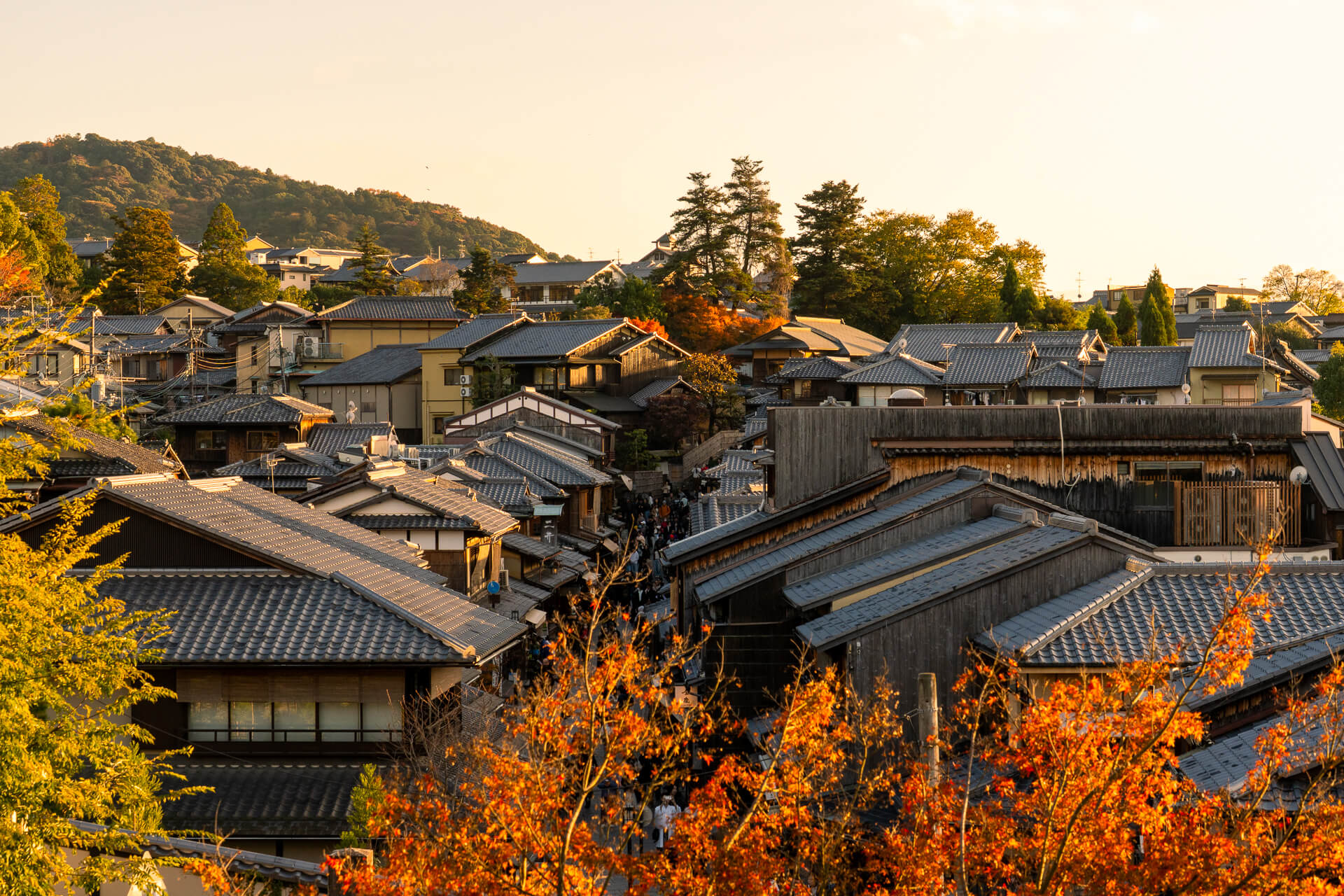
This article contains affiliate links. Learn more in our affiliate disclosure.
We didn’t expect Gion in Japan to be one of our favorite things to do in Kyoto. We came for a quick walk, thinking it would just be a few nice streets… and ended up wandering around much longer than planned. It turned out to be a really lovely surprise.
We absolutely fell in love with the old traditional buildings, the unusual mix of architecture, and the everyday feel of Japanese culture here. Gion isn’t just one street — it’s a whole neighborhood of narrow lanes, teahouses, small shrines, and quiet corners.
In this guide, we’ll share what Gion is really like, when to visit, how to explore it, and the small details that make the experience better — especially if it’s your first time in Kyoto.
In a hurry?
These are our top hotels in Kyoto we’d book again
⭐️⭐️⭐️ Cross Hotel Kyoto (our top pick) – A modern mid-range stay in a central part of downtown. Comfortable rooms, great design, and an easy base for exploring.
👉 See prices & availability →
⭐️⭐️ The Thousand Kyoto – A luxury hotel with spacious, minimalist rooms and an excellent breakfast. Its location makes getting around the city incredibly easy.
👉 See prices &availability →
⭐️ Guesthouse Soi – A simple and budget-friendly guesthouse near Kiyomizu-dera with clean rooms and a genuinely warm, helpful atmosphere.
👉 See prices & availability
Top Things to do in Gion, Kyoto
Map of all the attractions
1. Hanamikoji Street
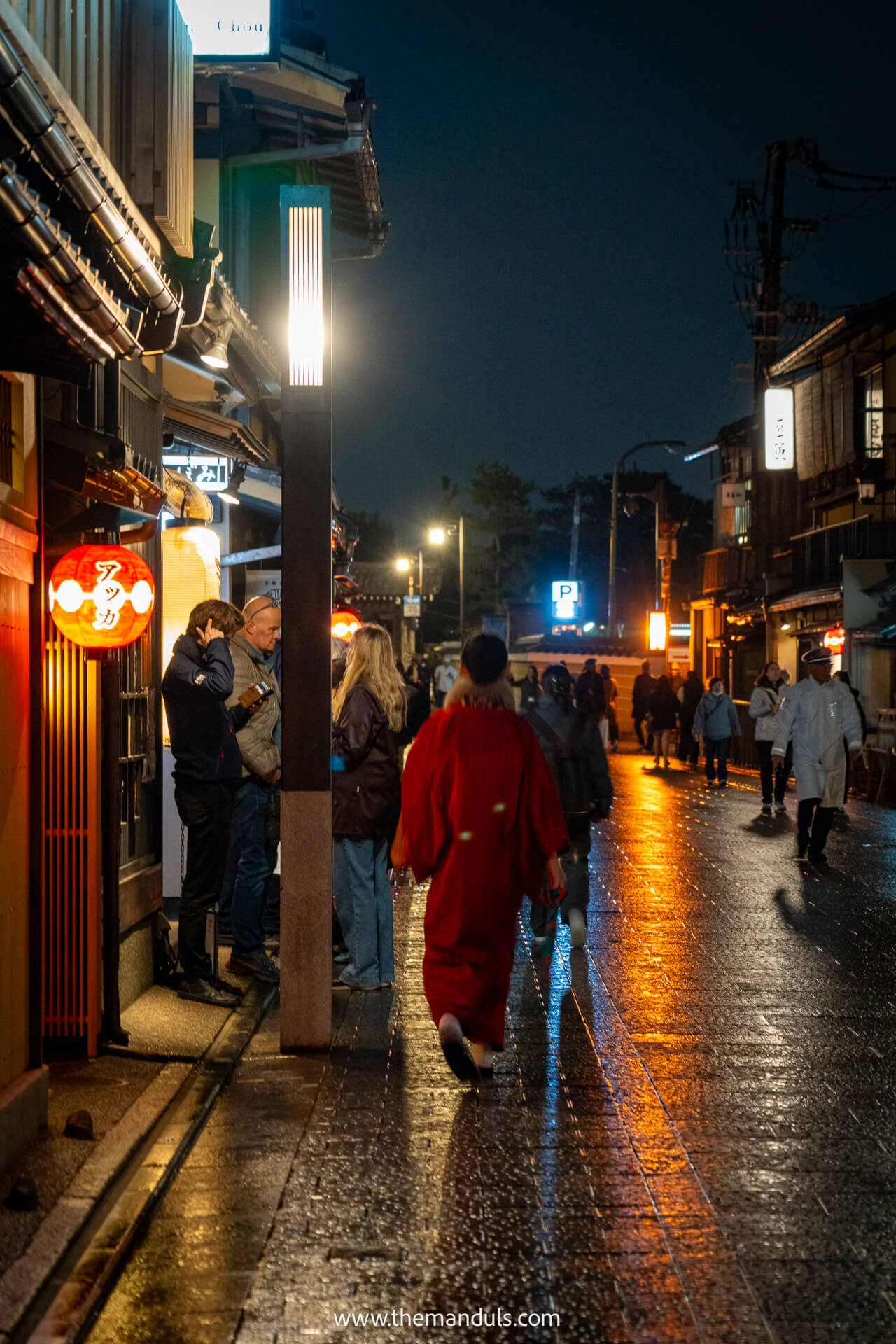
Hanamikoji is the main street running through Gion and the place most people picture when they think of this area. It’s lined with old wooden buildings, traditional facades, and teahouses, and it feels very different from the modern parts of Kyoto.
We visited Hanamikoji in the early evening, when the lanterns were already on. The light made the buildings look warmer and the whole street felt more atmospheric. We loved how empty the street was.
This is also one of the best times to spot a maiko or geiko, because it’s when they head out to their evening appointments — and we were lucky enough to see one.
If you want to focus more on architecture, daytime can work better. You see the buildings more clearly, and it’s easier to enjoy. However, it’s also when it’s most crowded.
One important thing to keep in mind: don’t take close-up photos of maiko or geiko, especially of their faces. It’s considered disrespectful. Photography on some side streets is even strictly prohibited.
2. Yasaka Shrine

Entrance Fee: free
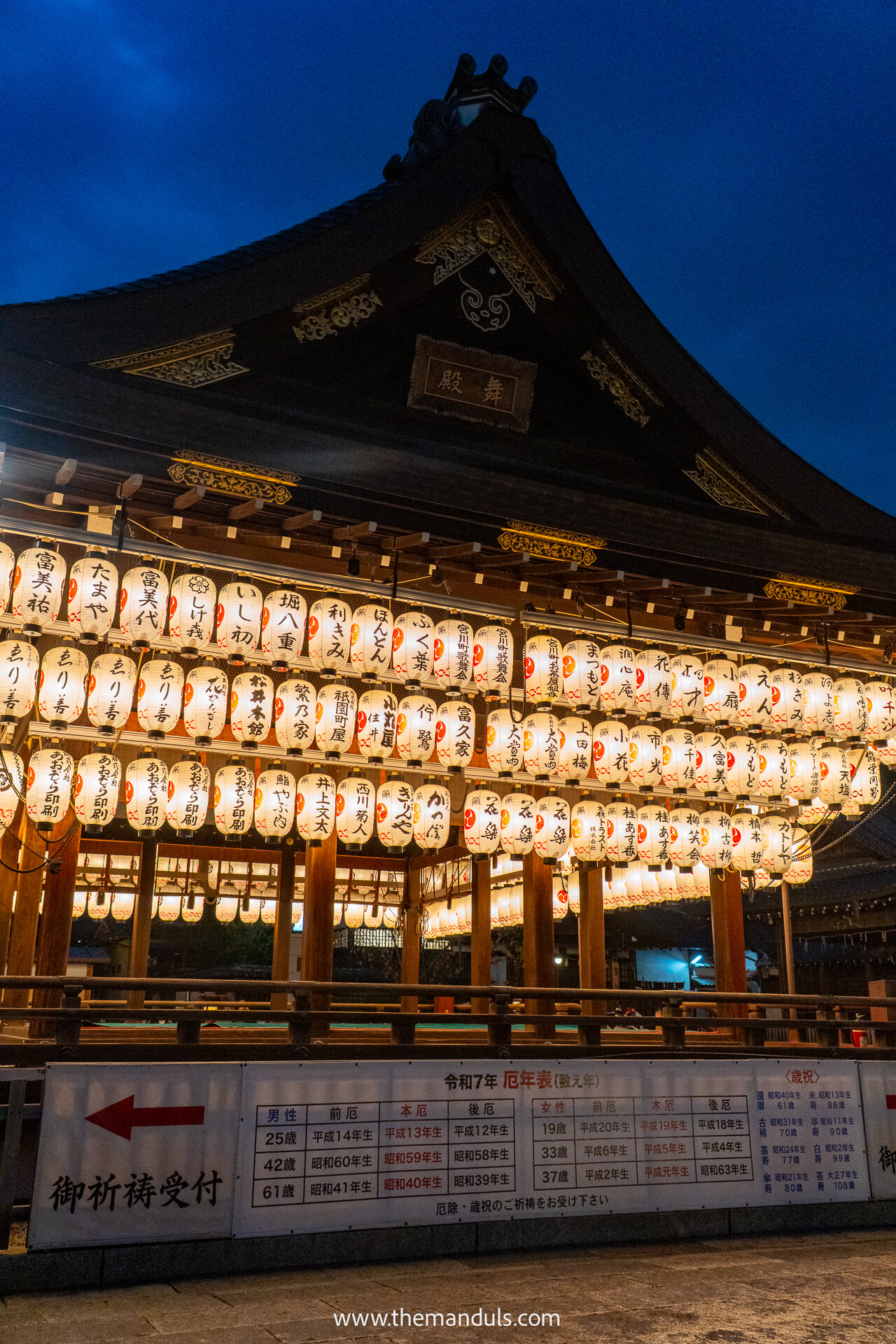
Yasaka Shrine wasn’t even on our plan for that evening. We were just walking into the Gion area when we saw it lit up in the dark.
From the outside, the bright orange gate and lanterns already stand out, but once you walk through the main entrance, the atmosphere changes completely compared to daytime.
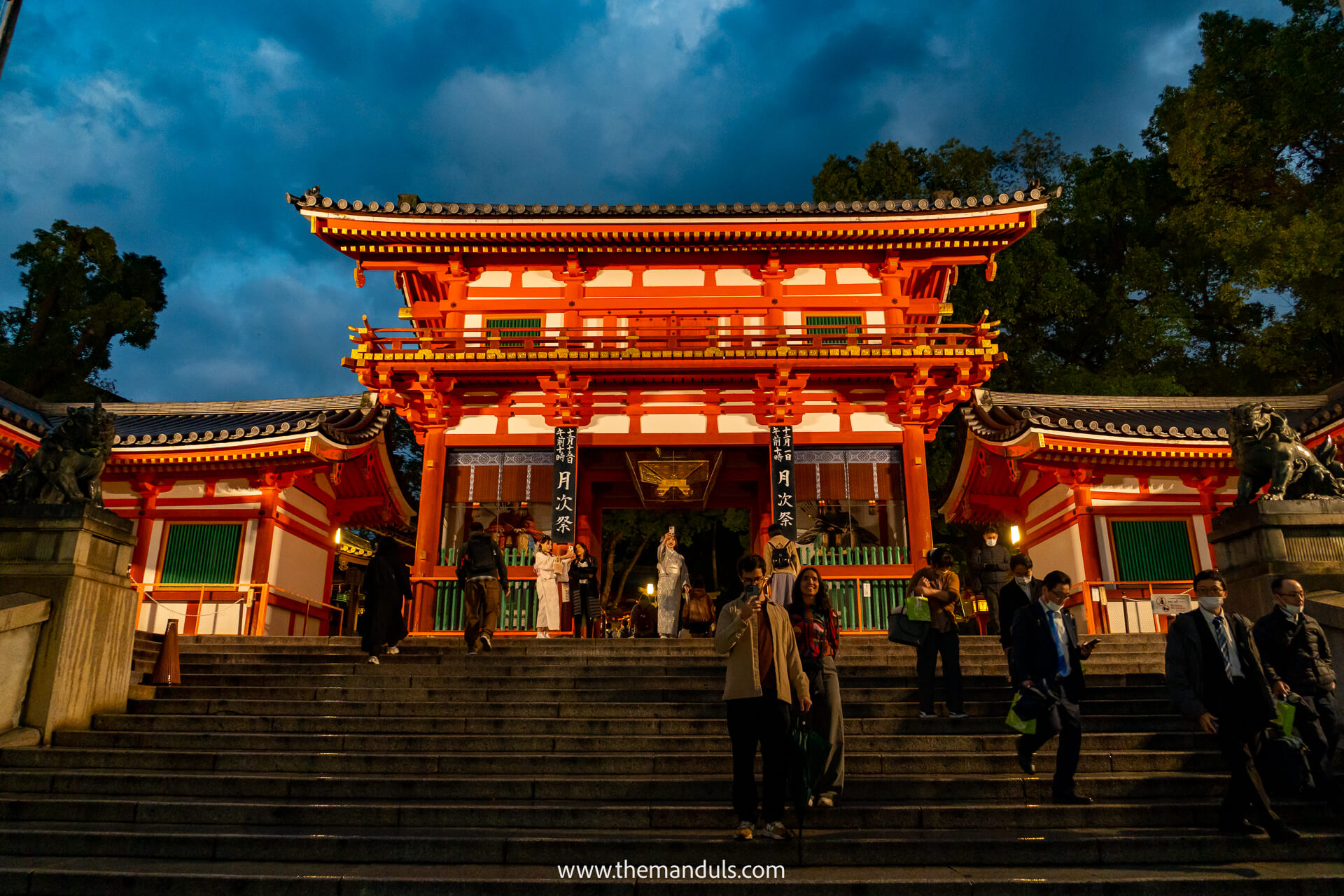
At night, the shrine felt calmer and more dramatic at the same time. The main hall is large and brightly painted, with hanging lanterns and thick ropes for prayers, and everything looks more intense under artificial light.
What surprised us most was that after passing the gate, we found a small food market and souvenir stalls right on the shrine grounds. It felt more like a lively evening spot than a quiet temple visit, which we didn’t expect at all.
This mix of traditional shrine architecture and evening energy made it one of those unplanned stops that turned into a highlight.
3. Sannenzaka
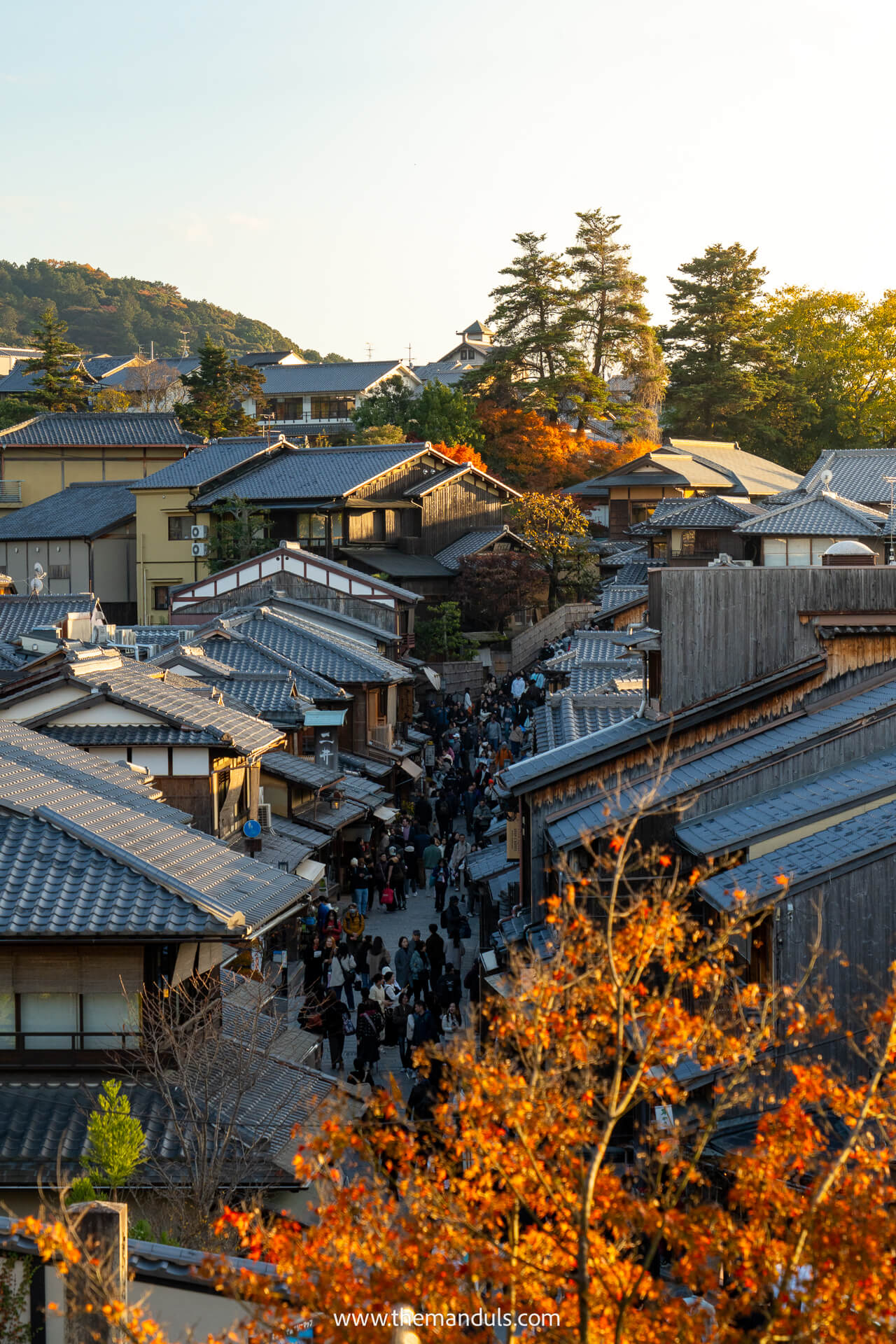
Sannenzaka is a sloping stone street lined with traditional wooden houses, small shops, and snack stands. We walked it first around midday, and while it was definitely overwhelming and hard to move around, it was also easy to see why people like it. The street has a strong atmosphere, and even with the crowds, it still felt special to walk through.
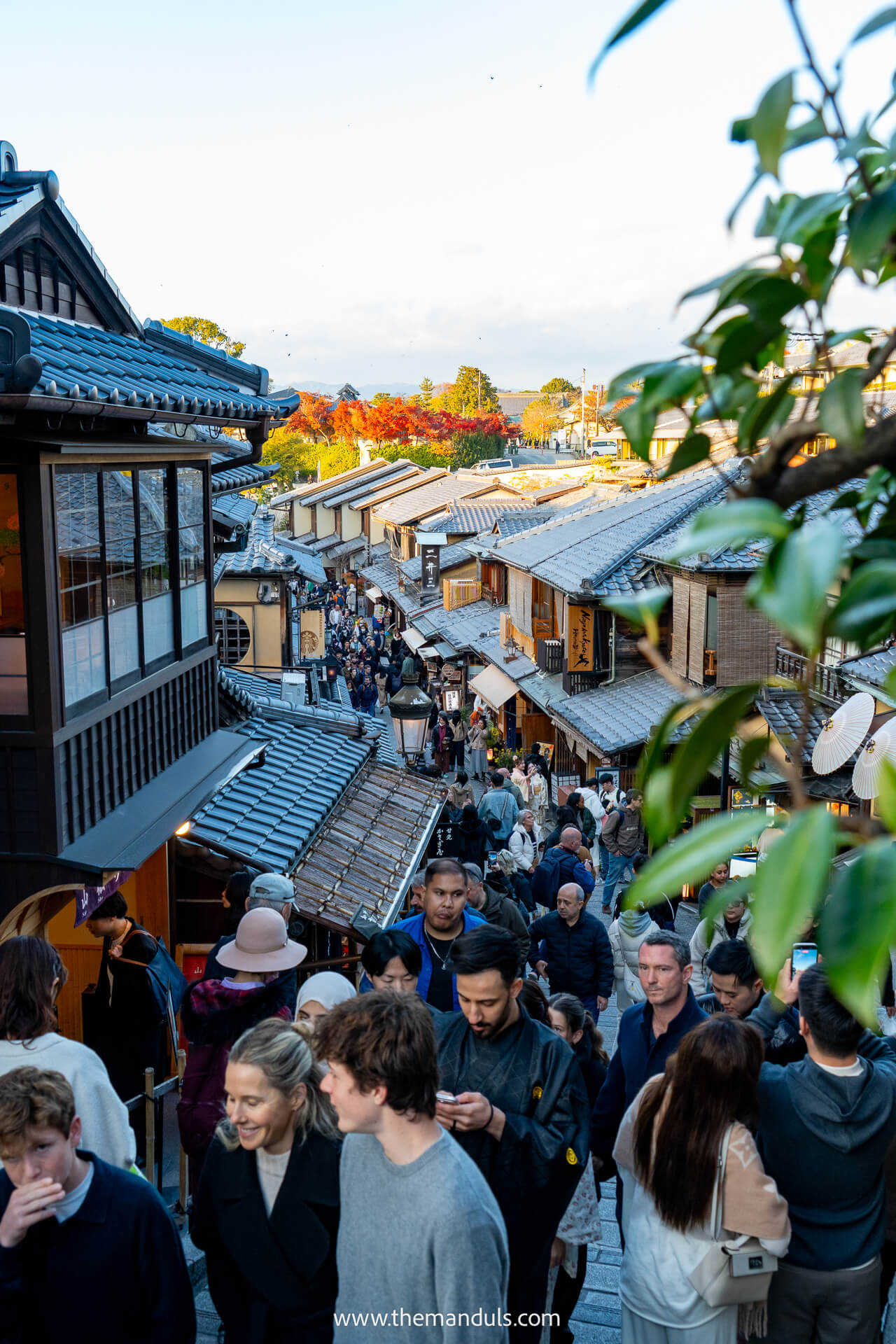
We came back again around sunset, hoping it would calm down, but it stayed busy because many people were heading toward Kiyomizu-dera. The light was nicer in the evening, and the buildings looked warmer, which made it more enjoyable despite the number of people.
With a stroller, it was not easy. The steps and uneven stones slow you down a lot, and you need a bit of patience to get through.
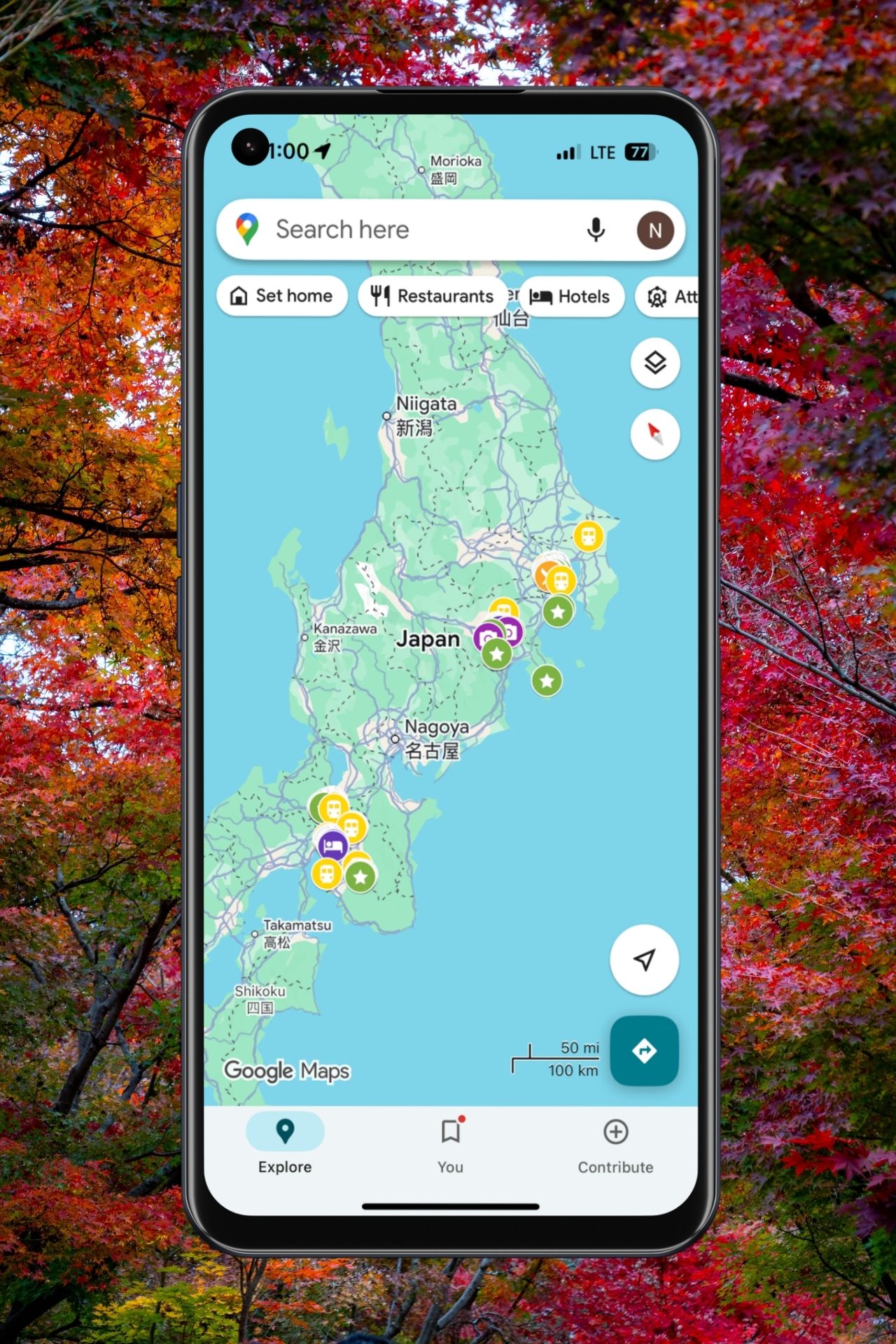
Our Japan Google Maps
Built from our real trips across Japan — only places we actually visited and loved.
No tourist traps. No random saves. Just a ready-to-use map that saves you hours of research.
219 handpicked spots, including:
📍 Highlights & hidden gems
🍜 Restaurants we’d go back to
🏨 Areas & hotels we’d book again
🗺️ Stops that fit into real, logical itineraries
4. Ninenzaka
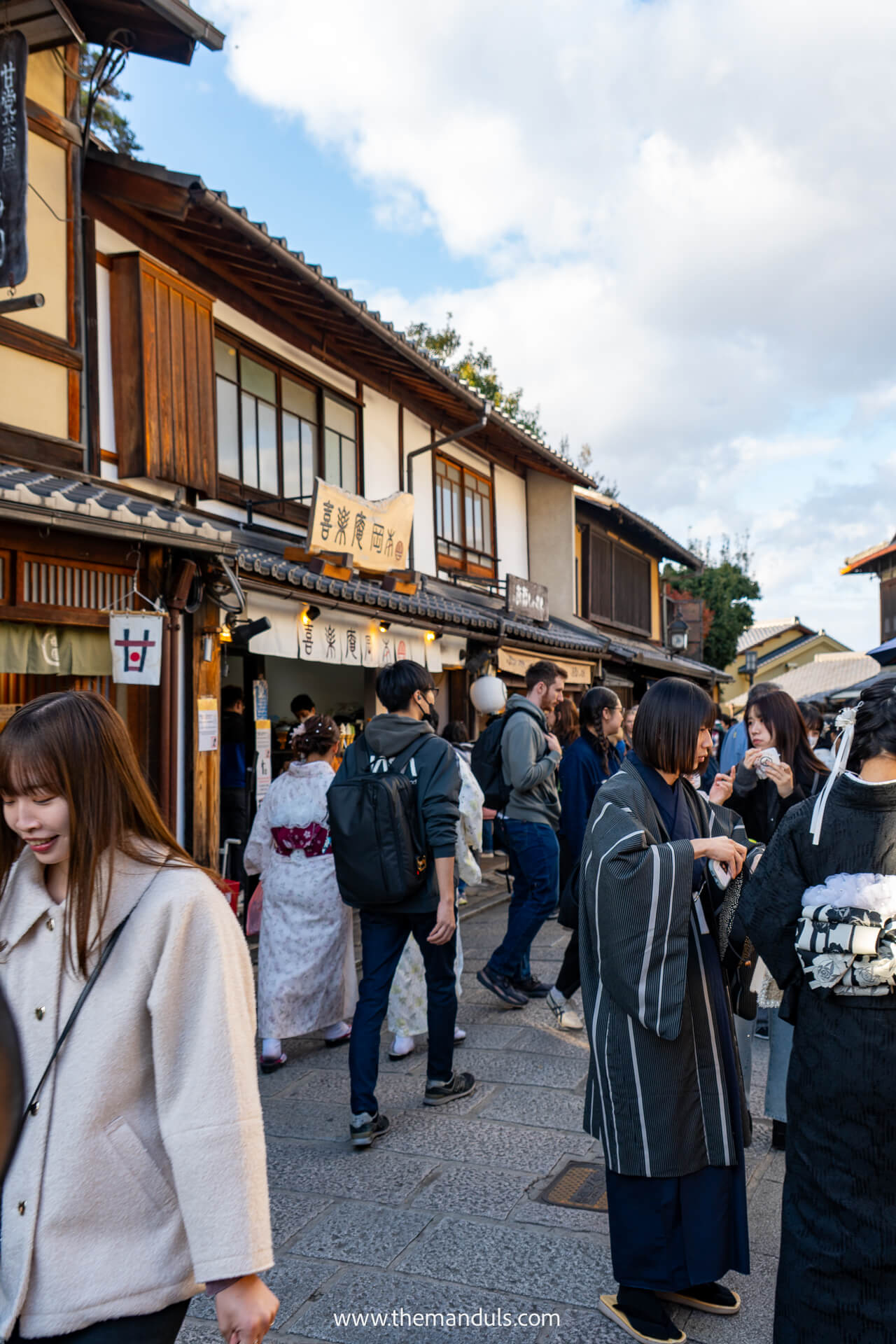
Ninenzaka looks very similar to Sannenzaka — the same stone path, wooden houses, and traditional shops — but it’s shorter and flatter. It doesn’t slope down toward Yasaka Pagoda, which makes it feel more like a connecting stretch than a main viewpoint street.
For us, it felt more like a continuation of the same scene rather than a separate highlight. You still get the classic Kyoto street look, just in a more compact form, and you pass through it naturally when walking between Sannenzaka and the nearby temples.
5. Yasaka Pagoda
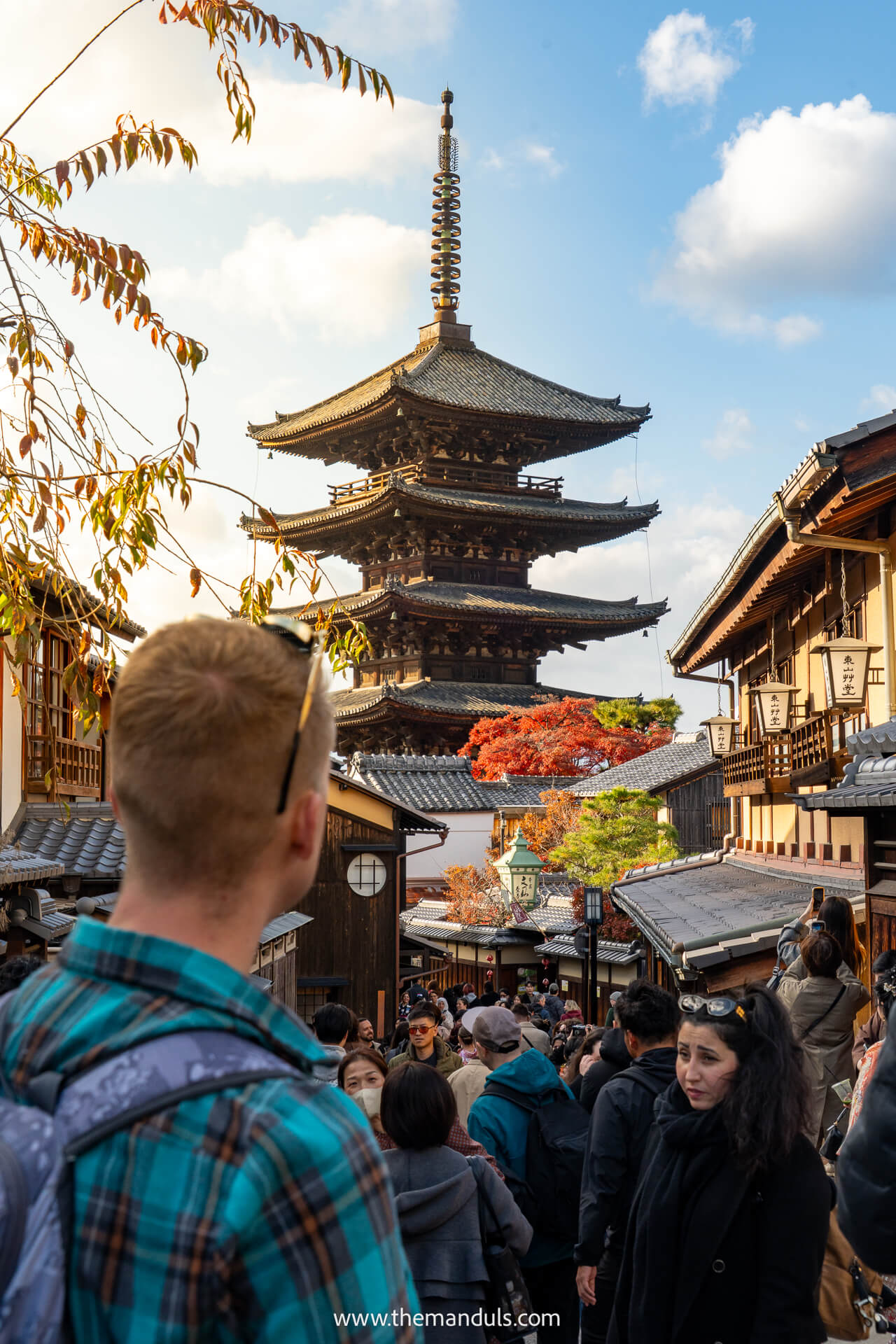
Yasaka Pagoda stands above the surrounding wooden houses and naturally draws attention. We kept spotting it between rooftops as we walked around the area and couldn’t wait to reach the famous photo spot on Sannenzaka Street. Once we stood there, it was easy to see why this view is so popular.
The pagoda belongs to Hōkan-ji Temple and has five stories. It’s built mostly from wood, which makes it fit naturally into the surrounding streets and traditional houses.
You can also go inside the pagoda for a small fee, which is a nice option if you want to see it from closer up rather than just from the street.
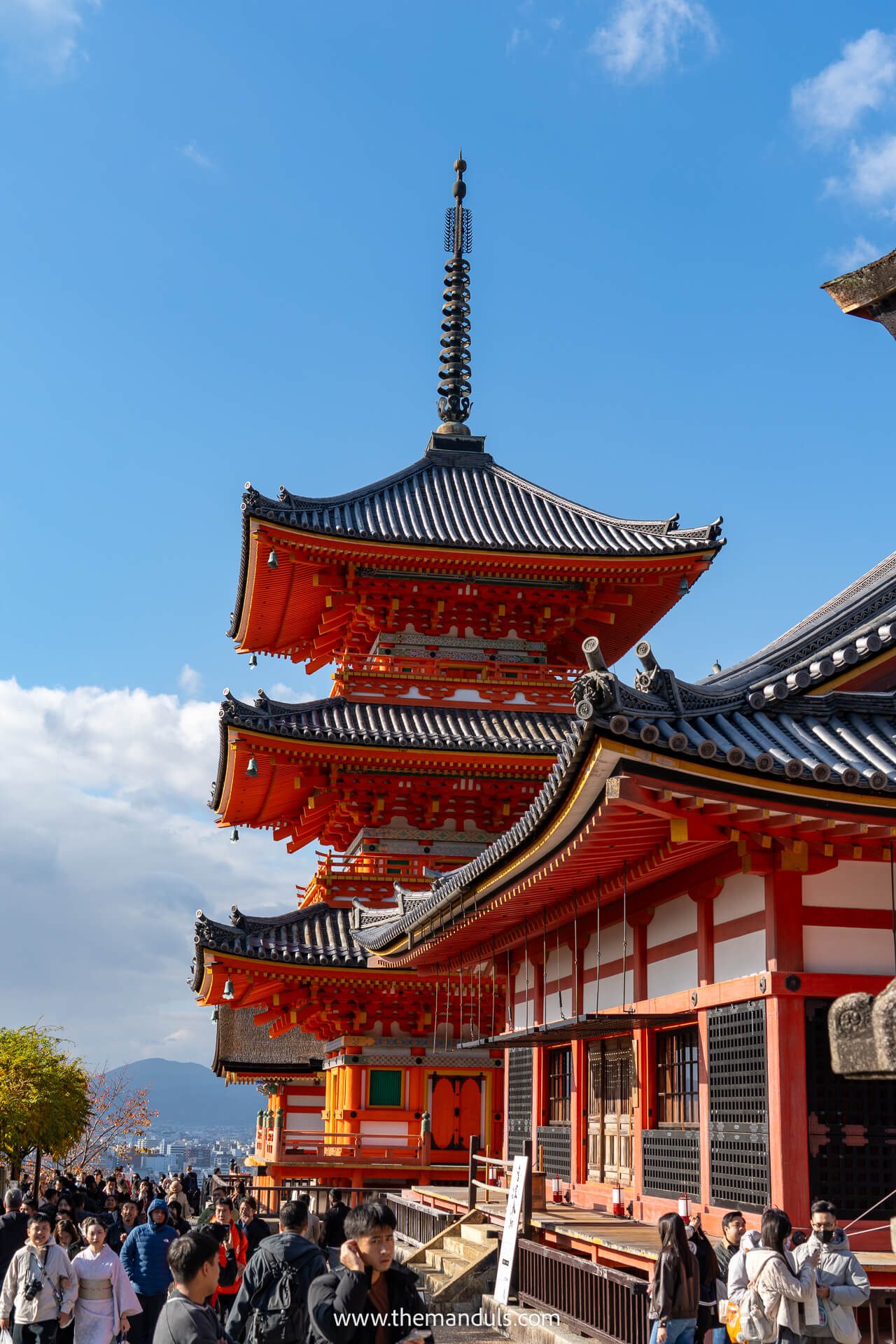
6. Kiyomizu-Dera
Kiyomizu-dera was one of the main reasons so many people were heading this way, and once we arrived, it was easy to understand why.
The temple complex is very spacious, with a mix of open areas you can explore for free and sections where you need a ticket to enter. We only walked around the free areas, and even that already felt worth the walk up.
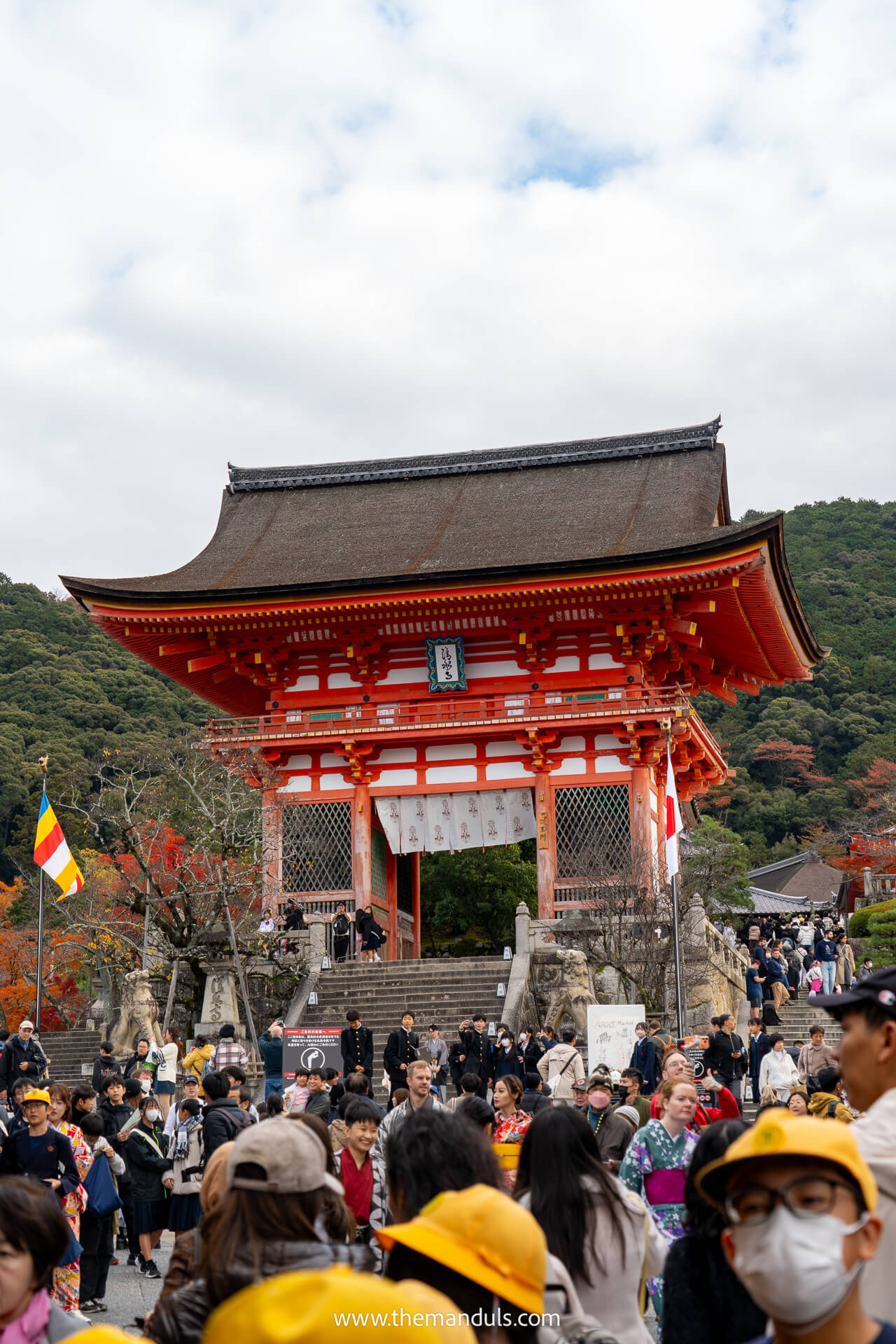
The buildings are large and detailed, with intricate wooden architecture and wide open terraces. From there, you get great views over Kyoto, especially in the late afternoon when the light softens.
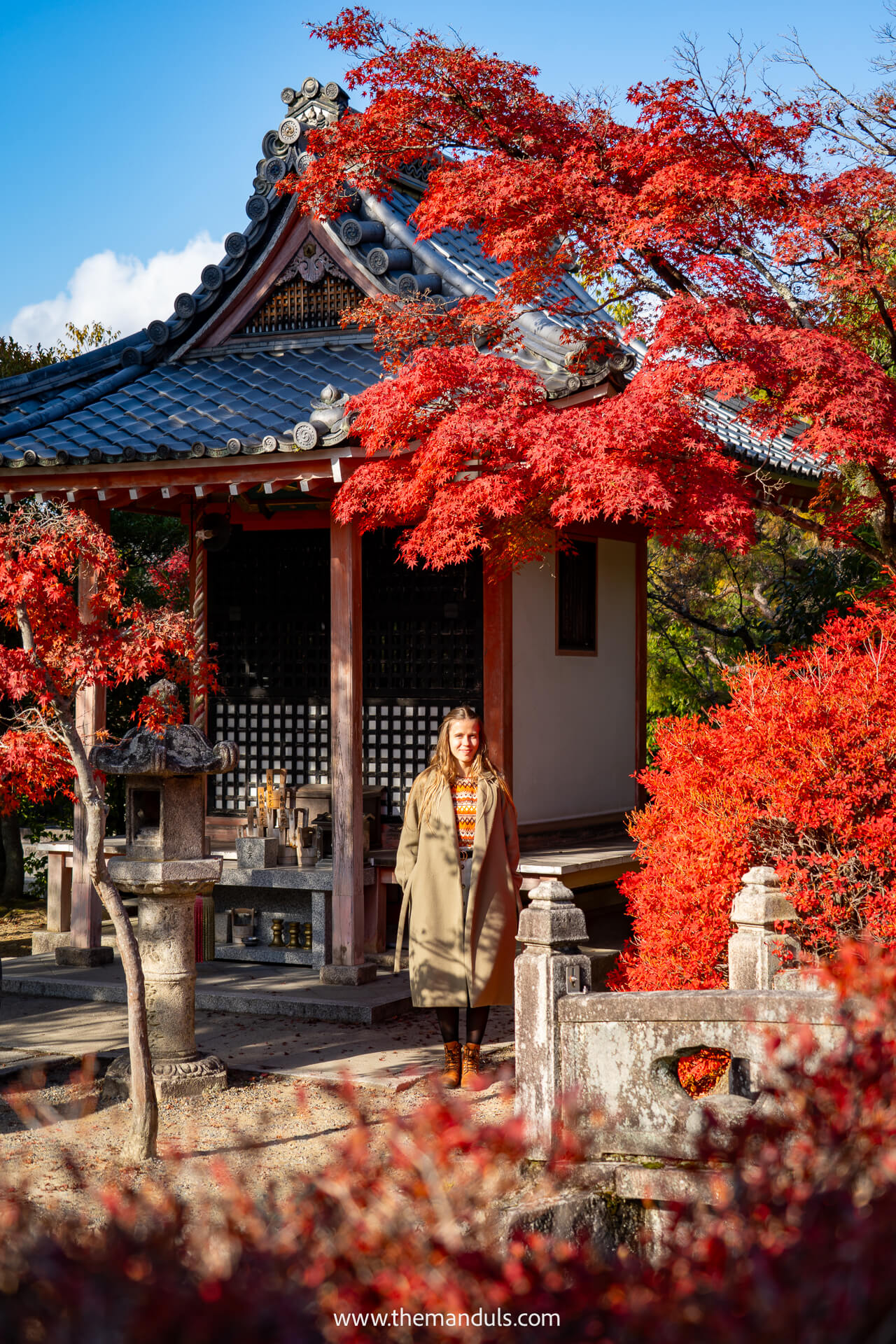
When we visited, the autumn foliage made it even better, with warm colors around the temple paths and buildings.
We arrived toward the evening, and it was clear why this place gets busy at that time. It’s one of the most popular sunset spots in the city, and during special illuminations, even more people come just for the atmosphere.
7. Kōdaiji Temple
Entrance Fee: 600 JPY
Kōdaiji was another stop we hadn’t planned at all. We were just wandering through the side streets when we noticed signs pointing toward the temple and its bamboo grove. We decided to give it a try — and it ended up being one of our favorite spots in Gion.
The temple buildings themselves are quite simple and typical, but the gardens are what really stood out for us. They felt open and spacious, with a pond in the middle that gave the whole place a calm, peaceful atmosphere.
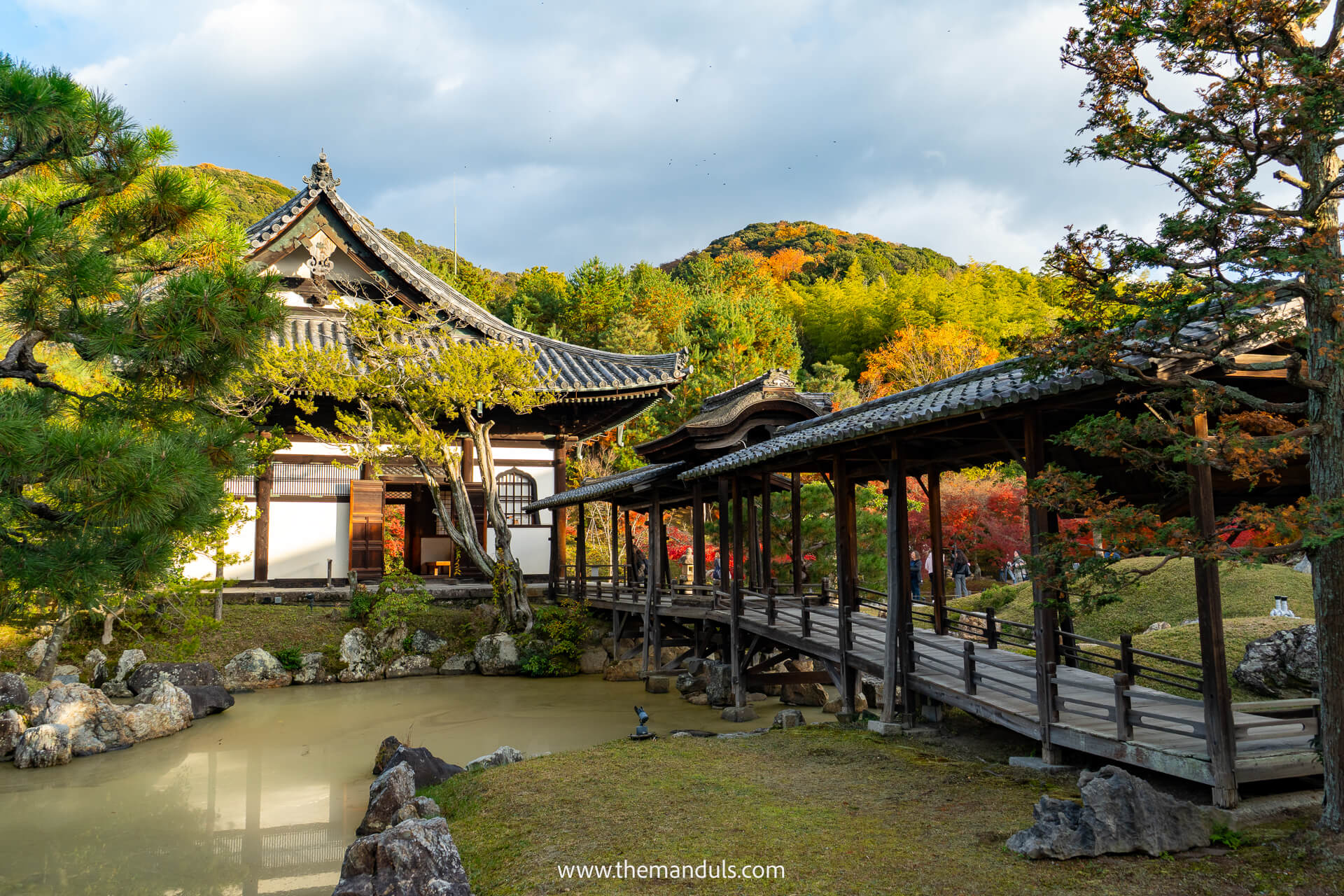
When we visited, the autumn trees added a lot to the mood, with warm colors reflecting in the water. There’s also a small tea house with garden views.
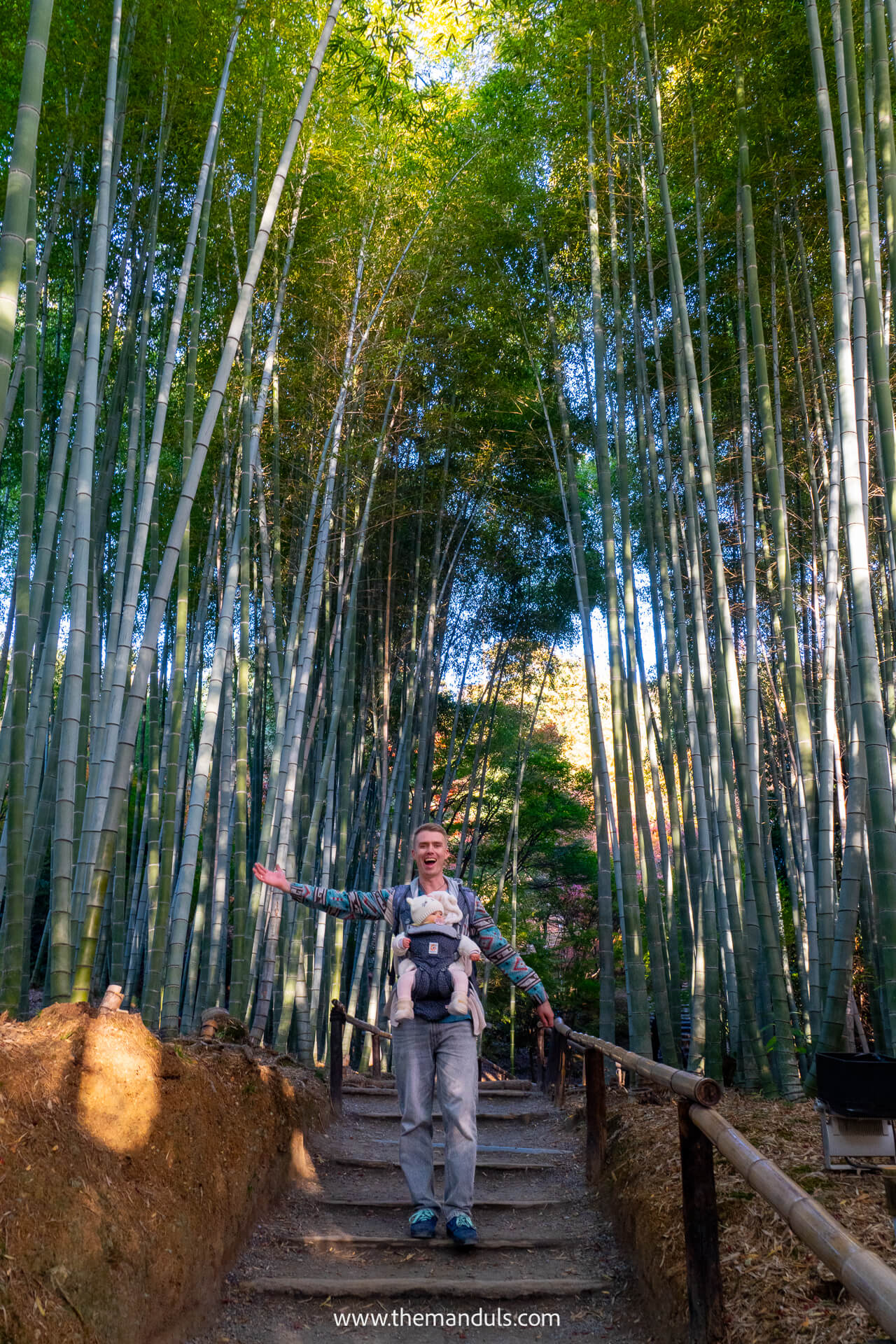
After walking around the main garden area, we followed the short uphill path and stairs leading to the bamboo forest. Compared to other bamboo groves in Arashiyama, this one felt much quieter. We only met a handful of other people, and it turned into a really nice, slow stop after the busy streets below.
8. Shirakawa Canal
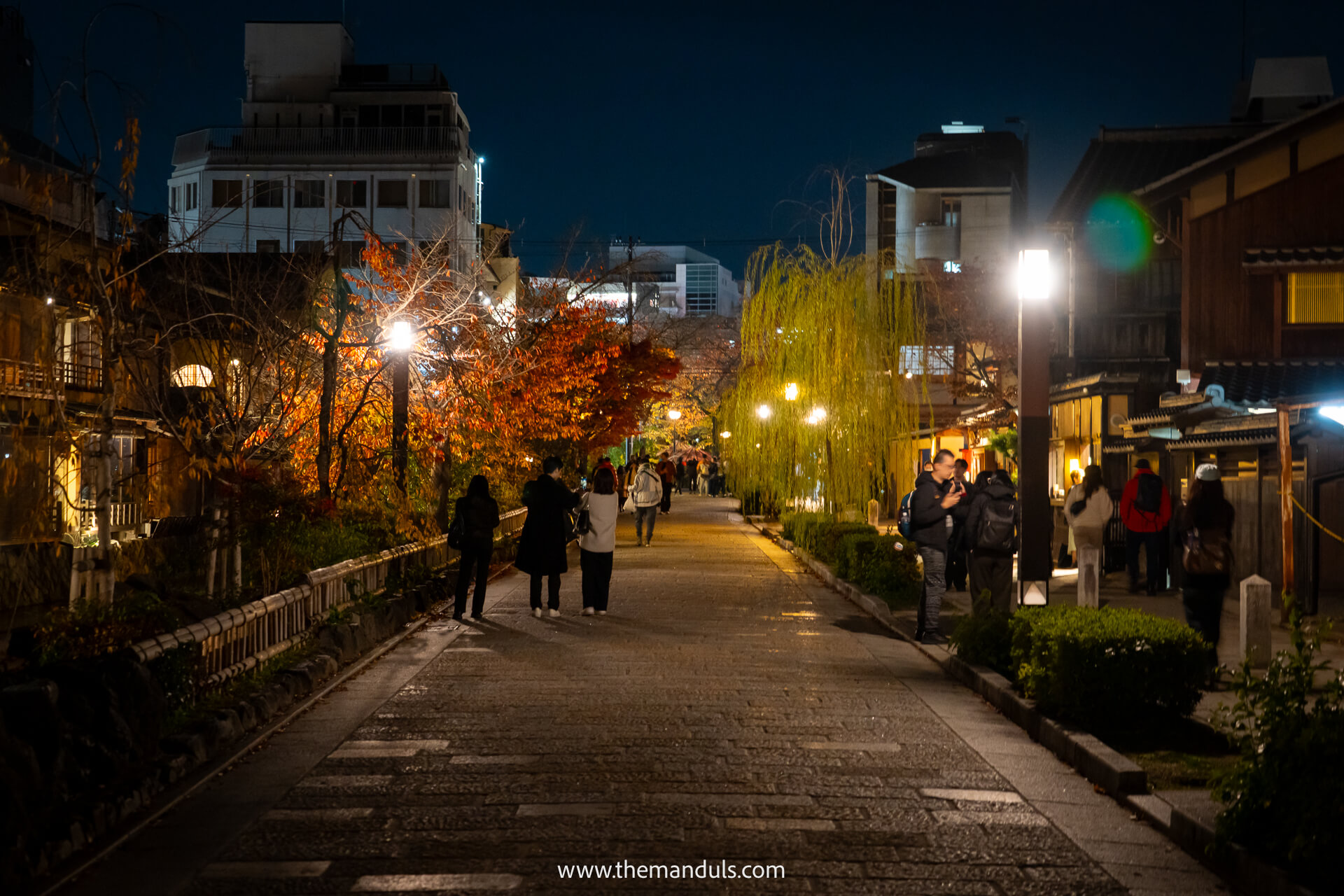
Shirakawa Canal felt like a completely different side of Gion compared to the busy streets closer to Kiyomizu-dera. It runs alongside a narrow stream with old wooden houses, small bridges, and trees lining the water, and the whole area feels much more open and calm.
The quieter atmosphere made it feel more like a residential neighborhood than a tourist street.
We ended up wandering around in the early evening, when the lanters were on and the canal looked more peaceful. In spring, this area is famous for cherry blossoms, but even without them, it’s a great place to take a break from the crowds and just walk along the water.
9. Tatsumi Bridge
Tatsumi Bridge is a small spot, but it’s very lovely. It sits right over the canal and connects two quiet parts of Gion, with traditional houses on both sides and water flowing underneath.
We came across it while exploring the area, and loved its atmosphere. Standing on the bridge, you get a nice view along the canal in both directions. It’s especially nice later in the day.
Where to stay in Kyoto
Where you stay in Kyoto makes a bigger difference than in many other Japanese cities. Some areas are perfect for sightseeing on foot, while others are better if you plan to use trains a lot or want more nightlife and food options.
Before choosing a hotel, it’s worth thinking about what kind of days you want to have. After exploring this city, we decided to create our guide on where to stay in Kyoto to help you choose the area and hotel that actually fit how you like to travel.
We’ve handpicked the best hotels in Kyoto — places we’d book again without hesitation — so you can easily pick the one that matches your style and budget.
Here are the best picks:
⭐️⭐️⭐️ Cross Hotel Kyoto (our top pick)
Cross Hotel wins on one thing that really matters in Kyoto: location that actually saves you time. You’re right between Kawaramachi and Gion, so you can walk to restaurants, shops, and evening strolls along the river instead of relying on buses.
Inside, it feels modern and stylish without being over the top, and rooms are more comfortable than what you usually get in this price range. If you want one hotel that makes your Kyoto days easier and your evenings more enjoyable, this is the safest choice.
⭐️ Best for: Couples or travelers who want stylish comfort in a central, walkable area.
👉 See prices & availability →
⭐️⭐️ The Thousand Kyoto
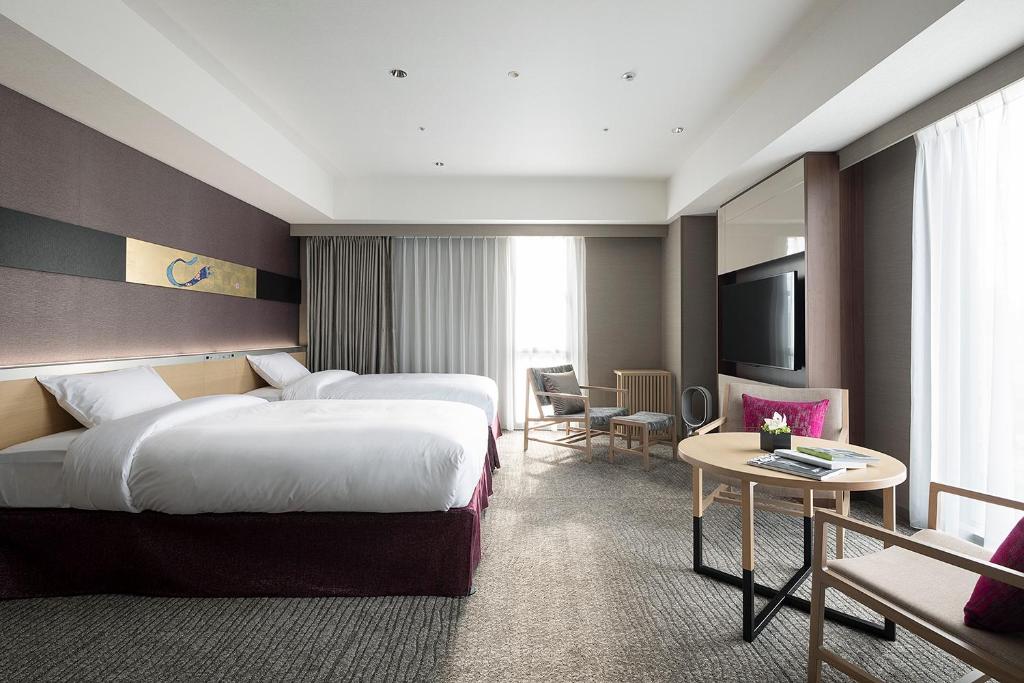
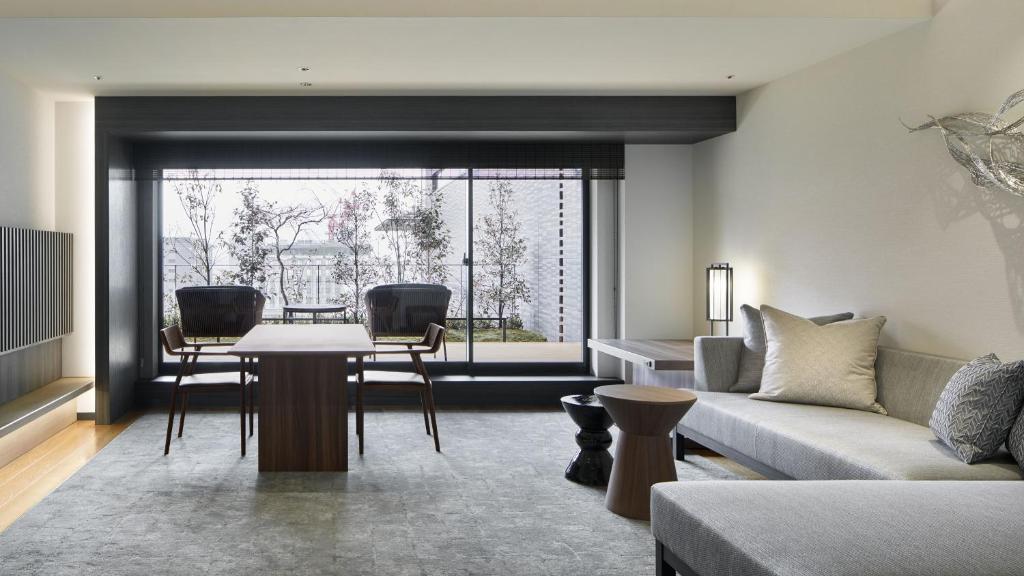
The Thousand stands out because it combines luxury with absolute convenience. It’s directly next to Kyoto Station, which means no dragging luggage through side streets and no complicated transfers for day trips.
Rooms are larger than average for Japan, the design is calm and refined, and the breakfast is genuinely a highlight. It’s the kind of hotel you choose if you want your stay to feel special, but still practical for moving around the city and beyond.
⭐️ Best for: Travelers who want modern luxury with the easiest transport access in Kyoto.
👉 See prices & availability →
⭐️ Guesthouse Soi
Guesthouse Soi is a great example of a place that works because of where it is, not how fancy it looks. It’s close to Kiyomizu-dera and right in the heart of Higashiyama, so you can explore some of Kyoto’s most beautiful streets early in the morning before tour buses arrive.
The rooms are simple but clean, and the atmosphere feels personal and relaxed. If you’d rather spend money on food and experiences than on a hotel room, this is a smart choice.
⭐️ Best for: Budget travelers who want to stay in Kyoto’s most atmospheric area without paying premium prices.
👉 See prices & availability →
Where to eat and drink
- Tarekatsu – Affordable and tasty tare-katsu bowls. Light, sauce-coated katsu that’s perfect for a quick meal between sightseeing.
- Izugen – Traditional Kyoto-style sushi, including sasazushi wrapped in bamboo leaves. A good place to try something local and unique.
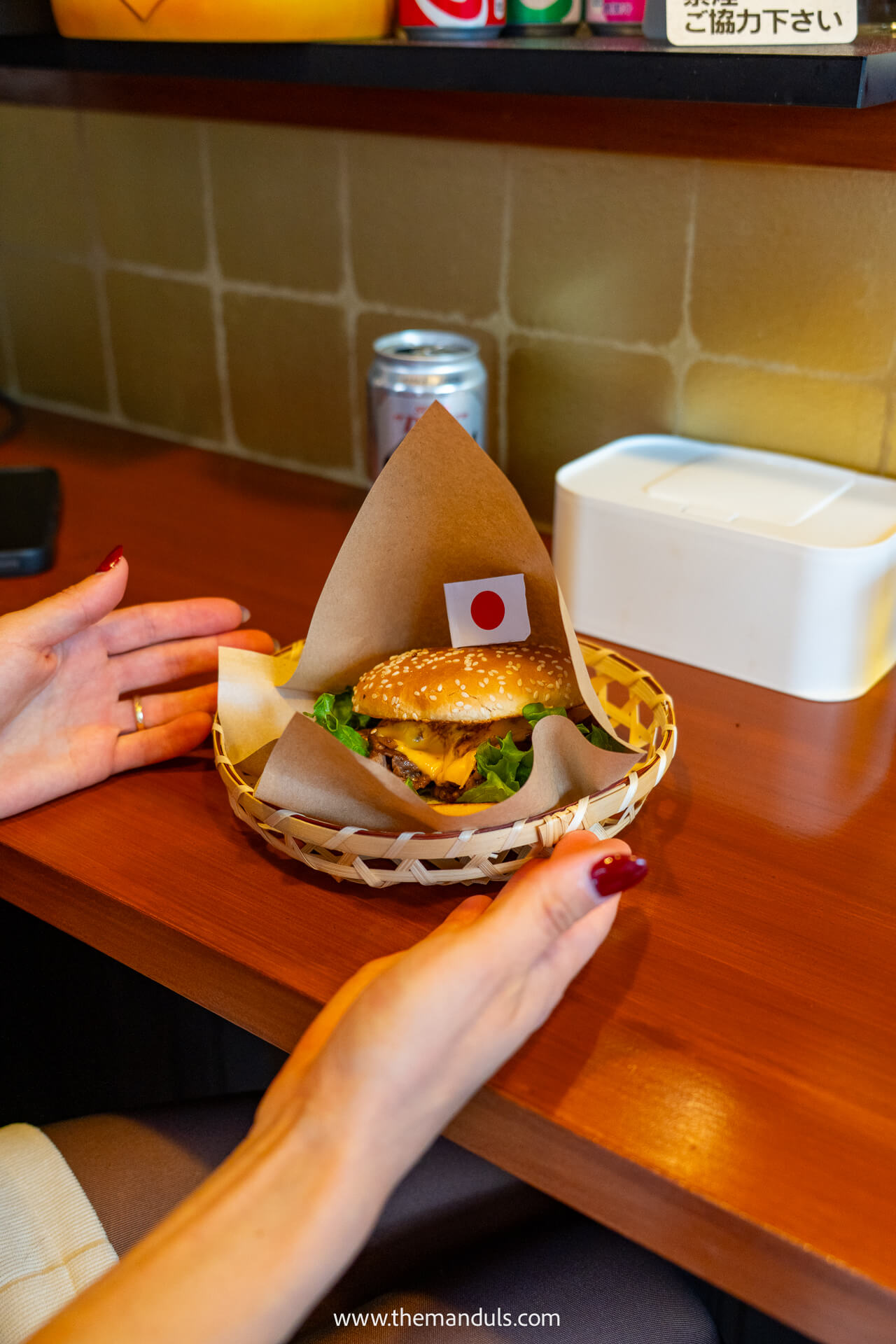
- WAGYU SAMURAI BURGER KYOTO – Soft wagyu beef burgers with rich flavour. Ideal if you want something casual but still high-quality.
- Gion Danran – Small restaurant run by an elderly couple. Opens at 5 PM and fills up fast. We loved the beef yakisoba — simple, delicious, and affordable.
- Tendon Restaurant Loosen Up! – Crispy tempura bowls with generous portions. Great comfort food after a long day of walking.
Best time to visit Gion
We ended up visiting Gion and the surrounding streets a few times at different hours, and the experience changed a lot depending on when we went.
One evening, we walked around Hanamikoji Street in the early evening, which really is one of the best times if you hope to spot a maiko or geiko — and we actually did.
The lanterns were coming on, the light was soft, and it felt like the version of Gion you imagine before you go.
Midday was a completely different story. We walked through Sannenzaka and Ninenzaka around lunchtime, hoping that if we waited until evening the crowds would thin out.
They didn’t. If anything, they kept growing as sunset approached. A big reason was that Kiyomizu-dera is one of the most popular sunset spots in Kyoto, and when we were there, there were also evening illuminations, so people were arriving specifically for that.
Looking back, early morning would have been the smartest choice for those streets. Fewer people, cooler temperatures, and a much calmer atmosphere for walking and taking photos.

Quick Tips & Local Insights
- Wander off the main streets. One or two turns away from Hanamikoji or Ninenzaka, the crowds drop fast and the area feels much more local.
- Photography rules are strict. Some streets don’t allow photos at all, and chasing or blocking maiko is a big no — fines are real here.
- Gion isn’t one single street. It’s a whole neighborhood of lanes, teahouses, and small shrines, so give it time and don’t just walk one road and leave.
- Rain actually makes it nicer. Fewer people, reflections on the stones, and a much calmer feel.
- Treat it like a living neighborhood, not a theme park. People actually live and work here, so respect that.
Final Thoughts
Gion surprised us in the best way. We came expecting a short walk through a famous area and ended up spending much more time here than planned.
Between the traditional streets, temples, and quieter corners near the canal, it felt like a place to slow down.
It’s not the calmest part of Kyoto, especially around Sannenzaka and Kiyomizu-dera, but when you time it right or wander a little off the main routes, it’s worth a visit.
If you enjoy traditional architecture, culture, and wandering without a strict plan, Gion is absolutely worth your time.