
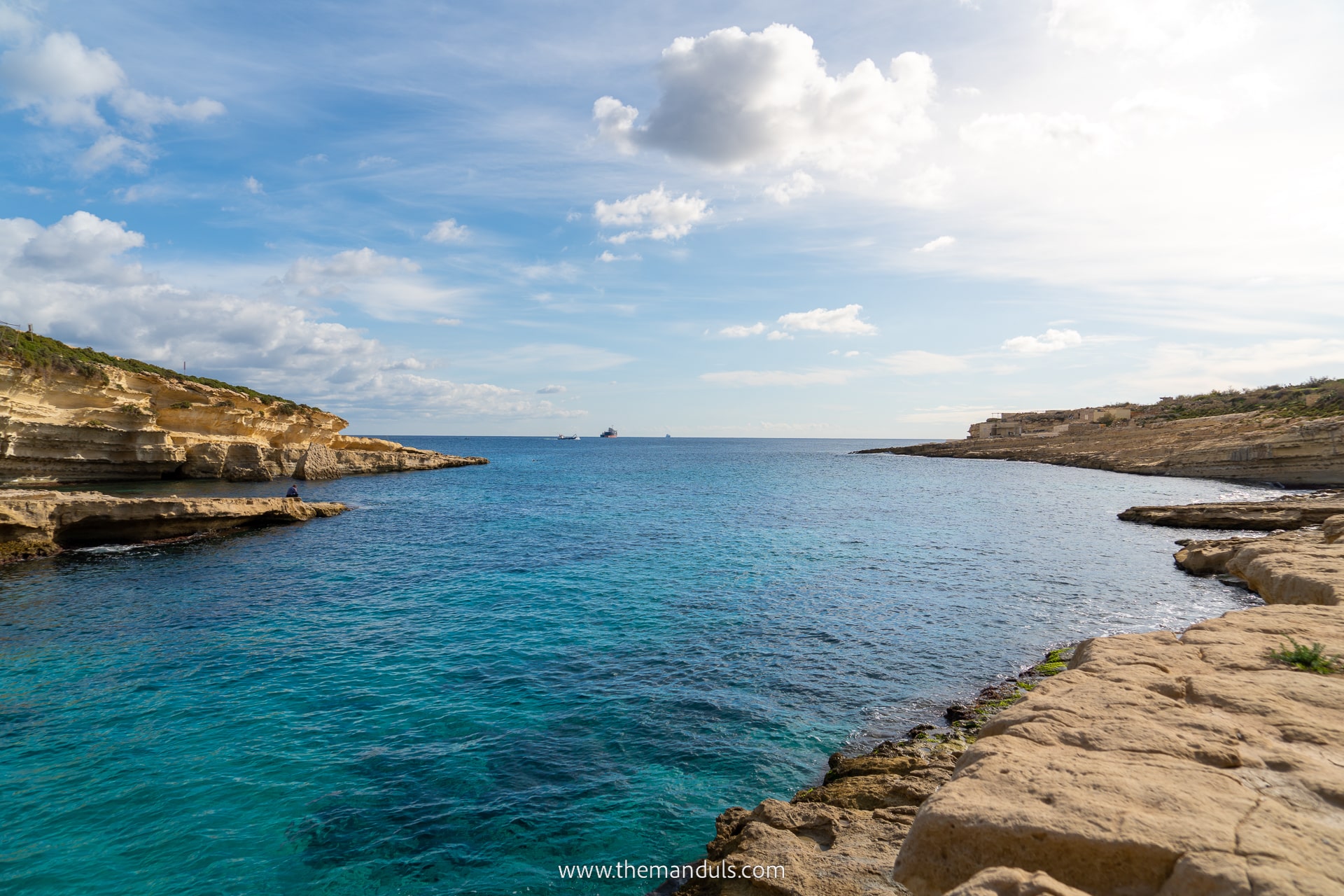
This article contains affiliate links. Learn more in our affiliate disclosure.
We didn’t plan our trip to Malta months in advance — it happened almost by accident. In December, we spotted a cheap flight, booked it spontaneously, and honestly, it turned out to be one of our best travel decisions.
The crowds were practically non-existent, prices were unbelievably low, and the island felt calm and local in a way we didn’t expect.
Timing really matters in Malta. Visit in peak summer and you’ll deal with intense heat, packed beaches, and higher prices. Come in the quieter months, and the experience shifts completely — easier sightseeing, relaxed coastal walks, and much more breathing room at popular spots.
Of course, December isn’t the classic beach holiday you might imagine, but for us, the trade-off was absolutely worth it.
In this guide, we’ll help you find the best time to visit Malta — based on real experience, local insights, and what it’s actually like to be there. And if you’re already planning, don’t miss our guides on the best attractions in Malta and where to stay in Malta to make the most of your trip.
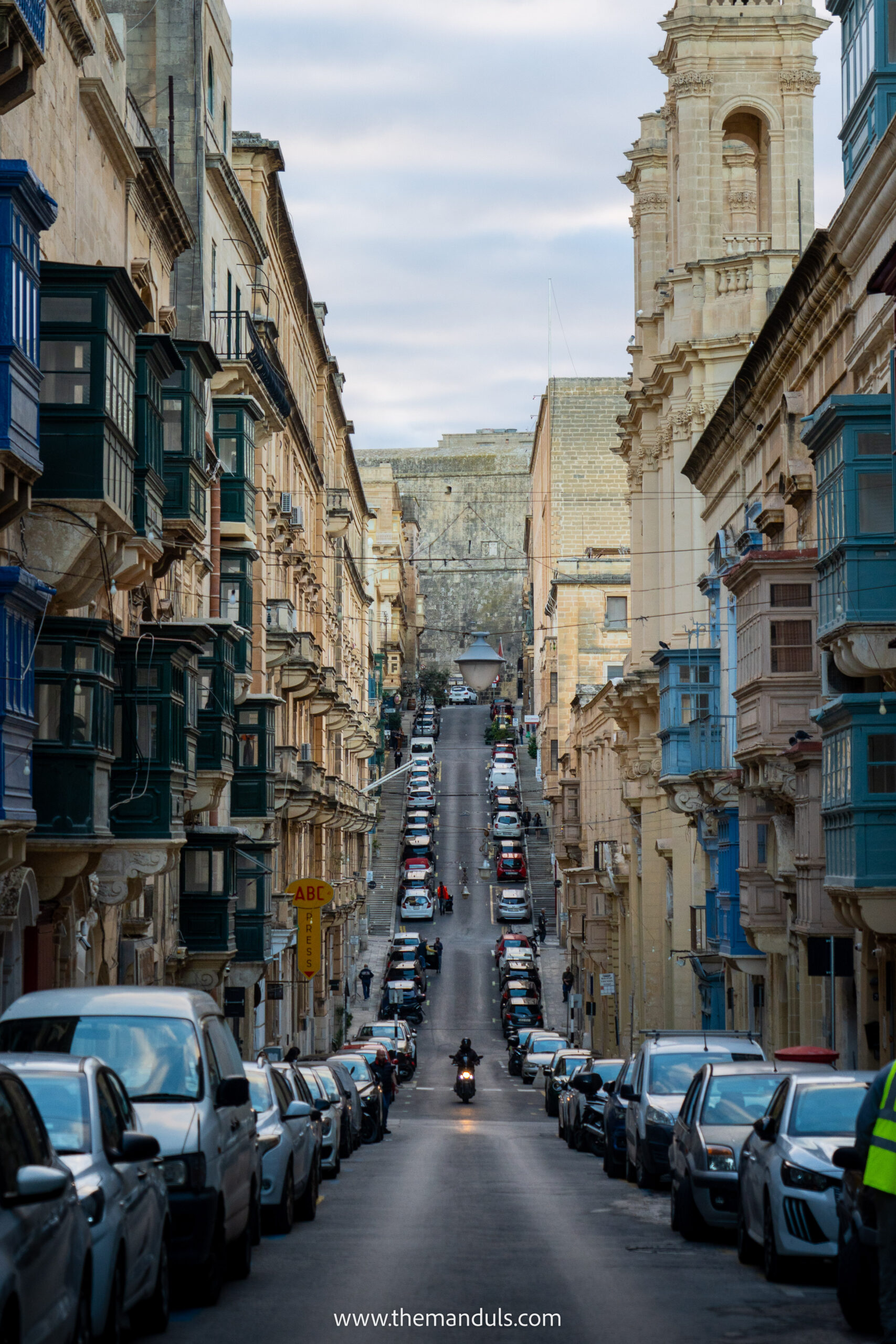
Key Highlights
🌦️ Seasons: Mild winter, warm spring and autumn, hot and dry summer
🌤️ Best months: April–June & September–October
👥 Crowd levels: Very busy in July–August
🎉 Notable events: Village festas (summer), Carnival (February), Christmas markets (December)
💡 Good to know: Summer heat is intense — plan sightseeing early or late in the day
Quick Overview
The best time to visit Malta is spring (April–June) and early autumn (September–October). These months bring warm, sunny days without the peak-summer heat, fewer crowds, and a relaxed but lively atmosphere across the island.
Summer has long beach days and festivals but also higher prices and packed hotspots, while winter feels calm and local — less warm for swimming, but incredibly rewarding in its own way.
Our Experience
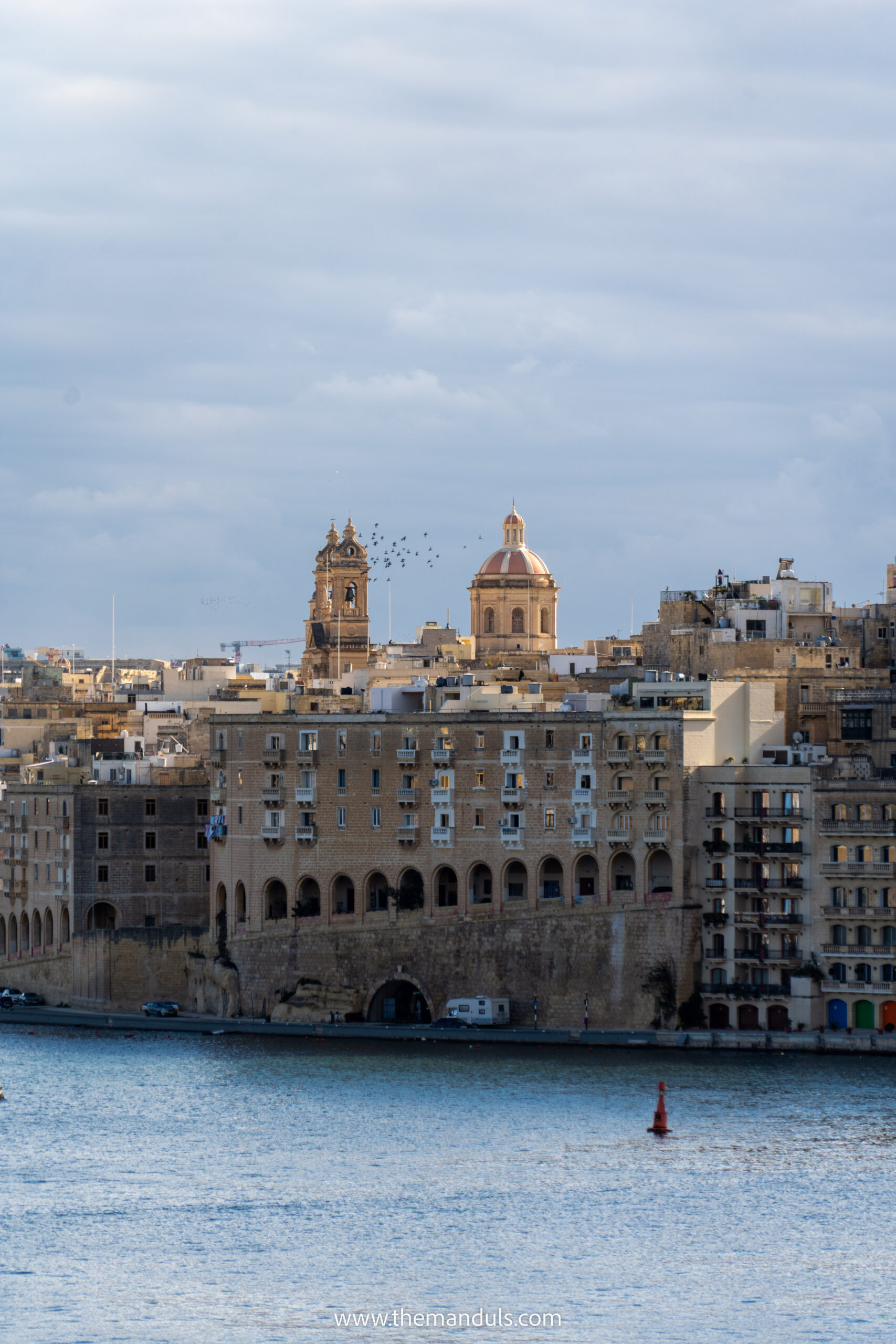
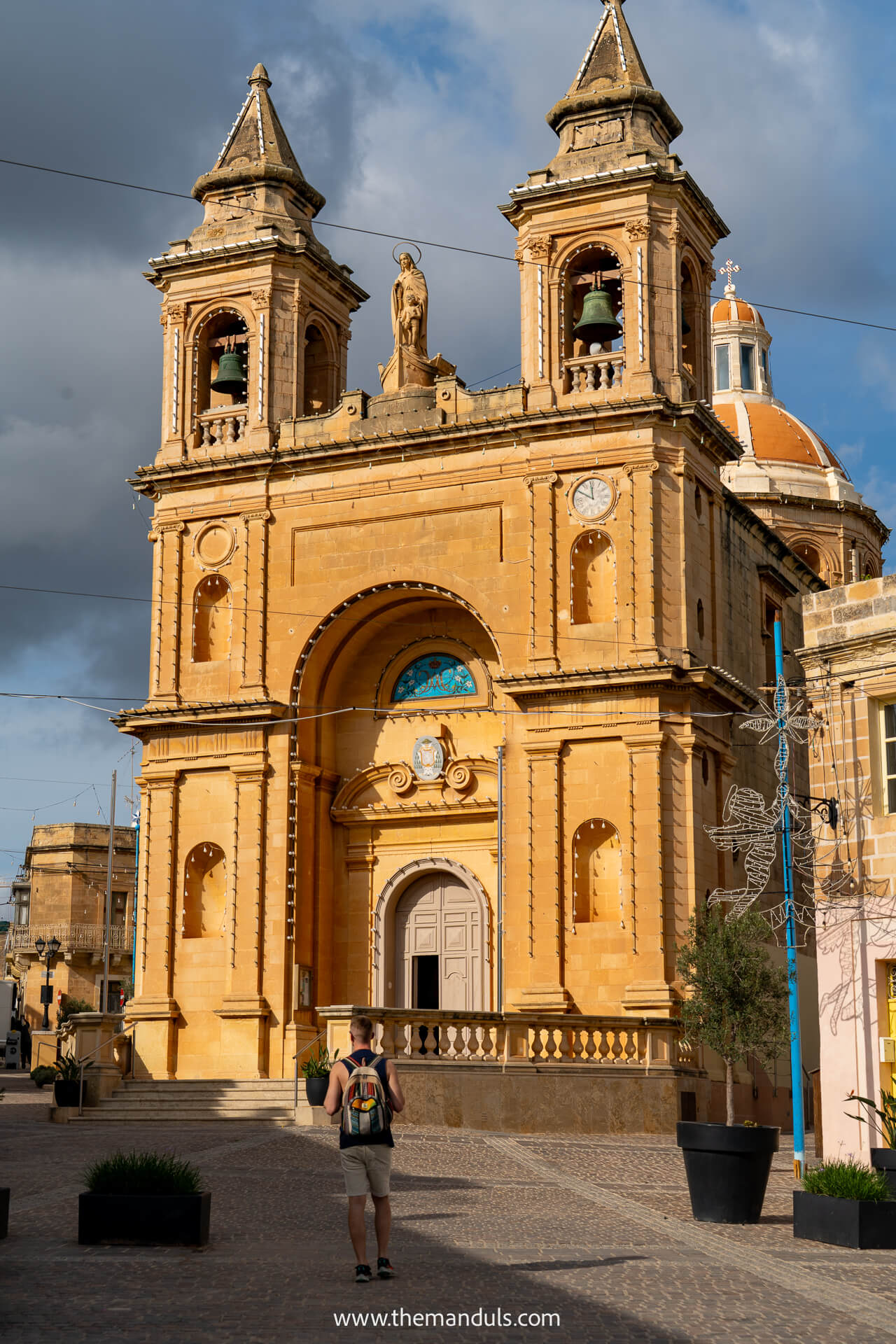
We visited in December, and the atmosphere instantly won us over. Christmas decorations and small markets added a cozy, festive layer to the streets, and with hardly any crowds, Malta felt calm and surprisingly local.
Prices were low, we moved around easily, and the whole trip felt very peaceful.
Weather-wise, it was very changeable — classic winter Malta. One day we were at the beach, swimming in calm, clear water, and the next it was windy with strong waves and cooler air that made getting out of the sea less pleasant.
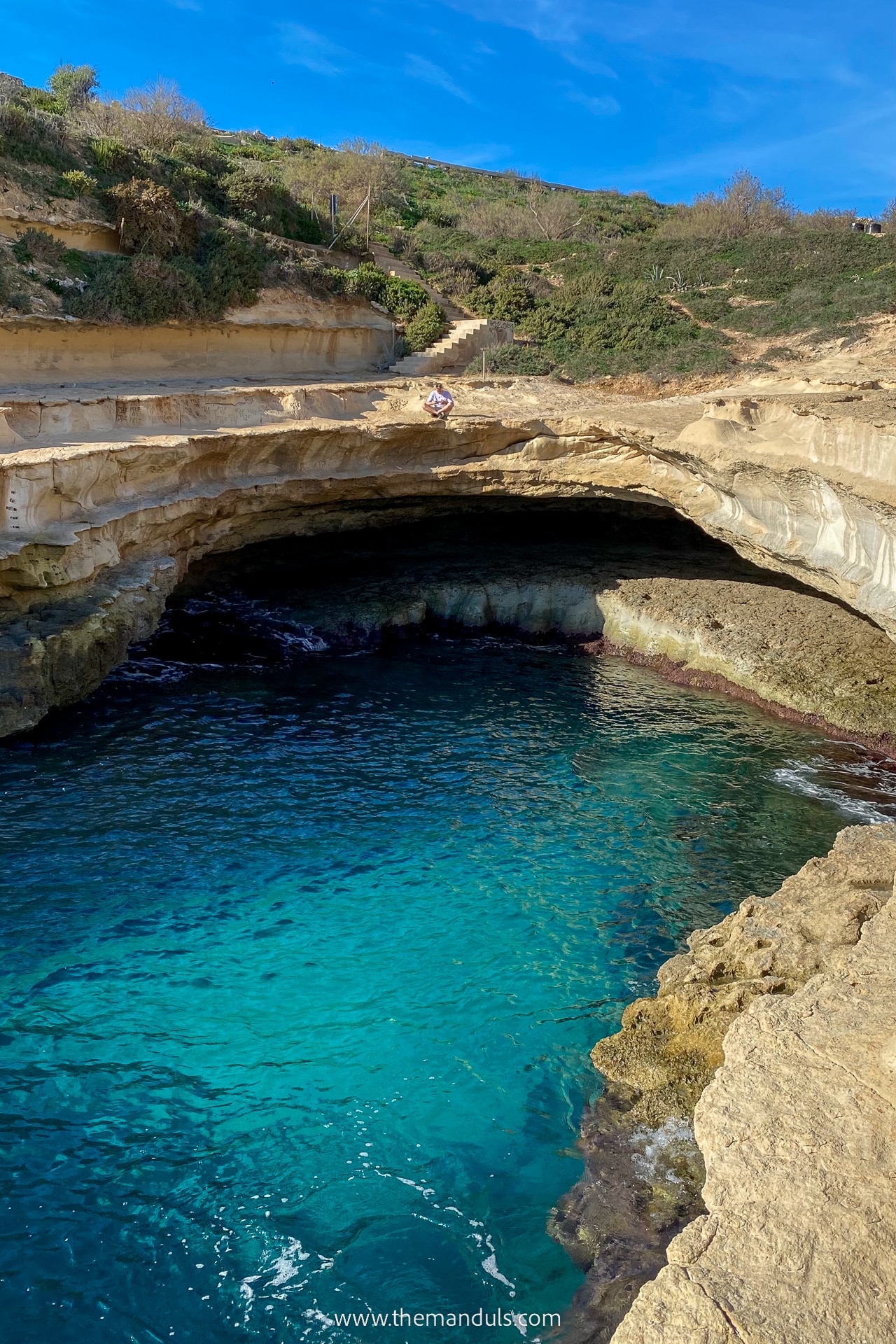
The water itself didn’t feel too cold for us (actually really nice), but if you’re used to warm tropical seas, it might feel chilly — especially when drying off in the wind rather than the sun.
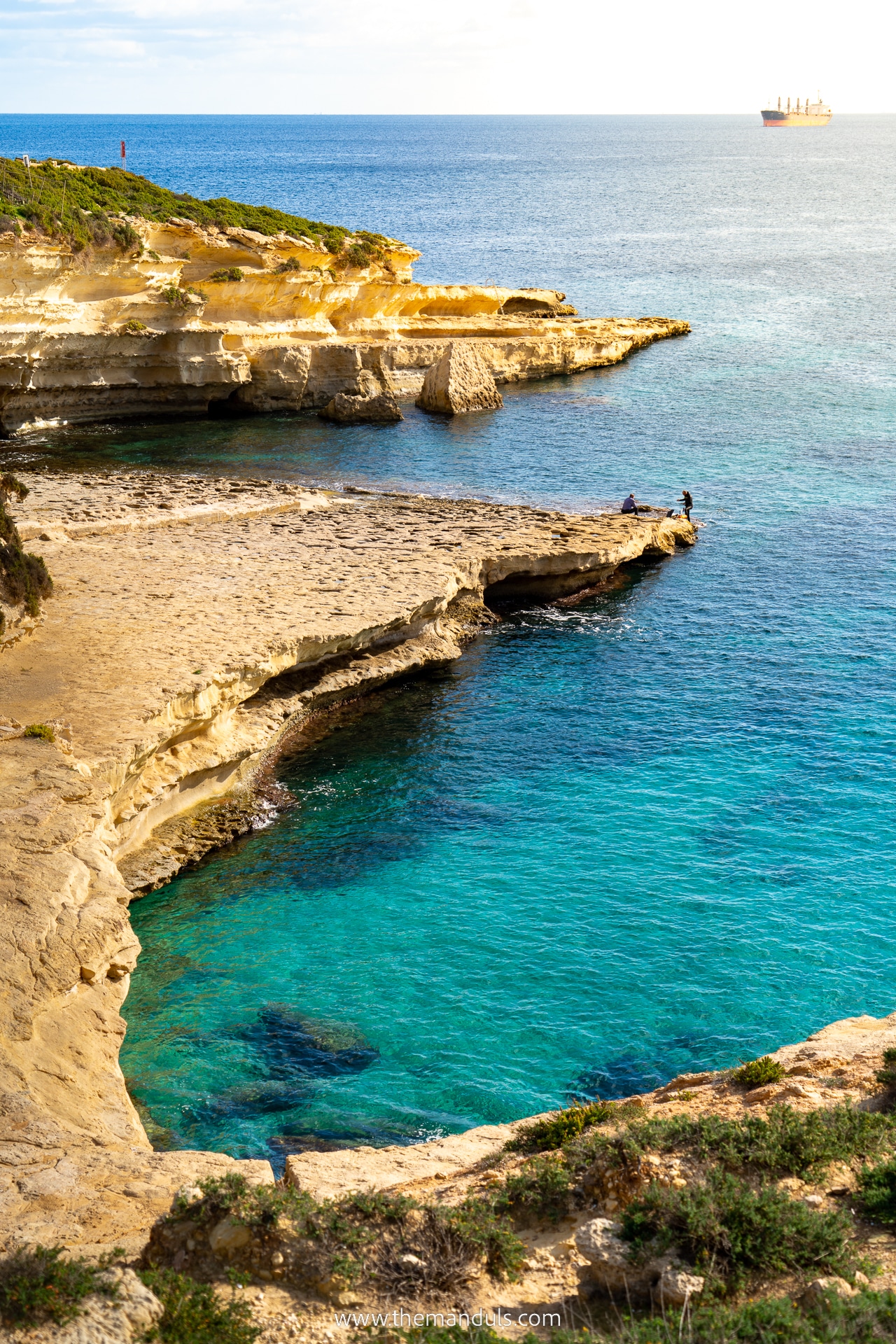
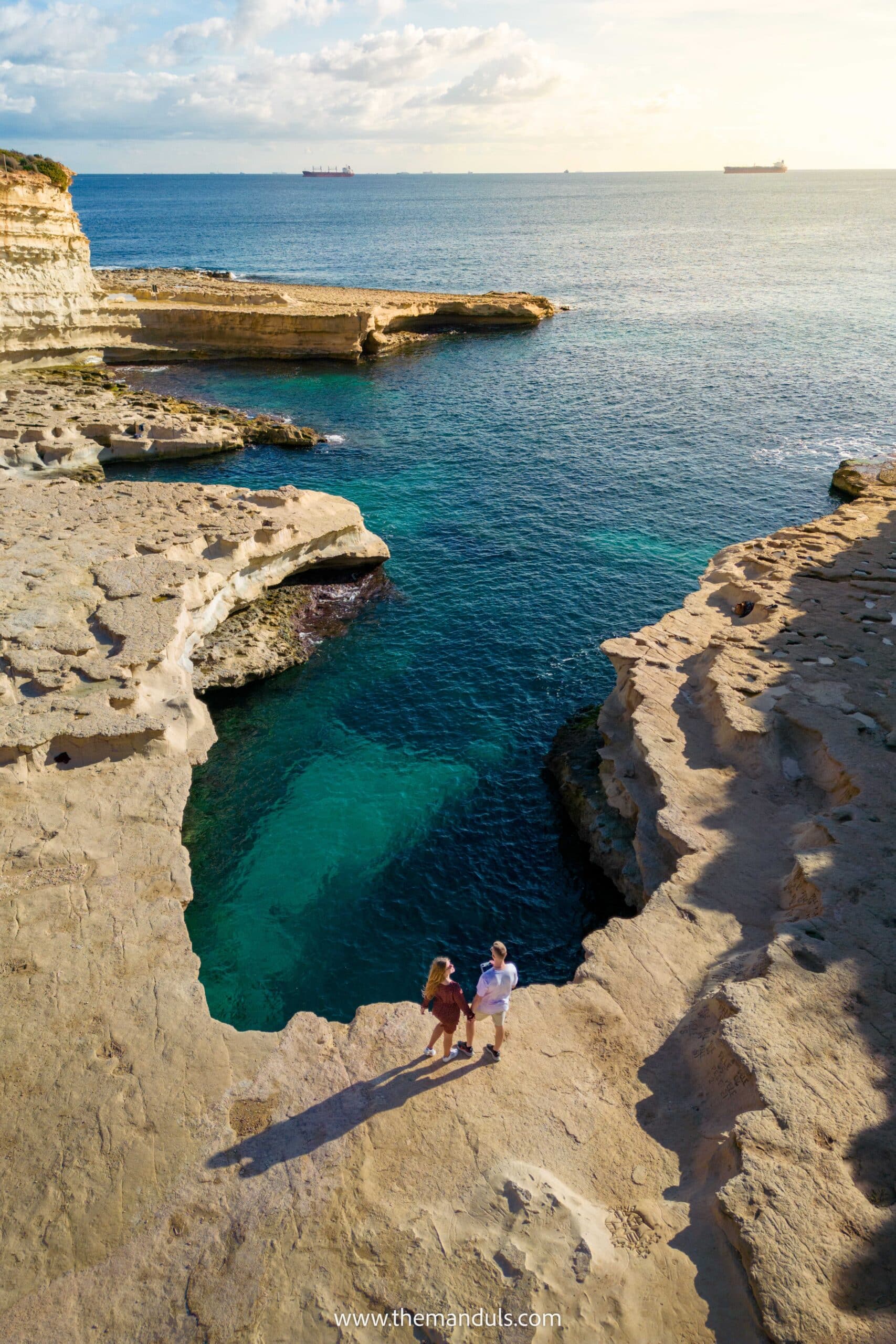
Out of five days, we were only lucky to have one proper swimming day, when conditions lined up perfectly. That’s when we swam at St Peter’s Pool and Il-Kalanka, and it was absolutely worth it.
December isn’t ideal if your trip revolves around beach time — but for sightseeing, atmosphere, and value, it worked incredibly well for us and we’d happily do it again.
Best Time to Visit Malta
If we had to give one clear answer, it would be spring (April–June) and early autumn (September–October). These seasons feel balanced — warm but not exhausting, lively but not crowded, and ideal if you want to mix sightseeing with coastal time.
Spring (March–May)
Spring is one of the most rewarding times to be in Malta. Days get steadily warmer, the island looks greener than later in the year, and moving around feels easy and relaxed. Temperatures are comfortable for walking and sightseeing, rain is limited, and humidity stays low.
It’s busy enough to feel alive, especially from April onward, but never overwhelming.
We love this time of year for how it feels — locals start eating outside again, harbors feel active, and everything runs at an easy pace without summer pressure.
✅ Comfortable temperatures, great for sightseeing and hiking, good value
❌ Sea is still cool for most swimmers
Monthly overview:
- May – Early-summer feel, longer days, starting to get busier
- March – Quiet, slightly unpredictable weather, great for exploring cities and temples
- April – Warmer days, Easter events, one of the best-balanced months
These are our top hotels in Malta we’d book again
⭐️⭐️⭐️ Hyatt Centric Malta (our top pick) – Modern lifestyle hotel in St Julian’s with design details, rooftop pool, and the perfect location near the promenade.
⭐️⭐️ HOLM Boutique Hotel & SPA – Playful boutique stay in Sliema with colorful design, spa, and rooftop pool close to the sea.
⭐️ Strand Suites by NEU Collective – Affordable studios in Sliema with rooftop pool access and a convenient location for exploring Malta’s best attractions.
Summer (June–August)
Summer is Malta at full intensity. Days are long, hot, and reliably sunny, with perfect conditions for swimming, boat trips, and beach time. Rain is almost non-existent, but the heat can be draining, especially for sightseeing during the day. Crowds peak in July and August, and prices follow.
It’s fantastic for sea-focused trips, but less forgiving if your plans revolve around walking and culture.
✅ Best sea conditions, festivals, long daylight hours
❌ Heat, crowds, higher prices
Monthly overview:
- June – Hot but still manageable, a good start to summer
- July – Very warm, lively, peak festival and beach season
- August – Hottest and busiest month, energetic but intense
Autumn (September–November)
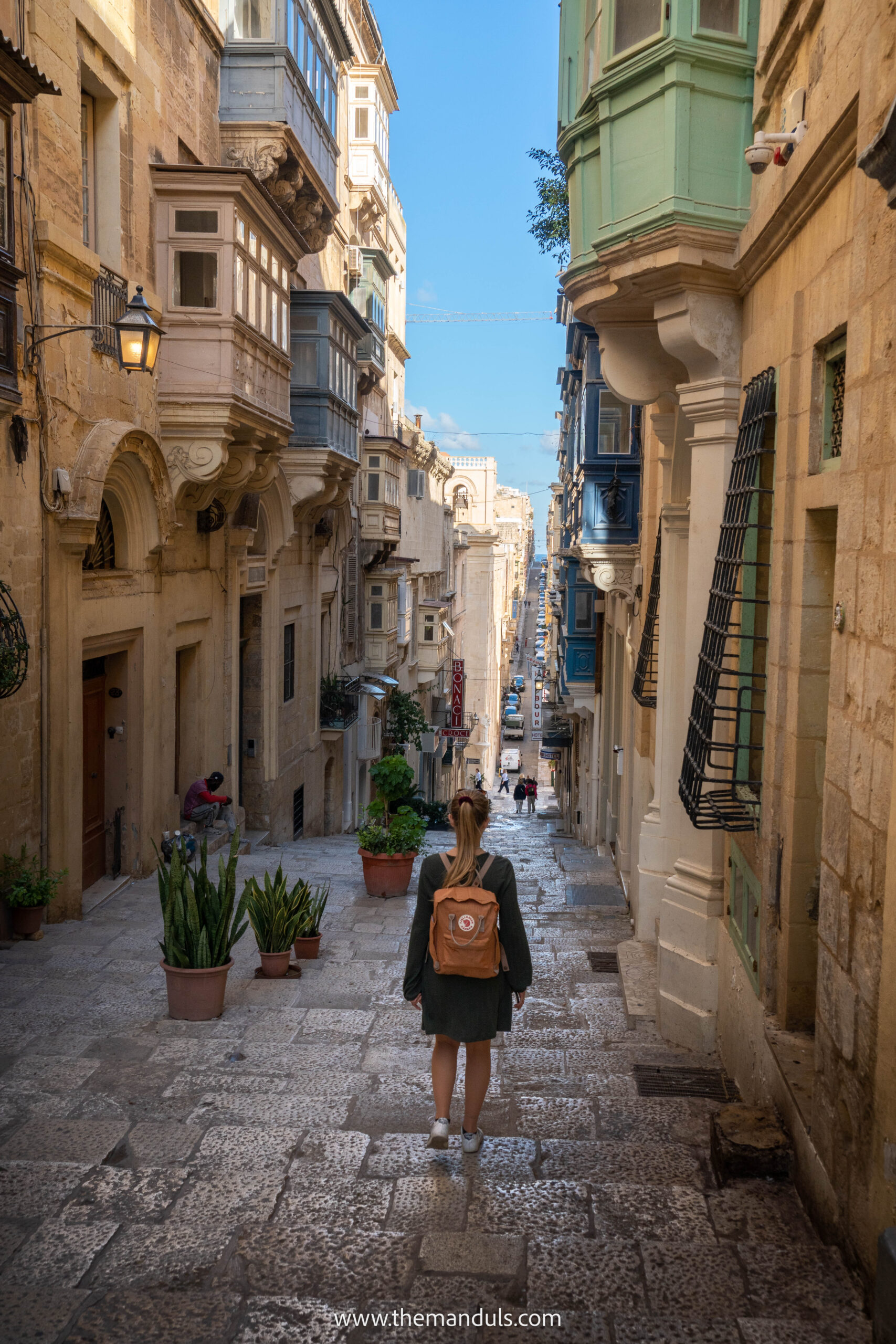
Early autumn is a close rival to spring and one of our favorite times overall. The sea stays warm from summer, temperatures soften, and the island slowly calms down. It’s ideal if you want beach days without peak-season chaos, plus comfortable sightseeing.
By November, the pace slows noticeably and the weather becomes more variable, but it’s still a pleasant time to visit.
✅ Warm sea, fewer crowds than summer, great all-round conditions
❌ Less stable weather later in the season
Monthly overview:
- September – Summer feel with fewer crowds
- October – Excellent balance of weather, sea, and atmosphere
- November – Quieter, cooler, occasional rain
Winter (December–February)
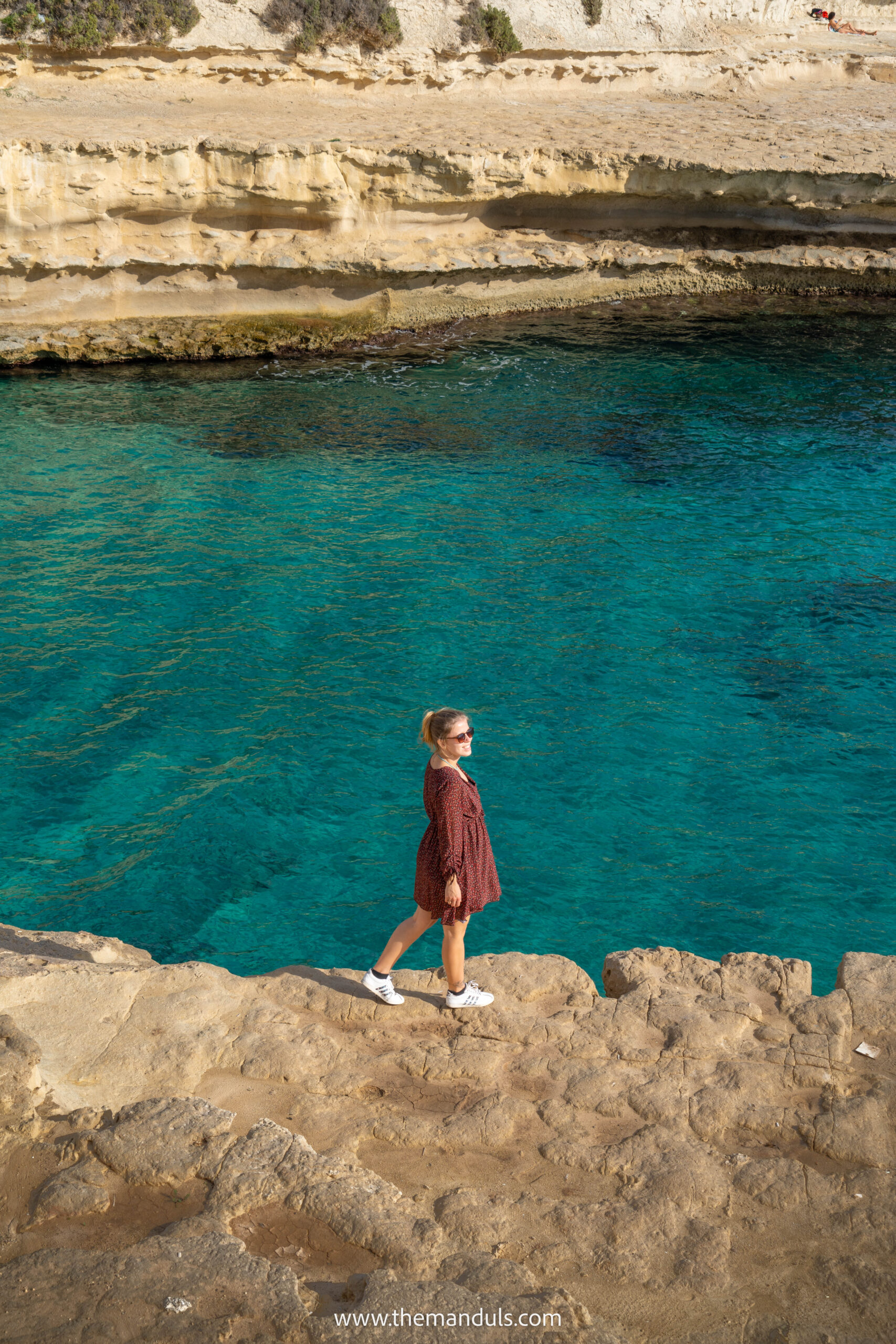
Winter is Malta at its most local — and this is when we visited. Crowds drop to a minimum, prices are at their lowest, and December adds a festive feel with Christmas lights and markets. It’s calm, atmospheric, and ideal for slow travel and sightseeing.
The downside is the weather. It changes quickly, with sunny, calm days followed by wind and strong waves. Swimming is possible on rare calm days, but it’s not something to rely on.
✅ Lowest prices, no crowds, authentic local feel
❌ Unstable weather, swimming depends heavily on conditions
Monthly overview:
- December – Festive, calm, great value
- January – Coolest and quietest month
- February – Still calm, Carnival adds color and energy
Crowds & Prices
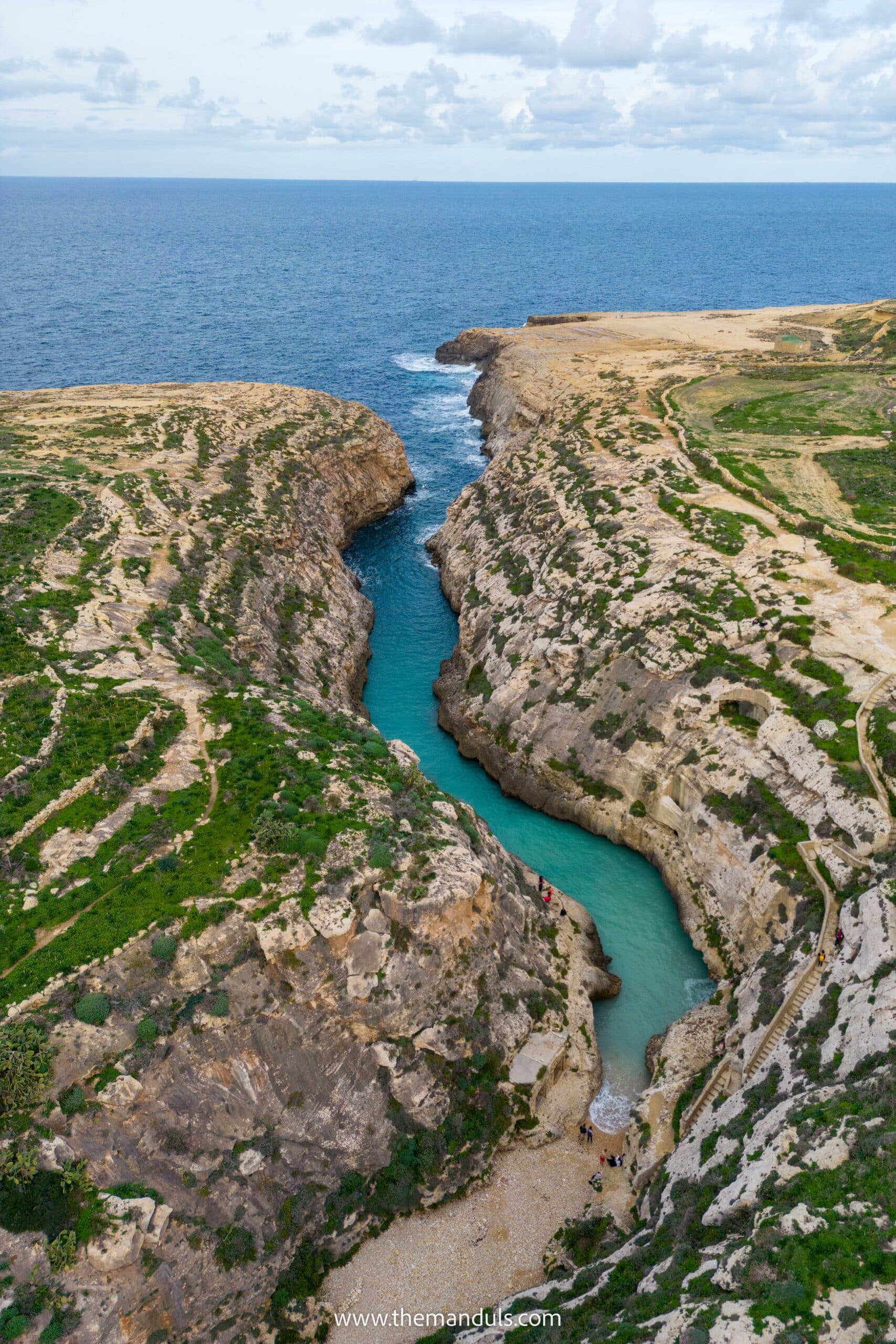
Crowds and prices in Malta follow a pretty clear seasonal pattern. July and August are the most expensive and busiest months, driven by European school holidays, summer festivals, and peak beach weather.
Hotels fill up fast, popular areas feel crowded, and flight prices are usually at their highest — especially if you book late.
Spring (April–June) and early autumn (September–October) offer the best balance. Visitor numbers are noticeably lower than in summer, yet the weather is still excellent. Hotel prices are more reasonable, flight deals are easier to find, and you get much better value overall.
Winter (December–February) is the cheapest time to visit. This is when we traveled, and prices were significantly lower across hotels, rentals, and flights. Crowds are minimal, except for short spikes around Christmas, New Year, and Carnival in February.
Events & Festivals
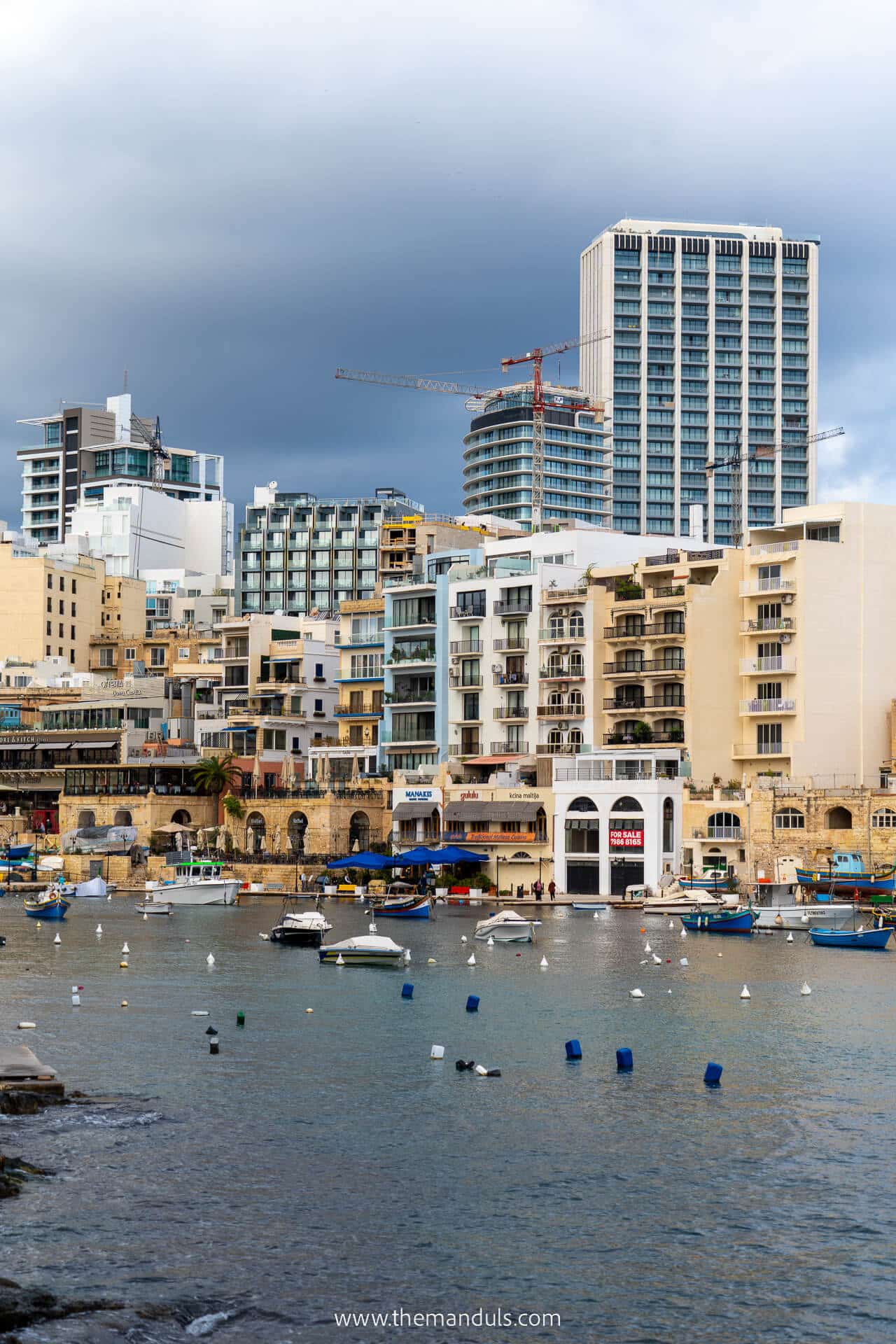
Here are a few key events worth timing your trip around — they add a lot of atmosphere and can subtly change crowds and prices.
- Carnival (February) – One of Malta’s most colorful events, with parades, costumes, and street celebrations, especially in Valletta and Nadur (Gozo).
- Village Festas (June–September) – Local patron-saint festivals held almost every weekend in different towns, featuring fireworks, band marches, and street food.
- Malta International Fireworks Festival (April) – A large-scale fireworks competition held over several nights, mainly around the Grand Harbour. It’s visually impressive and marks the start of the busier travel season.
- Summer Music Festivals (July–August) – Open-air concerts and electronic music festivals attract international crowds. Great if nightlife is your focus, but expect higher prices and fuller hotels.
- Christmas Markets & Decorations (December) – Smaller and more local than in Central Europe, but they add a cozy, festive feel to cities and villages. We visited in December and loved how it lightened-up the quieter winter vibe.
Worst Time to Visit Malta
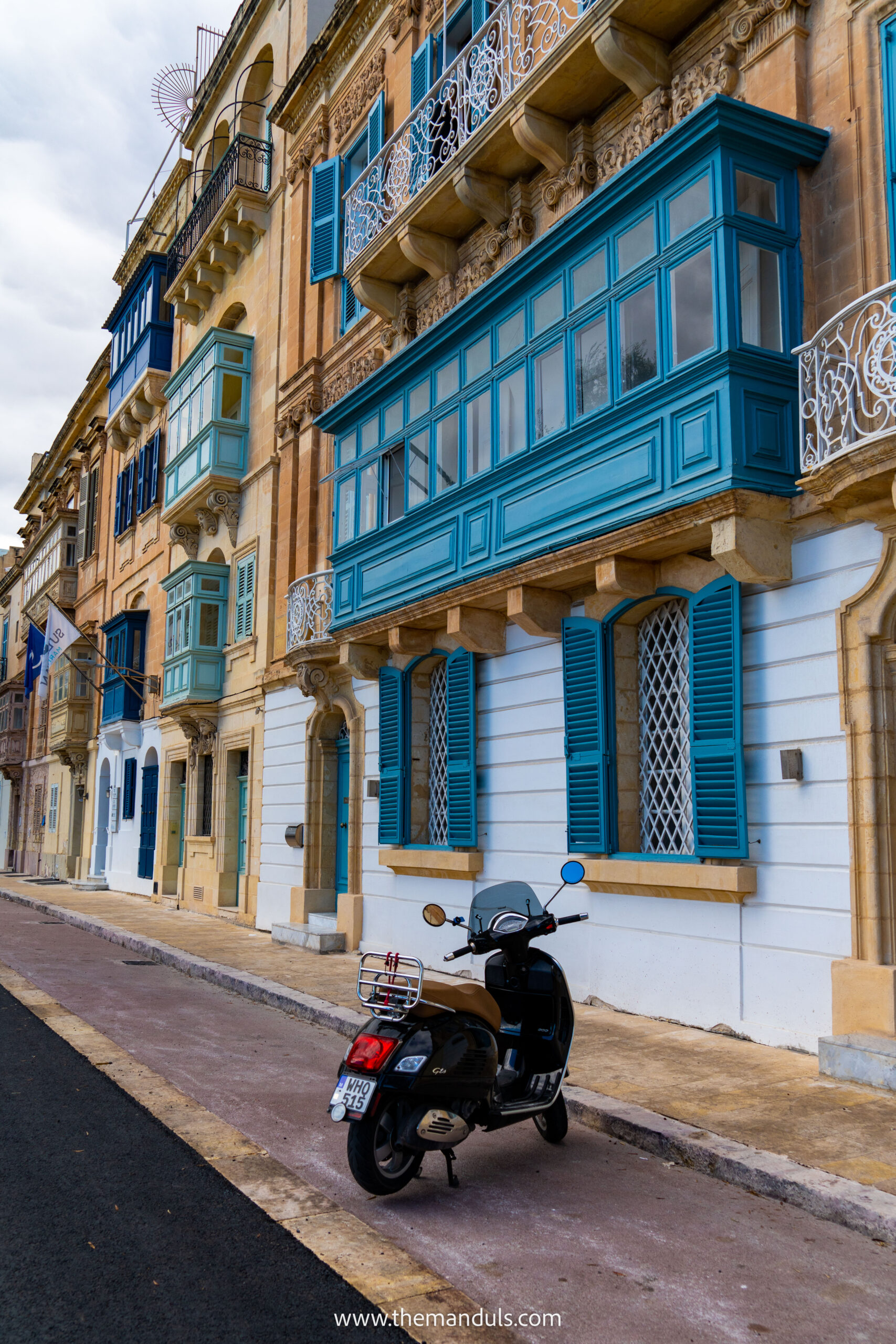
The least ideal time to visit Malta is July–August if you’re sensitive to heat and crowds. Temperatures regularly exceed 30°C, humidity is high, popular spots feel packed, and prices for flights and hotels peak due to school holidays and festivals. It’s great for swimming and nightlife, but tiring for sightseeing.
January and early February can also be limiting. While crowds and prices are low, weather is changeable, often windy, and swimming or boat trips aren’t reliable.
FAQ
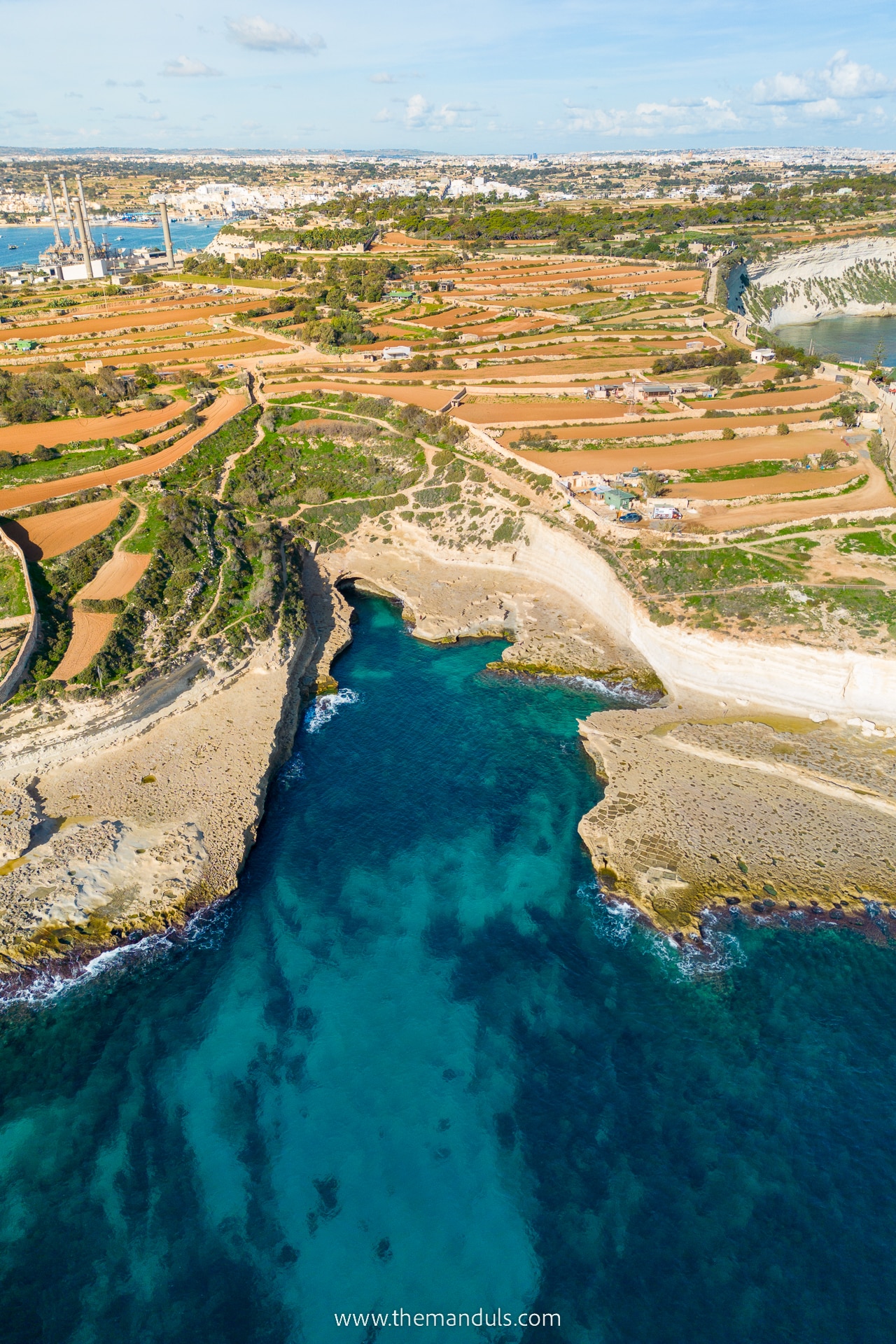
Malta doesn’t have a true rainy season, but November to February sees the most rain, usually in short bursts rather than all-day downpours.
April and October are ideal — warm, sunny, and comfortable for walking, with far fewer crowds than summer.
January and February are the cheapest months, with the lowest hotel prices and frequent flight deals.
It can be. July and August are very hot and humid, which makes sightseeing harder, but they’re perfect for swimming and boat trips.
Final Thoughts
If we had to recommend just one time to visit Malta, it would be spring (April–May) or early autumn (September–October). The weather is comfortable, the island feels lively but not crowded, and you get the best balance between sightseeing, coastal time, and overall value.
That said, Malta is one of those places that works year-round. Honestly, each season has something special — from festive winter calm and summer energy to those perfectly balanced shoulder months. It really comes down to what kind of trip you’re after and how flexible you’re willing to be.
Before booking your accommodation, take a look at our full Malta hotel guide to choose the area that fits your trip.