
This article contains affiliate links. Learn more in our affiliate disclosure.
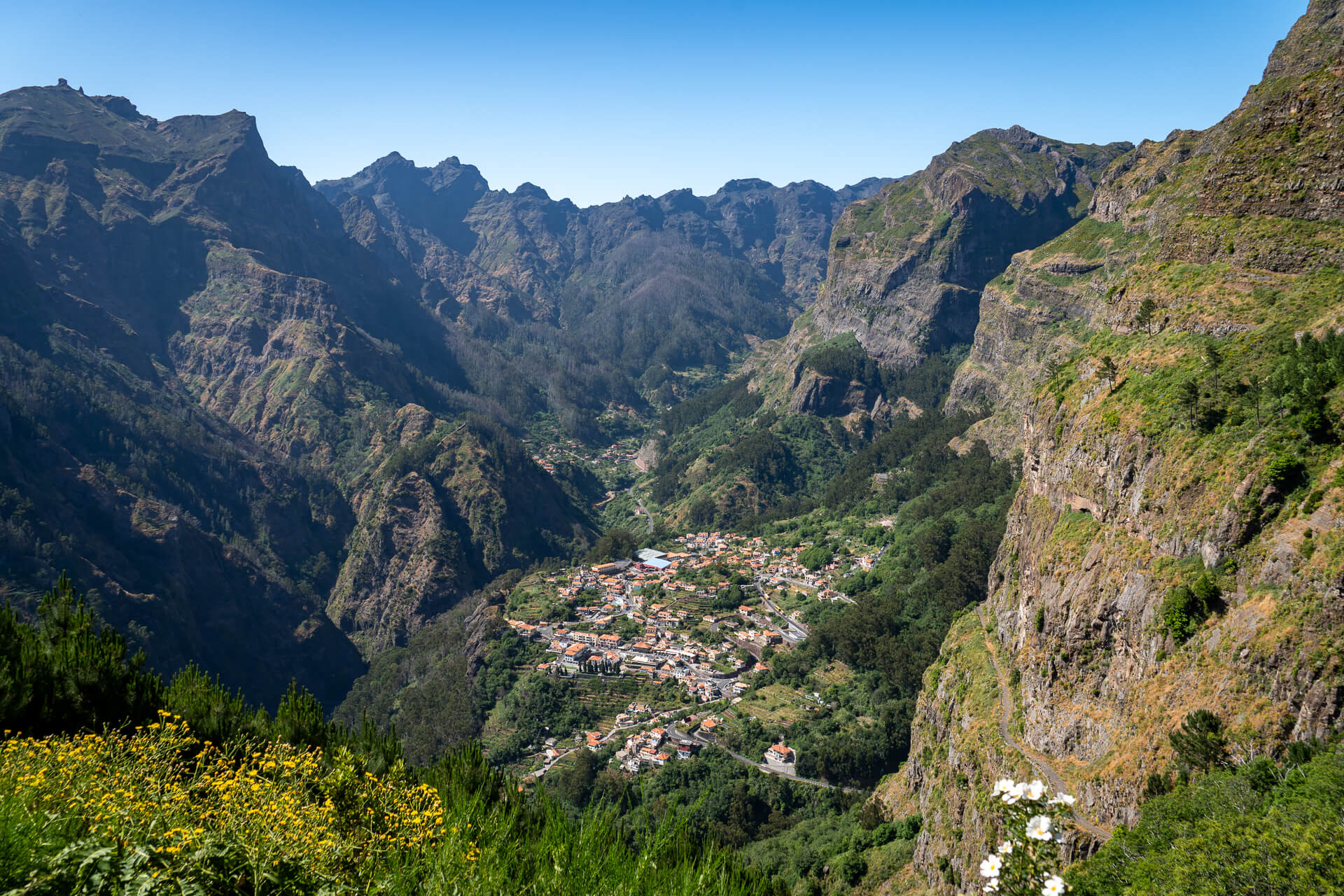
When we first started planning our trip to Madeira, we had no idea how much timing would shape the entire experience. On paper, the island sounds good year-round — mild temperatures, dramatic landscapes, ocean views everywhere — but once we were there, it became clear that when you visit really changes how Madeira feels day to day.
We visited Madeira at the end of June and the start of July, and it turned out to be a fantastic choice. The weather was mostly sunny and stable, flowers were still in full bloom, the colours across the island were unreal, and the ocean was already pleasant for swimming.
The north coast was a bit more unpredictable weather-wise, but that’s completely normal in Madeira and part of what gives the island its lush, green look. Even at popular spots, crowds never felt overwhelming, and we didn’t run into parking issues at any major attractions.
Because Madeira offers such a mix — hiking, viewpoints, beaches, towns, and food — the right timing matters more than you might expect. It affects everything from trail conditions and visibility to how busy the roads and viewpoints feel.
In this guide, we’ll help you find the best time to visit — based on real experience, local conditions, and what it actually feels like to explore the island. And if you’re already planning your trip, you can also check out our guides to the best things to do in Madeira and where to stay in Madeira to help put everything together.
Key Highlights
🌤️ Best months: Late spring to early summer — especially May to early July — for stable weather, colourful landscapes, and great conditions for hiking, swimming, and exploring.
👥 Crowd levels: Busiest in July and August
🎉 Notable events: The Madeira Flower Festival in spring, the Atlantic Festival with fireworks in June, and the New Year’s Eve fireworks in Funchal.
💡 Good to know: Weather can change quickly between the south and north of the island.
Quick Overview
The best time to visit Madeira is from late spring to early summer, especially May to early July, when the island feels at its best — sunny, colourful, and easy to explore.
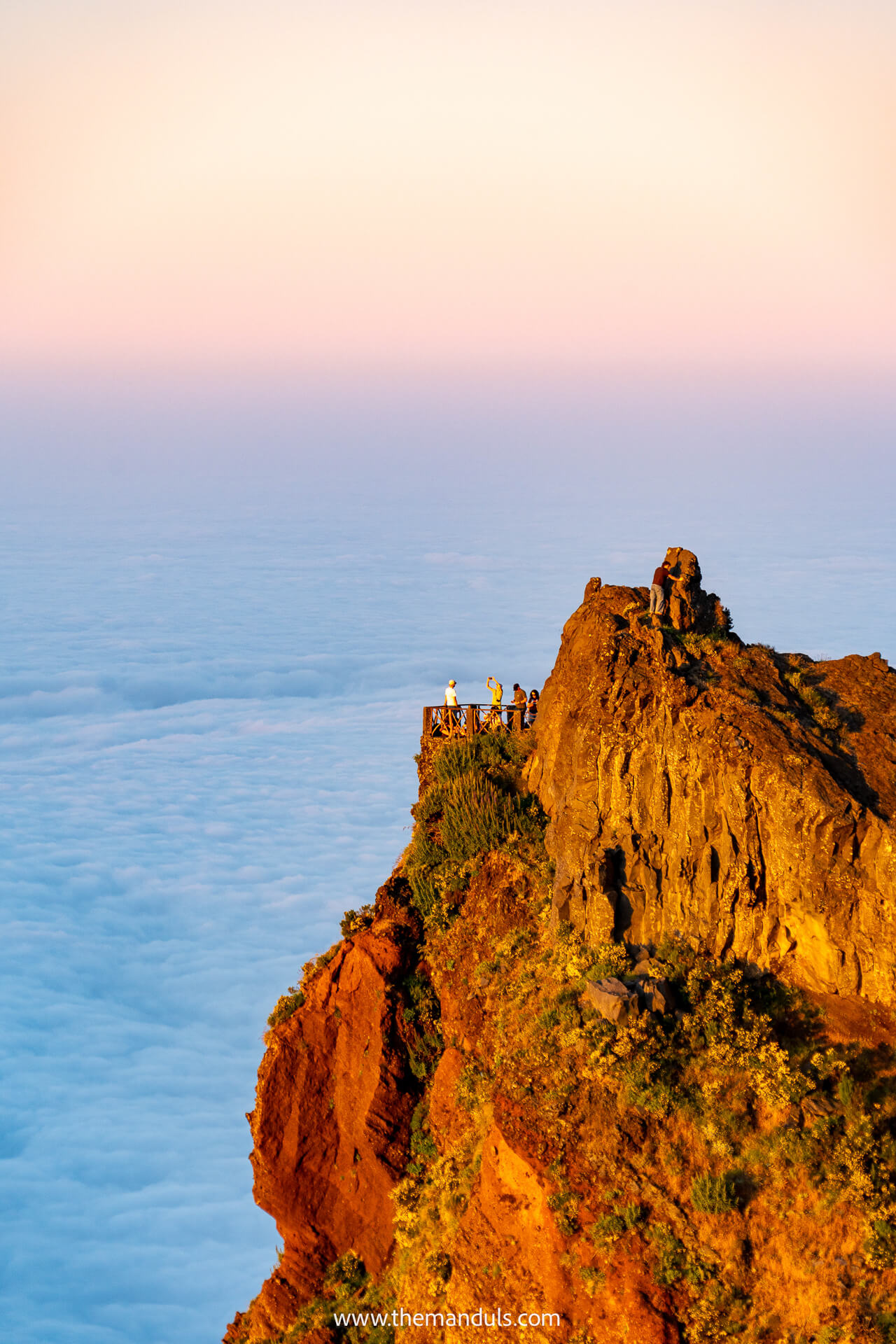
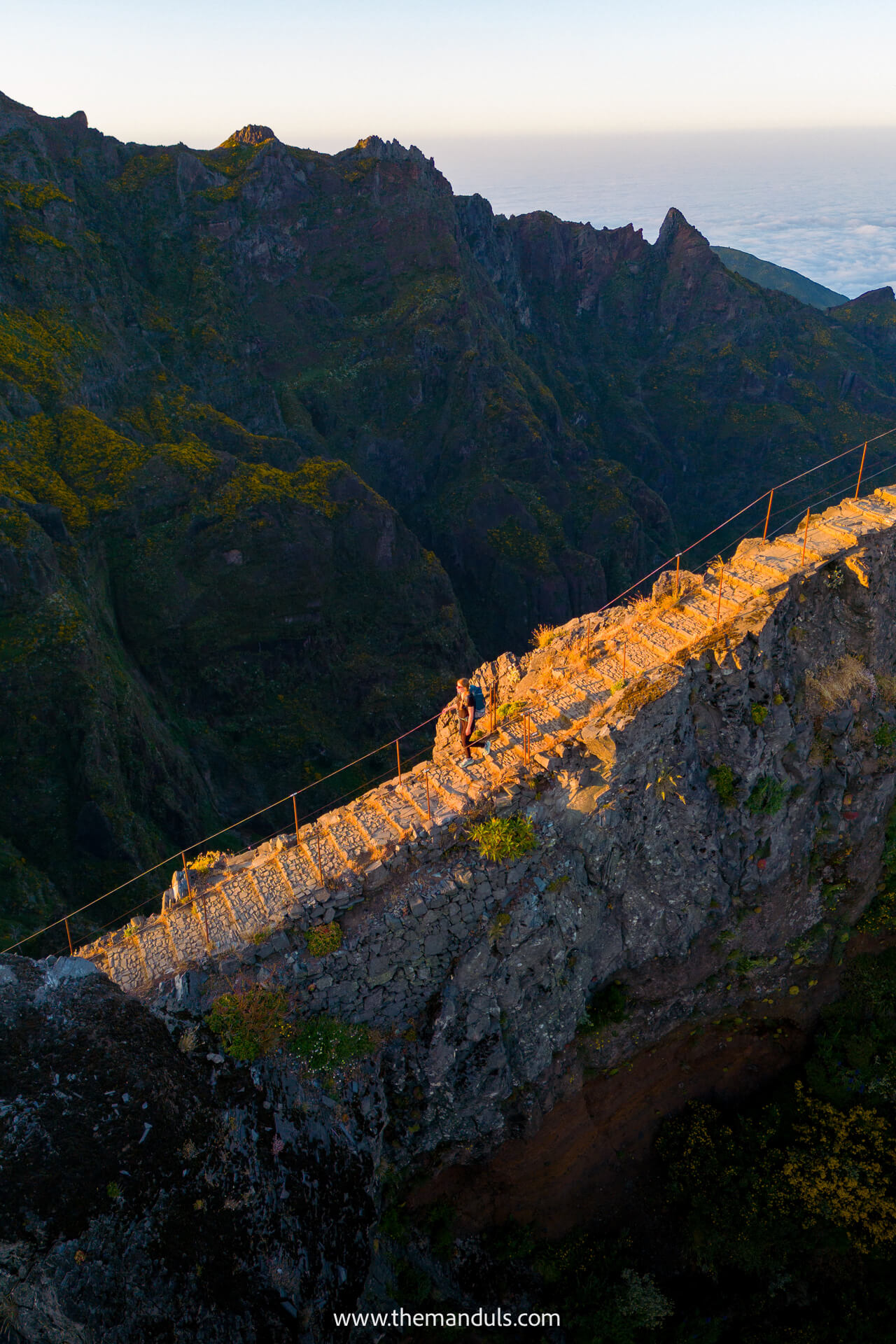
These months bring stable weather, blooming landscapes, and comfortable temperatures for everything from coastal swims to mountain viewpoints like Pico do Arieiro.
Summer is livelier and slightly busier, while winter feels calmer and greener but comes with more unpredictable weather, especially on the north side of the island.
Our Experience
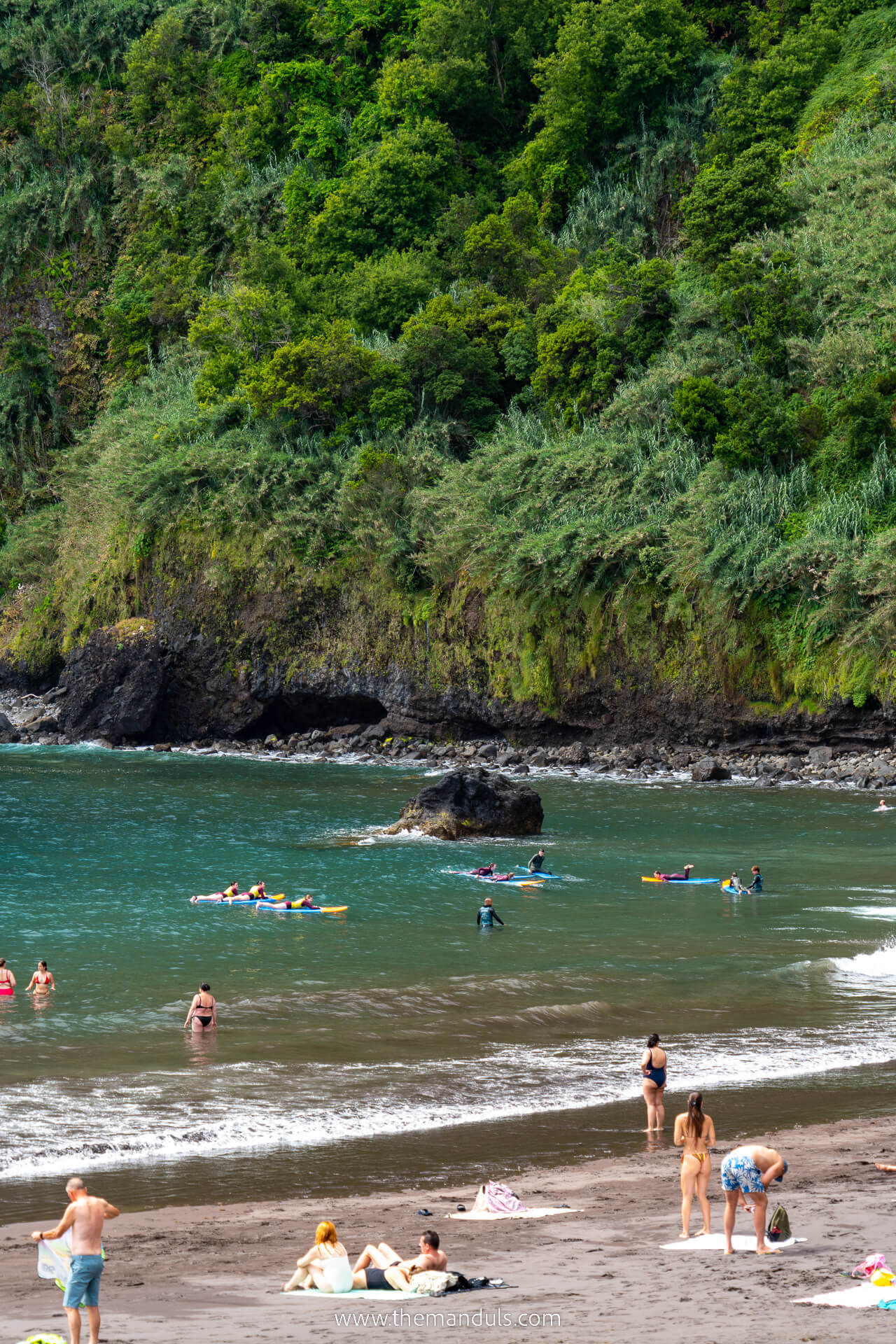
We visited Madeira at the end of June and the beginning of July, and it honestly felt like a sweet spot. Most days were sunny and warm without being uncomfortable, the island was still full of colour from blooming flowers, and the ocean was pleasant enough for long swims — especially at spots like Praia do Garajau and Seixal Beach.
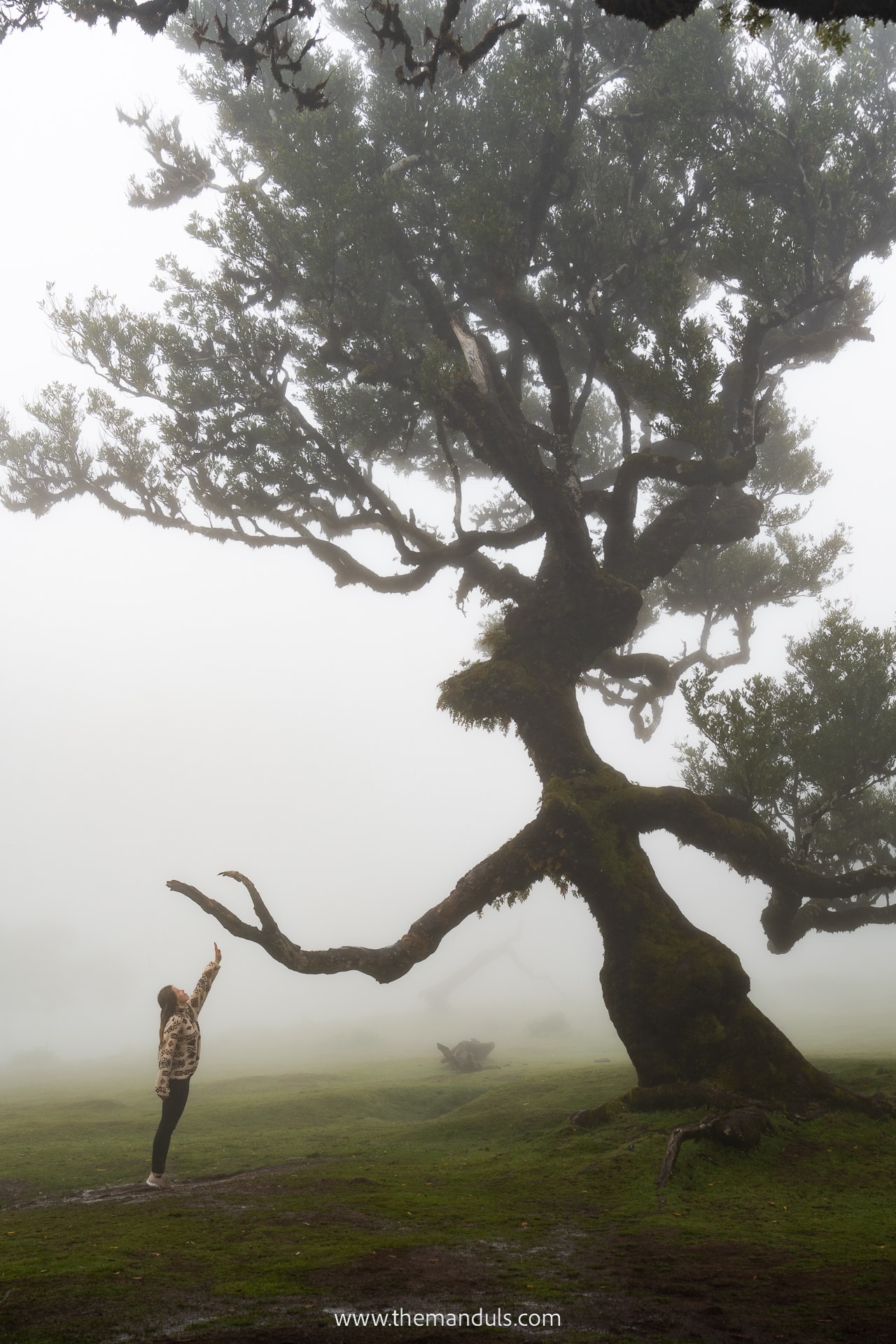
We did notice that the weather on the north coast was less stable, with clouds and mist rolling in at times, but that’s something you should expect in Madeira and not see as a downside. In fact, it’s what keeps places like Fanal forest so green and atmospheric.
Even at popular attractions, crowds never felt overwhelming, and we never struggled with parking, which made exploring by car feel relaxed rather than stressful.
Overall, this time of year gave us the best of everything — great conditions for levada walks like Levada do Moinho, clear views from higher elevations, warm sea temperatures, and an island that felt lively without being chaotic. We’d happily plan another trip around the same period again.
Best Time to Visit Madeira
If we had to pick one period that works best for most travelers, it would be late spring through early summer. Madeira doesn’t have extreme seasons, but small shifts in weather, crowds, and prices make a real difference to how the island feels. Below is how each season compares, starting with the one we’d personally recommend first.
Spring (March–May)
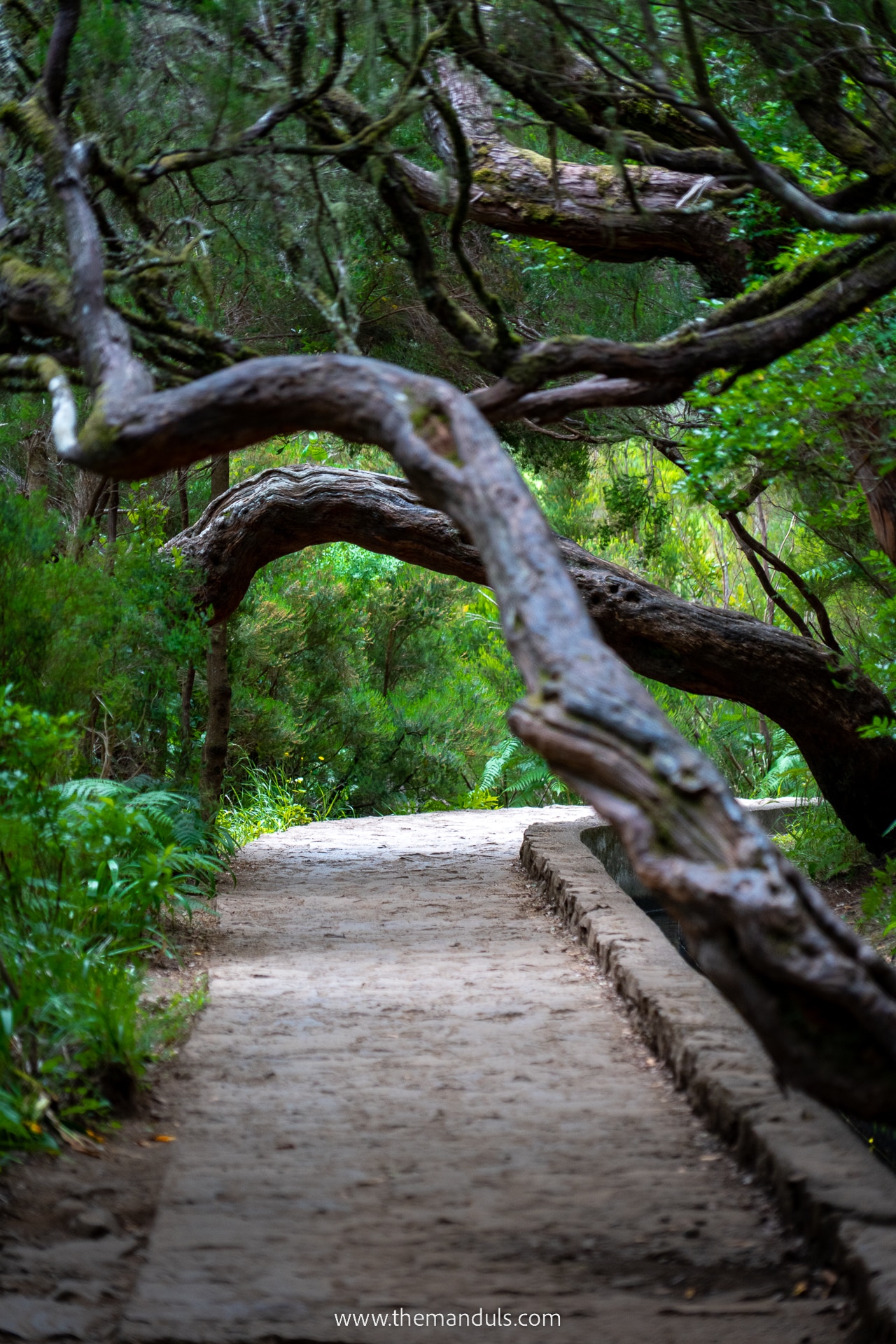
Spring is when Madeira starts to wake up. Temperatures are mild, days get longer, and the island turns noticeably greener and more colourful. It’s one of the best times for hiking, viewpoints, and being outdoors without worrying about heat.
Weather-wise, expect comfortable daytime temperatures, occasional showers, and fresher evenings — especially at higher elevations. Crowds are still relatively low outside of Easter and festival weeks, and prices are more reasonable than in peak summer.
This season suits travelers focused on sightseeing, hiking, photography, and road-tripping, rather than beach-heavy plans. Trails and viewpoints feel calm.
✅ Pros: Blooming landscapes, cooler hiking weather, fewer crowds
❌ Cons: Ocean is still cooler, with more variable weather than in summer
Monthly overview:
- March: Green, fresh, quieter — but still a bit unpredictable weather-wise.
- April: One of the prettiest months, especially around the Flower Festival period.
- May: Warmer, more stable, and a great all-rounder before summer crowds arrive.
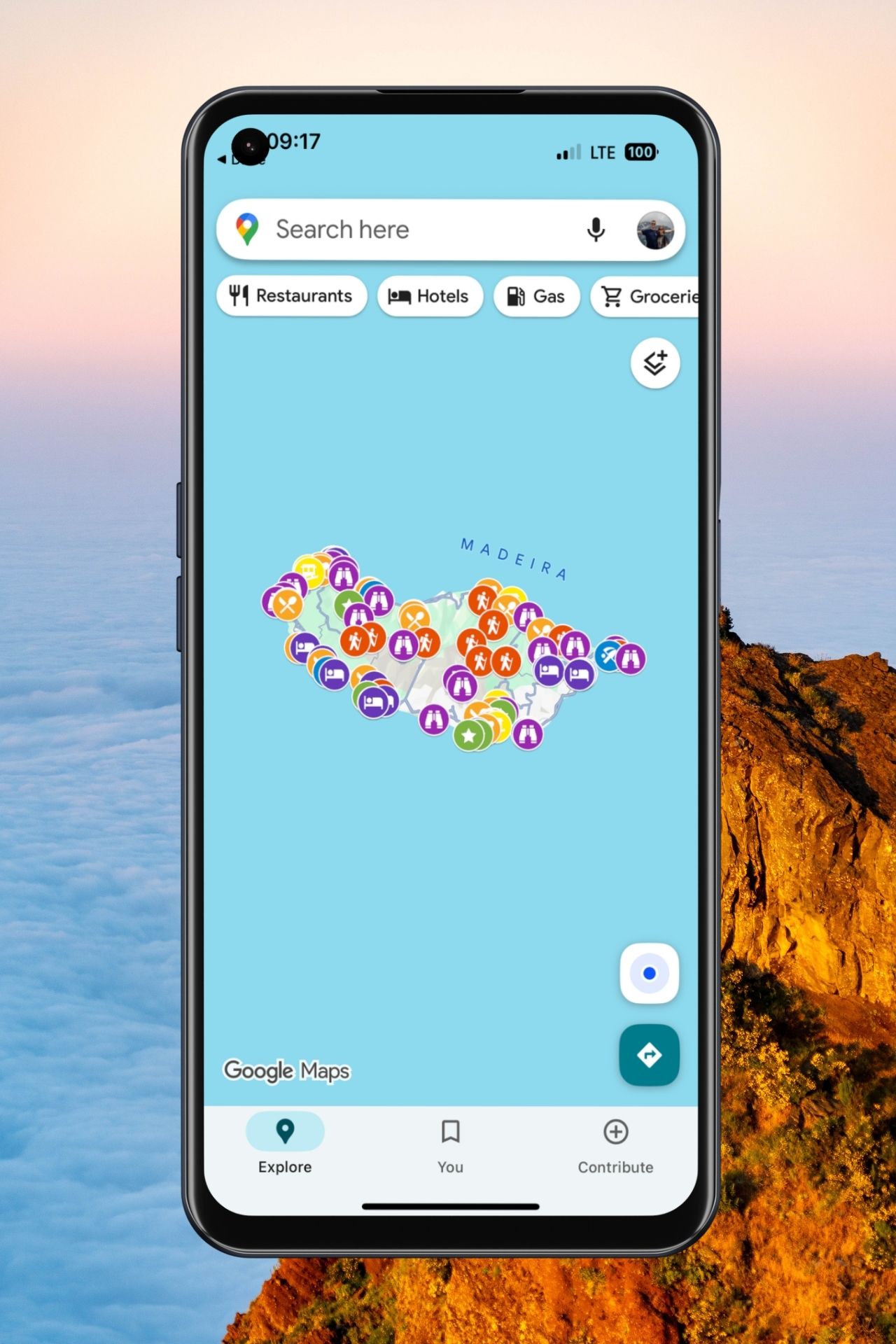
Our Madeira Google Maps
Built from our real trips around Madeira — only places we actually visited and loved.
No random saves. No wasted time. Just a ready-to-use map that helps you explore the island in a way that actually makes sense.
92 handpicked spots, including:
📍 The best attractions & unique places
🥾 Our favorite hikes & scenic viewpoints
🍜 Restaurants and cafés we’d go back to
🚠Scenic cable cars
Early Summer (June–July)
Early summer is when Madeira feels the best. Days are long and mostly sunny, temperatures are warm without being extreme, and the ocean finally reaches that sweet spot where swimming feels genuinely enjoyable. It’s an ideal time for mixing outdoor activities with relaxed coastal time, without constantly checking the forecast.
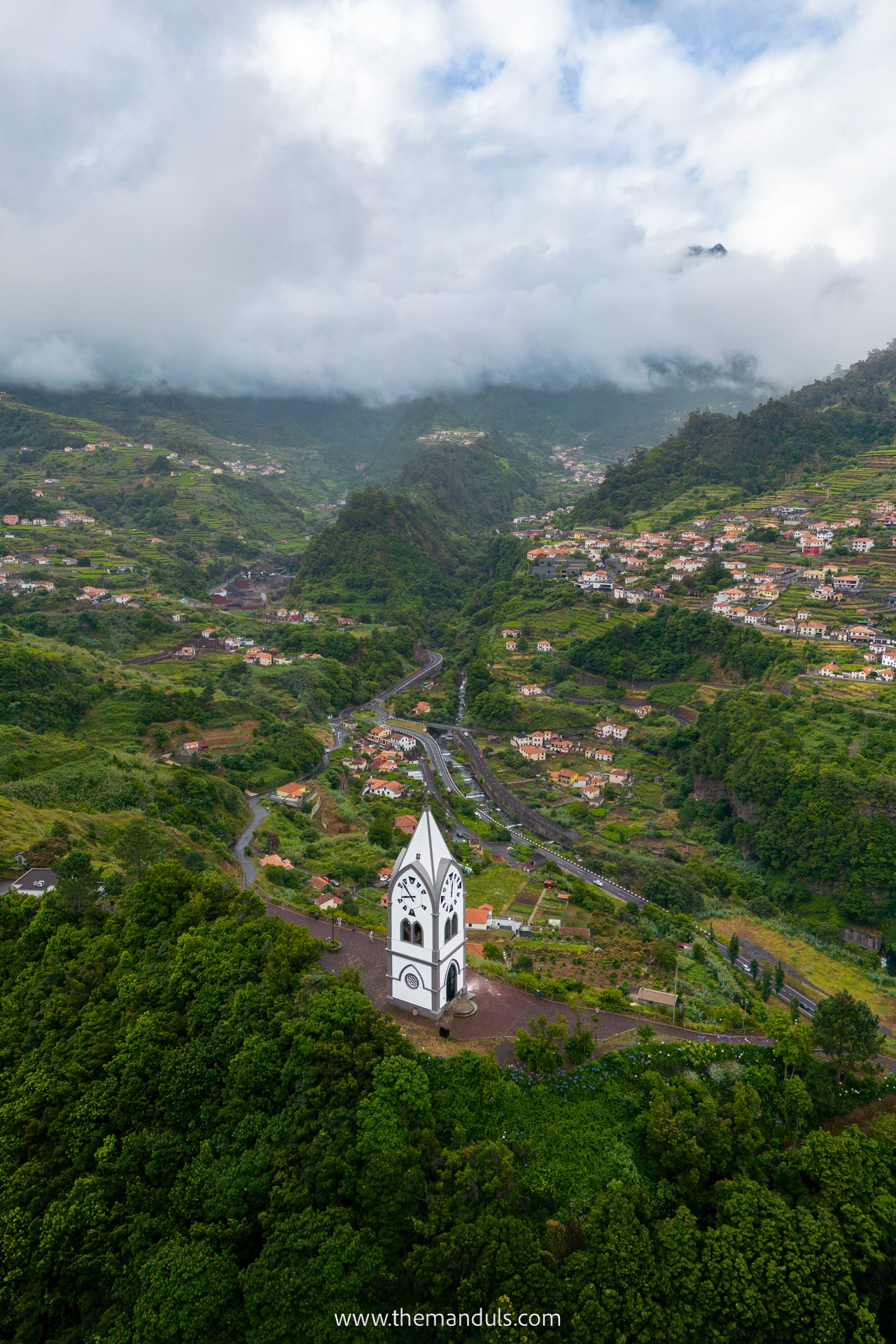
This is also when visibility in the mountains is at its best. We had clear conditions for high viewpoints, including Pico do Arieiro, and hiking never felt too hot thanks to the island’s elevation changes and coastal breezes.
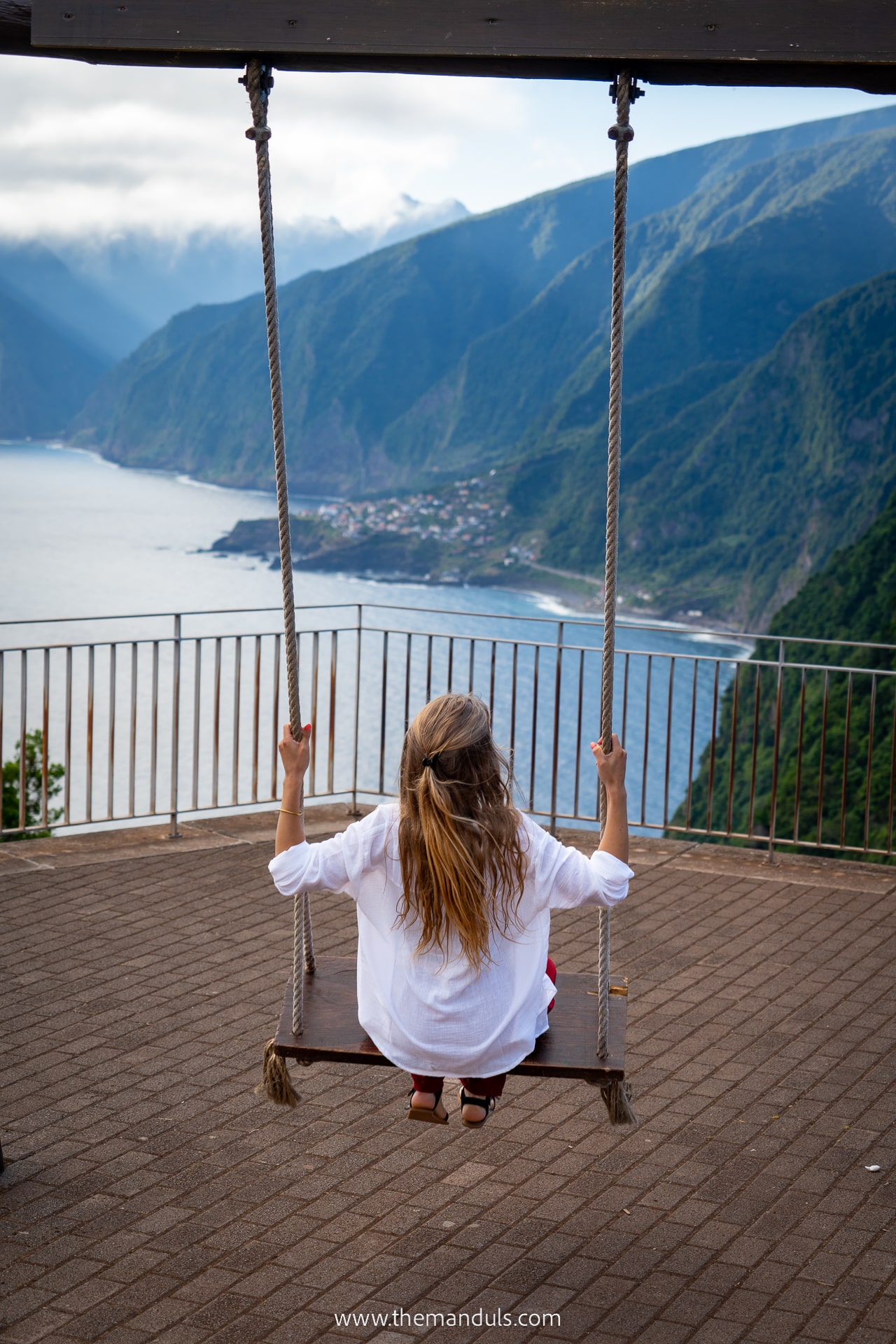
Crowds do increase compared to spring, but in our experience, they were concentrated at a few headline spots rather than everywhere at once.
This season suits first-time visitors, active travelers, and anyone wanting a bit of everything — hiking, swimming, scenic drives, and food — without the pressure of peak summer heat.
✅ Pros: Stable weather, warm sea temperatures, long days, great visibility
❌ Cons: Slightly busier attractions, higher prices than spring
Monthly overview:
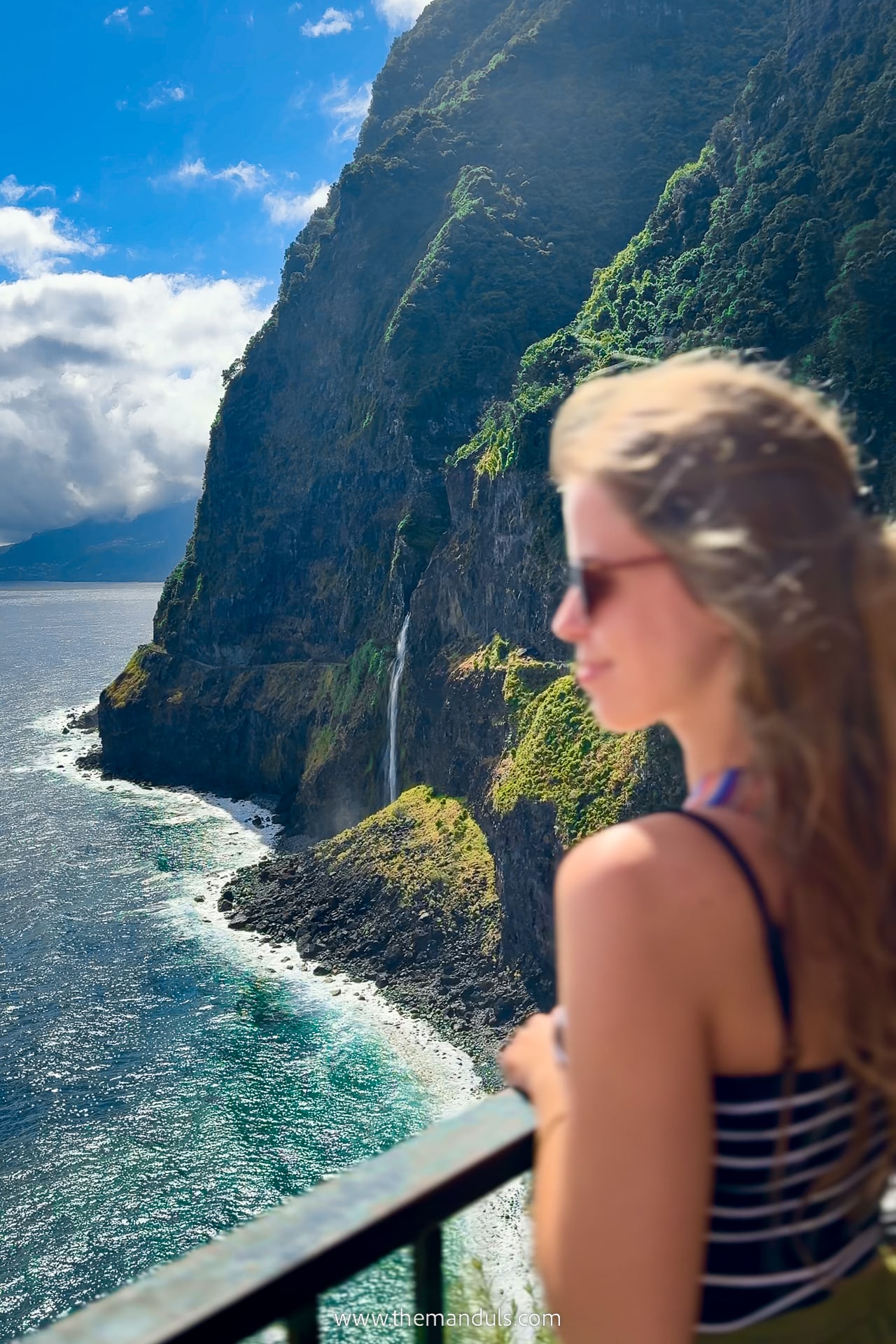
- June: One of the best all-round months — great weather, festivals, and manageable crowds.
- July: Warmer and livelier, still comfortable, with a noticeable uptick in visitors toward the end of the month.
Late Summer & Autumn (August–October)
Late summer and early autumn are warmer and busier, but still very workable if you plan well. August brings the hottest temperatures and the highest number of visitors, especially families travelling during school holidays.
By this point, the spring flowers are mostly gone, and the island doesn’t look quite as fresh and colourful as it does in late spring or early summer. If lush blooms are high on your list, this isn’t the most visually striking period
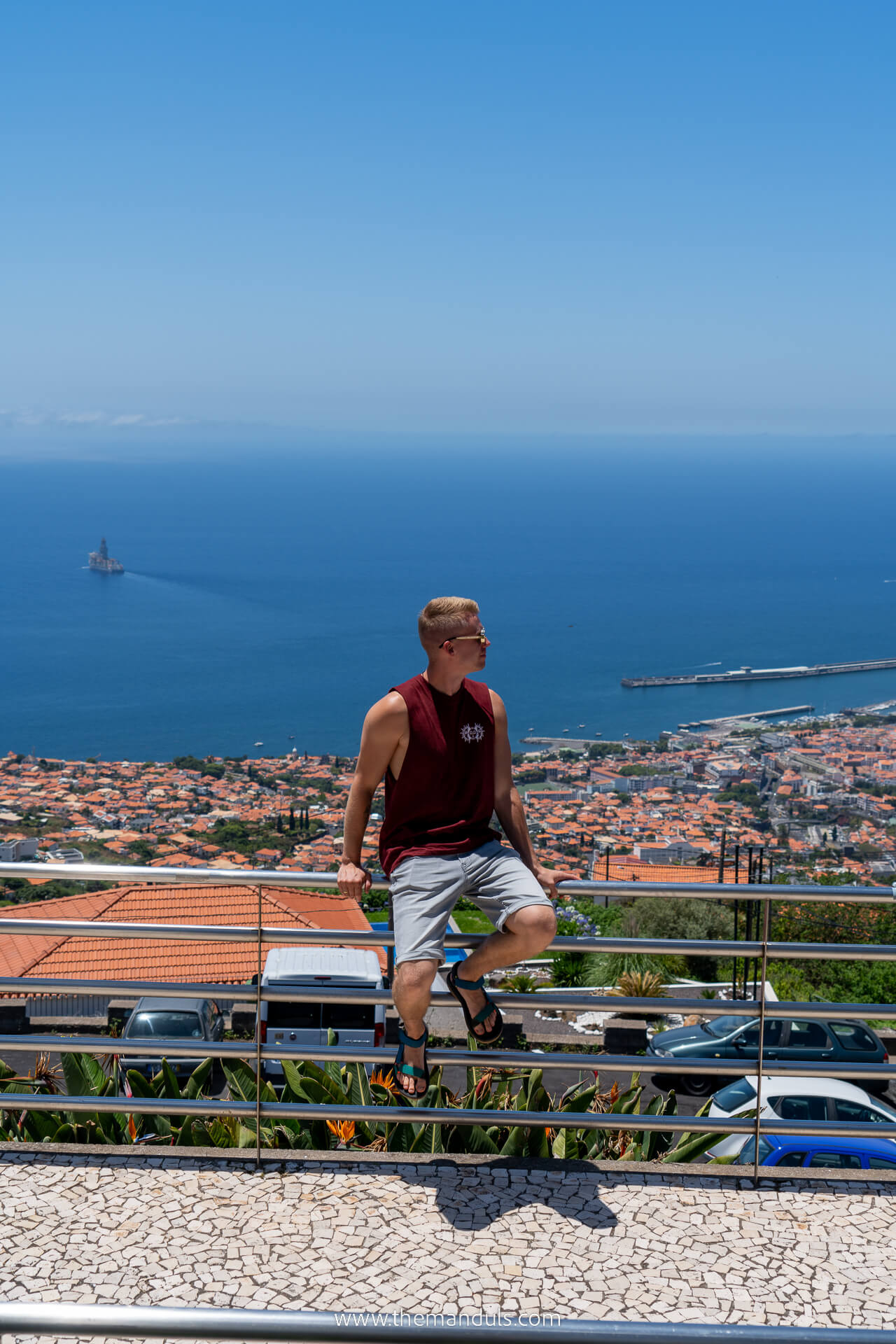
That said, Madeira never feels as overwhelming as many mainland European destinations — crowds tend to spread out once you leave the main towns.
September and October are a nice step down from peak summer. The sea stays warm, the weather remains largely sunny, and the island feels calmer again. It’s a great period for combining swimming, scenic drives, and outdoor exploring without the intensity of August.
This season suits beach-focused travelers, slower-paced trips, and anyone who prefers warmer evenings and sea conditions over hiking-heavy itineraries.
✅ Pros: Warm ocean, summer atmosphere, fewer crowds after August
❌ Cons: August can feel busy and pricey, heat makes midday hiking less appealing
Monthly overview:
- August: Hot, lively, busiest month — best for beaches and festivals.
- September: Still summery, but noticeably calmer and more relaxed.
- October: Mild, quieter, and a good balance between sea time and sightseeing.
Winter (November–February)
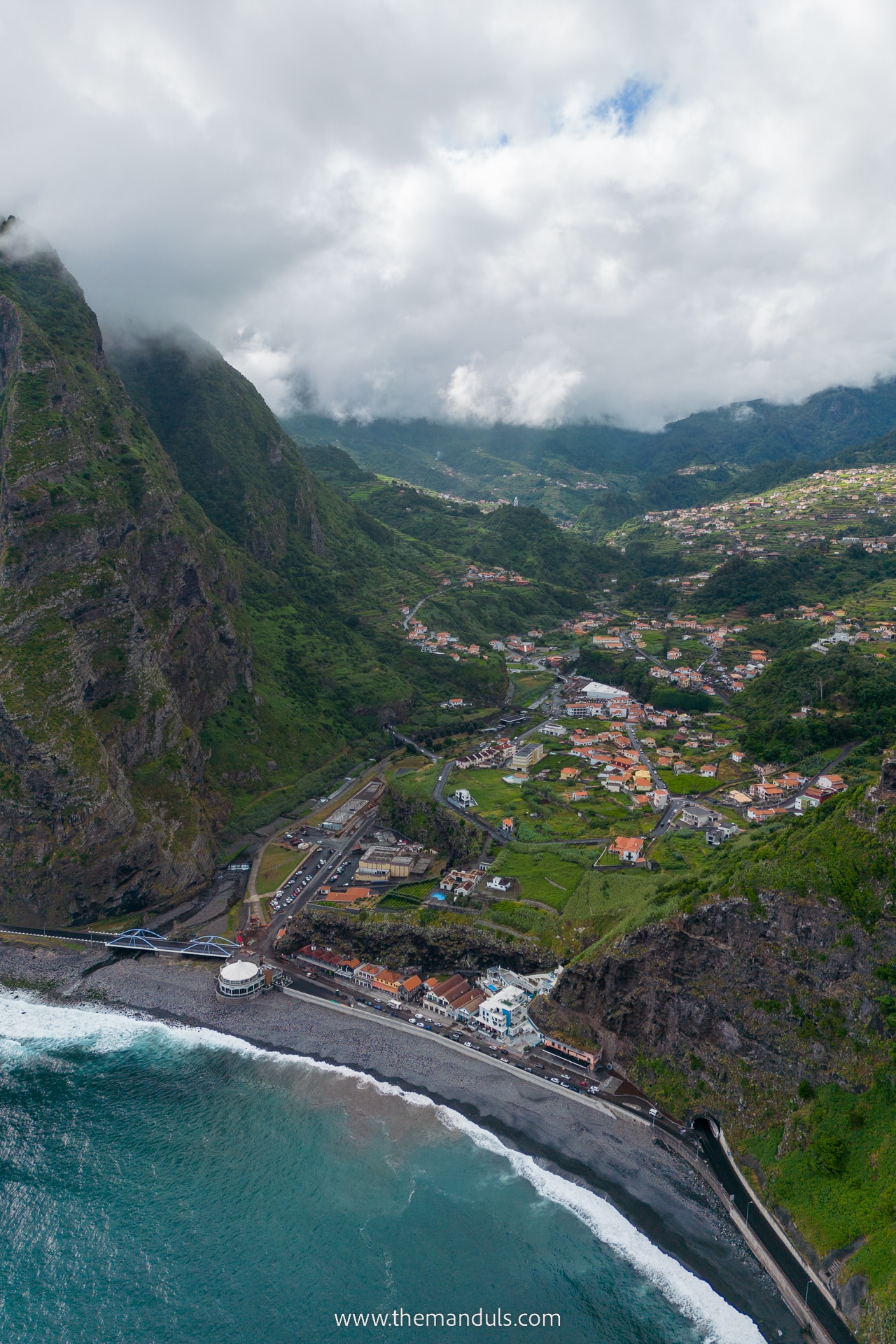
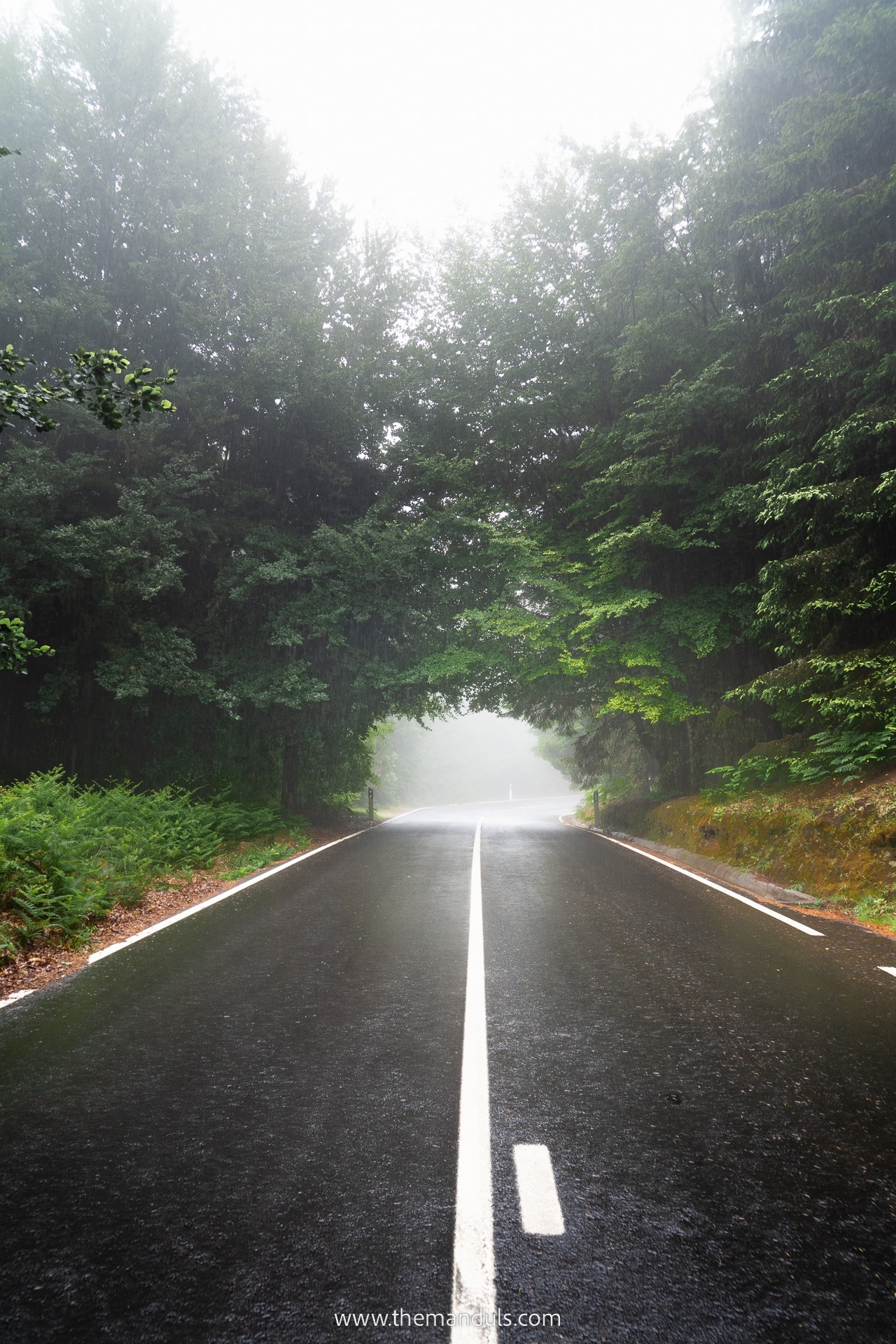
Winter in Madeira is mild compared to most of Europe, but it’s also the most unpredictable season. Expect cooler temperatures, shorter days, and more frequent rain — especially in the mountains and on the north coast. Some days feel fresh and sunny, others can be misty and wet.
That said, winter has its own appeal. The island is greener, crowds are low, and prices drop significantly outside the Christmas and New Year period. It’s a good time for budget travelers, repeat visitors, or those more interested in food, towns, and coastal walks than beaches.
✅ Pros: Fewer tourists, lower prices, lush landscapes
❌ Cons: Unstable weather, cooler sea, limited beach days
Monthly overview:
- November: Transition month — quieter but still fairly mild.
- December: Festive atmosphere and famous New Year’s Eve celebrations.
- January–February: Coolest and wettest period, but very calm and affordable.
Crowds & Prices
Crowd levels and prices in Madeira change throughout the year, but not as dramatically as in many European destinations. Even during the busiest months, the island rarely feels completely overwhelmed — visitors tend to spread out once you leave Funchal and the main beaches.
Peak season runs from July to August, when school holidays push hotel prices up and popular viewpoints and beaches are busiest. Accommodation prices are highest in Funchal and along the south coast during this time, especially for well-located stays — this is when booking early really matters, particularly if you’re aiming for the best hotels in Funchal.
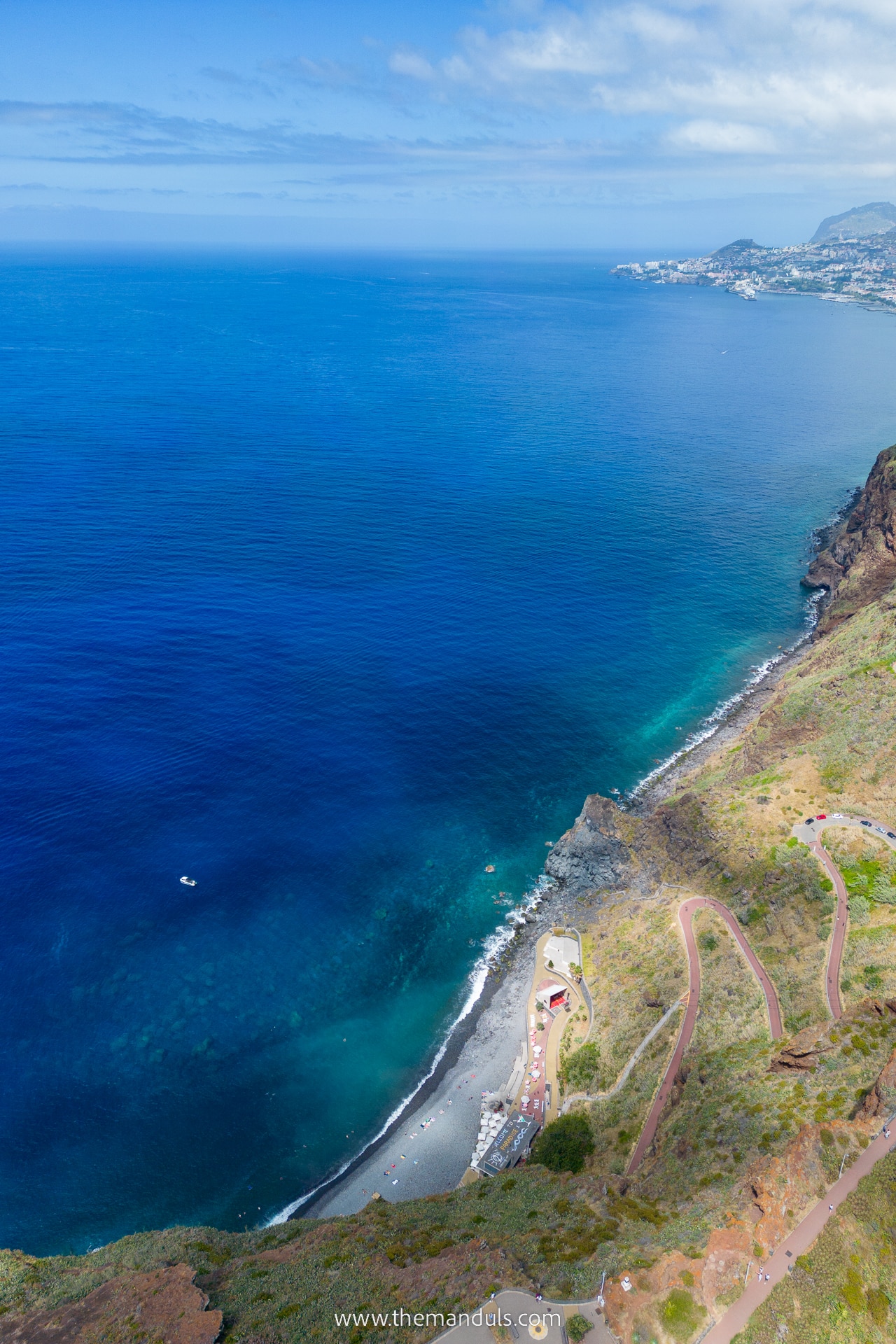
Shoulder season (April–June and September–October) offers the best balance. Prices are more reasonable, availability is better, and crowds thin out noticeably, even at well-known attractions.
This is also when exploring the island by car feels easiest — we never struggled with parking at viewpoints or trailheads, and renting a car in Madeira gave us the flexibility to avoid peak times altogether.
Low season (November to February) is the cheapest period overall, aside from Christmas and New Year’s. Hotels often drop prices significantly, roads are quiet, and attractions feel calm — but the trade-off is less predictable weather, especially in the mountains and on the north coast.

TIP: If you’re visiting in July or August, book accommodation and rental cars well in advance, and aim to start your days early. You’ll beat both the crowds and the heat.
Events & Festivals
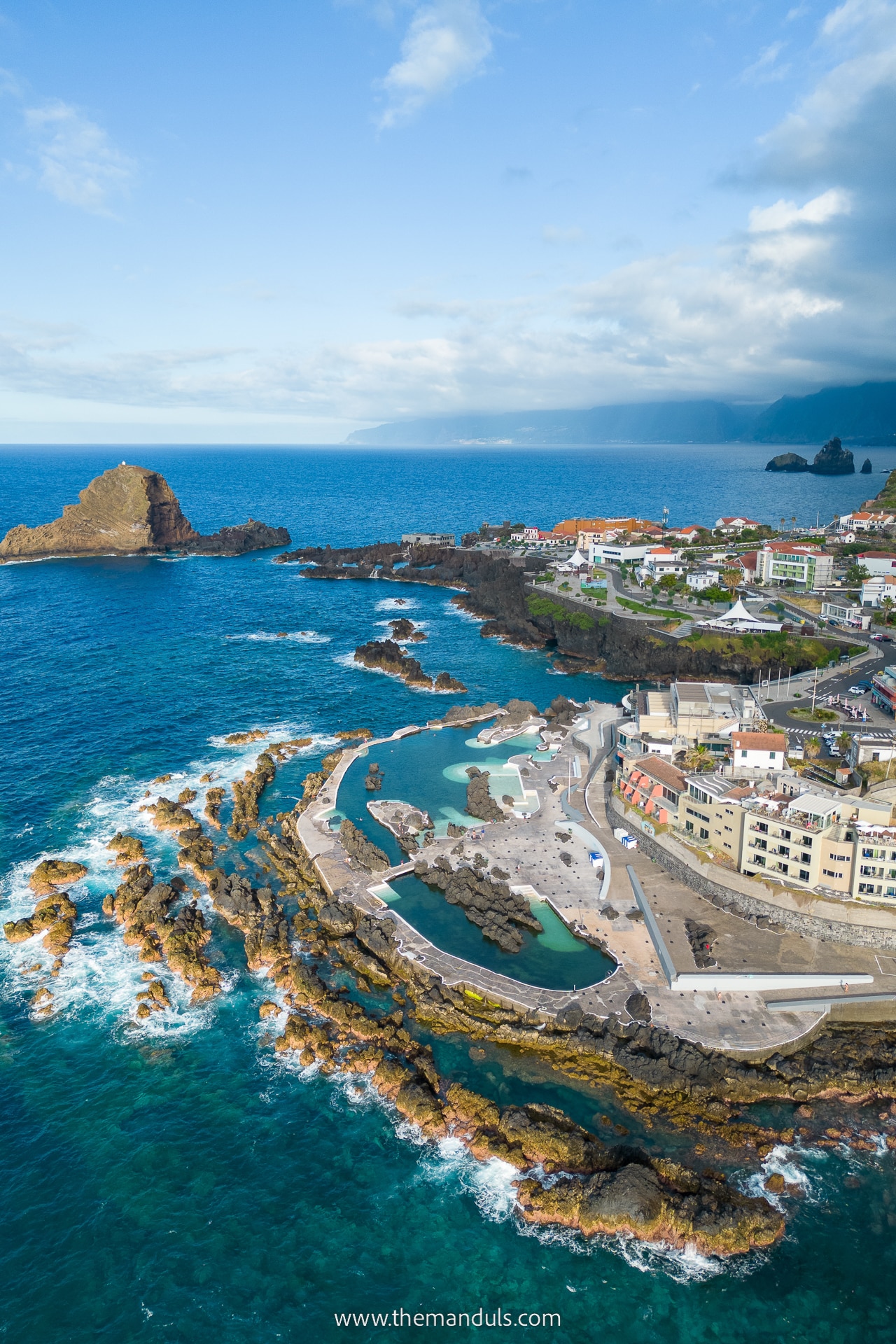
- Madeira Flower Festival (April–May)
- Atlantic Festival & Fireworks (June)
- São João Festival (late June)
- Madeira Wine Festival (late August–September)
- Carnival of Madeira (February)
- New Year’s Eve Fireworks in Funchal (December 31)
Worst Time to Visit Madeira
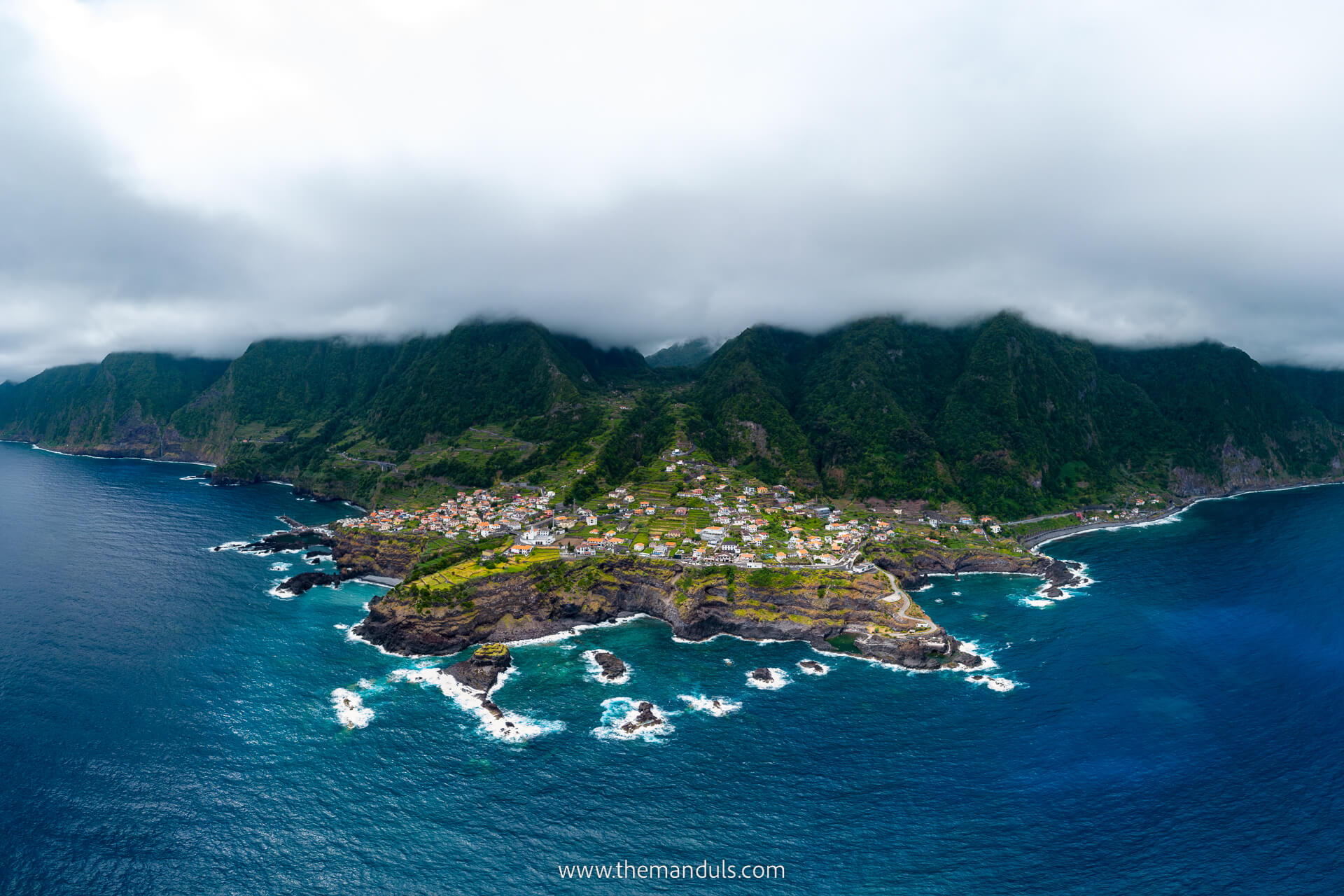
Madeira doesn’t really have a terrible time to visit, but some periods are less ideal depending on what you’re looking for. For most travelers, the least appealing months are January and February.
This is when the weather is at its most unpredictable, with a higher chance of rain, cooler temperatures, and more cloud cover in the mountains and on the north coast. Beach days are rare, and hiking plans often need to be flexible.
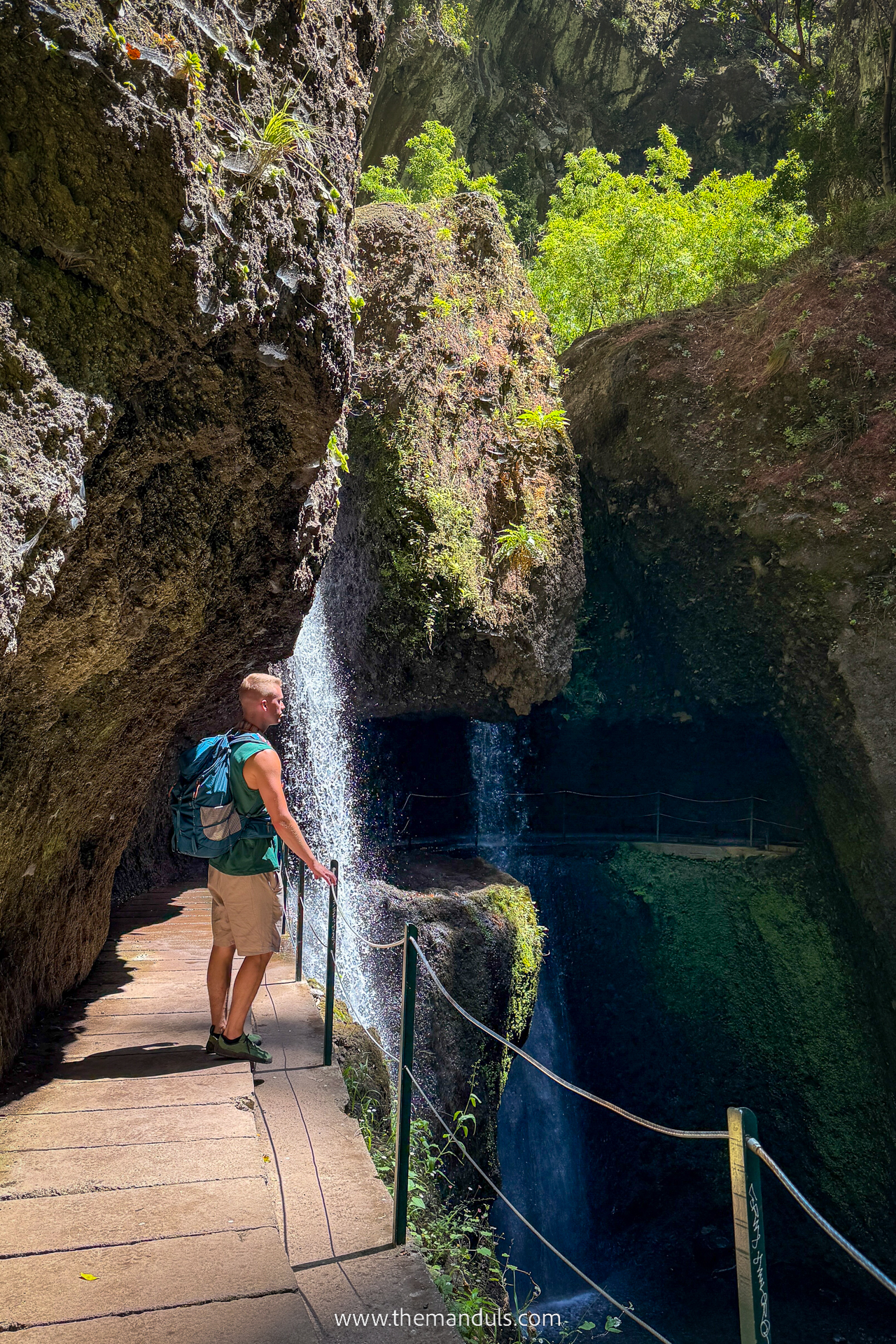
August can also be challenging in a different way. It’s the hottest and busiest month, prices are at their highest, and popular spots can feel noticeably more crowded than the rest of the year. If you’re sensitive to heat or dislike busy attractions, this month may not be the best fit.
That said, both periods can still work for the right traveler. Winter is great for budget-conscious visitors who don’t mind adapting plans around the weather, while August suits those who want a lively atmosphere, warm seas, and summer festivals — as long as they’re prepared for crowds and higher costs.
FAQ
June is one of the best all-round months, with stable weather, long days, blooming landscapes, and manageable crowds. Late May and early July are also excellent.
The cheapest period is usually January to February, outside of holidays. Hotel prices drop, but the weather is more unpredictable.
Yes. Summer brings sunny weather, warm sea temperatures, and a lively atmosphere. July and August are busier, but the island still feels manageable if you plan ahead.
Rain is more common in winter, especially from November to February. The south coast tends to stay drier than the north year-round.
It can be, especially for budget travelers or repeat visitors. Expect fewer crowds and greener landscapes, but be flexible with outdoor plans due to changing weather.
Final Thoughts
If we had to choose just one period, late spring to early summer — especially May to early July — is when the island felt at its best for us. The weather was stable, the island was still full of colour, the sea was pleasant, and exploring never felt rushed or overcrowded. It’s the easiest time to enjoy everything Madeira offers without major trade-offs.
That said, Madeira is a destination that works in every season — it really comes down to what you value most. Summer is lively and beach-friendly, autumn is warm and relaxed if you don’t mind fewer blooms, and winter is calm and affordable if you’re flexible with the weather.