
This article contains affiliate links. Learn more in our affiliate disclosure.
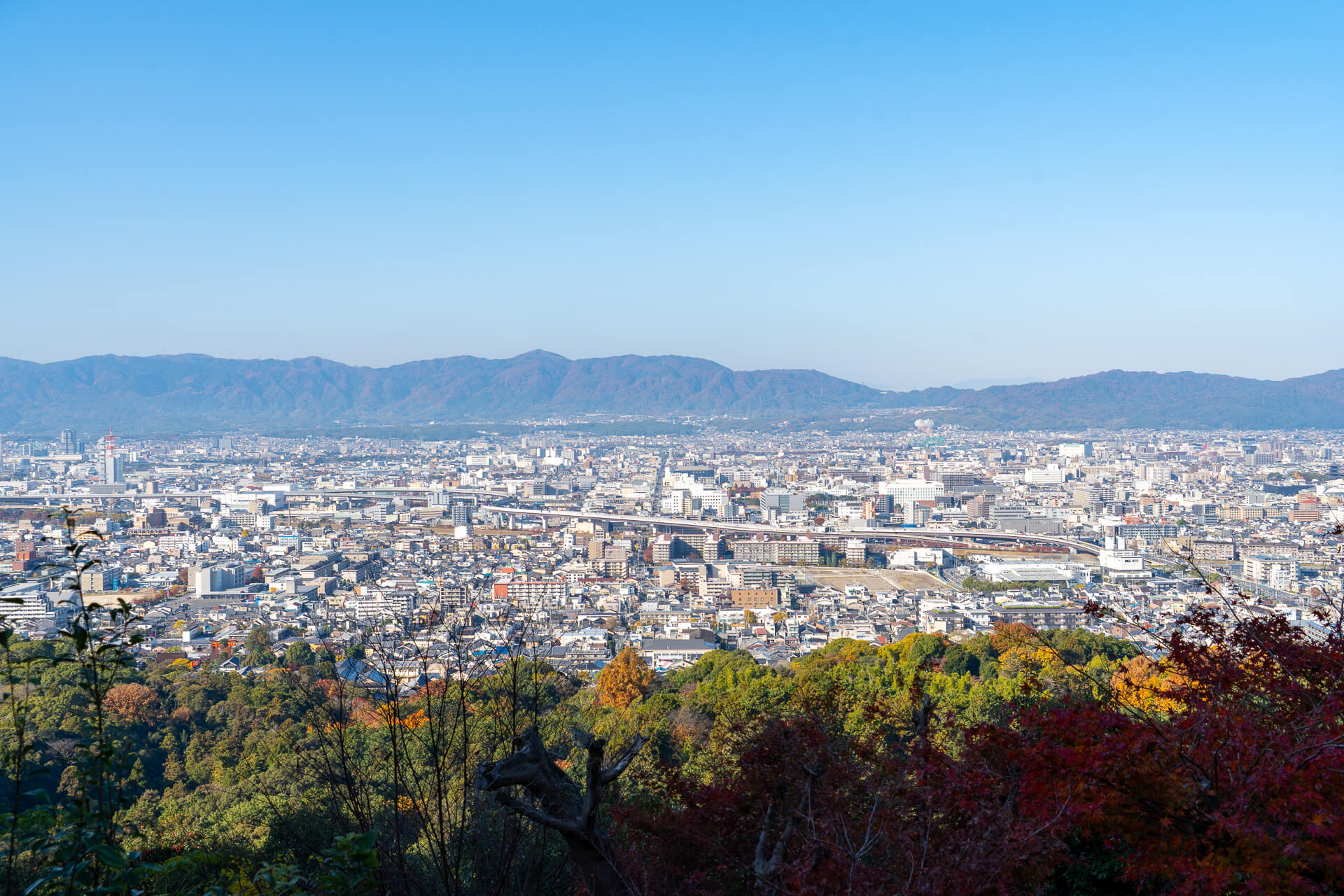
When we first started planning our trip to Kyoto, we quickly realized that timing matters here even more than in most cities in Japan. Kyoto isn’t just popular — it’s intensely seasonal. The city transforms with cherry blossoms and autumn colors, and those short windows shape everything from crowds to prices to how enjoyable your days feel.
We’ve visited Kyoto once so far, during autumn, and that experience set our expectations very high. The weather was ideal for long walks between temples, the city felt atmospheric and calm in the mornings, and even though crowds were unavoidable, the overall experience felt worth the effort.
In this guide, we’ll break down the best time to visit Kyoto — based on what it actually feels like to be there, how each season changes the city’s rhythm, and why cherry blossom season and autumn foliage are the peak travel periods.
If you’re already planning, our guides on things to do in Kyoto and where to stay in Kyoto will help you turn good timing into a great trip.
Key Highlights
🌦️ Seasons: Four distinct seasons
🌤️ Best months: March–May and October–November
👥 Crowd levels: Extremely busy in spring and autumn, quietest in winter
🎉 Notable events: Cherry blossom season, Golden Week, Gion Matsuri, autumn illuminations
💡 Good to know: Kyoto sells out faster than Osaka — book early in peak seasons.
Quick Overview
The best time to visit Kyoto is during spring (March–May) and autumn (October–November), when temperatures are mild and the city looks its best. These seasons bring cherry blossoms or autumn foliage, comfortable walking weather, and Kyoto’s most atmospheric vibe.
Summer is hot and humid but full of festivals, while winter is calmer, cheaper, and far less crowded — though colder and less visually dramatic.
Our Experience
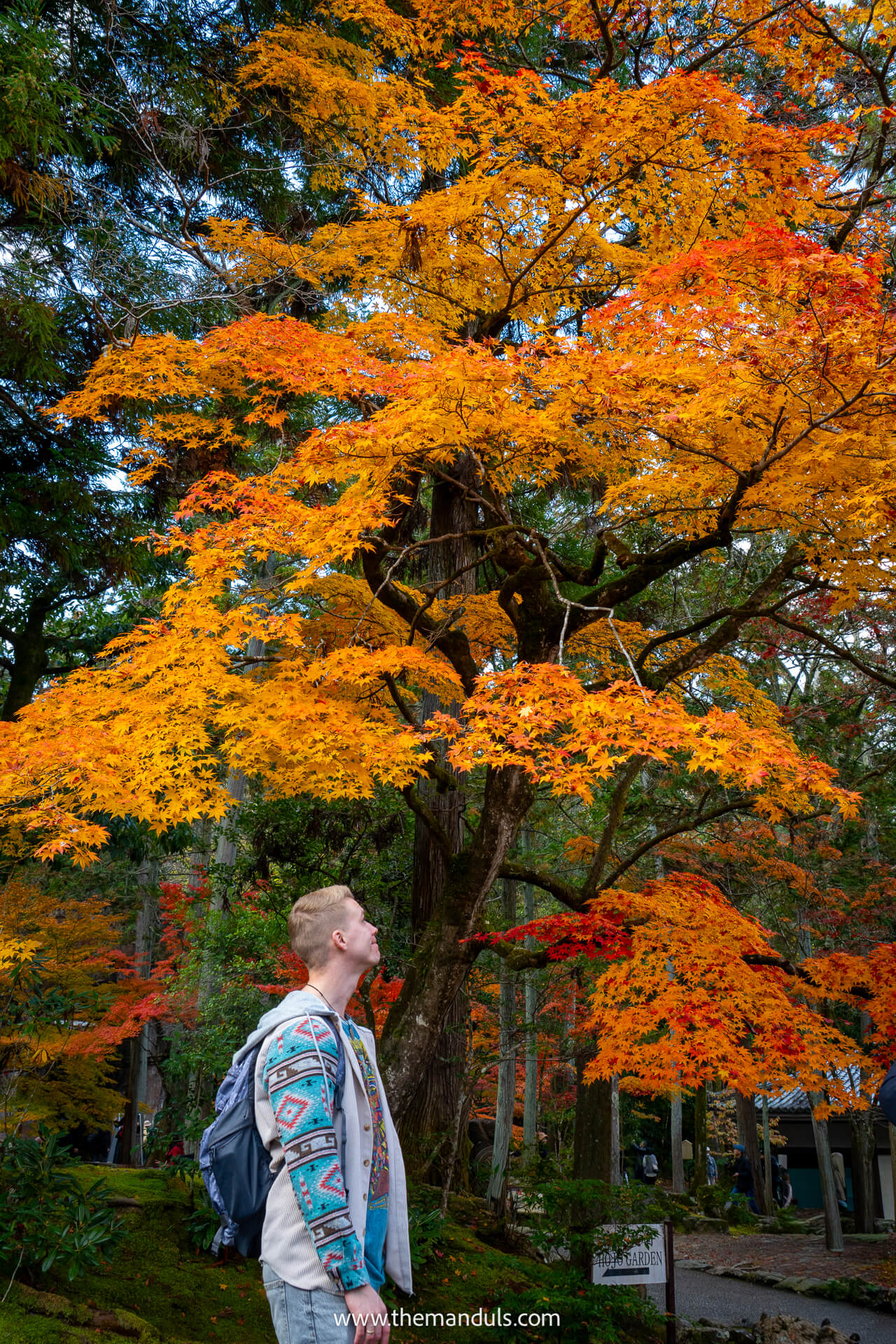
We visited Kyoto in autumn, right during the fall foliage season, and it honestly felt close to perfect. Days were cool but comfortable, walking between temples never felt exhausting, and the city had that unmistakable Kyoto atmosphere — quiet side streets, golden leaves, and soft afternoon light.
What stood out most was how slow the city felt in the mornings. Early starts made a huge difference. Popular temples were peaceful before tour buses arrived, and we could really enjoy the experience before crowds took over.
Crowds were definitely intense later in the day, especially at famous spots. Still, based on our experience, we’d choose autumn again without hesitation.
Best Time to Visit Kyoto
Spring
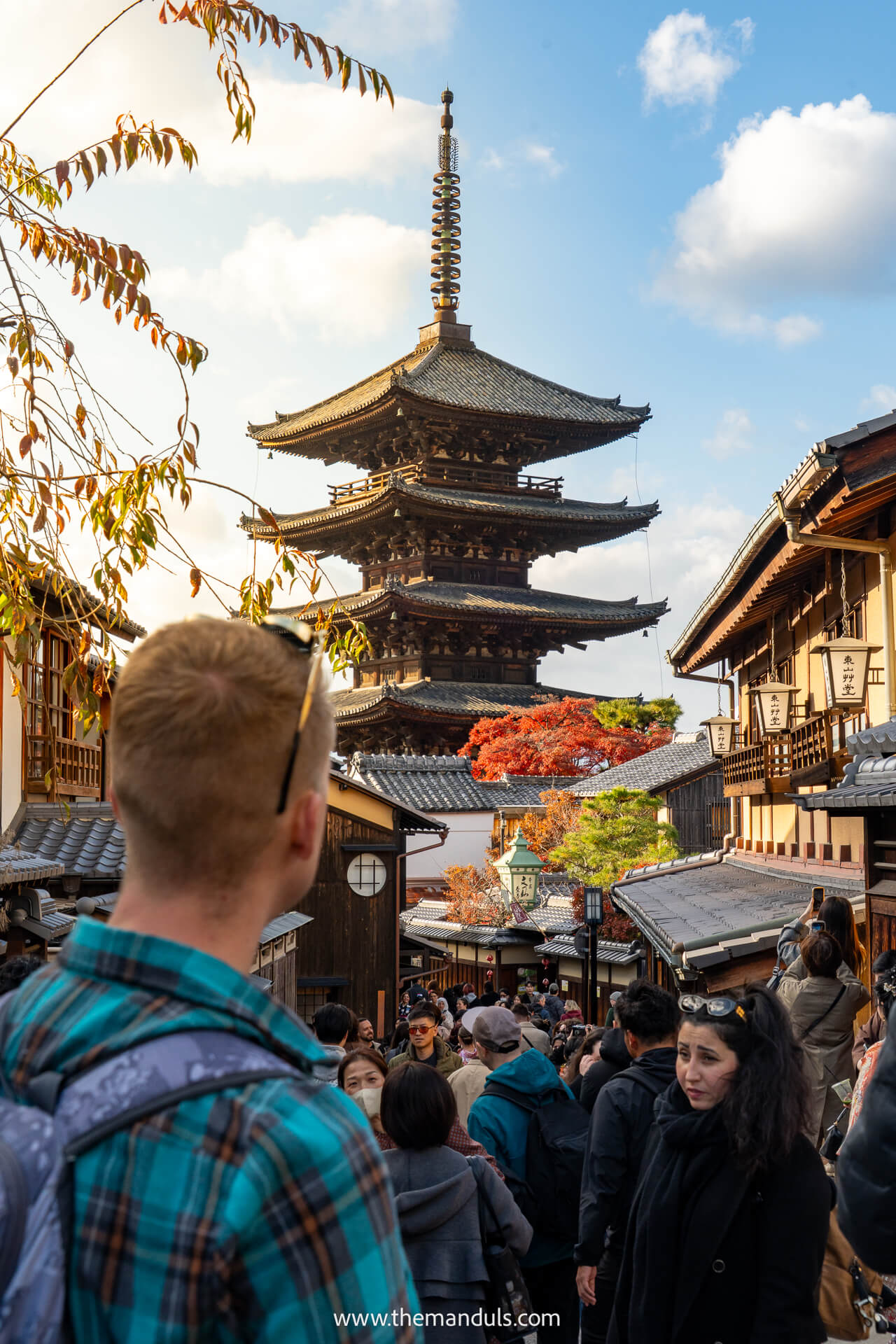
Spring is one of the most popular times to visit Kyoto, especially for first-time travelers. While we haven’t experienced spring here ourselves yet, it’s consistently recommended — and for good reason.
Daytime temperatures usually sit around 12–22°C, humidity is low, and daylight hours increase quickly. It’s perfect weather for temple hopping and long walks through historic districts.
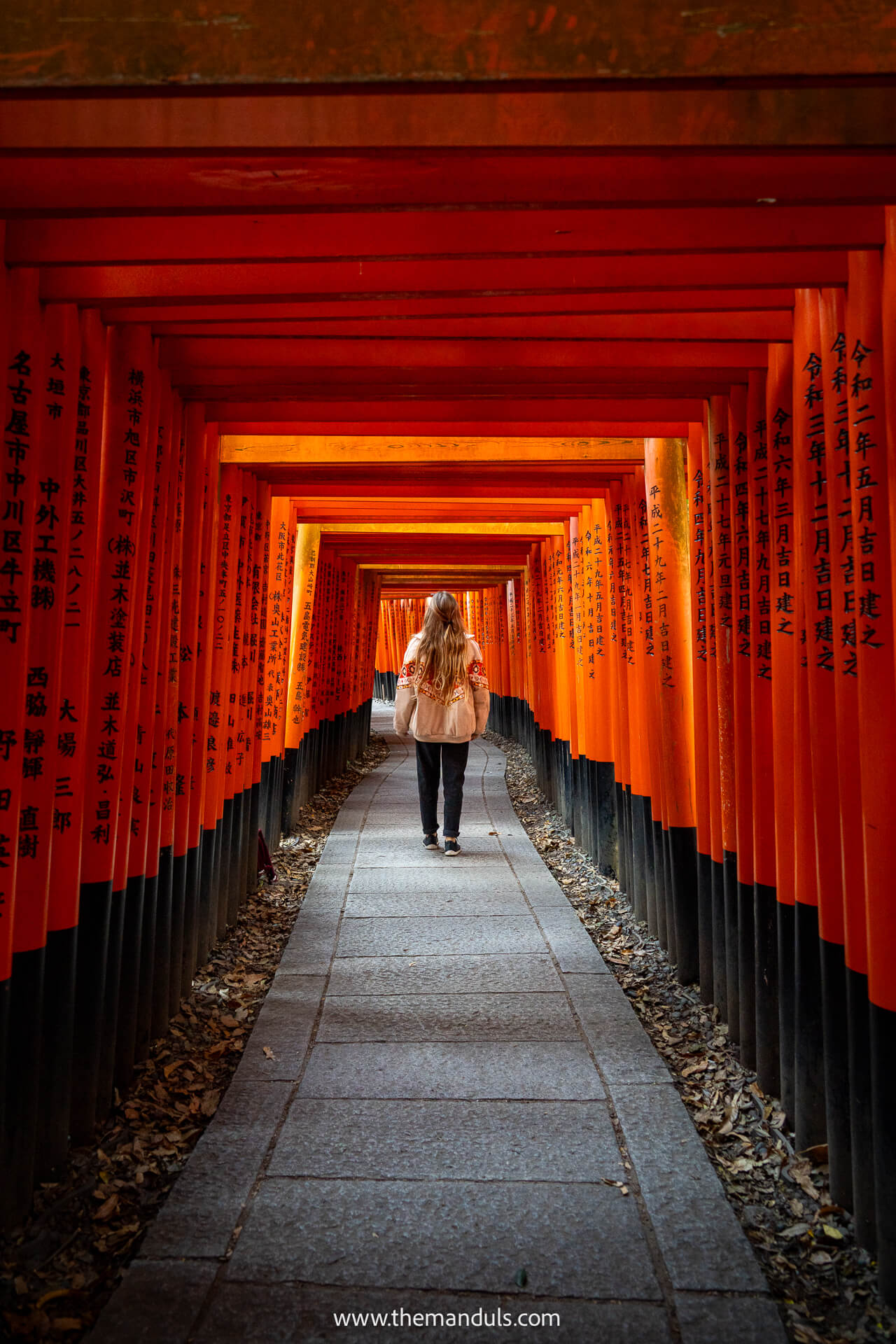
The downside is crowds. Cherry blossom season (late March to early April) brings massive visitor numbers, and Kyoto feels far busier than cities like Osaka or Tokyo during this time.
✅ Pros: Cherry blossoms, comfortable weather, iconic Kyoto scenery
❌ Cons: Extremely crowded, higher prices, limited availability
Monthly Overview:
- March: Cool mornings; blossoms start appearing late in the month, crowds build gradually.
- April: Peak cherry blossom season — stunning but very busy and expensive.
- May: Warm and green; Golden Week causes heavy domestic travel, late May is calmer.
Summer
Summer in Kyoto is vibrant but challenging. We haven’t visited during this season ourselves, but feedback from friends has been very consistent.
July and August are hot and humid, with temperatures often above 30°C. Sightseeing during midday can feel exhausting, especially with Kyoto’s limited shade and long walking distances between attractions.
June brings the rainy season, with frequent showers and high humidity.
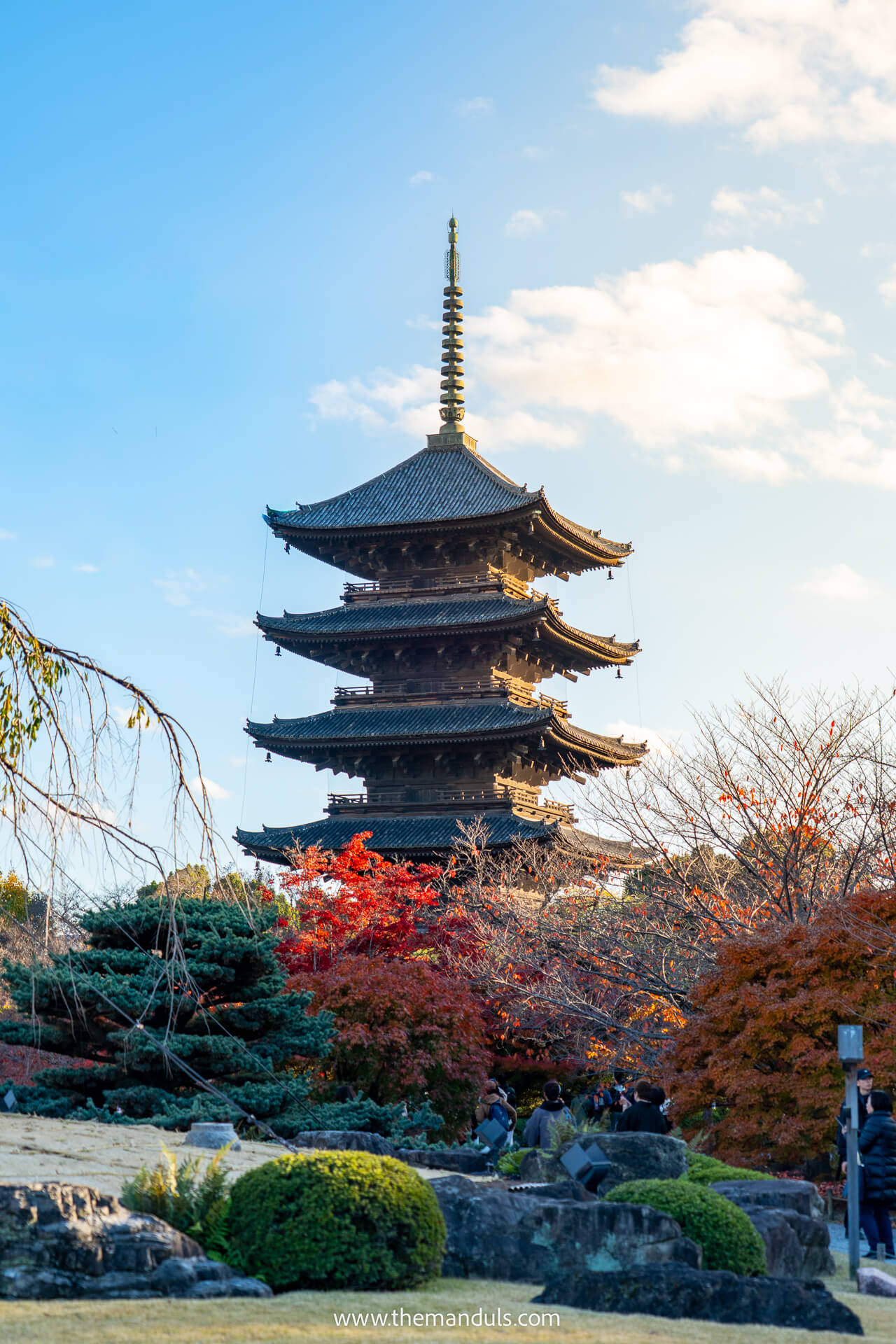
That said, summer has its highlights — especially festivals. Gion Matsuri in July is one of Japan’s most famous festivals and brings incredible energy to the city.
✅ Pros: Festivals, long evenings, lively atmosphere
❌ Cons: Heat, humidity, rain, exhausting sightseeing conditions
Monthly Overview:
- June: Rainy and humid; fewer tourists but unpredictable weather.
- July: Very hot; Gion Matsuri brings major crowds.
- August: Peak heat; Obon causes busy transport and higher prices.
Our Japan Google Maps
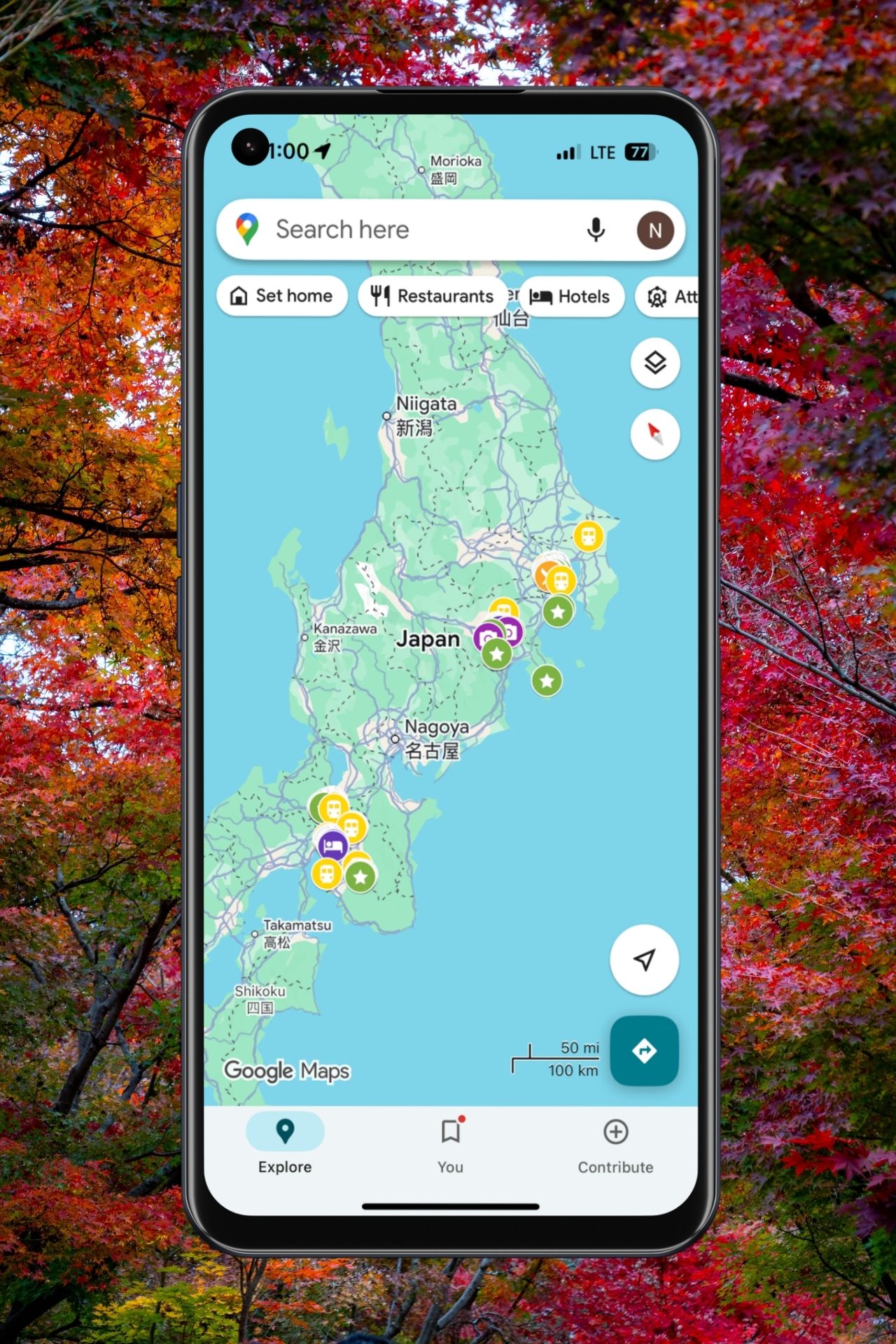
Built from our real trips across Japan — only places we actually visited and loved.
No tourist traps. No random saves. Just a ready-to-use map that saves you hours of research.
219 handpicked spots, including:
📍 Highlights & hidden gems
🍜 Restaurants we’d go back to
🏨 Areas & hotels we’d book again
🗺️ Stops that fit into real, logical itineraries
Autumn
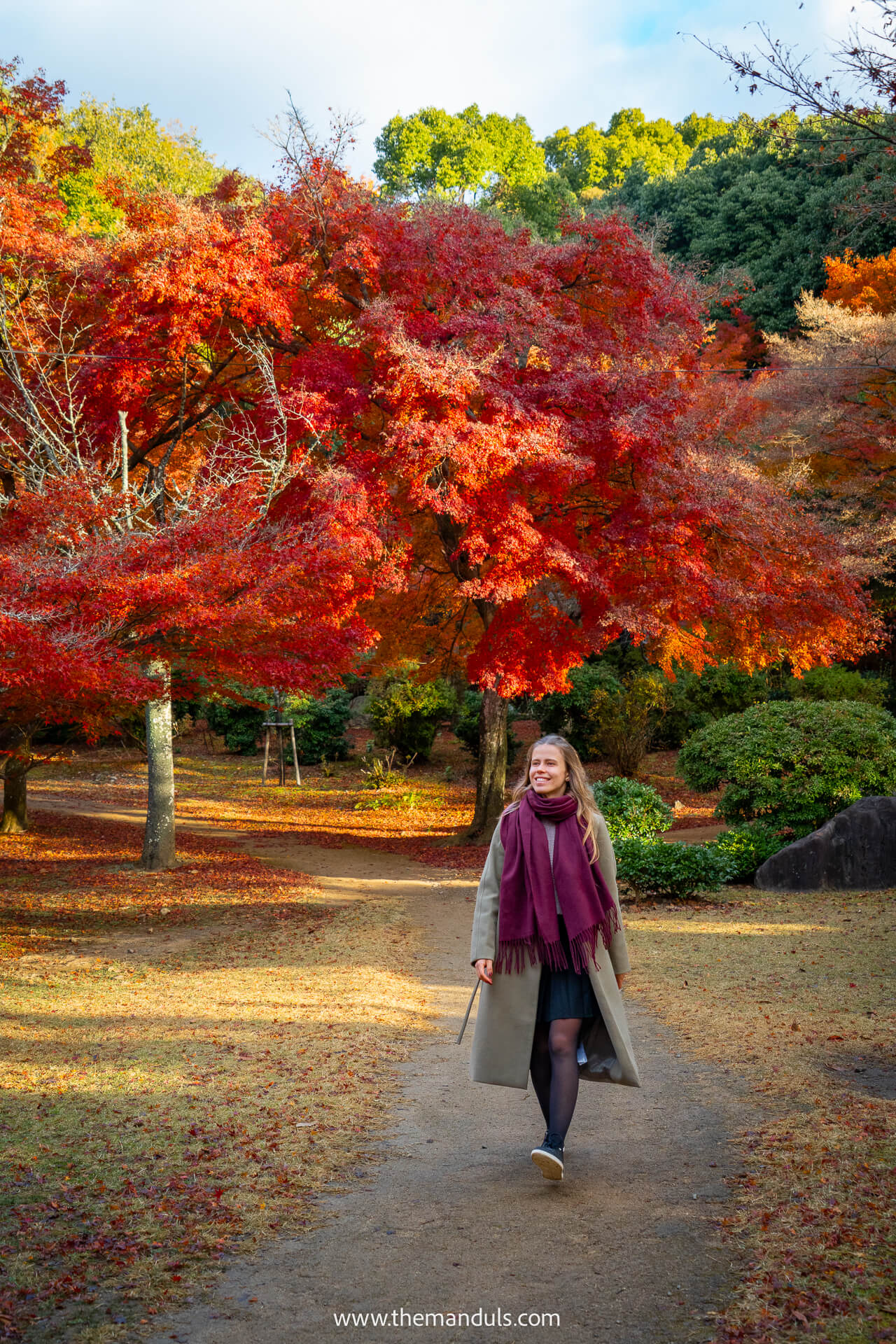
Autumn is our favorite time to visit Kyoto, and the season we’d recommend most confidently.
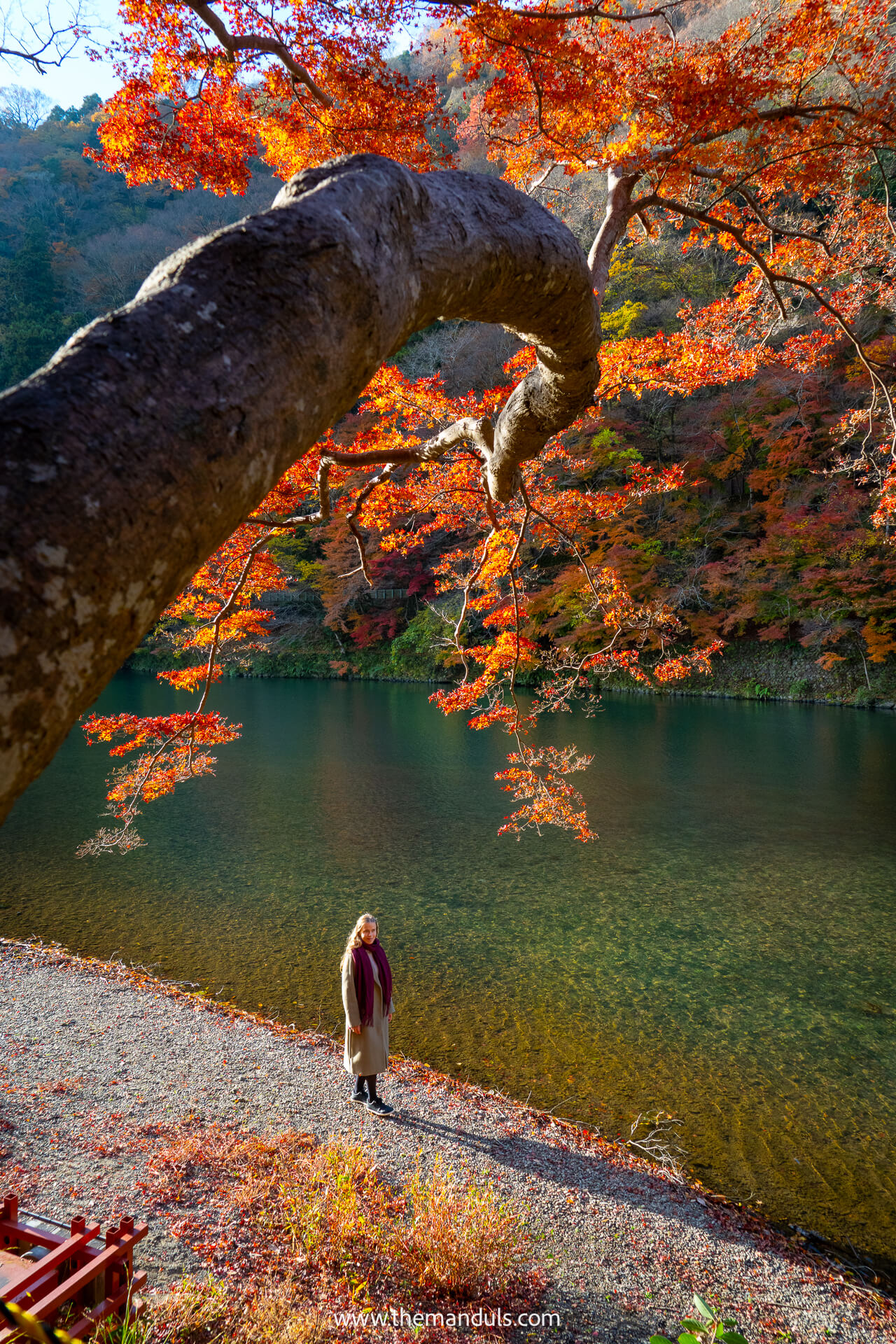
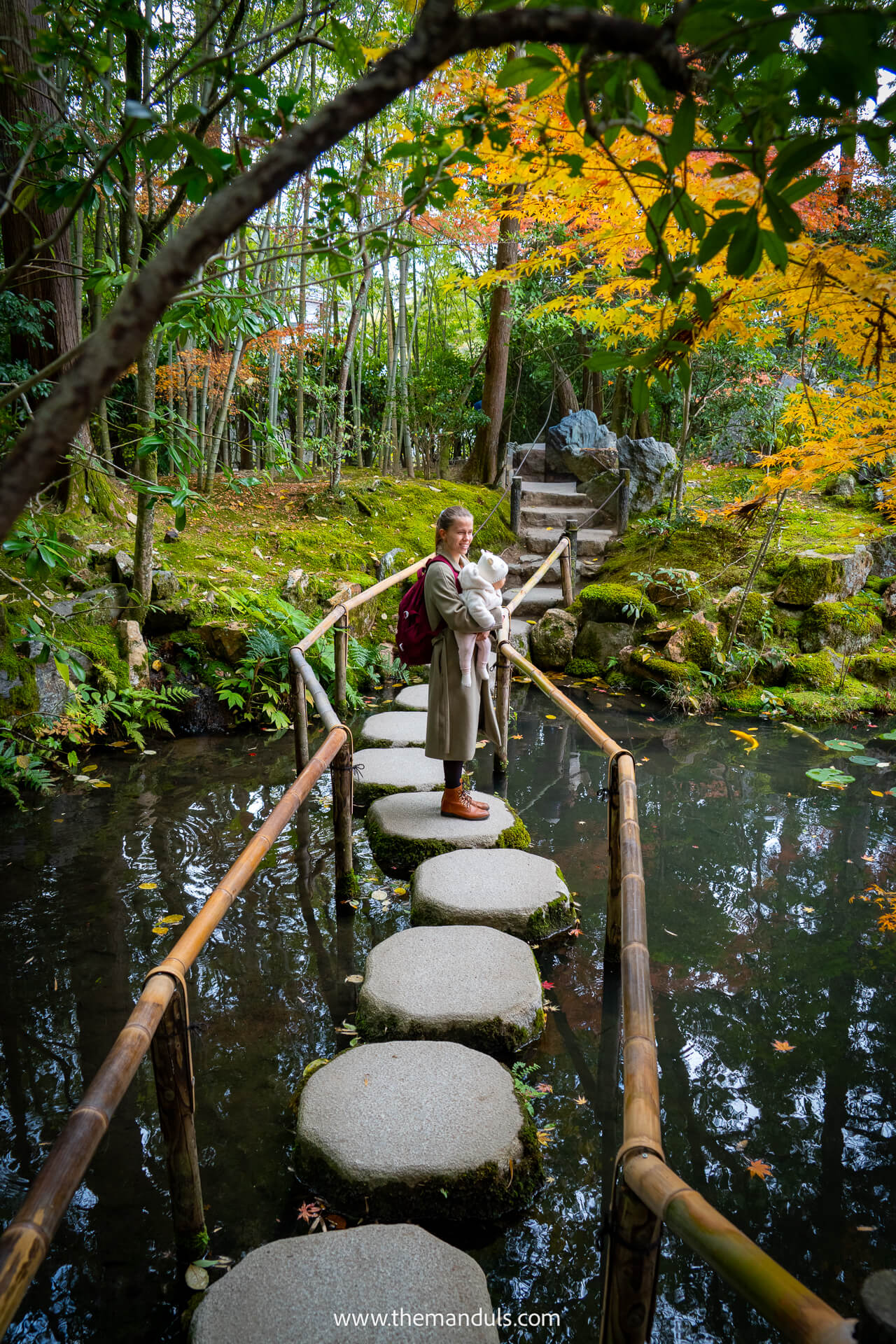
We visited during the fall foliage period, and the conditions were ideal. Daytime temperatures hovered around 15–23°C, humidity was low, and walking all day felt effortless. Autumn colors added a dramatic layer to temples and gardens, especially in the evenings during seasonal illuminations.
That said, November is extremely busy. Popular temples were packed during the day, and accommodation sold out fast. Early starts and advance bookings were essential.
✅ Pros: Ideal weather, autumn colors, beautiful light, great walking conditions
❌ Cons: Peak-season crowds, higher prices, sell-outs
Monthly Overview:
- September: Warmer early autumn with fewer crowds; occasional rain.
- October: One of the best months overall — mild, clear, and atmospheric.
- November: Peak foliage; stunning but very crowded.
Winter
Winter in Kyoto is calm, quiet, and noticeably more local.
That said, winter has real advantages. Daytime temperatures are usually 5–10°C, rainfall is low, and crowds drop significantly outside of New Year. Temples feel peaceful, accommodation is cheaper, and the city slows down.
✅ Pros: Fewer crowds, lower prices, calm atmosphere
❌ Cons: Cold evenings, shorter days, fewer seasonal highlights
Monthly Overview:
- December: Festive illuminations; manageable crowds outside holidays.
- January: Cold and quiet; New Year causes brief closures and busy transport.
- February: Calm, good value, very local feel.
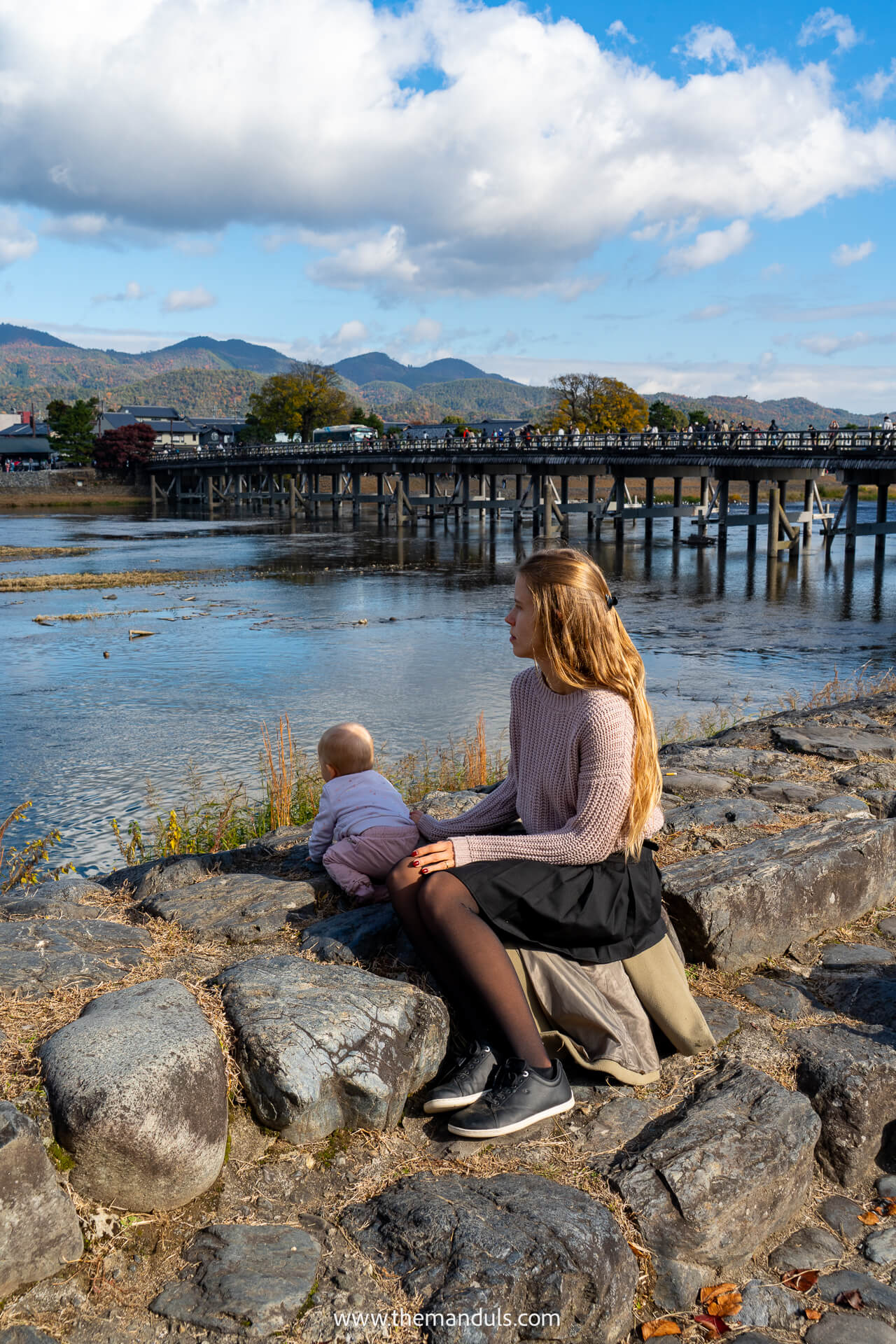
Crowds & Prices
Kyoto is one of the most crowd-sensitive cities in Japan. Prices and availability swing dramatically depending on the season.
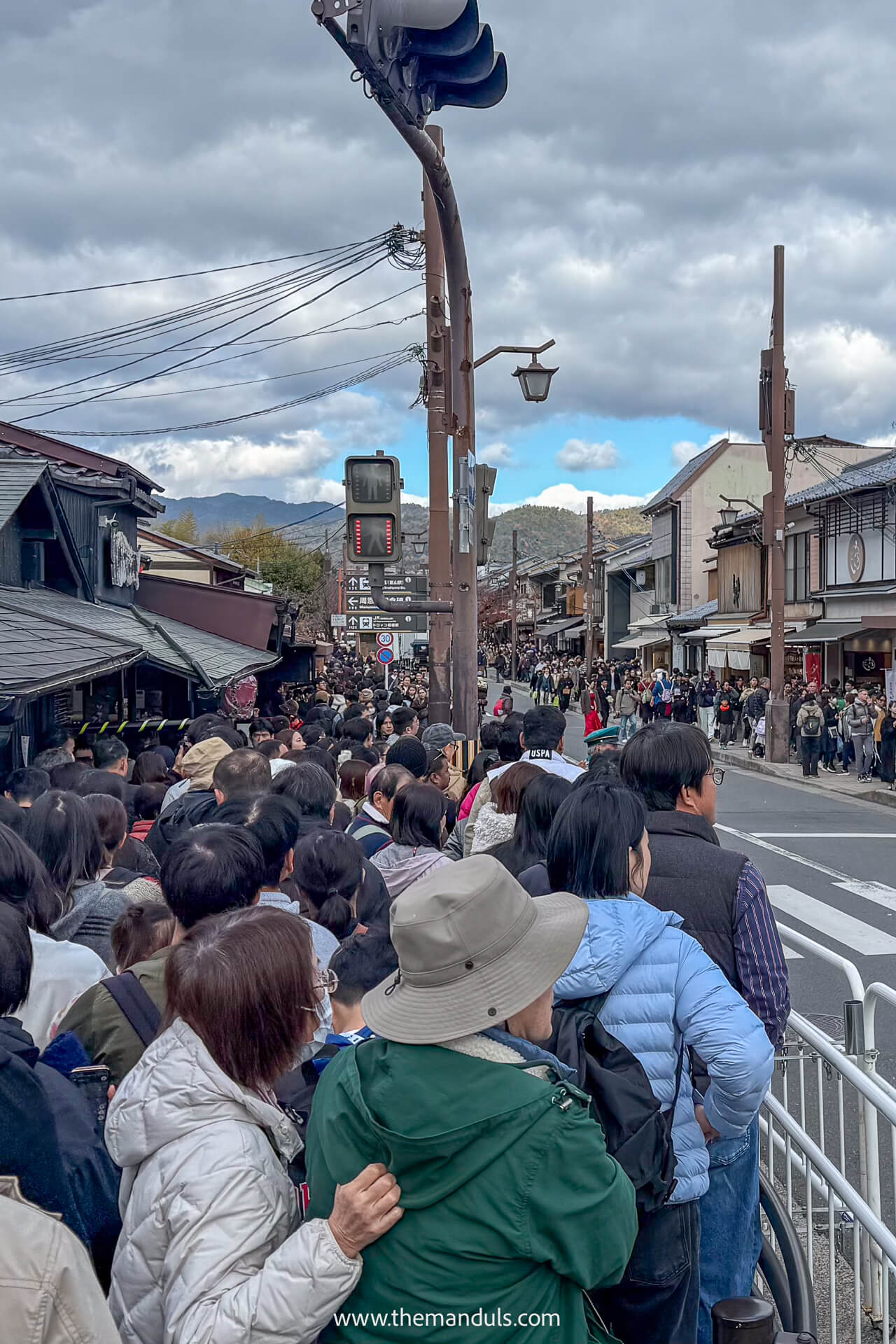
The busiest and most expensive times are cherry blossom season (late March–early April) and autumn foliage (November). Hotels sell out early, prices spike, and popular temples can feel overwhelming.
We felt this clearly during autumn — some attractions were already booked out days ahead. Planning ahead in Kyoto isn’t optional during peak season.
Winter (January–February) is generally the cheapest and quietest, except around New Year. Summer is mixed — fewer international tourists, but festivals and school holidays still push prices up.
Events & Festivals
A few events that strongly affect travel in Kyoto:
- Cherry Blossom Season (late March–early April): Beautiful but extremely crowded.
- Golden Week (late April–early May): Heavy domestic travel, higher prices.
- Gion Matsuri (July): One of Japan’s biggest festivals, very lively but hot.
- Autumn Illuminations (November): Evening temple light-ups during foliage season.
These can completely change the feel of your trip — plan around them carefully.
Worst Time to Visit Kyoto
The least ideal time to visit Kyoto is mid-summer (July–August). Heat, humidity, rain, and crowds combine to make sightseeing physically demanding.
Kyoto involves a lot of walking, and without shade or air-conditioned breaks, days can feel overwhelming. Summer still works if festivals and nightlife are your priority — but for classic sightseeing, other seasons are far easier.
FAQ
Early June to mid-July, with high humidity and frequent showers.
October and November offer the best balance of weather and atmosphere.
January and February, except around New Year.
Usually late March to early April, depending on the year.
Final Thoughts
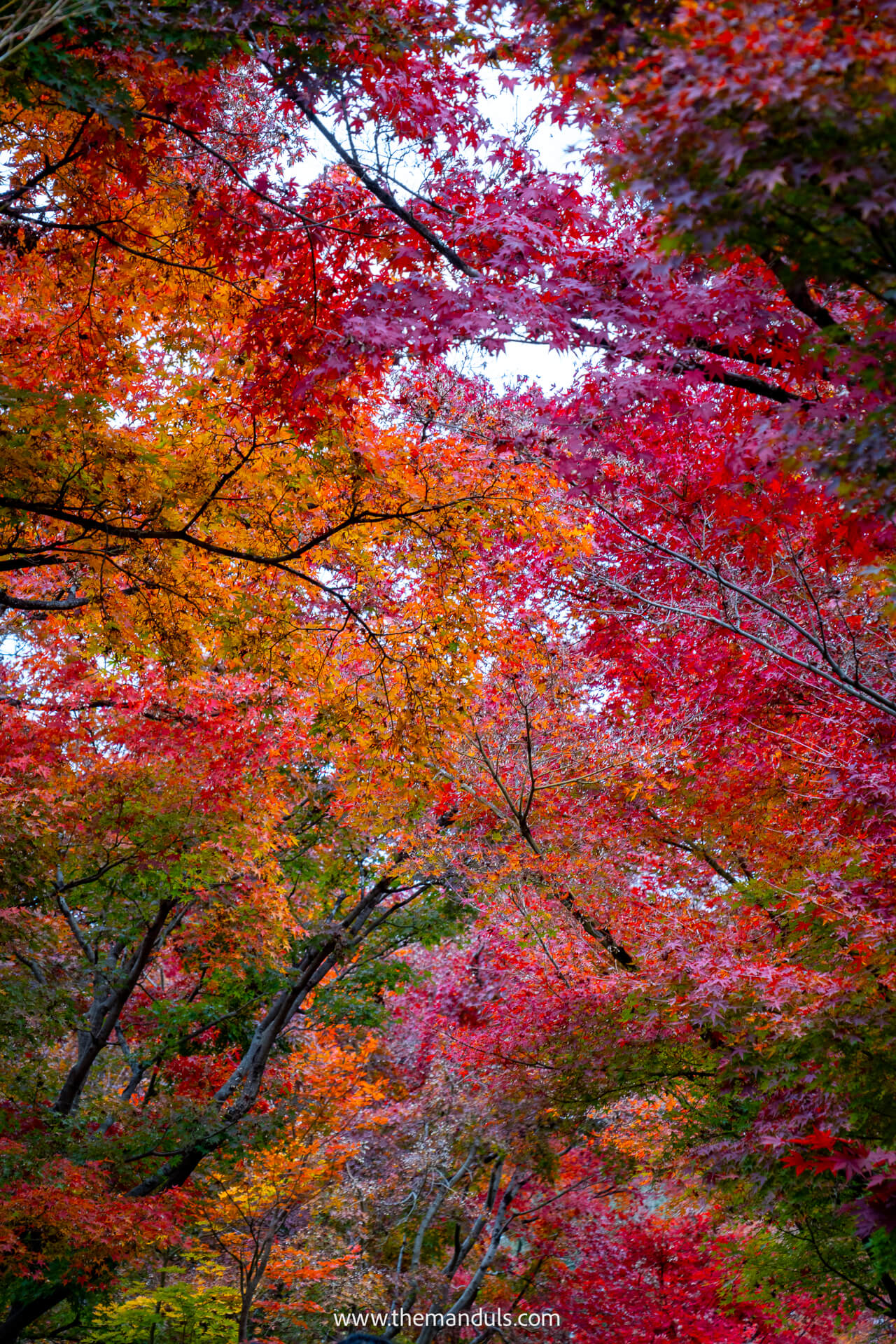
If we had to recommend just one time to visit Kyoto, it would be autumn. The weather, colors, and overall atmosphere make it the easiest season to enjoy the city at a slower, more rewarding pace — as long as you plan ahead.
Spring is iconic but crowded, summer is lively but demanding, and winter is calm and budget-friendly.
Honestly, the best time to visit Kyoto depends on what you value most — scenery, comfort, festivals, or fewer crowds — and how much planning you’re willing to do.