
This article contains affiliate links. Learn more in our affiliate disclosure.
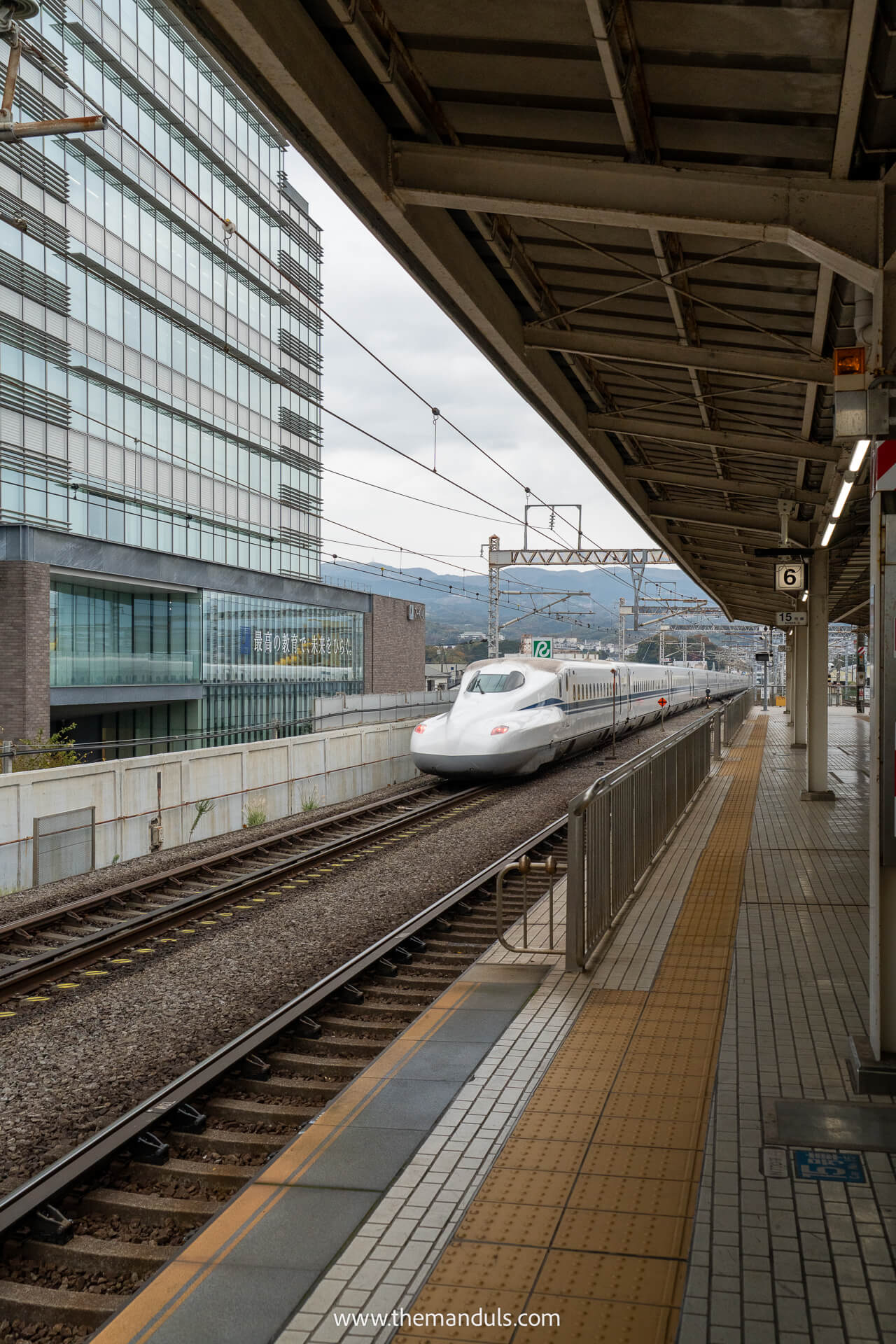
Yamagata is an easy Shinkansen trip north of Tokyo, but it feels like a very different side of Japan from the usual big-city route.
For food lovers looking for regional specialties, this is one of the places worth considering. Yamagata is known for seasonal fruit, handmade soba, Yonezawa beef, mountain onsen towns, and local dishes that change with the seasons.
After traveling around Japan by Shinkansen, we found that adding regional stops can be much easier than it looks on the map. Yamagata sits on the Yamagata Shinkansen line, so it can fit naturally into a wider Japan itinerary — especially if you’re already comparing whether a Japan Rail Pass makes sense for your route.
Seasonal Flavors You’ll Love
Yamagata is one of the best regions in Japan to visit if you enjoy seasonal food. This region of Japan is known for cherries, pears, grapes, and peaches. Fruit is the big reason to come in the warmer months, and the timing of your trip makes a real difference.
Japan’s Best Cherries (June to July)
Yamagata grows more cherries than anywhere else in Japan, and early summer is the best time to try them. You’ll find them at roadside stands, local markets, and small farms around the region.
The fruit is firm, juicy, and sweet, so this is one of the seasonal treats worth looking for if your trip lines up with June or July. A cherry parfait in Tendo is a classic option, especially if you want something easy to add near the Shinkansen route.
La France Pears (September to October)
These pears are buttery and sweet. They’re covered in a creamy skin and melt in your mouth. You’ll see them at markets and specialty shops. They’re great as a snack, but look out for fresh desserts that incorporate these pears too.
Grape & Peach Season (August to September)
Late summer brings fresh grapes and juicy peaches. You can try these at their ripest by visiting fruit farms around Yamagata City and picking your own. You can also buy them at local stands. The temperature swings between day and night give the fruit its sweet-tart balance.
Local Savory Dishes & Dining
Yamagata’s food scene isn’t just about fruit. If you prefer a proper meal over sweets, this is where the region gets even more interesting — especially with soba, beef, mountain dishes, and seasonal fish.
Yonezawa Beef
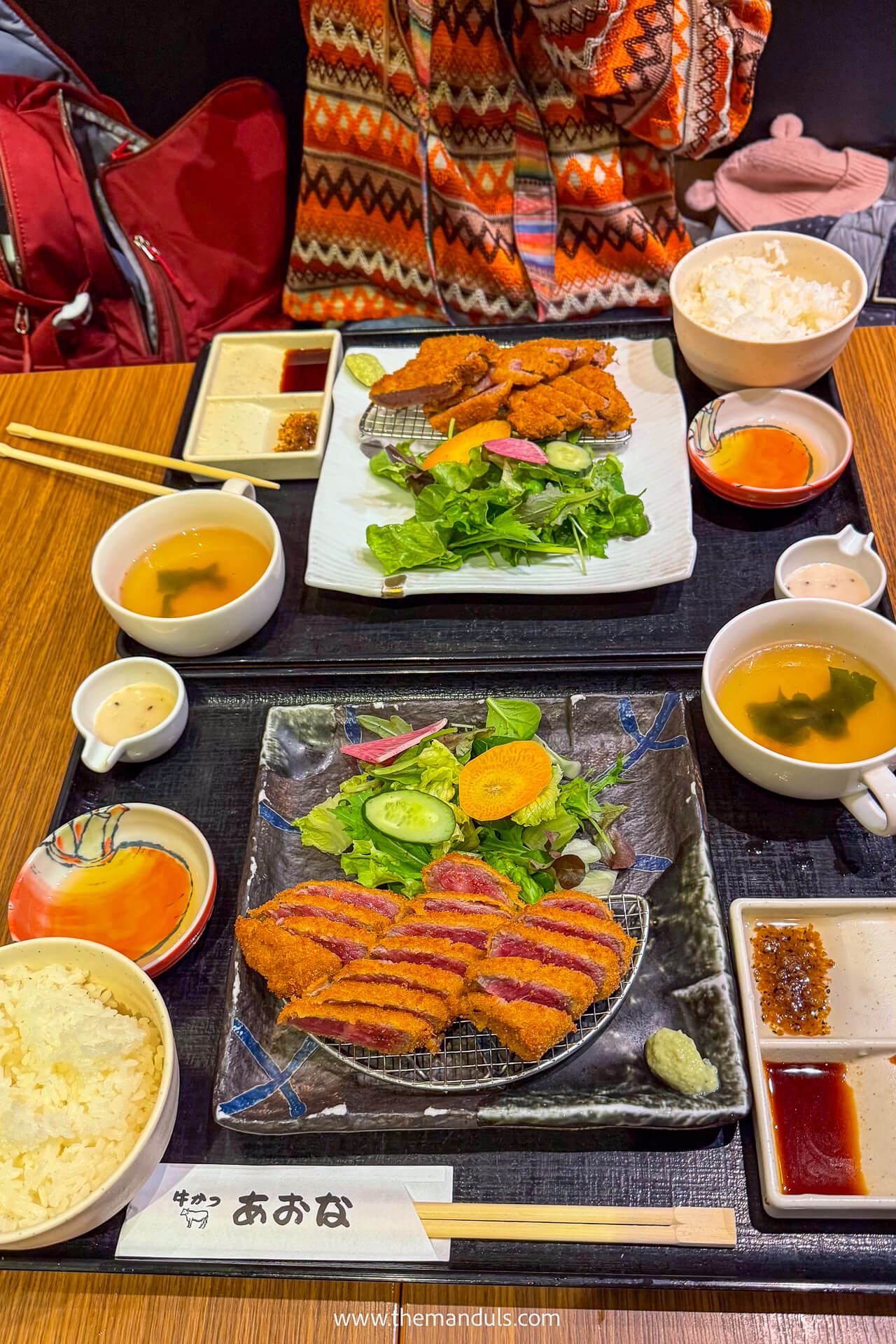
This wagyu variety is rich, tender, and full of flavor. It’s used in steak, sukiyaki, or soboro rice bowls. Most restaurants serve it with seasonal vegetables.
We tried wagyu in various locations across Japan, and it quickly became one of our favorite meals after long sightseeing days.
It’s not the cheapest dish to order, but if you want one proper food experience that feels special, this is the kind of meal we’d happily make room for.
Soba Noodles
Yamagata soba is known for its chewy texture and hearty taste. We fell in love with soba after trying it in a small family-owned restaurant in Kyoto, and it quickly became one of those simple Japanese meals we kept looking for again.
Served cold in summer or hot with broth in winter, it’s a comforting meal all year round. We’d recommend looking for simple shops near station platforms or in small towns, as these often offer the best homemade flavor.
Local Seafood & River Fish
The prefecture faces the Sea of Japan, giving it access to fresh fish. Try grilled trout or river fish served in rustic inns and restaurants in mountain towns. Seasonal menus may include tempura or local pickles.
Fresh fish was actually one of the things we loved most about traveling in Japan. Coming from Slovakia, where we don’t have direct sea access, having so much variety and freshness almost every day felt like a real treat.
Onsen and Natural Beauty
Onsens were honestly one of the parts of Japan we were most excited about. After long travel days, nothing sounded better than slowing down somewhere warm, quiet, and surrounded by nature.
That’s why Yamagata works so well as a slower stop. It’s not only about food — the region also combines seasonal dishes, mountain scenery, onsen towns, and outdoor activities in a way that feels very different from Tokyo.
Zao Onsen & Snow Monsters
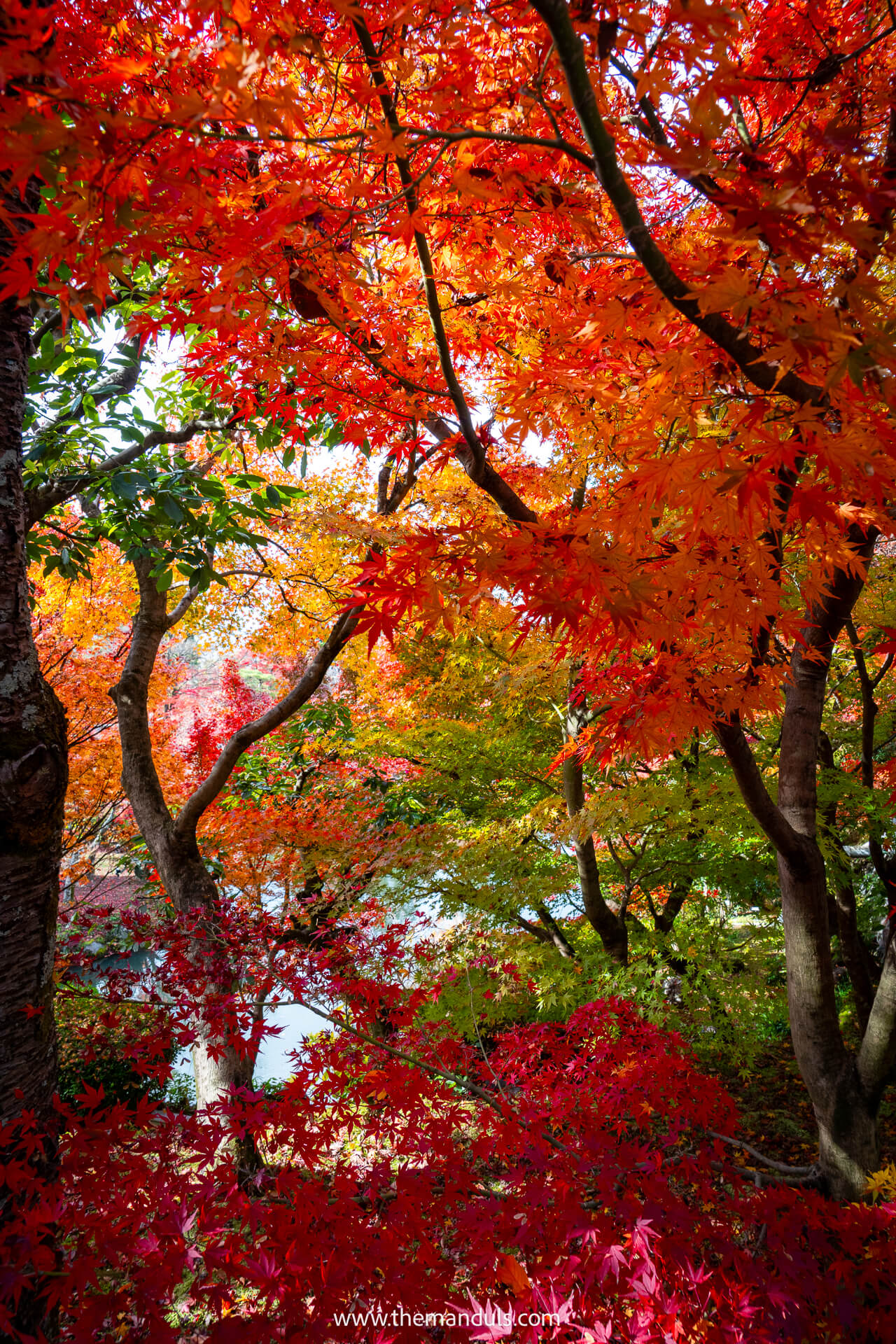
Visit Zao Onsen in winter for the famous “snow monsters” — trees covered in thick ice and snow that create one of the most unusual winter landscapes in Japan. You can take the ropeway up to see them, then warm up in the hot springs afterward.
Honestly, having an onsen, snowy mountain scenery, and skiing all in one place sounds like a dream combination. This is the kind of stop that makes the most sense if you want your Japan trip to feel more about nature, not just city-focused.
Ginzan Onsen
Ginzan Onsen is one of Yamagata’s most atmospheric onsen towns, with wooden ryokan, riverside paths, and footbaths. It’s especially known for its evening lights, when the town feels slower and more nostalgic.
This is the place we’d consider if you want the onsen experience to be the main reason for the detour. A day visit can work, but staying overnight would make more sense if you want to enjoy the town without rushing back to the train.
Mt. Zao Hiking: Spring to Autumn
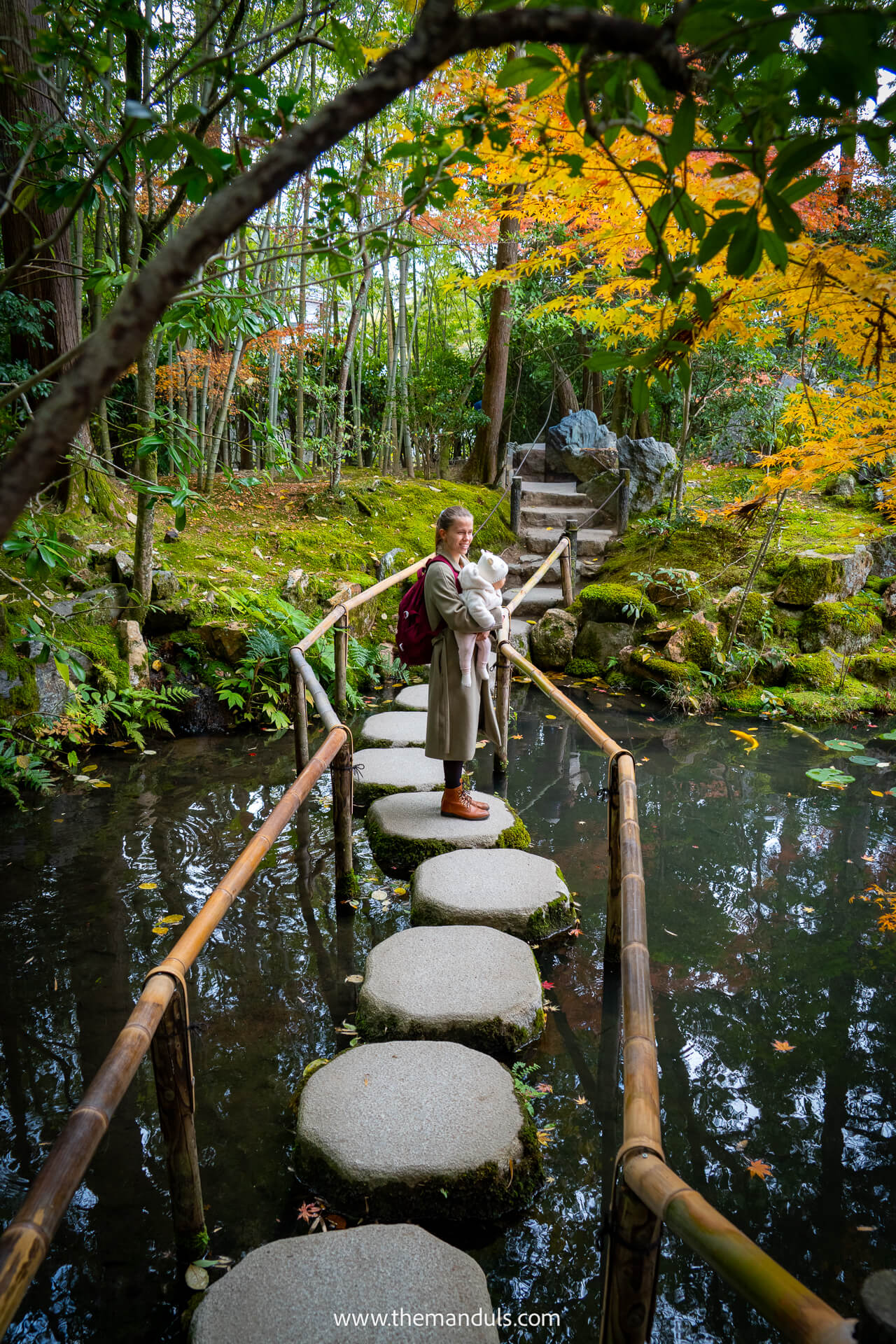
Outside winter, Mt. Zao is also worth considering for hiking. Trails around the onsen area pass through forests and volcanic landscapes, with cooler mountain air in summer and autumn colors later in the season.
This is not the kind of place we’d add only for a quick photo stop. It works better if you want to slow down, spend time outdoors, and pair a hike with an onsen afterward. Just check trail conditions before going, especially outside the main summer season.
Easy Side Trips Along the Yamagata Shinkansen
The Yamagata Shinkansen doesn’t just stop in Yamagata City. It passes through smaller towns worth your time, especially if you’re into food, onsen, and slower travel.
Tendo
Tendo is just one stop before Yamagata. It’s known for shogi, Japanese chess, and fruit farming. In cherry season, farms open for picking. The town also has soba shops and a small footbath near the station.
Kaminoyama Onsen
Kaminoyama Onsen is another easy stop. It has a compact castle park, quiet streets, and ryokan with onsen baths. Local restaurants serve seasonal meals, often with Yonezawa beef or local vegetables. It’s quieter than Zao but still works well if you want a relaxing onsen stop.
Shinjo
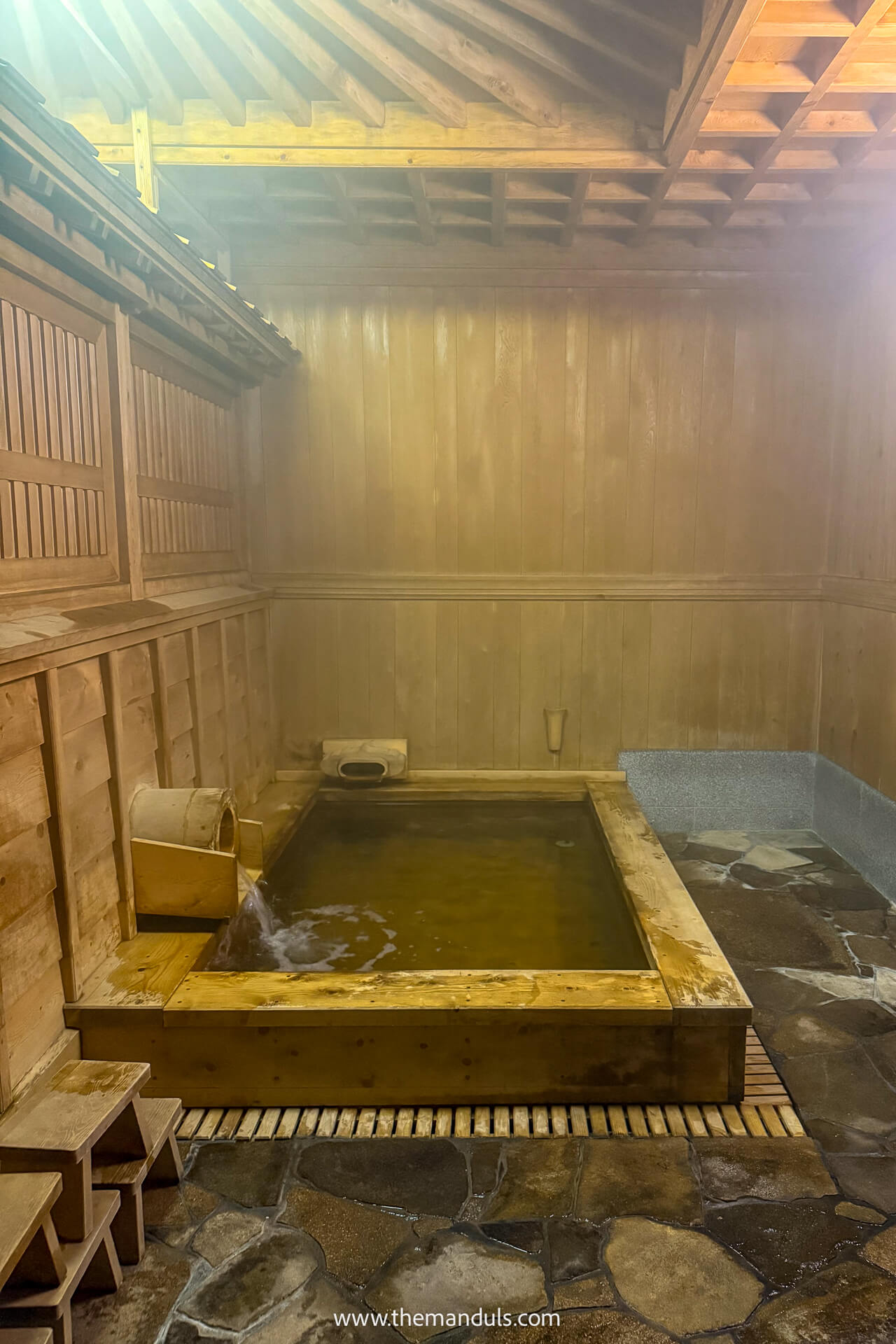
Shinjo, at the end of the line, sits deep in the mountains. It’s a good spot if you want to try regional dishes not found in bigger cities. You’ll find things like imoni, a hearty taro stew, and river fish grilled over charcoal.
Shinjo also holds a large summer festival if you’re visiting in August.
These towns are all JR Pass-friendly, easy to reach, and full of local flavor.
Travel Tips
- Shinkansen schedule: Seat reservations are usually not a big issue outside peak travel periods, but during busy holidays like Golden Week or New Year, we’d book earlier.
- JR Pass holders: If Yamagata is part of a wider Japan route, a Japan Rail Pass can be worth comparing before you book individual train tickets.
- Local transit: Buses reach onsen and mountain towns. Some spots like Ginzan work best with a day pass.
- Seasonal windows: Cherry season is usually early summer, while pears, grapes, and peaches are more of a late-summer to autumn reason to visit.
- Weather: Winters in Yamagata can be cold and snowy, especially around Zao. Bring proper warm layers if you’re planning onsen, skiing, or outdoor sightseeing.
Final Thoughts
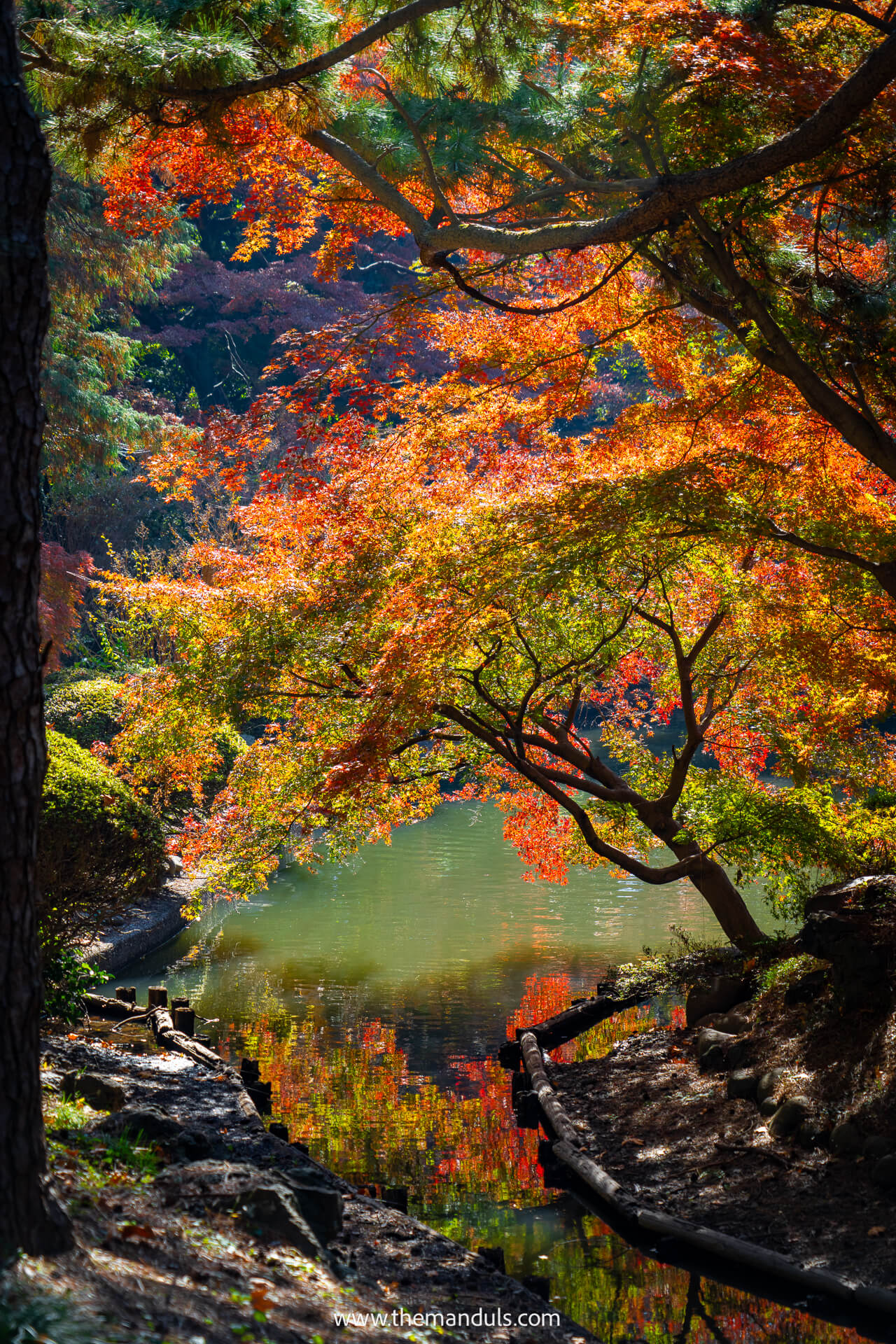
Yamagata makes the most sense if you want a slower Japan stop built around regional food, onsen towns, and mountain scenery rather than another packed city itinerary.
We’d add it if you’re already traveling by Shinkansen and want to experience a more seasonal, local-feeling side of Japan.
If your route is tight, focus on the part that matches your trip best — cherries and fruit farms in warmer months, soba and local meals year-round, or Zao and onsen towns in winter.