
This article contains affiliate links. Learn more in our affiliate disclosure.
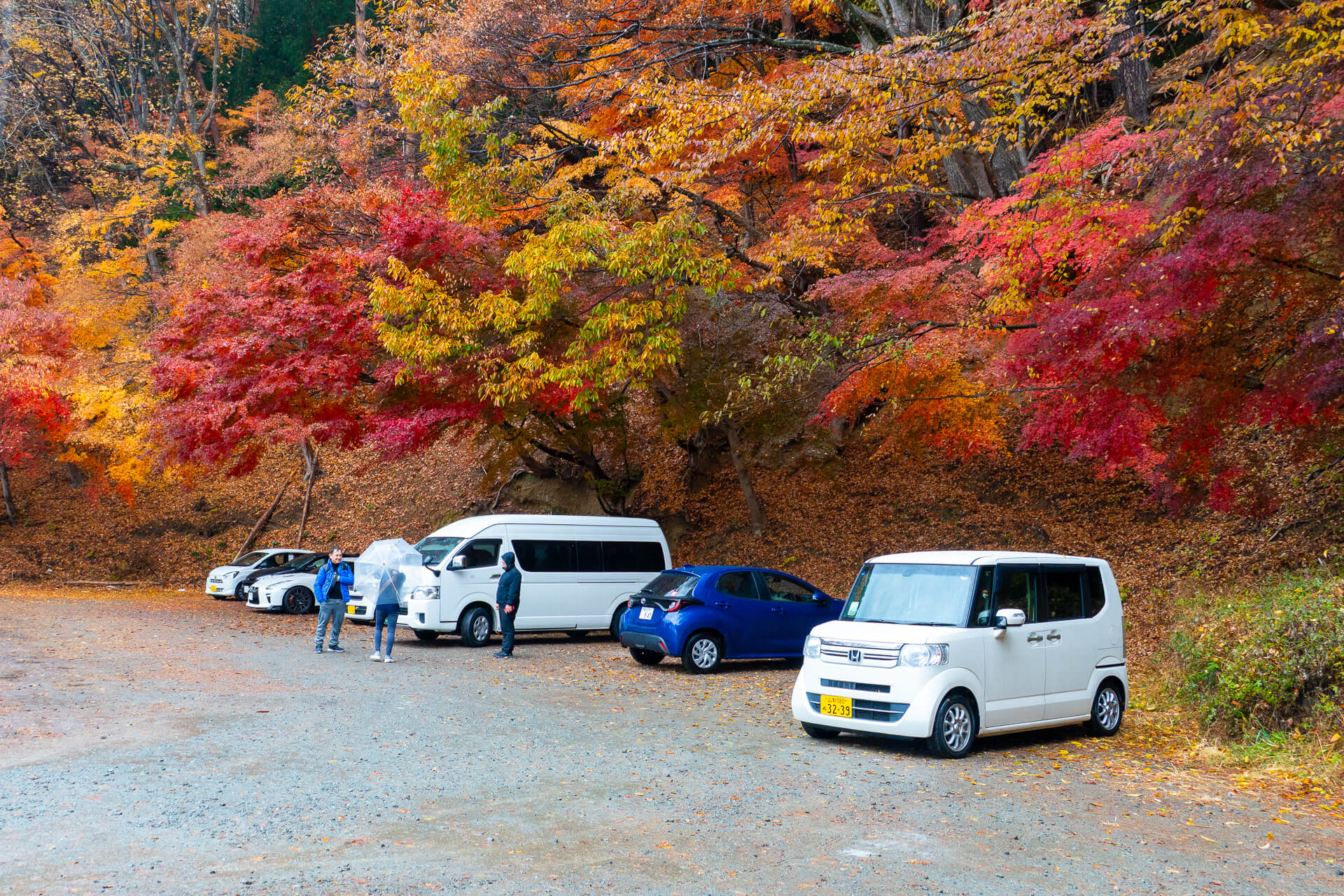
Renting a car at Mount Fuji wasn’t an obvious decision for us at first. We seriously debated whether it was worth it or if we should just stick to buses and trains, which work well in many parts of Japan.
But once we started pinning all the places we wanted to see around Fuji, it quickly became clear that relying only on public transport would cost us a lot of time—and still wouldn’t get us everywhere we wanted to go.
Several viewpoints, lakes, and smaller spots simply aren’t accessible by public transport, or require long detours and careful timetable planning. Add traveling with a baby into the mix, and the decision became pretty obvious.
Renting a car gave us the freedom to move at our own pace, adjust plans around the weather, and avoid unnecessary stress.
In this guide, we’ll share everything you need to know about renting a car near Mount Fuji—from costs and requirements to driving tips and where to book. If you want maximum flexibility and the ability to make the most of clear Fuji views when they appear, having your own car is a huge advantage.
Key Highlights
⭐️ Best time to book: a few weeks in advance
⭐️ Minimum rental age: usually 18–20, but many companies require 21+
⭐️ Price range: typically €70–€100 per day
⭐️Pickup location: Fujikawaguchiko Station
⭐️ Driving in Japan: excellent roads, sometimes narrow
Renting a car in Japan – Quick Overview
Renting a car around Mount Fuji gives you a huge time advantage compared to relying only on buses and trains.
Prices typically start around €70–€100 per day, depending on season and car size, so it’s a bit pricier than many European destinations. Most rental companies require drivers to be at least 18–20 years old, but options expand and fees drop once you’re 21+ (and extra young driver fees are common under 25).
Booking in advance is strongly recommended, particularly during cherry blossom and autumn foliage seasons, when availability is limited and prices rise. Most offices are around the Fujikawaguchiko area, so picking up your car after arriving by train is easy.
Roads around Mount Fuji are well maintained and clearly marked, and driving feels calm compared to big cities. However, many local roads are narrow, and visibility can change quickly due to clouds or fog.
Do You Really Need a Car?
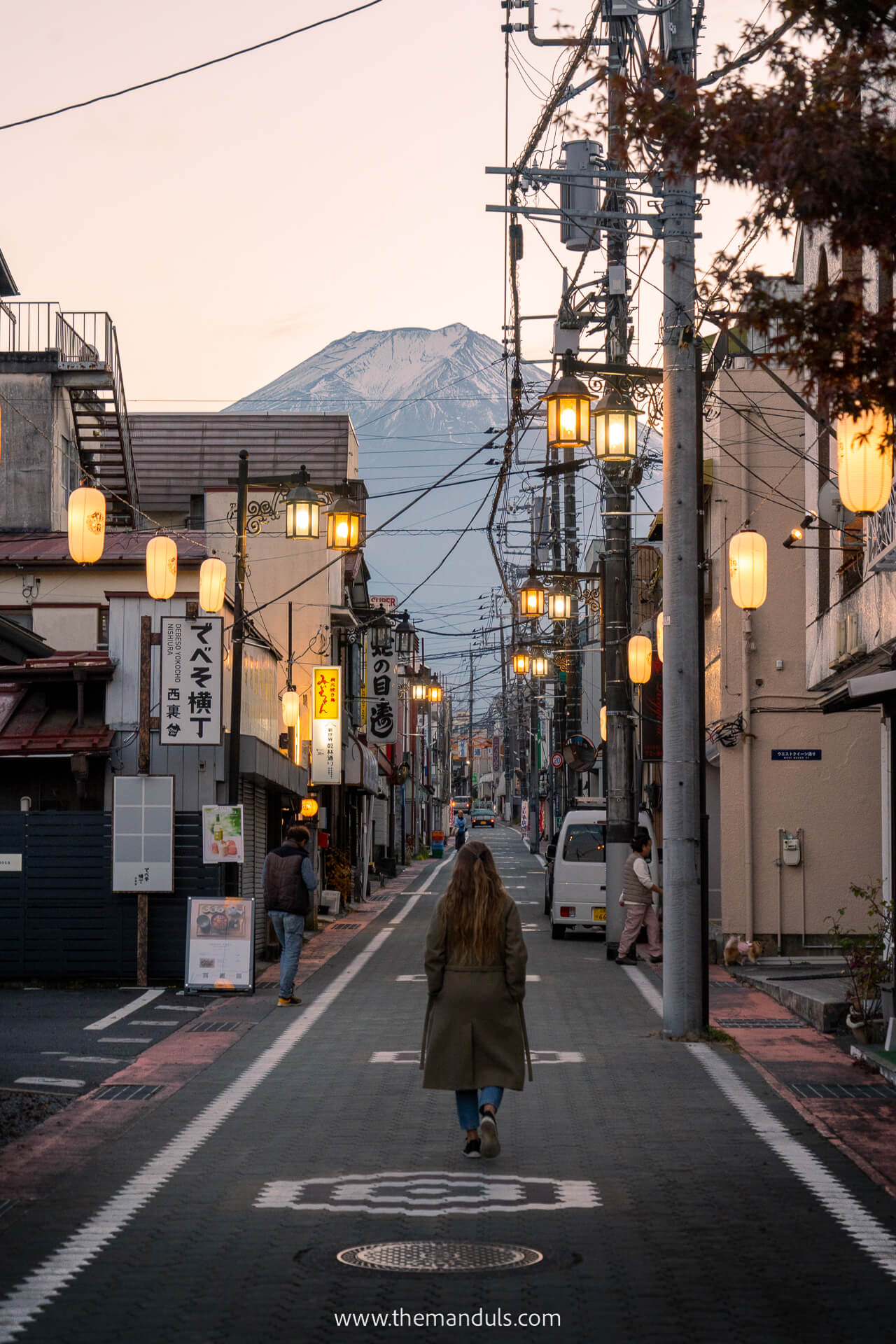
If your plan is limited to Kawaguchiko Station, one or two lakes, and the most popular viewpoints, you can manage with buses. Public transport works, but it’s slow, infrequent, and requires careful planning around timetables.
Once you want to explore more freely around Mount Fuji—different lakes, lesser-known viewpoints, quiet shrines, or places slightly off the main loop—a car becomes a huge advantage.
Some spots aren’t served by buses at all, while others require multiple transfers and long walks.
For us, the deciding factors were time and flexibility. With a baby, waiting for buses, standing around, or rushing to catch the last connection just didn’t make sense. Having a car meant longer days, fewer logistics, and the ability to change plans instantly when the weather shifted—which happens a lot around Fuji.
Tours are a good alternative if you don’t want to drive, but they lock you into a fixed schedule and crowded stops.

Also read: Where to stay at Mount Fuji – The best areas and hotels
Car Rental Requirements
Renting a car near Mount Fuji is straightforward, but there are a few things to know in advance.
Most rental companies in Japan require drivers to be at least 18 or 20 years old, depending on the provider. That said, many companies strongly prefer drivers who are 21+, and options are much more limited (and often more expensive) if you’re under 25 due to young driver fees.
You’ll need a valid driver’s license and, in most cases, an International Driving Permit (IDP) issued under the 1949 Geneva Convention. This applies to licenses from the EU, UK, USA, Australia, and many other countries. Without an IDP, you won’t be able to rent a car in Japan.
A credit card in the main driver’s name is usually required for the deposit, along with your passport. Debit cards are rarely accepted for car rentals in Japan.
Adding an additional driver is usually possible for a small fee, but every driver must also present their license and IDP at pick-up.
If you’re traveling with a baby or child, you’ll need to request a child seat in advance, as Japanese law requires proper child restraints—and availability can be limited during peak seasons.
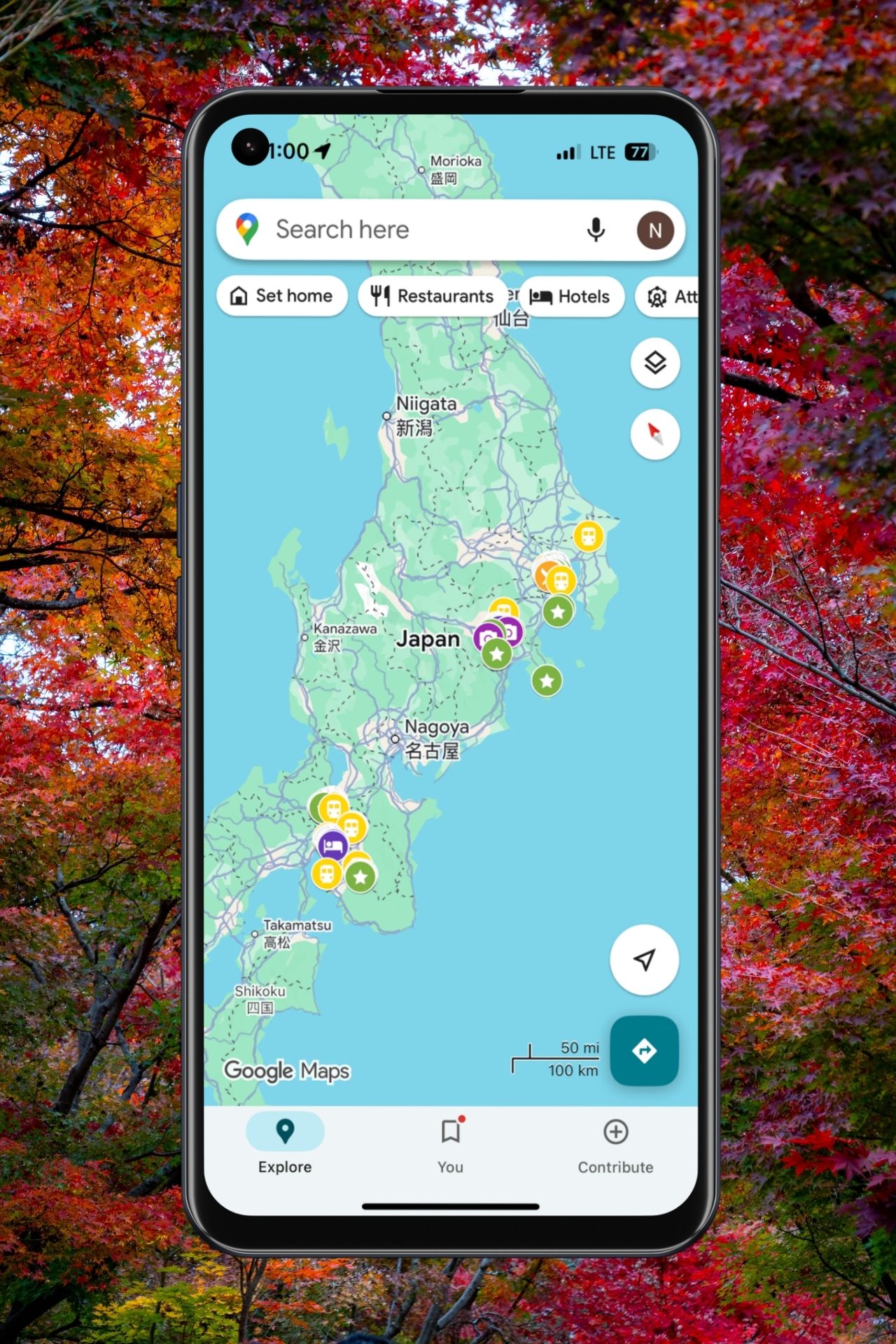
Our Japan Google Maps
Built from our real trips across Japan — only places we actually visited and loved.
No tourist traps. No random saves. Just a ready-to-use map that saves you hours of research.
219 handpicked spots, including:
📍 Highlights & hidden gems
🍜 Restaurants we’d go back to
🏨 Areas & hotels we’d book again
🗺️ Stops that fit into real, logical itineraries
Driving at Mount Fuji – Our Experience
Road conditions
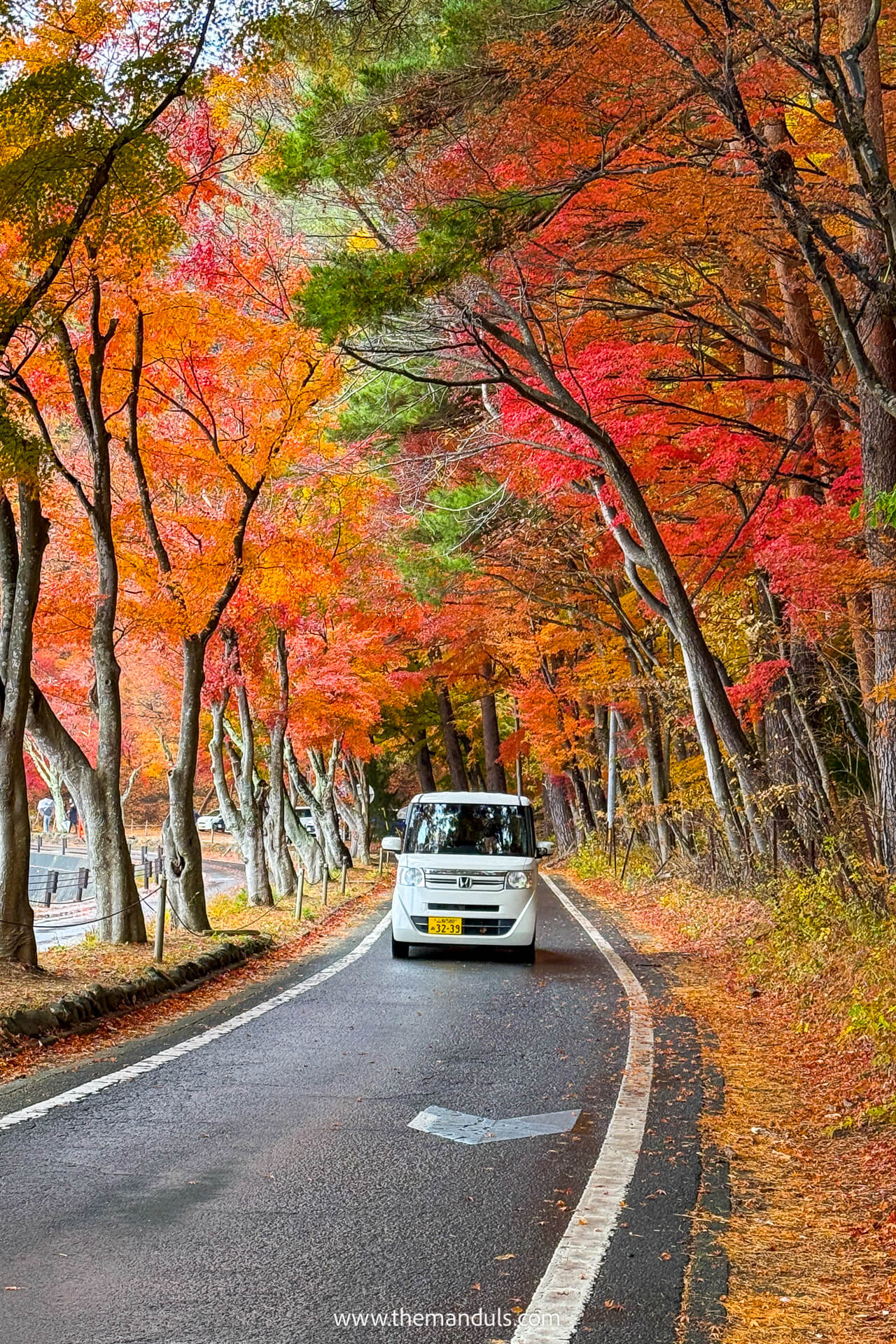
Driving around Mount Fuji was much easier than we expected. Roads are in excellent condition, clearly marked, and very well maintained. Compared to mountain driving in Europe, everything felt safer.
That said, once you leave the main roads, you’ll often encounter narrow local streets, tight turns, and occasional steep sections—especially around the lakes and smaller villages.
Traffic and Driving Culture
Traffic was calm for most of our stay. Outside peak hours, driving felt relaxed and stress-free. Japanese drivers are generally patient, respectful, and follow the rules closely, which makes a big difference—especially if you’re not used to driving on the left.
Near popular spots like Lake Kawaguchi, traffic picked up during late morning and early afternoon, but it never felt chaotic.
Using GPS
We relied entirely on Google Maps, and it worked very well. Routes were accurate, parking areas were easy to find, and we were never sent somewhere inaccessible.
Still, we’d recommend downloading offline maps as a backup—especially if you plan to explore quieter back roads.
Choosing the right car
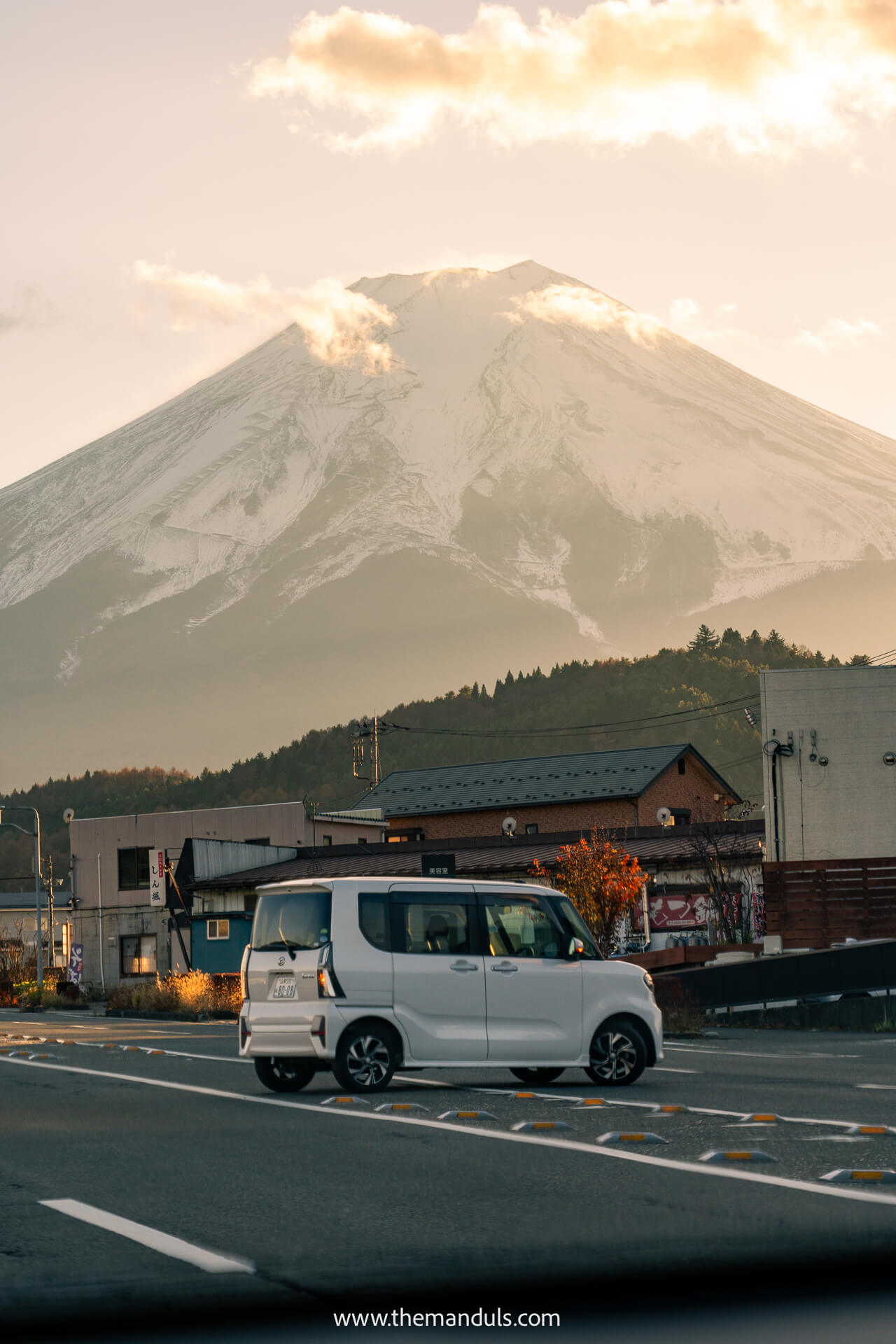
When renting a car near Mount Fuji, choosing the right size and setup makes a real difference—both for comfort and stress levels.
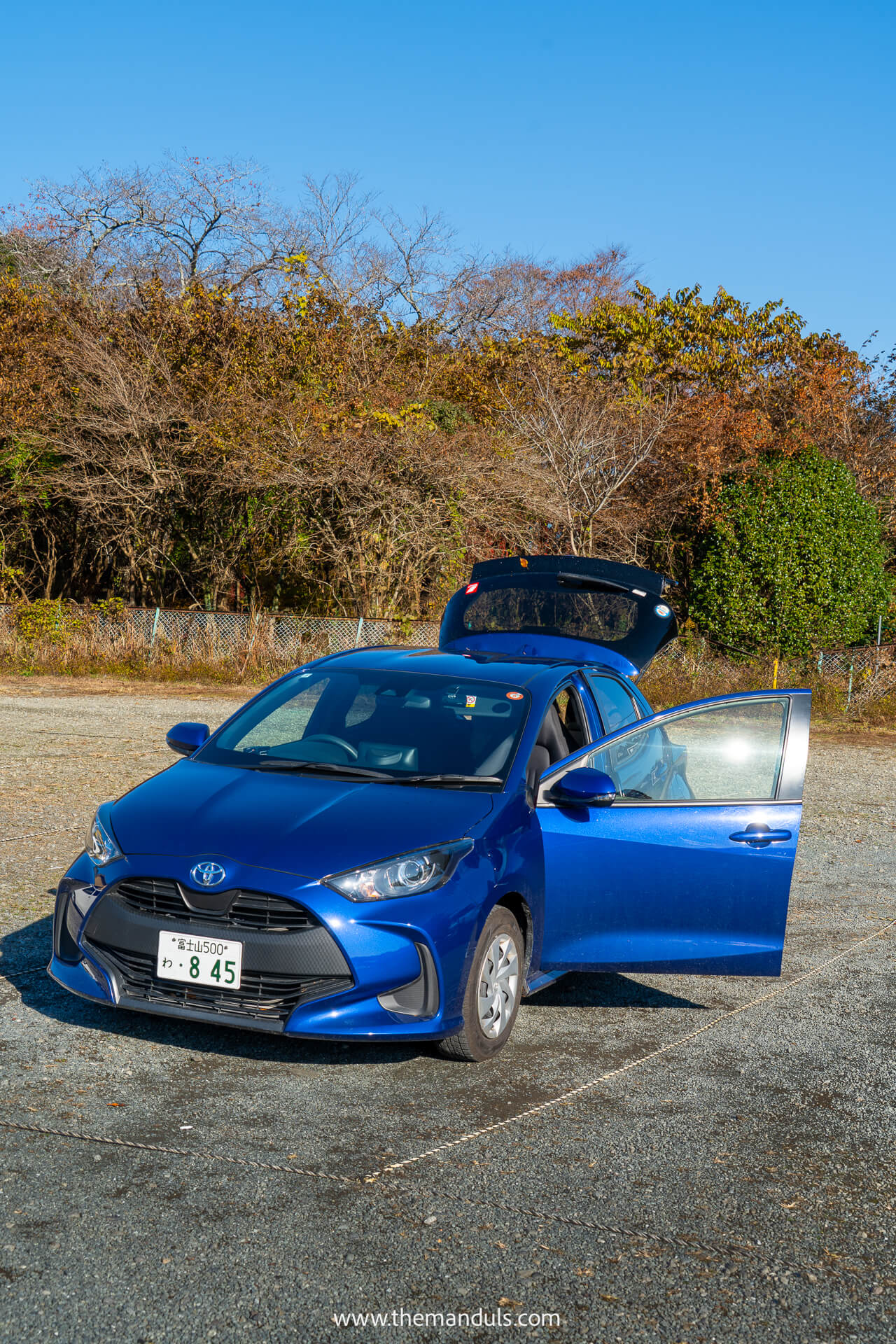
We strongly recommend going for a small or compact car. Roads around the lakes and in residential areas can be narrow, and parking spaces are often tight. A smaller car is much easier to handle and park, especially if you’re stopping frequently for viewpoints.
If you’re not used to driving on the left side, an automatic transmission is a no-brainer. Most rentals in Japan are automatic anyway, and it makes adjusting much easier.
Traveling with a baby or more luggage? Make sure the trunk is big enough for a stroller and bags. Japanese compact cars can be smaller than they look in photos, so checking boot size in advance helps avoid surprises.
We wouldn’t recommend renting a large car or SUV unless you really need the space. They’re harder to park, more expensive, and offer no real advantage around Mount Fuji.
Where to rent a car
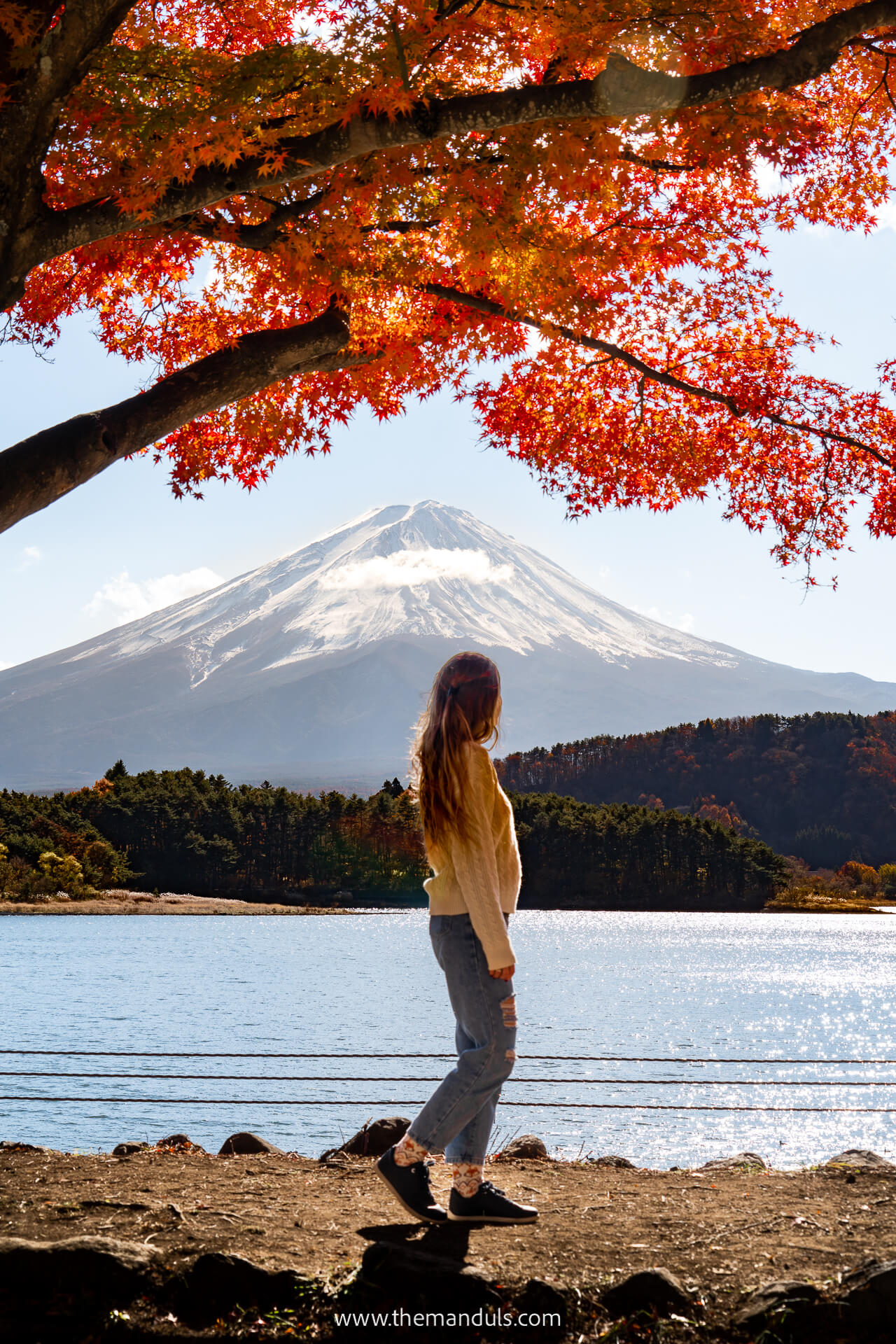
When renting a car near Mount Fuji, we booked through DiscoverCars—the same platform we use on our travels everywhere, not just in Japan.
Instead of checking individual rental companies, DiscoverCars lets you compare local and international providers in one place, which makes it much easier to find good availability and transparent pricing in an area like Mount Fuji, where demand can be high.
We like that you can clearly see what’s included, choose the exact car type you want, and add full coverage at a much lower price than what’s usually offered at the rental desk. Free cancellation on many bookings is another big plus if plans change.
Insurance & Coverage Explained
When renting a car near Mount Fuji, insurance is something you shouldn’t overlook. Car rentals in Japan are generally reliable, but basic coverage often comes with a high excess, meaning you could still be responsible for a large amount if something happens.
Basic insurance is usually included in the rental price and covers third-party liability, but it doesn’t fully protect you from damage to the car, theft, or smaller incidents like scratches or broken mirrors.
That’s why we recommend going for full coverage, especially if it’s your first time driving in Japan.
When booking through DiscoverCars, you can add full coverage during the booking process. It’s typically much cheaper than what rental desks offer and covers things like damage, theft, flat tires, lost keys, and minor accidents. This gave us peace of mind, especially when driving on narrow local roads or parking in tight spaces.
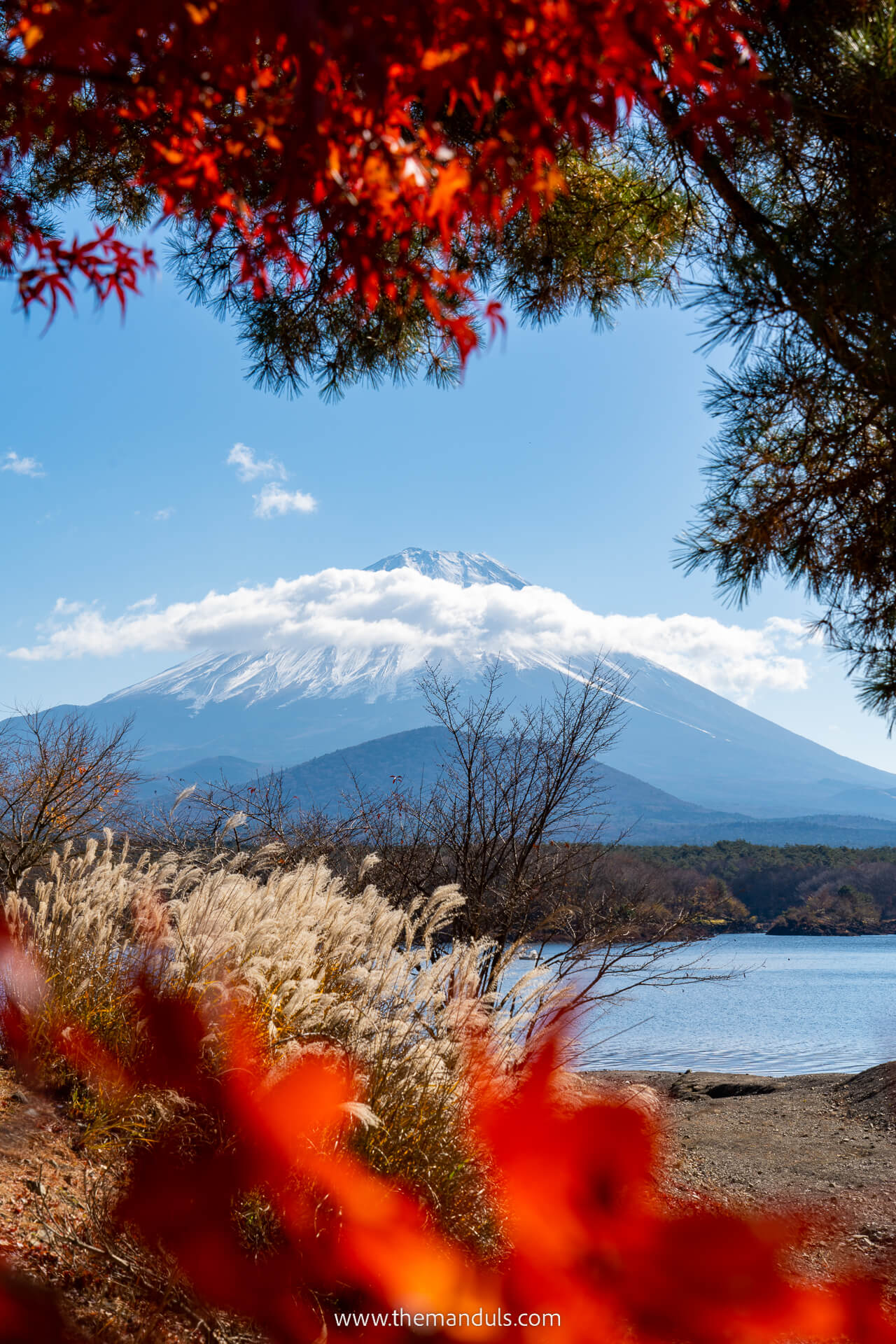
Pick-up checklist
1. Check the car for damage
Walk around the car and take photos or videos of any existing scratches, dents, or other issues. Make sure they’re all noted in the rental agreement and the company is aware of them.
2. Ask about fuel policy
Most rentals come with a full-to-full policy, meaning you return the car with the same fuel level. Make sure to confirm this so you’re not charged extra.
3. Verify what’s included
Double-check what’s included in your rental — especially insurance coverage, extra driver, and mileage limits, if any.
4. Understand the deposit and payment
Make sure you know how much will be blocked on your credit card and when it will be released. If you paid for full coverage via a platform like DiscoverCars, clarify how to handle damages.
5. Get contact details
Ask for a phone number you can call in case of emergencies or issues during your rental.
6. Inspect basic functions
Check that everything works: lights, AC, windows, wipers, GPS if included. Also look at the tire condition and make sure there’s a spare tire or repair kit.
Parking Tips
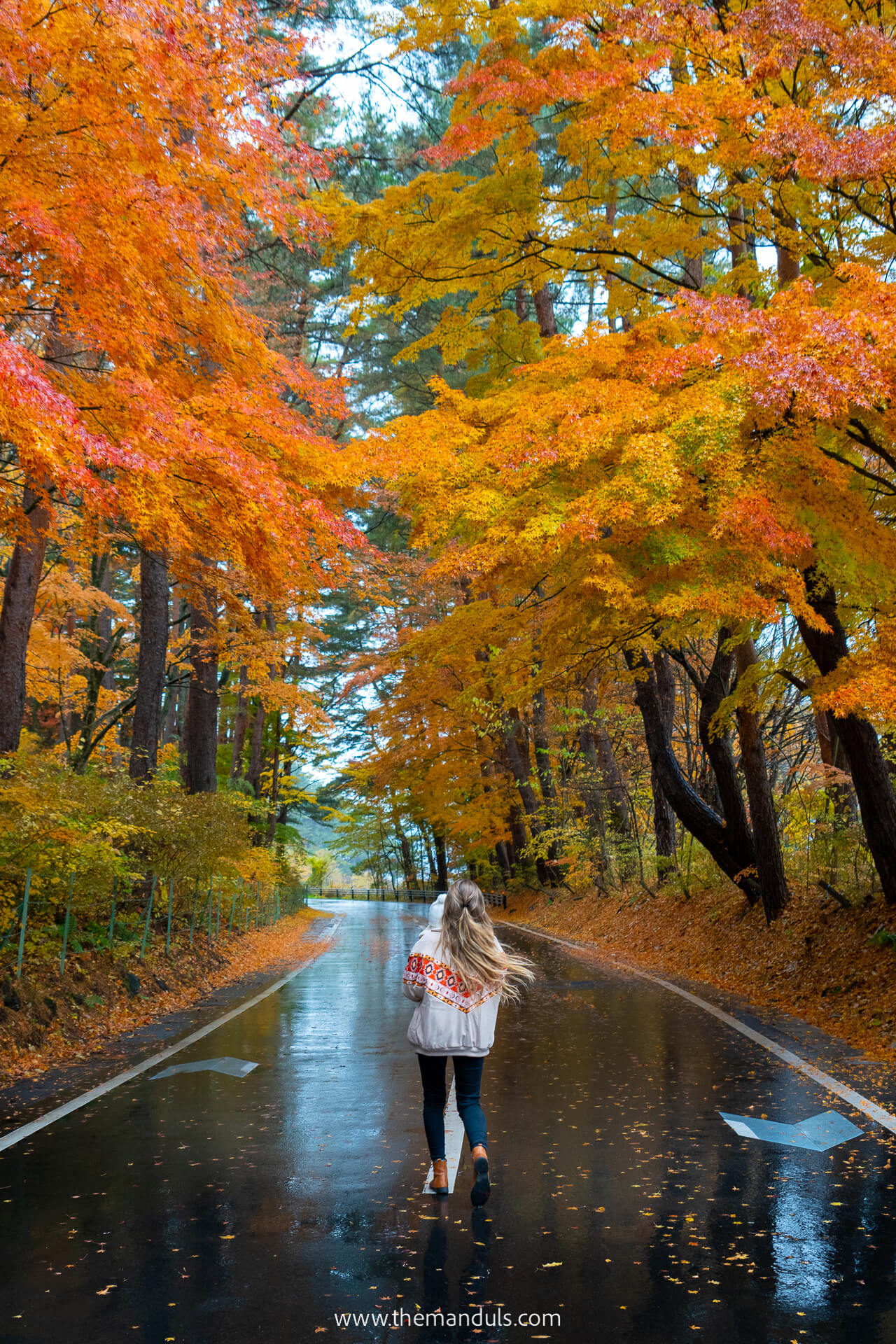
Parking is generally easier here than in big Japanese cities, but it still requires a bit of planning—especially near popular spots.
Most attractions, viewpoints, and trailheads have designated parking areas. Many of them are paid, usually costing ¥300–¥1,000 per stop, depending on location and season. Payment is often in cash, so having coins or small bills is useful.
At popular places like Lake Kawaguchi viewpoints or during cherry blossom and autumn foliage season, parking lots can fill up quickly, especially from late morning onwards. Arriving early makes a big difference—not just for parking, but also for avoiding crowds.
Street parking is much more regulated than in some European destinations. If parking is allowed, it’s clearly marked. If you don’t see markings or signs, it’s best not to park there. Illegal parking is rare but enforced, and fines are not something you want to deal with while traveling.
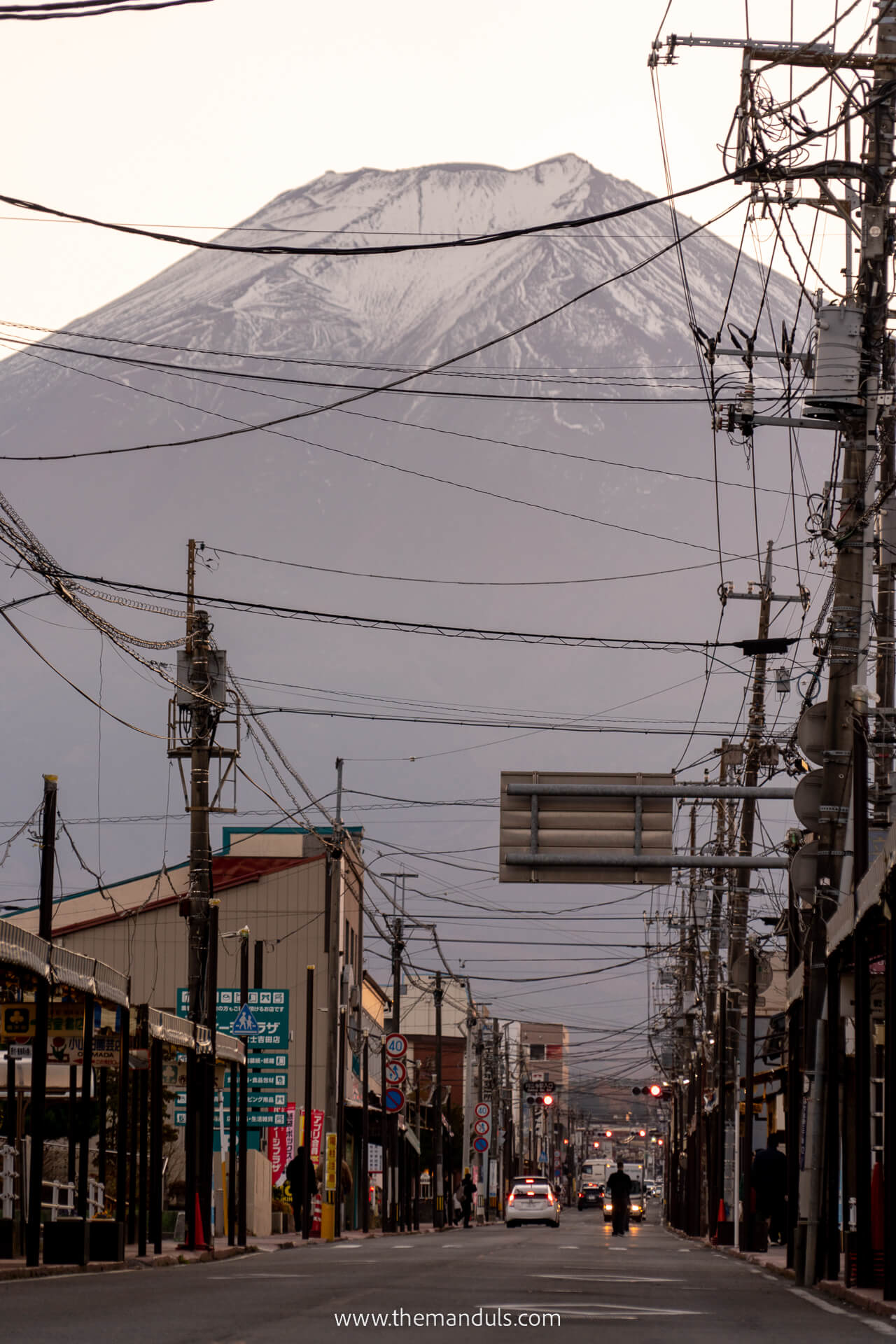
Child Seats: What You Need to Know
Legal Requirements
In Japan, children under 6 years old are required by law to use an appropriate child seat. This includes rear-facing seats for babies and proper toddler seats depending on age and size. It’s the driver’s responsibility to make sure the seat is suitable and correctly installed.
Renting vs. Bringing Your Own
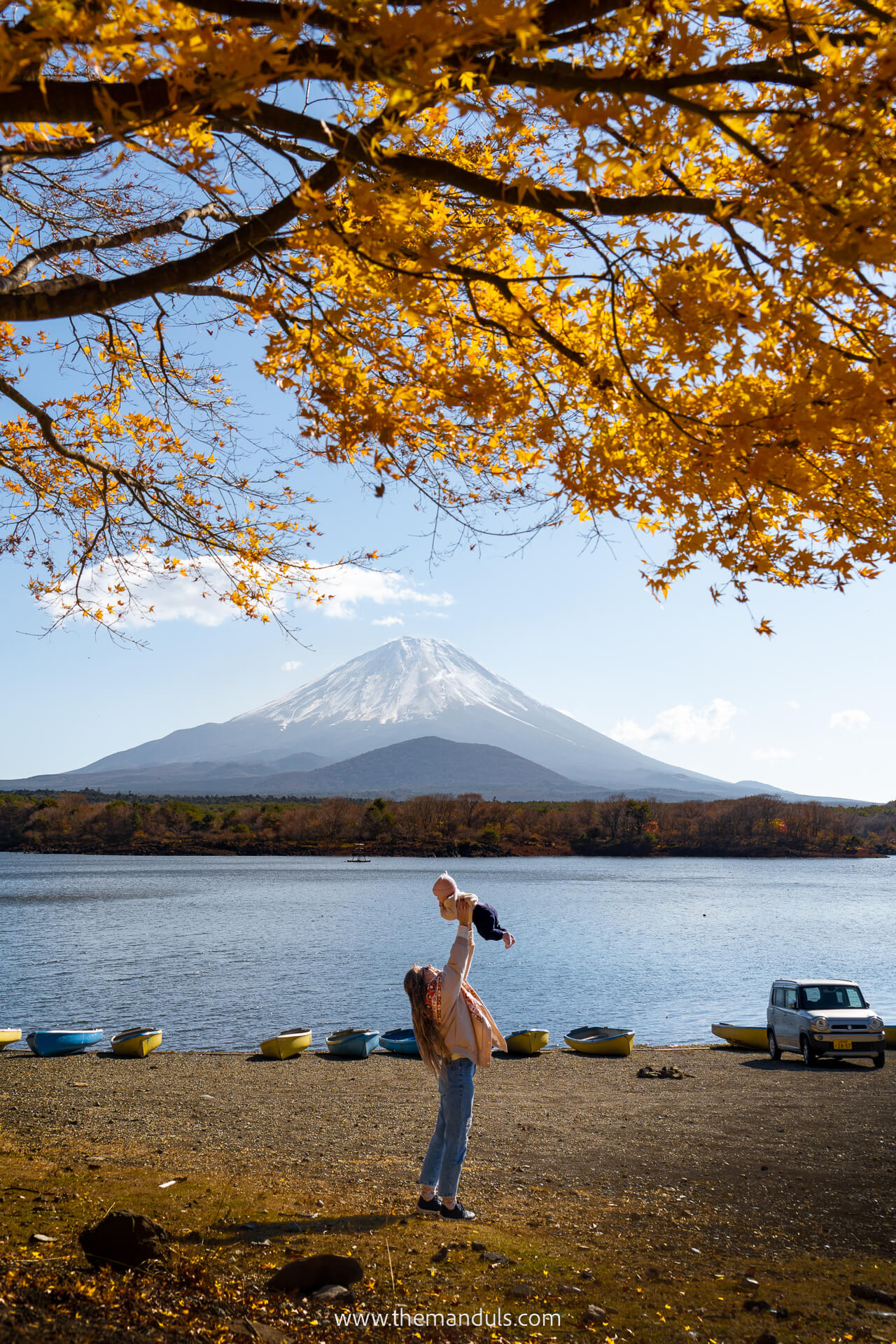
We chose to rent a child seat, and for us it worked perfectly. The seat was in great condition, clean, and easy to arrange during booking. Since we only needed a car around Mount Fuji and not for the entire trip in Japan, bringing our own seat didn’t really make sense.
That said, if you plan to rent cars multiple times during your trip or just prefer using your own seat, bringing one is possible. Most airlines allow a child seat (and usually a stroller) to be checked in for free, but policies vary, so it’s best to confirm with your airline in advance.
Alternative Transport for Non-Drivers
Public transport & sightseeing buses
Local buses connect the main areas around the Fuji Five Lakes and work fine if you’re visiting just a handful of popular spots. There are also dedicated sightseeing loop buses that stop at major viewpoints, museums, and lakeside attractions.
They’re easy to use and tourist-friendly, but run on fixed routes and schedules, so flexibility is limited.
Guided tours
Guided tours are a convenient, low-effort option if you don’t want to deal with logistics. They cover the main highlights efficiently and are ideal for short stays. The downside is that you’re locked into a set itinerary and timing, with little room to adapt if the weather changes or a place feels too crowded.
Bikes
We saw plenty of people cycling around Lake Kawaguchiko. Renting a bike or e-bike works well for short distances and flat lakeside routes, especially on clear days. That said, it’s not ideal if you want to explore multiple lakes or reach viewpoints further out.