
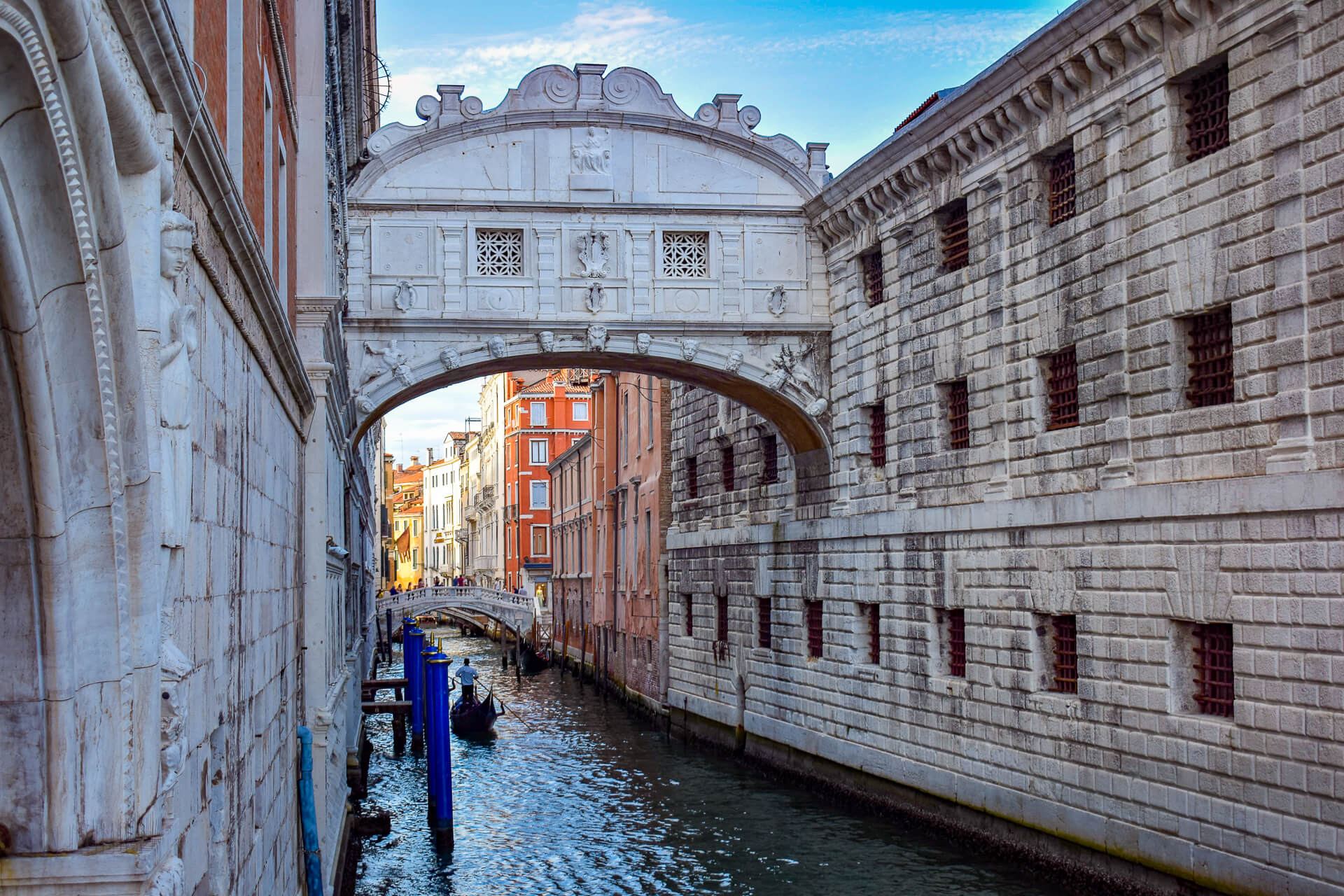
This article contains affiliate links. Learn more in our affiliate disclosure.
Venice in Italy isn’t just seasonal — it’s extremely sensitive to crowds, heat, and water levels, and even a small shift in dates can completely change how the city feels.
We visited Venice once, in September, and while the city was stunning, it quickly became clear that timing here is everything. The weather, cruise ship crowds, and sheer number of day-trippers all play a role.
In this guide, we’ll break down the best time to visit Venice based on real experience, seasonal differences, and what it actually feels like to explore the city — not just how it looks in photos.
And once you’ve picked your dates, our guides on the best things to do in Venice and where to stay in Venice will help you plan the rest with confidence.
Key Highlights
🌦️ Seasons: Four seasons, but crowd levels matter more than weather
🌤️ Best months: April–May and September–October
👥 Crowd levels: Very heavy from May to August, especially mid-day
🎉 Notable events: Carnival, Biennale, summer festivals
💡 Good to know: Venice never feels empty — but timing can make it feel manageable
Quick Overview
The best time to visit Venice is spring (April–May) and early autumn (September–October), when temperatures are comfortable and crowds are more manageable than in peak summer.
Summer is hot, crowded, and exhausting during the day, while winter is quieter and cheaper — but comes with cooler weather and occasional acqua alta.
Our Experience
We visited Venice in September, and overall, it was a mixed but memorable experience.
The weather was warm and mostly sunny, with daytime temperatures hovering around the low-to-mid 20s°C. Mornings and evenings were comfortable for walking, but mid-day exploring — especially in busy areas like San Marco — got intense fast.
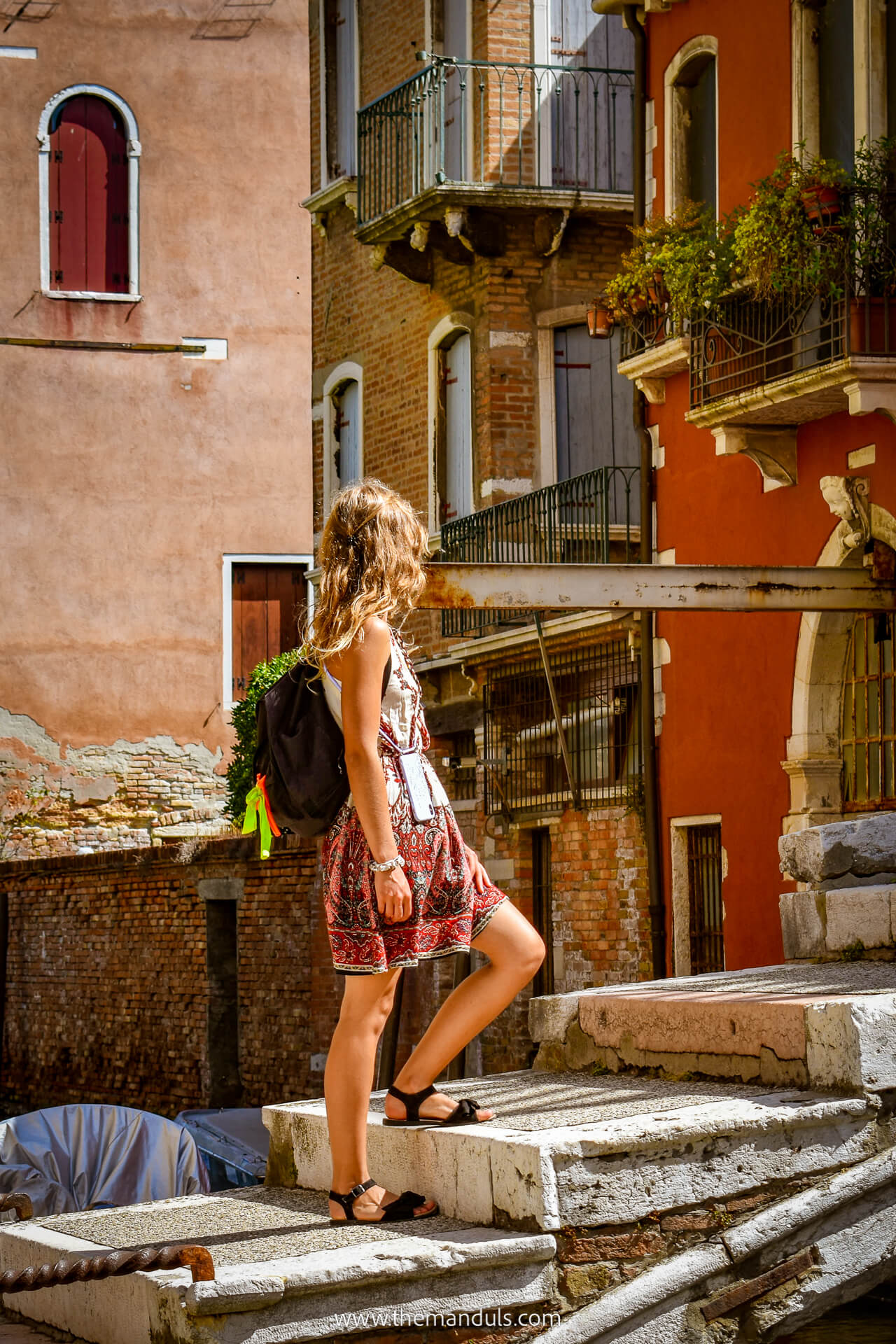
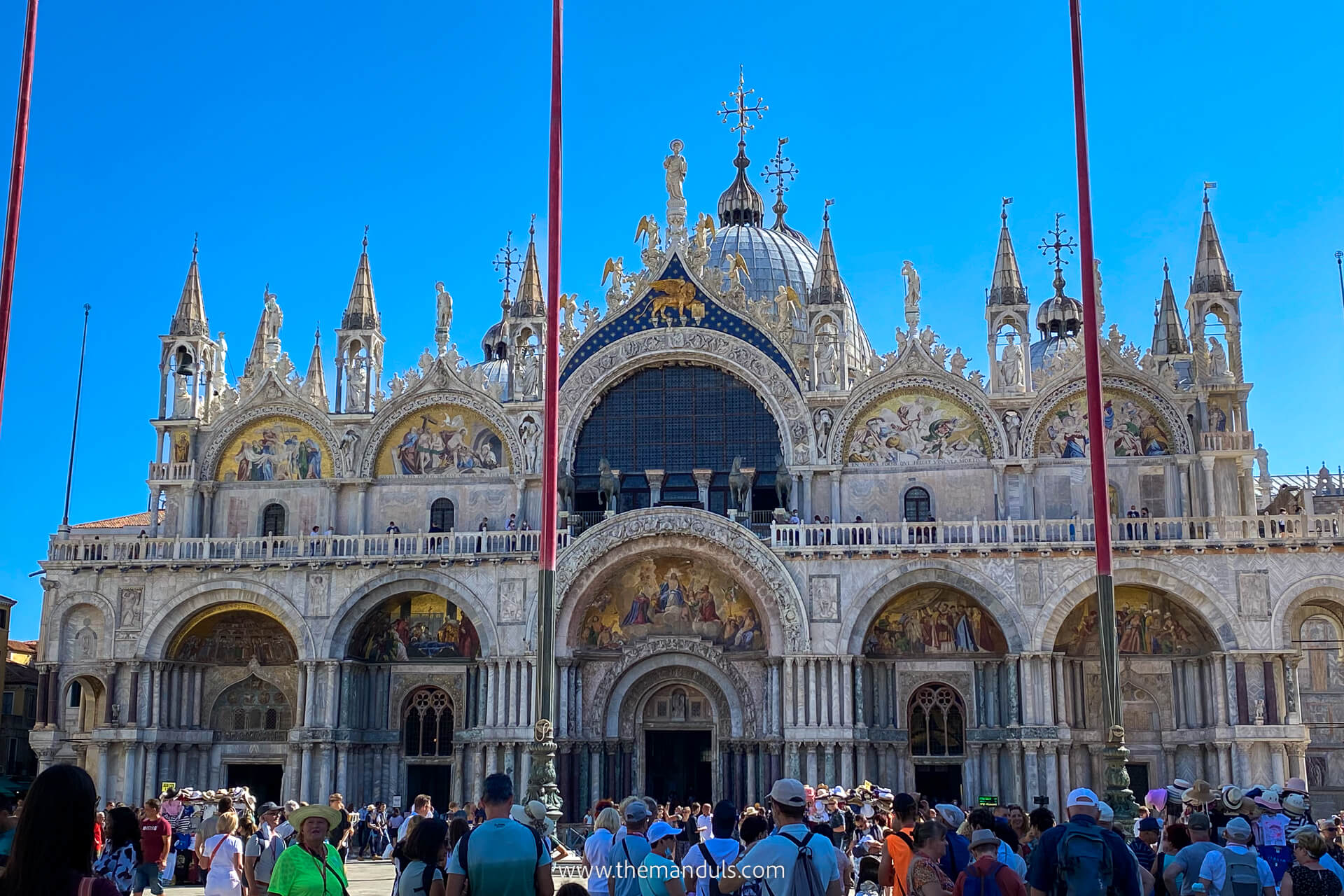
Crowds were the biggest factor. Venice felt packed from late morning to early evening, particularly around major sights. Early mornings and evenings were a completely different story though — calmer canals, quieter streets, and a much more local feel.
Looking back, September worked well weather-wise, but we’d plan our days differently next time: early starts, long lunch breaks, and more evening wandering. If crowd sensitivity is a big factor for you, late October or early spring might feel easier.
Best Time to Visit Venice
Spring (March–May)
Spring is one of the most balanced times to visit Venice. Temperatures usually sit between 12–22°C, which is ideal for walking — and walking is how Venice is best experienced.
March still feels quiet and local, especially early in the month. April and May bring warmer weather and a noticeable rise in visitors, but without the crushing heat of summer.
This is also when Venice feels most photogenic without being overwhelming. Cafés spill outside, canals sparkle, and the city feels alive rather than overrun. Prices rise quickly from April onward, and Easter can bring a sudden surge in crowds.
✅ Pros: Comfortable weather, good light, manageable crowds
❌ Cons: Rising prices, busy holiday periods
Monthly overview
- March: Cool, quieter, great value
- April: Mild weather, more visitors, very pleasant overall
- May: Warm and lively, but increasingly crowded
Summer (June–August)
Summer is the hardest season to recommend for Venice.
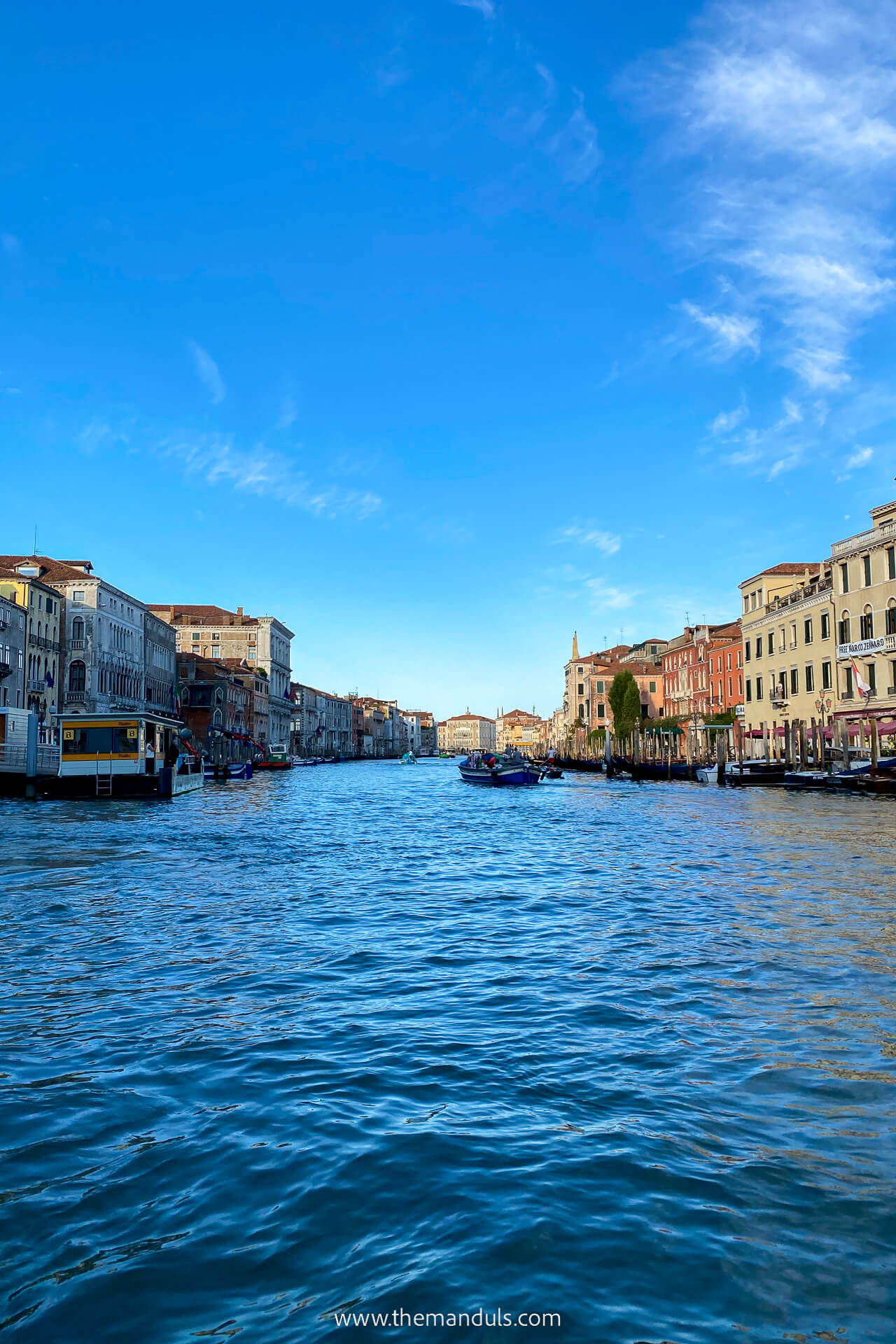
Daytime temperatures often exceed 30°C, humidity is high, and shade is limited. Combined with peak cruise traffic and day-trippers, sightseeing can feel exhausting rather than enjoyable.
Venice doesn’t empty out at night the way some cities do, but evenings are still far more pleasant than mid-day. If you visit in summer, structuring your days around early mornings and late evenings is essential.
✅ Pros: Long days, lively evenings, festivals
❌ Cons: Heat, humidity, peak crowds, tiring sightseeing
Monthly overview
- June: Hot but still manageable early on
- July: Very hot, extremely crowded
- August: Peak heat, some locals leave, still packed with visitors
Autumn (September–November)
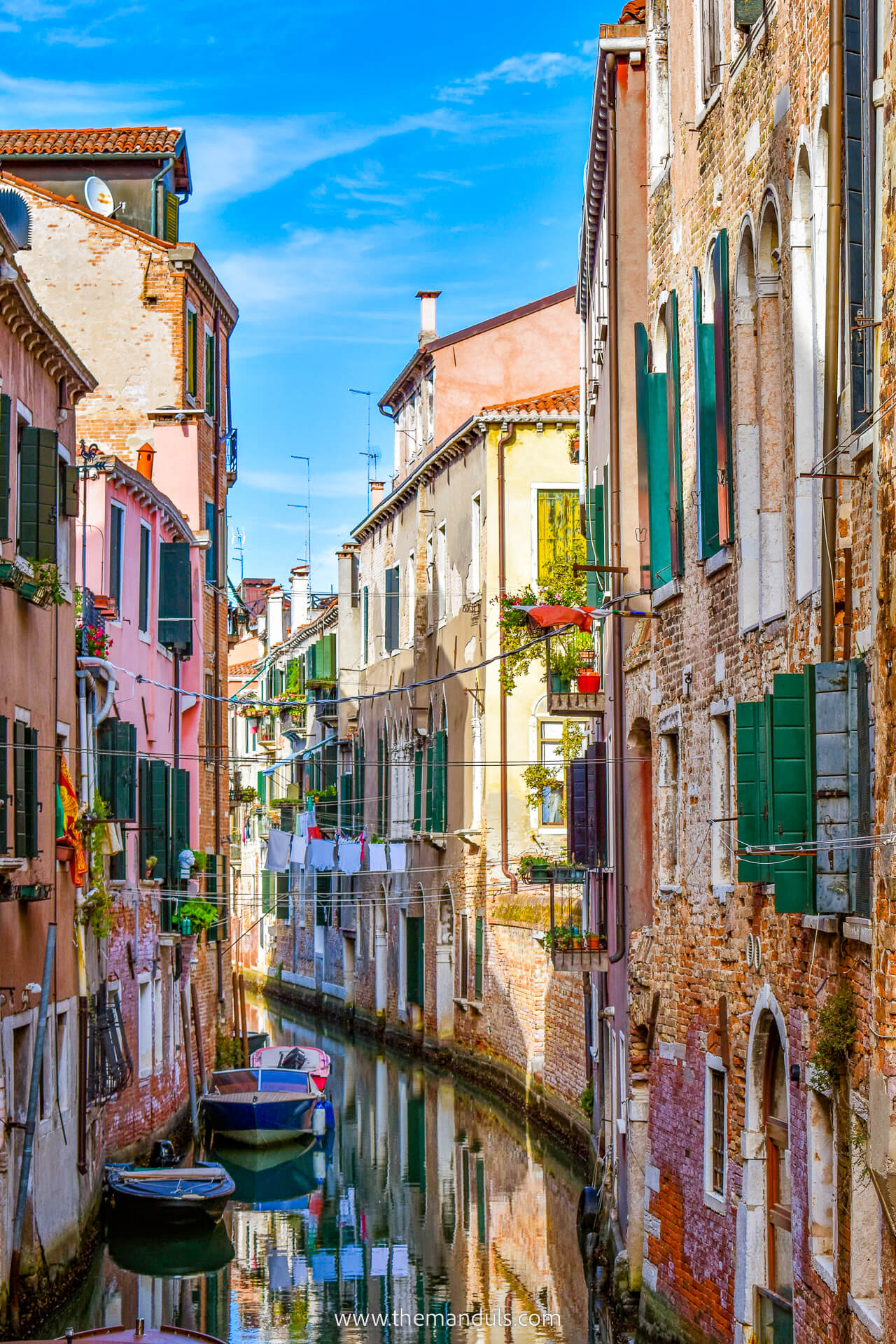
Autumn is when Venice starts to feel more manageable — and it’s the season we experienced firsthand. We visited in September, and while the city was still busy, it already felt more balanced than peak summer.
Weather-wise, September was warm and mostly sunny, with daytime temperatures sitting in the low-to-mid 20s°C. Mornings and evenings were ideal for walking, but mid-day sightseeing — especially around San Marco — could still feel overwhelming due to crowds.
What made the biggest difference for us was timing our days: early starts, slower afternoons, and longer evening walks once the day-trippers had left.
By October, Venice becomes noticeably easier to enjoy. Based on what we saw and how September felt, we’d expect cooler air, fewer cruise passengers, and a more relaxed rhythm across the city.
November shifts the mood further. Crowds drop, prices ease, and Venice feels quieter and more atmospheric — though cooler temperatures and grey days become more common.
✅ Pros: Comfortable temperatures, fewer crowds later in season
❌ Cons: September still busy, November can feel grey
Monthly overview
- September: Warm, lively, crowded mid-day
- October: One of the best balance months
- November: Calm, moody, great for slow travel
Winter (December–February)
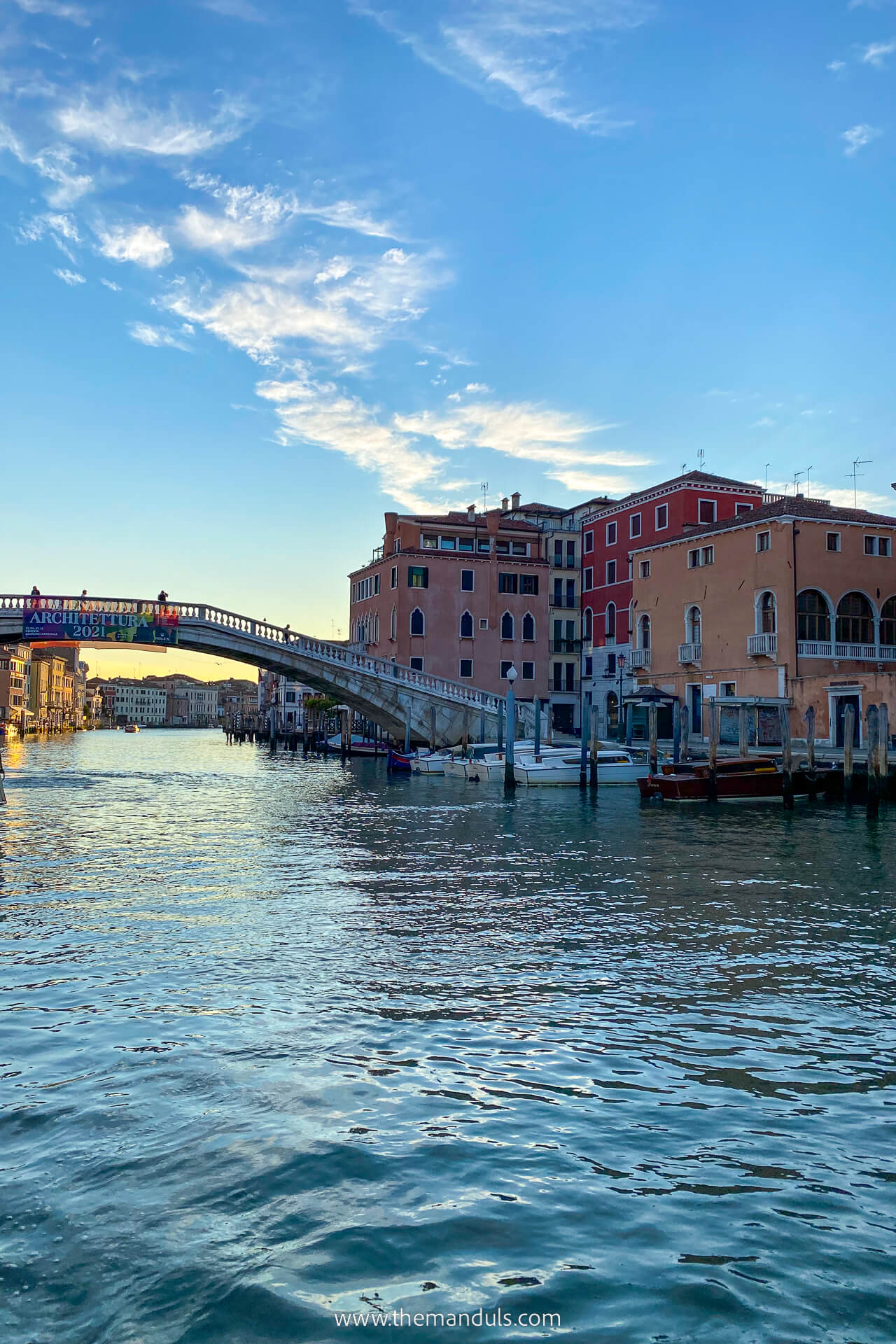
Winter is Venice at its calmest.
Crowds drop significantly outside Christmas and Carnival, prices are lower, and the city feels more local. That said, it’s cold, often foggy, and acqua alta (flooding) is more common.
If you’re after atmosphere rather than classic postcard weather, winter can be a surprisingly good choice.
✅ Pros: Fewer crowds, lower prices, authentic feel
❌ Cons: Cold, shorter days, occasional flooding
Monthly overview
- December: Festive but pricier around holidays
- January: Quiet, affordable, very local
- February: Carnival season — vibrant but busy
Crowds & Prices
Venice is busy year-round, but timing still matters.
- Most expensive & crowded: June–August, Carnival, Easter
- Best balance: April–May and October
- Best value: January–February (excluding Carnival)
One important tip: book accommodation early for spring and autumn. Waiting rarely leads to better deals — prices usually rise as availability drops.

Events & Festivals
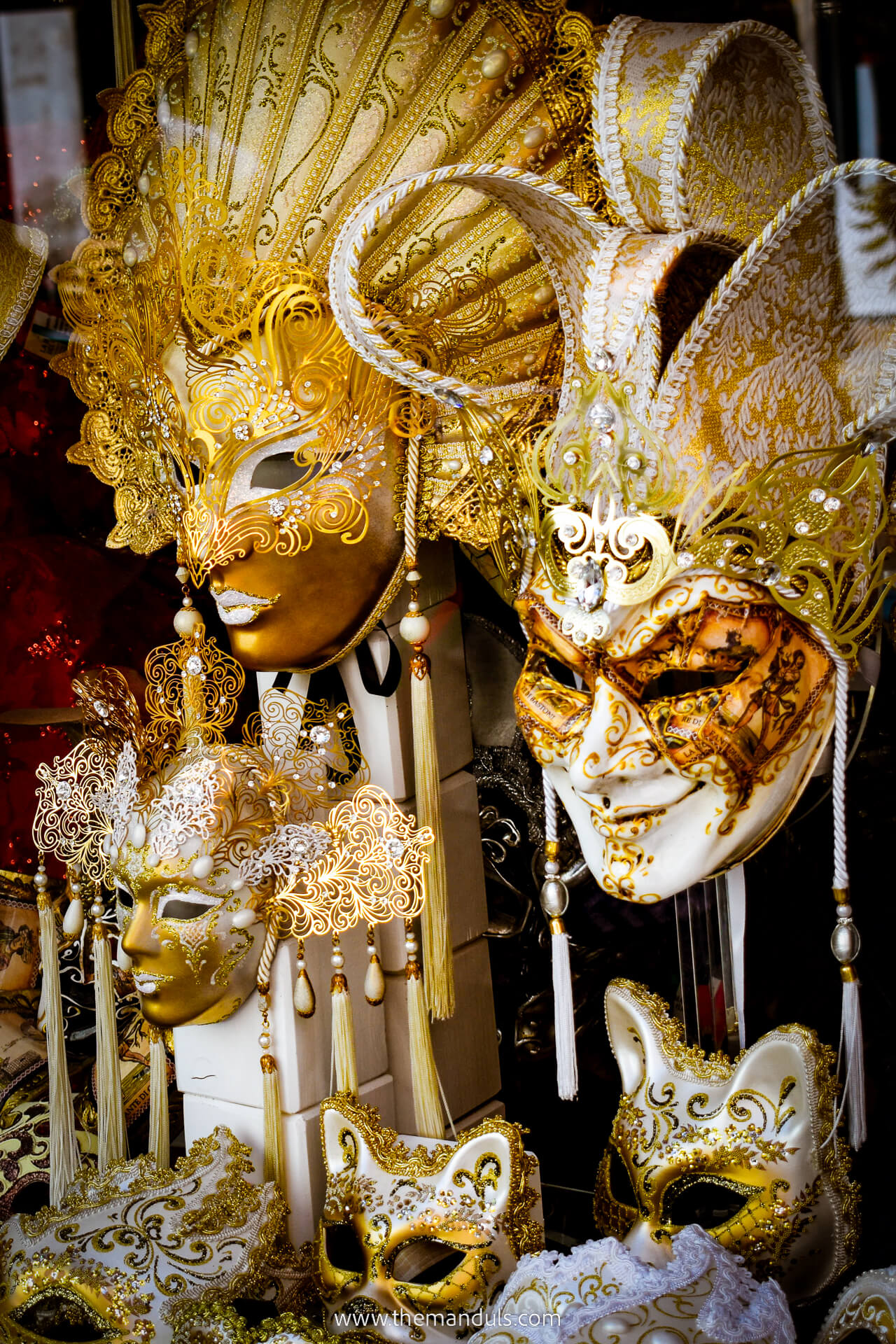
- Carnival (February) – Venice’s most famous event, known for elaborate masks, historical costumes, and themed balls. Expect performances in public squares and masked visitors throughout the city — beautiful to see, but extremely crowded and expensive.
- Venice Biennale (May–November, every two years) – A major international art and architecture exhibition held across venues like the Arsenale and Giardini. Crowds increase, but they’re more culture-focused and spread out rather than concentrated around classic sights.
- Festa del Redentore (July) – A traditional local festival celebrating the end of a historic plague, marked by large fireworks over the lagoon and communal dinners along canals. Very atmospheric, but accommodation prices rise sharply.
- Venice Film Festival (late August–early September) – One of the world’s oldest film festivals, hosted on the Lido. Red carpets, international media, and a noticeable increase in prices, especially on the Lido and nearby areas.
- Christmas & Winter Events (December) – A quieter season with modest decorations, small markets, and a more local feel. No major citywide events, but a calmer, atmospheric time to explore Venice without peak-season crowds.
Worst Time to Visit Venice
For most travellers, July and August are the toughest months. The combination of heat, humidity, and crowds can make Venice feel overwhelming.
Another tricky period is Carnival, unless it’s your main reason for visiting — beautiful, but intense.
FAQ
April, May, and October offer the best balance of weather and crowds.
Yes — great weather, but still busy. Plan early mornings and evenings.
January and early February (outside Carnival).
Yes, if you prefer fewer crowds and don’t mind cooler, moodier weather.
Final Thoughts
Choosing the best time to visit Venice is less about chasing perfect weather and more about managing crowds and pace.
Based on our experience, September worked well weather-wise, but next time we’d aim for October or late spring for a calmer feel. Venice rewards slow exploration, early starts, and off-peak timing more than almost any other city we’ve visited.
If you plan around that, Venice delivers — regardless of the season.