
This article contains affiliate links. Learn more in our affiliate disclosure.
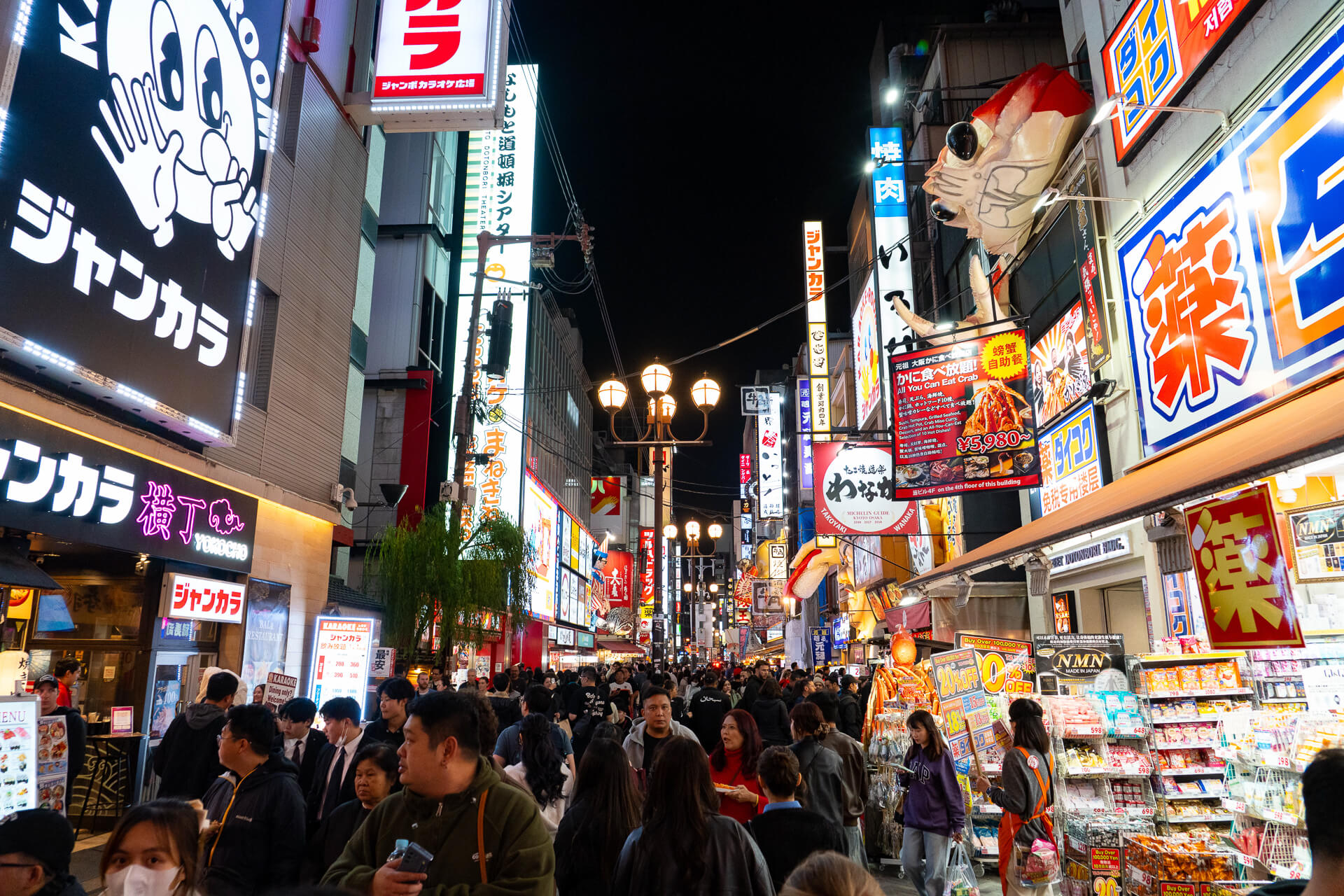
When we first started planning our trip to Osaka, we didn’t fully grasp how much timing would shape the experience. We planned our Japan trip around fall foliage, knowing that, together with cherry blossom season, it’s one of the true peak travel periods in Japan.
We’ve only visited Osaka once so far, but going during autumn set the bar high. The city felt vibrant and atmospheric, the weather was ideal for long days outside, and everything — from sightseeing to just wandering and eating — felt smoother than we expected, even with more visitors around.
In this guide, we’ll break down the best time to visit Osaka — based on what it actually feels like to be there, how seasons change the city’s vibe, and why cherry blossom season and autumn foliage are the peak travel times.
If you’re already planning, our guides on things to do in Osaka and where to stay in Osaka will help you turn good timing into a great trip.
Key Highlights
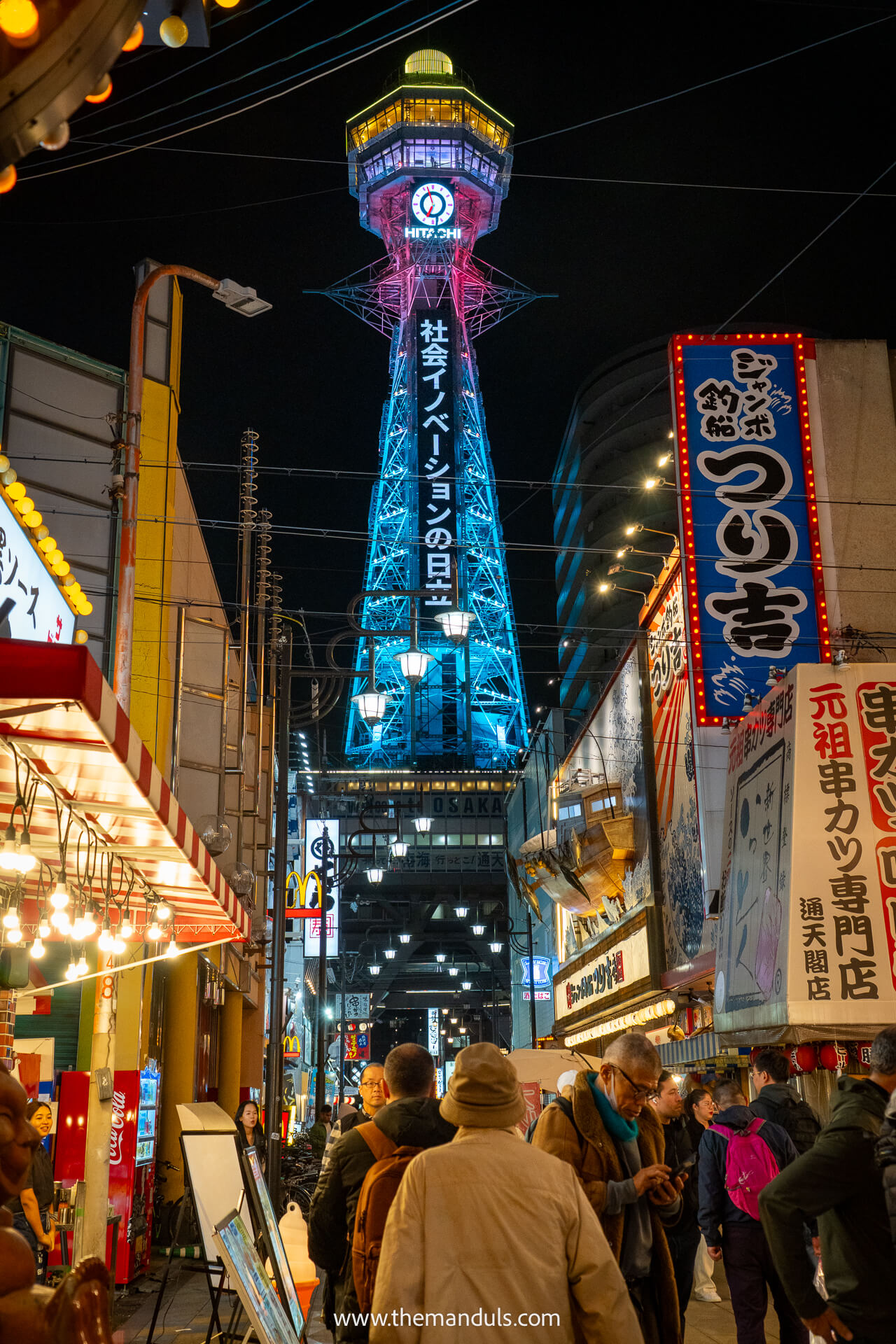
🌦️ Seasons: Four seasons — spring, summer, autumn, winter
🌤️ Best months: March–May and October–November
👥 Crowd levels: Busiest during cherry blossom and fall foliage, quietest in winter
🎉 Notable events: Golden Week (late Apr–early May), Obon (mid-August), New Year (late Dec–early Jan)
💡 Good to know: Book everything in advance during spring and autumn.
Quick Overview
The best time to visit Osaka is during spring (March–May) and autumn (October–November), when the weather is mild and the city feels at its most enjoyable. These months bring comfortable temperatures, seasonal color, and a lively atmosphere that’s perfect for sightseeing and food hopping.
Summer has long days and festivals but comes with heat and humidity, while winter feels calmer and more local — great if you don’t mind cooler weather and fewer crowds.
Our Experience
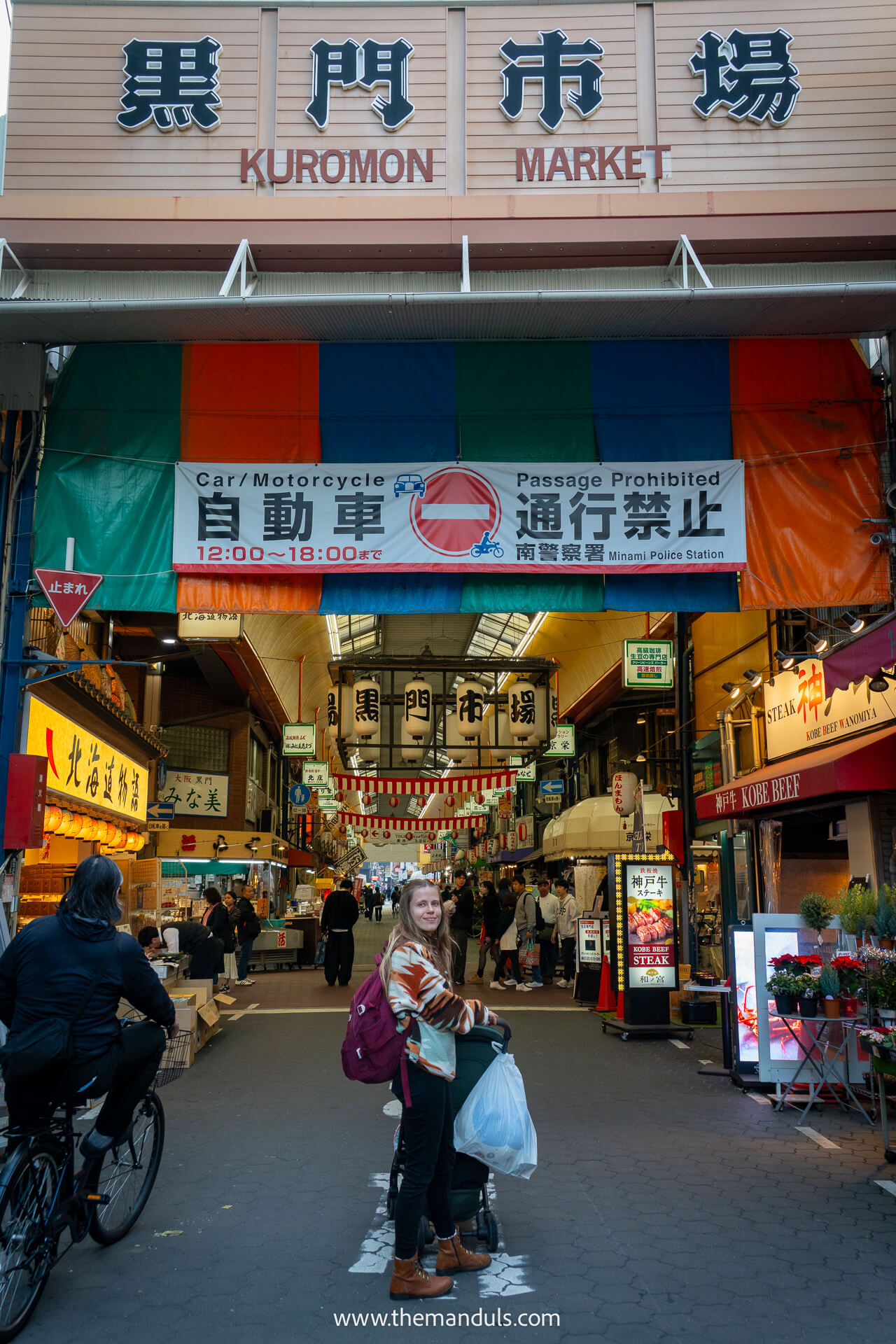
We visited Osaka in autumn, right around the fall foliage season, and it honestly felt like we’d nailed the timing. Days were comfortably cool, walking around never felt tiring, and the city had this great balance — lively streets and food spots, but without the stress of peak-summer heat.
What stood out most was how easy everything felt. We were happy to spend full days outside, explore neighborhoods on foot, and linger longer over meals without rushing back indoors.
Crowds were definitely there, especially at popular spots. Based on that experience alone, we’d choose autumn again in a heartbeat — it just worked.
Best Time to Visit Osaka
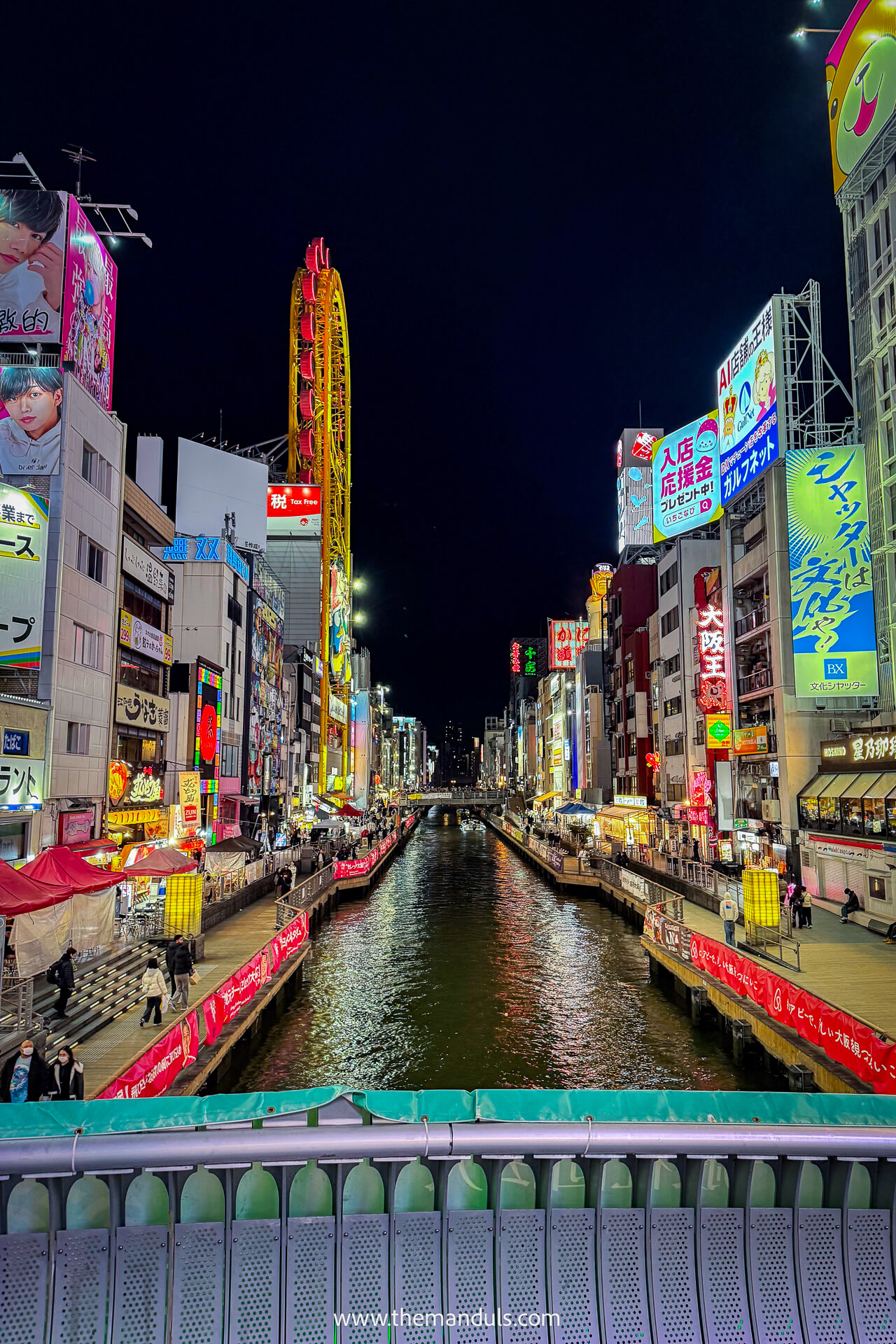
If we had to generalize, spring and autumn are when Osaka feels the most balanced — pleasant weather, lots happening, and a great atmosphere for exploring on foot. That said, each season comes with its own trade-offs, so it really depends on what kind of trip you want.
Spring
Spring is one of the most popular times to visit Osaka, especially for first-time travelers. While we haven’t experienced spring in Japan ourselves yet, it’s consistently recommended for its comfortable weather and seasonal atmosphere — and it’s easy to see why.
Expect mild, pleasant conditions with daytime temperatures around 12–22°C, low humidity, and increasing daylight. It’s the kind of weather that makes long sightseeing days enjoyable, whether you’re hopping between food districts or strolling through parks. Rainfall is moderate, and overall it’s one of the most comfortable seasons to be outdoors.
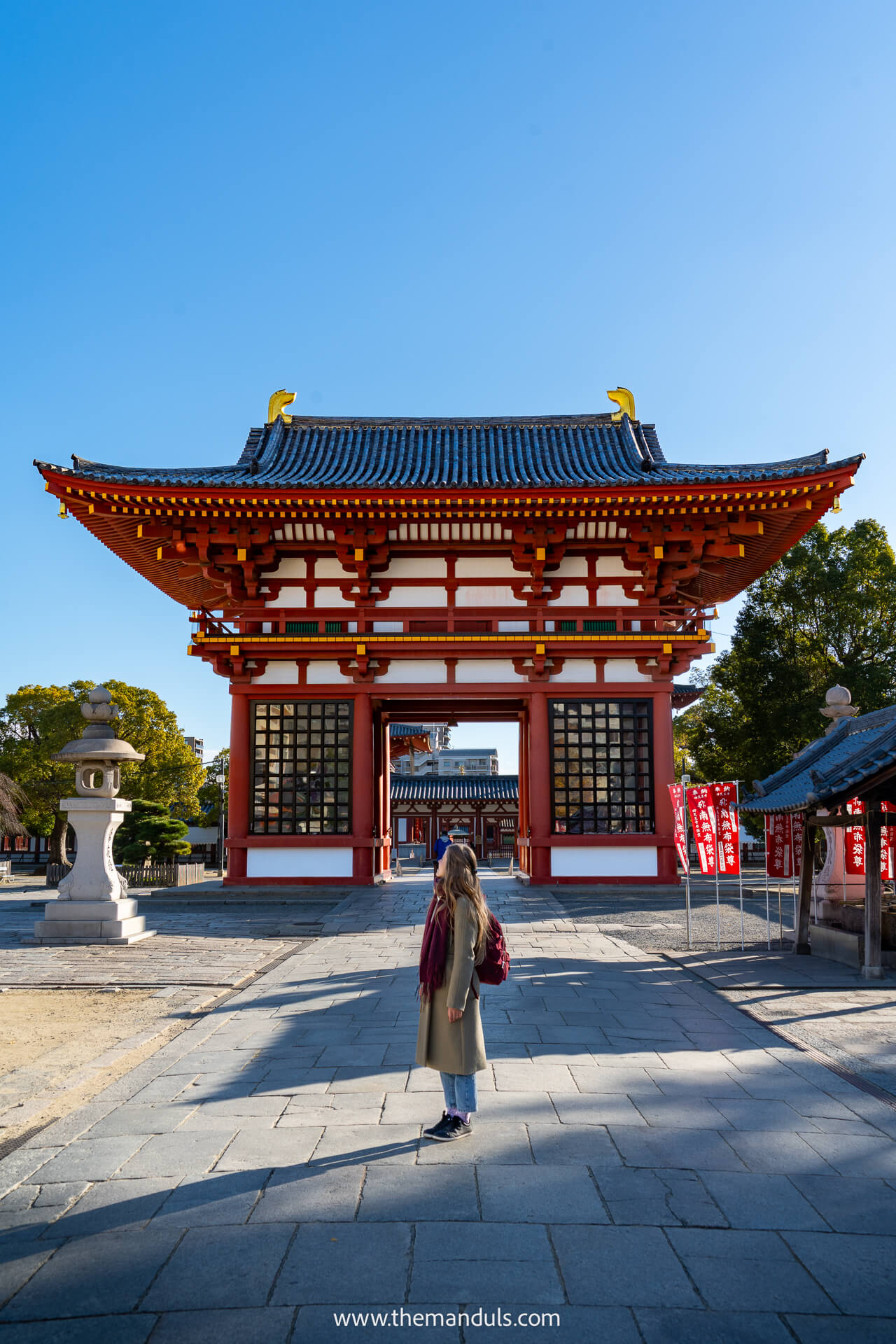
Crowds peak during cherry blossom season (late March to early April), when both international visitors and locals travel. This season does require planning ahead and is when the city feels most vibrant, with locals spending more time outside.
✅ Pros: Excellent weather, iconic cherry blossoms, lively atmosphere
❌ Cons: Very busy during peak bloom, higher prices, limited availability
Monthly Overview:
- March: Early spring feel with cooler mornings; blossoms start appearing late in the month, crowds slowly build.
- April: Peak cherry blossom season — stunning but very busy; best weather, worst availability.
- May: Warm, pleasant, and green; Golden Week brings heavy domestic travel, but late May calms down nicely.
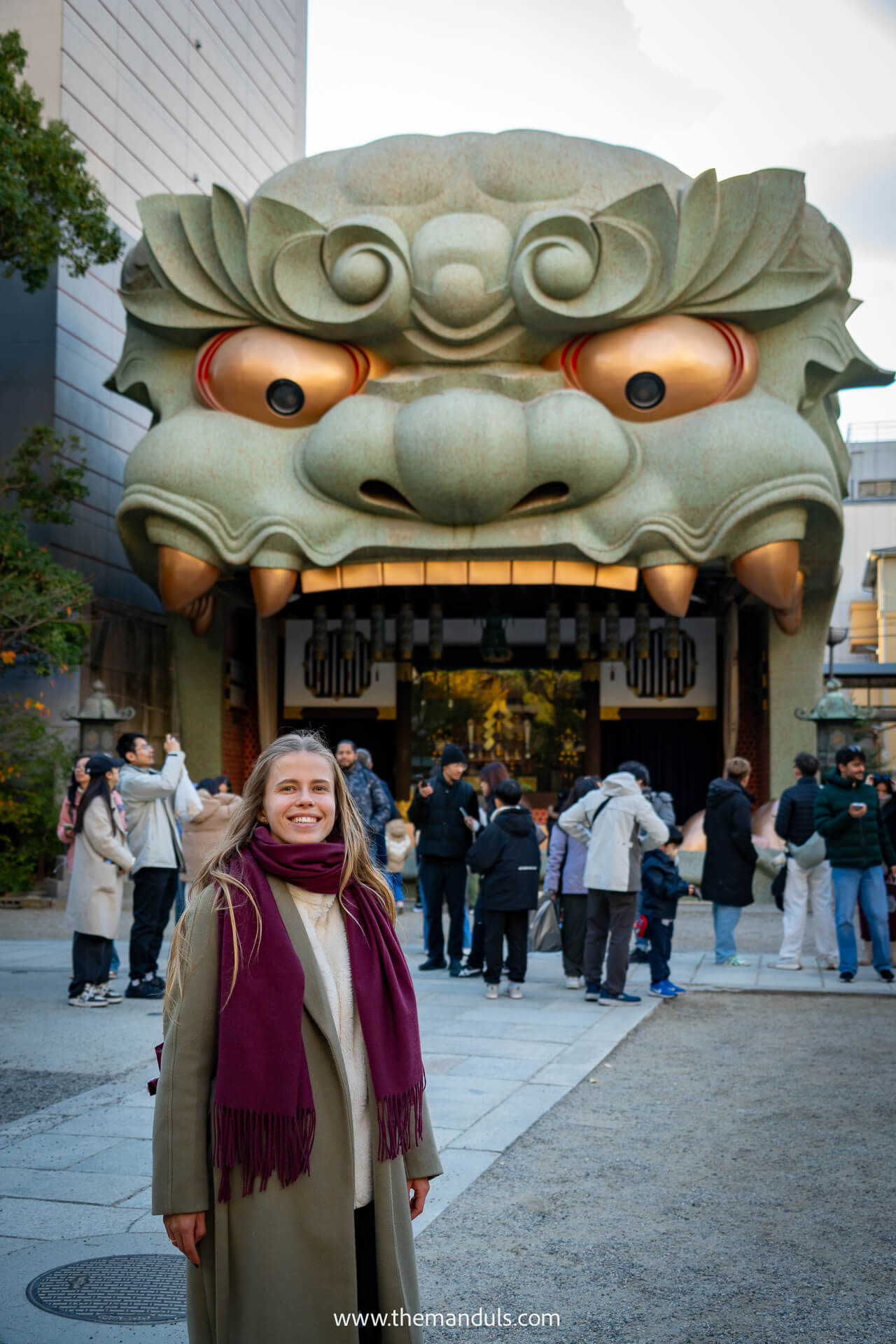
Summer
Summer in Osaka is vibrant but demanding. We haven’t visited during this season ourselves, but several friends have — and their feedback was very consistent.
They described the heat and humidity as the biggest challenge, especially in July and August, with daytime temperatures often pushing 30°C+. Sightseeing in the middle of the day felt exhausting, and most exploring happened early in the morning or after sunset.
June also brings the rainy season, which can disrupt plans with sudden downpours.
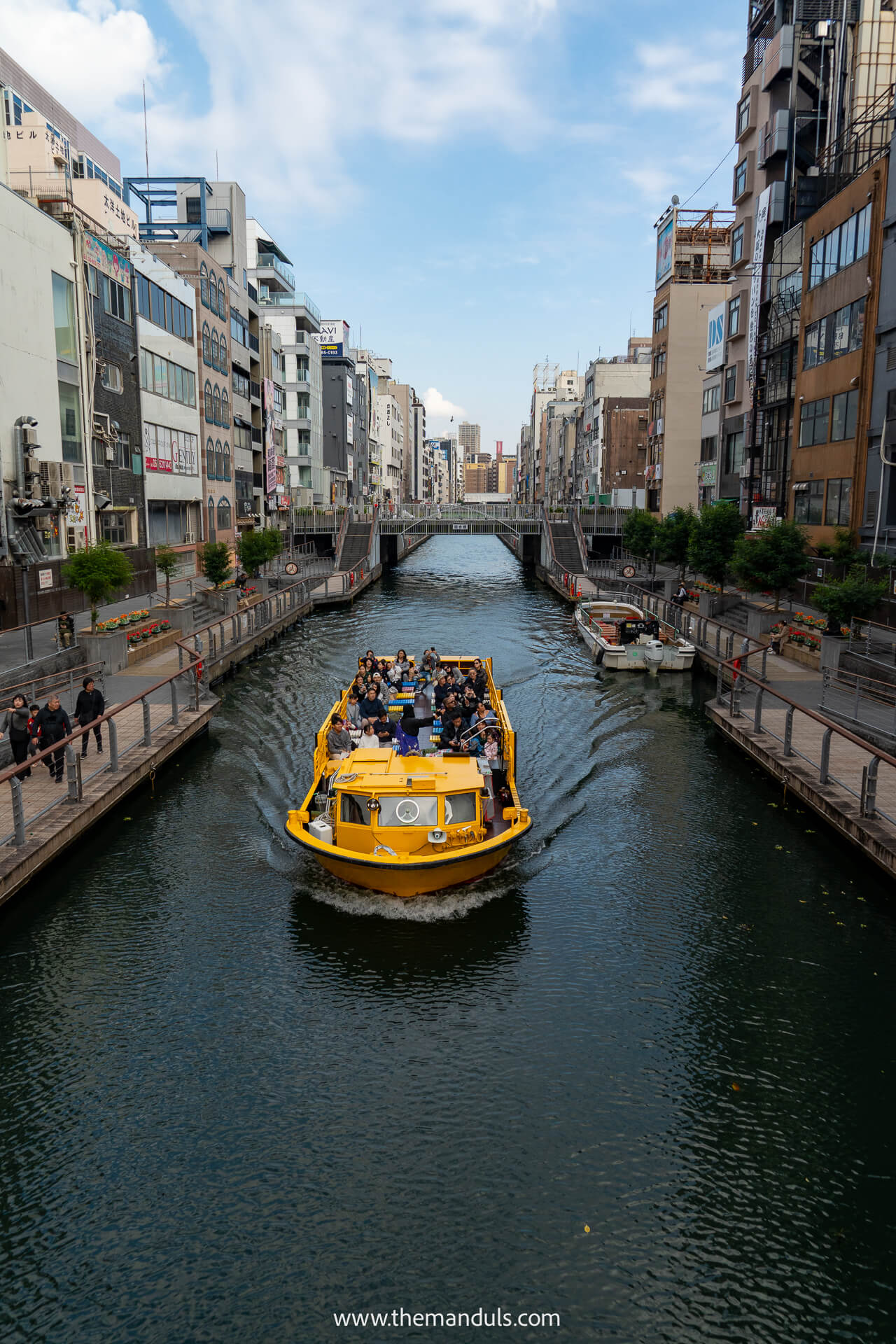
Crowds don’t disappear in summer — they just shift. International tourism drops slightly, but school holidays, Obon (mid-August), and major festivals keep cities busy.
Friends who went said evenings were their favorite part: food streets buzzing, festivals everywhere, and a lively atmosphere once the sun went down.
✅ Pros: Festivals, fireworks, long days, lively nights
❌ Cons: Extreme heat, high humidity, rainy season, Obon crowds
Monthly Overview:
- June: Hot and humid with frequent rain; fewer tourists but unpredictable weather.
- July: Very hot, festival-heavy; Tenjin Matsuri draws huge crowds.
- August: Peak heat and humidity; Obon causes busy trains and higher prices.
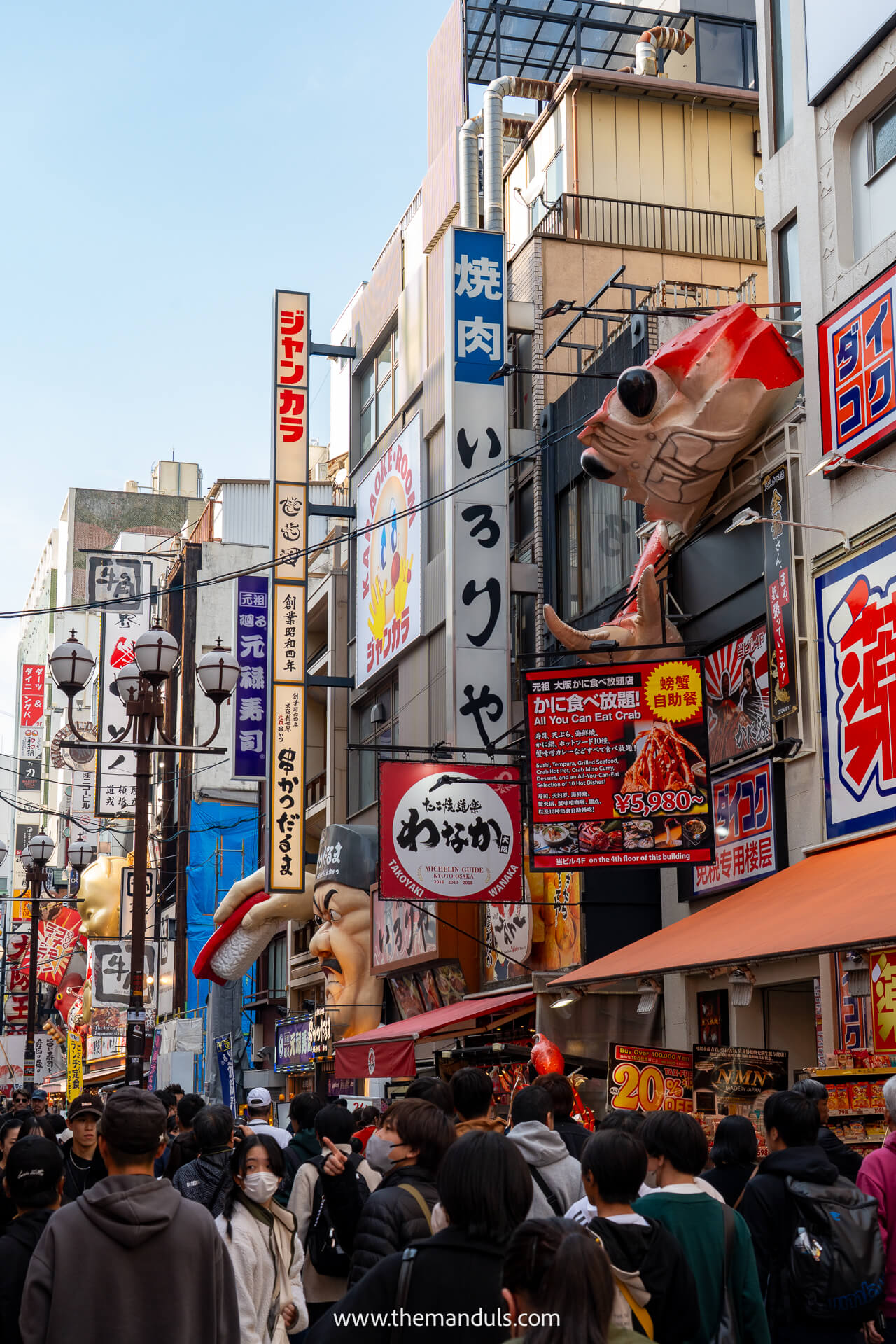
Autumn
Autumn is, without question, our favorite time to visit Osaka — and the season we planned our entire trip around. If you’re after the best balance of weather, atmosphere, and overall comfort, this is it.
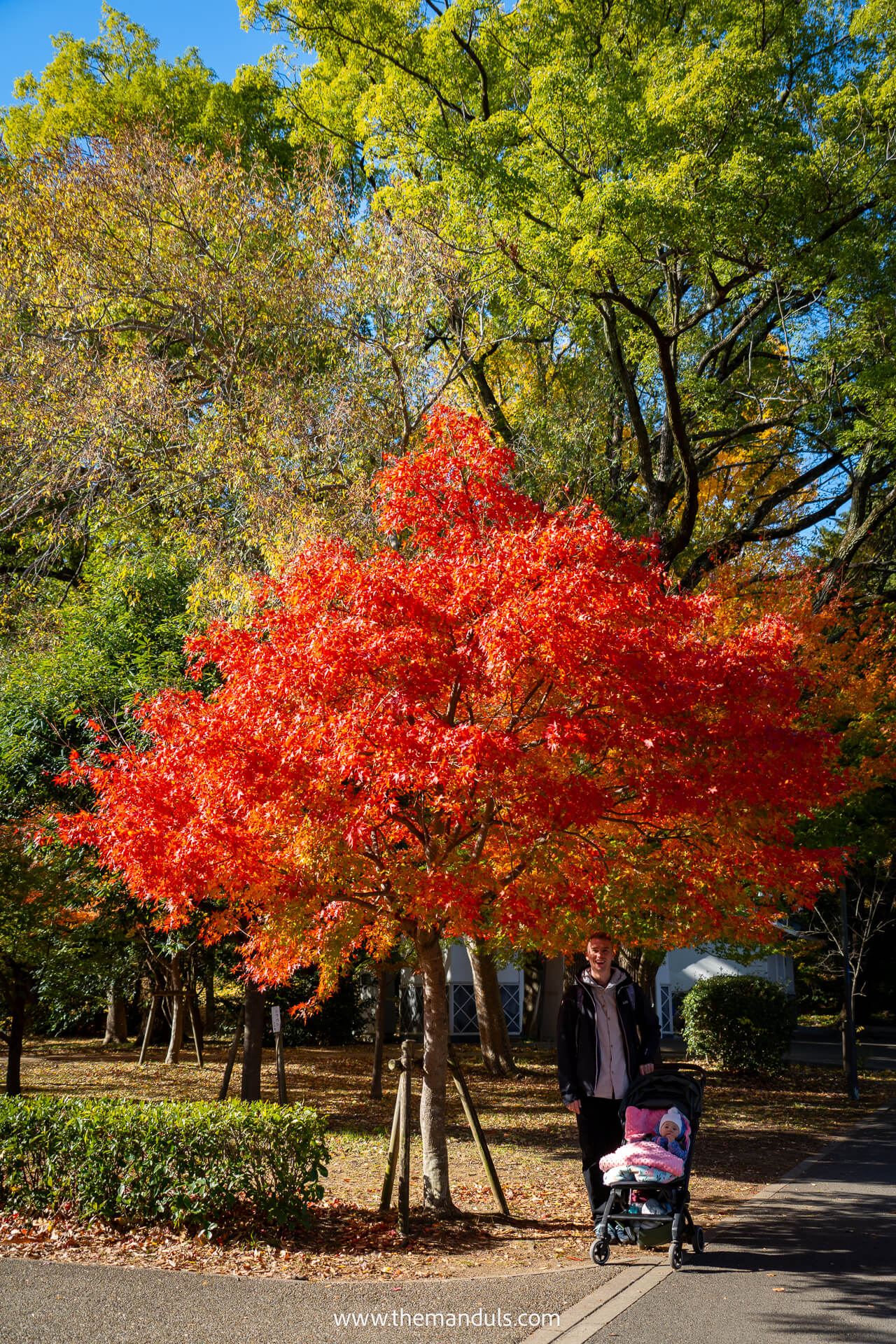
We visited during the fall foliage period, and it felt close to ideal. Daytime temperatures hovered around 15–23°C, humidity was noticeably lower than in summer, and walking all day never felt exhausting. The light was softer, sunsets were beautiful, and we genuinely enjoyed spending long hours outdoors.
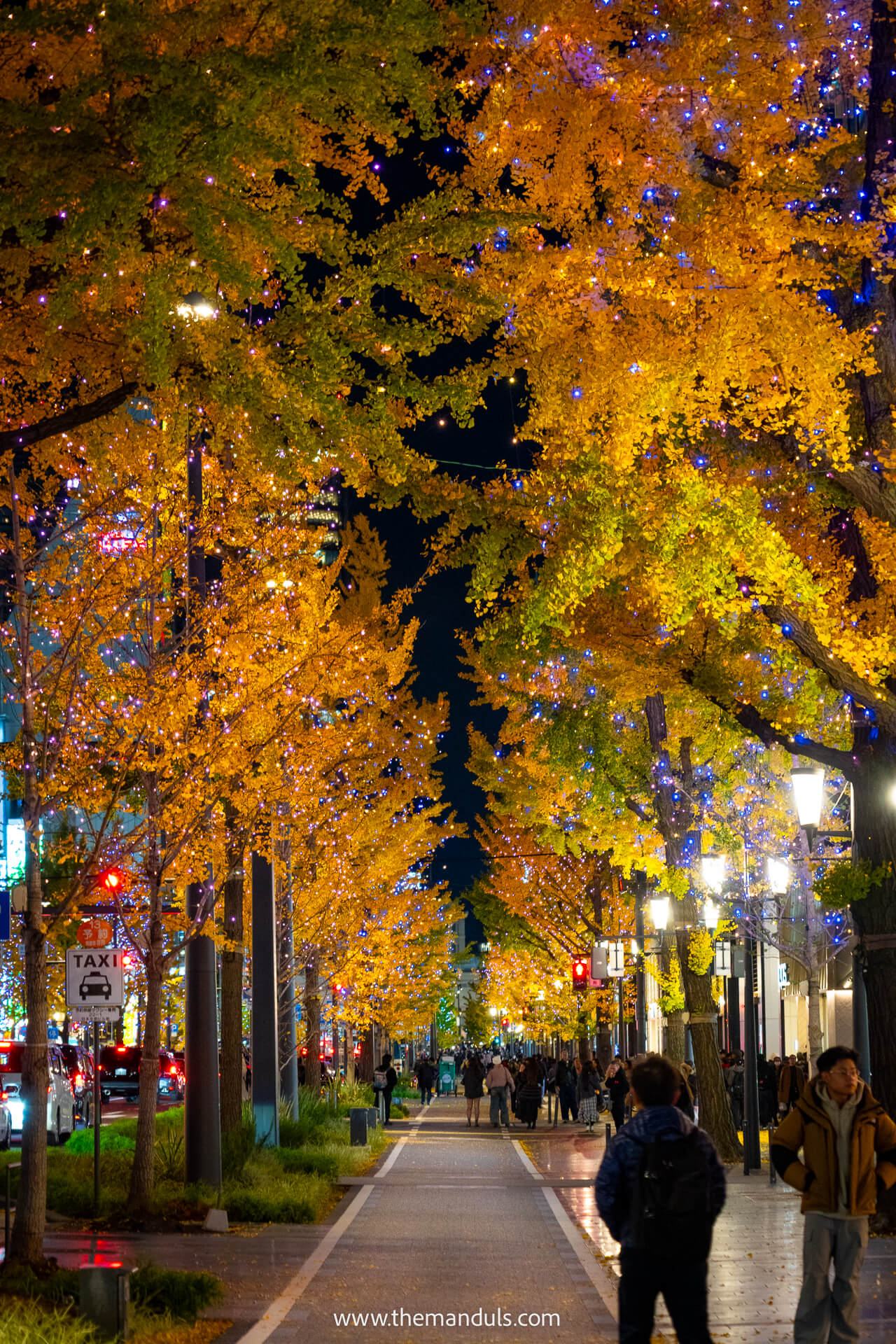
Osaka does get busy in autumn, especially in November when foliage peaks, and at times it felt a bit overwhelming. Popular sights were crowded, and some entrance fees were higher thanks to autumn colors and seasonal illuminations.
That said, the illuminations were a fantastic add-on. Seeing some of Osaka’s most popular spots lit up every evening added a completely different layer to the trip — and for us, it more than made up for the crowds.
✅ Pros: Ideal weather, autumn colors, great walking conditions, lively but manageable crowds
❌ Cons: Peak season prices, popular dates sell out early
Monthly Overview:
- September: Early autumn with warmer days and fewer crowds; occasional rain, but improving conditions.
- October: One of the best months overall — mild weather, clear days, and a relaxed yet vibrant vibe.
- November: Peak fall foliage; stunning colors and cooler days, but also the busiest autumn month.
Our Japan Google Maps
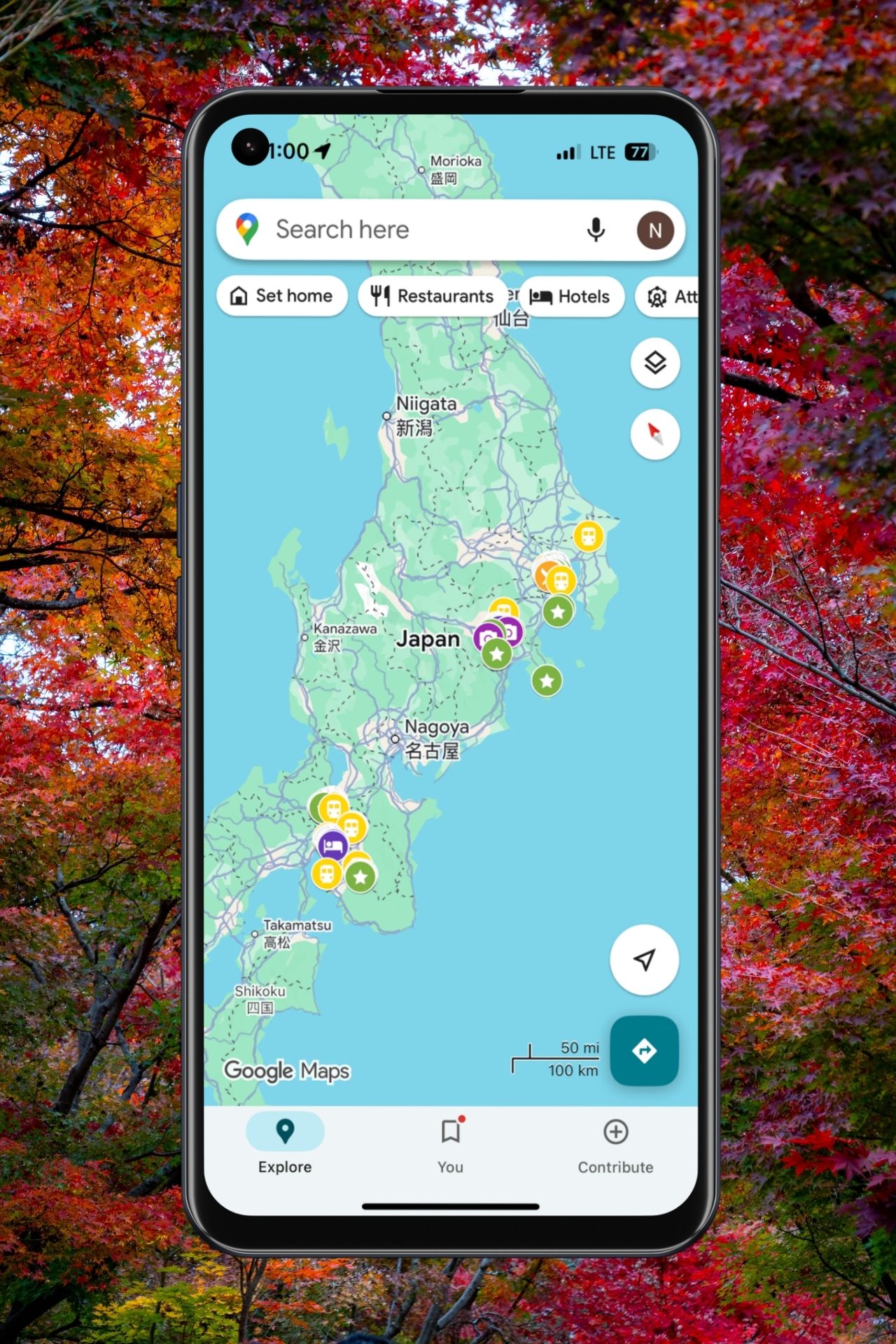
Built from our real trips across Japan — only places we actually visited and loved.
No tourist traps. No random saves. Just a ready-to-use map that saves you hours of research.
219 handpicked spots, including:
📍 Highlights & hidden gems
🍜 Restaurants we’d go back to
🏨 Areas & hotels we’d book again
🗺️ Stops that fit into real, logical itineraries
Winter
Winter in Osaka is calm, cooler, and noticeably less crowded — but it’s not our first choice. Japan in winter is actually a dream for us because of its world-famous powder snow, and if we’re traveling during this season, we’re far more tempted to head to the mountains than stay in a city like Osaka, where there’s no skiing.
That said, winter in Osaka has its upsides. Daytime temperatures usually sit around 5–10°C, humidity is low, and rainfall is minimal. It’s cold but manageable, especially if you’re used to European winters. Walking around is easy, and sightseeing doesn’t come with the exhaustion you get in summer.
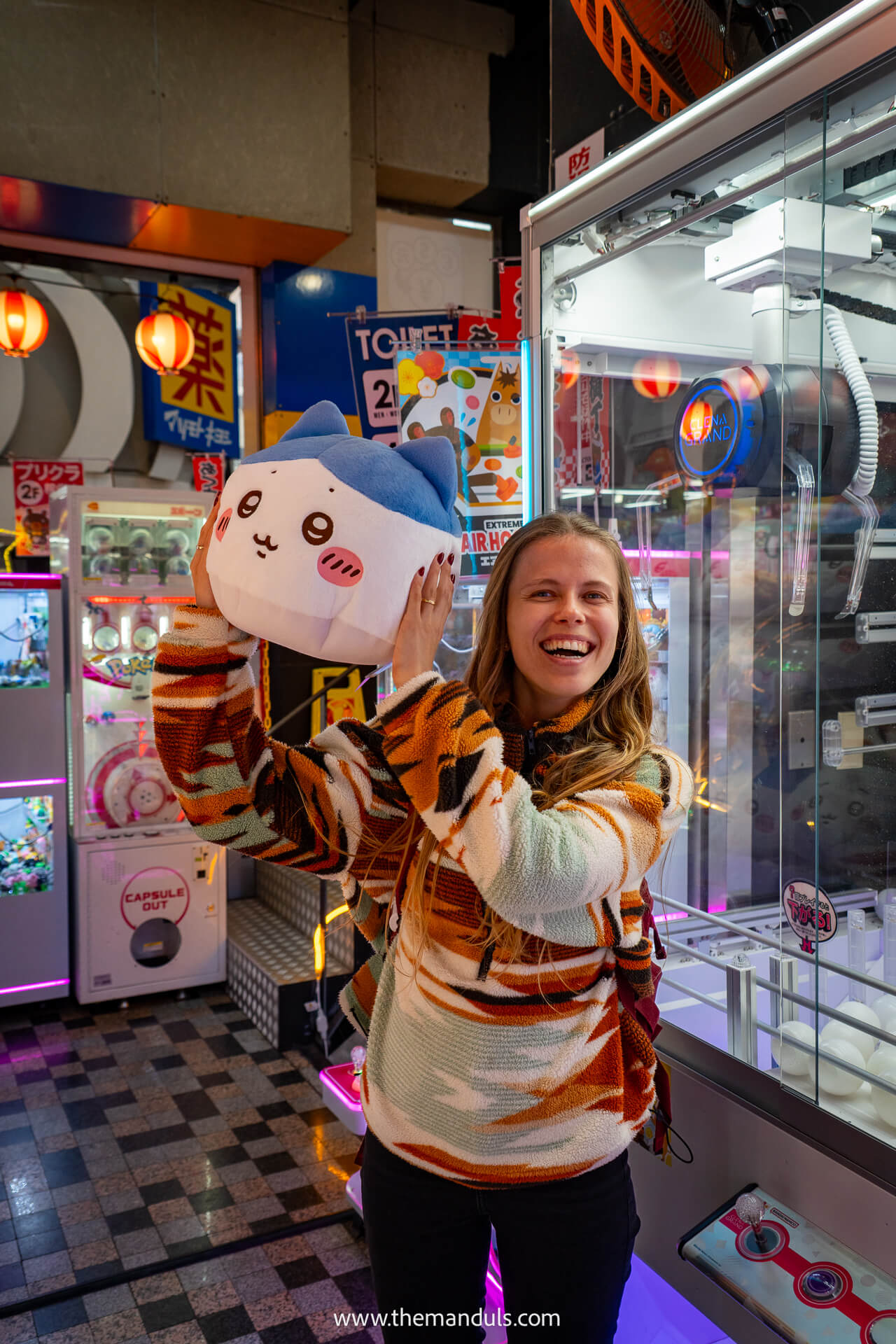
Crowds drop significantly outside of New Year, when domestic travel peaks and some attractions close temporarily. For budget-focused travelers, winter can be a great time — hotel prices are often lower, and popular areas feel much more local. It suits travelers who prioritize food, neighborhoods, shopping, and a slower pace over outdoor scenery.
✅ Pros: Fewer crowds, lower prices, crisp weather, festive winter illuminations
❌ Cons: Cold evenings, shorter days, limited seasonal highlights compared to spring or autumn
Monthly Overview:
- December: Festive vibe with winter illuminations; manageable crowds except around the holidays.
- January: Cold and quiet; New Year brings closures and busy transport early in the month.
- February: Similar to January but calmer; good value for accommodation and a very local feel.
Crowds & Prices
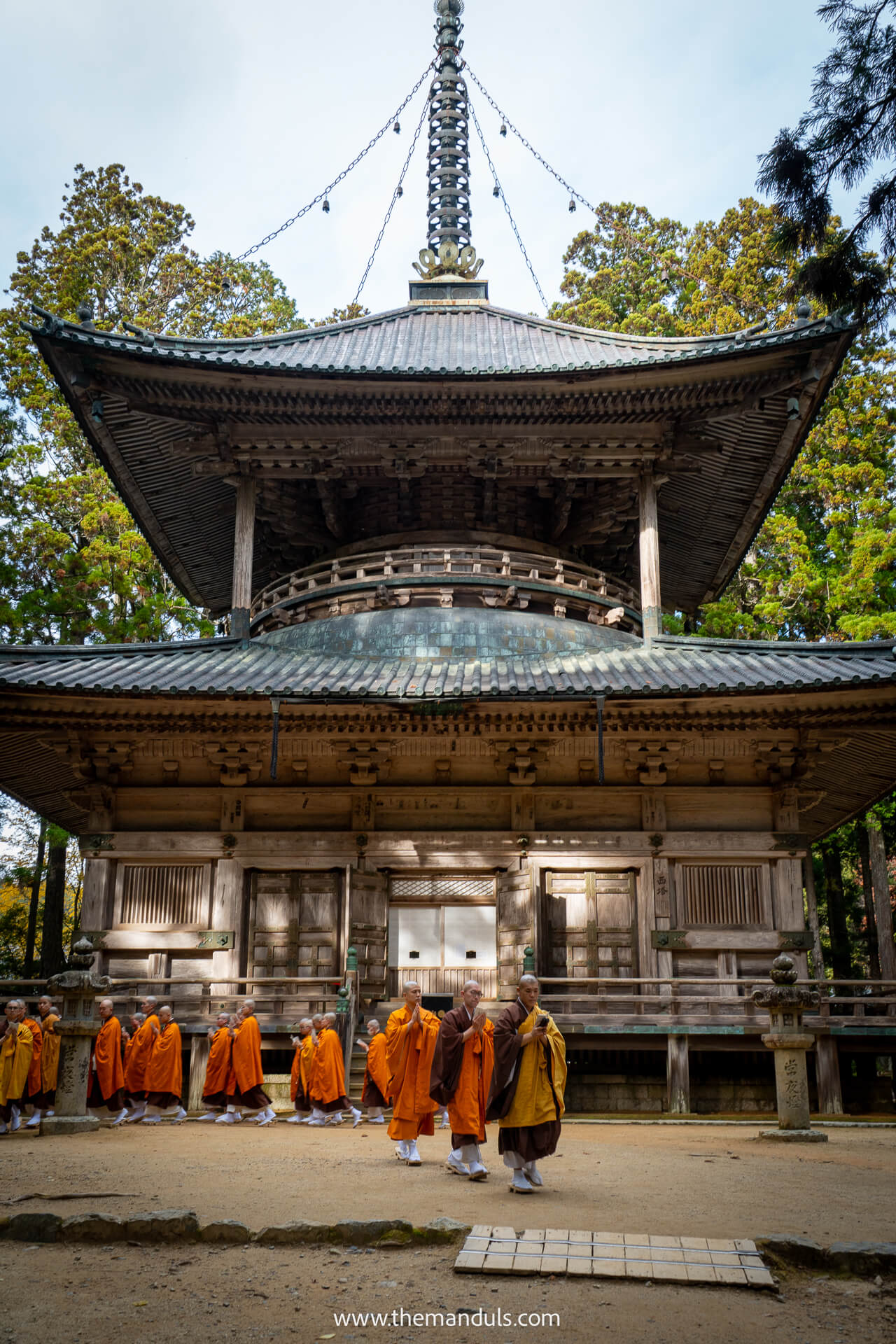
Crowds and prices in Osaka fluctuate a lot depending on the season. The most expensive and busiest times are cherry blossom season (late March–early April) and autumn foliage (November), when both international visitors and domestic travelers are on the move. Hotels sell out quickly, prices jump, and popular attractions are noticeably busier.
We really felt this during our autumn trip — a few attractions were already sold out several days in advance, which caught us off guard. It’s a good reminder that during peak seasons, planning ahead isn’t optional if there’s something you really want to see.
Summer (July–August) is mixed. The heat keeps some travelers away, but school holidays, festivals, and Obon still drive up prices — especially for accommodation in mid-August. Winter (January–February) is generally the cheapest and quietest period, with lower hotel rates and better availability, except around New Year, when prices spike briefly and transport gets busy.
For planning, booking ahead really matters. Reserve hotels early for spring and autumn, and lock in trains well in advance if you’re traveling during Golden Week, Obon, or peak foliage season. If you’re flexible on dates, late winter and early summer (before peak heat) offer the best value with fewer crowds.
Events & Festivals
Here are a few key events that really shape travel in Osaka and across Japan:
- Cherry Blossom Season (late March–early April): Short but iconic — parks and riversides fill with blossoms, picnics, and a festive atmosphere. Beautiful, but one of the busiest times to visit.
- Golden Week (late April–early May): A cluster of national holidays when Japan travels. Trains and hotels book out fast, and prices spike almost everywhere.
- Tenjin Matsuri (July): One of Japan’s biggest festivals, held right in Osaka, with boat processions and fireworks along the river. Incredible energy, but expect heat and crowds.
- Obon (mid-August): A nationwide holiday when many locals return home. Cities can feel quieter, but transport is extremely busy and prices go up.
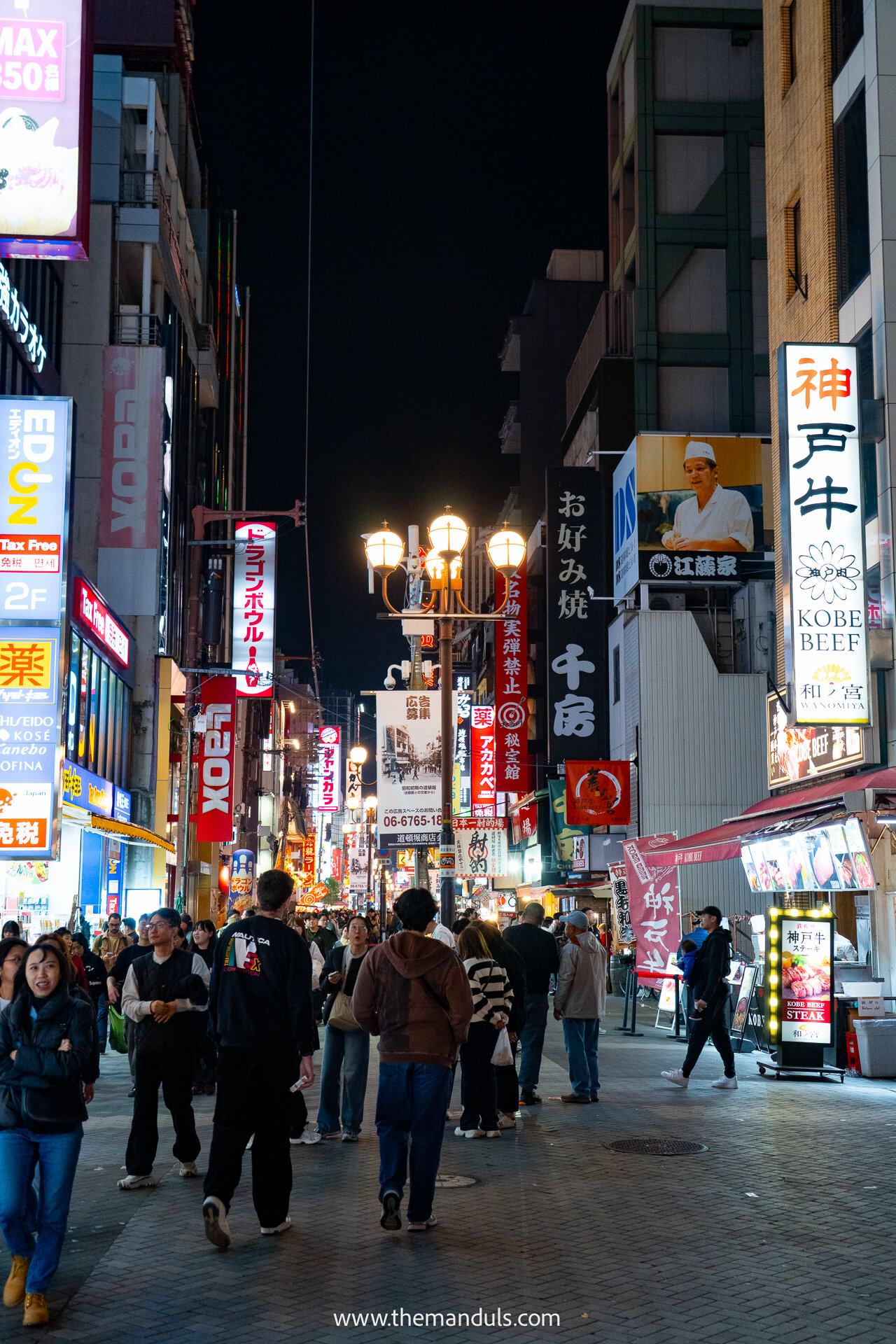
- Winter Illuminations (December): Osaka lights up in the evenings, especially around Umeda and Midosuji. We loved how this adds atmosphere to winter nights.
These events are worth knowing about early — they can completely change crowd levels, prices, and the overall feel of your trip.
Worst Time to Visit Osaka
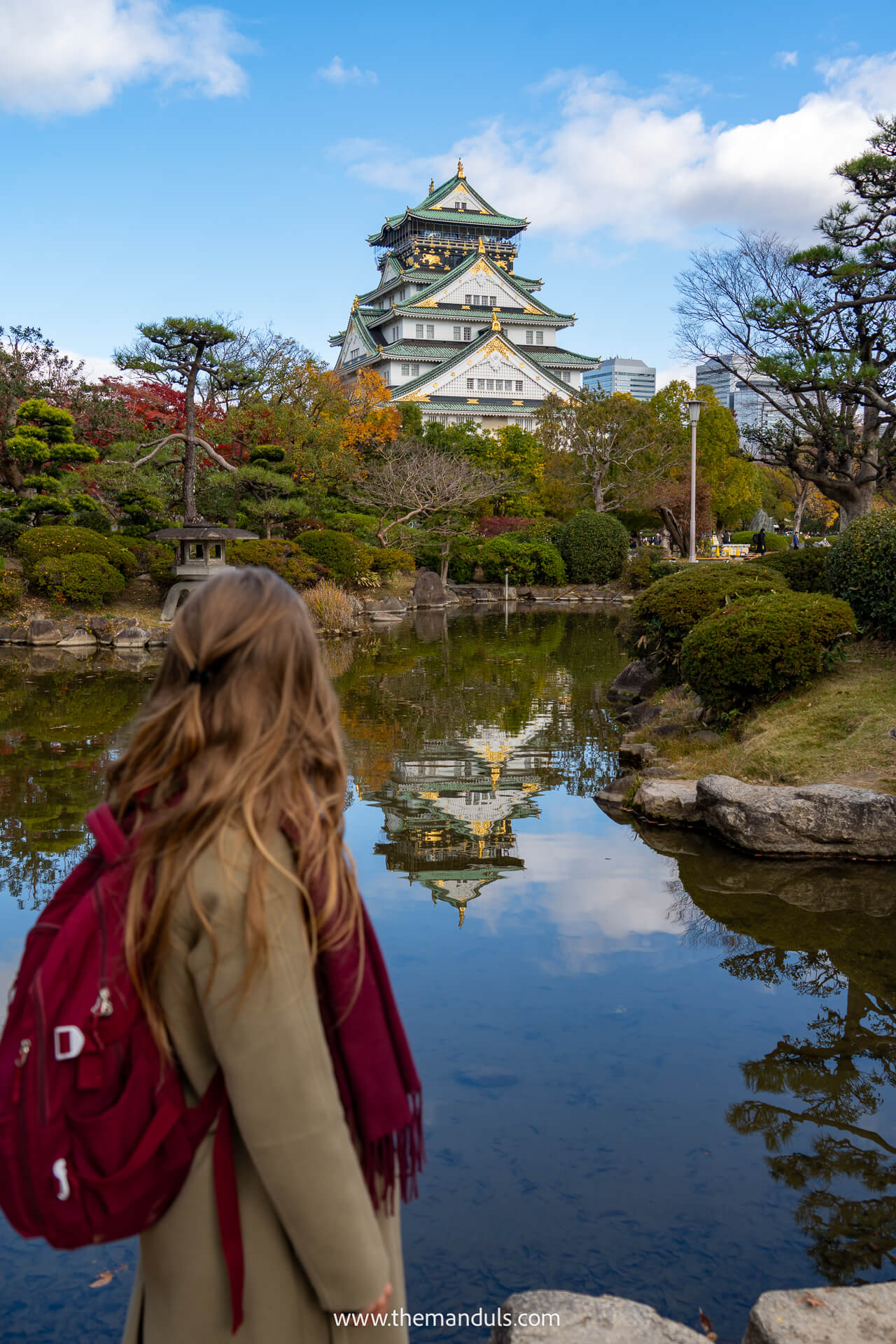
The least ideal time to visit Osaka is mid-summer (July–August). High temperatures, heavy humidity, and the tail end of the rainy season can make sightseeing tiring, with daytime heat often climbing above 30°C.
Crowds don’t disappear either — school holidays, Obon, and summer festivals keep transport and popular areas busy, and occasional typhoons can disrupt plans. That said, summer can still work if you don’t mind the heat and want festivals, nightlife, and a lively evening atmosphere.
FAQ
The rainy season usually runs from early June to mid-July, bringing higher humidity and occasional heavy showers.
October and November are ideal — mild weather, clear days, and great conditions for walking and exploring.
January and February are typically the cheapest months, with lower hotel prices and fewer tourists (except around New Year).
Cherry blossoms usually peak in late March to early April, though exact timing varies slightly each year.
Final Thoughts
If we had to recommend just one time to visit Osaka, it would be autumn, hands down. The weather is comfortable, the city feels lively without being overwhelming, and it’s the easiest season to enjoy Osaka at a relaxed pace — especially if you plan to walk a lot and spend time outdoors.
That said, Osaka really does have something to offer year-round. Spring brings iconic cherry blossoms, summer is all about festivals and late nights, and winter feels calmer and more local.
Honestly, the best time to visit just depends on what kind of trip you’re after — and how much you’re willing to plan ahead.